




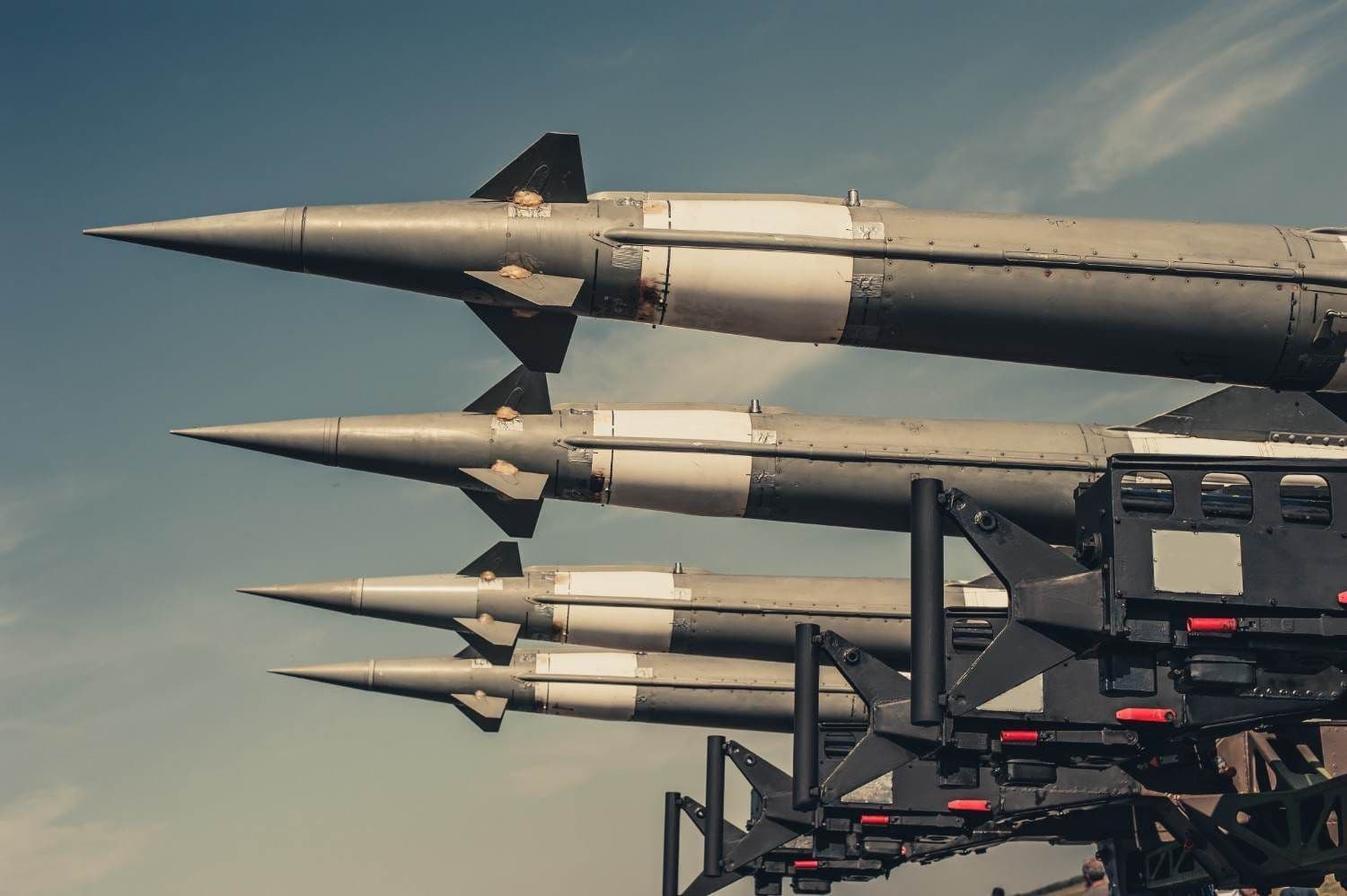
The next phase of the defense cycle may be driven less by new weapons and more by a basic problem.
The United States and its allies are using missiles and interceptors faster than the industrial base can replace them, according to an analysis from Citrini Research.
The firm argues that modern warfare has exposed a weakness that investors have largely overlooked. Cheap drones, loitering munitions and ballistic missiles are forcing militaries to consume expensive interceptors at a pace that peacetime production was never designed to support.
Demand Is Outrunning Production
The warning is no longer confined to military analysts.
In June, the White House invoked the Defense Production Act after identifying constraints across the U.S. munitions industrial base, including limited production capacity, fragile supply chains and long lead times. Those concerns point to a growing gap between the pace of battlefield demand and the speed at which manufacturers can replenish inventories.
The issue has become more visible following the heavy use of Patriot and THAAD interceptors in recent conflicts. Those systems remain central to protecting military bases, critical infrastructure and allied assets from ballistic missile attacks.
The Industrial Base Is Now The Weak Link
Citrini Research argues that the real constraint is not how many missiles exist today but how quickly new ones can be built.
Also Read: Binance Blocks HTX Transfers, 10 More Platforms Face Aug. 23 Deadline
Years of operating under a peacetime procurement model left manufacturers with limited spare capacity. Production was optimized for predictable government orders rather than sustained wartime demand. Expanding output now requires new factories, additional suppliers and long investment cycles that cannot be completed overnight.
That changes the investment case. The opportunity is no longer limited to prime defense contractors. Companies involved in propulsion, guidance systems, motors, sensors, electronics and other parts of the missile supply chain could become increasingly important as governments work to rebuild inventories.
A Different Kind Of Defense Supercycle
The broader implication is that defense spending is entering a new phase.
For decades, procurement focused on maintaining technological superiority. Today, the ability to sustain production may matter just as much as the sophistication of the weapons themselves.
Citrini Research believes the battlefield has shifted the conversation from power projection to industrial resilience. Governments are no longer asking only which systems they need. They are asking whether those systems can be manufactured quickly enough to keep pace with modern warfare.
If that trend continues, missile production and the broader munitions supply chain could become one of the defining long-term themes in global defense spending.
Read Next: Cardano DeFi TVL Jumps 14M ADA While Institutions Stay On Sidelines