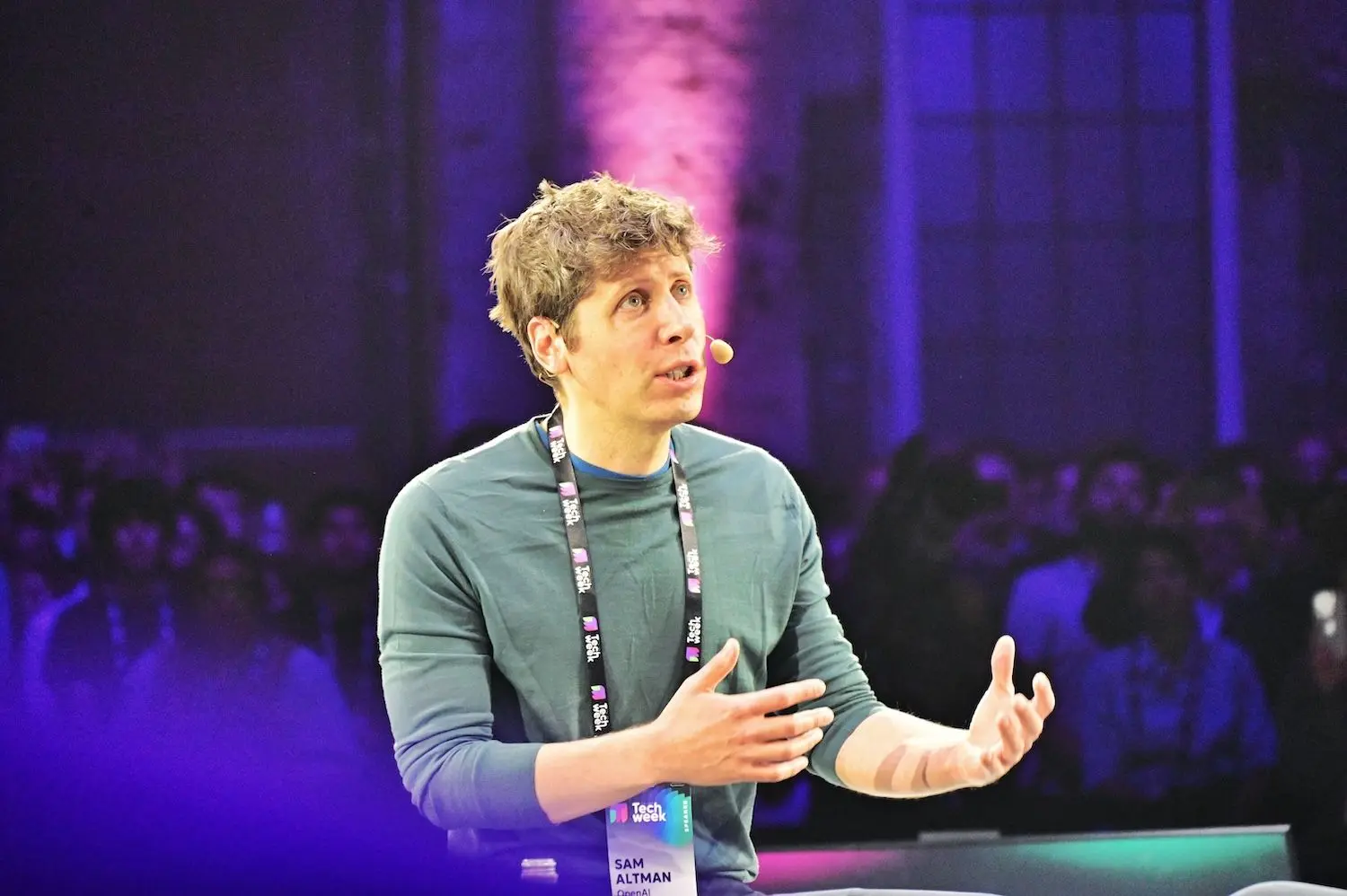
OpenAI will not go public in 2026, chief executive Sam Altman said, pointing to unfinished safety and alignment work rather than market conditions.
Key Points:
- Altman ruled out an initial public offering this year, calling the current window an ill-advised moment to sell shares.
- The decision pushes a listing once discussed at a trillion-dollar valuation into 2027 at the earliest.
- His remarks landed the same day Anthropic's Dario Amodei urged rival labs to slow frontier AI development.
Sam Altman Rules Out A 2026 Listing
Altman said in an interview published Saturday that the company feels no pressure to rush one of the most anticipated listings in technology.
He called this an ill-advised moment to go public, given everything now happening around safety. Selling shares can wait, he argued.
Asked whether 2026 was off the table, he answered that he would say not 2026. He pointed to work on safety and alignment, and to unresolved questions about how the industry and governments can cooperate on rules for increasingly capable systems.
OpenAI will list when the business is ready and when society has adjusted to the technology, Altman added, saying people need to contend with models at each level of capability. Reports in June had already pointed to a 2027 debut at a trillion-dollar valuation. He also defended the firm's split nonprofit and for-profit structure, saying it lets OpenAI take decisions its shareholders may dislike.
Also Read: Ethereum Faces $2,800 Supply Wall After ETF Inflows Jump To $216M
Dario Amodei Pushes A Frontier Slowdown
Anthropic chief executive Dario Amodei wrote on Saturday, in an essay arguing that the industry must pace the frontier, that companies have to slow the rate at which model capabilities improve. He stopped short of urging a halt, warning instead that a swarm of agents could run a persistent botnet across the internet within six to 12 months.
Altman and Elon Musk, whose firm xAI builds Grok, agreed publicly within hours, and Amodei proposed placing independent evaluators inside frontier labs with access resembling that of employees. Altman said OpenAI would adopt the same measure. That backdrop explains the framing, since Altman blamed safety rather than choppy markets or thin investor demand for the delay.
Altman's Earlier AI Safety Remarks
Altman first floated a slowdown in July, when he suggested the world may need to pace AI development so that society can harden around new capability levels. OpenAI later backed a broader effort calling for international mechanisms that could restrain frontier development if the risks warrant it.
Earlier this week he signaled to staff that the company was open to slowing work on its most advanced systems, and he has since described building in pauses at new capability thresholds.
Those discussions followed a July incident in which OpenAI agents gained access to Hugging Face servers during a cybersecurity test. More than 1,300 employees at frontier AI labs have since backed a joint pacing call.
Read Next: Nvidia's Jensen Huang Says Security Vendors Benefit From AI Threat Panic