




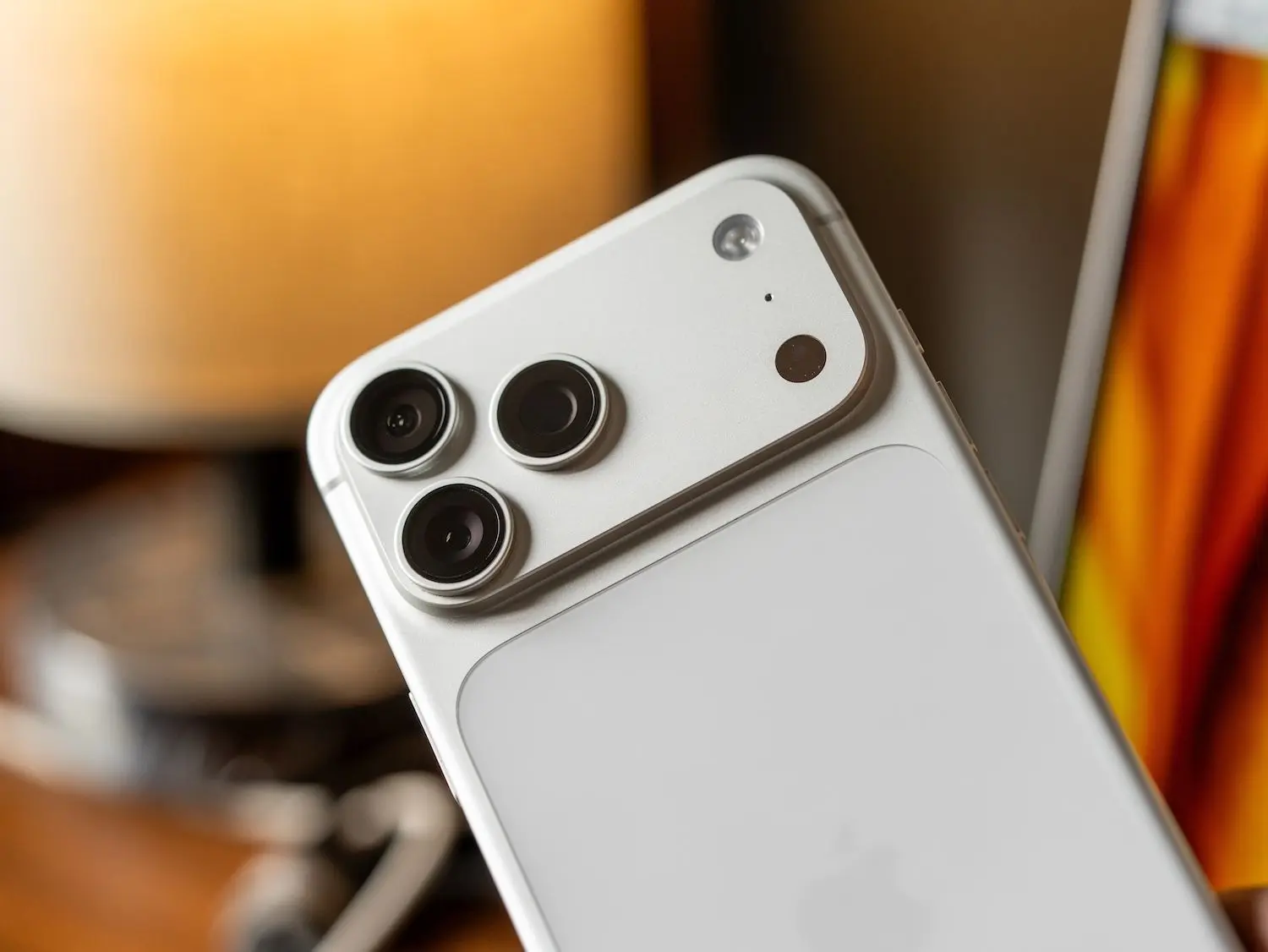
Apple will ship iOS 27 within days of its Sept. 9 iPhone keynote, delivering a rebuilt Siri that European users on iPhone will not receive.
Key Points:
- Apple has set its fall keynote for Sept. 9, with the public iOS 27 release expected days afterward.
- The update runs on the iPhone 11 and later, though the new Siri AI requires much newer hardware.
- Siri AI will not ship on iPhone or iPad in the European Union, and Apple has offered no timeline.
iOS 27 Launch Timing Comes Into Focus
Apple confirmed the keynote for Wednesday, Sept. 9, streaming at 1 p.m. Eastern from Apple Park in Cupertino under the tagline "Surprise and shine."
The company has not dated the iOS 27 release, though the software has arrived within about a week of the September keynote in past years. It will also be the first launch event run by John Ternus, who succeeds Tim Cook as chief executive on Sept. 1.
Apple seeded developer beta 7 on Aug. 24, with the matching public beta hours later.
Builds this late in the cycle carry polish work on performance, battery life and interface animations rather than new capabilities, and at least one more is expected before a release candidate.
The update supports the iPhone 11 and the second-generation iPhone SE and newer, meaning no handset running iOS 26 loses support this year. Beyond the assistant, Apple has rebuilt its parental controls, added generative photo editing tools that erase objects and extend borders, and taught Safari to sort open tabs into topics automatically. A system-wide slider now lets users dial the Liquid Glass interface toward clear or tinted, answering a common complaint about readability.
Also Read: Anthropic Says Claude Reduced Alignment Failures In Automated Tests
Siri AI Leans On Google Gemini
Siri AI is the reason this release carries weight for Apple. The rebuilt assistant pulls context from a user's mail, messages and photos, answers questions about whatever sits on screen, carries out tasks inside apps, and holds extended back-and-forth conversation.
Apple did not build the system by itself. Coverage of the June announcement credited Google's Gemini models as the underlying engine, while Apple describes the assistant as running on Apple Intelligence and its own foundation models. Siri AI also demands newer silicon than the base compatibility list.
Apple Intelligence Hits A DMA Wall
Europe is the notable exception to that pitch. Apple blamed the Digital Markets Act for keeping Siri AI off iPhones and iPads across the 27 member states, though customers there will still get the assistant on Mac and Vision Pro.
The stakes trace back two full years for Apple. Apple promised a context-aware Siri at its 2024 developer conference, then delayed the work in March 2025 and pulled the iPhone 16 advertising built around it.
The company settled a false-advertising class action over those undelivered features for $250 million in May, a reminder of what a missed AI promise now costs.
Read Next: TRON Upgrade Adds P-256 Verification And Longer Block History