




Apple's first foldable iPhone Ultra could arrive above $2,000 without five familiar flagship features, as leaks point to compromises driven largely by its ultra-thin design.
Key Points:
- The iPhone Ultra is expected to omit a telephoto camera, Face ID, a physical SIM slot, mmWave 5G and the Action Button.
- Most reported cuts are tied to limited internal space, while the modem choice and foldable architecture create additional constraints.
- Price rumors between $2,000 and $3,000 could make those tradeoffs more visible to buyers.
iPhone Ultra Tradeoffs
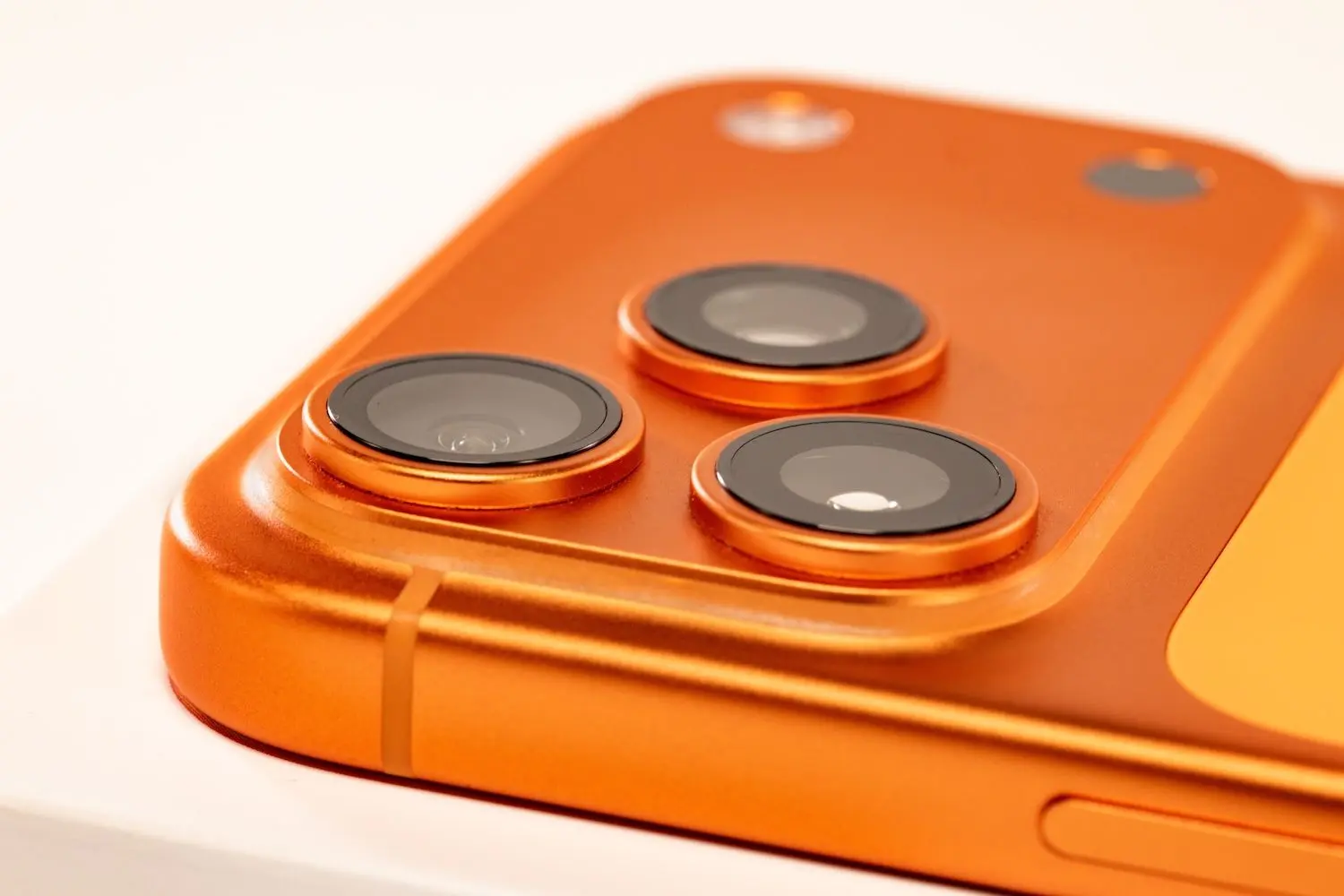
A review by PhoneArena's Mariyan Slavov of dummy units, leaked images, schematics and renders suggests the iPhone Ultra will use only two rear cameras, likely 48-megapixel wide and ultrawide sensors. The phone is rumored to measure about 4.5 mm when unfolded, leaving little depth for a telephoto system.
Face ID may also disappear because Apple's TrueDepth hardware needs more room than the thin chassis provides, with a side-mounted Touch ID sensor expected to replace it.
Reports also point to an eSIM-only design, with Mark Gurman and Ming-Chi Kuo cited among those supporting that expectation. Apple is also expected to use its C2 modem, which reportedly lacks mmWave support. Dummy units, meanwhile, show no Action Button on the left edge.
Also Read: NEAR Volume Doubles To $609M While Price Targets $2.55 Resistance
Apple Design Logic
The common thread is internal space. A foldable this thin must accommodate its battery, chipset, cooling hardware and hinge-related components, making a telephoto module, TrueDepth array and physical SIM tray harder to fit.
Gurman has said people who tried the device viewed its camera system as a weak point. Separately, tipster Instant Digital said Apple placed the motherboard on the right side and avoided running cables across the folding display, which may explain why the phone's buttons are concentrated there.
Those choices could carry more weight because price leaks place the iPhone Ultra between $2,000 and $3,000.
Apple has already moved parts of its lineup toward similar compromises. The iPhone Air and some iPhone 17 models rely on eSIM, the Action Button arrived with the iPhone 15 Pro, and the iPhone 7 in 2016 was the last flagship iPhone with Touch ID outside the SE line.
Read Next: iPhone Ultra Could Start Near $2,000 While Top Models Pass $3,000