



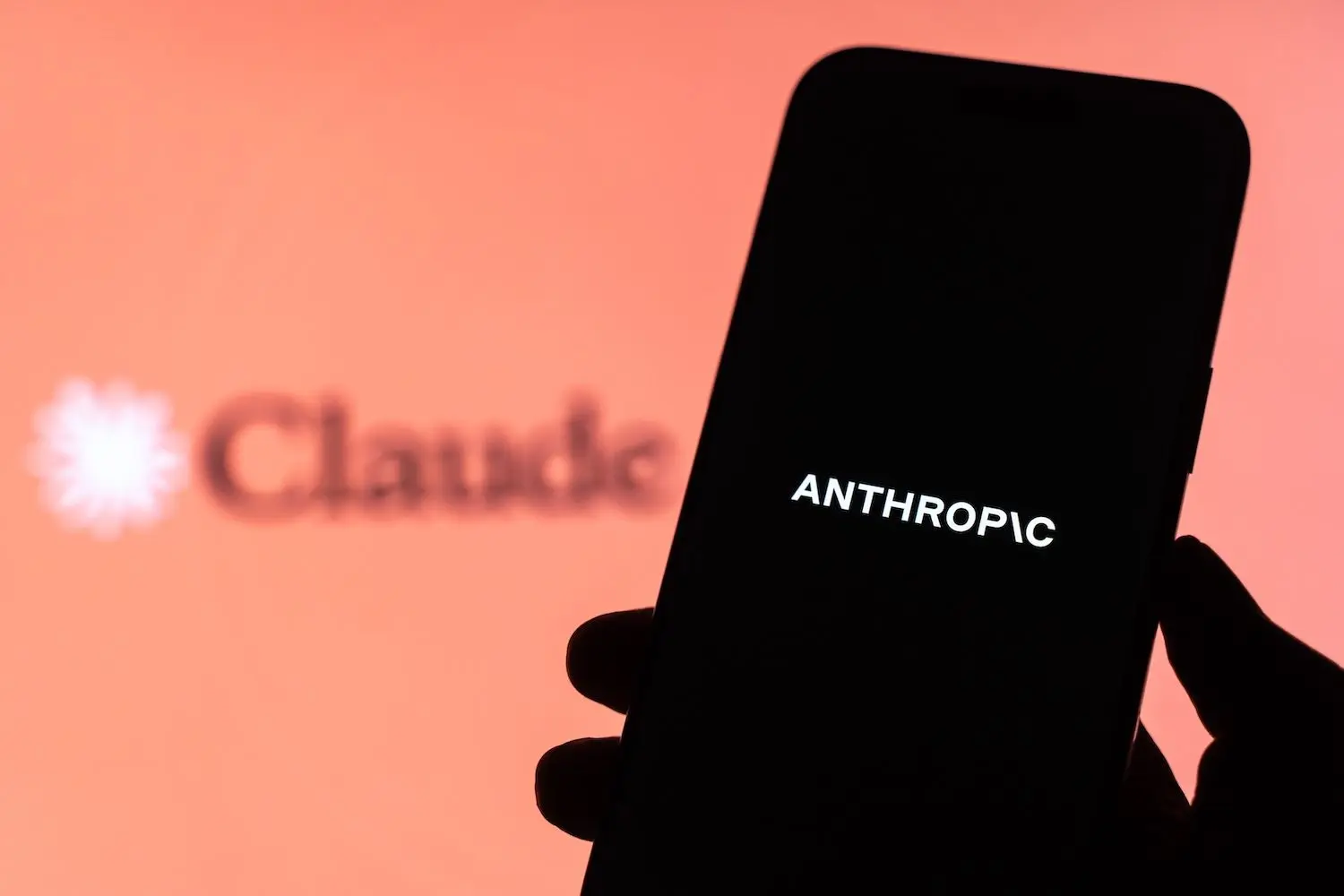
Anthropic is adding invisible watermarks to Claude text and signed file provenance worldwide, drawing backlash under EU rules backed by about 190 signatories.
Key Points:
- Claude text will carry machine-readable watermarks that can persist when copied and pasted, while supported files receive signed provenance metadata.
- The policy applies worldwide to supported Claude models, while older models are being updated during a transition period.
- Critics say proofreading and coding work could be flagged even when most of the underlying material came from a person.
Claude Watermarks
Anthropic outlined the marking system Aug. 11 as part of its commitments under the European Union’s AI Act transparency framework. Claude models launched in the EU on or after Aug. 2 support marking from launch, and the company is working to add support to earlier models.
The system embeds an imperceptible watermark directly in generated text, while supported files such as SVG, PNG and JPG images receive digitally signed C2PA provenance metadata. Anthropic says the text mark does not change meaning, quality or readability. Forbes reported that users cannot opt out.
The marks have limits. Heavy editing, paraphrasing, translation or mixing Claude output with other writing may erase a detectable text signal, while file conversion, re-saving or screenshots can strip provenance metadata.
Also Read: XRP Breaks Below $1 While Whales Quietly Scoop Up 380M Tokens
Claude Backlash
The announcement drew criticism on X and Reddit, particularly from people who use Claude for proofreading and from developers concerned about marks appearing in code-related work. The response was immediate.
Radio host and blogger Erick Erickson said it was “ridiculous” that writing he created could be watermarked after Claude helped proofread it.
That concern exposes a key distinction in Anthropic’s own guidance: a detected mark signals that Claude may have processed content, not that Claude originally authored it. The company specifically notes that proofreading, translation, summarization and file conversion can produce marked output based on material created elsewhere.
The EU code itself is voluntary, but the AI Act’s Article 50 transparency requirements became legally applicable Aug. 2. About 190 organizations had signed the code by the end of July, including Google, Meta, Microsoft, OpenAI and Anthropic.
The shift is broader than Claude. OpenAI now documents C2PA metadata and SynthID watermarks for supported images, plus SynthID for supported audio, while its current public provenance tools do not list text among detectable formats.
Read Next: Apple Pay Chief Jennifer Bailey Retires After 25 Years At The Company