




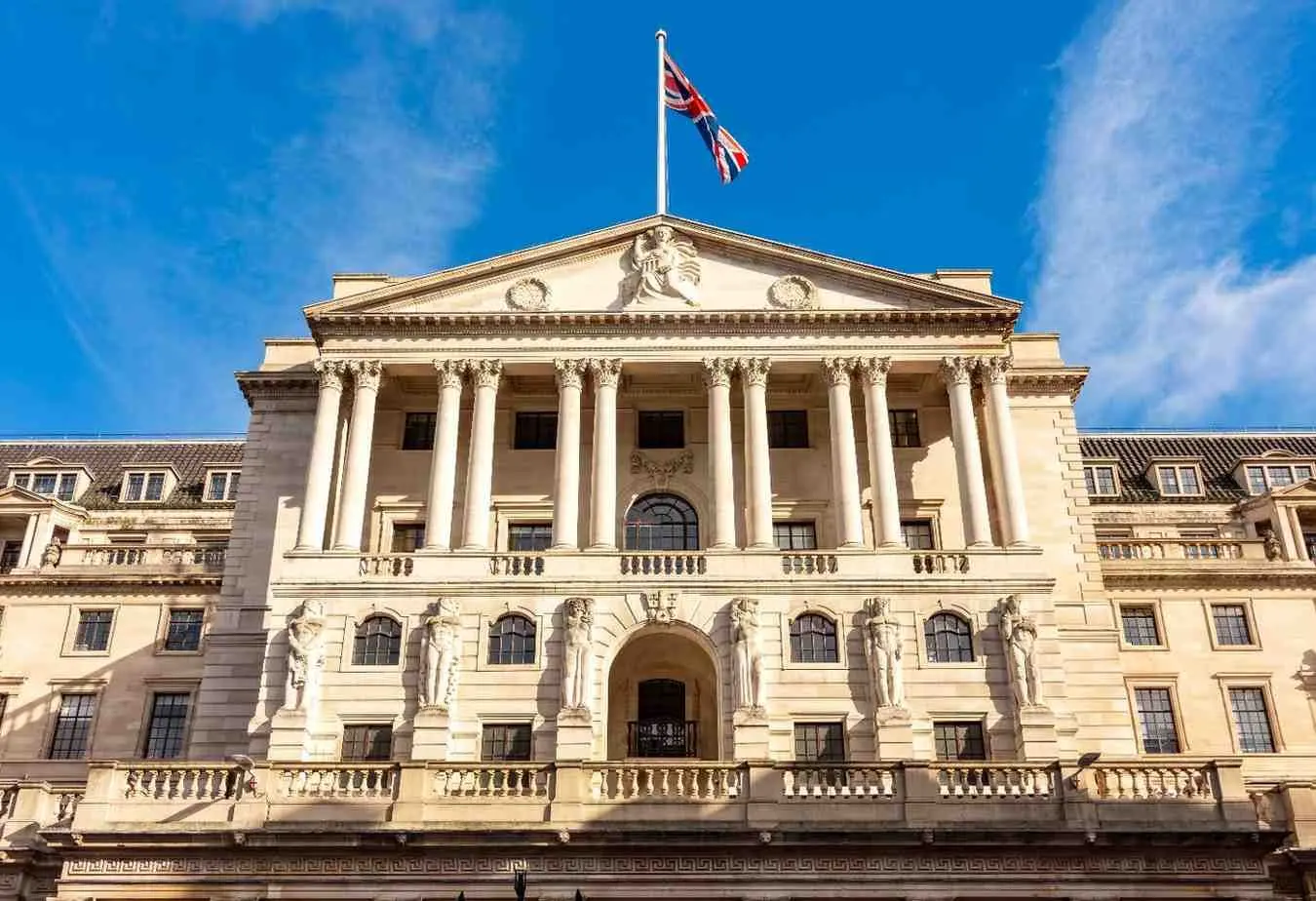
The Bank of England’s Digital Pound Lab is testing whether stablecoins and a future digital pound can operate in the same trade finance workflow, a step that could point to how public and private digital money may work together in cross-border business payments.
NOBO Finance, Dun & Bradstreet and Polygon Labs have been named as participants in Phase 2 of the lab, according to a statement from the companies.
The experimental program uses no real customers or money, but is designed to test future payment infrastructure and interoperability in a controlled setting.
The pilot focuses on a persistent problem in small business trade finance. Cross-border transactions can still depend on fragmented verification, manual checks and settlement processes that take days. For SMEs, that delay can leave capital trapped between shipping goods and receiving payment.
Stablecoins And Digital Pound Tested In One Flow
The most significant workstream is an electronic bill of lading-backed invoice factoring flow with multi-rail settlement. Under the proposed structure, an exporter receives an advance through a stablecoin rail, while the UK importer completes final settlement in digital pounds.
That structure suggests the digital pound is being explored not as a replacement for stablecoins, but as part of a wider financial system where different forms of digital money need to interoperate.
Polygon Labs is providing infrastructure through its Open Money Stack, including fiat-to-stablecoin conversion, embedded wallets, stablecoin settlement and smart contract tools. NOBO brings the trade finance workflow, while Dun & Bradstreet contributes business identity and risk data.
“For digital money to actually move the world's trade, its different forms have to work together, public and private, central bank money and stablecoins,” said Marc Boiron, CEO of Polygon Labs. “This experiment tests exactly that, an exporter paid instantly in stablecoins while the importer settles in a digital pound, in a single flow.”
Also Read: CoreWeave Stock Soars 11% As Q2 Revenue Doubles On AI Boom
SME Credit Identity Becomes Second Test
The consortium will also test an SME Bankable Profile, led by NOBO with support from Dun & Bradstreet and Polygon Labs. The profile combines consent-based wallet transaction signals with open finance and commercial intelligence to create a reusable credit outcome for small businesses.
The goal is to reduce repeated checks in trade finance and give SMEs a financial identity that can travel across lenders and markets.
“Smoother trade finance for SMEs depends on trust, and that starts with reliable business identity and risk data,” said Sara de la Torre, Head of Financial Services at Dun & Bradstreet.
Digital Money Moves Into Trade Finance
NOBO completed Phase 1 of the Digital Pound Lab by demonstrating conditional B2B escrow payments relevant to trade finance workflows. Phase 2 expands that into a settlement and identity stack.
“Trade finance is multi-party by nature, but the workflows, data, and settlement paths still don't connect cleanly,” said Ayo Ojerinola, Founder and CEO of NOBO Finance.
The pilot does not mean the Bank of England has decided to launch a digital pound. It also does not mean Polygon is building one. The lab is testing whether digital pound settlement, stablecoin rails and trusted business identity can work together in a real business use case where payment delays and limited credit access remain material problems for SMEs.
Read Next: Monad Hits $868M TVL Record, But MON Demand Stays Thin