


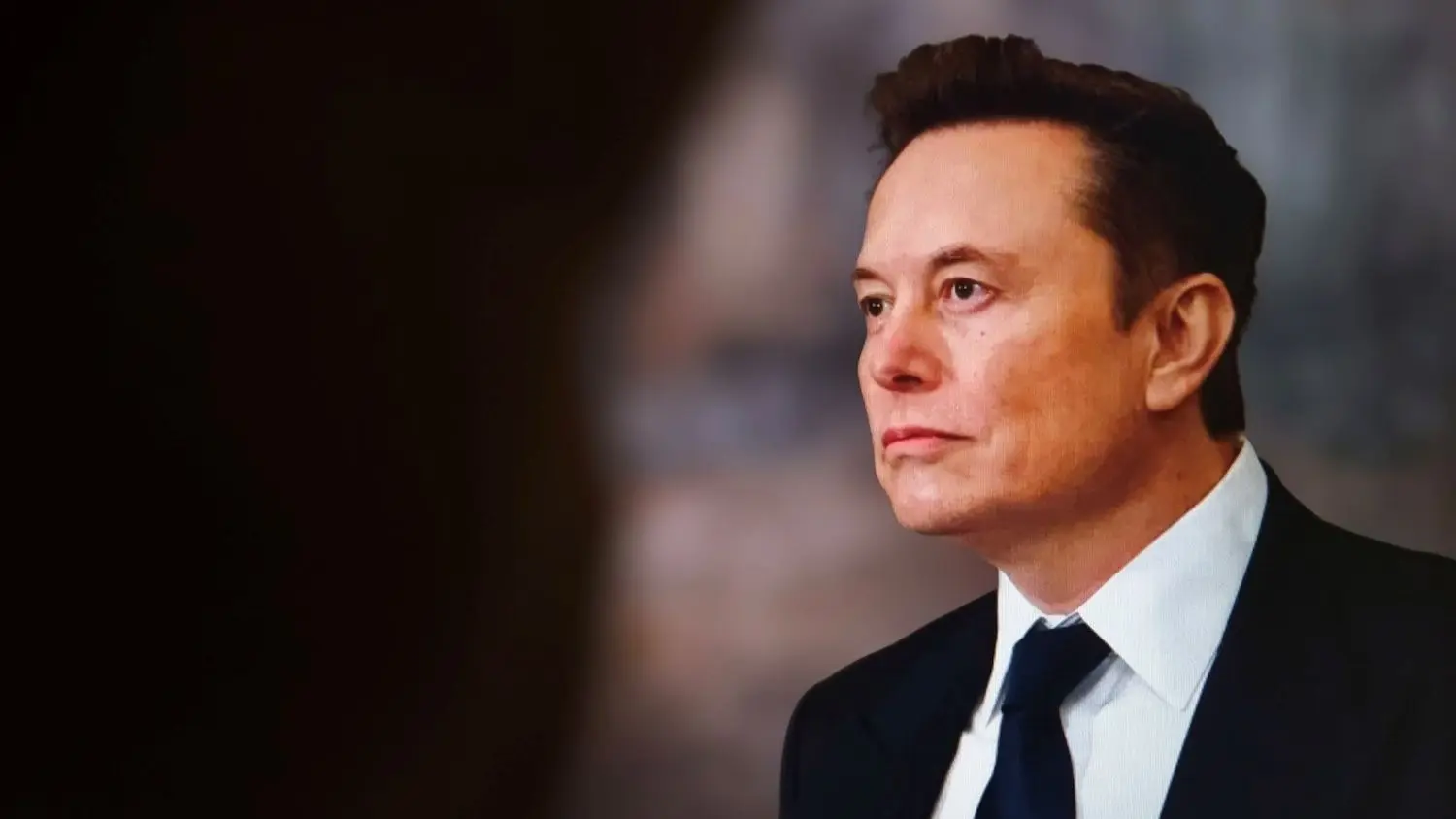
Elon Musk endorsed a physics theory capping quantum computers near 400 qubits, and Bitcoin (BTC) traders read it as proof the 835 qubits needed to break the network are unreachable.
Key Points:
- Musk endorsed a discrete-universe theory that caps usable qubits near 400, without mentioning Bitcoin.
- Breaking Bitcoin's signatures takes an estimated 835 logical qubits, down from earlier published figures.
- IBM targets 200 logical qubits by 2029, leaving both the physics claim and the attack estimate untested.
Elon Musk Backs Palmer Quantum Qubit Ceiling
Musk replied on Aug. 29 to an Institute of Art and Ideas post about the work of Oxford physicist Tim Palmer, writing that the universe is integer in units of Planck cubes. The post had gone up a day earlier. He said nothing about private keys, digital signatures or the Bitcoin network, and his comment addressed physics rather than cryptography.
Investor Fred Krueger picked up the exchange the next day and argued that Bitcoin may already be quantum-safe, because current estimates put the attack requirement at 835 logical qubits. Krueger added that Musk and venture investor Steve Jurvetson had both commented favorably on the research.
Palmer is a Royal Society fellow elected in 2003 who spent his career building weather forecasting models at Oxford.
His paper, published in the Proceedings of the National Academy of Sciences in March, swaps the smooth mathematics behind quantum theory for a discrete structure. It estimates a usable ceiling of roughly 200 to 400 qubits on current hardware and no more than 1,000 under any design.
Also Read: Solana Faces $110 Test After Major Whales Add Fresh Demand
Bitcoin Signature Attack Estimates Keep Falling
A July paper by Han Luo and seven co-authors cut the logical qubit count for attacking Bitcoin's signature curve to 835, the lowest figure published so far. Security researcher Marin Ivezic cautioned that the same circuit burns about 20 times more Toffoli gates than rival designs, which makes the machine narrower rather than cheaper.
Google researcher Craig Gidney, whose own estimates reset the field last year, said the gate count came in far below what he expected from an exact circuit.
Hardware remains the binding constraint. Public machines sit well short of that mark, and IBM plans to run 100 million gates on 200 logical qubits with its Starling system in 2029.
StarkWare Tests Quantum Safe Bitcoin Transaction
Bitcoin's own defenses moved faster this week than the physics debate did. A StarkWare researcher's quantum-resistant transaction landed on mainnet without a soft fork, which chief executive Eli Ben-Sasson described as a lifeboat rather than a reason to relax.
The argument has run all year. Glassnode counted roughly 6.04 million BTC with public keys already exposed on chain in May, Coinbase set up a quantum advisory board, and an industry consortium pledged $15 million for post-quantum research in July. Michael Saylor has kept arguing that any real threat sits more than a decade away, and Bitcoin traded near $78,000 on Sunday, barely moved by the weekend's physics.
Read Next: Gold Funds Hit Six-Month High With $4.21B Weekly Inflows