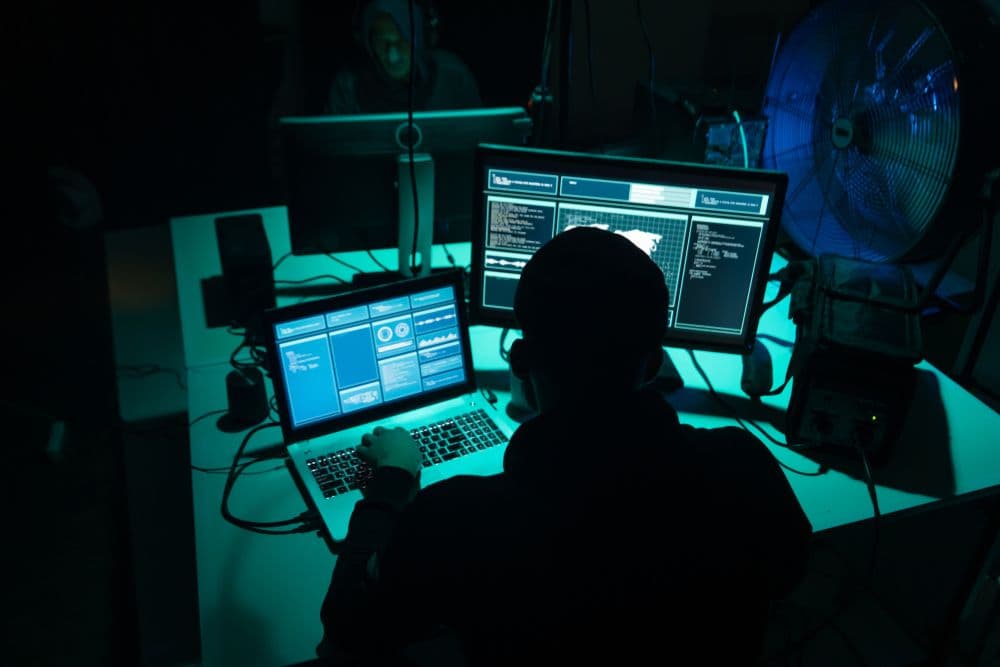
加密貨幣一直是騙徒的溫床。近年來,技術進步——特別是人工智能——令詐騙手法更高明、更具規模、更難察覺。
加密貨幣交易的去中心化及假名特質,本已帶來執法與受害人雙重挑戰。如今,AI加入戰場,騙徒能透過新一套戰術逼真模仿真人、大規模自動釣魚,甚至從零開始炮製數碼人物或項目。
這種轉變絕非紙上談兵。報告顯示加密貨幣詐騙相關投訴及損失急增,AI驅動騙局貢獻顯著。
這類詐騙的高明程度,令即使是資深投資者及業內人士亦難以倖免。新一波詐騙運用深偽技術、聲音複製、AI針對性釣魚及自動化交易騙局,經常模糊現實與假象的界線。
結果就是詐騙環境變化愈來愈快,傳統安全措施難以應對,令個人投資者及整個加密生態面臨風險。
理解這些現代詐騙手法如何運作,對所有涉足加密領域的人士——無論是投資者、開發者還是平台營運者——都至為重要。本文將探討最常見及新興的加密詐騙手法,特別聚焦AI強化技術。
合成信任的崛起
加密詐騙最具破壞性的進步之一,是深偽技術的應用。深偽是AI合成的音頻或視頻,可惟妙惟肖模仿真人,常見對象為公眾人物或行業領袖。在加密貨幣世界內,深偽已成騙徒利用知名人士信任極愛用的工具。
深偽詐騙常從製作極像真的名人(如科技CEO、加密KOL或甚至官員)宣傳虛假項目/投資機會的影片或音頻開始。這些影片會在社交媒體、通訊程式,甚至假新聞文章中廣泛流傳以提高曝光。
這些深偽的真實程度,令到資深觀察員都可能受騙,特別是當內容配合偽造背書與經過修圖的媒體截圖時更加難辨真偽。
深偽詐騙的衝擊極大。受害人誤以為參加獨家投資或禮遇,實則自願將資金發送到騙徒手中。有時整個社群都會被這類深偽帶領的宣傳大騙一場,造成嚴重經濟損失,甚至破壞加密圈子的信任基礎。
憑藉AI的規模化,這些騙局可以在數小時內同時攻擊多個平台、數以千計受害者。
深偽冒充的可怕之處,是它會侵蝕數碼金融基礎的信任。當用戶再分不清真偽背書時,靠聲譽作基礎的投資模式就岌岌可危。因此,業內呼籲加強驗證工具及提升數碼素養,但技術發展始終比防禦措施快一步。
深偽技術愈來愈普及且便宜,使騙徒入門門檻不斷降低。開源工具及線上教學,令具備基本技術者都能製作高逼真偽作。
欺詐已「平民化」,任何普通技術背景者都可發起高效詐騙行動。這趨勢未見放緩,令深偽冒充成為今天加密行業要面對的急切挑戰之一。
AI生成釣魚攻擊
釣魚一向是網絡詐騙主流,但AI將這手法進化到新層次。傳統釣魚多靠大量電郵或仿冒網站,誘使用戶透露敏感資料。有了AI,攻擊更真實,針對性更高,規模更大。
AI釣魚計劃始於收集及分析大量公開資料。機器學習算法可橫掃社交媒體、交易紀錄及論壇發帖,構建潛在受害者詳細檔案。如此,騙徒便可發送極具針對性的消息,提及受害人生活、聯絡人或投資,令受騙機會大增。這些訊息語言近乎完美,再無以往容易識破的語法錯誤。
除了電郵,AI聊天機械人亦加入戰場。這些機械人可即時與受害人對話,冒充大型交易所或錢包商戶的客服。這些機械人的能力足以解答問題、提供假技術支援,最終騙取受害人私鑰或登入資料。
有時,更有整個仿真網站由AI生成,內有虛假交易動態、用家證言及支援頻道,全面營造出可信外表。
AI自動化的威力,令釣魚行動可同時發出數千封針對性電郵或機械人對話,每次失敗還讓AI吸收經驗精進手法。如此循環優化,令AI釣魚不單更有效,還會隨時進化,越戰越強。
AI生成釣魚的後果非常嚴重。受害人可能失去錢包控制權、身份被盜,甚至被牽涉進更多詐騙。攻擊規模太大,令傳統防禦根本難以應付。
AI不斷進化,真假溝通界線將更模糊,平台和用戶都必須保持高度警覺及運用進階偵測工具。
自動交易騙案
輕鬆獲利,一直是加密世界的最大誘惑,騙徒紛紛以AI交易機械人及自動化投資平台包裝騙局。這類方案多聲稱有先進算法,可保證穩定回報且風險極低,常伴以偽造的表現數據及誇張用戶感言。
這類詐騙操作簡單。受害人被邀請把資金存入平台,或將錢包連接到AI機械人,號稱能自動為你炒幣。實際上很多平台本身就是詐騙,直接將資金轉走然後失蹤。亦有部分以龐氏騙局方式,用新用戶本金支付舊用戶,騙徒在當中抽水。
AI助長這類騙案,可以打造非常真實的交易介面、即時客服,甚至模擬真實交易活動。某些平台更用AI生成白皮書和路線圖,專業設計加滿技術術語,裝作很有來頭。
深偽名人背書及意見領袖推介,令這類騙局更加像真有其事,經驗豐富的投資者都可能中招。
特別在波動市場,自動交易的吸引力極大,騙徒會利用人們追求「算法優勢」的心理,聲稱有保證回報、專利算法、入場先機等,並製造緊迫感催人入局。
自動交易騙案帶來的損失極大。受害人不止損失本金,還可能因交出錢包權限或個人資料而面臨更大風險。這些騙局激增,監管壓力也隨之增加,但加密市場去中心化、無國界的特質,加大了執法難度。隨著AI自動交易詐騙進一步演變,警惕與審慎從未如此重要。
AI助力Rug Pull
Rug pull(地氈式撤資)是臭名昭著的加密詐騙,騙徒推出新項目,吸引大量投資後突然棄置,把資金悉數捲走。雖然Rug pull歷史悠久,但AI令這些騙術更難覺察、更高明。
AI在Rug pull中,首先會生成高度逼真的假白皮書、網站與社交媒體帳號…… generate technical documentation, project roadmaps, and even code snippets that appear legitimate to the untrained eye.
生成技術文件、項目路線圖,甚至令門外漢都覺得似模似樣的程式碼片段。
These materials are often accompanied by AI-generated social media activity, including posts, comments, and interactions that create the illusion of a vibrant and engaged community.
呢啲內容通常會配合AI生成嘅社交媒體活動,包括帖文、留言同互動,營造出一個活躍而且好投入嘅社群假象。
Influencer marketing is another area where AI has made a significant impact. Scammers use AI-powered bots to flood forums, Twitter, and other platforms with positive reviews and endorsements. In some cases, deepfake videos of well-known figures are used to promote the project, lending an air of credibility that is difficult to achieve through traditional means. The result is a meticulously crafted ecosystem that appears legitimate, drawing in unsuspecting investors who are eager to participate in the next big thing.
Influencer marketing(影響力行銷)亦係AI帶來重大影響嘅另一範疇。騙徒會用AI驅動嘅機械人洗版論壇、Twitter及其他平台,散播正面評論同吹捧。有時甚至用名人嘅deepfake影片去推廣項目,增加可信感,而呢種效果傳統手法好難做到。結果就係一個包裝得好完美、睇落好正規嘅生態圈,成功吸引一班急於參與下一個「爆款」項目、毫無戒心嘅投資者。
Once a critical mass of investment has been reached, the operators execute the rug pull, draining the project's liquidity and disappearing. The speed and coordination enabled by AI make it possible to execute these exits with minimal warning, leaving victims with worthless tokens and no recourse for recovery.
當投資額達到臨界點時,幕後黑手就會進行「Rug Pull」(地氈式詐騙),將項目嘅流動資金一掃而空,隨即消失。AI提供嘅速度同協調性令佢地可以極快閃人,冇咩預兆,被呃嘅人剩返一堆冇用嘅代幣,亦無可補救。
The scale of AI-enhanced rug pulls is alarming. The ability to automate the creation and promotion of fake projects means that scammers can launch multiple schemes simultaneously, increasing their chances of success.
AI加持下嘅Rug Pull規模令人震驚,騙徒可以自動化製造同宣傳假項目,一次過開幾個局,成功率大大提升。
The use of AI also makes it easier to adapt to changing market conditions, tweaking project details or pivoting to new narratives as needed. This adaptability, combined with the anonymity afforded by blockchain, makes rug pulls one of the most persistent threats in the crypto space.
AI同時幫助騙徒靈活應變市況,隨時改變項目細節或轉換新故事主題。呢種適應力,加上區塊鏈帶嚟嘅匿名性,令Rug Pull成為加密圈最難根治嘅詐騙手法之一。
Fake Reviews and Social Proof
假評論與社交驗證
Social proof is a powerful motivator in investment decisions, and scammers have long exploited this by generating fake reviews and testimonials. With AI, the scale and realism of these efforts have reached new heights, making it increasingly difficult for investors to distinguish genuine feedback from manufactured hype.
社交驗證係影響投資決策嘅強大動因,騙徒一直以嚟都會靠假評論同假見證呃人。有咗AI協助,呢種操作嘅規模同真實感提升到另一層次,投資者想分清真評論還是假吹捧變得愈來愈難。
AI-driven fake reviews are often deployed across multiple platforms, including social media, forums, and review sites. These reviews are crafted to mimic the language and tone of real users, complete with specific details about the investment process, returns, and customer support experiences. In some cases, deepfake technology is used to create video testimonials that appear to feature real investors sharing their success stories.
AI產生嘅假評論會大規模鋪開,遍佈社交媒體、論壇同評論網站。呢啲評論會模仿真用戶嘅語氣,仲有具體細節,好似投資過程、回報、客服經驗等等。有時甚至用deepfake技術製作好似真投資者分享成功故事嘅假見證影片。
The impact of fake social proof is twofold. First, it creates a false sense of legitimacy around fraudulent projects, encouraging more investors to participate. Second, it drowns out genuine feedback, making it harder for potential victims to find accurate information. This is particularly problematic in the fast-moving world of crypto, where decisions are often made quickly and based on limited data.
假社交驗證帶嚟嘅影響有兩方面:一係令詐騙項目好似好正規,吸引更多人參與;二係蓋過真實評論,令潛在受害者更難搵到正確資訊。喺節奏極快、資訊有限嘅加密圈尤其危險。
AI also enables the automation of social media activity, with bots generating likes, shares, and comments to amplify the reach of fraudulent content. This creates the illusion of widespread interest and engagement, further reinforcing the project's credibility.
AI同時可以自動化社交媒體活動,用機械人湧like、share、留言,推高詐騙內容嘅曝光率。咁樣又會造成有好多「關注」同「參與」嘅假象,進一步增加項目嘅可信度。
In some cases, scammers coordinate these efforts with influencer partnerships, either by impersonating real influencers or by paying for endorsements from lesser-known personalities.
有時,騙徒會假扮真KOL,或者搵二線、冇咁出名嘅人物「收錢帶貨」,將呢啲操作同影響力市場推廣結合。
The prevalence of AI-generated fake reviews has prompted some platforms to implement stricter verification measures, but the arms race between scammers and defenders continues. As AI becomes more sophisticated, the line between real and fake social proof will only become more blurred, making it essential for investors to approach online reviews with a healthy dose of skepticism.
AI假評論越嚟越普及,部分平台都開始加強驗證措施,但騙徒同防護人員嘅攻防戰無停過。當AI愈嚟愈勁,「真」同「假」嘅界線會更加模糊,投資者面對網上評論時更加要有警覺心。
Identity Theft and Synthetic Identities
身份盜竊同合成人格
Identity theft has always been a concern in the digital world, but AI has introduced new dimensions to this threat. Scammers now use AI to create synthetic identities - combinations of real and fabricated information that can pass as legitimate in online verification processes. These synthetic identities are used to open accounts, bypass KYC checks, and perpetrate a range of fraudulent activities.
身份盜竊一直係網絡世界嘅問題,但AI令呢個威脅變得更複雜。騙徒依家可以用AI製造「合成人格」——又真又假的資料混合,可以過到網上驗證。呢啲合成人格會用嚟開戶、走數KYC審查,搞各種騙案。
The process often begins with the collection of publicly available data, such as names, addresses, and social media profiles. AI algorithms then generate realistic documents, including passports, driver's licenses, and utility bills, that can be used to verify identities on exchanges or other platforms. In some cases, scammers use deepfake technology to conduct video verification calls, impersonating real individuals in real time.
騙局多數會先搜集公開資料,如姓名、地址、社交媒體profile,之後用AI算法生產 realistic嘅證件(如護照、駕駛執照、水電賬單等),喺交易所或平台過身份認證。有時甚至會用deepfake技術,即場扮真人做視像認證通話。
The implications of synthetic identity fraud are significant. Once an account has been established, scammers can use it to launder funds, execute pump-and-dump schemes, or perpetrate further scams. The use of AI makes it difficult for platforms to distinguish between real and fake users, undermining the effectiveness of traditional security measures.
合成人格詐騙嘅影響深遠:一開好戶口,騙徒就可以用嚟洗黑錢、操控幣價或繼續詐騙。AI令平台難以分辨真用戶同假帳,令傳統安全措施成效大減。
Victims of identity theft may find themselves implicated in fraudulent activities or face difficulties accessing their own accounts. The scalability of AI-driven identity fraud means that thousands of synthetic identities can be created and deployed in a short period, overwhelming the resources of even the most well-prepared platforms.
被盜身份嘅人可能會無辜連累落詐騙案,或者搵唔返自己戶口。AI身份詐騙可規模化,短時間內就可以搞到成千上萬假帳,令到連最有準備嘅平台都頂唔住。
As AI continues to evolve, the challenge of combating synthetic identity fraud will only intensify. New verification techniques, such as biometric analysis and behavioral profiling, are being explored, but the arms race between scammers and defenders shows no signs of abating.
隨住AI技術不斷進化,對抗合成人格詐騙嘅難度只會越嚟越大。有啲新驗證方法(例如生物識別、行為分析等)正在試驗,但攻防戰只會愈演愈烈。
Multi-Stage and Hybrid Scams
多階段及混合型詐騙手法
One of the most concerning trends in modern crypto fraud is the emergence of multi-stage and hybrid scams. These schemes combine elements of phishing, deepfake impersonation, social engineering, and automated trading to create complex, layered attacks that are difficult to detect and defend against.
現代加密貨幣詐騙最令人擔心嘅一大趨勢,就係多階段混合型詐騙。呢啲詐騙結合釣魚郵件、deepfake冒充、社交工程同自動化交易,組成好多重、難以偵測嘅攻擊。
A typical multi-stage scam might begin with a phishing email that directs the victim to a fake website. Once the victim enters their credentials, the scammers use AI chatbots to engage them further, offering investment opportunities or technical support.
常見嘅多階段騙局會由釣魚email開始,引導受害人去假網站。只要輸入咗帳號資料,騙徒就會用AI聊天機械人繼續引導人地,好似提供投資機會或者技術支援。
Deepfake videos or voice calls may be used to reinforce the legitimacy of the scheme, while fake reviews and social media activity create a sense of consensus and urgency.
Deepfake影片或語音通話可能會進一步令整個計劃睇落更可信,而假評論同社交媒體活動則營造「大家都參與」和「即刻要入場」嘅緊迫氛圍。
These hybrid attacks are particularly effective because they exploit multiple vectors of trust simultaneously. Victims are not just tricked by a single tactic but are drawn into a web of deception that reinforces itself at every stage. The use of AI allows scammers to coordinate these efforts seamlessly, adapting their approach based on the victim's responses and behavior.
呢種混合型攻擊特別難防,因為係同時攻擊受害人唔同信任位。受害人唔係淨係畀單一路徑呃,係整個陷阱一步接一步,越陷越深。AI令到整套策略極度協調,可以因應受害人反應及行為調整套路。
The scalability and adaptability of multi-stage scams make them a significant threat to the crypto ecosystem. Traditional security measures, which are often designed to address specific types of fraud, may be ineffective against these complex, evolving attacks.
多階段詐騙嘅規模同彈性,令佢對整個加密生態造成重大威脅。傳統針對單一詐騙類型嘅安全對策,面對咁複雜及多變嘅攻擊,往往無用武之地。
As a result, platforms and users must adopt a more holistic approach to security, integrating advanced detection tools, continuous monitoring, and user education.
所以,平台同用戶都要用更全面嘅保安策略,結合高端偵測工具、持續監控同用戶教育。
The rise of multi-stage and hybrid scams underscores the need for collaboration across the industry. Exchanges, wallet providers, and regulators must work together to share information, develop best practices, and respond quickly to emerging threats. Only by staying ahead of the curve can the crypto community hope to mitigate the risks posed by these sophisticated fraud schemes.
多階段及混合型詐騙興起,突顯到行業要合作的重要性——交易所、錢包商、監管機構要一齊分享資訊,制定最佳做法,同時快速應對新型威脅。只有走在前面,加密圈先有機會減少複雜騙局帶嚟嘅風險。
Final thoughts
總結
The integration of AI into crypto fraud has fundamentally changed the threat landscape. Scams are now more convincing, scalable, and adaptive than ever before, leveraging deepfakes, automated phishing, synthetic identities, and multi-stage attacks to exploit trust and evade detection. The rapid pace of technological advancement means that new tactics are constantly emerging, challenging the ability of platforms and users to keep up.
AI融入加密詐騙,徹底改變咗整個威脅格局。詐騙手法而家更加逼真、可規模化、而且超靈活,深偽(deepfake)、自動釣魚、合成人格、多階段攻擊,不斷利用人地信任同逃避監控。科技進步太快,招數日日新日日變,平台同用戶都好難追得切。
For investors and industry participants, awareness is the first line of defense. Understanding how modern scams operate, recognizing the signs of AI-enhanced fraud, and maintaining a healthy skepticism toward unsolicited offers and endorsements are essential.
對投資者同業界人士來講,提高警覺係第一道防線。要識得現代詐騙嘅操作、分辨AI強化詐騙嘅特徵、對無啦啦走過嚟嘅推廣或背書保留懷疑都係基本功。
Platforms must invest in advanced detection tools, robust verification processes, and continuous user education to stay ahead of the curve.
平台要投資先進偵測工具、加強驗證程序,同長期做用戶教育,先可以行在前面。
The battle against crypto fraud is an ongoing arms race, with scammers and defenders constantly adapting to new technologies and tactics. While AI has introduced unprecedented risks, it also offers new opportunities for defense, from automated threat detection to behavioral analysis.
對抗加密詐騙係一場永無休止嘅軍備競賽,騙徒同防衛者都不停適應新技術新手法。AI雖然帶嚟前所未有風險,但都可以用來防守——自動威脅偵測、行為分析等等。
By embracing innovation and fostering collaboration, the crypto community can navigate this new era of fraud and build a more secure and trustworthy ecosystem for the future.
只有擁抱創新,推動行業合作,加密社群先可以應對新型詐騙時代,為未來建立一個更安全、更值得信任嘅生態圈。