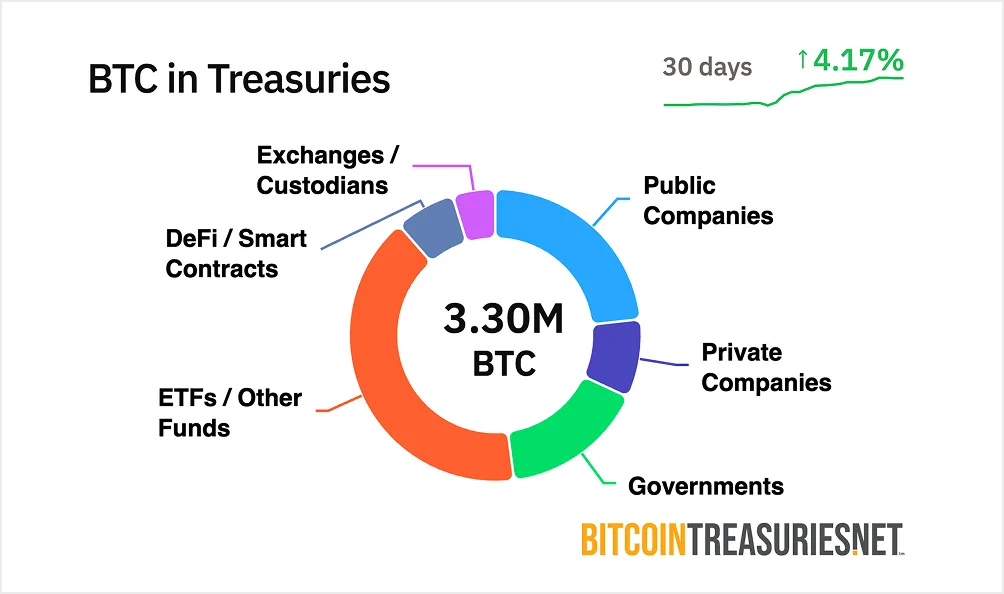
比特幣的身份危機已成過去。過去多年,機構投資者只把BTC視為數碼黃金,是一種被動儲值資產,只放於冷錢包中,不會產生收益,只待升值。
但到了2025年,這個敘事已徹底改變。比特幣不再被視為呆滯資本,而是能產生實質回報的基礎設施,通過鏈上部署策略、結構化借貸方案、機構級財庫管理,帶來收益。
這場轉變的催化劑,不是投機熱潮,而是基建成熟。監管明朗化、機構託管方案和合規收益協議的出現,令企業財庫、資產管理人和主權基金可以在不影響安全和合規下,把比特幣投入生息策略。這個轉變是比特幣的「第二幕」——從純粹持有與累積,走向主動部署。
為何現在這刻格外重要?比特幣 ETF 解決了可及性問題。到2025年第三季,現貨比特幣 ETF 已錄得淨流入超過307億美元,將BTC變成傳統投資組合內的常規資產。但單靠被動持有,未能應對機會成本。機構手持數億美元比特幣——單是機構就持有超過2000億美元BTC——面臨壓力,須產生與其他財庫資產比較的回報。收益部署成為新戰場,支持相關操作的基建終於可用。
為何機構追求比特幣收益

企業財務運作的基本原則是:資本要能工作。投資組合經理會輪換資產、對沖、優化存續期,在可能的地方賺取收益。然而,大多數機構持有的比特幣完全閒置——不但無收益,更要承擔每年10至50個基點的託管成本。
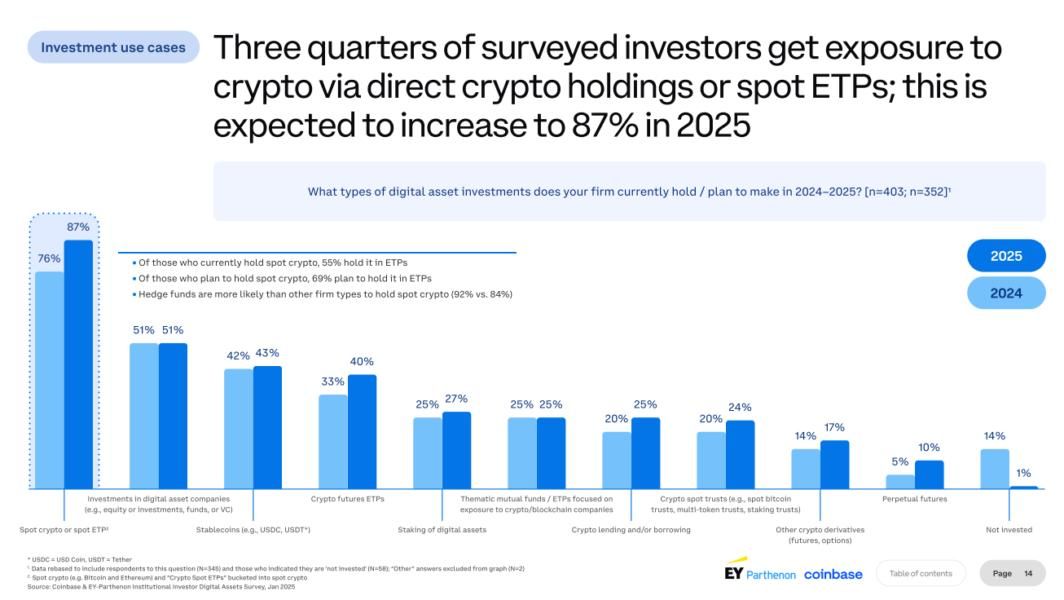
形成一個矛盾。調查指出,83%機構投資者計劃2025年增加加密資產配置,但絕大多數卻無法有效部署這些資產。對於習慣享受4-5%貨幣市場基金收益或短債穩定回報的財庫經理來說,把比特幣長期放於冷錢包就像把錢存在不生息戶口——無論其升值潛力多高。
機會成本已變得難以接受。有位財庫主管直言:「如果你託管比特幣,每年就會虧10-50個基點,你會想把這成本攤薄。」壓力不僅來自回報極大化,更是投資組合效率、市場競爭和證明比特幣可成為營運資本,而非只作儲備。
被動持有正受到多方挑戰。首先,監管明朗化移除了關鍵障礙。2025年SEC Staff Accounting Bulletin 121被撤回,銀行持有客戶加密資產不再有賬面阻礙,「CLARITY法案」則為託管操作提供法律明確性。其次,機構級基建已成熟。託管商現提供7500萬到3.2億美元不等的保險額,而多方計算(MPC)安全及合規框架已達受託標準。
第三,競爭愈加激烈。昔日透過儲備BTC搶佔先機的企業財庫,如今都在思考怎樣由持有中提取更多價值。Bernstein分析預計,未來五年上市公司全球可分配多達3300億美元於比特幣,而現時僅約800億美元。隨普及度提升,精於收益部署的機構將較只被動持有者有明顯競爭優勢。
供應動態與收益機會
比特幣設計下形成獨特的收益邏輯。跟權益證明鏈能靠質押獲得收益不同,比特幣採用工作量證明,原生上並無生息機制,其安全性靠挖礦維持,每次減半都進一步減少新幣供應。2024年4月減半將區塊獎勵降至3.125 BTC,預計六年內僅約70萬枚新比特幣進入流通。
這種稀缺性強化了比特幣的儲值屬性,但同時造就所謂「閒置BTC問題」。現時機構財庫就有超過2000億美元比特幣長期閒置,不產生任何收益。全市場有1.3萬億美元市值,反映大筆資本被鎖定。行業估計,不到2%的比特幣透過收益策略發揮生產性。
這是一個結構性機會。比特幣的波動性大降——自2023年以來下跌75%,而Sharpe ratio現為0.96,媲美黃金水平。這令比特幣適合支援以往只有債券或財庫資產才有的穩定收益策略。機構配置者已不再視BTC為高風險投機品,而是具完整風險回報特徵的財庫資產。
比特幣DeFi的總鎖倉價值過去12個月急升228%,顯示鏈上收益基建逐步完善。不過,目前主要還是透過Ethereum或側鏈上的「包裝比特幣」參與,而非原生部署。比特幣市場規模與收益基建之間的巨大落差,正是機遇所在。隨著可組合協議趨於成熟,監管進一步明朗,機構比特幣收益市場於下個周期有望達數千億美元。
機構部署框架與鏈上基建

用比特幣賺收益絕非單靠借貸協議,機構要求託管解決方案、審計記錄、合規性和透明風險框架,要符合法律責任標準。到2025年,相關基礎設施已大幅革新。
鏈上借貸是最直接的部署方式。過度抵押的借貸協議如Aave,總鎖倉值接近440億美元,讓機構可存入比特幣(一般使用包裝BTC/wBTC),並由借款人支付利息。回報率會根據資金利用率波動於3-7%之間,借款需求大時可更高。
機制相當簡單:企業財庫把wBTC注入借貸池,需要流動性的借款人則要抵押合約價值150-200%的資產。智能合約會自動清算低於抵押率的倉位,保障出借方。機構獲得以比特幣計價的利息,協議如Morpho優化該模式,目前鎖倉資產超過63億美元,並以零手續費借貸、資金庫策略提升貸方回報。
有息財庫則屬於更結構化方式。機構毋須直接與協議互動,可投資專為企業財庫設計的收益管理產品。Coinbase 資產管理部於2025年5月推出 Coinbase Bitcoin Yield Fund,為非美國機構投資者提供每年4-8%的比特幣淨回報。基金包辦所有操作複雜性——包括策略執行、風控、合規,投資者只需以比特幣認購或贖回。
這些產品標誌著重大轉變。以往企業財庫要自己聘用加密團隊開發收益策略,現在只需選擇由機構管理人打包的解決方案,享有基金架構、季度報告及法規監管。基金回報已扣除所有費用及開支,績效透明,可與傳統固定收益產品直接對比。 products.
對於風險管理而言,固定收益與浮動收益模式的分別極為重要。浮動收益策略將回報與市況掛鈎——需求高時借貸利率上升,市況淡靜時則下降。相反,固定收益產品則透過結構性票據或衍生品策略提供預先確定的回報,並不依賴資產使用率。固定結構常用備兌認沽/認購或基差交易來產生可預計的現金流,但當比特幣大幅升值時,通常都會限制升幅。
支援這些策略的基礎設施愈來愈先進。託管服務供應商如BitGo、Anchorage Digital 和 BNY Mellon現時已提供機構級方案,包括多方計算安全機制、合規性及保險保障。由於採用硬件安全模組及分散密鑰管理等創新方案,這些託管方自 2022 年起已將成功入侵案例減少 80%。
合規及審計要求已不再被忽視。主流協議現時會與歐盟MiCA等全球報告標準整合,確保機構能滿足不斷演變的監管需要。季度審計會公開儲備證明,治理框架則由多簽DAO管理協議參數,交易透明度亦令抵押品狀況可即時監控。
實際應用層面正在急速擴展。雖然MicroStrategy(現稱Strategy)首先開創比特幣金庫累積策略,但其他企業已經轉向主動部署階段。九紫控股(Jiuzi Holdings)宣佈推出10億美元比特幣金庫計劃,將孳息策略明確納入資金管理框架內。GameStop 於2025年3月宣佈透過可換股債券發行,把比特幣納入金庫儲備,顯示連零售商都在探索結構化比特幣配置。
由單純累積轉向部署的變化,在Strategy身上最為明顯。該公司截至2025年7月已持有超過62.8萬枚BTC,成為全球最大的企業比特幣持有人。雖然其基本策略仍然以資本增發來收購BTC為主,但該公司已開始探索創造孳息的機制。其”$42/42"計劃,目標於2027年前籌集840億美元的資本,已越來越多地考慮可以為大量持倉創造收益的部署方案。
孳息方法及策略類型

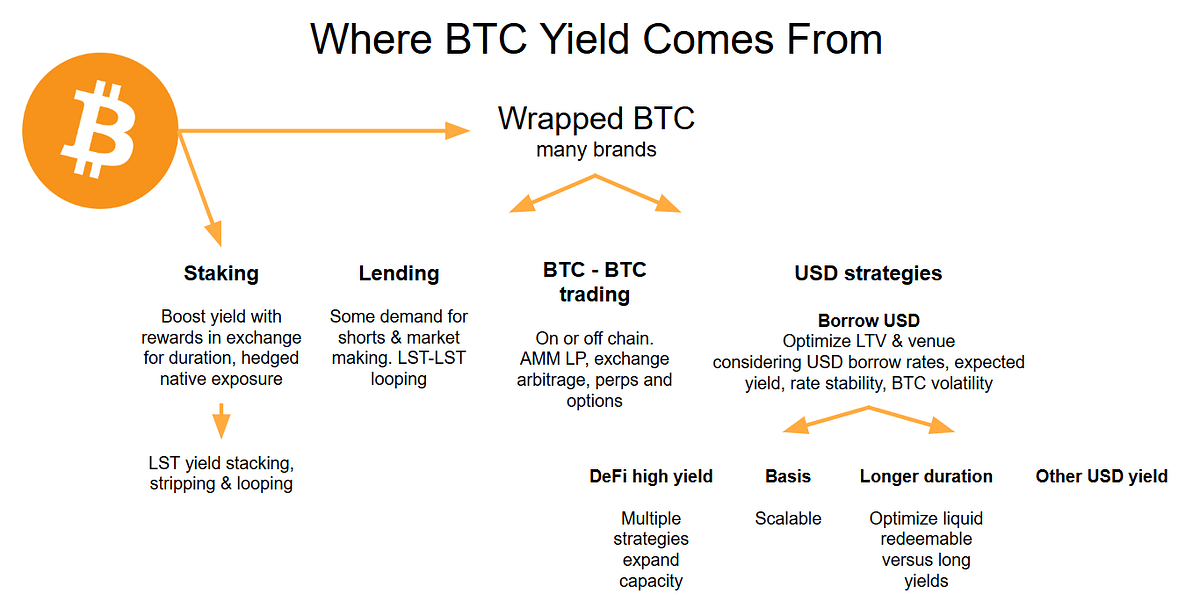
不同的比特幣孳息方式可分為幾大類型,各自涉及不同的風險輪廓、操作要求及收益特性。
市場中性(Market-neutral)策略能在無須承受比特幣價格方向風險的同時創造收益。基差交易做法是同時買入現貨比特幣並做空期貨合約,利用兩邊價格的利差賺取收益。市場穩定時,這些利差年化大約5-10%。該策略屬於delta中性——即無論BTC升跌,現貨和期貨最終價格收斂都能帶來利潤。
執行這類策略要求同時可以操作現貨和期貨市場。機構可能經由託管商購買一千萬美元現貨比特幣,再於CME或幣安等平台對等額做空期貨;隨著期貨到期,其價格逐步接近現貨,機構即可鎖定及收割基差。自動執行機械人可優化捕捉利率,但波動期執行速度極為關鍵,否則易滑價。
資金費率套利(Funding rate arbitrage)做法類似,但涉及永續掉期(Perpetual swap),並非傳統定期期貨。牛市時,永續多頭需向空頭支付資金費,一般年化2-5%。機構做多現貨,再同時做空永續合約,定期收取資金費。不過,需實時監察利率情況,因為熊市時資金費率有機會轉負,即策略可變虧損。
備兌認購(Covered call)是機構比特幣持有人最常用的孳息策略。即持有比特幣的同時,向市場賣出等值看漲期權,收取期權金作收益,但若BTC超過行使價升幅則受限獲利。比特幣一向隱含波幅偏高(經常超過46%),所以其期權金較傳統資產豐厚。
操作上,一個持有100 BTC的金庫可能賣出行使價比現價高 10%、30天到期的看漲期權。若到期時BTC低於行使價,機構通常能收取每月2-3%頭寸價值的權利金作收益。若BTC升穿行使價,需交付BTC,但仍可賺取行使價及權利金。貝萊德2025年9月遞交 iShares Bitcoin Premium ETF文件,標誌機構正主流化地採用備兌認購賺取BTC孳息。
但其缺點是機會成本。大牛市時賣call策略往往跑輸比特幣持倉本身,因為升值空間被行使價鎖死。例如2024年初若於10萬美元賣出行使價call,BTC大漲將錯過可觀升幅。較保守做法會選擇價外行使價(高於現價5-15%),既保留升值空間又可以收合理溢價。
現時已有不少ETF將此策略包裝給零售及機構用戶。如 NEOS Bitcoin High Income ETF 於2024年10月推出,透過多層賣call年息達22%。Roundhill Bitcoin Covered Call Strategy ETF則目標淨回報4-8%,以合成多倉及週期賣call組合運作。說明複雜的期權策略現時已能規模化運營,供機構部署。
結構式借貸及金庫策略屬更進階應用。DeFi選擇權金庫如Ribbon Finance會自動化執行備兌認購,根據波幅動態設定行使價以優化回報,全部以算法管理。年化5-10%,協議會處理所有操作複雜度,包括行使價選擇、到期換倉及權利金收款。
賣出認沽金庫則取相反做法——機構賣出比特幣認沽期權,收權利金,但須承擔若被行權時以較低價買入BTC的義務。此策略一般有4-8%年息,在市況回調時有機會折讓吸納BTC。其風險是須維持等值穩定幣抵押,以備行權,占用本應可靈活運用的資本。
透過 CeFi 平台進行比特幣抵押借貸屬風險較低、回報較保守的選擇。受監管平台如 BitGo 和 Fidelity Digital Assets 現時為審核機構借方提供 2-5% 年息贷款。這些平台於2022年CeFi業爆煲後,透過更嚴格的抵押要求、借款人篩選與資訊透明度,以滿足機構受託人責任。
風險/回報選擇永遠是根本考量。市場中性策略風險低(2-10%),但不食市場升幅。備兌認購策略有機會帶來更高收入(5-15%),但升幅被蓋帽。DeFi 放貸則有機會年息雙位數,但須承擔智能合約及對手方風險。機構配置資金時會根據自身規定選方案——如保守退休基金較適合CeFi規管放貸,較進取的金庫則可進軍DeFi 金庫或衍生品策略。
基礎設施、風險與合規挑戰
孳息策略帶來的操作複雜度,機構投資者絕不能忽視。比特幣部署的基礎設施必須在託管、安全、合規、風險管理等方面符合嚴苛標準——這些通常是針對零售的協議難以達到的要求。
Custody remains foundational. Institutions cannot - and will not - deploy Bitcoin into protocols that require them to relinquish custody or expose private keys. Leading providers use multi-party computation (MPC) technology that distributes key fragments across multiple parties, ensuring no single entity can access funds unilaterally. MPC prevents insider theft even if one key fragment is compromised, since reconstructing a complete key requires multiple independent parties to coordinate.
機構級的託管流程依然十分基礎。機構不會,亦不可能,將比特幣投放到需要放棄資產控制權或暴露私鑰的協議。領先的供應商現時採用多方計算(MPC)技術,將密鑰分片分散在多方之間,確保沒有單一機構能單方面存取資金。即使其中一份密鑰碎片被洩露,MPC 亦能防止內部盜竊,因為重構整個密鑰必須多間獨立機構合作。
Cold storage, multi-signature wallets, and hardware security modules form the backbone of institutional custody. Cold wallets keep private keys offline and air-gapped from internet connectivity, preventing remote attacks. Multi-signature approvals require multiple authorized parties to sign transactions, eliminating single points of failure. HSMs provide tamper-proof cryptographic protection, securing keys against physical theft or insider compromise.
冷錢包、多重簽署錢包,以及硬件安全模組(HSM)構成機構託管的支柱。冷錢包將私鑰長期離線並與互聯網隔離,有效防止遠端攻擊。多簽錢包要求多個授權方共同簽署才能進行交易,避免單點故障。硬件安全模組則為密鑰提供防篡改的加密保護,防止實體盜竊或內部人員濫用。
Auditability and transparency are non-negotiable. Institutional investors require real-time visibility into collateral health, liquidation risks, and fund flows. Leading protocols publish quarterly proof-of-reserve audits verified by third parties, ensuring that reserves match outstanding obligations. All minting, burning, and transactional data should be publicly verifiable on-chain, allowing institutions to independently validate protocol solvency without relying solely on operator disclosures.
審計能力及透明度絕不可妥協。機構投資者要求實時了解抵押品的安全、清算風險及資金流動情況。主流協議每季公佈由第三方審核的儲備證明報告,確保資產儲備等於未償付的義務。所有鑄造、銷毀和交易數據都應該可於鏈上公開驗證,讓機構可獨立審視協議的償付能力,而不僅僅依賴營運者披露。
Governance controls prevent unauthorized transactions and manage protocol risk. Multi-signature DAOs collectively manage parameter changes, ensuring no single party can modify critical variables like collateralization ratios or liquidation thresholds. Institutions demand formal governance frameworks with time-locks on parameter changes, emergency pause mechanisms, and clear escalation procedures for addressing security incidents.
治理管控機制有助防止未經授權的交易並管理協議風險。多簽 DAO 共同管理協議參數調整,確保沒單一方可以獨自更改如抵押率、清算門檻等關鍵設置。機構更要求確立正式治理架構,包括參數修改的時鎖、緊急暫停機制及清晰的升級應變流程,以便及時處理安全事故。
Regulatory compliance grows more complex as frameworks evolve. Markets in Crypto-Assets Regulation (MiCA) in the EU and Securities and Exchange Commission guidance in the U.S. establish custody standards, anti-money laundering requirements, and reporting obligations. The New York Department of Financial Services has laid out specific standards for crypto custody, requiring institutions to demonstrate compliance with regulatory frameworks before offering services to institutional clients.
隨著監管框架不斷演變,合規要求愈趨複雜。歐盟 MiCA 以及美國證券交易委員會針對託管標準、防洗錢要求及申報義務,多方出台明確指引。紐約金融服務署更就加密資產託管制訂明確標準,要求機構在向客戶提供服務前證明符合法規。
The risks in Bitcoin yield deployment are meaningful and must be actively managed. Rehypothecation - lending out customer assets multiple times - remains a concern in centralized lending. Institutions must verify that custodians maintain 1:1 reserves and don't engage in undisclosed rehypothecation that could create systemic risk during stress periods.
比特幣收益策略涉及重大風險,必須主動緊密管理。再質押(即多次出借同一批客戶資產)在中心化借貸業務中仍是一大隱憂。機構必須核實託管方維持 1:1 儲備,並沒有未經披露的再質押行為,否則在市場壓力下可能引致系統性風險。
Counterparty default represents the most obvious risk. If a lending platform becomes insolvent, depositors may lose some or all of their Bitcoin regardless of collateral arrangements. The 2024 surge in crypto hacking incidents, with approximately $2.2 billion stolen, demonstrates that even sophisticated platforms remain vulnerable. Institutions should diversify across multiple custodians and protocols, avoiding concentration risk that could result in catastrophic losses.
對手方違約是最明顯的風險。若提供借貸的平台破產,即使有抵押品保障,存款人仍可能損失全部甚至大部分比特幣。2024 年加密平台被駭事件激增,約 22 億美元被盜,證明即使成熟平台仍然有漏洞風險。機構應將資產分散於多個託管方及協議,避免集中風險導致嚴重損失。
Liquidity mismatch between assets and liabilities can create stress during volatile periods. If an institution deposits Bitcoin into a lending protocol with instant redemption, but the protocol lends those assets for fixed terms, there's duration mismatch. During market dislocations, the protocol may not have sufficient liquidity to honor withdrawal requests, forcing redemption delays or suspensions. Institutions should clarify redemption terms upfront and maintain liquid reserves to handle operational needs.
資產與負債的流動性錯配,在波動市況下會加劇緊張。如果機構將比特幣存入支援即時贖回的借貸協議,但該協議又將資產鎖定作長期借貸,便會形成存續期錯配。市場失衡時,協議或無力即時支付贖回,導致提現延遲或暫停。機構必須事先釐清贖回條款,並保留充足流動儲備,以應對營運需求。
The distinction between wrapped Bitcoin and native Bitcoin matters for risk assessment. Wrapped Bitcoin (wBTC) represents the vast majority of Bitcoin in DeFi, functioning as an ERC-20 token on Ethereum backed 1:1 by actual Bitcoin held by custodians like BitGo. Over $10 billion in wBTC circulates across Ethereum-based protocols, enabling BTC holders to access lending, trading, and yield farming on Ethereum.
區分合包比特幣(Wrapped Bitcoin)與原生比特幣,對風險評估十分關鍵。wBTC 佔去 DeFi 環境中絕大部分比特幣,實際上是一枚 ERC-20 代幣,由 BitGo 等託管機構 1:1 持有真實比特幣作抵押。現時以太坊協議內流通超過 100 億美元 wBTC,讓 BTC 持有人可以參與以太坊上的借貸、交易及挖礦賺息。
The wBTC model relies on a federated custody structure where multiple institutions serve as merchants and custodians. While quarterly audits verify 1:1 backing, institutions must trust that custodians won't mismanage reserves or become insolvent. This centralization introduces risk that native Bitcoin on Layer 2 solutions like Rootstock or Lightning Network might avoid, though those ecosystems have far less mature yield infrastructure.
wBTC 採用聯邦託管模式,多家機構充當商戶及託管人。雖然每季有審計確保 1:1 抵押,機構仍須信任託管人不會挪用儲備或破產失責。這種中心化模式帶來的風險,是原生比特幣於 Layer 2 方案(如 Rootstock 或 Lightning Network)上較少見,不過後者的收益基建尚未成熟。
Smart contract risk applies to any DeFi deployment. Even well-audited protocols can contain vulnerabilities that malicious actors exploit. Institutions should prioritize protocols with multiple independent audits from firms like OpenZeppelin, Spearbit, and Cantina, active bug bounty programs offering six- or seven-figure rewards for vulnerability disclosure, and proven track records operating under stress conditions.
所有 DeFi 部署都受智能合約風險影響。即使經過多次審核的協議,也可能有被黑客利用的漏洞。機構應優先選用通過多間獨立公司(如 OpenZeppelin、Spearbit、Cantina)審計的協議、設有高額漏洞懸賞計劃,並有在極端市況下運作良好的往績。
Compliance and audit frameworks must satisfy institutional risk committees. Realized yield versus implied yield must be transparent - some protocols advertise high APYs that include token rewards rather than actual cash yield. Slippage, trading costs, and gas fees can significantly erode returns in high-frequency strategies. Drawdown analysis showing maximum losses during adverse market conditions helps institutions understand worst-case scenarios.
合規及審計框架必須讓機構風險委員會信服。實際收益與名義收益應清楚區分——有些協議標榜高年報酬率,其實包含了代幣獎勵,並非現金收益。滑點、交易成本及 gas 費在高頻策略下會大幅侵蝕回報。最大回撤分析能展示逆市期間的最大損失,協助機構了解最壞情境。
The institutional crypto custody market is projected to grow at 22% CAGR to $6.03 billion by 2030, driven by demand for compliance-certified solutions. But growth depends on infrastructure providers solving these risk and compliance challenges at scale.
機構加密託管市場預計到 2030 年將以每年22%複合增長率增至 60.3 億美元,主要由對合規認證解決方案的需求帶動。但能否持續增長,端視基建供應商能否大規模解決這些風險和合規難題。
What This Means for Corporate Treasuries and Institutional Allocation
這對企業財資管理及機構資產分配有何啟示
The shift from passive holding to active deployment fundamentally changes how corporate treasurers think about Bitcoin exposure. Rather than viewing BTC purely as an inflation hedge or speculative appreciation play, treasuries can now treat it as working capital that generates returns comparable to other liquid assets.
比特幣由被動持有轉為主動部署,徹底改變了企業財資主管對 BTC 的看法。不僅僅把比特幣作保值或投機產品,現時財資部門可將之視為可產生回報的流動資本,與其他高流動性資產並駕齊驅。
Consider a corporate treasurer managing $500 million in cash equivalents. Traditionally, that capital sits in money market funds yielding 4-5% or short-term commercial paper providing predictable returns. Now imagine 10% of that portfolio - $50 million - allocated to Bitcoin. At zero yield, that BTC generates no income while incurring custody costs. But deployed into a conservative yield strategy generating 4-6% annually, the position contributes meaningful treasury income while maintaining Bitcoin exposure.
例如一位企業財資主管負責 5 億美元等值現金,傳統上這些資金會投資於年回報率 4-5% 的貨幣市場基金或短期商業票據。假若將 10%、即 5,000 萬美元配置於比特幣,若只被動持有則零收益甚至有託管成本。但若投入保守型收益策略,每年可賺 4-6% 回報,不但保留 BTC 敞口,亦可為公司庫房帶來可觀的增收。
The transformation of digital asset treasuries into working capital enables several strategic shifts. First, Bitcoin can function in vendor contracts and B2B settlements. Companies operating globally could denominate supplier agreements in BTC, using on-chain settlement rails that reduce forex conversion costs and settlement times. The yield generated on Bitcoin reserves offsets any volatility risk from holding a portion of working capital in digital assets.
數碼資產庫房業務轉型為流動資本後,帶來多個策略層面的改變。首先,比特幣可以用於供應商合約及 B2B 結算。全球營商的公司可用 BTC 定價供應商協議,利用鏈上結算渠道節省外匯兌換費及縮短到賬時間。比特幣儲備所產生的收益亦能抵銷持有部分流動資本於加密資產上的波動性風險。
Second, treasuries can use Bitcoin as collateral for liquidity management. Rather than selling BTC to raise cash - triggering taxable events and missing future appreciation - companies can post Bitcoin as collateral for stablecoin loans or credit facilities. Over-collateralized lending allows treasuries to access 50-75% of their Bitcoin's value in liquidity while maintaining long-term BTC exposure.
其次,財資部門可將比特幣作為抵押品進行流動性管理。公司無需賣出 BTC 套現(避免觸發稅務及錯失升值機會),而是將 BTC 抵押在穩定幣貸款或信貸安排中。過度抵押型借貸可讓企業取回相當於其 BTC 價值 50-75% 的流動資金,同時長期持有比特幣敞口。
Third, yield deployment creates optionality for capital allocation. A treasury earning 5% annually on Bitcoin holdings can reinvest those returns into business operations, share buybacks, or additional Bitcoin accumulation. The compounding effect over multiple years significantly enhances total return compared to passive holding.
第三,積極部署收益令資本分配更有彈性。若財資部能年賺 5% BTC 收益,這些回報可再投資於業務營運、股份回購或繼續增持比特幣。年復年的複利效應,總回報遠高於單純被動持有。
The psychological shift is equally important. CFOs and boards who viewed Bitcoin as speculative now see it as productive. Survey data showing 83% of institutional investors planning increased crypto allocations reflects growing confidence that Bitcoin can satisfy fiduciary obligations rather than serving as a moonshot bet. Yield deployment provides the bridge between crypto-native enthusiasm and institutional risk management requirements.
心理層面的轉變同樣關鍵。過往視比特幣為投機工具的 CFO 及董事會,現已開始將其視為能產生回報的資產。有調查顯示,83% 機構投資者計劃增加加密資產配置,反映比特幣能夠滿足受託責任,而非純粹是豪賭。收益部署為加密圈熱情與機構風險管理之間搭建橋樑。
Portfolio behavior changes when Bitcoin generates income. Treasuries might allocate a larger percentage of reserves to BTC if they can earn yields comparable to bonds or treasuries. A conservative 2-3% allocation could expand to 5-10% if the risk-adjusted returns justify larger exposure. Bernstein's projection of $330 billion in corporate Bitcoin allocations by 2030 assumes this dynamic - as yield infrastructure matures, institutional appetite for Bitcoin increases proportionally.
預計到2030年,企業層面比特幣配置將達到3,300億美元,這個估算假設了一個前提——隨着收益基建日漸成熟,機構對比特幣的需求會同步增長。
The implications extend beyond corporate treasuries to pension funds, endowments, and sovereign wealth funds. These institutions manage trillions in assets under strict mandates requiring diversification, yield generation, and downside protection. Bitcoin's correlation to traditional assets, combined with maturing yield infrastructure, makes it increasingly attractive for portfolio diversification. Family offices are already allocating 25% of portfolios to crypto, and larger institutional pools will likely follow as compliance frameworks solidify.
這個影響唔只限於企業財資,更會蔓延到退休基金、捐贈基金、甚至主權財富基金。呢啲機構手持數以萬億計資產,並且有嚴格規定要分散投資、產生回報同控制回撤風險。比特幣對傳統資產嘅相關性,加上收益基建逐步成熟,令佢成為組合多元化愈來愈吸引嘅選擇。家族辦公室現時已經將25%投資組合配置喺加密貨幣,隨住合規架構日趨完善,規模更大嘅機構資金池好大機會會跟隨。
Outlook and Implications for the Crypto Landscape
加密貨幣前景及其帶來嘅影響
The trajectory of Bitcoin yield deployment suggests several developments likely to reshape crypto markets over the next 3-5 years.
比特幣收益部署嘅發展路徑,預示未來三至五年有幾個重大趨勢將重塑加密市場。
Infrastructure scaling represents the most immediate evolution. Bitcoin DeFi's total value locked grew 228% over the past year, but that still represents a small fraction of Bitcoin's total market capitalization. As protocols mature and institutional adoption accelerates, on-chain Bitcoin TVL could grow from billions to hundreds of billions. This scaling requires improvements in user experience, gas fee optimization on Layer 2 solutions, and continued security hardening through audits and bug bounties.
基建擴展係當下最直接可見嘅演變。比特幣DeFi過去一年鎖倉總值增長咗228%,但其實仍然只係比特幣總市值嘅一小部份。隨着協議進一步成熟,以及機構採納速度加快,鏈上比特幣TVL有潛力由幾十億增長到數千億級別。要實現呢個升級,就需要提升用戶體驗、優化Layer 2手續費,以及繼續透過審計同漏洞賞金強化安全。
Yield curves for Bitcoin-based products may emerge as the market matures. Currently, yields vary widely based on strategy, protocol, and market conditions. Over time, institutional money flows could create more predictable term structures - 3-month Bitcoin lending rates, 6-month basis trade yields, 1-year structured note returns. These yield curves would provide pricing transparency and enable more sophisticated portfolio construction using Bitcoin as a core fixed-income alternative.
隨着市場成熟,以比特幣為本嘅產品有機會逐步形成收益曲線。現時,不同策略、協議同市況令得回報千變萬化。未來機構資金將推動周期結構更清晰,例如三個月比特幣借貸利率、六個月基差套利年化、或一年期結構性票據回報。呢啲收益曲線有助提升定價透明度,令機構可以更專業地用比特幣作為另類固定收益資產建立投資組合。
Regulatory frameworks will continue evolving to address Bitcoin yield specifically. Current guidance focuses primarily on custody and spot trading, but as institutional yield products scale, regulators will likely introduce specific frameworks for lending, derivatives, and structured products. Clear regulations could accelerate adoption by removing uncertainty, though overly restrictive rules might push activity offshore or into less transparent structures.
監管框架亦會持續進化,以針對比特幣收益產品。現時指引主要集中於託管同現貨交易,但隨着機構層面收益產品不斷擴展,監管機構勢必會為借貸、衍生工具同結構性產品出台針對性規例。明確嘅監管可以消除不確定性,推動加速採納,不過如果規管過份嚴苛,反而可能將活動推向海外或更隱密市場。
The narrative around Bitcoin itself is shifting from store-of-value to productive collateral. Bitcoin is infrastructure, not digital gold captures this transition. Rather than comparing BTC to static assets like precious metals, institutions increasingly view it as versatile infrastructure supporting lending, settlement, collateralization, and yield generation. This framing better aligns with how capital markets actually function - assets should generate returns, not simply appreciate.
比特幣本身嘅定位,正由單純儲存價值,轉變成「生產性抵押品」。比特幣係基建,不再只係數碼黃金就係總結呢個轉型。與其將BTC同黃金呢啲靜態資產比較,機構愈來愈視比特幣為支撐借貸、結算、抵押同產生收益嘅多元金融基建。呢個觀點更貼近實際資本市場運作——資產唔應只增值,仲要帶來回報。
For DeFi's relationship with traditional finance, Bitcoin yield creates the most credible bridge. Institutional allocators understand collateral, interest rates, and risk premiums. They're far more comfortable lending Bitcoin at 5% than farming governance tokens on obscure protocols. As Bitcoin DeFi infrastructure adopts TradFi standards - audit trails, compliance frameworks, regulated custody - the distinction between on-chain and traditional finance becomes less meaningful. Capital flows to wherever risk-adjusted returns are highest.
喺DeFi同傳統金融嘅互動方面,比特幣收益最能夠建立具公信力嘅橋樑。機構投資人對抵押品、利率、風險溢價都有基本理解。例如以5%利率放貸比特幣,對佢哋嚟講遠比去某啲冷門協議「耕田」掘治理幣心安。比特幣DeFi如果逐步引入傳統金融標準——如完整審計記錄、合規框架、受監管嘅託管——鍊上金融同傳統金融界線就會愈來愈模糊,資本最終會流向風險回報比最優嘅地方。
Capital markets could see new instruments denominated in Bitcoin or settled on-chain. Companies might issue convertible bonds repayable in BTC. Treasuries could offer Bitcoin-denominated bills. Settlement systems for international trade could migrate to Bitcoin rails. Each of these developments depends on yield infrastructure making Bitcoin sufficiently liquid and productive to function as money rather than just an asset.
未來資本市場有機會出現以比特幣計價或者鍊上結算嘅新型工具。企業可能發行可以用BTC償付嘅可換股債券,國庫債券可能推出比特幣計價票據,甚至國際貿易結算系統都可以轉投比特幣網絡。呢啲發展前提,都係建立喺收益基建能夠令比特幣具足夠流動性同生產力,即係唔止係資產,更可作為貨幣使用。
Key signals to watch include large institutional yield program launches. If a major pension fund announces Bitcoin yield strategies, it legitimizes the approach for hundreds of other institutional investors. If a sovereign wealth fund deploys Bitcoin reserves into structured yield products, it demonstrates that even the most conservative capital pools view BTC yield as acceptable. Each milestone lowers barriers for the next wave of institutional adoption.
大家要留意關鍵指標,包括大型機構收益計劃嘅推出。如果有大型退休基金開始宣佈採用比特幣收益策略,咪即係幫幾百個其他機構投資人「背書」。如果主權財富基金都將比特幣儲備投放去結構性收益產品,意味住連最保守一族都認同BTC收益有得做。每一個里程碑都會為下一波機構採納大大減低門檻。
On-chain TVL for Bitcoin-based protocols serves as a direct indicator of deployment activity. Current estimates suggest less than 2% of Bitcoin operates as productive capital. Growth to 5-10% would represent hundreds of billions in new deployment, likely triggering infrastructure improvements, competitive yield compression, and mainstream acceptance of Bitcoin as a legitimate treasury asset.
鏈上比特幣協議TVL係反映部署活躍度嘅直接指標。現時估計得唔夠2%比特幣用作生產性資本。如果升到5-10%,代表增加咗幾千億新部署規模,好大機會推動基建進步、收益競爭壓縮,同時令主流採納比特幣作為合規財資資產。
Regulatory frameworks clarifying yield classification will remove significant uncertainty. Is Bitcoin lending a securities transaction? Does covered call writing trigger specific registration requirements? How should cross-border Bitcoin yield products handle tax withholding? Answers to these questions will determine whether institutional yield deployment remains niche or becomes standard practice.
釐清收益分類嘅監管規則將消除大量不確定性。例如,比特幣借貸算唔算證券交易?寫出備兌認沽認購期權需唔需特定註冊程序?跨境比特幣收益產品點計預扣稅?呢啲問題嘅答案會決定機構收益部署究竟係咪只屬小眾,定係普及標準操作。
The relationship between Bitcoin's price volatility and yield generation creates interesting dynamics. Higher volatility increases option premiums, making covered call strategies more lucrative. Lower volatility makes Bitcoin more attractive as collateral for lending, potentially increasing borrow demand and lending rates. The optimal volatility regime for institutional yield may differ from what's optimal for price appreciation, creating tension between hodlers seeking maximum upside and yield farmers optimizing for income.
比特幣價格波動同收益產生之間有趣互動。波幅大,期權金就高,備兌賣期權策略回報自然吸引。波幅細,比特幣用作借貸抵押品便會更有吸引力,可能推高借貸需求同利率。機構收益最佳波動區間,未必等於價格升值最佳環境,形成「持幣待漲」一族同「收益農民」間微妙矛盾。
Final thoughts
總結
Bitcoin's transformation from idle reserve asset to productive capital infrastructure represents one of the most significant developments in crypto's institutional adoption story. Access was phase one, solved by ETFs and regulated custody. Yield is phase two, and the infrastructure to support it is now operational.
比特幣由「閒置儲備資產」蛻變成「生產性資本基建」,係機構層面採納加密貨幣一個最重要嘅轉折點。最初「打開門」解決方法係ETF同受規管託管,去到第二階段——「收益」——基建現時已經逐步運作。
For institutional allocators, the implications are straightforward. Bitcoin holdings need not sit dormant. Conservative lending strategies, market-neutral derivatives positions, and structured yield products provide mechanisms to generate returns comparable to traditional fixed-income assets. The risk profiles differ, and the infrastructure is younger, but the fundamental building blocks are in place.
對機構資金分配人而言,轉變非常明確——比特幣唔再需要坐喺度等增值;利用審慎嘅借貸策略、中性衍生品倉位、結構性收益產品等方法,在風險剖面不同下,都可以取得同傳統固定收益接近嘅回報。雖然風險特性唔同、基建較新,但基本框架已經建立。
Corporate treasurers can now treat Bitcoin as working capital rather than speculative exposure. The yield generated offsets custody costs, provides portfolio diversification, and creates optionality for capital allocation. As more companies demonstrate successful deployment, the model will likely spread across industries and geographies.
企業財資經理人而家可以視比特幣為營運資本,而唔只係投機性資產。賺到嘅收益足以抵銷託管開支、達到組合多元化,仲增加資本運用彈性。越多公司成功部署,呢個模式就愈快向不同行業同地區擴展。
What should market participants watch? Large institutional yield program announcements will signal mainstream acceptance. On-chain TVL growth in Bitcoin-based protocols will demonstrate actual deployment activity. Regulatory frameworks providing clarity around lending, derivatives, and structured products will remove barriers to broader adoption. These indicators collectively suggest whether Bitcoin yield remains a niche strategy or becomes standard institutional practice.
咁市場參與者應該留意咩?大型機構收益計劃公佈係主流接受嘅信號;鏈上比特幣協議TVL增長則體現實際部署活動;監管框架釐清借貸、衍生品、結構性產品合規要求,將會消除更大範圍採納嘅障礙。綜合以上指標,可以判斷比特幣收益究竟係一個小眾玩法,定將會成為機構常規操作。
The evolution matters because Bitcoin's narrative shapes its adoption trajectory. If BTC remains primarily viewed as digital gold - static, appreciating, but fundamentally inert - institutional allocation will remain limited. Conservative portfolios don't hold significant non-yielding assets. But if Bitcoin becomes recognized as productive infrastructure capable of generating predictable, risk-adjusted returns, the addressable institutional market expands dramatically.
呢個演變好重要,因為比特幣故事直接影響採納進程。如果BTC只係數碼黃金——靜態增值但冇生產力——機構分配只會有限。保守組合唔會長期持有唔帶回報嘅資產。但如果比特幣被肯定為「可以預期、風險調整回報」嘅生產基建,整個機構市場可用規模就會極速膨脹。
The next phase of Bitcoin's institutional adoption depends on yield deployment proving sustainable, scalable, and compliant. Early evidence suggests the infrastructure is maturing rapidly, institutional appetite is strong, and regulatory frameworks are evolving to support compliant yield generation. For the institutions that master this transition early, the strategic advantages could be substantial.
比特幣下一階段機構級採納,重點在於收益部署能否持續、具規模同合規運作。早期跡象顯示基建成熟速度好快、機構需求強勁、而監管體系亦正演進支持合規收益。對於及早掌握呢個轉型嘅機構而言,戰略優勢將非常明顯。