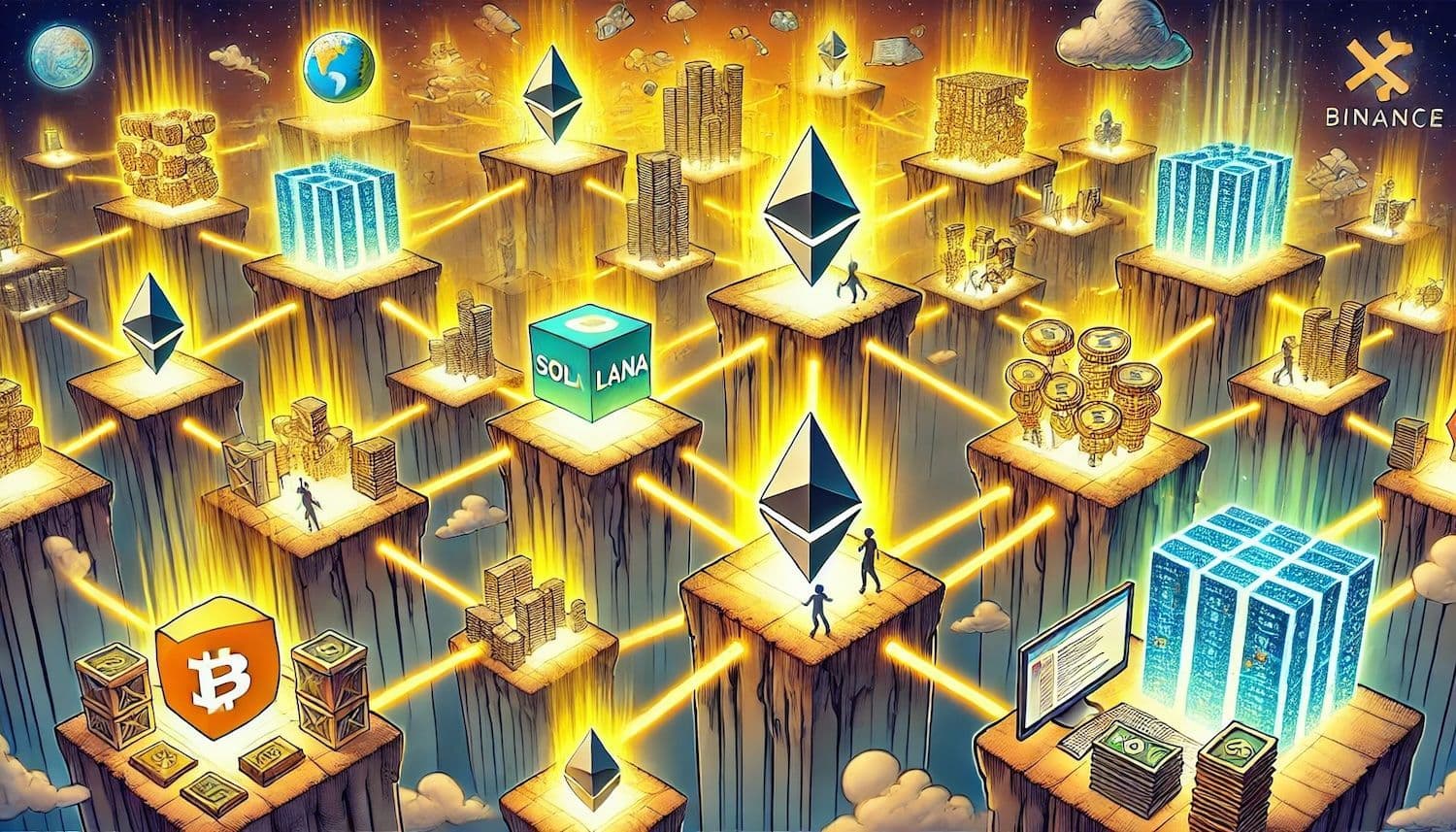
什麼是鏈抽象?它又如何改變 DeFi 世界?我們一起來了解一下。
去中心化金融(DeFi)已經從金融界的細分領域,蛻變為推動金融變革的主要力量。區塊鏈技術令 DeFi 平台能夠繞過中介,直接為用戶提供各種金融服務,其中包括資產管理、借貸、交易等。
透明度、使用便捷和全新功能的承諾,吸引了全球用戶參與,並帶來了數十億美元的流動性。
然而,DeFi 的快速發展亦伴隨不少挑戰。各區塊鏈網絡彼此分隔,是一個重大問題。Ethereum、Binance Smart Chain、Solana 等等,各自運行著獨立生態系統,令跨鏈互通變得困難。當用戶需切換不同錢包及介面來存取不同服務時,用戶體驗便會變得支離破碎。
開發者亦面臨同樣困境。他們必須選擇某一區塊鏈去建立 DeFi 應用,導致應用只能服務該生態下的用戶及功能,缺乏跨鏈兼容令創新和發展空間受限。隨著區塊鏈平台數量上升,開發和維護能支援多鏈的應用變得愈發困難。
為解決這些問題,業界嘗試過多種方案,例如互通協議、包裹代幣、跨鏈橋等,將原本割裂的區塊鏈連結起來。不過,這些方法通常會令系統更為複雜,也帶來額外的安全風險。開發者與用戶都期望有更簡潔的方法來整合 DeFi 生態。
「鏈抽象」這一新範式的目標,就是為用戶和開發者屏蔽區塊鏈的繁複細節。鏈抽象聲稱,透過提供單一介面,無縫連接多個區塊鏈,從而改善用戶體驗和簡化開發流程。
某程度上,你可以把鏈抽象比喻為汽車中的自動波箱。如果沒有鏈抽象,就等於「手動換波」開車,需要用戶善於操作和理解相關知識;而自動波箱則會自動根據車速等情況幫你選最佳檔位。鏈抽象對區塊鏈用戶來說亦然,你只須專注於「目的地」。
它有望釋放跨鏈 DeFi 最大潛力,邁向更融合和高效的金融新系統。
本文會詳細介紹鏈抽象的概念、運作原理,以及其對 DeFi 領域帶來的影響,讓你一次過掌握相關重點。
什麼是鏈抽象?
「鏈抽象」(Chain Abstraction)指的是在區塊鏈基礎設施與去中心化應用(dApps)之間建立一層隔離層。
憑藉這個抽象層,開發者能夠開發一次、部署到多個區塊鏈,毋須為每個鏈修改程式。這技術保障應用可在任何區塊鏈上運行。
用戶亦可無須顧慮背後所用區塊鏈,直接使用各類 dApps。
進一步技術解釋如下:
鏈抽象由多個核心組件組成:
- 互通協議:這些協議促進不同區塊鏈間的通訊。例如 Inter-Blockchain Communication(IBC)協議,能安全高效地傳輸資料和資產。
- 中介軟件(Middleware):中介軟件作為中間層,將交易翻譯並傳送到相應區塊鏈,負責處理不同共識機制、交易格式、智能合約語言等複雜性。
- 標準化 API 和 SDK:API 及 SDK 提供標準化工具,讓開發者可透過單一介面支援多條區塊鏈,簡化開發流程,降低學習門檻。
- 虛擬機與執行環境:如 Ethereum Virtual Machine(EVM)等兼容層令智能合約能在不同鏈上執行,如 Polkadot 的 Substrate 框架可以構建可無縫互通的專用鏈。
- 跨鏈智能合約:設計用於多鏈操作的智能合約,能根據其他鏈的事件觸發動作,實現複雜的跨鏈功能。
綜合以上技術,鏈抽象為開發者和一般用戶創建了統一而流暢的環境。
開發者可只寫一次程式,即能部署到不同鏈,底層如共識算法、交易最終性、Gas 費用等,都交由抽象層自動處理。
用戶操作 dApps 也更加直觀,不用理解區塊鏈細節,亦省卻管理多個錢包的困擾。抽象層會根據成本、速度和安全性等條件,自動選擇最合適的區塊鏈來處理每次交易。
建立一套信任無需中介且安全的系統,是鏈抽象不可或缺的部分。
抽象層負責調解各區塊鏈之間的互動,因此必須確保底層平台的安全和完整性,常須利用先進加密技術與共識機制去防止攻擊或漏洞。
跨鏈流動性協議的實現,就是鏈抽象價值的具體例子。
有了這類協議,用戶可在多個區塊鏈間調動流動性,統一平台即可接觸更多資產與交易對。資產兌換和交易路由都由抽象層安全高效地管理。
鏈抽象將應用和特定區塊鏈網絡解耦,提升 DeFi 生態的靈活性和可擴展性。這樣,用戶與開發者便不再被單一平台綁死,而是能自由運用不同鏈的獨特優勢,包括速度、成本效益,或智能合約支援能力等等。
鏈抽象於跨鏈 DeFi 的實際應用
鏈抽象帶來重要意義,最顯著的莫過於賦予 DeFi 前所未有的跨鏈功能。
主要應用場景包括:
- 統一資產管理:用戶可在單一錢包介面管理多條鏈上的資產。抽象層自動處理多鏈互操作,用戶無需多個錢包即可查閱餘額、發送交易、參與各類 DeFi 。
- 跨鏈去中心化交易所(DEX):鏈抽象技術令 DEX 可無縫兌換不同鏈上的資產,無需持有中介資產或包裹代幣,大大拓寬流動性池和交易機會。
- 跨鏈借貸平台:DeFi 平台可提供橫跨多鏈的借貸服務。用戶能夠以一條鏈的資產作抵押,另一條鏈借入資產,從而爭取更優利率或更豐富的資產選擇。
- 跨鏈收益優化:可將資產部署於多條鏈,靈活捕捉最佳收益機會。抽象層亦可根據收益變化,自動調配資產,降低成本與風險。
- 可擴展 dApp 開發:開發者能建立充分發揮不同區塊鏈優勢的 dApps,例如:用一條鏈用於高速交易,另一條鏈用於安全資產儲存,由抽象層自動協調。
- 跨鏈身份及信譽系統:鏈抽象有助建立可跨鏈運作的身份系統,使信譽評分、信貸紀錄等資訊得以流通,提升信任並減少詐騙風險。
- 支付方案:商戶和支付處理商可透過單一介面接收多鏈加密貨幣。抽象層自動兌換和分配交易,簡化商戶及客戶的支付流程。
- 安全性提升:將操作分散在多條鏈之上,可降低單一鏈漏洞的風險。多鏈驗證和共識機制共同為交易加添多重保障。
- 合規工具:抽象層可加入貫穿多鏈的合規功能,包括 KYC、反洗黑錢(AML)等,幫助平台符合法規同時維持去中心化特色。
- 資源最佳化:抽象層能根據成本和速度,動態選擇最合適的鏈來處理交易,提升資源運用及 DeFi 整體效率。
由此可見,鏈抽象正在全面推動 DeFi 走向無界限和高效率的新階段。 technical perspective, integrating cross-chain communication protocols such as Polkadot's XCMP or Cosmos's IBC is necessary for the implementation of chain abstraction.
從技術層面來睇,整合跨鏈通訊協議,例如Polkadot嘅XCMP或者Cosmos嘅IBC,係實現鏈抽象(chain abstraction)所必需嘅。
These protocols lay the groundwork for safe channels for blockchains to transfer assets and data to one another. To complete cross-chain transactions and keep states consistent, smart contracts and relayers collaborate.
呢啲協議為區塊鏈之間安全轉移資產同數據打下咗基礎。智能合約同relayer會協作,一齊完成跨鏈交易,並保持狀態一致。
As an illustration, liquidity pools on various chains could be utilized by a cross-chain DEX.
例如,跨鏈DEX可以利用唔同鏈上面嘅流動性池。
Following a user's trade request, the abstraction layer executes the trade across all applicable chains in the most efficient way possible, taking into account variables such as liquidity depth, transaction fees, and network congestion.
喺用戶發出交易指令之後,抽象層會考慮流動性深度、交易費用同網絡擠塞等因素,以最高效嘅方式喺所有相關鏈上執行交易。
None of this is visible to the user, though. This appears to be one smooth transaction to him or her. It’s as easy as that.
不過,呢一切對用戶嚟講都係隱藏嘅。佢哋只會見到一個流暢嘅交易體驗,就係咁簡單。
Strict security protocols are also required for chain abstraction. Methods such as decentralized oracles, zero-knowledge proofs, and threshold signatures guarantee the dependability and security of cross-chain operations. The abstraction layer is an essential part of the DeFi architecture, so it needs to be secure and resistant to attacks.
鏈抽象同時需要嚴謹嘅安全協議。例如去中心化預言機、零知識證明同閾值簽名等方法,都可以保障跨鏈操作嘅可靠性同安全性。抽象層係DeFi架構不可或缺嘅一部分,因此必須確保佢夠安全同具備抗攻擊能力。
The potential for DeFi innovation is greatly increased by chain abstraction, which unlocks cross-chain capabilities.
鏈抽象打開咗跨鏈功能,大大提升咗DeFi創新嘅潛力。
Because of this, a broader variety of users and assets can be accommodated, investment strategies can be more diversified, and more complicated financial instruments can be created.
因此,可以容納更多唔同種類嘅用戶同資產,投資策略更加多元化,亦可以創造更加複雜嘅金融產品。
Pros and Cons of Chain Abstraction
Nothing is perfect. Even the most sophisticated technologies can have their drawbacks. Especially, at the dawn of their development.
冇嘢係完美嘅。就算係最先進嘅技術,都會有佢自己嘅缺點。特別喺發展初期,更加明顯。
So, even though chain abstraction implementation is rather smooth, in comparison to some other DeFi technologies, there are nuances to talk about.
所以,即使鏈抽象嘅實現相對於部分其他DeFi技術嚟講算係比較順暢,都有啲細節值得討論。
Let’s take a detailed look at pros and cons of chain abstraction.
不如詳細睇下鏈抽象嘅優點同缺點。
Pros:
優點:
-
Enhanced Interoperability: Chain abstraction breaks down barriers between blockchains, enabling seamless interactions and expanding the reach of DeFi applications.
-
增強互通性:鏈抽象打破咗唔同區塊鏈之間嘅障礙,令各鏈可以無縫互動,同時擴展DeFi應用嘅覆蓋範圍。
-
Improved User Experience: Users can interact with multiple DeFi services through a single interface, reducing complexity and making DeFi more accessible to non-technical users.
-
改善用戶體驗:用戶可以透過一個介面操作多個DeFi服務,降低複雜度,令冇技術底嘅用戶都更容易參與DeFi。
-
Accelerated Development: Developers can build cross-chain applications without needing to master each blockchain's intricacies, speeding up innovation and deployment.
-
加快開發速度:開發者唔使掌握每條鏈嘅複雜細節,就可以開發跨鏈應用,促進創新同部署。
-
Optimized Resource Utilization: The ability to route transactions based on cost, speed, or security optimizes resource use and can reduce transaction fees for users.
-
資源運用最佳化:可以根據成本、速度或安全性等因素路由交易,有助於善用資源,並降低用戶嘅交易費用。
-
Increased Security: Distributing operations across multiple blockchains can mitigate risks associated with any single chain's vulnerabilities.
-
高安全性:將操作分散喺多條鏈上,可以分散單一鏈出現漏洞或崩潰時帶嚟嘅風險。
-
Greater Liquidity: Aggregating assets across chains enhances liquidity pools, leading to more efficient markets and better price discovery.
-
更高流動性:跨鏈聚合資產,有助提升流動性池規模,令市場更有效率,價格發現更準確。
-
Scalability: Chain abstraction can alleviate congestion on popular blockchains by distributing transactions, contributing to overall network scalability.
-
提升可擴展性:鏈抽象可以分散交易,減輕熱門區塊鏈壓力,有助提升整個網絡嘅可擴展性。
-
Regulatory Flexibility: Centralizing compliance features in the abstraction layer can simplify regulatory adherence across different jurisdictions.
-
法規彈性:將合規功能集中喺抽象層,有助簡化唔同司法管轄區之間嘅合規過程。
-
Diversification of Assets: Users gain access to a broader range of assets and financial products, enhancing portfolio diversification.
-
資產多元化:用戶可以接觸到更多唔同類型嘅資產同金融產品,提升組合多元化。
-
Future-Proofing: Chain abstraction allows DeFi platforms to adapt to new blockchains and technologies as they emerge, ensuring long-term relevance.
-
具前瞻性:鏈抽象令DeFi平台可以隨時兼容新興嘅區塊鏈同技術,維持其長遠競爭力。
Cons:
缺點:
-
Increased Complexity: Introducing an abstraction layer adds complexity to the system architecture, which can lead to new technical challenges and potential points of failure.
-
複雜性提升:加入抽象層之後,令整體系統架構更複雜,可能帶來新嘅技術挑戰,亦可能出現更多潛在失誤點。
-
Security Risks: The abstraction layer becomes a critical component that, if compromised, could affect multiple blockchains and applications simultaneously.
-
安全風險:抽象層成為關鍵組件,一旦被攻擊或出現問題,有機會同時影響多條區塊鏈同多個應用。
-
Performance Overhead: Additional layers of communication may introduce latency, affecting the performance of time-sensitive applications.
-
效能負擔:多咗層通訊,有機會增加延遲,影響對時間敏感嘅應用效能。
-
Centralization Concerns: Relying on middleware or specific protocols may introduce centralization risks, counter to the decentralized ethos of blockchain.
-
中心化憂慮:依賴中介軟件或者特定協議,可能引入中心化風險,背離區塊鏈去中心化嘅理念。
-
Compatibility Issues: Ensuring compatibility across diverse blockchains with different protocols, consensus mechanisms, and smart contract languages can be challenging.
-
相容問題:要確保唔同協議、共識機制同智能合約語言嘅區塊鏈之間可以兼容,好具挑戰性。
-
Regulatory Uncertainty: Operating across multiple jurisdictions can complicate compliance efforts, especially as regulations evolve.
-
法規不確定性:跨越多個司法管轄區操作時,合規工作變得複雜,特別係法規持續演變之下。
-
Resource Requirements: Maintaining an abstraction layer that interfaces with multiple blockchains may require significant computational and financial resources.
-
資源需求高:維護一個連接多條鏈嘅抽象層,可能需要大量計算資源同財務投入。
-
Lack of Maturity: Chain abstraction technologies are still evolving, and early adopters may face unforeseen bugs, vulnerabilities, or limitations.
-
技術未夠成熟:相關技術仲喺發展中,早期用家可能會遇到預計唔到嘅漏洞、不足或其他限制。
-
User Trust and Adoption: Gaining user trust in the abstraction layer is crucial, and any failures could hinder adoption.
-
用戶信任同採納:用戶對抽象層嘅信任好關鍵,任何失誤都有可能影響用戶採納。
-
Economic Risks: Complex cross-chain interactions may introduce new economic risks, such as liquidity fragmentation or unforeseen arbitrage opportunities that could destabilize markets.
-
經濟風險:複雜嘅跨鏈操作可能帶來新經濟風險,例如流動性分散,或者預計唔到嘅套利機會,有機會令市場不穩定。
Conclusion
As decentralized finance continues to develop, chain abstraction will play a pivotal role.
隨著去中心化金融(DeFi)持續發展,鏈抽象將會發揮關鍵作用。
By connecting different blockchain networks, it paints an attractive picture of a decentralized and user-friendly DeFi ecosystem. Universal access to financial services, increased innovation, and wider adoption can all result from simplifying the use of different blockchains.
透過連接唔同區塊鏈網絡,描繪咗一個去中心化同親民易用嘅DeFi生態。簡化唔同鏈嘅使用,可以帶嚟全民接觸金融服務、推動創新同提升市場採納率。
The potential benefits of chain abstraction are significant.
鏈抽象帶嚟嘅潛在好處非常大。
The market's resilience and liquidity can be improved through increased interoperability. With enhanced user experiences, DeFi can reach more people. Once developers are no longer limited by the limitations of individual blockchains, they are free to build more complex applications.
隨著互通性提升,市場嘅彈性同流動性都會增加。用戶體驗優化之下,DeFi能觸及到更多人。當開發者唔再受限於單一區塊鏈嘅限制,可以打造更豐富複雜嘅應用。
Nevertheless, there will be obstacles along the way.
不過,呢條路都會有挑戰。
Due to the increased complexity and security risks posed by abstraction layers, their design and implementation must be meticulous. To make chain abstraction work as intended, we must solve the problems of centralization and make sure different blockchains can communicate with each other. There are important regulatory factors to consider as well. Efforts to regulate DeFi are gaining traction. For long-term success, it's crucial that solutions for chain abstraction include compliance mechanisms without sacrificing decentralization.
因為抽象層會帶嚟更高複雜性同安全風險,佢嘅設計同實施一定要極之嚴謹。要令鏈抽象真正發揮作用,必須解決中心化問題,以及確保唔同區塊鏈之間可以無縫溝通。同時,監管因素都唔可以忽視—監管DeFi嘅呼聲愈來愈大。為咗長遠發展,鏈抽象方案必須兼顧合規性同去中心化。
Collective effort within the blockchain community is crucial for chain abstraction to be a success. One way to reduce risks and speed up adoption is to have open standards, transparent protocols, and share best practices. Practical evaluation and incremental enhancements will play a crucial role in the technology's development.
整個區塊鏈社群必須一齊努力,先能令鏈抽象成功推行。制定開放標準、透明協議、交流最佳實踐,有助減低風險,加快普及。實際評估同逐步優化都係技術持續發展嘅重要關鍵。