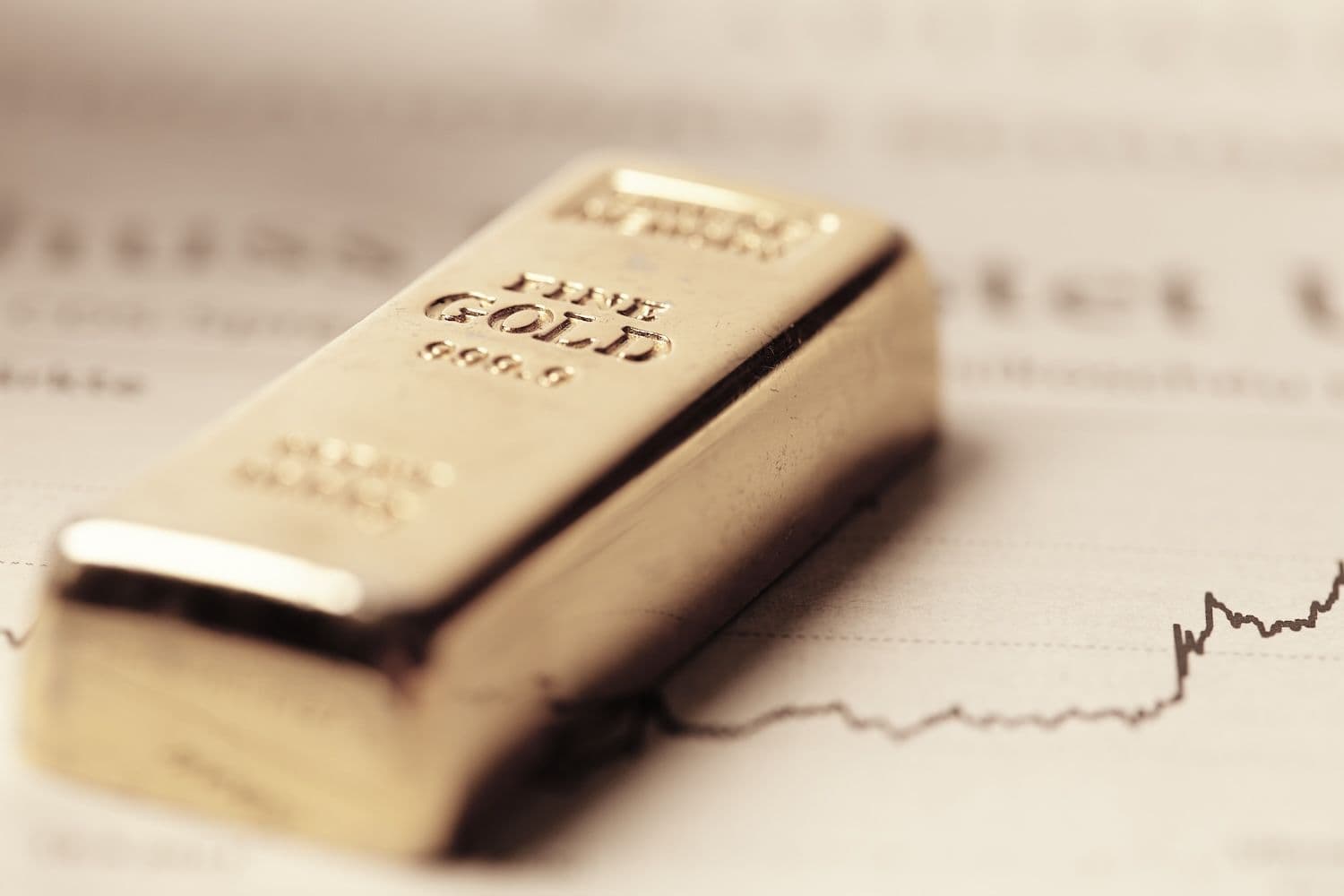
幾千年來,黃金一直是人類的終極避風港。從古埃及法老到現代央行,這種黃色金屬都被視為穩定、財富與安全的象徵。但在2025年10月,一件極不尋常的事震撼了這個長久以來的共識。
僅僅兩個交易日內,黃金市值蒸發2.5萬億美元——這個數字超過了比特幣大約2.2萬億美元的總市值。金價單日狂瀉8%,跌幅是自2013年以來最劇烈,價格由每盎司約4,375美元大跌至4,042美元。這次修正極為猛烈且突然,令全球金融市場各個角落都受到震盪。
這場事件的時間點尤其耐人尋味。2025年10月初,黃金市值在高通脹預期、地緣動盪與央行積極購買推動下,曾升至約27.8萬億美元。相比之下,比特幣在2024年12月首次突破10萬美元,2025年10月初再創新高至125,245美元,隨後一直企穩在10萬美元以上,價格波動相對平穩。
這種分歧引發了一個深刻的問題,現時投資者、決策者和經濟學家都在思考:如果被視為「價值儲存」長達五千年的黃金都可經歷如此劇烈波動,那比特幣會否取代成為新黃金?抑或這場事件揭示出我們對21世紀「穩定」定義的根本轉變?
這個答案至關重要。如今全球政府債務超過300萬億美元、通脹陰影再現、貨幣政策飄忽不定,資金如何才可安全停泊比以往任何時候都更值得關注。本文將深入剖析黃金史無前例的暴跌、比特幣出人意表的韌性,以及這兩個互相對照的故事如何重塑我們對未來金錢、信任及價值的看法,在這個日益數碼化的時代中尤為重要。
黃金暴跌的前因後果
要理解2025年10月黃金暴跌的規模,必須分析其直接觸發因素及深層次結構性成因。2.5萬億美元的消失不僅僅是個數字,而是全球其中一個最古老及最大型資產市場信心、倉位與流動性的巨震。
統計上的極端事件
兩日內8%的跌幅極為罕見——分析指在正常市況下,這在24萬個交易日才會出現一次。但瑞士資源投資者Alexander Stahel 指出,自1971年美國總統尼克遜終止美元與黃金掛鈎以來,黃金已經出現過21次類似或更大規模的調整。
舉例來說:1980年金價曾升至每盎司850美元,隨後經歷長達二十年的熊市。2011年見頂1,900美元後,至2015年底又跌至約1,050美元。2020年3月疫情恐慌下,黃金一周內也曾一度跌12%。每次過後最終都能復原。但2025年這次修正發生在極高的價位——超過每盎司4,300美元,市值蒸發的絕對金額前所未有。
宏觀市場觸發點
這次拋售是多個即時因素疊加所致。首先,黃金此前升勢近乎瘋狂,單計2024年一年已升逾五成,從2,000美元升至2025年10月逾4,300美元,技術分析早已顯示嚴重超買,RSI指標升穿75,歷來意味修正風險高企。
第二,ETF拋售加劇跌勢。黃金ETF如SPDR Gold Shares(GLD)及iShares Gold Trust(IAU)資金連續流出,因投資者轉向股票及更高回報資產。據彭博數據,2024年黃金ETF曾創下歷史新高,隨後機構獲利回吐引發骨牌式賣壓。
第三,槓桿倉位放大跌幅。期貨交易反映出炒家押注過重,當金價跌破4,200美元等重要技術支持位,自動止蝕盤觸發,市場莊家收窄流通量,買賣差價擴闊,進一步助長波動。
第四,央行需求開始放緩。連續三年年購逾1,000噸——創下現代紀錄——部分央行在高位似乎減慢增持。雖然2025年Q1央行買金244噸較5年均水平高,但較2024年Q1的310噸已下跌21%。
最後,實質利率上升對黃金構成壓力。通脹預期開始回落,美國聯儲局貨幣政策繼續偏鷹,實質利率(名義利率減通脹)回升,一向與黃金走勢呈負相關。由於黃金本身不生息,高實質利率下持有成本自然增加。
恐慌心理與黃金神話
除了技術層面,這次拋售暴露了黃金作為避險資產的脆弱。多以為黃金實物稀有、無對手風險,加上五千年貨幣地位令其對加密資產的波動免疫,但10月這次暴跌動搖了此說法。
Alexander Stahel在社交媒體寫道:「黃金再次給我們上了一課。這類修正雖罕見,卻並非史無前例。」資深交易員Peter Brandt強調:「以市值計,今日金價下跌等於所有加密貨幣價值的55%。」即使傳統避險資產,也不能倖免於激烈槓桿除倉。
最令投資者震驚的是速度。黃金作為「慢而穩」的價值儲備形象——與比特幣向來惡名昭彰的波幅成對比——受到打擊。2024年追高買入黃金ETF的散戶資金迅速虧損,孖展戶被迫斬倉,恐懼迅速傳播。
黃金市值的真正運作
要明白2.5萬億美元的損失,需了解黃金市值的計算方法及背後驅動力。黃金的市值=地面總供應量×現貨價格。至2025年初,人類歷史已開採黃金約216,265噸,每盎司約4,000美元,總價值約為27.8萬億美元。
供需平衡
不像比特幣有固定2,100萬枚上限,黃金每年供應溫和增長。全球每年新開採約3,000-3,500噸,僅佔總量約1.5-2%,供應極為僵化,這也是黃金擁躉視其優勝於可無限印鈔的法幣原因之一。
黃金需求十分分散。珠寶約佔每年需求50%,以印度和中國為主,兩地對黃金文化傳統根深蒂固。投資需求——包括ETF、金條和金幣——約佔25%。央行約20-25%,其餘則為工業(電子、牙科、航天)之用。
世界黃金協會2025年第一季報告指,總需求仍然健康,有1,074噸,但隨金價飆升,珠寶需求減弱。印度現貨金較國際價折讓高達每盎司35美元,因經銷商難以出貨。2024年中國珠寶消費按年跌了27.53%,反映高價帶來需求敏感。當投資資金逆轉時,這種價格敏感性成為黃金弱點。
ETF加劇波動
黃金ETF在價格走勢中舉足輕重。這些基金將實物黃金存於保管庫,發行份額予持有人。投資者買入ETF份額,基金需購買實金推高市價;當贖回時,基金出售黃金,加劇跌勢。
全球最大黃金ETF——SPDR Gold Shares(GLD),資產逾500億美元,在10月暴跌前出現大額資金流走,帶來不只是信心逆轉,更引發強制沽售,形成惡性循環。跌勢初現,更多投資人撤離,基金要再賣出黃金,價格進一步下挫。
10月的調整暴露黃金現代金融化下的風險。黃金本身有五千年歷史,現今的交易基礎設施——ETF、期貨、期權、程式交易——已令其流動性變得與其他金融產品無異。「歷久彌新的資產」如今同樣在毫秒間波動。
比特幣異常冷靜
當黃金價值大失血,比特幣卻展現驚人韌性。10月5日創下新高125,245美元後,比特幣僅微跌至105,000至110,000美元範圍,調整幅度僅15-18%,而且未見過往牛市頂部那種連鎖式清算。
截至2025年10月24日,比特幣報約108,000至110,000美元,正處於重要支持區間。雖然已由高位回調,但價格走勢屬比特幣常見回調範圍。日內跌幅僅約0.8%,與黃金連續多日大幅波動形成鮮明對比。
鏈上數據顯示底氣
這種穩定反映比特幣市場底層結構之轉變。VanEck於2025年10月中分析指出,儘管比特幣在10月初曾下挫18%,但這其實是... "healthy deleveraging event" that cleared speculative excess. Futures open interest, which had peaked at $52 billion, normalized to the 61st percentile of historical ranges after cascading liquidations.
一場「健康去槓桿事件」清除了投機過剩。期貨未平倉合約一度高見520億美元,經連環平倉潮後,現時已回落到歷史範圍的第61個百分位。
On-chain metrics told a story of long-term accumulation. Bitcoin supply on centralized exchanges dropped to six-year lows, indicating holders were moving coins into self-custody rather than positioning to sell. Realized capitalization — the aggregate value of all coins at their last moved price — continued climbing, suggesting new capital was entering at higher prices and holding.
區塊鏈鏈上數據反映長線累積的趨勢。比特幣在中心化交易所的供應量跌至六年新低,顯示持幣者將資產轉到自託管錢包,而非準備沽貨。實現市值(即所有比特幣按最後轉移時價格計算的總值)持續上升,意味著新資本正在較高價位進場並選擇持有。
The Bitcoin Mayer Multiple, which divides current price by the 200-day moving average to identify overbought conditions, remained at 1.13 — well below the 2.4 threshold that historically preceded market tops. By contrast, previous bull market peaks saw Mayer Multiples exceeding 2.0. The indicator suggested Bitcoin was trading in "undervalued" territory relative to recent history.
比特幣的 Mayer Multiple(以現價除以200日移動平均線以判斷是否過熱)維持在1.13水平,遠低於歷史上見頂前的2.4門檻。對比歷史牛市高位,Mayer Multiple曾超過2.0。這個指標顯示,比特幣現價較近期歷史屬於「低估」區間。
The ETF Revolution
Perhaps the single biggest factor distinguishing 2025 from prior Bitcoin cycles was institutional participation through spot ETFs. After the U.S. Securities and Exchange Commission approved spot Bitcoin ETFs in January 2024, capital flooded into these vehicles at unprecedented rates. By October 2025, BlackRock's IBIT alone held over 800,000 BTC — approximately 3.8% of Bitcoin's total 21 million supply — with assets under management exceeding $100 billion.
或許最明顯分別2025年與過去比特幣週期的,是機構通過現貨ETF的參與。美國證券交易委員會於2024年1月批准現貨比特幣ETF後,大量資金以史無前例的速度湧入這些產品。截至2025年10月,BlackRock的IBIT單是持有超過80萬枚比特幣——約佔比特幣2100萬總供應量的3.8%——管理資產(AUM)超過1,000億美元。
The ETF infrastructure created structural demand. In early October 2025, Bitcoin ETFs recorded $1.19 billion in net inflows in a single day — the highest since July. Over an eight-day streak, inflows totaled more than $5.7 billion, with IBIT accounting for $4.1 billion. This "voracious appetite," as Bloomberg ETF analyst Eric Balchunas described it, provided a price floor that absorbed selling pressure.
ETF 的基建帶來結構性需求。2025年10月初,比特幣ETF單日錄得11.9億美元淨流入,創下自7月以來最高紀錄。連續八天,ETF 總流入逾57億美元,其中 IBIT 佔41億。彭博 ETF 分析師 Eric Balchunas 形容這是「極度渴求」,這需求為價格提供了強力支撐,消化了沽售壓力。
Fidelity's FBTC, the second-largest Bitcoin ETF, held an additional $12.6 billion in assets. Combined, U.S. spot Bitcoin ETFs accumulated over $63 billion in cumulative net inflows since launch, with total AUM approaching $170 billion. This institutional adoption represented a fundamental shift from retail-dominated speculation to strategic asset allocation by pension funds, endowments, and wealth managers.
富達的 FBTC——全美第二大比特幣ETF——再持有126億美元資產。自推出以來,美國現貨比特幣ETF合共吸納超過630億美元的累計淨流入,總管理資產逼近1,700億美元。這類機構入場標誌由散戶為主的投機活動,逐漸過渡為退休基金、大學捐贈基金及財富管理機構的資產配置。
Volatility Metrics: A Surprising Inversion
Comparing volatility indexes revealed a fascinating inversion. The Bitcoin Volatility Index, while still elevated relative to traditional assets, had compressed significantly from 2020-2022 levels. Meanwhile, the CBOE Gold Volatility Index spiked during October's selloff, approaching levels not seen since the 2020 pandemic panic.
波幅數據出現意想不到的反轉。比特幣波動率指數,雖然仍高於傳統資產,但較2020-2022年間已大幅收縮;而CBOE黃金波動指數在10月拋售期間急升,接近2020疫情恐慌以來的高水平。
This convergence challenged the conventional wisdom that Bitcoin's volatility disqualifies it as a store of value. If gold, the traditional benchmark for stability, could experience 8% two-day swings, perhaps the definition of "stable" needed updating. Bitcoin advocates argued that consistent upward volatility — dramatic gains interspersed with corrections — was preferable to gold's recent price action, which combined stagnation with sudden crashes.
這一收斂顛覆了「比特幣因波動過大不適合作為價值儲存」的傳統觀點。如果連被視為穩定標竿的黃金都可以兩日內大幅波動8%,或許「穩定」的定義都要修正。比特幣支持者認為,「向上有波幅」——即大升之間夾雜調整——比黃金近年呈停滯兼偶發閃崩的走勢優勝。
Moreover, Bitcoin's 30-day realized volatility had been declining structurally. While individual corrections remained sharp, the overall trend showed maturation. As one analyst noted, "Bitcoin is becoming less volatile precisely as gold becomes more volatile — a historic role reversal."
此外,比特幣的30日實現波幅結構性下跌。雖然單次回調仍然急速,全體趨勢卻日益成熟。有分析師形容:「比特幣波動正在減弱,正當黃金波幅反而加大——這是一場歷史性角色互換。」
Gold 1970s vs. Bitcoin 2020s
To understand Bitcoin's current trajectory, historical parallels to gold's post-Bretton Woods rise prove illuminating. In August 1971, President Richard Nixon unilaterally terminated the dollar's convertibility to gold, ending the post-WWII monetary order. What followed was a decade-long gold bull market that saw prices rise from $35 per ounce to over $850 by January 1980 — a 2,300% gain.
要理解比特幣現時的走勢,回顧金本位後黃金的升浪難免有所啟示。1971年8月,美國總統尼克遜單方面結束美元兌換黃金的承諾,終結二戰後的貨幣體系。結果出現長達十年的黃金牛市,金價由每安士35美元升到1980年1月超過850美元,升幅高達2,300%。
The 1970s Parallel
The 1970s gold rally wasn't linear. It experienced significant corrections in 1975 and 1976 before accelerating into a parabolic blow-off top in 1979-1980. Several factors drove the surge: the collapse of Bretton Woods, runaway inflation (U.S. CPI exceeded 14% in 1980), geopolitical instability (oil shocks, Iran hostage crisis), and loss of confidence in fiat currencies.
七十年代黃金升浪絕非一帆風順。1975、1976年均出現大幅回調,其後才加速進入1979至1980年的爆升階段。推動力量包括:金本位崩潰、失控通脹(美國CPI於1980年超過14%)、地緣政局不穩(石油危機、伊朗人質事件)以及市場對法幣信心動搖。
Gold's 1970s ascent represented a "monetary protest movement" against the fiat experiment. Investors, witnessing purchasing power erosion, sought refuge in an asset with 5,000 years of acceptance. Central banks, initially sellers of gold, reversed course and became buyers. The dollar's purchasing power, measured against gold, collapsed.
1970年代的黃金升勢象徵著對法幣實驗的「貨幣抗議行動」。投資者目睹購買力流失,紛紛走進黃金這種五千年歷史的公認資產避險。最初不斷沽金的各國央行,亦最終反手成為買家。美元的購買力(按黃金計)全面崩潰。
Legendary gold investor Pierre Lassonde recently drew explicit parallels between today's environment and 1976, the midpoint of that bull market. "We're at the equivalent year 1976 right now," Lassonde argued, suggesting gold's rally from $2,000 in 2023 to over $4,000 in 2025 may be only halfway complete, with years of gains ahead.
傳奇黃金投資者 Pierre Lassonde 最近明言現時環境與1976年、即當年牛市中段極為相似。他說:「我們現在就好像處於1976年。」意思是金價由2023年2,000美元升至2025年超過4,000美元,只是牛市「一半路程」,未來尚有多年升浪。
Bitcoin's 2020s Emergence
Bitcoin's rise since 2020 shares eerie similarities. Following unprecedented monetary expansion during the COVID-19 pandemic — the Federal Reserve expanded its balance sheet from $4 trillion to nearly $9 trillion in months — Bitcoin surged from around $10,000 in late 2020 to over $125,000 by October 2025. The ~1,150% gain parallels gold's early 1970s trajectory.
比特幣自2020年起爆升,情況與當年黃金極為相似。疫情期間,聯儲局資產負債表由4萬億美元膨脹至接近9萬億,比特幣價格從2020年底約一萬美元,飆升至2025年10月逾十二萬五千美元——升幅約1,150%,正如黃金70年代初的走勢。
Like gold in the 1970s, Bitcoin emerged as a response to fiat instability. Global debt levels reached record highs exceeding $300 trillion. Central banks maintained negative real interest rates for years, eroding savings. Inflation, though moderating from 2022 peaks, remained elevated. Trust in traditional monetary policy waned.
正如七十年代的黃金潮,比特幣也是對法幣不穩的回應。全球債務總額飆破300萬億美元歷史新高,各國央行長年實行負實際利率,導致儲蓄貶值。即使通脹較2022年高峰回落,依然偏高。大眾對傳統貨幣政策信心下降。
Both assets share common drivers: inflation hedging, distrust in central banks, and global debt fears. But Bitcoin offered something gold couldn't — digital portability, programmable scarcity, and 24/7 global liquidity. While gold requires physical storage, security, and transportation costs, Bitcoin could be transferred across borders instantly for minimal fees.
兩者背後誘因相同:抗通脹、對央行失信心、憂慮全球債務。但比特幣兼備黃金難以企及的特質——數碼流通性、可編程稀缺性、及全天候全球流動性。黃金必須儲存、保安、運送,比特幣則可隨時低成本跨境轉移。
The Monetary Protest Continues
In both eras, the underlying dynamic was similar: citizens and institutions seeking alternatives to government-controlled money. The 1970s saw investors flee dollars for gold. The 2020s are witnessing a dual movement — continued gold buying alongside Bitcoin adoption. The difference is generational. Baby boomers trust metal; millennials and Gen Z trust math.
兩個世代的核心動力如出一轍:尋找政府貨幣以外的選擇。七十年代,投資者棄美元買黃金;二十年代則黃金和比特幣雙線並進。最大分別來自世代之間——嬰兒潮信金屬,千禧和Z世代信數學。
This generational divide matters. As wealth transfers accelerate over the next two decades — an estimated $84 trillion passing from boomers to younger generations — Bitcoin stands to benefit from demographic tailwinds. Younger investors, native to digital technology, view Bitcoin's intangibility as a feature, not a bug. They trust cryptographic proof over governmental promises.
這種世代分野意義重大。未來二十年,預計有84萬億美元財富由嬰兒潮轉移到年輕一代,比特幣將受惠於這一人口紅利。新世代投資者天生擁抱數碼科技,視比特幣的無實體屬「賣點」而非缺陷,他們相信密碼學證明多於政府承諾。
Yet the parallel has limits. Gold's 1980 peak was followed by a 20-year bear market. Bitcoin, being digital and more easily accessible, may trade in shorter, more volatile cycles. The presence of institutional infrastructure — ETFs, CME futures, corporate treasury adoption — could provide stability gold lacked in 1980.
但這種歷史對照亦有局限。黃金1980年頂峰之後大熊市橫跨二十載。但比特幣數碼化又易於參與,周期或許更短、更波動。機構基建如ETF、CME期貨、企業財庫配置等,或可帶來1980年黃金所缺乏的穩定性。
Macro Crossroads: Interest Rates, Real Yields, and Liquidity
Understanding both gold's volatility and Bitcoin's resilience requires examining the macroeconomic forces shaping asset prices in 2025. Three factors dominate: interest rate policy, real yields, and global liquidity conditions.
要理解黃金波動及比特幣韌性,必須考慮2025年影響資產價格的宏觀經濟因素。當中三大要素為:利率政策、實際利率,以及全球流動性狀況。
The Real Yield Challenge
Real yields — nominal interest rates minus inflation — exert powerful influence on non-yielding assets like gold and Bitcoin. When real yields are negative (inflation exceeds interest rates), these assets outperform. Conversely, positive real yields create opportunity costs, as investors can earn returns in bonds risk-free.
實際利率(即名義利率減通脹率)對黃金和比特幣這類無息資產影響極大。當實際利率為負(即通脹高於利率),這些資產表現較佳。相反,正實際利率帶來機會成本,因投資者可選擇無風險債券賺息。
Throughout 2024 and early 2025, real yields climbed. The Federal Reserve's restrictive policy pushed the federal funds rate to 5.25-5.50% while inflation moderated to around 3.5%.
2024年至2025年初期間,實際利率持續上升。聯儲局鷹派政策令聯邦基金利率升至5.25-5.50%,而通脹回落至約3.5%。
This created positive real yields of approximately 1.5-2% — the highest since pre-2008 crisis. Historically, such conditions suppress gold prices. Yet gold rallied anyway, breaking the traditional correlation.
實際利率因此升至1.5-2%左右,是2008年金融危機前新高。傳統上,這樣的環境不利黃金表現,但金價卻逆市上揚,打破過往的相關性。
What explained the divergence? Several factors. First, geopolitical premiums from Russia-Ukraine tensions and Middle East conflicts boosted safe-haven demand. Second, central bank buying provided a structural bid independent of yields. Third, de-dollarization trends — countries reducing dollar reserves — supported gold despite rates. Fourth, fears about fiscal sustainability (U.S. debt exceeding $35 trillion) overshadowed yield considerations.
這種背馳,原因有幾:第一,俄烏戰事及中東緊張地緣令避險需求上升;第二,央行大舉吸納黃金,提供與利率無關的結構性買盤;第三,去美元化——各國減少美元儲備——亦支持金價;第四,美國債務破35萬億美元,財政可持續成疑,令市場更憂心債息高低以外的因素。
Bitcoin's behavior relative to yields proved more complex. Initially, BTC showed high correlation to risk assets like tech stocks, falling when rates rose. But by 2025, this correlation weakened. Bitcoin began trading like a macro asset responsive to liquidity conditions rather than discount rates. When the Federal Reserve signaled potential rate cuts in late 2025, both gold and Bitcoin rallied — suggesting both were positioning as inflation hedges rather than growth assets.
比特幣對實際利率的反應更為複雜。早期,BTC與高風險資產如科技股高度相關,當加息時價格下跌;不過到2025年,相關性明顯減弱,比特幣開始被市場視為受流動性左右的宏觀資產,而不是僅跟貼息口。當聯儲局於2025年底示意可能減息,黃金和比特幣同步飆升——反映兩者都被市場視作抗通脹而非增長資產。
Liquidity Dynamics
Global liquidity — the aggregate of central bank balance sheets, money supply growth, and credit availability — may be the most important macro variable for Bitcoin and gold. Both assets historically correlate positively with liquidity expansion and negatively with contraction.
全球流動性——即各央行資產負債表總額、貨幣供應增長、信貸情況——或許是影響比特幣和黃金最關鍵的宏觀因素。歷史上,這兩種資產皆與流動性擴張正相關,與收縮負相關。
The Federal Reserve's quantitative tightening (QT) program, which reduced its balance sheet by over $1.5 trillion from 2022 to 2024, represented liquidity drainage. Yet speculation mounted in late 2025 that the Fed would wind down QT, potentially unleashing liquidity. If that scenario materialized, echoing the 2021 crypto price surge, both gold and Bitcoin stood to benefit.
聯儲局於2022-2024年進行量化緊縮(QT),縮表超過1.5萬億美元,收緊流動性。不過,踏入2025年尾,市場猜測聯儲或將結束QT,有望釋放資金。若成真,情況類似2021年加密貨幣大升浪,黃金和比特幣都會受惠。
Meanwhile, China's economic stimulus efforts in 2025 increased global liquidity. The People's Bank of China injected significant capital to support its property sector and stock market. This liquidity found its way into gold — Chinese households
與此同時,中國於2025年推出經濟刺激措施,進一步提升全球流動性。中國人民銀行為樓市和股市大規模注資,這些資金亦流入黃金——中國家庭drove record gold ETF inflows — and potentially into Bitcoin as capital sought alternative stores of value.
帶動了創紀錄的黃金ETF資金流入——亦有可能流入比特幣,因為資金尋求另類的價值儲存方式。
The Fiscal Wildcard
財政變數
U.S. fiscal policy added another layer of complexity. Government debt exceeded $35 trillion, with annual deficits running above $1.5 trillion. Interest payments on the debt approached $1 trillion annually, becoming the largest budget line item. This fiscal trajectory raised questions about sustainability.
美國的財政政策令形勢更複雜。政府債務超過35萬億美元,每年赤字高於1.5萬億。單是利息支出每年就接近1萬億,成為最大的一項預算開支。這種財政狀況令人質疑其可持續性。
If bond markets lost confidence, Treasury yields could spike, forcing the Fed to resume quantitative easing to prevent a debt crisis. Such a scenario — fiscal dominance — would be extremely bullish for both gold and Bitcoin, as it would signal the monetization of government debt and erosion of dollar purchasing power.
如果債券市場失去信心,國債孳息率可能會急升,令聯儲局被迫重啟量化寬鬆以防止債務危機。這種情況下,財政優先地位將會對黃金和比特幣都極為利好,因為這代表政府將債務貨幣化,並侵蝕美元的購買力。
Some analysts believed October's gold correction was a healthy reset before the next leg higher, driven by exactly these fiscal concerns. Bitcoin, meanwhile, positioned itself as "digital fiscal insurance" — a hedge against government over-leverage and monetary debasement.
有分析認為,十月的黃金調整只是一個健康的回調,為下次升浪作準備,動力正正來自於這些財政憂慮。比特幣則被定位為「數碼財政保險」——對沖政府過度借貸和貨幣貶值的工具。
Psychology of Safe Havens
避險資產的心理學
Beyond mechanics and macroeconomics lies psychology — the emotional dimension of why humans trust certain assets over others. Understanding this psychology is essential to grasping both gold's enduring appeal and Bitcoin's rapid ascent.
除了機制與宏觀經濟之外,還有心理層面——即為何人類會選擇信任某些資產而非其他資產。明白這種心理,才能理解黃金長青不衰的吸引力,以及比特幣快速崛起的原因。
The Ancient Trust in Gold
對黃金的古老信任
Gold's status as a safe haven is fundamentally psychological. The metal has no cash flows, pays no dividends, and has limited industrial utility. Its value derives almost entirely from collective belief — the shared conviction that others will value it tomorrow because they valued it yesterday.
黃金之所以成為避險資產,其本質是心理作用。黃金本身沒有現金流、沒有股息、實際工業用途亦有限。它的價值幾乎完全來自集體信念——大家都相信,因為昨日有人重視它,明天人們依然會珍視它。
This belief is reinforced by millennia of precedent. Ancient Egyptians hoarded gold. Romans minted gold coins. Medieval monarchs stored gold in royal treasuries. Modern central banks hold gold reserves. This unbroken chain of acceptance creates powerful path dependency. Gold is money because it has always been money.
這種信念由數千年的歷史加強。古埃及人儲藏黃金;羅馬人鑄造金幣;中世紀的國王把黃金存放在王室金庫;現代中央銀行持有黃金儲備。這條歷史不斷接續下來,形成強大的路徑依賴。黃金之所以是貨幣,就是因為它一直被用作貨幣。
Behavioral finance researchers identify several psychological factors supporting gold: scarcity (annual production is limited), tangibility (you can hold it), durability (it doesn't corrode), and divisibility (it can be minted into various sizes). These physical properties align with human intuitions about what makes something valuable.
行為金融學者認為支撐黃金價值的心理因素包括:稀缺性(每年產量有限)、實體性(可以觸摸)、耐用性(不會腐蝕),以及可分割性(可以鑄造成不同大小)。這些物理特性正好對應到人類對「有價值物品」的直觀判斷。
The New Trust in Math
對數學的全新信任
Bitcoin's psychological appeal is entirely different. It has no physical form, no governmental backing, and no historical precedent. Yet millions of people — and increasingly, institutions — trust it as a store of value. Why?
比特幣吸引信任的心理機制則完全不同。它沒有實體,沒有所謂政府支持,更沒有歷史作例子。但如今數以百萬計的人——甚至越來越多機構——視它為價值儲存手段,為何?
The answer lies in cryptographic proof. Bitcoin's supply is capped at 21 million coins, enforced not by human promises but by mathematics and distributed consensus. Every ten minutes, miners compete to add a block to Bitcoin's blockchain, validating transactions and creating new coins according to a predetermined schedule. This process is transparent, auditable, and immune to human intervention.
答案在於密碼學證明。比特幣最大供應只有2100萬個,不是靠人性的承諾,而是數學和分散式共識來保證。每十分鐘就有礦工競逐把新區塊加進區塊鏈,確認交易並根據預設規律產生新幣。這個過程完全透明、可審計,亦不受人為干預。
For digital natives, this mathematical certainty feels more trustworthy than governmental assurances. They've witnessed central banks break promises, governments default on debts, and fiat currencies hyperinflate. Bitcoin offers an alternative trust model: "Don't trust, verify." Anyone can run a node, validate the entire blockchain, and confirm Bitcoin's supply and transaction history.
對數碼原住民來說,這種數學上的確定性比政府承諾更可靠。他們親眼見過央行失信、政府債務違約、法定貨幣惡性通脹。比特幣帶來另類信任模式:「不要信,自己驗證。」任何人都可以運行節點,驗證全條區塊鏈,確認比特幣供應及交易紀錄。
Generational Divide
代際分歧
Age strongly predicts gold vs. Bitcoin preference. A 2024 survey found that 67% of investors over 50 viewed gold as the superior long-term store of value, while 72% of investors under 35 preferred Bitcoin. This generational split reflects fundamentally different worldviews.
年齡是預測黃金還是比特幣偏好的關鍵因素。一項2024年調查顯示,50歲以上的投資者中,67%認為黃金是更好的長線價值儲存;但35歲以下,則有72%更鍾情比特幣。這種世代分裂反映根本不同的世界觀。
Older investors remember gold's 1970s triumph and view physical assets as inherently more reliable than digital ones. They associate "real" with "tangible" and distrust assets that exist only as bits on a computer. Their financial formative experiences — the 1987 stock crash, the dot-com bust — reinforced skepticism of new technologies.
年長一代記得70年代黃金的光輝歷史,普遍認為實體資產本質上比數碼資產可靠。對他們來說,「真實」就等於「摸得著」,對只存在於電腦數據的資產始終有保留。他們經歷過1987年股災、科網爆煲,導致他們對新技術一向抱懷疑。
Younger investors, conversely, live digital lives. They trust Venmo more than checks, prefer streaming to CDs, and value portability over physicality. For them, Bitcoin's digital nature is a feature — it's easily divisible, instantly transferable, and globally accessible. They view gold's physicality as a liability requiring storage costs, security concerns, and authentication verification.
年輕一代生活在數碼世界,相信Venmo多於支票,更愛串流大過CD,重視流動而非持有實物。比特幣的數碼特質對他們來說是優點——隨時分割,隨時轉帳,全球皆可用。他們認為黃金的「實體性」反而是負擔——要付存倉費、擔心安全、還要驗明真偽。
Social Proof and Narrative
社會認同與敘事
Modern social media amplifies psychological dynamics. Bitcoin's narrative spread virally through Twitter, Reddit, and YouTube, creating a global community of believers. Memes like "HODL" (hold on for dear life), "number go up," and "laser eyes" reinforced group identity and commitment.
現代社交媒體大大強化這種心理動力。比特幣的敘事故事通過Twitter、Reddit和YouTube病毒式傳播,建立起全球信徒社群。「HODL」(死搶)、「number go up」、「laser eyes」等迷因,加深群體認同及凝聚力。
This social dimension distinguishes Bitcoin from gold. While gold bugs exist as a community, Bitcoin's online culture is far more dynamic and evangelical. Every price surge generates media attention, drawing new participants. Every correction is reframed as a "buying opportunity." The narrative becomes self-reinforcing: more believers attract more believers.
這種社會層面正是比特幣與黃金的最大分野。黃金迷之間都有小圈子,但比特幣的網上文化更活躍、更具傳教性。每逢價格暴升,媒體都會大肆報導,新粉絲加入。每逢調整,群體就將其包裝成「入場機會」。這種敘事有自我增強效應:愈多人相信,愈多人跟著信。
Critics call this a bubble mentality. Supporters call it network effects — Bitcoin's value increases as more people adopt it, similar to how telephones, the internet, or social networks became more valuable with larger user bases. Whether bubble or network effect may depend on whether Bitcoin ultimately achieves mainstream monetary status.
批評者稱這是泡沫心態;支持者則稱之為網絡效應——愈多人用,比特幣就愈值錢,正如電話、互聯網、社交網絡一樣,隨用戶增多而升值。究竟是泡沫還是真正的網絡效應,關鍵要看比特幣能否最終成為主流貨幣。
The Institutional Turn
機構採納的轉折點
Perhaps no factor has been more consequential for Bitcoin's 2024-2025 rally than institutional adoption. What began as a retail phenomenon championed by cypherpunks and libertarians has evolved into a recognized asset class attracting trillion-dollar institutions.
比特幣2024-2025年大牛市,機構採納的影響無出其右。本來只是電腦極客及自由主義者推崇的零售現象,如今已蛻變成吸引萬億級別資產機構的正規資產類別。
The ETF Game-Changer
ETF 改變遊戲規則
The January 2024 approval of spot Bitcoin ETFs by the SEC represented a watershed moment. After a decade of applications and rejections, the regulatory green light opened Bitcoin to investors who couldn't or wouldn't navigate crypto exchanges, private keys, and self-custody. The response was overwhelming.
美國證監會在2024年1月批准現貨比特幣ETF成為分水嶺。十年申請與拒絕後,監管機構終於開綠燈,令一眾不懂或不願意自己搞加密貨幣交易所、私鑰及自託管的投資者也能參與。市場反應極為熱烈。
BlackRock's IBIT became the fastest-growing ETF in history, amassing $100 billion in assets in less than two years. For context, it took BlackRock's gold ETF (IAU) two decades to reach $33 billion. CEO Larry Fink, once a Bitcoin skeptic, became a vocal advocate, calling Bitcoin "digital gold" and predicting it would play a major role in 21st-century finance.
貝萊德的IBIT成為史上增長最快的ETF,未夠兩年資產已高達1000億美元。相比之下,其同公司黃金ETF(IAU)用了20年才到330億。貝萊德CEO Larry Fink,過往曾經懷疑比特幣,如今卻高調支持,稱比特幣為「數字黃金」,並預言它會在21世紀金融體系發揮重要作用。
By October 2025, U.S. spot Bitcoin ETFs collectively held over $169 billion in assets, representing approximately 6.8% of Bitcoin's total market capitalization. Daily trading volumes regularly exceeded $5 billion. Institutional investors — pension funds, endowments, family offices, wealth managers — began allocating 1-3% of portfolios to Bitcoin, treating it similarly to how they allocated to gold.
到2025年10月,美國現貨比特幣ETF合共管理超過1690億美元資產,約佔比特幣總市值6.8%。每日成交量經常超過50億。機構投資者——退休基金、捐贈基金、家族辦公室、資產管理人等——已開始將1-3%的資產分配到比特幣,像過去分配黃金一樣。
Corporate Treasury Adoption
企業財資採納
Parallel to ETF growth was corporate treasury adoption. MicroStrategy, led by Michael Saylor, pioneered the strategy of using Bitcoin as a treasury reserve asset. By October 2025, MicroStrategy held over 640,000 BTC worth approximately $78 billion — more Bitcoin than any entity except BlackRock's ETF.
與ETF同步增長的,是企業財資部門將比特幣納為庫房儲備。由Michael Saylor帶領的MicroStrategy,率先以比特幣作庫備資產。到2025年10月,MicroStrategy持有超過64萬個比特幣,市值約780億美元,僅次於貝萊德ETF,成為持有比特幣最多的單一實體。
Other corporations followed. Tesla, Block (formerly Square), and Metaplanet added Bitcoin to balance sheets. In October 2025, DDC Enterprise Limited announced a $124 million equity financing round to expand Bitcoin holdings. Even traditional companies began exploring the strategy as a hedge against inflation and dollar depreciation.
其他公司亦開始跟隨。Tesla、Block(前身為Square)、Metaplanet等都加入行列,把比特幣納入資產負債表。2025年10月,DDC Enterprise Limited公布進行一億二千四百萬美元融資,以擴充其比特幣持倉。連傳統企業都開始探討此策略,用來對沖通脹和美元貶值風險。
This corporate trend mattered because it represented patient capital with long time horizons. Unlike retail traders who might panic sell during corrections, corporate treasuries viewed Bitcoin as a multi-year strategic position. Their buying provided a structural bid, reducing available supply and supporting prices.
企業的加入意義重大,因為這代表有耐性的長線資金。與易驚慌沽貨的散戶不同,企業財資部門把比特幣當作多年度的策略投資。它們的買盤屬結構性,減少市場可買籌碼,支撐價格。
Gold ETF Outflows
黃金ETF資金流出
While Bitcoin ETFs attracted capital, gold ETFs experienced outflows. This rotation was subtle but significant. Portfolio managers operating under modern portfolio theory typically allocate a fixed percentage to "alternative assets" including gold, commodities, and real estate. As Bitcoin gained legitimacy, some reallocated from gold to Bitcoin.
比特幣ETF吸資之際,黃金ETF卻出現資金流走。這輪轉移雖然不算劇烈,但甚具意義。根據現代投資理論,基金經理通常會將部分資產分配到黃金、商品及地產等「另類資產」。隨著比特幣越來越正規化,有些資金就由黃金流向比特幣。
The shift wasn't wholesale. Gold remained far larger — $27.8 trillion market cap versus Bitcoin's $2.2 trillion. But at the margin, flows mattered. If just 5% of gold's market cap rotated to Bitcoin, it would represent $1.4 trillion — more than doubling Bitcoin's value. Even smaller shifts could drive significant price appreciation.
這種輪換並非大規模,黃金仍遠大於比特幣——總市值27.8萬億美元對比2.2萬億。但邊際轉移已足夠影響行情。即使只有黃金5%市值轉到比特幣,已達1.4萬億美元,比特幣價值立即加倍,就算再少些也足以推動價格急升。
Data from Morningstar and CoinShares showed this rotation in action. In Q3 2025, gold ETFs saw net outflows of $3.2 billion while Bitcoin ETFs recorded inflows of $15.4 billion. The trend suggested institutional investors were beginning to view Bitcoin and gold as substitutable safe-haven assets, with Bitcoin offering superior upside potential.
Morningstar及CoinShares數據都反映出這輪轉變。2025年第三季,黃金ETF錄得資金淨流出32億,與此同時比特幣ETF流入達154億。趨勢顯示,機構投資者已開始把比特幣與黃金看作可互換的避險資產,而比特幣潛在升值空間更大。
Risk Parity Rebalancing
風險平價再平衡
Risk parity funds, which allocate based on volatility rather than dollar amounts, began incorporating Bitcoin into their "store of value baskets" alongside gold. These systematic strategies treat both assets as portfolio diversifiers that hedge against fiat devaluation and systemic risks.
按波幅分配資產而非按金額的風險平價基金,也開始把比特幣加入與黃金一樣的「價值儲存組合」。這些系統化策略視兩者為多元化組合、對沖法幣貶值及系統風險的工具。
As Bitcoin's volatility declined — from 80-100% annualized in 2020-2021 to 40-50% in 2024-2025 — risk parity models increased allocations. The volatility compression made Bitcoin more palatable for institutional risk budgets. Combined with low correlations to traditional assets (stocks and bonds), Bitcoin qualified as an attractive diversifier.
隨著比特幣波幅由2020-2021年的年化80-100%,下降至2024-2025年的40-50%,風險平價模型便增加配置。波幅收窄令比特幣更易被納入機構風險組合管理。結合它與傳統資產(股票及債券)之間低相關性,比特幣成為理想分散投資之選。
This institutional infrastructure — ETFs, corporate adoption, risk parity inclusion — fundamentally changed Bitcoin's market structure. What was once a speculative retail playground had become a legitimate institutional asset class, complete with regulated products, custodial solutions, and financial advisor education.
這種ETF、企業財資納入、風險平價基金參與等機構級基建,徹底改變了比特幣的市場結構。這個曾經只屬零售投機人士的領域,如今已成為正規機構資產類別,擁有受規管產品、託管解決方案和理財顧問教育配套。
Can Gold Regain Its Shine?
黃金能否重新閃耀光芒?
Despite October's dramatic correction, dismissing gold would be premature. The metal has survived 5,000 years of monetary evolution,outlasting countless currencies, governments, and empires. Several scenarios could drive a gold rebound. 歷經無數貨幣、政府同帝國興衰,但黃金依然不倒。有幾個情景可能會推動黃金反彈。
Fed Easing and Inflation Fears
聯儲局放水及通脹憂慮
If the Federal Reserve pivots to aggressive rate cuts — as markets anticipated in late 2025 — gold could rally strongly. CME Group's FedWatch tool showed a 99% probability of a 25-basis-point cut at the October 28-29 FOMC meeting. If cuts continued through 2026, pushing real yields back to negative territory, gold's historical relationship would reassert itself.
如果美聯儲轉向積極減息——正如2025年尾市場預期——金價可能會大幅反彈。CME集團嘅FedWatch工具顯示,10月28至29號FOMC會議減息25個基點機率高達99%。如果減息趨勢持續到2026年,實際利率重返負數區間,黃金一貫嘅正面表現就會再次出現。
Moreover, if inflation resurged — driven by fiscal stimulus, supply chain disruptions, or energy shocks — gold would benefit as an inflation hedge. Goldman Sachs projected gold could reach $5,000 per ounce by 2026 under scenarios where just 1% of private U.S. Treasury holdings rotated into gold. Bank of America forecasted $4,400 per ounce on average for 2026, citing geopolitical tensions and fiscal deficits.
此外,如果通脹捲土重來——無論係因為財政刺激、供應鏈阻塞,抑或能源危機——黃金作為對沖通脹工具會大有得益。高盛預計,假如美國私人持有國債中有1%轉投黃金,到2026年金價有機會升至每安士$5,000。美銀則預測2026年黃金平均可達$4,400一安士,理由係地緣政治緊張同財政赤字。
Geopolitical Catalysts
地緣政治推動因素
Geopolitical risks — always latent — could spike suddenly, driving safe-haven flows. Russia-Ukraine tensions, while easing periodically, remained unresolved. Middle East conflicts continued. U.S.-China trade relations stayed fragile despite diplomatic engagement. Any escalation could trigger panic buying of gold.
地緣政治風險一向潛在,隨時會突然升溫,推動資金湧向避險資產。俄烏局勢雖然時有緩和,但並未解決;中東衝突持續;美中貿易關係雖有外交斡旋,仍然脆弱。任何升級都可能引發市場恐慌性買金。
Historical precedent supports this scenario. Every major geopolitical crisis since 1971 — the 1979 Iran hostage crisis, the 1990 Gulf War, the 2001 9/11 attacks, the 2008 financial crisis — drove gold higher. While Bitcoin might also benefit as a crisis hedge, gold's 5,000-year track record gives it credibility Bitcoin can't yet match in times of extreme stress.
歷史亦支持呢種情景。自1971年以嚟,每次重大地緣危機——1979年伊朗人質危機、1990年海灣戰爭、2001年911、2008年金融危機——都推高黃金價格。雖然比特幣而家都會受惠危機對沖需求,但黃金5,000年歷史嘅信譽係比特幣目前難以匹敵,特別遇到極端市況時。
Emerging Market Demand
新興市場需求
Sustained central bank buying from emerging markets could provide a floor for gold prices. In 2024, central banks purchased over 1,000 tonnes for the third consecutive year. China, India, Turkey, Poland, and Kazakhstan led the buying spree, driven by de-dollarization and reserve diversification.
新興市場央行持續入市買黃金,有助托住金價。2024年,全球央行連續第三年購入超過1,000噸黃金。中國、印度、土耳其、波蘭、哈薩克斯坦成為主力,原因係「去美元化」同儲備多元化。
China's gold reserves increased to 73.29 million ounces by January 2025, yet gold still represented only 5.36% of its foreign exchange reserves — far below the 20-25% held by many developed nations. If China gradually increased its allocation to the developed-country average, it would require purchasing thousands of additional tonnes, providing structural demand for years.
到2025年1月,中國黃金儲備增至7,329萬安士,但佔外匯儲備比例只係5.36%,遠低於好多已發展國家持有嘅20-25%。如果中國慢慢提升分配比例至發達國家水平,未來幾年都需要購入幾千噸黃金,為市場帶來結構性需求。
India, with deep cultural affinity for gold, recently cut import duties from 15% to 6% to boost the jewelry industry. Indian households collectively own approximately 24,000 tonnes of gold — roughly 11% of above-ground reserves. Any economic growth in India translates directly to gold demand.
至於印度,傳統上對黃金有深厚的文化情意結,最近將黃金進口稅由15%降至6%,期望刺激珠寶行業。全印度家庭合共擁有約24,000噸黃金,佔地上黃金儲量約11%。只要印度經濟增長,入面都會直接反映喺黃金需求上。
Expert Optimism
專家樂觀展望
Many gold analysts remained bullish despite October's correction. JPMorgan projected gold would average $3,675 per ounce by Q4 2025 and surpass $4,000 by Q2 2026. Morgan Stanley forecasted $3,800 by year-end 2025, citing Federal Reserve rate cuts as a key catalyst.
雖然10月份金價調整,唔少黃金分析師依然睇好。摩根大通預計黃金2025年第四季平均可達$3,675一安士,去到2026年第二季更會突破$4,000。摩根士丹利則預測2025年底見$3,800一安士,認為聯儲局減息係其中一個關鍵因素。
The World Gold Council's 2025 outlook noted that while near-term volatility was likely, long-term fundamentals remained intact. "Upside could come from stronger than expected central bank demand, or from a rapid deterioration of financial conditions leading to flight-to-quality flows," the report stated.
世界黃金協會2025年展望指出,短線雖有波動,但長線基本因素仍然穩健。報告指:「強於預期嘅央行需求,或金融情況急速惡化導致資金湧入優質資產,都有機會帶來向上動力。」
Gold's resilience over millennia suggests betting against it entirely is unwise. The metal survived the collapse of the Roman Empire, the Black Death, the Napoleonic Wars, two World Wars, and the Cold War. It will likely survive Bitcoin too — though perhaps in a diminished role.
黃金熬過千年興衰,完全睇淡佢並不明智。自羅馬帝國滅亡、黑死病、拿破崙戰爭、兩次世界大戰到冷戰時期,黃金都冇倒下。面對比特幣,黃金大概都可以捱過,只係可能會退居二線。
The Hybrid Hedge: Tokenized Gold & Digital Scarcity
混合型對沖:「代幣化黃金」及數碼稀缺性
An intriguing development in the gold-Bitcoin debate is the emergence of tokenized gold — digital representations of physical gold on blockchains. These hybrid assets attempt to combine gold's tangibility with Bitcoin's digital convenience.
黃金同比特幣之爭出現咗新發展——代幣化黃金,將實體黃金數碼化,喺區塊鏈上發行。呢類混合資產,嘗試融合黃金實體保障同比特幣嘅數碼便利。
How Tokenized Gold Works
代幣化黃金點運作
Tokenized gold products like Tether Gold (XAUt) and Paxos Gold (PAXG) issue blockchain tokens backed 1:1 by physical gold held in vaults. Each token represents ownership of a specific amount of gold (typically one troy ounce). Holders can redeem tokens for physical gold or trade them on crypto exchanges 24/7.
例如Tether Gold(XAUt)、Paxos Gold(PAXG)等產品,喺區塊鏈發行同實體黃金一比一掛勾嘅代幣。每個代幣代表一指定黃金份量(一般為一安士)。持有人可以選擇兌回實體黃金,或24小時喺加密貨幣交易所買賣。
The proposition is compelling: all the benefits of gold (physical backing, 5,000-year track record) combined with digital advantages (instant settlement, fractional ownership, blockchain transparency). Tokenized gold eliminates storage costs, enables borderless transfers, and allows micro-investments impossible with physical gold.
呢個概念吸引之處係結合晒實體黃金(實物支撐、千年信譽)同數碼科技(即時清算、可出細額、區塊鏈透明)嘅優點。代幣化黃金唔使自己儲存、可全球轉賬、又容許微細投資,實體黃金做唔到。
Market Size and Performance
市場規模及表現
As of October 2025, tokenized gold's total market cap stood at approximately $3.8 billion according to CoinGecko. This represents a tiny fraction of gold's $27.8 trillion market but shows rapid growth from near zero in 2020. Tether Gold's XAUt price dropped 4% during gold's October correction, closely tracking spot gold prices.
據CoinGecko數據,截至2025年10月,全球代幣化黃金市值約38億美元,相比黃金27.8萬億美元市值仍十分微小,不過由2020年幾乎零基礎急速增長。Tether Gold(XAUt)喺10月黃金回調期間價值跌4%,同現貨黃金價格走勢一致。
Tokenized gold faces challenges. Regulatory uncertainty surrounds digital assets generally. Custody risks remain if vault operators fail. Liquidity is limited compared to traditional gold markets or Bitcoin. Yet the sector is growing, with major blockchain infrastructure providers like Chainlink developing real-world asset (RWA) tokenization standards.
代幣化黃金亦面對一啲挑戰,包括整體數碼資產嘅監管不確定性;保管風險(即金庫營運商萬一出事);同傳統黃金或者比特幣市場比,流通量有限。不過市場正不斷擴大,例如Chainlink等大型區塊鏈平台正制定實體資產(RWA)代幣化標準。
Bridging Two Worlds
連接兩個世界
Tokenized gold represents an attempted synthesis — preserving gold's physical backing while embracing digital infrastructure. Whether this "best of both worlds" approach gains traction remains uncertain. Critics argue it inherits the worst aspects of each: gold's price volatility and Bitcoin's technological complexity.
呢種代幣化黃金嘗試「兩全其美」,又有實物支撐,又用數碼技術。不過呢種「左右逢源」會唔會受市場追捧,仲係未知之數。有批評話,佢可能會將兩者缺點都攞晒:黃金價波動、比特幣技術複雜。
Yet for investors who want gold exposure but prefer blockchain settlement, tokenized gold offers a middle path. As blockchain technology matures and regulatory frameworks clarify, tokenized gold could grow substantially. If even 1% of gold's market cap moved to tokenized versions, it would represent $278 billion — nearly 100 times current levels.
但對於想投資黃金但又想用區塊鏈方式清算嘅人,代幣化黃金就是一條中間路。隨住區塊鏈成熟,同監管明確,呢部份市場有機會高速增長。就算黃金市值只有1%轉移到代幣化,都已經係2,780億美元——幾乎係而家市場規模100倍。
The Broader RWA Trend
實體資產(RWA)代幣化大趨勢
Tokenized gold sits within a larger trend of real-world asset (RWA) tokenization. Real estate, bonds, art, and commodities are being tokenized to unlock liquidity and enable fractional ownership. If this trend accelerates, traditional assets like gold may increasingly trade on blockchains, blurring the distinction between "digital" and "physical" assets.
代幣化黃金屬於現實世界資產(RWA)代幣化大趨勢嘅一環。地產、債券、藝術品、商品等實體資產,亦正被代幣化,目的係提升流動性同細份化持有。如果趨勢加快,傳統資產如黃金將越來越多喺區塊鏈市場交易,「數碼」同「實物」資產界線會愈來愈模糊。
In this future, Bitcoin might coexist with tokenized gold, tokenized real estate, and tokenized bonds — all trading on the same blockchain infrastructure. The question wouldn't be "Bitcoin or gold?" but rather "which combination of digital and tokenized assets best meets my needs?"
將來,比特幣或者會同代幣化黃金、地產、債券等共存,喺同一條區塊鏈上交易。到時問題唔再係「買比特幣定買黃金?」,而係「邊種數碼或代幣資產組合最啱自己需要?」
The Redefinition of Stability
重新定義「穩定」
October 2025's events challenge fundamental assumptions about stability. For centuries, stability meant unchanging value — gold buried in a vault maintained its physical form, seemingly immune to market vagaries. But price stability and form stability are different concepts.
2025年10月發生嘅事,挑戰咗人哋對穩定性嘅根本假設。幾百年嚟,所謂「穩定」,指嘅係價值唔變——黃金封存喺金庫,外表唔變,好似唔怕市場風浪。但「價格穩定」同「型態穩定」,其實係兩回事。
Volatility vs. Trust Volatility
價格波動 vs. 信任波動
A useful distinction is between price volatility and trust volatility. Price volatility measures how much an asset's value fluctuates. Trust volatility measures how much confidence in an asset's future acceptance fluctuates.
值得留意係,「價格波動」同「信任波動」其實有分別——前者係資產價格上下幾多;後者則係大家對資產將來仲得唔得嘅信心,波幅大唔大。
Gold exhibits low trust volatility — almost everyone agrees gold will be valuable in ten years — but, as October showed, significant price volatility. Bitcoin exhibits high price volatility but, arguably, declining trust volatility. Each cycle, more institutions, governments, and individuals accept Bitcoin as legitimate. The question isn't whether Bitcoin will exist in ten years; it's what price it will command.
黃金信任波動低——幾乎人人都覺得十年後黃金都值錢——但正如10月表現,價格波動可以好大。相反,比特幣價格波幅勁大,但信任波動可能逐步下降,每一個周期,愈來愈多機構、政府、個人接受返比特幣合法存在。問題唔係十年後仲有冇比特幣,而係到時咩價。
From this perspective, "stability" means consistency of belief, not consistency of price. Gold's price can drop 8% in two days, but few question whether it remains a store of value. Similarly, Bitcoin can swing 20% weekly, yet institutional adoption continues. What matters is the directional trajectory of trust.
咁樣睇,「穩定」其實係指大家信念有冇變,而唔係價錢有冇上下。黃金兩日內可以跌8%,都冇乜人懷疑佢仲係唔係保值工具;比特幣一星期大上大落20%,機構入場腳步都無停過。最關鍵係「信任」走向邊度。
Network Durability
網絡耐用性
In a digital economy increasingly managed by artificial intelligence and algorithmic systems, perhaps "stability" means network durability — the resilience and permanence of the underlying system, not the asset's day-to-day price.
未來愈來愈多AI同運算法主導嘅數碼經濟,「穩定」有機會變成指網絡本身有幾耐用——系統韌性同持久性先係重點,而唔係資產短期價格。
Gold's network — miners, refiners, vaults, jewelers, central banks — has existed for millennia. It's proven durable through countless disruptions. Bitcoin's network — miners, nodes, developers, exchanges — is only 16 years old but has survived existential threats: 90% price crashes, government bans, exchange collapses, hard forks, and relentless skepticism.
黃金本身有千年歷史嘅生態網絡——有礦工、煉金廠、金庫、珠寶商、央行——見盡世事仍然屹立不倒。比特幣網絡——有礦工、節點、開發者、交易所——雖然只有16年,但已經熬過90%價格暴跌、政府封殺、交易所爆煲、分叉之亂、唔停質疑等等存亡考驗。
Each survival episode strengthens Bitcoin's network durability. The 2011 crash, the 2013-2014 Mt. Gox collapse, the 2017-2018 ICO bubble burst, the 2020 pandemic crash, the 2022 Terra/Luna implosion — Bitcoin survived them all. Like gold's survival through empires and wars, Bitcoin is accumulating a track record of antifragility.
每一次捱過困難,都令比特幣網絡耐用度升級。2011年大跌、2013-14年門頭溝爆煲、2017-18年ICO泡沫爆破、2020年疫情跌市、2022年Terra/Luna爆煲......比特幣全部頂過晒。就如黃金經歷帝國與戰亂不倒,比特幣都逐漸建立自己「越打越強」嘅記錄。
Consensus as Stability
共識即穩定
Bitcoin introduces a novel form of stability: mathematical consensus. While gold's value depends on physical properties and cultural acceptance, Bitcoin's value depends on distributed agreement. As long as thousands of nodes worldwide maintain consensus on the blockchain's state, Bitcoin persists.
比特幣帶嚟一種新型穩定:數學共識。黃金價值靠實體特性同文化認可;比特幣價值靠散布全球嘅節點同意一套數據。只要全球千千萬萬個節點繼續對區塊鏈狀態達成共識,比特幣就會存在。
This consensus mechanism has proven remarkably stable. Despite attempts to change Bitcoin's protocol — larger blocks, different algorithms, inflationary supply — consensus held. The network resisted capture by any single entity or faction. This governance stability, not price stability, may be Bitcoin's most important characteristic.
比特幣共識機制好堅固。雖然多番有人想改規則——例如加大區塊、更改算法、製造通脹——但共識堅實。網絡冇被任何一個人或集團壟斷。呢種管理上嘅穩定,而唔係價格穩定,可能係比特幣最有價值嘅特質。
In an AI-driven future where automated systems increasingly manage economic activity, algorithmic stability — predictable, verifiable, automated protocols — may supersede physical stability. Bitcoin's code-based monetary policy offers certainty that gold's geology-based supply cannot match. There will be 21 million Bitcoin. There might be more minable gold on asteroids.
未來AI駕馭經濟、系統全自動,規則可預期、可驗證、全自動執行嘅「運算穩定性」,可能壓倒實體穩定。比特幣程式編碼決定貨幣供應,確定蜻蜓唔會變,地底可能都仲有金,但比特幣一定只會有2,100萬粒。
From Bars to Blocks
October 2025's parallel narratives — gold's $2.5 trillion crash alongside Bitcoin's relative stability — don't
(原文未完,請補充後續內容)definitively prove Bitcoin's superiority. Gold remains vastly larger, more liquid, and more universally accepted. Central banks hold 35,000+ tonnes of gold; they hold negligible Bitcoin. Gold backs currencies, settles international accounts, and adorns temples and monarchs. It will not disappear.
然而,最近的事件顯示黃金「避險」神話出現裂縫。如果「終極保值資產」都可以經歷如此劇烈的波動,「終極」這個詞可能已經被誇大了。黃金確實可以保值,但它不是唯一的保值資產,也未必是數碼時代最理想的保值手段。
比特幣同時展示出更成熟的市場結構。機構基礎設施——如ETF、託管人、監管清晰度——提供了以往週期所缺乏的穩定性。企業財庫採用,帶來了更有耐性的資本。鏈上基本面數據——長線持有者持有的供應量、實現市值、交易所儲備——都顯示出資金在積累,而非分散。
這種比較並非非黑即白。兩種資產都可作為對沖貨幣貶值、通脹和系統性動盪的工具。兩者都會因類似的宏觀環境受惠:實際利率轉負、財赤憂慮、地緣局勢緊張。有理性的投資組合可以同時持有兩者——黃金憑藉五千年歷史與全球認受性,比特幣則依靠數碼屬性以及指數增長潛力。
十月改變的,未必是比特幣的絕對地位,而是圍繞它的市場心理。當黃金在兩日內大跌8%而比特幣依然穩守十萬美元,敘述就產生了轉變。討論重心由「比特幣能否取代黃金?」轉向「比特幣已經在取代黃金嗎?」問題已經不再是「會否」,而是「何時」及「多少」。
歷史先例帶來啟示。紙幣出現時,並未即時取代黃金——兩者共存了數百年。信用卡面世時,也沒有馬上消滅現金。貨幣轉型總是漸進、混亂,並非線性發展。黃金不會消失,比特幣一時也難以完全主導。兩者都會不斷進化。
或許最大的洞見是,每一個時代都根據科技和價值觀挑選自己的錨。古代人選了貝殼和鹽,於中古時期用白銀和黃金作錨,二十世紀則是以政府信譽支持的法定貨幣。到了二十一世紀,時代或會選擇演算法稀缺——數碼黃金。
對黃金而言,2025年十月是一次關於有限性的提醒——即使最古老的貨幣資產,亦無法避免劇烈重新定價。對比特幣而言,那是一個成年儀式——證明數碼稀缺在實體稀缺失效時也能帶來穩定。
選擇「金條」還是「區塊」並非單純財務問題,而是哲學、世代和科技層面的抉擇。它體現大家對何謂「價值」的信念——歷史抑或創新,實體還是數學,權威或是共識。
當全球債務踏近400萬億美元,當人工智能重塑經濟,當數碼新世代繼承財富,貨幣錨點正在移動。黃金會繼續存在——人類已珍愛了它五千年,現在不會停止。但站在黃金旁的,愈益明顯是比特幣:稀缺、可攜、可驗證、最能代表二十一世紀。
新的黃金標準,可能再不是黃金,而是密碼證明、分布式共識和演算法的確定性——由金條到區塊,由廟宇到區塊鏈,由重量到程式碼。