

加密貨幣市場以極快的速度運行,主要受新聞及網上熱潮驅動。一條推文或突發新聞都能讓價格在數分鐘內急升或急挫。事實上,研究顯示有影響力的推文——例如 Elon Musk 的發言——能即時將比特幣價格推高 16.9%,或令其暴跌 11.8%,反映社交媒體新聞對加密市場有多大影響力。
對交易者和投資者來說,緊貼不斷輪轉的新聞周期既重要又令人精疲力竭。加密貨幣市場全天候 24/7 運作,橫跨全球時區——即是你睡覺期間,地球另一端的頭條新聞隨時已經影響比特幣價格。每一小時,數以百計的新文章和數千則社交貼文湧現於生態圈。「新聞海嘯」中重要資訊容易被淹沒,錯過一則關鍵消息可能就錯過了一次重大的市場變動——更嚴重時甚至是眼白白看著手中貨幣因負面新聞下跌。
那麼任何人如何能夠足夠快地從這些雜音中找出利好訊號來作交易?這正正就是現代人工智能(AI)大派用場之處。現今的 AI 平台能將原始新聞流轉化成可執行的洞察,讓普羅加密愛好者也用到以往只有華爾街量化交易員才擁有的工具。AI 驅動系統能每秒讀取和理解數千個新聞來源和推文,測量市場情緒,甚至預測一則新聞可能如何即時影響代幣價格。
本文將探討你如何利用 AI 解構加密新聞,預判市場反應,把「熱炒周期」變成具體可執行的交易優勢——無需編寫任何程式碼。我們會以中立、實證角度,結合可靠消息及研究,清晰分辨真正優勢與純粹炒作。讀完後,你會明白 AI 如何成為你 24 小時不眠的分析師,助你在瞬息萬變的幣圈領先一步。
新聞與熱度:加密市場的生死脈絡
加密貨幣運作離不開新聞與情緒。比起其他金融市場,加密貨幣更受圍繞自身的敘事和情感影響。傳統基本因素常被投資者情緒、熱潮和恐懼壓倒。事實上,有研究指出,加密貨幣價格升跌「主要受投資者熱情推動,與新聞本身方向無關」。換句話說,重點不只是新聞內容,而是消息如何影響大眾興奮或恐慌。一個有關合作的傳聞已可推高幣價,反而確實且平淡的消息未必能維持升勢。因此「買傳聞,賣事實」成為幣圈常見格言,反映炒作和期待往往走在現實和消息前頭。
頭條新聞能觸發極端波動。我們都見過單一推文或突發新聞左右加密價格,例如 Elon Musk 的推特動向:他一旦對加密幣發出正面推文(甚至只是一個梗圖或單詞),價格往往急升;隨口一句批評亦能導致幣價大跌。學術分析證明這種「巨大影響」—— Musk 個別推文已引發比特幣顯著異常報酬,有時推高近 17% 或打沉 12%。推文內容(正面/負面)固然重要,吸引目光數量亦同樣關鍵。有趣的是,研究發現單看 Twitter 提及次數,甚至比分析貼文語氣更能預測比特幣走勢。換句話說,大眾瘋狂討論某幣(即使內容並非全是正面),往往已預示價格正要異動。這就是「有話題就有資金」——越多人留意,關注度往往帶動資金流入。
加密新聞來自四方八面。相較股票市場多靠小部分官方報告(如財報、經濟數據)引導,幣圈則受各種消息源影響:監管公告、新上架、黑客事件、宏觀經濟變動、技術進展、KOL 站台——全部每日充斥。亞洲官員一則監管言論、歐洲某 DeFi 協議被駭、項目方博客公布合作——任何一單都可能即日引發全市場波動。
社交媒體(Twitter/X、Reddit、Telegram)模糊了「新聞」與社區閒談的界線,往往是趨勢的預警系統(或謠言擴音器)。
牛市時,甚至輕鬆趣聞或 meme 都會帶動炒作(如 Dogecoin 由 meme 及名人推文引爆)。熊市時,恐懼滿佈的新聞則容易觸發恐慌拋售。結果就是一個對資訊——甚至錯誤資訊——極度即時反應的市場。
熱炒周期造就暴升暴跌。幣圈出名快起快落的熱潮:某個故事成為焦點,資產價格爆升,熱潮消退後又急劇回落。我們見過 2017 ICO 熱潮、2020 DeFi 夏天、2021 NFT 狂熱、meme 幣 DOGE、PEPE,以至 2023–2024「AI 概念幣」的爆炒。每次都有主題捕捉投資者注視,極短期內創出驚人升幅——但很快現實和獲利盤便會現身,拋物線升浪迅速消散。例如 2021 年初,Dogecoin——一隻本無實際用途的 Meme 幣——短短數月爆升 20 倍,多得社交媒體炒作與名人加持,隨後再急跌。這種模式幾乎成為幣圈典型一環:「一個幣圈熱潮 = 一個炒作循環」。
對交易者更重要的是,故事與熱潮並非雜音,它們是可交易的訊號。識別故事初起階段,或能搶先上車;同樣,察覺情緒高峰時更可獲利回吐或避開高位接貨。正如有評論所言,「幣圈裡,故事常常將好點子炒成短線投機熱」。以 2025 年某新幣 “LaunchCoin” 為例,標榜能通過社交媒體自助快速發幣,爆炒高峰曾飆漲 3,500%(35 倍),紅遍 KOL 圈及大量短炒位。結果僅數星期便回落至開盤價約 20 倍,炒風明顯降溫,與 “meme 幣如 $DOGE、$PEPE [爆升再回落]”、2021 年 NFT 收藏品熱爆但在 2022 年迅速冷卻 的情況如出一轍。這些例子都反映把握市場情緒興衰的時機極其重要。
然而,要捕捉情緒轉變並非易事。熱潮不靠基本面或財報度量,而藏於推文、Reddit 貼文及飛速傳播的新聞中。到普通交易者感受到熱潮已發酵時,往往已遲;初段升浪早已過去,甚至可能在高位接貨。要在大家談論前察覺故事的蛛絲馬跡,更是「數碼大海撈針」。正正因為這樣,AI 就能助力交易者取得優勢。
資訊爆炸:交易者為何需要 AI
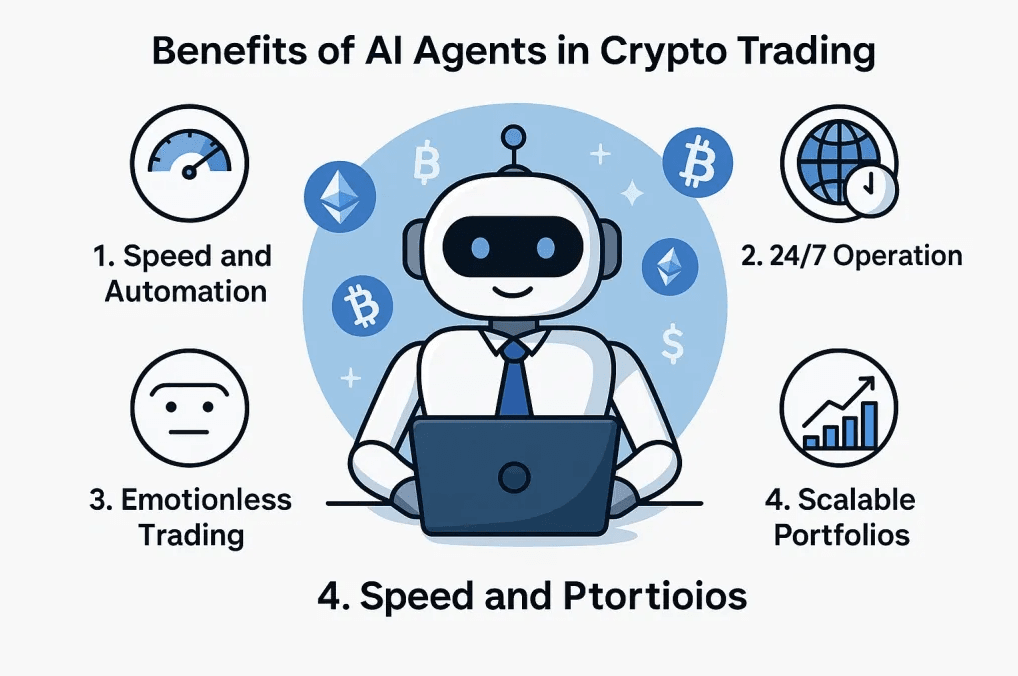
幣圈資訊洪流之龐大,任何人都難以單靠人手應對。新聞、傳言無時無刻出現,完全不分地區語言。一名紐約比特幣投資者可能一覺醒來,就發現因北京發佈監管聲明、或首爾某交易所被駭,致市場動盪。「你還在閱讀這些文字時,數百則財經新聞已被發佈……等你看完標題並決定應對之法,機會——甚至損失——或已塵埃落定。」一間 AI 交易公司如此形容——用傳統方式已不可能年年月月跟上,令不少交易者「FOMO」(害怕錯過重大新聞)之下,不得不上癮般時刻盯盤,但這種狀態長期必然難以持續(更會精神崩潰)。
再看看加密市場 24/7 運作本質。股票有開市收市時間,但幣圈從不休息。重要消息隨時出現:可能在星期日宣佈重大合作、節假日政府突推禁令、凌晨三點社交媒體內容瘋傳。人總要吃飯睡覺做自己事,市場卻是不眠不休。
這種差距注定人類反應總有盲點——有時你根本就不在留意。就在這段空檔時,反應極快的算法(或其他不同行政區的交易者)早已捕捉並完成反應。你再追入,價格可能已大幅變動。在波動市,幾小時甚至幾分鐘已可分別於獲利或錯失良機/損失慘重。
數據量亦是一大挑戰。要監控的又豈止一則新聞來源——而是數十個。幣圈新聞來自專門媒體(如 Cointelegraph、Coindesk 等)、主流財經媒體(如 Reuters、Bloomberg)、各項目博客、開發人員更新、監管公告、交易所通告、以及絕對瘋狂的社交媒體(Twitter/X、Reddit、Discord 群組等)。
當發生重大事件,這股資訊洪流簡直變成資訊海嘯。例如熱門加密項目爆危機(黑客、分叉爭議),各平台即時大量湧現貼文、文章,有的載有關鍵細節,有的只是... adding noise. Separating fact from rumor, signal from fluff, in real time is an enormous challenge. Important clues – maybe a developer’s tweet hinting at an exploit, or a pattern of large transfers picked up by on-chain sleuths and discussed on forums – can be lost amid the cacophony.
加入雜音。在實時之中,要將事實同謠言、訊號同雜訊分開係一個好大嘅挑戰。一啲重要嘅線索——例如某個開發者喺Twitter暗示出現漏洞,或者鏈上偵探發現有大量轉帳並喺討論區討論——都可以喺呢種混亂之中被淹沒。
Cognitive bias plays a role as well. Human traders can get tunnel vision or become biased by the narratives they’ve already heard. One might downplay a piece of bearish news because they’re emotionally committed to a coin, or overreact to fear on social media and sell at the worst time. Emotions and biases make it hard to objectively assess every new development, especially under pressure. AI, in contrast, has no emotions – it treats a glowing press release and a damning hack report with equal, dispassionate attention, scoring them based on data. This isn’t to say AI is infallible (we’ll discuss its limitations), but removing emotional bias is a big potential advantage when reacting to news.
認知偏見都會有影響。人類交易者有時會陷入視野過窄,又或者會被已經聽過嘅故事影響判斷。有時因為自己投入咗感情,未必會重視某啲利淡消息;又或者受社交媒體驚恐氣氛影響,喺最差時機沽貨。情緒同偏見令到好難可以客觀咁評估每一個新發展,特別係受壓時。相比之下,AI冇任何情緒——無論係亮麗嘅新聞稿定係負面嘅駭客報告,都會同樣以數據判斷同打分。雖然AI唔係全無缺點(我哋之後會講佢極限),但係能夠消除情緒偏見,對於回應新聞嚟講,已經係一大優勢。
In summary, the modern crypto trader faces an impossible information challenge: too much data, moving too fast, in too many places at once. Missing a single critical headline could mean being on the wrong side of a sudden 30% price swing. No wonder many traders feel they’re always one step behind the market’s twists and turns.
總括而言,現代加密貨幣交易者面對住幾乎唔可能解決嘅資訊挑戰:資訊太多、變化太快,同時喺太多渠道湧現。錯過一則關鍵新聞標題,可能就會喺價格突然波動30%嗰刻站錯邊。因此,唔少交易者覺得自己永遠追唔上市場嘅步伐,總係慢一步。
Enter AI – the idea is to let machines do the heavy lifting of reading and reacting to news at scale and speed. As Forbes noted in mid-2025, it’s now often cheaper and faster to let AI monitor the market around the clock and flag only the news that matters. With the right AI tools, you don’t need an army of analysts or an absence of need for sleep – you can have a tireless digital assistant digesting the world’s crypto information for you. Let’s explore exactly how these AI platforms work and how they turn the chaos of news into clear trading signals.
AI就喺呢個時候登場——搵機器幫手大規模而快速咁閱讀同回應市場新聞。正如 Forbes 喺2025年中所講,宜家好多時用AI24小時監察市場,仲要只揀重點新聞,係更快更平。有合適嘅AI工具,你唔使請大班分析師,更唔使唔瞓覺,都可以有個不知疲倦嘅數碼助手,日日消化全球加密資訊。等我哋一齊深入睇下這啲AI平台到底點運作,以及點樣將混亂嘅消息變成清晰嘅交易訊號。
AI Platforms: Decoding the News Flow in Real Time
Imagine having a personal market analyst who never sleeps, reads every news article and tweet about your investments, and instantly tells you the market’s mood. That, in essence, is what modern AI-driven news sentiment platforms promise to do. They transform an infinite stream of raw news into organized, actionable intelligence. At the core is natural language processing (NLP) – the branch of AI that enables machines to read and interpret human language. Thanks to major advances in NLP (from models like GPT-4 and others), AI can now read thousands of articles and social media posts per minute, understand context, and even gauge sentiment with a high degree of nuance.
想像下有個專屬市場分析員,永遠唔會瞓覺,每一篇關於你投資嘅新聞同推文都會睇晒,而家仲即刻話你知市場情緒點。其實,現代AI新聞情緒平台就係咁做。佢哋將無窮無盡嘅生新聞,轉化成有組織、可行動嘅情報。核心就係自然語言處理(NLP),即係AI用嚟睇懂同解釋人類語言嘅技術。拜NLP進步(例如GPT-4等模型)所賜,AI依家可以每分鐘閱讀幾千篇新聞同社交帖文,識分上下文,仲可以非常細緻地判斷情感。
So how does an AI “read” the news? The process typically involves several stages:
咁AI點樣「閱讀」新聞呢?通常分幾個步驟:
-
Data Collection: The AI system first gathers data from an array of sources. This includes scanning crypto news websites, general financial news outlets, social media platforms (Twitter/X, Reddit, Telegram channels), forums, and even analyst reports. Top platforms might monitor thousands of sources globally – from major publications to niche blogs – ensuring nothing relevant slips through. For instance, the AI might ingest everything from a Reuters breaking news alert on Bitcoin, to a tweet by a blockchain developer, to a Reddit post on r/CryptoCurrency, all in parallel. This comprehensive sweep builds a real-time picture of what’s being said about the market.
-
資料搜集:AI系統首先會去唔同來源搵資料,包括掃描加密新聞網站、財經新聞平台、社交媒體(Twitter/X、Reddit、Telegram channel)、討論區,甚至分析員報告。頂級平台全球會監察幾千個來源,大到主流媒體細到行內博客,都唔會漏。AI可以同時讀晒:例如路透關於Bitcoin嘅速報、區塊鏈開發者喺Twitter嘅一則貼文、Reddit上r/CryptoCurrency個post等。呢個全方位搜查,組成咗一個實時市場資訊全貌。
-
Language Understanding: Next, NLP algorithms parse each text, much like a human would read and comprehend it. But beyond simply reading, the AI looks for key entities and context: Which coin or project is this news about? Is the tone positive, negative, or mixed? What are the key themes (e.g. regulation, technology upgrade, hack, adoption news)? Modern AI doesn’t just scan for keywords – it actually attempts to understand context and intent. For example, it can tell the difference between “Ethereum hit by negative news” versus “Ethereum hit a new all-time high,” despite both containing the word “hit.” It recognizes sarcasm or negation in text to some extent, and it can weigh the credibility of the source (a tweet from an unknown account is not the same as a report from the Wall Street Journal). Crucially, AI tries to determine if a given piece of news is market-moving or not. A sophisticated system will identify truly critical developments – say, “SEC approves first Bitcoin ETF” – versus routine or minor updates that might not affect prices much. This context awareness is what separates AI analysis from simplistic keyword alerts.
-
語言理解:之後NLP算法會像人一樣讀同理解每一段文字。但AI唔止係照讀,仲會搵重點同上下文:呢段新聞係講邊隻幣或項目?語氣係正面、負面定中立?啲主題有咩(例如監管、技術升級、駭客、採用新聞)? 現代AI唔止係搵keyword,仲真係試圖理解內容同意圖。例如,“Ethereum hit by negative news”同“Ethereum hit a new all-time high”雖然都有個“hit”,但意思好唔同,AI都分到。佢甚至可識到諷刺、否定等語氣,亦會評估來源可信度(無名小號tweet唔同於Wall Street Journal報告)。最關鍵,AI會判斷一則新聞係咪真係影響市場。進階系統會捉到重大新聞——例如“SEC批出首隻比特幣ETF”——同一般唔太影響價錢嘅日常消息區分開。呢個對上下文嘅理解,就係AI分析與普通keyword提示嘅分別。
-
Sentiment Analysis: For each item of news or social post, the AI assigns a sentiment score or label. This usually ranges on a spectrum from very negative (bearish) to very positive (bullish), with neutral in between. But it’s not just binary; advanced systems provide a degree of confidence and intensity. For example, an AI might output: “Overall news sentiment on Ethereum today: Bullish (confidence: 80%, strength: strong). Key drivers: upcoming network upgrade and institutional investment news”. This condenses hundreds of articles into a simple pulse-check on market mood. Importantly, the AI looks at aggregate sentiment: one negative article might not outweigh ten positive ones, and vice versa. It can thus present a net sentiment after reading everything. Some platforms even produce a real-time sentiment index number (similar to a Fear & Greed Index, but more granular) that updates as news flows in.
-
情緒分析:每一條新聞或者網上貼文,AI都會俾幅情緒分數或標籤。通常係由非常負面(熊市)至非常正面(牛市)之間游走,中間有中性。但先進系統唔止得兩極咁簡單,仲會俾出信心同強度。例如AI可以咁話:“Ethereum今日整體新聞情緒:牛市(信心80%,強度:強)。主因:快有網絡升級同機構投資消息”。幾百篇內容就咁縮成一個市場情緒快照。AI重視匯總情緒:一篇利淡新聞未必足以壓倒十篇利好新聞,反之亦然。AI會睇晒全部,先反映淨情緒。有啲平台仲會即時出一個情緒指數(類似Fear & Greed Index,不過更加細緻),隨住新聞即時更新。
-
Signal Aggregation: Beyond just saying “news is positive or negative,” AI platforms distill insights further. They often highlight the most impactful news items of the day – effectively curating the top market-moving stories you need to know. For instance, if 50 articles came out about Bitcoin, the AI might flag that two of those are “critical developments” (say, a major bank announcing crypto services, and a major hack on a Bitcoin exchange) which are likely driving market sentiment. The rest might be classified as secondary or noise. This helps a trader focus on what actually matters, ignoring the chatter. Additionally, AIs can provide summaries of the positives and negatives. One AI sentiment tool offers a balanced summary: a list of bullish developments and bearish developments affecting an asset. This means you see both sides of the story at a glance – for example, “Positive factors: high-profile partnership announced, rising user adoption. Negative factors: regulatory investigation in progress, large token unlock coming”. Such balanced intelligence prevents one from being blindsided by only hearing one side (over-exuberant hype or doom-and-gloom), which is “critical for risk management,” as experts note.
-
訊號整合:AI平台唔止話你知「新聞正面定負面」,仲會再整理同萃取重點。佢哋通常會標示出每日最有影響力嘅新聞——即係你一定要知、真正推動市場情緒嘅大事件。例如,出咗50篇關於比特幣消息,AI會標明其中兩篇屬於「關鍵發展」(例如大銀行宣布提供加密服務、比特幣交易所大規模駭客事件),其餘就歸為次要或雜訊。咁樣交易者先會聚焦重點,無需理會雜音。而且AI會提供一個正負面摘要。有個AI情緒工具會提供平衡總結:一份list,列出利好同利淡發展。你可以一眼睇晒雙方——例如:「利好因素:宣布大型夥伴合作,用戶採用率上升。利淡因素:監管調查進行中,大量代幣即將解鎖」。咁有平衡情報,唔會只聽到一邊之詞(過度吹捧或只講衰),正如行內專家話齋,呢啲資訊*「對風險管理至關重要」*。
Within seconds, a well-designed AI platform can go from raw news articles to a concise dashboard of insights. Imagine opening an app, typing in a cryptocurrency ticker, and instantly seeing: “Sentiment: Bearish 🔻 (Confidence: High). Key News: (1) Exchange XYZ hacked for $100M – negative. (2) Central Bank official hints at crypto ban – negative. (3) New partnership with major retailer – positive, but overshadowed. Net effect: strongly negative sentiment today.” This kind of output is incredibly powerful. It condenses hours of reading and analysis into a snapshot. And it’s not just for one asset – you could do this for any coin or even the whole market.
幾秒內,一個設計好嘅AI平台可以將原始新聞轉化做一個簡潔資訊面板。想像你開個APP,輸入某隻幣Ticker,即時見到:「情緒:看淡 Bearish 🔻(信心高)。重點新聞:(1)交易所XYZ被駭客損失一億美元——負面;(2)中央銀行官員暗示或禁止加密幣——負面;(3)新同大型零售商合作——正面,但被其他消息蓋過。總體影響:今日情緒極度負面。」 呢種輸出非常勁,善用嘅話可以將幾個鐘頭閱讀同分析,濃縮成一頁快拍。最勁係唔係得一隻資產用,所有幣甚或成個市場都得。
Example: An AI-driven market sentiment tool analyzing news for a cryptocurrency. The platform aggregates thousands of sources to deliver an overall sentiment rating (bullish, bearish, or mixed) along with confidence levels and key drivers. Such AI systems parse news content in real time, separating truly impactful developments from noise to give traders a clear picture of market mood.
例子:一個由AI驅動嘅市場情緒工具分析某種加密幣新聞。個平台會聚合成千上萬個來源,提供一個整體情緒評分(牛市、熊市、或者混合),連同信心水平同主要驅動因素。呢類AI系統可以即時分析新聞內容,將真正有影響力嘅發展同雜訊分隔,等交易者一目了然睇到市場情緒。
Notably, AI doesn’t just tally up news sentiment blindly; it also accounts for source impact and credibility. For instance, a report from a highly respected source or an official announcement will be weighted more heavily than an unverified social media rumor. AI can learn which sources have historically moved markets (e.g., a tweet from a famous trader might reliably cause a stir, whereas dozens of random tweets might not). It can also detect repetition – if 100 outlets are all echoing one original news story, a human might feel overwhelmed by volume, but the AI knows it’s essentially one piece of news replicated, not 100 independent events.
值得一提,AI唔係盲目堆積新聞情緒,會考慮來源影響力及可信度。例如來自權威來源或官方公告嘅新聞,權重會高過未經證實社交網謠言。AI會學到邊啲來源一向影響市況(例如,名人交易者一條推文就會攪起漣漪,幾十條無名tweet就唔係咁)。佢仲識分重複——100間媒體都重覆同一新聞,人手睇會以為好多事發生,AI就知只係同一件事影響,唔係100件獨立事件。
In the crypto realm, some AI platforms even blend on-chain data or market data with news sentiment to enrich their analysis. They might note, for example, that despite very bullish news sentiment on a coin, on-chain activity or trading volume isn’t picking up, suggesting caution. Or conversely, bearish news sentiment combined with a surge of coins moving to exchanges could be a red flag of an impending sell-off. The combination of off-chain news and on-chain analytics is a cutting-edge approach some advanced tools are taking to leave no stone unturned.
喺加密圈,有啲AI平台仲會將鏈上數據或者市況數據同新聞情緒結合起來,令分析更加全面。譬如,縱然某隻幣新聞情緒好牛,但鏈上活動或交易量無上升,就要小心。反之,熊市新聞情緒加上大量幣湧去交易所,可能係沽貨警號。這種將鏈下新聞與鏈上分析結合,正正係某啲最先進工具嘅尖端做法,無一粒沙漏咗。
Real-world example: During a volatile period in 2024, suppose there’s a swirl of news around a major altcoin. An AI sentiment agent scans everything and concludes: “Overall sentiment on Altcoin XYZ is strongly bearish today. Critical development: a respected crypto outlet reported a security vulnerability in XYZ’s code, triggering negative coverage. Other factors: high social media fear with many mentions of ‘scam’ and ‘hack’ (emotional signal: fear). Confidence in bearish sentiment: very high.”*
真實例子:2024年市況動盪時,假設某隻主流山寨幣有大量新聞。一個AI情緒代理器掃晒全部,最終得出:「Altcoin XYZ今日整體情緒極度偏熊。重大訊息:一間權威加密媒體報導出XYZ代碼有安全漏洞,引發大量負面新聞;其他因素:社交媒體充斥‘騙局’、‘駭客’等字眼(情感訊號:恐懼);綜合偏熊情緒信心:非常高。」
A trader equipped with this information early could decide to reduce exposure or hedge that position, potentially avoiding a significant loss as the broader market digests the news. Meanwhile, a trader relying only on their own reading might learn of the vulnerability later or underappreciate its significance until the price already fell. This illustrates how AI’s rapid, wide-ranging comprehension can directly translate to a trading advantage in reacting to news.
有咁早情報,交易者可以選擇減倉或者對沖,等市場反應時可能避過大虧蝕。反而只靠自己睇新聞,有可能遲先知漏洞事件或者低估咗嚴重性,等價跌先意會。呢個例子展示咗AI廣闊而快速理解,點樣做到消息交易優勢。
To sum up, AI platforms act as news sentiment radars,
總結,AI平台就係新聞情緒雷達,tirelessly scanning the horizon and alerting you to storms or clear skies ahead. They decode the mood of the market in real time, something virtually impossible to do at scale manually.
他們無間斷地留意市場走勢,及時向你提示即將來臨的風暴或晴朗天氣。他們即時解讀市場情緒,這件事要靠人手大規模做到實在幾乎不可能。
By doing so, they set the stage for the next step: using those decoded signals to forecast actual price movements and inform trading strategy.
通過這樣,他們為下一步鋪路:利用這些解碼出的信號預測實際價格變動,並提供交易策略指引。
From Sentiment to Signals: Forecasting Token Impact with AI
由情緒到信號:用AI預測代幣影響
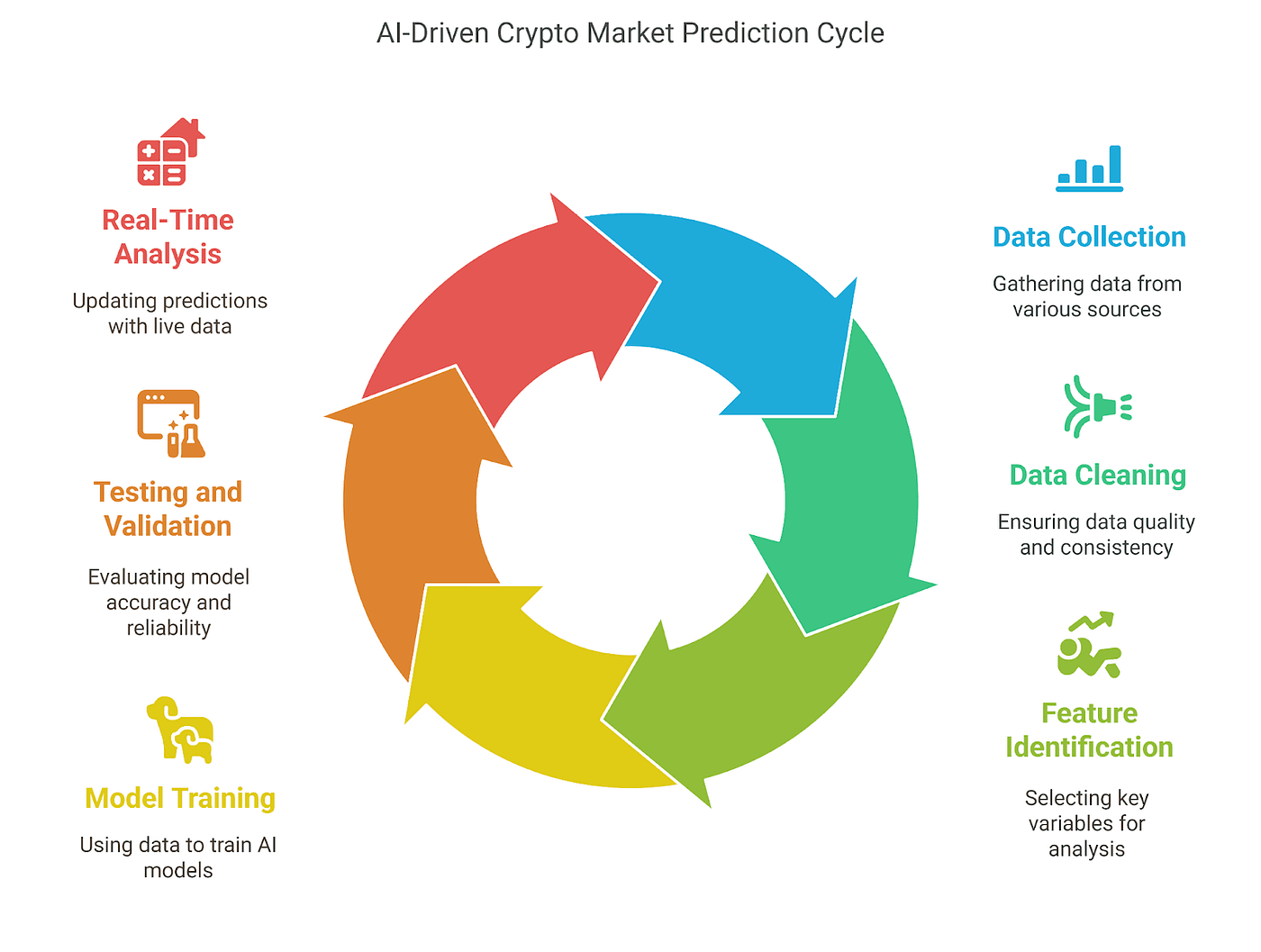
Identifying the sentiment and key news is half the battle – the next challenge is predicting what that means for price and volatility. This is where AI truly shines as a strategy tool. Modern AI systems don’t just tell you the news sentiment; they can learn from historical patterns to forecast how similar news might impact a coin’s price. In essence, they try to answer: Given this news and sentiment context, is this asset likely to go up or down (and by how much)? This turns raw information into a trading signal – a suggestion to buy, sell, or maybe avoid (if the signals are mixed or unclear).
辨認情緒和重要新聞只是成功一半——下一個挑戰是預測這對價格和波動性意味住咩。呢度就係AI真正展現價值既地方。現代AI系統唔單止可以報告新聞情緒,佢哋仲可以學習歷史模式,預測類似新聞會點影響代幣價格。簡而言之,佢哋試圖回答:根據新聞同情緒背景,呢個資產有機會上定落(以及幅度有幾大)? 呢個過程將原始資訊轉化為交易信號——例如建議買入、賣出,或者(如果信號唔明朗)避免出手。
One approach uses machine learning models trained on historical data. Researchers and quant traders feed models with years of crypto market data, including price movements and sentiment indicators derived from news and social media. These models, whether they be neural networks, tree-based algorithms, or hybrid systems, learn the complex relationships between sentiment shifts and subsequent price changes. For example, a model might learn that when overall sentiment on Ethereum turns sharply positive and is accompanied by high tweet volume, a short-term price bump often follows – unless technical indicators are extremely overbought, in which case it might be a false hype signal. These relationships are often nonlinear and nuanced, the kind which AI is better at capturing than simple human if-then logic.
有一種做法係用機器學習模型訓練於歷史數據。學者同量化交易員會將多年加密市場既價格變動及從新聞同社交媒體得出既情緒指標注入模型。無論用神經網絡、樹狀算法定混合系統,呢啲模型都學會咗情緒變化同隨後價格走勢之間既複雜關係。例如,模型可能會發現,當以太坊整體情緒急劇轉好再配合高推文數時,短線價格通常會上升——除非技術指標極度超買,咁就有機會係假消息炒作。呢啲關係多數係非線性而且細緻複雜,係AI比人類用if-then邏輯更擅長捉緊。
A 2024 academic study highlighted this, noting that investor sentiment influences crypto volatility in a nonlinear fashion – linear models didn’t improve forecasts by adding sentiment, but advanced machine learning did, capturing the subtle effects and improving accuracy in the majority of cases. In fact, models like LightGBM, XGBoost, or LSTM neural networks showed significantly enhanced predictive power when they incorporated sentiment data, outperforming traditional volatility models over half the time.
2024年有學術研究指出,投資者情緒會以非線性方式影響加密幣波動性——在線性模型裡面加埋情緒數據,預測都冇乜改善,但先進機器學習就得,能夠捉到微妙影響,大部分情況下預測更準確。事實上,好似LightGBM、XGBoost或者LSTM神經網絡模型,一旦結合情緒數據,預測能力顯著增強,有超過一半時間表現比傳統波動率模型好。
Case study – predicting Bitcoin with sentiment: A team of researchers at Florida International University built a system combining 55 different sentiment-related signals from news and social media to predict Bitcoin’s price direction. These signals – provided by MarketPsych, a financial sentiment data firm – included categories like emotional tone (fear, joy, anger in news), sentiment around price forecasts, factual mentions, slang/buzz (like “to the moon”), and general sentiment. The AI model then analyzed how these signals, along with trading data (price momentum, volume, etc.), could forecast the next day’s Bitcoin price.
實例分析——用情緒預測比特幣:佛羅里達國際大學既學者團隊建立咗一個系統,結合來自新聞同社交媒體嘅55種情緒相關信號,去預測比特幣價格走向。呢啲信號由情緒數據公司MarketPsych提供,包括情感色彩(新聞入面既恐懼、快樂、憤怒等)、預測價格既情緒、事實性提及、俚語/炒作詞(例如「to the moon」)、同一般情緒等類別。AI模型然後分析這些信號加埋交易數據(價格動能、成交量等),預測第二日比特幣價格。
The results were impressive: by focusing on the most predictive signals and combining them, the AI was able to increase prediction accuracy and even outperform the market. In their tests, trading portfolios guided by these sentiment signals beat the baseline market return by up to 39.6% on a risk-adjusted basis. The most powerful signals turned out to be emotional ones – “fear is more predictive than FOMO, which in turn is more predictive than [simple] relevance,” the researchers noted. In plain language, this suggests that when the news is fearful, it’s a stronger predictor (likely of price drops or volatility) than even the “hype” of missing out. The AI effectively learned to gauge when fear in the news reached a tipping point that often precedes a sell-off, and when positive buzz reached a level that precedes rallies.
結果相當亮眼:集中於最有預測力的信號並合併之後,AI提升了預測準確率,甚至跑贏市況。在測試之中,由這類情緒信號指導的交易組合,經風險調整後比市場基準多賺多達39.6%。最強信號原來屬於情感相關——*「恐懼比FOMO更有預測力,而FOMO又比[單純]相關性更有預測力,」*研究團隊指出。簡單來講,如果新聞氛圍屬於恐懼,預測(價格下跌或者波幅)會比炒作氣氛更強。AI學會平衡判定何時新聞入面恐懼達到臨界點,通常就係大跌前夕,而正面炒作到臨界點則可能帶來升市。
Another example: AI can recognize event patterns. It might learn that exchange listing news for a smaller altcoin tends to produce, say, a 20–30% price pop within 24 hours (as traders rush in on increased accessibility and liquidity). Conversely, news of a token unlock (increasing supply) might consistently lead to price drops in the subsequent days, as seen with Pi Network’s token unlock causing price decline. Armed with this knowledge, an AI-driven system can flag a trade signal: “Project ABC listing on Binance announced – historically, such news is bullish for similar assets; short-term buy signal with high confidence.” Or in the negative case: “Token XYZ unlocking 10% of supply tomorrow – historically a bearish event; consider selling or shorting, moderate confidence.” Of course, these signals are probabilities, not guarantees, but they are drawn from pattern recognition across many instances.
另一例子:AI可以辨認事件模式。佢可能會發現,細規模山寨幣獲交易所上市消息往往會令其24小時內價格急升20–30%(因為交易者覺得出入更方便、有多啲流動性)。相反,解鎖代幣(增加供應)的新聞,通常令價格幾日內下跌,好似Pi Network解鎖事件一樣。掌握咗這啲知識,由AI驅動既系統可以標記交易信號:「項目ABC宣布於Binance上市——歷史上類似新聞對相關資產係利好訊號;短線買入信號,信心高。」 負面例子則係:「Token XYZ明日解鎖10%流通量——歷史嚟講屬於利淡事件;建議考慮沽出或做空,信心中等。」 當然,呢啲信號只係概率,唔等如保證,但都係經大規模模式識別歸納出嚟。
AI can also factor in broader market context automatically, something even diligent traders might overlook. For instance, an AI might temper a bullish news signal on an altcoin if the overall market (say Bitcoin and Ethereum) is in a downward trend or risk-off mode. It “knows” that good news for a small coin may not overcome a strongly bearish overall climate. Conversely, in a roaring bull market, even modest good news can have amplified impact (as everyone’s already inclined to buy). This contextual understanding echoes the advice human analysts give: news-based signals work best when combined with broader market context (e.g., Bitcoin’s trend or altcoin momentum). AI can quantitatively incorporate that context.
AI仲可以自動考慮更廣泛嘅市場背景,就算認真嘅交易員有時都會遺漏。例如,如果整體市況(好似比特幣、以太坊)走弱或處於避險模式,AI會壓低對細幣利好新聞信號既信心。佢「知道」細幣再好消息,有時都頂唔住大市氛圍相當淡靜。反之,要係牛市勢頭強勁,就算普通好消息都會被放大(因為人心向‘買’)。呢種理解正正就同人類分析師講法相符:基於新聞的信號要與更廣市場大勢(例如比特幣走勢或 Altcoin 動力)結合先最有用。AI可以用數字方式將這種背景納入考慮。
One increasingly accessible avenue for traders is using large language models (LLMs) like ChatGPT itself to interpret news and generate trade ideas. ChatGPT, for instance, has proven surprisingly adept at analyzing news headlines and providing a reasoned take on whether it’s bullish or bearish news for a coin. With a well-crafted prompt, you can feed ChatGPT a piece of news and ask for an analysis and even a suggested action. For example, a trader might prompt: “Here’s a headline: ‘Major Partnership for Cardano with Fortune 500 Company.’ ChatGPT, is this a buy signal for ADA and why or why not?” The AI, drawing on its trained knowledge and logical reasoning, could respond with something like: “This partnership is likely bullish for Cardano (ADA) because it increases real-world adoption and credibility. Similar past partnerships in crypto have led to short-term price increases due to investor excitement. However, I would consider the broader market – if we are in a strong uptrend, the effect could be amplified. On the other hand, if the market is bearish overall, ADA might not pump as strongly. It’s a potential buy signal, but one should also watch ADA’s technical indicators (if it’s overbought) and confirm that the news is confirmed and substantial.”
而家愈嚟愈多交易員可以輕鬆用大型語言模型(LLM),如ChatGPT,去解讀新聞同生成交易主意。好似ChatGPT,分析新聞標題同判斷對某幣利好或利淡已經出奇地準確。只要設計良好的提示詞,你可以畀條新聞ChatGPT,問佢分析甚至建議行動。例如,有人問:「新聞標題:‘Cardano與500強企業建立大型合作關係’,ChatGPT,呢個係唔係ADA既買入信號,點解或者點解唔係?」 AI就會結合訓練知識同邏輯,可能咁回應:「呢個合作對Cardano(ADA)來講係利好,因為可以推動實際應用同提升可信度。加密貨幣界過去類似合作多數令幣價短暫上升,因為投資者興奮。然而,仲要睇埋大市走勢——如果市況向好,效應會更大;但如果環球市況淡靜,ADA未必升得多。算係潛力買入信號,不過都要小心睇埋ADA技術指標(會唔會超買),同確認新聞係真同有份量。」
This kind of qualitative analysis is fast and flexible, giving even non-technical traders a starting point for decision-making. In Cointelegraph’s example, a user asked ChatGPT about a bearish headline for Pi Network, and ChatGPT’s analysis correctly identified it as a likely sell signal, explaining the reasons (increased supply, weak demand, etc.). It even balanced the view by noting long-term holders might see an oversold opportunity, showing nuance.
呢種質性分析又快又彈性高,即使係唔識技術的交易者都可以攞嚟做參考。好似Cointelegraph例子,有用戶問ChatGPT關於Pi Network利淡新聞標題,ChatGPT亦正確判斷為沽出信號,並解釋原因(如供應增加、需求弱等)。佢同時補充,長線持有人可能反而見到超賣機會,體現出分析角度相當細緻。
Example: A large language model (ChatGPT) analyzing a crypto news headline and suggesting a trade signal. In this case, the AI was asked about a news report (“Pi Network price nears all-time lows as supply pressure mounts”) and it responded with a brief analysis, leaning toward a sell signal due to bearish factors (increased token supply, weak demand, oversold technicals). AI tools like ChatGPT can interpret news in plain English, providing fast, no-coding insights for traders – though any AI-generated suggestion should be verified against other data before acting on it.
例子:由大型語言模型(ChatGPT)分析加密貨幣新聞標題以及建議交易信號。呢次,AI收到一則新聞(「Pi Network價格接近歷史低點,供應壓力增大」),佢回應以簡短分析,偏向沽出信號,原因包括供應增多、需求疲弱、技術面超賣等。像ChatGPT呢類AI工具可以用淺白英文解釋新聞,極速無需編程就俾到交易者啟示——當然,所有AI生成建議都要再同其他數據核實先好行動。
Combining multiple indicators: The real power of AI comes when it fuses news sentiment with other data – technical indicators, on-chain metrics, trading volume, etc. AI doesn’t have the cognitive limit of focusing on just one thing; it can digest a multidimensional input. For instance, an AI model might take in: “News sentiment = very bullish, Social media buzz = surging (high tweet volume), Technical trend = price above 50-day moving average and volume rising, On-chain = large holders accumulating.” Individually, each of these is a positive sign; collectively, the AI could recognize a strong buy scenario with all signals aligning.
結合多個指標:AI真正威力係可以將新聞情緒同其他數據——技術指標、鏈上資料、成交量等——融合。AI唔洗似人咁專注一樣野,佢可以多維度同時考慮。例如,AI模型可以輸入:「新聞情緒:非常利好;社交媒體炒作:極旺(推文量急升);技術走勢:價格高於50天均線、成交上升;鏈上:大戶增持。」 每項獨立睇都係正面信號,一齊出現,AI可以識破出強烈買入情境。
One 2025 study noted that transformer-based AI models (akin to GPT) that merge social sentiment data with technical analytics outperformed legacy models, yielding higher returns and lower risk – they even reduced drawdowns by anticipating volatility shifts through real-time sentiment cues. This means AI not only aims for profit but can help manage risk by warning when sentiment is turning and volatility might spike (so you can tighten stop-losses or take some profit).
2025年有研究指出,類似GPT的transformer模型,將社交情緒數據同技術分析合一,表現比舊有模型更好,不單回報更高、風險更低,甚至可以靠即時情緒信號預警波幅轉變、減少回撤。即係話,AI不僅是為咗賺錢,仲可以改善風險管理——當情緒轉壞、波動將增時,提早提醒你收窄止蝕位或鎖定一部分盈利。
It’s worth noting that AI-driven forecasting is probabilistic. No system will be right 100% of the time. The goal is to tilt the odds in your favor – to have an edge. If an AI model can be correct on, say, 60% of its trade signals and cut losses quickly on the 40% that are wrong, it can generate profitable strategies over time. The FIU research, for example, mentioned improving risk-adjusted returns; another peer-reviewed study found a neural network strategy returned 1640% over a multi-year backtest versus 223% for a simple buy-and-hold Bitcoin approach (albeit that sounds extreme and likely assumes ideal conditions). Even accounting for trading costs, the AI approach vastly outperformed, illustrating the potential upside of using AI-informed strategies. However, results like that involve complex setups and retrospective data; real-world performance will vary and requires constant monitoring.
值得留意,AI驅動既預測屬於機率性,冇任何系統會100%準確。重點係幫你將勝算扭向自己一邊,有個優勢。如果AI能夠做到例如60%信號正確、而對40%錯誤信號快速止蝕,長遠下可以帶來盈利策略。以FIU研究為例,曾提及提升風險調整後回報;另一篇同行審查研究發現,神經網絡策略多年間略有1640%回報,而簡單買幣唔郁只係223%(雖然咁高回報好多時建立在理想狀態)。即使計落交易成本,AI方法都大幅領先,證明用AI策略潛力極高。不過,要有咁靚數字往往要複雜設置及回測,現實世界表現會因情況而異,同時要長時間密切監察。
Human plus AI – a winning combo: In practice, the best results often come when human
(未完)experience and intuition are combined with AI’s data-crunching. AI might flag a dozen coins with extremely bullish sentiment today; a seasoned trader then applies a filter: which of these have good technical chart patterns? Which have upcoming events that align with the sentiment? The human can verify if the “story” behind the sentiment makes sense (is it sustainable news or just hype?). Meanwhile, the AI might also warn the human of something they overlooked – perhaps a coin they thought was solid fundamentally is getting a lot of negative press suddenly, prompting a reevaluation.
經驗同直覺加埋 AI 嘅數據分析可以發揮更大作用。AI 可能今日已經揀咗十隻情緒極度樂觀嘅加密貨幣出嚟,資深交易員就會再篩選:邊啲有靚嘅技術圖表?邊啲有即將發生、同情緒方向一致嘅消息或事件?人類仲可以幫手核實下背後個“故事”係唔係make sense──啲消息係可持續發酵定只係炒作?同時,AI 亦有機會提你啲你忽略咗嘅嘢——例如你以為基本面ok嘅幣,近期突然好多負面新聞,咁你就要重新檢視。
AI can even be used in simulations and strategy testing: traders now use language models like ChatGPT to simulate scenarios (“What if the Fed announces a rate hike – how might that affect crypto prices short-term?”) or to generate trading rules in plain language which the AI can turn into code for backtesting. These workflows, once the domain of programmers, are becoming accessible to non-coders through AI’s translation of natural language to actionable output. It’s a bit beyond the scope of news analysis, but it shows how AI can accelerate strategy development from idea to execution.
AI 甚至可以俾你用嚟做模擬(simulation)同埋策略測試:依家啲交易員會用類似 ChatGPT 嘅語言模型去模擬各種情境(例如“如果美聯儲宣佈加息,短期之內對加密貨幣價格可能有咩影響?”),又或者寫啲簡單自然語言嘅交易規則叫 AI 自動轉做回測用嘅程式碼。呢啲流程以前淨係寫 code 嘅人做得到,依家 AI 幫你將普通說話譯做實際操作,普通人都可以用到。雖然超越咗單純新聞分析嘅範疇,不過證明咗 AI 可以加快交易策略由 idea 去到實踐。
In summary, AI turns news into forecasts by learning from the past and reading the present. It can output concrete trade signals – like “bullish signal, consider long position” or “bearish outlook, consider reducing exposure” – based on the synthesis of sentiment and data. This doesn’t make trading foolproof (risks remain, and black swan events can defy any prediction), but it gives traders a powerful, fact-based starting point for decision-making. Rather than guessing or going purely on gut feeling, you have an analytical assist that crunches far more information than you ever could manually. The next section will delve into how this applies to those wild hype cycles we discussed, and how AI can help you ride the waves of crypto euphoria and panic with more finesse.
總結一下,AI 會根據過去同現時狀況,將新聞內容消化成預測,並且依據情緒指數同各種數據,直接 output 出買賣信號——例如“牛市信號,可以考慮做多”或者“看淡預期,可以減持”。雖然 AI 唔等於保證贏錢(風險始終喺度,黑天鵝隨時打爆所有預測),但係你起碼有一個依據事實、數據嘅起步點,唔需要只靠估或者純靠感覺。有 AI 幫你分析,可以處理 far 多你一個人睇唔曬、分析唔切嘅資訊。下個環節我哋會講下點應用喺瘋狂 hype cycle 上,睇下 AI 點幫你更加有技術咁 ride crypto 嗰啲亢奮同恐慌浪。
Turning Hype Cycles into Trading Edges
Hype cycles – those explosive surges of interest and the inevitable cooldowns – are often seen as a double-edged sword. On one hand, if you catch a hype wave early, the gains can be life-changing. On the other hand, if you get in at the top of the hype, the crash can be devastating. The key is timing, and timing is all about detecting when a narrative is heating up and when it’s burning out. AI, with its pulse on both news and social sentiment, is uniquely positioned to quantify hype and give traders measurable signals amid the mania.
Hype cycle——即係啲熱潮爆發,同必然冷卻——一向都係雙刃劍。追得早,有時真係可以翻身;追高就隨時斬倉。最關鍵其實係 timing,而 timing 就係要捉到邊時炒作故事啱啱開始升溫,邊時佢已經玩完。AI 既可以睇新聞、又可以 track social sentiment,所以特別適合量化 hype,喺亂局之中俾你量化參考訊號。
Early detection of hype: Before a coin’s price goes parabolic, usually its social and news mentions go parabolic first. The crowd starts chattering excitedly, influencers pick up the story, and media outlets write about the “next big thing.” AI algorithms track these metrics in real time: the frequency of a coin’s mentions on Twitter or Reddit, the sentiment of those mentions, and how both metrics are changing over time. A sudden and sustained surge in mention volume can be a telltale sign that a coin or sector narrative is entering a hype phase. Recall the earlier research we cited: even modest improvements in sentiment can trigger outsized price moves in crypto.
幣價爆升(parabolic)之前,其實成日都係social 媒體同新聞最先爆燈。啲人開始興奮講緊、KOL 傳播緊個消息、傳統媒體都話“下一隻大升”。AI 可以實時 track 曬啲指標:某隻幣喺 Twitter、Reddit 出現嘅次數,講法偏樂觀定悲觀,以及嗰啲數字變化速度。一旦見到討論量又快又大增,就有機會係 hype cycle 入面。之前引述過啲研究都話,crypto 只要情緒指數輕微好轉,都有機會拉動番倍幾價。
The Nodiens report (July 2025) demonstrated that during a late-2024 rally, coins like Hedera and Cardano turned a relatively small mood uptick (+3% to +9% in their sentiment indices) into major price gains (+9% to +21%).
根據 Nodiens 2025年7月報告:2024年底嗰陣,好似 Hedera 同 Cardano 呢啲幣嘅情緒指數只微升咗 +3% 至 +9%,但最終後面拉動咗 +9% 至 +21% 嘅升幅。
That’s a roughly 3-to-1 amplification of mood into price movement. This “sentiment leverage” is gold for traders – it means if you can spot a sentiment upswing early, you might ride a disproportionately large price jump. AI can catch that upswing by monitoring sentiment indices or mood metrics for dozens of assets simultaneously, something a human can’t efficiently do. For example, an AI might alert: “Sentiment for Token XYZ has jumped significantly in the past 48 hours from neutral to strongly positive, and social buzz (mentions) are up 5x normal levels.” If historically such patterns preceded price rallies, that’s a strong alert to investigate going long on XYZ before the rest of the market catches on.
即係情緒對價格有三倍杠杆。呢種“情緒杠杆”係交易員嘅黃金——即係你如果可以早一步睇到情緒轉好,分分鐘可以坐到大於比例嘅升幅。AI 可以同時 track 幾十隻幣嘅情緒指標,一個人係做唔到咁密集監察。例如,AI 會彈 notification 話:“XYZ 幣過去 48 小時,情緒指數由中性一躍變成強烈樂觀,社交討論量暴增 5 倍。”如果數據顯示類似模式過去都預示住價錢要爆上,呢個就係靚位趁未炒貴之前入場做多。
Following the smart money vs. the crowd: Sometimes hype is pure grassroots (retail FOMO), but often there are bigger players involved. AI tools can be tuned to watch for signs of “whale” activity or institutional moves in the context of news. For instance, if a usually quiet project suddenly has a flurry of positive news and social media hype, AI might also scan blockchain data for unusually large transactions (whale accumulations) or order book changes. Some advanced platforms note explicitly they help “spot whale movements and their market impact” amid the sentiment shifts. An early whale buy-in combined with rising hype can be a very bullish combo – it suggests informed money is positioning ahead of or during the hype. Conversely, if hype is high but whale wallets are distributing (selling into the pump), an AI could flag that divergence: hype cycle may not be sustainable.
跟蹤大戶動向定散戶跟風:有時啲 hype 只係散戶自high,更多時有大戶喺背後郁緊。AI 工具可以設定去搵“鯨魚”活動,又或者機構資金一邊炒消息一邊入場。例如一個平時冇聲嘅項目突然又新聞又爆社交熱度,AI 會再scan鏈上大額交易(鯨魚吸貨)或者 order book 有冇異動。啲先進啲嘅平台仲會標榜“幫你捉鯨魚郁腳及佢哋對市況嘅影響”。如果早期見到大戶吸貨加 hype 齊升,就係勁牛組合——證明有資訊優勢資金埋位,等緊炒作正式升溫。反之 hype 好勁但鯨魚不斷出貨(邊炒邊派貨),AI 會提示有乜分歧:即係熱潮唔持久。
Identifying the peak of euphoria: One of the hardest things as a trader is knowing when a bubble is about to burst. Everyone’s euphoric, the gains look endless – until they suddenly aren’t. AI can look for quantitative signs of peak hype. These might include: sentiment going from extremely positive to starting to soften, an initial negative news piece appearing after a long run of positive press, or engagement metrics plateauing. The Token Metrics example earlier is illustrative: their AI-driven model detected declining momentum and engagement for LaunchCoin weeks before the wider market realized the top was in, even as social media was still buzzing with positivity.
分辨到最高點幾時爆煲先係高手:成個市場都high 爆、個個開心到飛起時,最難嘅就係知幾時會突然 burst。AI 就可以搵定量指標睇 hype 係咪見頂——好似情緒指標由極度樂觀開始軟化、長期好消息之後終於出現第一單負面新聞、又或者 engagement 數據開始停滯。前面提過 Token Metrics 個例子:佢個 AI 模型早於 LaunchCoin 正式見頂幾個星期前已經 detect 到 momentum 同 engagement 開始跌,明明當時 social media 仲好正面。
Essentially, the data (volume, momentum indicators, sentiment strength) showed cracks forming in the rally despite the hype, giving savvy traders an early warning. An AI could output something like: “Alert: Coin ABC – sentiment still bullish but weaker than last week; trading volume not rising commensurately with social mentions; possible hype peak forming.” Those who heed such a signal might start taking profits or tightening stop-losses, rather than getting greedy and holding through the reversal.
簡單講,數據(交易量、動能指標、情緒強度)早就露咗啲破綻,雖然 hype 仲喺度,但 AI 可以提前發出警報:“ABC 幣——情緒依然樂觀,但較上星期走弱,交易量冇跟 social 熱度齊升,懷疑煲頂形成。”識睇嘅人可能會趁機食糊或者收窄止蝕,而唔係貪心坐到底。
Additionally, AI can detect when narratives begin to rotate. Crypto often moves in themes – one month everyone’s hot on DeFi tokens, next month it’s all about metaverse gaming coins, then AI-related tokens, and so forth. As one theme’s trades get crowded and fizzle, another takes off. AI can map this by tracking sentiment and capital flows across sectors. For example, after the “social token” narrative (like LaunchCoin) cooled in mid-2025, data showed attention shifting to other areas: “capital exited social tokens and we saw attention shift toward AI tokens, DeFi lending protocols, and real-world asset platforms”, as an industry report noted.
AI 仲可以追蹤炒作主題點樣個個月轉。Crypto 成日主題輪動——一個月玩哂 DeFi,下一個月就炒元宇宙,再嚟又變做 AI 幣。啲錢喺舊主題爆到癲癲哋(交易擠塞)就會搵新目標。AI 會追蹤 sector sentiment 同資金流。一個例子:2025 年中 LaunchCoin 呢啲“social token”故事玩完後,數據見到資金流向 AI 幣、DeFi 借貸、現實資產平台正如行業報告所講:“資金離開 social token,注意力明顯 shift 去 AI 幣、DeFi 協議、現實資產。”
A trader using AI would ideally catch that rotation: the system might highlight that sentiment and volume are rising in AI-related tokens while plateauing in social tokens. This is a cue to rotate your own portfolio – perhaps trim positions in the fading narrative and add exposure to the emerging one. Some advanced platforms provide filters to find trending bullish signals by sector or theme (AI, DeFi, meme coins, etc.), which is essentially a way to identify which narrative is gaining momentum each day or week. Even without a specialized platform, a trader can manually query an AI like ChatGPT to summarize the market narratives: e.g., “What crypto themes are gaining a lot of positive attention this week?” and it could answer with something like, “AI-focused crypto projects and certain Layer-2 networks are seeing increased buzz,” based on the news it’s read.
用 AI 嘅交易員最理想係搵到呢個輪動:系統會提示你AI 幣 sentiment同volume升緊,social token 卻停滯。咁你就有理由 portfolio 做轉倉——淡咗嘅主題可以減持,玩緊嘅新主題加倉。高階平台有 topic filter(AI/DeFi/迷因幣等)專搵 sector 分享熱度,日報或者周報形式自動俾你睇邊個 narrative 熱緊。即使冇專用平台都可以問 ChatGPT 呢類 AI:“最近邊啲 crypto 話題/主題係最受 attention?”佢都可以根據新近新聞答你:“AI 相關幣種同部分 Layer-2 網絡近日明顯最多討論。”
Measuring fear in downturns: Hype cycles aren’t only about the upside; the flip side is panic and capitulation on the way down. AI sentiment analysis works both ways – it can signal when fear and negativity are peaking, which sometimes is a contrarian buy signal. For instance, if a coin has crashed and the news is extremely negative (everyone writing obituaries for it, social media full of doom), an AI might detect that all the weak hands have likely sold. Some investors use the classic “Fear & Greed Index” as a rough gauge for the overall market – extreme fear often precedes a bottom.
點量化恐慌:hype cycle 並非淨係得升,另一面就係跌市恐慌。AI 嘅情緒分析正反兩邊都用得——幫你捉恐慌同負面情緒 peak(頂點),有陣時反而啱做反向操作。例如一隻幣崩盤,新聞清一色唱衰,社交媒體盡是 doom 言,AI 可能偵測到所有弱手基本散曬——好多人其實用緊傳統 Fear & Greed Index 滿粗略咁量度整體市場情緒,因為極端恐懼通常接近底部。
AI can create a much more sophisticated, real-time fear index for a specific asset or sector. If sentiment is extremely bearish but starts to rebound from an absolute low (say, going from “utterly pessimistic” to just “very pessimistic”), that shift might indicate the worst is over. There have been instances in crypto where those who bought when sentiment was in the gutter (and everyone thought you were crazy to buy) ended up catching the bottom. AI could help quantify those moments so you can act when rational analysis says the crowd’s fear is overdone.
AI 可以幫你建立針對特定資產或市場板塊更精細、實時 fear 指數。如果 sentiment 極度悲觀由最低谷開始回升一少少(例如由“極度沮喪”轉番做“非常悲觀”),有時已經係最壞時間過去嘅信號。實例就係當全場沽哂, 而你膽粗粗入貨,有時真係中咗個底。AI 會量化咗呢啲狀態,幫你理性咁搏市場過度恐慌返轉頭。
In practical terms, turning hype into an edge means formulating rules or signals around the data. For example: “If social media mentions of a coin triple within 24 hours and sentiment is >80% positive, and the coin’s price hasn’t moved up more than 10% yet, that’s a potential buy – the hype is building but not fully priced in.” Conversely, “If a coin’s sentiment stays extremely positive but starts to dip day-over-day while price is still climbing, consider that a warning of a top.” An AI can be configured to alert you to these conditions automatically. Traders can then combine those alerts with technical analysis (is the price at a known resistance? is volume declining on the last push up?) to make final decisions.
實戰上,要由 hype cycle 賺 edge 就要圍繞啲數據訂立規則同 signal。例如:“如果某隻幣24小時內,social mentions 三倍增,情緒指數超過 80%正面,而價錢未升超 10%,可考慮入貨——即係 hype 醞釀中,但未全數反映。”反之,“某幣 sentiment 雖然極正面但日日開始下跌,而價格仲上緊,呢個就要小心有炒頂警告。”AI 可以自動 configure 應對呢啲條件,trade 員收到提示再配合技術圖表分析(股價去到阻力位未?最尾一段升幅 volume 係咪縮?)先決定。
One concrete tool in many traders’ arsenal is the “social volume vs price” divergence check – if price is flat or rising only slightly, but social volume (buzz) is exploding, it may indicate a lot of talk before action, which could presage a sharp move upward (once people start buying on the talk). But if price has been skyrocketing and social volume is also skyrocketing to an extreme, it could mean everyone who’s going to buy is talking about it (peak hype), and any falter could cause a rapid drop. AI charts can visualize this in real time: some sentiment analytics platforms show graphs of sentiment and volume against price. Traders watch for inflection points – like sentiment rolling over while price is still up, or sentiment surging when price has yet to react.
當價格飆升,社交討論量都暴升到極致時,即代表所有想入市買貨嘅人都開始討論緊(即HYPE到頂峰),呢個時候只要有啲風吹草動,就可以引起價格暴跌。AI圖表可以實時將呢啲情況可視化:有啲情緒分析平台會同時展現情緒、討論量同價格之間嘅曲線。交易員會特別留意轉捩點——例如當情緒開始轉壞但價格仲未跌,或者情緒急升但價格仲未反應。
Let’s revisit an example: LaunchCoin’s life cycle. Early on, AI might have flagged its rise: social media mentions spiked, narrative sentiment very bullish, price starting to climb – a strong momentum buy signal. At the height, perhaps the AI noted an anomaly: sentiment was still high but no longer rising, and trading volume started to wane despite Twitter remaining euphoric. That loss of momentum is exactly what was observed; as one analysis described, “the sharp retrace from its peak indicated a critical shift: interest was waning, even if believers remained vocal… Today’s pullback reflects narrative fatigue — a critical turning point for traders”. An AI detecting “narrative fatigue” would have been invaluable to get out near the top.
例如再睇下LaunchCoin嘅生命周期。最初AI可能已經發現咗佢開始爆升:社交媒體討論次數激增,大家評論都好樂觀,價格亦開始上升——呢啲都係強勁嘅買入訊號。去到最頂位時,AI又可能發現到個別異常:情緒仍然係高位但已經唔再上升,而成交量都開始縮水,即使Twitter上面仲係好亢奮。正正係呢種動力消退——有分析形容:“由高位急速回落,其實係市場興趣逐漸冷卻嘅訊號,就算支持者繼續好high都好……今次回調就反映出敘事疲勞,對交易員嚟講係一個關鍵轉捩點”。如果AI可以早啲偵測到「敘事疲勞」,就可以幫人喺高位走到人先。
Another interesting note from the Nodiens report was that they categorized assets by how sentiment-driven they were. Some assets (“Sentiment-Leverage Leaders”) had strong correlation between mood and price – those are prime candidates for a news/sentiment strategy, since riding hype there can pay off big. Others (“Divergents”) could rise despite negative sentiment – meaning they had other factors (maybe strong fundamentals or whale support) that overpowered public sentiment. Knowing which type of asset you’re dealing with helps: AI might tell you “Coin XYZ is heavily sentiment-driven historically, so current hype likely equals price momentum” versus “Coin ABC often moves opposite to crowd sentiment, perhaps due to insider accumulation – be cautious interpreting sentiment at face value.” This nuance is part of deep AI models or at least the interpretation a skilled user can derive from AI outputs.
Nodiens報告仲有個幾有趣嘅重點:佢哋按住資產受情緒影響幾深將佢分類。有啲資產(「情緒槓桿領頭羊」)價格同情緒高度相關——就係新聞/情緒策略最啱出手嘅目標,一有HYPE就可以大賺。另有一類(「逆向資產」)明明大眾情緒悲觀都一樣可以升——即係佢有其他因素(好似基本面勁、巨鯨支撐)壓倒咗公眾情緒。你知自己手上邊隻屬於邊類係好重要:AI會話你聽「Coin XYZ一向好靠情緒帶動,依家咁HYPE大機會推高價格」;但「Coin ABC就好多時同群眾情緒相反,可能有人低調吸貨——唔可以單靠表面情緒做判斷」。呢種細微分別要靠深入AI模型或熟手用家自己解讀AI輸出先有。
In short, AI can turn the art of reading hype into a more systematic science. It provides early indicators of hype emergence, metrics for hype intensity, and warnings for hype demise. By quantifying the unquantifiable (enthusiasm, greed, fear), AI gives traders a way to navigate the boom-bust cycles with more foresight. Instead of getting swept up emotionally, you can set rules – take profit when X sentiment peak signal hits, or buy when extreme fear abates – and let the data guide you. Many traders find that having these data-driven rules helps counteract the psychological biases that otherwise lead them to buy high and sell low during wild swings.
總括而言,AI可以將「睇HYPE炒作」呢種藝術,變成一門科學。佢可以畀你早啲見到HYPE湧現、指標量度HYPE強度、同埋及時警告HYPE退潮。AI將本來好難量化嘅情緒(熱情、貪婪、恐懼)都用數據去分析,令交易員可以更有前瞻性咁駕馭牛熊循環。你唔洗再被情緒帶住走,可以預先定規則——譬如,情緒指標去到X高位就食糊,極度恐慌過後就入市——按數據操作。好多交易員都發現,有咗啲數據化規則之後,先可以克服人性中「高追低沽」嘅心理偏差。
Of course, execution matters – acting on these signals requires discipline and risk management. Which brings us to how traders can practically integrate AI tools into their workflow, and what considerations to keep in mind.
當然,執行都好講功夫——跟AI訊號做決定都要自律同做好風險管理。咁交易員實際上可以點樣用AI工具落到實戰?又有咩要留意呢?
No Coding Required: AI Tools at Every Trader’s Fingertips
唔洗識編程:AI工具人人都用得
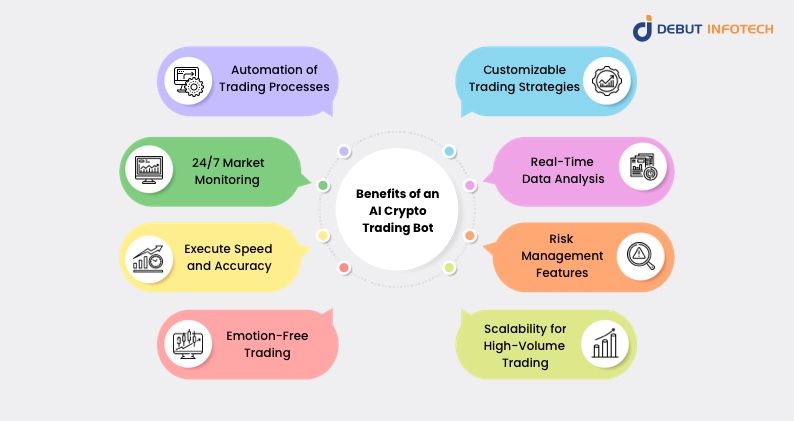
One of the most exciting developments in the past couple of years is that AI-powered trading insights are no longer limited to hedge funds or PhD quants. Regular crypto enthusiasts – even those with no background in programming or data science – can now access AI tools to analyze news and market sentiment. The barrier to entry has dropped dramatically, thanks to user-friendly platforms and conversational AI interfaces.
近年最令人興奮嘅改變之一,就係AI交易分析唔再係莊家或者PhD量化專家先用得。一般加密貨幣玩家——就算你完全冇IT或者數據科學底子——依家都可以用AI工具去分析新聞同市場情緒。門檻大大降低,多得好多平台做得越嚟越易用,同埋有對話式AI界面幫手。
Chatbots and assistants: As demonstrated earlier, you can literally use ChatGPT or similar AI chatbots as your personal market analyst. All it takes is typing in a question or prompt in plain English. For instance, “ChatGPT, summarize today’s major crypto news and tell me if the market sentiment is leaning bullish or bearish,” or “Given the latest news on Ethereum’s upgrade and current market trends, what’s your outlook on ETH’s price action this week?” The AI will output a coherent analysis based on the information it was trained on or provided with. OpenAI’s ChatGPT, Google’s Bard, and Anthropic’s Claude are examples of LLMs that people have started using in this fashion. Even domain-specific chatbots are emerging: for example, Grok (an AI assistant launched in 2024) has been mentioned alongside ChatGPT in crypto circles. Vitalik Buterin, the co-founder of Ethereum, recently highlighted the potential of AI tools like ChatGPT and Grok for assisting crypto participants, noting that these AIs can provide “valuable insights and responses” that help traders stay informed on market conditions. Such endorsements underscore that even industry veterans see value in leveraging AI assistants for market analysis.
對話機械人同助手:好似前面咁講,其實你可以當ChatGPT或者類似AI對話機械人即係你個人市場分析師。你只要用普通英文輸入問題就得,唔需要技術。例如問:「ChatGPT,幫我總結下今日主要加密貨幣新聞,同埋評下市況偏牛定偏熊。」或者「依家以太坊升級有乜最新消息同市場走勢,今個星期ETH點睇?」AI就會根據訓練同收集嘅資料,俾返一個連貫嘅分析你。OpenAI嘅ChatGPT、Google Bard同Anthropic Claude就係大家最普遍用嘅大型語言模型(LLM)。而家亦開始有啲專注於加密界嘅對話AI——例如Grok(一個2024年推出嘅AI助手)都成日同ChatGPT齊齊被提起。以太坊共同創辦人Vitalik Buterin近期都專登提過ChatGPT同Grok等AI可以俾「有價值嘅洞察和回覆」,即係幫助加密市場參與者掌握市況。連圈內元老都咁推介,反映大家都睇中用AI助手嚟分析市況嘅價值。
Importantly, these chatbot tools typically require no coding or complex setup. If you can use a web browser and chat interface, you can use them. Some are integrated into messaging apps or trading platforms directly.
最緊要係,呢類AI對話工具根本唔洗你識寫Code或者複雜設置。只要你識開網頁、打字對話就用得。有啲甚至已直接整合入即時通訊App/交易平台。
For example, by 2025, there are trading bots on platforms like TradingView or Telegram where you can ask in natural language about a coin’s sentiment or even ask the bot to execute a trade when certain conditions (which you describe in words) are met. One platform, Capitalise.ai, famously lets users create automated trading scenarios using everyday English (“Buy BTC if sentiment is very positive and price crosses above $30,000” etc., then test and deploy that) – truly code-free automation.
舉個例,去到2025年,TradingView或者Telegram等平台上面都有現成交易機械人,你可以直情用自然語言問下隻幣情緒點,甚至直接用文字話佢某個條件到就落單。有個平台Capitalise.ai最出名,就係俾你用日常英文設置全自動交易策略(譬如「如果情緒非常樂觀、比特幣升穿$30,000就買入」),之後即刻測試同部署,完全唔洗自己寫Code。
Sentiment dashboards: There are also specialized crypto sentiment websites and dashboards that anyone can use. These typically present real-time charts of sentiment scores, buzz metrics, and maybe a feed of relevant news. For example, tools like LunarCrush, Santiment, The TIE, StockGeist.ai (to name a few) provide various sentiment and social indicators for hundreds of cryptocurrencies. A user can visit such a site, type in a coin, and see things like sentiment trend (bullish/bearish over the last day/week), social volume trend, top keywords in recent posts about the coin, etc.
情緒儀表板:仲有啲專門做加密貨幣市場情緒分析嘅網站同Dashboards,三唔識七都用得。一般都會提供即時情緒分數、討論熱度指標,外加新聞匯流。好似LunarCrush、Santiment、The TIE、StockGeist.ai等,就cover幾百隻幣嘅情緒同社交指標。用家上去輸入幣種,就即刻睇到過去一日/一星期牛熊情緒、社交討論量趨勢、近期討論最多嘅關鍵詞等等。
Many of these services freemium models – basic data is free, advanced features for paid users. The key point: you don’t have to build a neural network yourself; you can harness one via an interface. For instance, StockGeist provides real-time sentiment monitoring for many coins, labeling them bullish, neutral, or bearish based on the tone of recent social and news posts. Messari, a popular crypto research firm, introduced an “AI news” feature that uses AI to summarize and analyze news for users.
好多都採取Freemium模式——基本資訊免費,進階功能就收費。重點係:你唔使自己搞深度學習,用介面就搭到現成AI。好似StockGeist,會自動實時監察好多幣嘅情緒,根據網上/新聞語氣話你知係牛、熊、還是中性。Messari呢間大嘅加密研究公司,最近都加咗「AI新聞摘要」功能,由AI幫你做新聞總結和分析。
AI-enhanced trading platforms: Major trading and data platforms are integrating AI features too. Reuters and Bloomberg, the giants of financial data, have started incorporating crypto sentiment and AI indices into their terminals. Even retail-focused platforms like TradingView have begun adding AI-driven analytics (for example, TradingView in 2024 added a feed of news with sentiment tags powered by an AI algorithm). Crypto exchanges and brokerages are not far behind – some have chatbots for customer service that double as market info bots, and others are exploring AI-driven advisory features (though regulatory constraints mean they must be careful not to cross into “financial advice” territory).
AI強化交易平台:主流交易同數據平台都積極加AI功能。路透社、彭博呢啲金融數據大台都開始喺終端機整咗加密情緒指數、AI綜合指標。TradingView等本身面向散戶的平台都陸續加入AI分析(例如2024年起新增用AI分情緒標籤嘅新聞Feed)。加密貨幣交易所同券商都追得好貼——啲客戶服務bot有啲仲可以兼提供市場資訊,部分甚至想試下AI做顧問建議(不過要好小心唔好踩界變做「財務建議」)。
An example of integration: some users pair ChatGPT with real-time data plugins or APIs. While ChatGPT on its own doesn’t browse current news by default, OpenAI has provided plugins and the newer versions can have browsing enabled (as of 2025) so it can fetch up-to-date info. If you enable, say, a news plugin or connect it to a crypto news API, you can ask: “Hey ChatGPT, check the latest crypto headlines and give me any that might impact XRP price, then analyze them.” The AI will fetch current data and do what you asked. Similarly, people connect ChatGPT to trading APIs to create semi-automated agents. One enthusiast described a setup where ChatGPT would pull sentiment data from an API, technical indicators from another, and then output a trading suggestion – all without the user writing code, just orchestrating via natural language and available tools. This underscores how accessible building a personalized “AI trading assistant” has become.
融合例子:有啲人會將ChatGPT同即時數據Plugin或者API連埋一齊用。雖然ChatGPT原生唔會自動睇最新新聞,但OpenAI而家俾咗Plugin支援,更新版(去到2025年)都可以開到瀏覽功能,搵到最新資訊。例如你整個新聞插件或者加密新聞API,就可以問:「Hello ChatGPT,幫我睇下近日有咩新聞可能影響XRP,然後分析下。」AI會自動搵即時數據幫你做request。仲有啲人將ChatGPT同交易API對接,變半自動交易助手。有個玩家分享自己setup,係ChatGPT去攞一個API嘅情緒數據、再攞技術指標API,之後自動出買賣建議——全程唔使編程,淨係靠自然語言組合現成工具。證明而家build一個個人化AI交易助手幾咁容易。
For those not inclined to tinker, even just following some AI-curated indices can help. For example, in late 2024 a “Crypto Fear & Greed Index 2.0” was launched on some sites which is AI-powered, combining more inputs than the older basic index. There are also AI-based token indexes that algorithmically pick a basket of trending coins. While one must be cautious with such products, they reflect the trend of AI doing the heavy analytical lifting in packaged forms.
如果你唔鍾意搞咁多科技,單單跟AI整出嚟嘅指數都得。例如去到2024年底有網站推出AI加持版「Crypto恐懼與貪婪指數2.0」,比舊版用多好多不同輸入指標。仲有AI托管的幣篋牌指數,自動揀緊近期熱門幣做組合。當然,呢類產品都要小心風險,但亦反映到AI將複雜分析打包做現成工具嘅新方向。
Educational and strategy support: Another underrated aspect is how AI tools educate and guide users. ChatGPT and peers can explain trading concepts, summarize on-chain metrics, or even warn you of risks if prompted. They can help novices understand why certain news is significant. For instance, a beginner could ask, “Why is everyone concerned about the Mt. Gox Bitcoin unlock news?” and the AI would give a historical explanation and potential market impact. This informative tone helps traders not just copy signals but learn the rationale. Many AI tools also produce plain-language reports – e.g., “Today’s Market Sentiment Report: Market is moderately bullish. Positive drivers: XYZ adoption news. Negative drivers: regulatory uncertainty in US…” – which make it easier to digest than raw data tables.
教育同策略支援:AI工具仲有一個成日被忽略嘅好處——教你同幫你成長。ChatGPT等會同你講解交易概念、總結鏈上數據,甚至你問時會自動提你風險。啱新手明白點解某啲新聞咁緊要。例如你問「點解而家咁多人擔心Mt. Gox解鎖比特幣?」AI就會話你歷史前因後果,分析下對市況可能咩影響。呢種資料型語氣,幫你不只係跟信號「盲炒」,而係真係知背後邏輯。好多AI工具都出返簡明白話報告——例如「今日市況情緒:偏牛。正面原因:XYZ推行消息。負面原因:美國監管不明朗......」——比生冷硬數據睇落易好多。
No free lunch: It must be said that while these tools are powerful, they’re not a magic money machine. The accessibility of AI means many traders can use similar tools, which could theoretically arbitrage away some of the edge. For example, if an AI signals a bullish trade, lots of algorithmic traders might jump on it, moving the price quickly (making it harder for slower movers to profit).
冇得唔講:雖然AI工具好強大,但佢唔係自動搵錢機器。AI普及代表多咗人一齊用,個「優勢」自然會少咗,甚至會比人套利。例如AI標注升市信號,大量交易員/程式即刻入場,推高價格——慢一步嘅根本追唔切,坐唔到順風車。markets are still very heterogeneous, and not everyone uses the same tools or reacts at the same speed, so opportunities persist, especially in smaller caps or during volatile news events where human hesitation still abounds.
市場依然好唔同一,唔係人人都用同一啲工具或者反應咁快,所以仲有好多機會,特別係細價股同埋某啲消息波動好大嘅時候,人類因素猶豫未解決。
Another important note: be mindful of the sources and quality of AI output.
另一樣要留意:要留心AI內容來源同質素。
Some free AI-driven content (like certain auto-generated news articles) might not be accurate – always verify critical info from original sources. Use reputable AI platforms or cross-check what the AI tells you. For instance, if ChatGPT summarizes a news event, one should double-check the key facts in that summary via a trusted news site if planning a big trade on it.
有啲免費AI自動生成內容(例如自動寫嘅新聞)未必準確—一定要直接搵原始來源查核重要資訊。用有信譽嘅AI平台,或者將AI話俾你聽嘅野再做交叉核對。例如ChatGPT為你總結咗一單新聞,如果你諗住因應呢啲資訊嚟落重注,最好去可信嘅新聞網站再次確認重要細節。
Finally, consider the security aspect when integrating AI with trading. If you use any AI trading bot that executes trades via API keys to your exchange account, secure those keys and use read-only keys if just analyzing. There have been scams and hacks in the crypto space masquerading as AI tools – stick to well-known providers and never give an unvetted AI tool direct access to manage funds. AI can enhance your strategy, but you remain in control of your capital.
最後,連接AI同交易時,一定要顧及安全。如果你用AI交易機械人靠API key落盤,記住要保護好啲key,如果淨係用來分析就盡量用read-only key。加密圈入面都有啲假AI工具呃錢或者黑客攻擊—一定要用有信譽嘅供應商,唔好俾啲未審查過嘅AI工具直接管理你啲資金。AI可以幫你進步策略,但你一定係掌握自己資金嘅人。
Risks and Limitations of AI-Driven Strategies
While AI offers exciting capabilities, it’s not a crystal ball or a substitute for due diligence. Traders must be aware of the limitations and risks when relying on AI for investment decisions. Here are some key considerations (in an informative, cautionary tone):
雖然AI有好多突破性功能,但佢唔係水晶球,都唔可以代替你做盡職調查。用AI投資時,交易員要清楚佢嘅限制同風險。以下係幾點重要要留意嘅地方(用資訊性同警惕語氣):
- Accuracy and “garbage in, garbage out”: AI predictions are only as good as the data and patterns they’re based on. If the market enters a regime that has little precedent, AI can falter. For example, an AI trained on the mostly bull market data might not foresee a black swan event or a paradigm shift (like an unprecedented regulation that changes everything). Moreover, AI can misinterpret misinformation as real news – especially if scraping social media where rumors abound. If false news starts trending, AI might initially flag extremely bearish sentiment, prompting trades, only for the news to be debunked later. Human judgment is needed to validate critical news (at least from multiple reputable sources) before acting. Always verify the inputs your AI is using; if you feed it biased or incomplete information, you’ll get a biased or flawed outcome.
準確性同“垃圾入、垃圾出”原理:AI嘅預測準唔準,好大程度取決於投入咩數據同模式。如果市場進入一個從未出現過嘅新局面,AI未必應付到。例如基於牛市數據訓練出嚟嘅AI,隨時捉唔到黑天鵝事件或者有新法規突然而來大洗牌。仲有,AI有時會當假消息係真新聞—特別係搵社交媒體數據時好多流言蜚語。假新聞爆紅時,AI可能最初標示為極度負面情緒,造成連鎖交易,點知一陣消息澄清咗。作重要決定之前,要用人類判斷力去查證(最少有幾個信得過嘅來源)。記住成日查驗AI攞嚟分析嘅輸入數據;如果投入內容偏頗或者唔齊全,最後出嚟都會有偏差甚至係錯誤。
- Overreliance and complacency: It’s tempting to hand over decisions to the “smart” AI, but blindly following AI-generated signals is dangerous. As Cointelegraph wisely noted, “AI is a tool, not a guarantee”. One should always verify AI insights with other research, charts, and risk management before executing trades. There have been instances where GPT-based models sound very confident in a prediction or analysis that turns out to be incorrect. This is known as the AI’s propensity to hallucinate – basically, to generate a convincing-sounding answer that isn’t grounded in fact. A study mentioned that in high-stakes strategy tasks, people using GPT-4 without caution sometimes performed worse (23% worse in one finding) than those who didn’t use it, likely because they trusted the AI too much. The lesson is clear: treat AI recommendations as one input, not gospel.
過度信任同麻木:好容易將決策交晒畀“聰明”嘅AI,但盲目相信AI信號係幾危險。好似Cointelegraph講:「AI只係工具,唔係保證。」落盤前永遠要用其他研究、圖表同風險控制確認AI建議。有時GPT類模型會好有信心咁解釋啲嘢,但最後係錯架。呢啲就係AI「幻想」—即係產生一啲聽落去好可靠但唔基於事實嘅答案。有研究指高風險策略任務用GPT-4但無小心查證的用戶,表現甚至比無用AI嗰班差23%,相信因為過份信AI。結論好明顯:AI建議當其中一個參考意見,唔好當絕對真理。
- Lack of real-time reactivity (for some AI): Unless properly connected, models like ChatGPT do not have live data streaming in. If you ask ChatGPT (the base model without browsing) about “current” market conditions, it might only rely on its training data which isn’t up-to-the-minute. This means if something big happened seconds or minutes ago, it won’t know. There are versions with plugins and other AI tools that are real-time, but latency and data feed quality are considerations. In ultra-fast markets, even a few minutes delay can matter. Dedicated sentiment platforms often update by the second – those are more reliable for split-second traders. But for most swing traders, minute-level is fine.
唔夠即時反應(部分AI有):除非有正確連線,例如ChatGPT呢類模型其實無即時數據。如果你問ChatGPT(無上網功能)而家市況,佢只可以靠訓練時嘅舊數據,唔會得知啱啱最新發生咗咩事。有啲plugin版或者其他AI係即時嘅,但都要考慮延遲同數據質素。高速市場,幾分鐘延遲都好緊要。有心情分析平台係每秒更新,對槓桿/炒短線嘅人可靠啲。不過大部份波段交易者,分鐘級已經夠用。
- Technical issues and downtime: AI platforms and bots can encounter glitches. There might be times the API is down, the model outputs an error, or data isn’t updating. If you were leaning heavily on an AI alert to trigger a trade and it fails to fire due to a tech issue, you could miss out or be left exposed. Always have a basic plan that doesn’t solely rely on an AI tool functioning perfectly. Redundancy (multiple data sources) is wise if you’re serious. Additionally, some AI trading bots require maintenance – prompt changes, retraining for new data, etc. A noted incident involved an AI trading tool pushing an untested update that caused erroneous outputs. This reminds us that these systems are complex and can have bugs.
技術問題同downtime:AI平台同交易bot有機會出現故障。有時API down咗,模型出錯,或者數據唔更新。如果你太過依靠AI提示而當時佢唔work,可能會錯過機會甚至有風險。一定要有預備方案,唔好淨係靠AI啲工具長期正常運作。如果玩得認真,分散數據來源係明智嘅。另外,有啲AI交易bot要持續維護(例如更新prompt、跟新數據重訓練咁)。曾經有AI trading工具推出一個未測試過嘅新版本,結果出錯。提醒我哋呢啲系統好複雜,會有bug。
- Security and privacy: If you use AI platforms, be aware of what data you share. If you’re plugging in your proprietary trading strategy or sharing sensitive info with a third-party AI service, there’s a potential data leak risk. From a funds perspective, if you integrate trading APIs, protect your keys. Use 2FA on exchange accounts as an extra layer in case anything gets compromised. And avoid AI bots that promise absurd returns or ask you to deposit crypto into unknown wallets – scammers might use the AI hype to lure victims.
保安同私隱:用AI平台時,諗清楚俾佢乜嘢資料。如果你輸入自己獨家交易策略或者敏感資料畀第三方AI服務,有外洩風險。如需連API,記住要保護好API KEY。用交易所一定要開2FA,增加安全層。唔好用一啲講到好誇張高回報嘅AI機械人,或者叫你要存幣入陌生錢包嗰啲—有騙徒利用AI熱潮呃人入局。
- Market impact and crowding: As AI becomes more popular, many participants could start reacting to the same signals. If everyone’s AI says “buy now,” who are they buying from, and how long before the edge erodes? In traditional markets, we saw something akin to this with high-frequency trading and news algos – when a news headline hits, lots of algos trade on it, making the price jump almost instantly, which leaves little room for slower actors. In crypto, there’s still plenty of inefficiency, especially in smaller cap coins and emerging news. But over time, if sentiment-AI trading is ubiquitous, its signals may get “priced in” faster. This doesn’t negate AI’s usefulness, but strategies may need to evolve continuously. AI might also potentially create feedback loops – e.g., AI sees others are bearish and becomes bearish, exacerbating a sell-off. Diversity of strategies and human oversight can mitigate such herding effects.
市場集體擁擠效應:AI愈嚟愈流行,愈多人會一齊跟同一啲信號。假如所有AI都話即刻買,咁買貨嘅對手盤邊度嚟?個優勢會幾耐先消失?傳統金融世界就見到HFT或者新聞algos一有headline就大量algos入市,導致價格即刻跳晒—慢啲行動嘅人基本無機會。加密貨幣世界仲有好多低效率,細價幣同新消息場地尤其多。不過日子耐咗,如果情緒AI交易普及,訊號都可能會快啲就「已經反映晒價」。唔代表AI無用,但策略要不斷調整。AI仲可能會自我強化;例如AI見其他人悲觀,又跟住悲觀,結果更加推高跌市。策略多元化同人類監督可減低「一窩蜂」效應。
- Ethical and regulatory aspects: While not a direct trading risk, note that regulators are increasingly watching AI usage in trading. Using AI is legal, but if an AI-driven strategy were to inadvertently facilitate market manipulation (say it decides to post fake news to drive sentiment – a far-fetched but not impossible scenario if an agent is autonomous), that would be problematic. Always use AI within the bounds of market rules – e.g., using it to quickly parse public info is fine; using it to try to front-run non-public info is not.
道德與監管風險:雖然唔係直接嘅交易風險,要知道監管機構日益留意AI喺金融市場上嘅應用。用AI冇犯法,但如果AI策略無意間造成市場操縱(例如自主agent竟然post假新聞煽動情緒—極端但唔係絕對唔可能),可能好麻煩。記住一定要守規矩地用AI—例如用來快速理解公開資訊冇問題,但唔可以用來搶先操作未公開資料。
- Complex scenarios and qualitative factors: Some market moves are driven by very qualitative factors that AI might not fully grasp, especially if they involve human decisions outside of historical patterns. For instance, geopolitical events or sudden policy changes can defy the “mood” logic. Also, crypto markets sometimes rally or dump for reasons that are arguably irrational (like meme stocks, except in crypto form, where a movement has no clear news or sentiment reason). AI might scratch its head (figuratively) in such cases or give a misleading signal because it expects a rational catalyst that isn’t there or it misattributes cause and effect. > Human intuition and experience still count – for example, understanding that a coin pumping 100% on a meme has no fundamental support and will likely crash, even if AI says sentiment is euphoric (AI would be right about sentiment, but you as a human might know it’s a bubble to be cautious of).
複雜情境同定性因素:有啲市場波動好受好主觀因素影響,AI未必捉到,特別係涉及人為決策、完全超出往績模式時。例如地緣政治、突如其來嘅政策變化可能完全唔同現有「氣氛邏輯」。加密市場有時會無啦啦炒上或者插水,可能冇合理解釋(好似meme股咁—無明顯消息或者情緒原因)。AI處理唔到咁嘅情況時可能冇反應,或者俾咗誤導信號,因為佢預期有合理推動因由但事實根本冇。> 人類直覺同經驗仍然十分重要—例如有啲幣因為meme炒高100%,AI話氣氛狂熱,但你識得分辨其實無基本面支持,幾大機會會爆煲雖然AI講得啱啱係情緒,但你做人類時可能已經知道係要小心泡沫。
Risk management is paramount. No matter how good an AI strategy is, crypto remains volatile and risky. Traders should use basic risk controls: position sizing (don’t bet too big on one AI signal), stop-loss orders to protect against sudden crashes, and diversification of strategies. AI can assist in some of this – e.g., it can recommend a stop-loss level by analyzing volatility, or it can watch multiple positions at once – but the trader must decide their risk appetite. As one guide recommended, never trade more than you can afford to lose – AI can guide you, but it’s not foolproof. Implementing stop-losses and take-profits is still essential. AI might tell you the trend is strong, but unexpected news can hit at any time.
風險管理最重要。無論AI策略幾勁,加密貨幣始終超高波動同高風險。交易員要用最基本的風險控制措施:倉位管理(唔好all-in AI信號)、設定止蝕單防止閃崩,策略要多元化。AI有機會幫到手(例如根據波動建議止蝕位、同時監察多個倉位),但資金承受能力一定要自己話事。有指引建議:「永遠唔好用超過你能夠承受損失嘅本錢去搏—AI只係支持,唔係神仙。」設止蝕止賺單仍然不可或缺。AI話你聽大趨勢好強,一單突發消息都可以隨時摧毀。
Finally, maintain a critical mindset. Continuously evaluate how well the AI’s suggestions align with reality and your own analysis. Treat it as a junior analyst: helpful, quick, but needing supervision. Over time, you’ll learn in what situations your AI tool is reliable and when it tends to err. For instance, you may notice it does great in trending markets but lags in choppy, range-bound markets. You can then adjust your reliance accordingly.
最後,保留批判態度。要持續檢視AI啲建議同現實、自己分析嘅合拍程度。當AI係你嘅初級分析員—幫到手,反應快,但都要監督。慢慢你會發現AI工具喺咩市場係有用,係邊啲情景會出錯。例如發現佢喺市況明朗向上/落時表現一流,但一到上下震盪市就慢半拍。到時再調整你有幾多信心倚賴佢。
Final thoughts
The marriage of AI and crypto trading has ushered in a new era of possibility for individual investors and traders. By leveraging AI to decode the never-ending flow of crypto news and social chatter, market participants can gain a clearer, faster understanding of what’s driving prices. Instead of drowning in information overload, you can have at your fingertips a distilled snapshot of market sentiment – bullish or bearish, euphoria or fear – drawn from thousands of sources. Modern AI platforms essentially transform news into data, and data into actionable signals. They forecast how a headline or a hype trend might translate into price movement, giving traders a precious head start in forming strategy.
AI同加密交易結合之後,真係為個人投資者同交易員開咗新時代。用AI解讀海量加密消息同網上討論,你可以更清楚、更快知道背後推動價格嘅原因。唔再會資訊淹沒,手頭即刻有萬千來源濃縮而成嘅市場情緒snapshot—無論睇升睇跌、興奮定恐慌。一啲現代AI平台本質係將新聞轉做數據,數據再變成可以行動嘅信號。佢哋可以預測一個headline或者hype會點樣反映喺價格走勢,令你制定策略時快人一步。
Crucially, this can be done without writing a single line of code, in accessible interfaces, leveling the playing field between hobbyist traders and big institutions. The scenarios we’ve explored show that with the right prompts or tools, anyone can ask an AI questions like an expert analyst. Whether it’s ChatGPT outlining why a piece of news might be a buy signal, or a dashboard flashing a sentiment heatmap across the market, AI bringssophisticated analysis to your screen in seconds. It can warn you of a surging narrative before it peaks, or alert you to gathering storm clouds of negative sentiment so you can manage risk proactively.
只需幾秒,複雜的分析就可以呈現喺你嘅螢幕上。佢可以喺話題爆升之前就預先警告你,又或者提早提醒你負面情緒逐漸醞釀,好等你可以主動管理風險。
However, as we’ve emphasized, AI is not a magic wand or a replacement for sound judgment. It offers augmented intelligence – it amplifies your ability to process information and make informed decisions, but it doesn’t remove the need for human oversight. The best outcomes often arise when human intuition and domain knowledge combine with AI’s computational power. Think of AI as an assistant that can tirelessly monitor the market’s pulse and whisper insights in your ear, while you remain the decision-maker with a finger on the trigger.
但正如我哋一再強調,AI唔係萬能法寶,也唔可以完全取代穩健嘅判斷力。佢提供增強智能——幫你提升處理資訊同作出明智決定嘅能力,但始終唔能夠取代人類監察。最理想嘅結果,往往係人類直覺同專業知識結合AI計算力。你可以當AI係個唔會攰嘅助手,日日夜夜監察市場動態,不斷畀意見你參考,但最終下決定嘅人,始終都係你。
Going forward, the influence of AI in crypto is likely to grow even more. We may see increasingly sophisticated sentiment models, AI-driven funds, and tools that integrate every facet of crypto data (news, technicals, on-chain, derivatives) into one coherent analysis. Traders who adapt to and embrace these technologies – using them ethically and intelligently – could gain a significant edge in a market where information is both an asset and a weapon.
展望未來,AI喺加密貨幣領域嘅影響力只會越嚟越大。未來有機會見到更加精密嘅情緒分析模型、AI操作嘅基金、以及將所有加密數據(新聞、技術面、鏈上數據、衍生品)整合分析嘅工具。能夠適應同善用呢啲技術嘅交易者——以合乎道德同明智嘅方式操作——有望喺資訊既係資產又係武器嘅市場中,獲得顯著優勢。
In the spirit of an informative-analytical yet unbiased tone, it’s clear that AI can be a powerful ally in navigating crypto’s turbulence. It helps cut through hype and fear by quantifying them, turning what used to be gut feeling into something a bit more scientific. Yet, caution and continuous learning remain your allies. By staying curious and cautious – verifying AI-derived ideas, testing strategies on small scales, and keeping an eye on the ever-evolving market conditions – you can harness AI’s strengths while mitigating its weaknesses.
本住資訊性同分析性的立場,可以睇得出AI絕對可以成為你應對加密市場波動嘅好幫手。AI可以將人類主觀嘅情緒量化,幫你穿越市場嘅亢奮同恐慌氣氛,令原本靠直覺嘅判斷變得更科學。但係,小心謹慎同持續學習仍然好重要。保持好奇同審慎心態——驗證AI產生嘅想法,先喺細規模上試行策略,同時密切留意市場狀況——咁你就可以發揮AI優勢,同時減低其潛在風險。
In sum, turning crypto news into an investment strategy with AI is about working smarter, not just harder. It means letting modern algorithms do what they excel at (scanning, crunching, finding patterns), so that you can do what humans excel at (big-picture thinking, strategic decision-making, creative problem-solving). As the crypto landscape heads into the future, one characterized by rapid innovation and equally rapid information flow, the traders who thrive will likely be those who combine the best of both worlds – human insight and artificial intelligence. By doing so, they’ll be able to convert the frenzy of the news cycle and the ebb and flow of hype into real, measurable trading edges in their favor.
總結而言,利用AI將加密新聞變成投資策略,其實就係要用腦做嘢,而唔淨係死做。即係要善用現代演算法嘅強項(高速掃描、運算、搵模式),將時間精力留返做人類擅長嘅事(大局思維、策略決策、創意解難)。隨住加密市場邁向不斷創新同高速資訊流通嘅未來,能夠結合人類洞察力同AI科技嘅交易者,極有可能脫穎而出。咁樣,佢哋就可以將新聞周期嘅熱潮同冷淡,轉化為實在、可量化嘅交易優勢。
