

XRP Ledger 啟用了具挑戰性的代幣標準,顛覆了區塊鏈架構的一大基本假設:即合規與監管控制必須通過應用層的智能合約實現。
多功能代幣(MPT)標準則屬於另一種選擇。它將授權規則、轉賬限制、元數據管理及恢復機制直接內嵌在協議當中。
這點對機構代幣化特別重要。根據業界數據,現實資產的代幣化市場三年內已增長近五倍,現時有超過 280 億美元的資產在區塊鏈上表示。
儘管市場增長迅速,金融機構在試圖鏈上發行受監管證券時,仍反覆遇上同樣阻力:定制智能合約審計耗資數十萬美元、不確定哪個程式層負法律責任,以及確保合規控制在不同實現下都正確無誤的技術複雜度。
MPT 標準嘗試將這些能力標準化於帳本層,使其成為協議內建功能,而非可選項。對正在探索代幣化的機構來說,由智能合約的複雜性過渡到協議級別的保證,或是決定試點項目卡於法審階段還是能順利落地並擴展的關鍵。
對區塊鏈架構整體而言,它重新引發了過去十年的討論:究竟應由應用開發者透過合約實現合規,還是協議設計者於共識規則中落實監管要求?
代幣標準即基建:以太坊演進的啟示
要理解 MPT 的架構意義,不妨回顧過去八年以太坊上代幣標準的發展——幾乎所有代幣化創新都在這裡出現。
ERC-20 標準於 2015 年面世,僅是一個簡單的介面規格,定義了六個功能:查詢餘額、轉賬、第三方授權管理等。由於設計精簡,開發者可輕易建立新代幣,錢包及交易平台亦能無須針對每種資產寫自定義代碼即可整合支援。這令 ERC-20 迅速普及,帶動 2017 年 ICO 熱潮,亦奠定可替代代幣作為區塊鏈基石。
但 ERC-20 針對的是無需許可的資產,無法限制誰可持有、無法附加監管披露、亦不支援發行方凍結轉賬或回收資金等控制。對簡單實用型代幣來說無妨,但若作證券用途便明顯不足。
其後的證券型代幣熱潮,試圖將合規模組化加在 ERC-20 基礎上。ERC-1400 規格(由 Polymath、Harbor 等公司提出)率先引入分區概念:同一代幣可分多個批次,每批遵循不同轉賬規則。譬如為合資格投資者、鎖定創辦人股份、自由流通部分分別設分區。同時亦加入文件管理功能,允許發行人在鏈上附加法律協議、說明書等。
ERC-1400 雖邁進重要一步,但始終屬於智能合約標準,每發行方自行部署、實作自家分區邏輯及合規規則,展現出強大靈活性卻導致各自為政。不同發行方的 ERC-1400 代幣細節行為或有差異,平台整合難度亦因而上升。
ERC-3643(獲以太坊社群正式接納並合併入主分支)採用異於分區的新思路:引入名為 ONCHAIN ID 的鏈上身份層。每次轉賬前,驗證合約會檢查發送人及接收人是否獲可信發行方簽發合資格身份。例如,KYC 完成、符合投資資格、所在地區獲批等。發行方可於合約層面訂立轉賬規則,由身份系統負責確保只有合資格者可操作。
ERC-3643 現已廣泛部署,總代幣化資產亦超 280 億美元。其優勢在於將合規驗證交由區塊鏈驗證,而非依賴鏈下密鑰或獨立授權系統,每次轉賬都於鏈上產生審計追蹤及密碼學保證,極利於受監管市場。
不過即使已大幅進步,以太坊的證券型代幣標準仍有結構性限制——一切皆為智能合約實現。每間發行方都要部署合約 程式,可為自寫或用第三方範本;合約要經安全審計、需持續維護甚至升級;若邏輯出錯,代幣或會被盜或卡住,協議層亦無法補救。
此外,以太坊實行複雜合規邏輯亦會帶來高昂 Gas 成本。每次身份核查、分區轉賬、文件雜湊查詢都要付 ETH。若用於高價值、低頻次證券尚可勉強接受,若應用於大量微型轉賬或頻繁合規查核場合則成本迅速累積。
綜合上述,以太坊的標準帶來三點重要啟示。首先,代幣化需倚靠標準化,否則整合成本高昂。其次,合規不可事後彌補,證券型代幣須自帶授權與控制能力。第三,身份與信息披露與資產本身同樣關鍵,監管機構關注持有人及發行方資訊。
MPT 標準提出的,就是有否更好方法,能比要求每位發行方各自於智能合約實現合規更有效率?
透視 MPT 標準:協議級代幣化
MPT 標準代表一個截然不同的架構選項:非指定合約介面讓開發者實作,而是直接將發行代幣能力加入 XRP Ledger 協議層。
當發行方創建 MPT 時,他們不需要部署智能合約,只需新建一個帳本物件,類似開 XRP Ledger 賬戶即會有戶口物件。MPT 及其規則會記錄於帳本狀態樹,由共識協議的交易處理邏輯統一管理。
這種結構改變了程式運行的層次。以太坊 ERC 標準下,代幣轉賬觸發由發行方或平台方撰寫的合約程式,並於虛擬機運行,消耗 Gas 且潛藏漏洞。而 MPT 則全部由核心帳本代碼處理,所有驗證者皆運作相同行為。負責驗證 XRP 交易的同一套邏輯,也支援 MPT 轉賬,根據每個代幣配置自定規則。
MPT 規格定義了一組創建時可靈活選用的固定功能,成為合規與控制標準化工具箱。
可轉讓性控制 讓發行方決定誰可轉賬、在何條件下。MPT 可被設為不可轉讓,意味只可回贈給發行方,用於閉環系統(如積分、消費權益),阻止二級市場流通。如資產需要可交易,可利用「Require Auth」標誌實現白名單。持有人必須先獲發行方審批,才可持有相關代幣。白名單於鏈上維護,未獲授權的轉賬會於協議層被自動拒絕。
供應管理 讓發行方限定市場最大供應量。不同於以太坊 ERC-20 必須以程式碼自行設定(且或存被規避漏洞),MPT 供應上限由帳本強制執行,達上限後再鑄造即被共識規則拒絕。可透過回贈予發行方方式銷毀代幣,釋放額度予新發行,但流通總量永不超過預設極限。
轉賬手續費 允許發行方設定持有人間轉賬時燒毀一定百分比代幣作費用。這種費用不會累積到發行方錢包,避免引起稅務或監管疑慮。每次手續費實為總供應自動減少(銷毀),費率細緻至萬分之一個百分點,最高 50%,以利發行方靈活掌控。兌回發行方不收取費用,確保回贖無懲罰。
合規控制 賦予發行方回應監管或安全事件的手段。「Can Lock」標誌可針對個別或全體... freezes. An issuer can lock a specific holder's balance, preventing any transfers in or out except returns to the issuer. Or they can globally freeze all tokens of that issuance, halting all transfers across the network. These capabilities mirror traditional financial institution powers, like blocking accounts suspected of fraud or complying with asset seizure orders.
凍結功能:發行人可以鎖定某個持有人的餘額,阻止該賬戶進行任何轉入或轉出,除非是退回給發行人。又或者,發行人可以全網凍結某次發行的所有代幣,令該批代幣在整個網絡中完全停止流通。這啲功能正正好似傳統金融機構擁有嘅權力,例如係懷疑詐騙時封鎖賬戶,或者遵從資產凍結命令。
The "Can Clawback" flag goes further, allowing issuers to forcibly transfer tokens from a holder's account back to the issuer. This addresses scenarios where tokens are stolen, sent to the wrong address, or held by an account whose keys have been lost. In traditional securities systems, transfer agents can cancel and reissue certificates. Clawback gives token issuers equivalent powers on-chain.
「可回收」(Can Clawback)標記進一步擴展權力,允許發行人強制將代幣由任何持有人賬戶收回返發行人。呢個功能可以應對啲情況,例如代幣被偷、發錯地址、或者私鑰遺失。傳統證券系統入面,過戶代理都可以取消同重發證書。回收權令代幣發行人可以喺鏈上攞到同等權力。
Metadata Management provides 1024 bytes of arbitrary data storage per token issuance. By convention, this should contain JSON conforming to a schema that defines fields like asset name, description, issuer identity, legal documents, and custom properties. Because this metadata is stored in the ledger, it is replicated across all validators and becomes part of the permanent record. Platforms can rely on this data being present and consistently formatted, unlike systems where metadata lives off-chain and might become unavailable.
元數據管理:每次代幣發行可以用1024字節嚟儲存任意資料。一般習慣上會用JSON格式,按照特定結構,儲存資產名稱、簡介、發行人身份、法律文件同自訂屬性等欄位。由於元數據係直接儲存喺賬本內,所以全部驗證者都會複製,成為永久紀錄一部分。咁,平台可以相信啲數據一定存在,格式一致,唔似啲元數據儲喺鏈外,隨時會搵唔返。
Decimal Precision settings allow tokens to represent fractional ownership. An MPT's "asset scale" determines where to place the decimal point when displaying balances. A token with scale 2 represents cents, with scale 6 represents millionths, and so on. This matters for assets like bonds, where par value might be $1,000 but secondary market trading happens in hundredths of par.
小數精度設定允許代幣代表分數持有權。MPT個「資產小數位(asset scale)」決定顯示餘額時個小數點擺邊。有啲scale係2,即每單位代表仙,scale係6就代表百萬分之一。對於如債券咁啲資產好重要,因為面值可能$1,000,但二手市場可以以百分之一幅度交易。
The key insight is that none of these capabilities require custom code. They are flags and parameters in a ledger object. The compliance logic, transfer rules, and restrictions are interpreted by the protocol's built-in transaction processors. Every validator runs the same code, ensuring consistent behavior across the network.
重點係,呢啲功能全部都唔需要寫自訂程式碼。佢哋係賬本物件嘅標記同參數。合規邏輯、轉賬規則同限制全部都係由協議內置交易處理器負責解讀同執行。每個驗證者跑嘅都係一樣嘅程式,保證全網行為一致。
Issuers configure these settings when creating the token, and in the current MPT version, those settings are immutable. Once an MPT is created, its transferability rules, supply cap, and compliance controls cannot be changed. This immutability provides certainty to token holders about what rights they have and what controls exist, but also reduces flexibility if circumstances change.
發行人喺創建代幣時就設定好呢啲選項,而且喺現有MPT版本之下,啲設定係不可更改。一旦MPT創好咗,轉讓規則、供應上限同合規控制全都固定。呢種不可變性,令持有人清楚自己有咩權利、制度點運作,但若然形勢有變,彈性會少咗。
A proposed extension called XLS-94 Dynamic MPT would allow certain fields to be marked as mutable during token creation. The issuer could then update these fields later through special transactions that require their digital signature. This would enable scenarios like gradually lifting transfer restrictions as regulatory requirements change, or updating metadata to reflect corporate actions. The proposal aims to balance flexibility with the security of immutability by making mutability an opt-in choice during token creation.
有一個建議中嘅擴展叫做XLS-94 Dynamic MPT,會允許某啲欄位喺創建代幣時標註為可變。以後發行人可以經由特定交易,用數碼簽名去更新啲欄位。咁就可以根據監管要求變動,逐步放寬轉讓限制;或者有公司行動時更新元數據。呢個建議試圖喺彈性同不可變安全性之間取得平衡,創幣時由發行人自己決定邊啲欄位可以改。
Ethereum Versus XRP Ledger: Architecture and Trade-Offs
The debate between smart contract flexibility and protocol standardization reflects competing visions of how blockchains should handle specialized use cases.
智能合約彈性同協議標準化之間嘅爭議,反映出區塊鏈對於應對特殊用途時兩種截然不同嘅理念。
Ethereum's approach treats the base protocol as a general-purpose computation platform. The Ethereum Virtual Machine provides a Turing-complete execution environment where developers can implement any logic they can code. Token standards like ERC-20 or ERC-3643 are not enforced by the protocol. They are conventions that developers follow voluntarily because it makes their tokens compatible with wallets and exchanges.
Ethereum嘅做法係將底層協議視為通用運算平台。Ethereum Virtual Machine(EVM)提供咗一個圖靈完備嘅執行環境,開發者可以寫出任何邏輯。ERC-20、ERC-3643之類嘅代幣標準,只係習慣性自我約束,協議本身唔會強制執行——咁做係為咗保證代幣同錢包、交易所嘅兼容性。
This flexibility enables innovation. When developers encounter new requirements, they can write new contract code to address them. The ERC-3643 identity system, for instance, emerged from real-world experience issuing securities and discovering that simple token contracts were insufficient. Because Ethereum allowed arbitrary contract logic, developers could build and deploy this identity layer without needing protocol changes.
呢種彈性帶嚟創新。遇到新需求,開發者可以自己寫新合約解決。例如ERC-3643身份認證系統,係由發行證券時發現傳統Token合約唔夠用,衍生出嚟嘅。因為Ethereum容許任意合約邏輯,開發者可以自行構建同部署身份層,而唔需要協議本身做修改。
The downside is that every deployment is unique. Two tokens claiming to implement ERC-3643 might behave differently because their contracts interpret the standard differently or add custom extensions. Auditing each contract for security and regulatory compliance becomes necessary but expensive. And complex contracts increase gas costs, making some use cases economically impractical.
但缺點係每次部署都各有各做法。兩個自稱ERC-3643嘅代幣,合約可能演繹有異,或者加入自訂擴展。每個合約都要逐一審計安全同監管合規,成本高昂。合約愈複雜,Gas費用就愈貴,有啲用途可能變得唔划算。
XRPL's approach treats specialized capabilities as protocol features. The ledger provides specific transaction types for specific purposes: payments, escrows, checks, AMM pools, and now Multi-Purpose Tokens. Rather than general computation, the protocol offers a curated set of primitives that cover common needs.
XRPL就將特殊功能直接打造成協議層特性,賬本本身預留好唔同交易類型:支付、託管、支票、AMM資池,而家仲有多用途代幣(MPT)。協議唔做通用運算,係直接為常見需求提供一套經過整理嘅功能積木。
This standardization reduces integration costs. A wallet that supports MPTs can handle any MPT issuance because all MPTs follow the same protocol rules. There are no custom contract ABIs to parse, no unique logic paths to test. Compliance capabilities like freezing or clawback work identically across all issuers because the protocol implements them, not contract code.
咁樣做標準化之後,大大降低咗集成成本。支援MPT嘅錢包就可以處理任何MPT發行,因為全部MPT都按照一套協議規則執行。唔需要特別去解讀合約ABI、唔駛逐個流程做測試。凍結、回收等合規功能通行全平台,因為協議本身就實現晒,而唔係靠合約逐個重寫。
The transaction cost benefit is significant. Because MPT operations are native protocol features, they cost only the base ledger transaction fee, currently around $0.0002 per transaction. There is no gas computation cost proportional to the complexity of compliance checks or transfer rules. This flat fee structure makes MPTs economically viable even for high-frequency or low-value transfers.
交易成本低到離譜。MPT相關操作全部係協議原生功能,只收賬本基本手續費,現時大約每次交易$0.0002。合規檢查或者轉賬規則幾複雜都冇額外計算Gas費。呢種一口價結構,令MPT即使用喺高頻或細額轉賬都照用得過。
The main trade-off is reduced flexibility. Issuers can only use the compliance controls that MPT provides. If a use case requires authorization logic that does not fit MPT's allowlist model, there is no way to implement custom rules. The protocol's feature set constrains what is possible, for better and worse.
但最主要代價係彈性下降。發行人只能用MPT協議預設咗嘅合規控制。如果某啲用途需要啲係MPT白名單制度以外嘅授權邏輯,就冇辦法實現自訂規則。協議嘅功能集幫你想掂大部份情況,但限制咗你走咩新路。
On Ethereum with ERC-3643, an issuer would deploy a token contract, an identity registry contract, and multiple validator contracts that check different eligibility criteria. Some validators might verify KYC attestations from approved identity providers. Others might check investor accreditation status or confirm residence in approved jurisdictions. The issuer configures which validators must approve transfers and can add or remove validators as requirements evolve. This modularity provides precise control over who can hold tokens and under what conditions.
以Ethereum同ERC-3643為例,發行人會部署一份代幣合約、一份身份註冊合約,仲有多份用嚟檢查不同資格條件嘅驗證合約。有啲驗證者會查KYC,有啲負責核實合資格投資者身份,或者證明係獲批司法管轄區居民。發行人可以決定邊啲驗證者必須批准轉賬,隨時加減驗證合約彈性配搭。呢種模組化架構,令發行人對可以持有代幣對象及條件有精確控制。
The implementation requires coordinating multiple contracts, each of which must be audited. Changes to eligibility rules require deploying new validator contracts or updating existing ones if they were built to be upgradeable. The gas cost of each transfer includes calling the token contract, which calls the identity registry, which queries potentially multiple validator contracts. This multi-step verification adds up, especially if validators perform complex checks.
但建設成本都唔低,要協調好多份合約,每份都要審計。改資格規則時,要部署新驗證合約,定係原合約可升級就更新。每次轉賬Gas費都要包埋:叫代幣合約、代幣再搵身份註冊合約、可能查多個驗證者,步驟多,驗證邏輯複雜時成本疊加。
On XRPL with MPT, the issuer creates a token with the "Require Auth" flag enabled. They then authorize specific accounts to hold the token by sending MPTAuthorize transactions that add those accounts to the token's holder list. The authorization check happens at the protocol level during transfer processing. If the receiving account is not authorized, the transfer fails before any state changes.
XRPL用MPT時,發行人創幣時開「Require Auth」旗標,然後用MPTAuthorize交易逐個加帳戶入持有人清單。授權檢查係協議層直接做,處理轉賬時如果收方未獲授權,交易當場就失敗。
The simplicity reduces deployment complexity and eliminates smart contract risk. But the authorization system is all-or-nothing. Either an account is authorized or it is not. The protocol provides no way to encode nuanced rules like "this holder can receive tokens only if their accreditation is current" or "transfers to this jurisdiction are limited to institutional investors." Those rules must be enforced off-chain, with the issuer deciding whether to authorize accounts based on their own eligibility checks.
咁做好簡單,部署少咗好多複雜位,亦冇智能合約風險。但授權制度係「一刀切」:要唔就授權,要唔就唔俾入。協議冇法寫咩「持有人合資格才可收幣」又或者「轉賬到某司法區只限機構」。啲複雜規則要喺鏈外實施,靠發行人自己決定邊啲賬戶俾開戶。
Some use cases fit naturally into MPT's model. A corporate bond where the issuer maintains a registry of qualified purchasers and authorizes them individually works well. The authorization list serves as a ledger-native representation of the bond's holder record.
有啲用途好啱MPT模式。例如公司債,發行人維護合資格買家名單,一個個授權,咁做就好順利。授權名單就係賬本內部版本嘅持有人登記冊。
Other use cases clash with MPT's constraints. A real estate fund that wants to implement detailed waterfall distributions, where different share classes receive proceeds in specific orders depending on performance metrics, cannot express that logic in MPT's fixed feature set. Such complexity would require either building it off-chain or using a different platform.
有啲用途就頂唔順MPT限制。例如房地產基金,要分啲複雜水位、根據表現指標俾唔同等級股份唔同分派次序,呢啲邏輯MPT預先設計功能表現唔到。要處理,就要麼喺鏈外砌,要麼轉另一平台。
The architectural choice reflects different philosophies about where complexity should live. Ethereum pushes complexity into smart contracts, giving developers freedom but requiring each implementation to be secured and audited individually. XRPL pulls common compliance patterns into the protocol, standardizing them but limiting what is possible to what the protocol designers anticipated.
架構選擇反映咗複雜性應擺邊度嘅理念。Ethereum就將複雜性交由智能合約處理,開發者好自由,不過每個部署都要自己保障安全同合規。XRPL就拉落協議層,標準化較通用嘅合規模式,咁就簡單易用但功能受限於設計。
Neither approach is objectively superior. The right choice depends on whether your use case fits within the protocol's feature set and whether you value reduced deployment complexity over implementation flexibility.
兩者並冇絕對優劣,只係睇你用途啱唔啱合協議功能,重視唔重視減少部署複雜度,定係要實現高自訂性。
Institutional Finance Use Cases: Where MPT Aims
Ripple's positioning of MPT focuses specifically on use cases where regulated financial institutions are likely to issue tokens. The September 2025 institutional roadmap document outlined a clear vision: enable traditional finance to represent real-world assets on-chain without forcing banks and asset managers to become smart contract developers.
Ripple定位MPT,就係專攻啲受監管金融機構會發行代幣嗰啲用途。2025年9月個機構級路線圖話得好清楚:希望傳統金融業可以將現實世界資產搬上鏈,又唔駛銀行、資產管理公司變做智能合約開發員。
Fixed Income Securities represent perhaps the most straightforward MPT use case. A corporate bond traditionally consists of a promise to pay principal at maturity plus periodic coupon payments. Representing this on-chain has historically required either complex smart contracts that encode payment schedules or hybrid systems where on-chain tokens represent ownership but payments happen off-chain.
固定收益證券可能係最直觀嘅MPT應用。公司債本來就係承諾到期還本、期間定期派息。過往想喺鏈上體現到呢啲結構,多數要寫好複雜智能合約記錄派息時間表,或者用混合系統即只係安排鏈上持有權益、啲實際派款喺鏈外處理。
MPT's metadata capabilities allow bond characteristics to be recorded on-chain. The 1024-byte metadata field can contain maturity dates, coupon rates, payment frequencies, and references to
MPT個元數據功能允許債券要素被記錄喺鏈上。呢個1024字節元數據位可以包括到期日、息率、派息頻率、法律文件等參考……legal documentation. While the protocol does not automatically execute coupon payments - that still requires the issuer to send payment transactions at appropriate times - having the bond's terms encoded in ledger data makes them transparent and verifiable.
法律文件。雖然協議本身唔會自動執行票息支付——發行人仍然需要喺適當嘅時候發送支付交易——但係將債券條款寫入帳本數據,可以令條款更加透明同且可以驗證。
The supply cap feature aligns naturally with bond issuance. If a company issues a 100 million dollar bond with 1,000 dollar par value, they configure a supply cap of 100,000 tokens. Once those tokens are minted and distributed to investors, no additional bonds of that issuance can be created, providing mathematical certainty about the debt's total size.
供應上限功能好自然咁配合到債券發行。譬如一間公司發行一份一億元面值、一千蚊單位嘅債券,佢可以設定供應上限為100,000枚代幣。當所有代幣鑄造好並分配畀投資者之後,呢期發行嘅債券就唔可以再加添,數字上就肯定咗總債務規模。
Transfer restrictions let issuers enforce regulatory limits. Bonds might be restricted to qualified institutional buyers in the United States, or to sophisticated investors under European prospectus exemptions. By requiring authorization before holders can receive tokens, issuers maintain control over their investor base and can demonstrate compliance with offering restrictions.
轉讓限制令發行人可以執行法規要求。債券可能只可以賣畀美國合資格機構投資者,或歐洲招股權豁免下嘅專業投資者。要求收到代幣之前先認證用戶身份,發行人就可以控制投資人組合,亦可以證明有遵從發售限制。
Equity Tokenization brings additional complexity around share classes and voting rights. Preferred shares might have different dividend rates, liquidation preferences, or redemption terms than common shares. Some shares might carry voting rights while others do not.
股權代幣化牽涉更多喺股類同投票權上嘅複雜情況。優先股同普通股可能有唔同分紅比率、清算優先順序,以至贖回條款。有啲股份會有投票權,有啲就冇。
MPT handles this by treating each share class as a separate token issuance. A company might issue one MPT for Class A common shares, another for Class B preferred shares, and a third for non-voting restricted stock units. Each issuance has its own supply cap, transfer rules, and metadata describing the rights attached to that class.
MPT 會將每種股份分類變做獨立代幣發行。公司可以為A類普通股發一個MPT,B類優先股發另一個,無投票權限制股份單位則再發一個。每次發行都有自己嘅供應上限、轉讓規則同描述有關權利嘅元數據。
The limitation is that relationships between share classes - like preferred shares' liquidation priority over common shares - cannot be encoded in the token protocol itself. Those contractual relationships exist in the company's charter documents, with the tokens serving as ledger-native certificates of ownership. When corporate actions occur, like dividends or redemptions, the company must process them using the token holder data from the ledger.
限制就係,股份分類之間嘅關係——好似優先股清算優先權高過普通股——都冇辦法直接寫入代幣協議。呢啲係公司章程文件上的合約關係,代幣只係一張帳本本地嘅所有權證明。當發生企業行為(例如分紅或贖回)時,企業都要靠帳本嘅持有人數據處理。
Stablecoins and Electronic Money fit particularly well into MPT's design. A stablecoin issuer creates an MPT with appropriate backing reserves off-chain, then mints tokens as users deposit fiat currency. The supply cap can be set high enough to accommodate growth, or omitted entirely for uncapped issuance.
穩定幣及電子貨幣同MPT設計特別契合。穩定幣發行人會建立一個MPT,喺鏈外做好相應儲備,然後用戶存入法幣時鑄造代幣。供應上限可以設定至足夠高應付增長,或者直接唔設上限,無上限發行。
The clawback feature addresses a key regulatory requirement: the ability to freeze and seize funds in response to law enforcement requests or sanctions compliance. Traditional financial institutions must be able to block accounts and reverse transactions under certain circumstances. MPT gives stablecoin issuers equivalent powers, making compliance with anti-money laundering regulations technically feasible.
回收功能針對一個重要法規需求:應對執法部門要求或制裁合規,需要可以凍結同收回資金。傳統金融機構喺特定情況下要可以封鎖帳戶同反轉交易。MPT可以畀穩定幣發行人同等權力,技術上做到反洗錢要求。
The "Deep Freeze" feature, activated separately on XRPL, adds an additional layer. It allows issuers to prevent specific accounts from sending or receiving any tokens on trust lines, even through decentralized exchange orders or automated market makers. This comprehensive blocking capability addresses regulators' concerns about funds moving through unmonitored channels.
「深度凍結」功能(係XRPL度獨立啟動)可以再多一層保護。發行人可以禁止某啲帳戶喺信任線上收發任何代幣,即使用去中心化交易所訂單或自動做市商都唔得。呢種全面封鎖能力回應咗監管機構對資金經未受監控渠道流動嘅關注。
Recovery mechanisms matter for institutional stablecoin adoption. If a user loses their private keys, their stablecoin deposits become permanently inaccessible in a standard blockchain model. The clawback feature lets issuers recover these funds and reissue them to verified account holders who prove their identity through off-chain recovery processes. While this introduces centralization - the issuer has extraordinary power over user funds - it matches how electronic money works in traditional systems where banks can help customers recover lost account access.
回收及恢復機制對機構使用穩定幣好重要。如果用戶唔見咗私鑰,標準區塊鏈模式下,佢個穩定幣存款就永遠攞唔到。回收功能可以令發行人搵返啲錢,經鏈外身份認證過程後,重新發畀認證過嘅持有人。雖然咁會有中央化問題——發行人有高度權力控制用戶資金——但同傳統電子貨幣好類似,銀行系統一樣可以幫客戶攞回血。
Tokenized Money Market Funds represent one of the most promising near-term institutional use cases. Money market funds hold short-term, high-quality debt and provide returns slightly above bank savings accounts. They are a major store of value for corporations and institutions, with trillions of dollars in assets under management globally.
代幣化貨幣市場基金係近期最有前景嘅機構應用之一。貨幣市場基金主要持有短期高質量債務,回報比銀行儲蓄帳戶高少少。呢類基金對企業同機構嚟講係主要資產儲存方式,全球資產規模達幾萬億美元。
Tokenizing money market fund shares means investors can hold claims on the fund as on-chain assets, receive yield through token appreci or dividend distributions, and potentially use those shares as collateral in other protocols. Several traditional asset managers have launched tokenized money market funds on Ethereum, demonstrating demand exists.
將貨幣基金股份代幣化,即投資者可以喺鏈上持有基金權益,通過代幣升值或分紅收到回報,仲可以將股份喺其他協議用做抵押品。已經有傳統資產管理公司喺以太坊推出過代幣化貨幣市場基金,證明有市場需求。
MPT's protocol-level structure could reduce the operational complexity of issuing these products on-chain. Rather than deploying and maintaining smart contracts, a fund administrator configures an MPT with the fund's properties, authorizes qualified investors, and mints or burns tokens as subscriptions and redemptions occur. The ledger handles compliance verification and transfer restrictions automatically.
MPT協議層設計可以減低將呢啲產品上鏈嘅操作複雜度。基金管理人唔使自己開發及維護智能合約,只需要設定一個MPT包含基金資料,授權合資格投資者,再按申購及贖回動作鑄造或銷毀代幣。合規驗證同轉讓限制都由帳本自動處理。
The upcoming XRPL lending protocol adds another dimension. If money market fund shares are represented as MPTs, they can potentially be used as collateral in the native lending system without requiring custom integration code. The protocol understands MPT properties like whether tokens are frozen or locked, making it possible to verify collateral status at the ledger level.
快將推出嘅XRPL借貸協議又會加多一重新用途。如果將貨幣市場基金股份發行成MPT,未來有機會喺原生借貸系統入面用做抵押品,毋須特別開發接口。協議層本身識得判斷MPT代幣有冇被鎖定或凍結,可以直接在帳本查核抵押狀況。
Fractionalized Real-World Assets enable smaller investors to own portions of expensive assets like real estate, art, or infrastructure projects. A property worth 10 million dollars might be divided into 10,000 tokens worth 1,000 dollars each, making it accessible to investors who cannot afford the full asset.
分拆式實體資產可以令小型投資者擁有昂貴資產(如房地產、藝術品、基建項目)嘅部分。價值一千萬美元嘅物業可以拆成10,000個一千蚊一個嘅代幣,咁一啲買唔起全資資產嘅投資者都入到場。
MPT's asset scale feature supports the precise fractional ownership needed for this use case. If a building is valued at 10 million dollars and represented by 10 million tokens, each token represents one dollar of value with additional precision available for market price fluctuations.
MPT嘅資產比例功能支援到分割擁有權。例如棟樓十萬美元,用一千萬枚代幣表示,每枚一蚊,額外細分又可以應付市價細微波動。
Transfer restrictions help manage the regulatory complexities of fractional real estate. In many jurisdictions, offering fractional interests in property requires either registering the offering as a security or qualifying for exemptions that limit who can invest. Authorization requirements let issuers enforce these restrictions at the protocol level.
轉讓限制可以處理分割房產投資複雜的法規要求。好多地方發售分割產權都要申報證券發行,或者取得只限特定投資者嘅豁免。經授權要求,發行人可以係協議層限制合資格投資者。
The challenge with fractionalized assets is governance. Token holders need mechanisms to vote on property management decisions, receive rental income distributions, and eventually liquidate their interests. MPT provides the ownership record but not governance infrastructure. These capabilities must be built on top, either through off-chain processes that use the ledger as a registry or through additional protocol features that are not yet implemented.
分拆資產最大難題係治理。持有人要有投票管理產業決策、收租或派息同最終清算自己權益嘅機制。MPT只係做帳本所有權記錄,未包治理系統。以上功能要靠額外協議或鏈外程序開發,再同帳本對接。
Loyalty and Rewards Programs represent a less regulated use case that nonetheless benefits from tokenization. Airlines, hotels, retailers, and other businesses issue billions of dollars worth of loyalty points annually. These points are typically trapped in proprietary databases, non-transferable, and impossible to use across program boundaries.
積分與獎賞計劃屬於監管較少但最受惠於代幣化嘅場景。航空公司、酒店、零售商等每年發出數十億美元積分。呢啲積分大多困喺獨立資料庫,唔可以轉讓亦唔可以跨計劃使用。
Tokenizing loyalty points using MPT makes them portable across platforms while preserving the issuer's control. The non-transferable flag prevents a secondary market in points, which businesses generally want to avoid to prevent devaluation. The issuer can still allow redemption back to themselves, letting customers use points for rewards.
用MPT代幣化積分,可以令積分跨平台流通,同時保留發行人控制。設定非轉讓屬性,可以防止積分喺二級市場交易,避免貶值。發行人可以開放用戶將積分兌換返自己(即換禮品),保障積分正常用途。
The supply cap and mint authority let businesses control the monetary properties of their points. If a retailer wants to limit total outstanding loyalty point liability, they can cap supply. If they want to issue points freely as customers spend, they can mint on demand.
供應上限同鑄幣權限可以畀商戶控制積分嘅「貨幣」屬性。如果零售商要限制總積分負債,可以設限發行上限。相反,如果想隨消費自由發行,亦可以按需鑄造。
Authorization requirements enable tiered programs where certain benefits are restricted to premium members. A hotel chain might issue one MPT for standard points and another for elite-member points with better redemption rates. Transfer restrictions ensure points stay within the intended program boundaries.
授權要求可以做分層獎賞計劃,將某啲優惠只畀高級會員。酒店集團可以出一種標準積分MPT,再出另一種畀貴賓會員用,升級兌換率更好。轉讓限制亦確保積分留喺預期範圍內。
Regulatory Implications: Compliance by Design
監管影響:設計上考慮合規
Financial regulators globally have struggled with how to oversee tokenized securities. The technology promises benefits - faster settlement, transparent ownership records, reduced intermediary costs - but raises new questions about investor protection, market manipulation prevention, and regulatory jurisdiction.
全球金融監管機構過去一直研究點樣監管代幣化證券。技術本身有諸多好處——更快結算、透明持有紀錄、減低中間方成本——但同時帶嚟投資者保障、防止市場操控、監管權限等新問題。
The European Union's Markets in Crypto-Assets Regulation, which became fully applicable on December 30, 2024, establishes comprehensive rules for crypto-asset issuers and service providers. MiCA requires issuers of asset-referenced tokens and e-money tokens to maintain reserves backing those tokens one-for-one, publish detailed white papers disclosing risks, and grant token holders redemption rights at par. Service providers must obtain licenses, implement anti-money laundering controls, and ensure operational resilience.
歐盟《加密資產市場規例》(MiCA)自2024年12月30日全面實施,制定咗加密資產發行人同服務供應商的全面規則。MiCA規定資產掛鈎代幣、電子貨幣代幣發行人要有1:1儲備、發白皮書披露風險、並授予持有人按面值贖回權利。服務供應商必須申請牌照、執行反洗錢措施及保持營運彈性。
For tokenized securities, MiCA largely defers to existing financial services regulation. Security tokens are treated as financial instruments subject to MiFID II and related frameworks. The regulatory question becomes whether a tokenized bond or stock meets the requirements applicable to traditional securities, not whether the blockchain technology creates new regulatory categories.
對於代幣化證券,MiCA基本上沿用現行金融服務法規。證券型代幣當普通金融工具管理,要符合法二(MiFID II)等相關框架。監管關注焦點係代幣化債券或股票有冇符合傳統證券要求,而唔係區塊鏈技術本身產生新監管分類。
MPT's protocol-level compliance controls address several concerns that regulators have raised repeatedly in guidance documents and enforcement actions.
MPT協議層合規工具就正正針對咗監管當局多次出指引及執法時關注嘅幾個範疇。
Investor Eligibility remains the primary concern in most securities offerings. Regulations typically restrict who can purchase certain investments based on wealth, income, investment experience, or professional status. In the United States, Regulation D offerings limit sales to accredited investors unless the issuer files extensive disclosures. European prospectus exemptions often require investors to be qualified or professional investors.
投資者資格仍然係大部份證券發行監管嘅首要重點。法規通通常根據財富、收入、投資經驗、專業身份等限制邊啲人可以買啲咩投資產品。美國Regulation D發行只准賣畀認可投資者,除非發行人額外披露大量資料。歐洲招股豁免又多要求買家係合資格或專業投資者。
Enforcing these restrictions on public blockchains has proven challenging. If anyone can create a wallet and no permission is required to transact, how can issuers prevent unqualified investors from
要喺公鏈上做到這些限制相當困難。如果任何人都可以開個錢包、毋須許可即可交易,發行人又點樣可以杜絕到不合格嘅投資者......Below is the translation. As instructed, markdown links have been skipped.
在二級市場取得代幣?智能合約方案是存在的,但需要小心實現。如果授權邏輯有漏洞,即使有限制,代幣仍然有可能轉到未經授權的持有人手上。
MPT 在共識規則中內置授權。協議本身會拒絕向未經授權的地址轉帳。這種設計,令投資者合資格與否可以在技術層面被強制執行,為發行人和監管機構帶來更大確定性。
轉讓限制與鎖定期 是為了配合監管機構對持有期和發售限制的要求。例如 Regulation S 豁免美國發行人對離岸銷售的登記義務,但會在特定時間內限制證券不得再次出售給美國人。創辦人股份常見有歸屬期安排或轉讓限制,避免過早變現。
用智能合約實施這類限制需要編寫有關時間的邏輯,並追蹤轉讓記錄。MPT 則透過其轉讓規則和授權系統處理。發行人可以在鎖定期內選擇不授權任何轉讓,或使用不可轉讓標記來阻止任何二級市場買賣。
但要留意,MPT 並未原生支援預設的定期解鎖。如果創辦人股份是四年歸屬,發行人需要在達到里程碑時手動授權轉讓,而不能直接在代幣內設定解鎖時間表。建議中的 XLS-94 Dynamic MPT 擴展,有可能透過支援基於時間的規則變更去解決這個問題。
發行人控制權與緊急權力 在受監管證券中十分重要,這有時甚至與無許可區塊鏈的理念背道而馳。如果法庭下令查封資產、有資金被盜,或者投資者帳戶被盜用,傳統證券系統往往容許發行人或中介撤銷交易或凍結帳戶。
MPT 的凍結(freeze)和回收(clawback)功能賦予這些權力。發行人可以按法庭指令鎖定某個帳戶,防止其進一步轉帳;又或者用戶因操作錯誤發錯地址,發行人可回收代幣。這類「干預」功能和加密圈文化相悖,但卻非常符合傳統市場受監管證券的操作。
爭議在於,這種權力屬於過分集權,還是合適的合規需求。有批評者指出,具有回收權力的發行人可隨意沒收代幣,對持有人造成對手風險,這風險在如比特幣這些持票式資產並不存在。但支持方則認為,持有受監管證券的投資者一向都要信任發行人及過戶代理有這種權力,如果取消這些能力,反而區塊鏈不適合機構級證券。
MPT 讓這個問題變成選擇而非硬性規定。「可鎖定」(Can Lock)和「可回收」(Can Clawback)標記可於代幣發行時關閉。希望創造盡可能去中心化資產的發行人可選擇不啟用這些功能;有合規需要的可以選擇啟用。最重要的是選擇一經定案不能更改,讓持有人明確了解相關控制權。
透明度與披露 是證券監管的一部分。發行人需提供發售文件、財務報表、重大披露以及持續報告。這些傳統上會遞交予監管機構,並經不同渠道送到投資者手上。
MPT 的 metadata 欄位提供鏈上披露儲存。發行人可以嵌入技術文件的網址、證明文件真確性的檔案 hash,甚至將重要條款直接寫入 metadata 的 JSON 資料裡。這些數據作為分類帳的一部份,會被所有驗證者永久備份。
1,024 字節的限制限制了能直接上鏈的容量。一般法律文件往往大得多。不過文件的加密 hash 完全容納得下,提供防篡改的鏈接方式把鏈上代幣與鏈下文件一一對應。無論是監管機構還是投資者,都可驗證發行人聲稱已備案的文件,跟代幣 metadata 裡面的 hash 是否一致。
反洗錢(AML)及 KYC 規定 可說是區塊鏈匿名性與監管要求最大衝突點。金融機構必須驗證客戶身份、查對制裁名單、審查一切可疑行為,報告大額或異常交易。
MPT 本身並不直接處理 KYC。協議對現實身份或客戶盡職審查(KYC)是沒有設計的,它僅提供讓發行人能透過授權流程去強制落實身份要求的基礎設施。
發行人可透過鏈下 KYC 流程,要求投資者提交身份證明文件並完整核實。一旦獲批,發行人就會授權該投資者的 XRPL 地址持有代幣。然後分類帳上就會強制只准已授權地址接收代幣;不過誰該被授權,還是要靠發行人鏈下審批和合規程序決定。
這種混合方式,將敏感的個人資料留於鏈下;而基於這些資料的限制,則可由協議層面強制執行。不過限制在於,鏈上記錄並不會提供為何帳戶被授權或用過什麼身份驗證的稽核紀錄。監管機構只能倚賴發行人在鏈下保存相關資料。
Credentials 功能(獨立於 MPT 啟用)則為 XRPL 加上身份層。發行人可以為地址發出「這地址已於某天經 KYC 提供者 X 完成認證」、「此持有人根據美國 SEC 規則屬於獲認證投資者」等聲明。這些認證雖然全鏈上,但只公開必須的資訊,一方面保護私隱,一方面助合規查核。
協議層還是智能合約層:更可信的信任模式辯論
到底應該將功能內嵌於協議,還是留給應用層智能合約,反映了區塊鏈系統裡對安全性、靈活性和信任歸屬等理念的不同取態。
支持協議層內嵌的觀點認為,將關鍵安全及合規邏輯搬到基礎層,可減輕攻擊面。所有 XRPL 的驗證者統一運行同一核心代碼。這些代碼由開源社群開發,經過嚴格審查,且只有經超過門檻共識通過的正式提案才會更改。這種共用代碼基礎,代表 MPT 的轉讓限制、凍結與授權檢查在所有地方一律一致。單一發行人的實現不會因漏洞而損害這些防護。
論點續指,標準化能保障用戶。用 MPT 時,每個代幣無論是合規實現方式都一模一樣。持有人知道被凍結後,任何轉帳都必定失敗;如代幣有限額,大家都可數學上確定流通量不能超標。這些保障源於協議規則,沒經驗證者網絡同意不可被繞過。
而支持智能合約層面者則強調靈活勝於標準。金融工具非常多樣化。市政債券、房地產信託、可轉換優先股等都有不同要求。設計一個協議去遷就所有可能證券結構根本不切實際,不如提供通用運算功能,讓開發者按需要定制專屬邏輯。
他們指出,一旦協議代碼出現漏洞,全網用戶同時受害;但智能合約出問題,最多只影響該合約用戶,爆炸半徑有限。雖然審計千百個智能合約更花功夫,但若由大量獨立開發者多方審查,安全性也可以很高。
升級流程亦各有優劣。協議變動需要網絡驗證者協調、提案、投票、社群共識等,一次可能要幾個月甚至幾年才能落實。智能合約則可由開發者即時部署,敏捷迭代回應巿場或監管需求變化。協議設計者改協議時,慣性大得多。
然而這種「慣性」對於某些應用是優點不是缺點。不可更改的協議規則為部分應用帶來穩定性。例如債券發行人可能需要確切知道代幣合規規則不可突變;如規則寫在智能合約,合約持有人可能隨時更新,甚至損害持有人利益。如在協議層則必須全網同意,發行人無法單方面主導。
從整合成本來看,協議層更容易。要支持代幣化證券的平台,必須兼容發行人採用的代幣標準。在以太坊,這代表要處理多種智能合約接口,要處理不同於 ERC-1400、ERC-3643 及各種客制實現,還可能需逐份合約審查確保無異常。
MPT 的話,一律統一整合。平台只需加 MPT 交易類型和帳本對象,就能自動兼容所有 MPT 發行。協議文檔已明確列出確切行為,如何操作完全無歧義。
交易成本方面,很顯著的差異。以太坊複雜智能合約執行 gas 開支龐大。證券代幣轉帳,如需查核身份登記冊、多條合規規則、調整分區餘額,在網絡擠塞時 gas 可達數十美元。但MPT 轉帳就算有幾多合規檢查,費用都係約一分之一美分左右,因為協議——(未完,請補上下文尾段)features do not scale costs with complexity.
功能嘅成本唔會因應複雜度而上升。
For high-value, low-frequency transactions, this cost difference barely registers. Transferring shares of a private company worth hundreds of thousands of dollars does not become impractical because the blockchain transaction costs twenty dollars. For retail securities, payment tokens, or high-frequency trading, transaction costs matter significantly.
對於高價值、低頻率嘅交易,呢種成本差異基本上唔會構成影響。好似轉讓幾十萬美元價值嘅私人公司股份,就算區塊鏈手續費要廿蚊美金,都唔會變得唔可行。不過對於零售證券、支付代幣或者高頻交易,交易成本就極為重要。
The philosophical question underlying this debate is whether blockchains should be general-purpose computing platforms or specialized transaction processors. Ethereum champions the former view: provide a Virtual Machine capable of arbitrary computation, then let developers build whatever they need. XRPL represents the latter: identify common use cases, implement them as optimized protocol features, and avoid the complexity and costs of general computation.
呢個討論背後嘅哲學問題,就係區塊鏈應唔應該係一個通用型計算平台,定係做一個專用嘅交易處理器。以太坊支持前者:提供一個可以運行任何計算嘅虛擬機,然後交畀開發者隨意發揮。XRPL 就代表後者:找出常見應用場景,再將佢哋實現成為優化過嘅協議功能,盡量避開通用計算帶嚟嘅複雜度同成本。
Neither philosophy is objectively correct. The right answer depends on whether your application fits within a protocol's feature set and whether you prioritize standardization over flexibility, integration simplicity over implementation control, and predictable costs over rapid iteration capability.
兩者都冇一個絕對正確嘅答案。最終要睇你個應用係咪啱用現有協議功能,仲有你會揀標準化定彈性、易整合定自主實現,以及可預期成本同快速更新之間點取捨。
Market Reaction: Enthusiasm Meets Skepticism
市場反應:熱情與質疑並存
The announcement and activation of MPT produced reactions that split along predictable fault lines in the blockchain community.
MPT 公佈同實行之後,喺區塊鏈社群入面即刻引起預期之中嘅分歧反應。
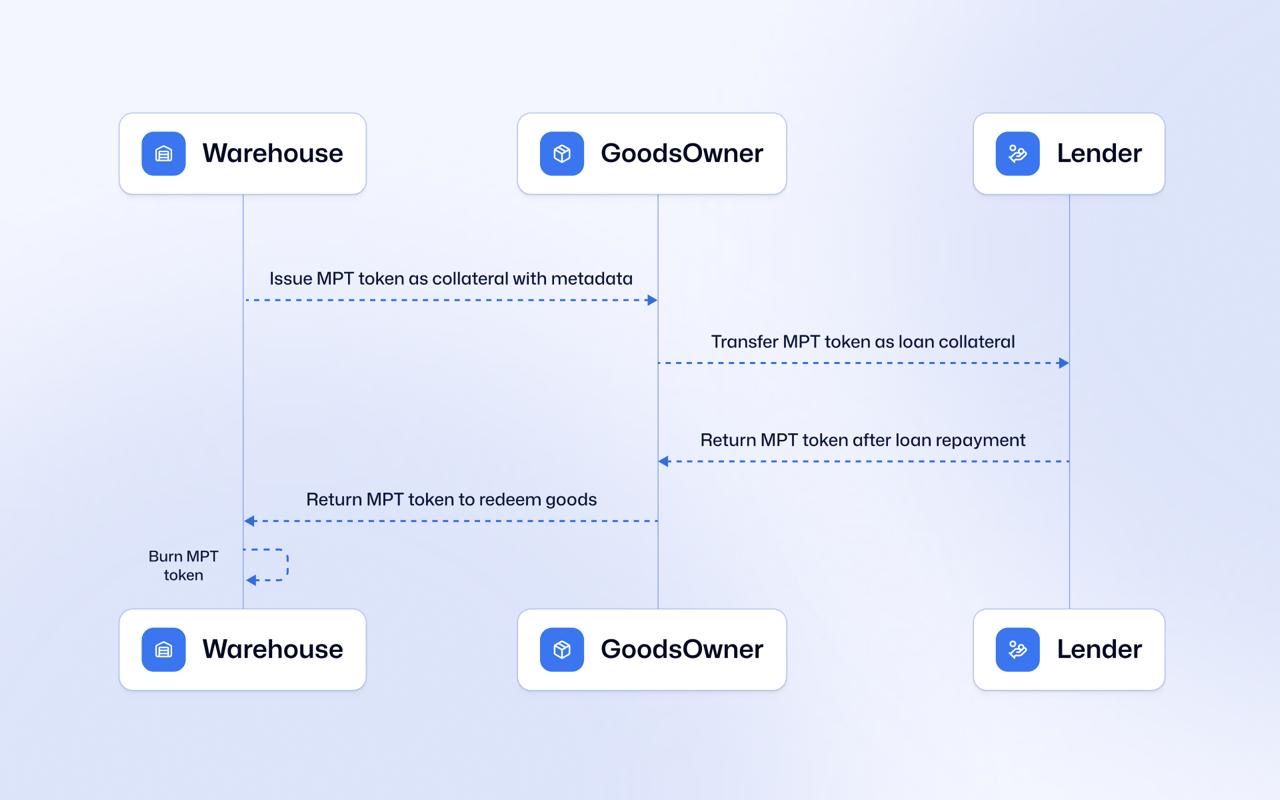
XRP advocates celebrated the launch as validation of XRPL's institutional focus. The multi-year development process, the formal amendment voting, and the immediate availability of compliance features demonstrated that XRPL was evolving specifically to meet enterprise needs. Community members highlighted use cases like FortStock's warehouse receipt tokenization pilot, which uses MPT to represent physical commodities as on-chain collateral, as proof that real institutions were already building on the standard.
XRP 支持者認為今次推出證明咗 XRPL 專注服務機構市場。多年嘅開發、正式修訂程序同即時合規功能,都顯示 XRPL 係專為企業需求而進化。社群成員又特別提到好似 FortStock 嘅倉單上鏈試點,佢哋用 MPT 將實體商品當作鏈上抵押品,證明真係有企業用呢個標準做實事。
The speed of development impressed observers familiar with blockchain governance challenges. From initial proposal to mainnet activation took approximately eighteen months, a relatively fast timeline for introducing major protocol changes. The amendment received strong validator support, passing the required eighty percent threshold and activating on October 1, 2025, without controversy.
對於熟悉區塊鏈治理困難嘅人嚟講,發展速度令人印象深刻。由最初建議到主網啟用大約用咗十八個月,對於大型協議升級嚟講算係好快。呢項修訂同時得到大量驗證人支持,順利通過八成門檻喺 2025年10月1號生效,冇乜爭議。
Ethereum maximalists and DeFi advocates raised concerns about centralization. The clawback and freeze capabilities particularly drew criticism. Commentators noted that giving issuers unilateral power to seize tokens fundamentally contradicts cryptocurrency's goal of creating censorship-resistant money. If issuers can freeze accounts or reverse transactions, tokens become similar to traditional bank accounts rather than bearer instruments.
以太坊「最大主義者」同 DeFi 擁躉擔心集中化問題。特別係 clawback(回收)同 freeze(凍結)功能受到批評。有評論就話,畀發行人單方面沒收代幣嘅權力,根本係違反咗加密貨幣抗審查資產呢個初心。如果發行人可以凍結戶口或者逆轉交易,嗰啲代幣就同傳統銀行戶口無分別,唔再係類似現金咁嘅持有人資產。
This criticism reflects a philosophical divide. To some, blockchain's value proposition is permissionlessness and resistance to arbitrary control. Features that enable issuers to override user control undermine this value. To others, compliance with legal requirements and institutional needs justifies capabilities that would be unacceptable for base-layer cryptocurrencies like Bitcoin or Ether.
呢啲批評反映出本質嘅分歧。有人認為區塊鏈最大價值就係無需許可同防止被隨意操控。畀發行人可以越過用戶自主管理嘅功能,會破壞呢個價值。不過亦有人覺得,要配合法律同機構需求,某啲對主鏈貨幣(例如 Bitcoin 或 Ether)唔可接受嘅功能,其實對於符合法規嘅資產係合理甚至必需。
Bitcoin purists, who often dismiss all other blockchain projects as insufficiently decentralized, used MPT as further evidence that XRP serves institutional interests over user freedom. Critics like Pierre Rochard, VP of Research at Riot Platforms, argue that Ripple's influence over XRPL validator selection and the amendment process means the network cannot provide credible neutrality. If Ripple effectively controls which validators are trusted, they contend, Ripple could push through amendments that serve their business interests rather than users' needs.
比特幣純粹主義者,一向認為其他區塊鏈都唔夠去中心化,而家就攞 MPT 做證據,話 XRP 係為機構服務多過保障用戶自由。好似 Riot Platforms 研究副總裁 Pierre Rochard 咁嘅批評者指出,Ripple 可以主導 XRPL 驗證人選擇同修訂程序,咁就證明呢個網絡冇可靠中立性。如果 Ripple 可以有效控制信任邊個驗證人,就可以推動對公司有利、唔一定合用戶需要嘅協議更改。
Ripple's CTO David Schwartz has repeatedly countered these centralization claims. He notes that XRPL has over 190 active validators, with only 35 in the default Unique Node List. Validators must reach consensus on transactions every three to five seconds, and no single party controls enough validators to unilaterally determine outcomes. The amendment process requires supermajority support for two weeks, preventing any entity from forcing protocol changes.
Ripple 首席技術官 David Schwartz 多次駁斥呢啲集權指控,佢指出 XRPL 而家有超過 190 個活躍驗證人,而只有 35 個係預設嘅唯一節點清單入面。所有驗證人每三至五秒就要對交易達成共識,冇任何單一方可以靠持有夠多驗證人嚟單方面決定結果。協議修訂程序又要求連續兩星期獲得超過八成支持,防止有機構強行更改協議。
The empirical question is whether XRPL's consensus mechanism provides sufficient decentralization for institutional use cases, not whether it matches Bitcoin's decentralization model. Banks and asset managers comparing blockchain options care whether the network is reliable, whether their transactions will process as expected, and whether governance is transparent, not whether it is maximally resistant to nation-state attacks.
事實問題在於 XRPL 嘅共識機制夠唔夠分散,適唔適合機構級應用,而唔係同比特幣去分散對比。銀行同資產管理公司揀區塊鏈方案時,最重視就係網絡有冇信譽、交易能唔能照常處理、治理是否透明,而唔係最抗政府入侵。
Security token professionals and compliance experts responded more positively. Multiple firms noted that MPT could significantly reduce legal and audit costs compared to deploying custom smart contracts on Ethereum. The protocol-level implementation means one security audit of the XRPL code covers all MPT tokens, rather than requiring per-issuer contract audits. For institutions issuing multiple securities, this could mean hundreds of thousands of dollars in cost savings.
而從事證券型代幣同合規領域嘅專業人士就正面好多。有公司指出,對比以太坊需要每次發行都寫智能合約,MPT 只需協議級審計,大大減少法律和審計開支。協議層實現,即係一次檢查 XRPL 原生碼就覆蓋晒全部 MPT 代幣,不需要每個發行人都重新審計合約。如果機構有多個證券發行,節省得幾十萬美金都唔出奇。
The simplicity of MPT deployment also garnered praise. Creating an MPT requires submitting a single transaction with the desired configuration parameters. No Solidity code to write, no contracts to deploy, no gas optimization required. For financial institutions whose developers have limited blockchain experience, this ease of use lowers the barrier to experimentation.
MPT 實施夠簡單,亦獲一致好評。建立一個 MPT 只需交一單包含設定參數嘅交易,唔使寫 Solidity、唔使部署合約、唔使搞 gas 優化。對於開發人員冇乜區塊鏈經驗嘅金融機構嚟講,咁易用就降低咗實驗門檻。
Criticism emerged around MPT's limitations. Developers accustomed to Ethereum's flexibility noted that MPT lacks programmability. Complex securities with conditional logic, dynamic behaviors, or intricate governance cannot be represented purely through MPT's fixed feature set. Use cases requiring those capabilities would still need smart contract solutions, potentially on XRPL's EVM-compatible sidechain or on other platforms.
當然,亦有批評聲音針對 MPT 受限之處。習慣咗以太坊彈性嘅開發者指出,MPT 冇可編程性,啲複雜點、涉及條件邏輯、動態表現同深入治理嘅證券產品,單靠 MPT 固定功能無法實現。遇到需要呢啲功能嘅情況,最終都要靠智能合約,無論係 XRPL EVM 側鏈定其他平台。
The immutability of MPT configurations also drew concern. If an issuer creates a token with specific settings and later discovers they need different capabilities, they must issue a new token and migrate holders. With smart contracts, upgradeable patterns allow changing logic without changing the token contract address. The proposed Dynamic MPT extension would address this, but it remains under development.
MPT 配置一旦確定就唔可更改,呢點亦有批評。如果發行人最初設置錯誤,日後想加功能就淨係得重新發行新代幣,再搬用戶資產。智能合約就有可升級模式,可以唔改代幣合約地址下更改邏輯。而家有個 Dynamic MPT 擴展提案,專門為此設計,不過仲係開發中。
Competitors in the tokenization space acknowledged MPT as a serious offering while defending their own approaches. Ethereum-focused platforms emphasized their established ecosystems, the thousands of developers familiar with Solidity, and the availability of audited contract templates that reduce deployment risk. They argued that protocol ossification is a bug, not a feature - markets evolve quickly, and smart contract flexibility enables keeping pace.
做資產代幣化嘅競爭對手亦認同 MPT 唔簡單,但都堅持自己的優勢。以太坊平台強調佢哋有夠大生態、熟 Solidity 嘅開發者多、已審核過嘅合約範本易搵,可以減低部署風險。佢哋認為如果協議功能固定唔變反而係 bug 唔係優點――市場發展快、智能合約彈性係緊貼潮流嘅關鍵。
Stellar, which competes directly with XRPL in the payment and settlement space, highlighted its own asset tokenization capabilities and questioned whether a separate MPT standard was necessary when trust line tokens already existed on XRPL. The response from Ripple engineers was that trust lines, while powerful, lack the compliance controls that regulated institutions require, making MPT a necessary evolution rather than redundant functionality.
Stellar 呢個同 XRPL 在支付同結算直接競爭嘅項目,就提出佢都有資產代幣化功能,亦質疑 XRPL 已經有 trust line 代幣,點解要整多個 MPT。Ripple 工程師就解釋 trust line 雖然夠強,但欠缺受監管機構要求嘅合規管控,所以 MPT 唔係重覆功能、而係必然嘅演進。
Early adopters provided the most tangible reaction. FortStock's warehouse receipt pilot demonstrated real-world usage. The company is tokenizing inventory held in warehouses across emerging markets, allowing that inventory to serve as collateral for short-term credit. Using MPT, they can embed metadata about the commodity type, storage location, expiration dates, and audit trails directly in the token. The protocol-level transfer restrictions let them ensure only approved creditors receive tokens as collateral.
第一批用戶最實在,實例說明價值。FortStock 嘅倉單上鏈試點證明 MPT 真係落地。他哋會將新興市場倉庫入面嘅存貨代幣化,然後嗰啲存貨就可以當作短期信用抵押品。用 MPT 可以直接將商品種類、存放地點、有效期、審核記錄等資料寫入代幣。協議層級轉賬限制令佢哋可以確保淨係核准嘅債主先拎到呢啲代幣抵押品。
Financial institutions remained cautiously observant. While several banks and asset managers acknowledged exploring XRPL for institutional use cases, most were waiting to see whether liquidity and market infrastructure would develop before committing to production deployments. The chicken-and-egg problem persists: institutions want established ecosystems before committing, but ecosystems develop only when institutions commit.
金融機構仍然抱觀望態度。雖然有幾間銀行同資管公司表示會考慮用 XRPL 去做機構級項目,但多數都等緊流動性同市場生態起飛先至決定真係落場。依然係典型雞同蛋問題:機構要有完備生態先入場,但生態又要等機構入場先壯大。
The market's ultimate judgment will emerge over the next eighteen to twenty-four months as institutions decide whether to launch tokenized securities using MPT, Ethereum-based standards, or alternative platforms like Avalanche or Polygon. Early mover advantages in tokenization go to platforms that attract major issuers, creating network effects that make those platforms the default choice for subsequent issuers.
市場最終點判斷,未來一年半至兩年就會見分曉。屆時機構會選擇用 MPT、以太坊標準,還是 Avalanche、Polygon 等其他平台發行資產代幣。最早吸引大發行人的平台會建立網絡效應,變成之後發行人嘅首選。
Ripple's Institutional DeFi Vision and XRPL 3.0
Ripple 嘅機構級 DeFi 願景同 XRPL 3.0
MPT exists not as a standalone feature but as a foundational component of Ripple's broader institutional DeFi strategy. The September 2025 roadmap announcement positioned MPT alongside several other protocol upgrades designed to make XRPL a comprehensive platform for regulated on-chain finance.
MPT 唔係單一功能,而係 Ripple 更大機構級 DeFi 發展藍圖入面嘅基礎組件。Ripple 2025年9月路線圖公佈,MPT 同多項協議升級並列出現,目標係令 XRPL 變成全面支援受監管鏈上金融嘅平台。
The centerpiece is a native lending protocol, currently under development and scheduled for inclusion in XRPL Version 3.0.0. This protocol would enable pooled lending and borrowing directly at the ledger level without requiring smart contracts.
最重要嘅新功能就係原生借貸協議,依家正係開發階段,預計會內建入 XRPL 3.0.0 版本。這個協議允許用戶直接喺分類帳層面做池化出借同借貸,唔洗智能合約。
The lending design uses "Single-Asset Vaults" that aggregate liquidity from multiple providers. If several institutions want to lend RLUSD, Ripple's upcoming stablecoin, they deposit their RLUSD into a vault. The protocol issues transferable vault shares representing each lender's proportional claim on the pool. Borrowers can request loans from the vault if they provide acceptable collateral, with the protocol enforcing loan-to-value ratios and managing repayment schedules automatically.
借貸設計係用「單資產保管庫」,集合多個提供者嘅流動性。例如幾間機構都想借出即將推出嘅 RLUSD 穩定幣,佢哋就齊齊將 RLUSD 存入池內。協議會發出可轉讓份額,代表各出借人喺流動池持有嘅權益。借款人只要提供足夠抵押品,就可以向 Vault 申請貸款,協議會自動執行清算比率、管理還錢日程。
The connection to MPT is that vault shares themselves could be represented as MPT tokens. If a lending vault issues shares as MPTs with appropriate compliance controls, those shares become tradeable, usable as collateral in other protocols, or redeemable through the vault's automated mechanism. The protocol understands MPT properties like freeze status or transfer restrictions, letting it
呢啲 Vault 份額本身都可以用 MPT 代幣形式發行。如果借貸 Vault 用 MPT 發行份額,又配置好合規控制,份額就可以自由買賣、拎去其他協議做抵押,或者直接通過 Vault 自動化模式兌換返現金。協議會讀得明 MPT 嘅屬性,例如凍結狀態或者轉讓限制,令佢 make safe lending decisions based on collateral quality.
根據抵押品質素作出安全的貸款決策。
This integration enables institutional credit markets at the protocol level. A money market fund represented as an MPT could serve as collateral for short-term loans. A tokenized bond could be borrowed against. Real-world assets held in MPT form could unlock liquidity without requiring centralized intermediaries to warehouse collateral and manage lending operations.
呢個整合令到協議層面可以有機構級信貸市場。一個以MPT表示的貨幣市場基金可以作為短期貸款的抵押品。一隻代幣化債券都可以用作抵押借款。現實世界資產以MPT形式持有,可以釋放流動性,無需中央中介去存放抵押品或者管理貸款操作。
The "MPT DEX" concept extends XRPL's existing decentralized exchange to handle MPT trading. Currently, XRPL's native order book supports trading XRP and trust line tokens. Extending this to MPTs enables secondary market trading of tokenized securities, stablecoins, and real-world assets with the same low fees and high performance that XRPL provides for other assets.
「MPT DEX」概念將XRPL現有的去中心化交易所功能擴展至處理MPT買賣。目前,XRPL原生訂單簿支援XRP及信任線代幣買賣。擴展至MPT後,可以用同樣低成本、高效能買賣代幣化證券、穩定幣及現實世界資產。
The challenge is regulatory compliance. Securities trading must occur on registered exchanges or through broker-dealers in most jurisdictions. A fully permissionless order book where anyone can place orders for security tokens would violate these requirements. The solution involves "permissioned DEX" functionality where issuers can restrict who can place orders for their tokens.
挑戰在於符合法規。證券交易喺大多數司法管轄區都必須經已註冊交易所或者持牌經紀進行。完全無需許可、任何人都可以為證券代幣下單嘅訂單簿會違反相關法規。解決方法係引入「有權限的DEX」功能,讓發行人可以限制邊啲地址先可以為其代幣落單。
If a tokenized bond issuer enables the "Can Trade" flag on their MPT, then only authorized addresses can participate in order book trading. The protocol enforces this restriction, ensuring that even if someone tries to place an order, it will fail unless they are on the issuer's approved list. This lets security tokens trade on decentralized infrastructure while maintaining compliance with trading restrictions.
如果代幣化債券發行人打開咗其MPT嘅「可交易」權限,只有獲授權地址先可以參與訂單簿交易。協議會強制執行限制,即使冇授權嘅人試圖落單都會失敗。咁樣就可以喺去中心化基礎設施上買賣證券代幣,同時又守到交易規管。
The roadmap also includes confidential MPTs, scheduled for early 2026. These would use zero-knowledge proof technology to enable privacy-preserving transfers while maintaining the compliance and audit capabilities that regulators require.
路線圖亦包括計劃喺2026年初推出嘅機密MPT。呢啲會用零知識證明技術嚟保障私隱轉賬,同時保持監管機構要求嘅合規同審計能力。
The concept is to prove facts about transactions without revealing the facts themselves. A confidential MPT transfer could prove that the sender is authorized to hold the token, that the receiver is authorized, that the transfer amount does not exceed the sender's balance, and that all compliance rules are satisfied, all without revealing which accounts participated in the transfer or how many tokens moved.
理念係喺唔洩露實際資料下證明交易屬實。一筆機密MPT轉賬可以證明發送方有權持幣、收方有權接收、金額無超出發送方餘額、同所有合規規則都已滿足,但無需要曝光邊啲賬戶參與咗轉賬或者實際涉及咗幾多代幣。
For institutions, this addresses a critical need. Privacy is not just a preference but a requirement for many financial transactions. A corporation taking out a loan does not want competitors seeing the loan amount on a public ledger. An asset manager purchasing securities for a fund does not want their trading strategy exposed to front-runners. Traditional financial markets provide transaction privacy through opacity - information stays in private databases at centralized intermediaries.
對機構嚟講,呢點好關鍵。私隱唔淨止係偏好,係好多金融交易嘅硬性要求。例如公司貸款唔想俾對手睇到公開帳本上嘅貸款金額;資產管理人喺基金買證券唔會想俾前置交易者拆穿策略。傳統金融市場就透過黑箱操作確保交易私隱——資料只保留喺中央中介嘅內部系統。
Blockchain's transparency creates accountability but eliminates privacy. Confidential MPTs aim to restore privacy while retaining blockchain's advantages: cryptographic auditability, elimination of reconciliation, and reduced intermediary costs. Regulators and auditors could still verify that transactions followed rules and that balances are accurate, but market participants could not surveil each other's activities.
區塊鏈帶來透明度,提升問責,但犧牲晒私隱。機密MPT目標係喺保留區塊鏈優勢(例如密碼驗證、免對帳、減少中介成本)之下還原私隱。監管機構同審計人員可以查核交易有無跟規矩、餘額係咪正確,但市場參與者唔可以監視對方活動。
The technical implementation likely involves proving systems like zkSNARKs or zkSTARKs that generate cryptographic proofs of transaction validity. These proofs can be verified by validators without revealing transaction details. The sender and receiver know what they transacted, regulators with appropriate permissions could view transaction details for oversight, but the general public sees only that valid transactions occurred.
技術上可能會用到zkSNARKs或zkSTARKs等證明系統,產生交易有效性嘅加密證明。驗證者可以唔需要知交易細節都驗證到證明。發送同接收雙方會知發生咩事,監管部門如有授權都可以查得到交易細節,但其他公眾只會見到有有效交易出現。
Zero-knowledge technology remains relatively early and carries performance costs. Proof generation is computationally intensive, potentially adding seconds of latency to transaction processing. Proof size affects blockchain throughput, as larger proofs consume more space in ledgers. These constraints are improving as the technology matures, but confidential transactions will likely remain more expensive and slower than transparent ones for some time.
零知識技術仍然屬於早期階段,仲有性能成本。生成證明計算量好大,可能令交易處理慢咗幾秒。證明數據大小會影響區塊鏈吞吐量,證明越大區塊鏈記錄就越食位。隨著技術成熟,呢啲問題正逐步改善,但機密交易預計一段時間內都會比透明交易成本高、速度慢。
Ripple's adoption strategy acknowledges this reality by making confidentiality optional. Standard MPTs remain fully transparent, suitable for use cases where privacy is unnecessary or where regulation requires transparency. Confidential MPTs opt into privacy features where that privacy is valuable enough to justify additional costs.
Ripple嘅推廣策略接受呢個現實——將私隱功能設計成可選。標準MPT完全透明,適合唔需要私隱或者受法規要求透明嘅場景。機密MPT就可以選擇性啟用私隱功能,喺私隱價值足夠覆蓋額外成本時先用。
The Credentials system, which activated in September 2025, provides an identity layer that MPT and other XRPL features can leverage. Credentials are on-chain attestations about accounts, issued by trusted entities. A credential might attest that an account completed KYC with a specific provider, that the account holder is an accredited investor, or that the account belongs to a regulated financial institution.
2025年9月啟用嘅憑證(Credentials)系統為MPT同XRPL其他功能帶嚟一個身份層。憑證係由可信賴機構發出,證明賬戶某啲資料嘅鏈上聲明。憑證可以證明賬戶經過指定機構KYC、持有人係合資格投資者、或者賬戶屬於受監管金融機構等。
Issuers can reference credentials in their authorization decisions. Rather than maintaining their own lists of approved addresses, an issuer could specify that their MPT requires holders to possess a specific credential. The protocol then checks credential presence during transfers. This decentralizes identity management - multiple credential issuers can provide attestations that many token issuers accept, rather than each token issuer building their own identity infrastructure.
發行人可以用憑證作授權依據。佢哋無需自己管理授權名單,只要指定持有人要有特定憑證,協議會喺轉賬時驗證憑證。咁就實現身份管理去中心化——多個憑證發行人可以出證,多個代幣發行人都可以共同認受,唔需要每個發行人自己砌身份驗證系統。
The Deep Freeze feature, also recently activated, extends issuer control to decentralized exchange activity. A traditional freeze prevents an account from sending tokens through payment transactions. But on XRPL, accounts can also trade frozen tokens by placing offers on the decentralized exchange or providing liquidity to automated market makers. Deep Freeze closes these loopholes by preventing frozen tokens from being involved in any on-ledger activity, even DEX trading.
新啟用嘅「深度凍結」(Deep Freeze)功能將發行人控制範圍擴展至DEX活動。傳統凍結只會阻止帳戶喺支付交易中發送代幣。但喺XRPL上,帳戶可以透過DEX落單或者參與自動做市都處理凍結代幣。深度凍結堵塞埋呢啲漏洞——凍結代幣禁止參與一切賬本相關活動,包括DEX交易。
For compliance purposes, this ensures that freezes are comprehensive. If an account is flagged as suspicious and its token balances are frozen, the account cannot simply trade those tokens for XRP or other assets on the DEX. This level of control matches what regulators expect from traditional financial platforms.
從合規角度,呢個功能確保凍結措施完善。如果賬戶被標記為可疑並凍結資產,佢唔可以簡單喺DEX換走XRP或者其他資產。呢種控制層級一如監管機構對傳統金融平台嘅期望。
The EVM-compatible sidechain, operational since early 2025, provides developers familiar with Ethereum a pathway to build on XRPL infrastructure while using Solidity and standard Ethereum tools. The sidechain connects to XRPL mainnet through a bridge, allowing assets to move between environments.
2025年初運作的EVM兼容側鏈,令熟悉Ethereum嘅開發者都可以用Solidity同標準以太坊工具建設於XRPL基建之上。側鏈透過橋連接XRPL主網,可以互相轉移資產。
This hybrid approach acknowledges that some applications require smart contract flexibility that XRPL's native protocol does not provide. A complex DeFi protocol with novel logic could launch on the sidechain, while leveraging XRPL mainnet for settlement and custody. Tokenized assets on mainnet could be bridged to the sidechain for use in smart contract applications, then brought back to mainnet.
呢種混合模式認同有啲應用的確要智能合約靈活性,而XRPL原生協議未必做到。複雜嘅DeFi協議可以喺側鏈執行,利用XRPL主網嚟做結算同託管。主網嘅代幣化資產可以過橋去側鏈做智能合約應用,再轉返主網。
The architectural vision positions XRPL mainnet as a settlement layer optimized for security, compliance, and efficiency, while sidechains and layer-two solutions provide programmability for applications requiring it. This separation of concerns lets Ripple avoid compromising mainnet's design to accommodate every possible use case.
架構願景係將XRPL主網定位為針對安全、合規同效率優化嘅結算層,而側鏈及Layer2提供靈活編程,以應付需要。分工清晰,避免為遷就所有應用而犧牲主網設計原則。
Competition and Ecosystem Effects in the Tokenization Landscape
MPT arrives in a crowded market where multiple blockchain platforms compete for institutional tokenization business. Understanding how MPT fits into this competitive landscape requires examining what each platform offers and where their strengths lie.
MPT正進入一個多個區塊鏈平台爭奪機構級資產代幣化商機嘅擁擠市場。要了解MPT競爭優勢,必須比較各大平台有咩特色同實力。
Ethereum remains the dominant platform for tokenized securities, with billions of dollars in assets represented through ERC-20, ERC-1400, and ERC-3643 standards. The ecosystem's depth - thousands of developers, extensive tooling, multiple auditing firms familiar with the technology, and institutional-grade infrastructure like Fireblocks and Anchorage - creates powerful network effects. Institutions considering tokenization often default to Ethereum simply because it is where the infrastructure and expertise already exist.
以太坊仍然係代幣化證券嘅主導平台,數十億美元資產用ERC-20、ERC-1400、ERC-3643等標準發行。龐大生態系統——擁有成千上萬開發者、豐富工具、熟悉技術的審計公司、Fireblocks、Anchorage等機構級基建——帶來強大網絡效應。機構考慮資產上鏈時多數就揀以太坊,因為基建同專才都已經齊備。
Layer-two solutions like Polygon and Optimism extend Ethereum's reach by providing lower transaction costs while inheriting Ethereum mainnet's security. A tokenized security could be issued on Polygon as an ERC-3643 token, benefiting from Ethereum's established standards and tooling while paying fraction-of-cent transaction fees. For high-frequency trading or retail-facing applications where Ethereum mainnet gas costs are prohibitive, these layer-twos present compelling alternatives.
Polygon、Optimism等Layer2方案可以降低交易成本,同時保留以太坊主網安全性。喺Polygon以ERC-3643發行代幣證券,可以享受以太坊標準和工具,同時交易費只係幾分一美仙。對於高頻交易或者面向大眾的應用,Ethereum主網gas費太貴,用Layer2就好吸引。
Avalanche positions itself as an institutional blockchain platform with permissioned subnets that can enforce regulatory requirements while connecting to the public Avalanche network for settlement. An institution could launch a private subnet for tokenized securities trading, restricting access to approved participants, while still benefiting from Avalanche's architecture and tooling. Several institutions have explored this model for trade finance and private market securities.
Avalanche主打機構區塊鏈平台角色,有權限子網可以執行法規要求,又可以連接主網進行結算。機構可以起個私人子網做代幣證券買賣,限制參與者,照樣享用Avalanche嘅架構與工具。已有機構研究用呢種模式做貿易融資同私募證券。
Stellar, XRPL's closest competitor in the payment-focused blockchain space, has emphasized simplicity and regulatory friendliness for years. Its asset tokenization model uses native ledger capabilities similar to XRPL's approach, rather than relying on smart contracts. Stellar has particularly strong adoption in emerging market payment corridors and has positioned itself for both stablecoin issuance and remittances.
Stellar係XRPL喺支付區塊鏈領域中最接近嘅對手,多年以來主打簡單同法規友善。其資產代幣化模式用原生分類帳功能(同XRPL類似),唔靠智能合約。Stellar喺新興市場跨境支付渠道特別受歡迎,定位於穩定幣同匯款服務。
Traditional financial infrastructure providers present a different kind of competition. The Digital Asset Modeling Language platform, used by Australian Securities Exchange's upcoming settlement system replacement, keeps tokenization entirely within permissioned networks managed by traditional intermediaries. Canton, which powers post-trade settlement for multiple securities markets, provides blockchain benefits like synchronized state and cryptographic auditability without creating public tokens at all.
傳統金融基礎設施供應商係另一種競爭對手。例如澳洲證券交易所新結算系統用數碼資產建模語言(DAML)平台,全部喺傳統中介管理嘅權限網絡內處理資產代幣化。Canton為多個證券市場提供交收,利用區塊鏈提供同步、密碼驗證等好處,但根本冇發行任何公眾代幣。
These permissioned approaches arguably address institutional needs more directly by avoiding public blockchain
(以下內容不完整,請補充全文以便繼續翻譯)constraints entirely. Institutions can implement tokenization, programmable settlement, and cryptographic auditability without worrying about gas costs, public transparency, or integrating with cryptocurrency ecosystems. The trade-off is that they sacrifice blockchain's core innovation: shared infrastructure that eliminates reconciliation by giving all parties access to a common, verifiable state.
完全無需理會這些限制。機構能夠實現代幣化、可編程結算,以及加密稽核功能,而毋須擔心Gas費用、公開透明度,或與加密貨幣生態系統的整合問題。所犧牲的,是區塊鏈其中一項核心創新:讓所有參與方都能夠接觸到一個共用且可驗證的資料狀態,從而消除對帳問題的共享基礎設施。
MPT's competitive advantage lies primarily in cost efficiency and integration simplicity. Transaction fees orders of magnitude lower than Ethereum enable use cases that are economically impractical elsewhere. Representing thousands of microtransactions, high-frequency trading scenarios, or retail payment tokens becomes viable when each transaction costs fractions of cents rather than dollars.
MPT的競爭優勢,主要在於成本效益及簡單易用的整合。交易費遠低於Ethereum幾個數量級,使得本來在經濟上不可行的用例得以實現。當每筆交易只是數分一仙而非數美元,無論是數以千計小額交易、高頻交易情境,還是零售支付型代幣,全部都變得可行。
The protocol-level implementation reduces technical complexity for institutions. Banks and asset managers can use MPT without learning Solidity, hiring smart contract developers, or conducting extensive security audits of contract code. This lower barrier to entry could accelerate institutional experimentation, particularly among traditional financial institutions whose technical staff lack blockchain expertise.
協議層面的實現,減低機構的技術複雜度。銀行及資產管理人可用MPT,而毋須學習Solidity、聘請智能合約開發人員,或對合約程式碼進行大量安全審查。這個較低的入門門檻,有望加快機構的創新測試步伐,尤其是對那些缺乏區塊鏈專業知識的傳統金融機構來說。
Network effects favor incumbents, which poses MPT's biggest challenge. An institution issuing a tokenized bond on Ethereum can immediately access liquidity through established platforms like OpenEden, Ondo Finance, or Backed Finance. Secondary market makers, custodians, and trading venues understand Ethereum-based securities. Launching on a less established platform means building this infrastructure from scratch or convincing existing providers to add platform support.
網絡效應對現有主導平台有利,這正是MPT最大挑戰之一。機構如果在Ethereum發行代幣化債券,可以即時利用OpenEden、Ondo Finance、Backed Finance等已建立的平台來獲得流動性。二手市場做市商、託管人同交易場所,全部都熟悉Ethereum標準的證券產品。若在一個發展未成熟的平台推出產品,則可能要從零起步建立基礎設施,或者說服現有服務供應方支援新平台。
Ripple's strategy appears to be building this infrastructure themselves where necessary. The upcoming native lending protocol, MPT DEX, and partnerships with stablecoin providers aim to create a vertically integrated stack where institutions can issue, trade, and use tokenized assets entirely within the XRPL ecosystem. If successful, this could bootstrap network effects without depending on third-party infrastructure that might never materialize.
Ripple策略似乎是必要時由自己打造所需基礎建設。即將推出的原生借貸協議、MPT DEX,加上與穩定幣供應商的合作,目標是在XRPL生態圈內建立一站式發行、交易及運用代幣化資產的垂直整合堆疊。若能成功,便可在無需依賴未必會出現的第三方基礎設施情況下,培養出自身的網絡效應。
The regulatory arbitrage potential presents another consideration. If MPT's protocol-level compliance proves more acceptable to regulators than smart contract-based approaches, institutions might prefer it specifically to reduce regulatory risk. A bank considering tokenized deposit receipts might choose MPT because the built-in freeze and clawback capabilities clearly demonstrate regulatory compliance, whereas proving the same properties about a complex smart contract requires extensive legal analysis.
監管套利的潛力,亦是另一項考慮因素。如果MPT協議層面的合規設計較智能合約方案更能獲得監管機構接納,機構或會專門選擇MPT,以降低監管風險。例如銀行在考慮發行代幣化存款收據時,可能因為MPT有內置凍結及回收功能,清楚符合監管要求,而傾向選用MPT。相比下,證明一個複雜智能合約也有同等合規特性則需要大量法律分析。
Cross-chain bridges and interoperability protocols potentially reduce the importance of platform choice. If assets can move freely between blockchains through trustless bridges, institutions could issue on the platform best suited for their compliance needs then bridge to platforms with better liquidity or infrastructure. Projects like LayerZero and Axelar aim to enable this cross-chain future, though trustless bridge security remains an active research area.
跨鏈橋及互通協議可以減低平台選擇的重要性。如果資產真的能夠經無信任橋自由穿梭多鏈,機構便可先在最符合自身合規需求的平台發行,再橋接到流動性或基礎設施更佳的平台。像LayerZero、Axelar等項目正是朝這種跨鏈未來而努力,但要達至完全無信任橋的安全性仍是積極研究方向。
The realistic outcome is likely ecosystem specialization rather than winner-takes-all dominance. Ethereum and its layer-twos will continue serving applications requiring maximum smart contract flexibility and where existing infrastructure integration is critical. XRPL and MPT will attract use cases prioritizing compliance, cost efficiency, and simplicity over programmability. Permissioned platforms will serve institutions that want blockchain benefits without public infrastructure.
實際結果,最可能是各生態圈各有所長,而不是由單一平台壟斷天下。Ethereum同其層二網絡,會持續服務那些最重智能合約靈活性,以及必須與現有基建深度整合的應用。XRPL及MPT則會吸引那些以合規、低成本及簡潔為首要要求,而非可編程性的用例。有許可的平台則為希望享受區塊鏈優勢但不想用公開基建的機構服務。
Different institutions will make different choices based on their specific requirements, risk tolerances, and existing technology relationships. A cryptocurrency-native firm might naturally choose Ethereum because their developers already know Solidity and their infrastructure integrates with Ethereum tooling. A traditional bank exploring tokenization for the first time might prefer MPT's simplicity and lower technical complexity.
不同機構會根據自家需求、風險承受力及現有科技合作夥伴,作出不同選擇。原生加密貨幣公司或會自然選用Ethereum —— 因為其開發者熟悉Solidity,相關基建亦已經連接Ethereum工具;而傳統銀行首次嘗試代幣化時,則或會更加重視MPT的簡單及低技術負擔。
Market momentum will ultimately determine platform success. The first platform to host billions of dollars in actively traded tokenized securities from multiple issuers creates a gravitational pull that attracts additional issuers seeking liquidity and infrastructure that already exists. Whether MPT can achieve this momentum against Ethereum's substantial head start remains the key question for XRPL's institutional ambitions.
最後,市場動力才是平台成敗關鍵。第一個能夠容納多個發行人、總值數十億美元主動交易代幣化證券的平台,會形成資金及基礎設施齊全的引力,進一步吸引更多發行人入場。MPT能否迎頭趕上Ethereum已建立的領先效應,正是XRPL機構野心的關鍵考驗。
Technical Challenges and Implementation Roadblocks
技術挑戰及實施障礙
Despite MPT's thoughtful design, several technical challenges could impede adoption or limit what the standard can achieve.
儘管MPT設計上極為周詳,還是有若干技術挑戰可能阻礙市場採納,或者限制標準本身的可達性。
Validator Upgrade Coordination required for MPT activation highlighted governance challenges that will recur with future amendments. The MPT amendment needed eighty percent of trusted validators to vote for activation over a two-week period. While the amendment successfully activated on schedule, future protocol changes will face similar coordination requirements.
驗證者升級協調 是MPT啟動時顯現出來的治理難題,並且未來修訂時也會持續出現。MPT修訂案需要八成受信任驗證者 在兩星期內同意才會生效。雖然今次能如期生效,未來的協議變更仍會面臨同類協調門檻。
If an amendment proves controversial or validators disagree about technical implementation choices, achieving consensus could take significantly longer. Ethereum experienced this with its transition from proof-of-work to proof-of-stake, where years of discussion and multiple testnet iterations preceded mainnet deployment. XRPL's simpler amendment process might avoid such lengthy delays, but it also provides fewer opportunities for stakeholder input before changes become permanent.
若果某項修訂具爭議性,或者驗證者在技術實現上未能達成一致,共識過程可能大幅拉長。Ethereum從PoW轉PoS時,就是經歷多年討論及多次測試才進入主網。雖然XRPL的修訂機制較簡潔,或可避免這麼長的延遲,但同時也會減少持份者在最終落實前發表意見的機會。
The amendment mechanism's supermajority requirement prevents any single entity from forcing protocol changes, which protects against centralized control. But it also means necessary improvements might be delayed if validator consensus proves difficult to achieve. Balancing agility with decentralized governance remains an ongoing challenge for all blockchain platforms.
修訂機制需要超高共識門檻,防止任何單一主體主導協議更改,以免過度集中化。但這亦意味著若難以達成共識,所需改進可能被拖慢。如何平衡靈活反應及去中心治理,依然是每個區塊鏈平台永遠的考驗。
Privacy and Transparency Tradeoffs become more complex with confidential MPTs. Zero-knowledge proof systems that prove transaction validity without revealing details are powerful but introduce new trust assumptions and technical requirements.
私隱與透明度取捨 在保密型MPT出現後更加複雜。零知識證明系統能在不洩露細節下驗證交易的真確性,雖然功能強大,但卻引入全新信任假設及技術要求。
The proof generation must happen somewhere. If users generate proofs on their own devices, they need sufficient computational power and must trust the proving key material. If a third-party service generates proofs, that service becomes a centralizing point of control and a potential target for coercion. If validators generate proofs collectively through secure multi-party computation, consensus latency increases significantly.
證明的生成必須在某個地方完成。若交由用戶自己裝置產生,他們需要充足運算力,亦要信任有關證明金鑰材料。若由第三方服務產生,該服務就變成了集權控制點,同時也是潛在外界干預的目標。如果由驗證者合作以安全多方運算處理,則共識延遲亦會明顯增加。
Regulatory acceptance of zero-knowledge privacy remains uncertain. Regulators want the ability to audit transactions for compliance, investigate suspicious activity, and enforce legal requirements. Confidential transactions make these tasks harder. While cryptographic protocols exist for selective disclosure - where regulators with proper authorization can view transaction details that remain hidden from the public - implementing these systems without compromising security is technically challenging.
監管當局能否接受零知識私隱仍是未知數。監管機關往往需要有能力對交易進行稽核、追查可疑行為及強制法律要求。加密型的隱私交易令這些工作更加困難。雖則現時已有選擇性披露的密碼協議 —— 讓有權機關看到對公眾隱藏的交易細節 —— 但要在不削弱安全性的情況下落實這些功能,其實極具技術難度。
The balance between privacy and accountability will likely require ongoing negotiation between technology designers, institutions seeking privacy for legitimate business reasons, and regulators ensuring they can fulfill oversight responsibilities.
如何平衡隱私及問責,相信仍需科技設計者、追求業務理由隱私的機構、以及有責監管要求的部門,三方面持續磋商。
Composability with Existing XRPL Features presents integration challenges. MPT must interact correctly with XRPL's decentralized exchange, automated market makers, escrow system, and other protocol features. Each interaction creates potential edge cases that require careful consideration.
同現有XRPL特色的組合性 實質上是整合的難題。MPT需要能夠正確無縫地與XRPL去中心化交易所、自動做市商、託管系統及其他協議特色互動。任何一項互動,都可能產生需要謹慎處理的邊緣個案。
For instance, what happens if someone places an offer to trade MPTs on the DEX but those MPTs get frozen before the offer executes? The protocol must either reject the offer creation, cancel the offer when the freeze occurs, or fail the trade attempt. Each choice has different implications for users and platform integrators.
例如,如果有人在DEX下單賣MPT,但該MPT在交易成交前已被凍結,應該如何處理?協議必須要麼拒絕建立這個報價、要麼當凍結發生時自動取消報價、又或在嘗試成交時令交易失敗。每種處理都有不同用戶和整合方影響。
Escrow functionality with MPTs introduces similar complexity. If tokens are escrowed with a time-based release condition but the issuer claws them back while escrowed, which operation takes precedence? If supply caps are configured, do escrowed tokens count toward circulating supply or not?
MPT代幣的託管(escrow)功能亦有同類複雜度。假如代幣受時間條件託管,但發行人在託管期間行使回收權,最終以邊種指令為準?若設定了供應上限,被託管的部份又算唔算在流通量內?
These edge cases might seem minor but become critical for institutional use. Financial systems depend on predictable, deterministic behavior in all circumstances. Ambiguity or unexpected behavior in corner cases creates operational risk and potential financial losses.
這些細微情況看似渺小,對機構應用卻是關鍵。金融體系高度倚賴所有情景下都可預期、具有確定性的行為。若邊角個案模稜兩可或出現異常,便會產生操作風險甚至造成財務損失。
Thorough specification and testing can address these issues, but the combination of MPT with every other XRPL feature creates a large state space to explore. Bug bounties and testnet deployments help, but production systems inevitably discover edge cases that testing missed.
詳盡規格及測試固然有助解決問題,但MPT與每個XRPL特色疊加,實際產生的「系統狀態空間」極大。漏洞賞金、測試網部署確有幫助,但現實上生產系統總難免發現測試期间漏掉的邊緣狀況。
Interoperability with Other Blockchains matters as the industry moves toward multi-chain ecosystems. An institution might want to issue a tokenized security as an MPT on XRPL but enable trading on Ethereum's deeper liquidity pools, or vice versa. This requires bridge protocols that can safely move MPT tokens between chains while preserving their compliance properties.
與其他區塊鏈互通 越來越重要,隨著行業趨向多鏈生態。一間機構或會希望同時以MPT形式於XRPL發行代幣化證券,然後可在Ethereum更深厚的流動池上交易(抑或相反)。這需要能夠安全傳送MPT代幣跨鏈,並同時保留其合規特色的橋接協議。
Building such bridges is technically complex. The bridge must understand MPT semantics like authorization requirements, freeze status, and clawback capabilities. It must potentially replicate these features on the destination chain, or determine how to represent MPT properties using that chain's token standards.
建立此類橋接極為複雜。橋接協議需認識MPT本身的授權要求、凍結狀態、回收權等語義,又要想辦法複製或映射這些特性於目標鏈,或者用當地的代幣標準代表MPT屬性。
Cross-chain bridges have historically been major security vulnerabilities, with billions of dollars lost to bridge exploits. Adding compliance requirements to bridge designs increases complexity and expands the attack surface. A bridge vulnerability that allows unauthorized addresses to receive MPTs would completely undermine the authorization system's security guarantees.
過往跨鏈橋一直是重大的安全隱患,由此造成的損失以數十億美元計。橋設計上如再加入合規需求,會令複雜度及潛在攻擊面更加大。萬一橋有漏洞,容許未經授權地址接收MPT,等同徹底摧毀MPT授權系統保障。
The alternative is keeping MPTs entirely within XRPL's ecosystem, which limits liquidity and market reach but eliminates cross-chain security
反過來,只在XRPL內部流通MPT,雖然損失了流動性及市場覆蓋面,但起碼可徹底避免跨鏈安全風險。concerns. 這種權衡將影響機構是選擇MPT,還是偏好如Ethereum這類已有成熟代幣化基礎設施的平台。
當採用率提升時,可擴展性限制 會逐步浮現。雖然XRPL每秒可處理超過1,500宗交易,遠高於Ethereum主網現時的吞吐量,但這畢竟都是有限度的。如果MPT的應用大幅加速,交易需求有可能超出其容量上限。
協議現有架構將驗證者的工作負擔分散到所有交易的所有驗證者。當總賬狀態隨著帳戶、MPT及其他對象的增加而增長,驗證者需要儲存及處理越來越多的數據。如果XRPL上託管著成千上萬項MPT發行,以及數以百萬計的持有人,儲存擴展與狀態增長管理就成為重大考慮。
Layer-two方案或側鏈可以將部分活動移離主網,然後定期與主網結算,以應對擴展性限制。但這樣會增加複雜度,並可能削弱MPT吸引力所在的簡易性優勢。如果機構需理解layer-two架構及跨層橋接,MPT原有的易用性大打折扣。
網絡吞吐及狀態增長的限制意味著MPT較大機會用於高價值、低頻率的證券產品,而不是零售支付代幣或極高頻率的交易場景。舉例一隻數千持有人、偶爾成交的企業債券,完全能在協議限額之內運行。但如果是持有人數以百萬、每日頻繁交易的消費者支付代幣,則可能需要完全不同的基礎設施。
個案研究:用MPT vs ERC-1400發行企業債
為了說明MPT和Ethereum-based方案操作上有何不同,這裡舉一個假設情景:某公司向合資格機構投資者發行五年期、一億美元企業債。
Ethereum上的ERC-1400: 發行人或其平台供應商會部署一個自訂ERC-1400智能合約。此合約需實現分割邏輯(能區分不同條款的分層)、文件管理(引用債券說明書及條款),並設置轉讓限制(確保只有合資格投資者才可持有代幣)。
部署流程須撰寫Solidity程式碼,可以從頭開始亦可修改現有模板。合約之後要由知名安全審計公司作審核,以驗證代碼有否正確實現業務邏輯及不含嚴重漏洞。這步常需動用$50,000至$200,000,需時數星期。
部署完成後,發行人需支付部署狀態及鑄造初始代幣的gas費。Ethereum主網部署時的gas消耗視乎擁塞狀況,總成本隨時數千美元。合約位址亦成為債券的永久鏈上標識。
投資者必須預先被列進合約認可的持有人清單。每新增一名合資格地址都要有一宗需付費的交易。假設一開始有一百名買家,發行人便要支付一百宗白名單交易的gas費,總計可能數千美元。
合資格買家之間的轉讓同樣需要gas費。如果某投資人賣出部分債券予另一合資格者,一宗交易gas成本或高達$10-$50,視乎Ethereum擁塞狀況。這種變動成本令某些轉讓在經濟上不可行——小額轉讓時gas費高過本金就不make sense。
發行人需設置分割屬性以應對孖展派息或到期贖回。半年派息例如,要將派息代幣或穩定幣按比例滙給全部持有人。這可用疊代所有持有人地址的個別交易,也可使用批處理合約(但亦要按持有人數量計收gas費)。
到期贖回時,發行人需按比例支付本金(以穩定幣或法幣支持代幣)予持有人,再銷毀該債券token。每位持有人的贖回,同樣要額外支付gas費。
法律結構則需詳細文件說明智能合約如何落實債券條款,如遇漏洞風險由誰承擔,以及投資者可如何驗證合約行為。顧問審查智能合約這步,亦要數萬美元。
XRPL上的MPT: 發行人只需提交一宗MPTCreate交易,填寫債券屬性即可。交易設有最大發行量100,000單位(每單位面值$1,000共一億美元),啟用「Require Auth」限制合資格者持有,「Can Lock」確保符合法規要求,並嵌入包含到期日、息票率及文件雜湊的債券條款元數據。
此交易成本約0.0002 XRP,折合現價約一分錢五十分之一。無需任何智能合約部署、無須Solidity編碼,也無須再為合約邏輯額外找獨立安全審計。合規機制直接由協議實現,而這些機制已在XRPL核心代碼層面通過審計。
投資者授權,只需發送MPTAuthorize交易,其地址就會納入持有人白名單。每宗授權交易費0.0002 XRP。假若有100名合資格買家,總授權成本約$0.02。這些交易3-5秒內完成且達到最終性。
已授權投資者互相轉讓代幣,費用亦為每宗0.0002 XRP,無論金額大小。賣出$100,000及$100債券,都是同一固定極低成本。這種可預期的定額、超低收費令所有轉讓金額都經濟上合理。
派息時發行人按持比例將穩定幣支付予所有債券持有人。這跟Ethereum類似但成本大幅降低。派息予100名持有人,總交易費僅約$0.02 XRP,對比Ethereum動輒數千美元gas發送成本完全不能比。
到期贖回同一道理。發行人發放本金後銷毀MPT。總成本依然低得可忽略,不用承受Ethereum動輒數千美元的gas支出。
法律結構亦因合規機制是協議本身功能、非客製合約邏輯而簡化。法律文件僅需說明MPT的設定屬性,以及XRPL協議如何強制執行。由於一切為標準化協議特性,對「極端情況的行為」的法律不確定性大為減少—協議說明文檔就是最終權威。
對比分析: ERC-1400方法彈性更高。如債券條款異常複雜,智能合約可加插自定邏輯,可設特殊分割結構、複雜派息演算或獨特贖回情形。
MPT方法則提供更低成本及易部署方案。對大部分只需標準合規控管的債券,MPT可省數十萬美元及數周開發、審計時間。日常經營成本更因超低定額交易費而低幾個數量級。
關鍵在於債券屬性是否適合用MPT表達。如功能範圍內,MPT將能提供壓倒性優勢;如需要MPT不能表達的專屬邏輯,便只有Ethereum方案可選,代價就是運營及部署成本高昂。
而現時大多數機構證券,其條款都相當標準化。債券有息票及到期日,股票有定義好的權益、分拆,貨幣市場基金結構亦標準。這些標準主流產品都很自然適用於MPT模型,反映協議級解決方案確可滿足大部份機構級代幣化需要。
更廣泛的行業背景:全球監管推進加速
MPT推出正值全球多地針對數碼資產監管加速明確化。多個法域已落實或接近落實令機構級代幣化合法可行的監管體系。
歐盟《加密資產市場規例》(MiCA),於2024年12月30日全面適用,在所有成員國設下清晰規範。對已代幣化證券,MiCA參照原有金融服務監管視之為金融工具;穩定幣及效用型代幣則設新分類及明確授權要求。
資產掛鉤型代幣及電子貨幣代幣(e-money token)僅限獲授權機構一對一儲備發行。發行人必須發白皮書披露風險及代幣性質,持有人享有按面額兌回權。這樣確保穩定幣項目法律清晰,亦保障消費者。
美國於2025年7月通過GENIUS法案,首次確立聯邦級穩定幣監管體系。法案允許銀行與非銀行機構均可在聯邦監管下發行支付型穩定幣,條件是足額法幣儲備及定期審計。州政府則可為不足十億發行額的穩定幣項目發照,大型項目則由聯邦層把關。
MiCA及GENIUS法案在監管要求高度收斂:兩者均強制全面儲備支持,訂明兌回權...and implement tiered oversight based on issuance size. This transatlantic regulatory alignment makes it feasible for firms to issue compliant stablecoins that operate in both the EU and US markets under similar requirements.
以及根據發行規模實施分級監管。這種跨大西洋的監管一致,令企業能夠在歐盟和美國市場根據類似要求發行合規穩定幣成為可行。
United Kingdom regulators have proposed similar stablecoin frameworks while emphasizing that tokenized securities will be regulated as securities under existing Financial Services and Markets Act authorities. The Financial Conduct Authority's Digital Securities Sandbox provides a controlled environment for experimentation with tokenization while regulators develop appropriate rules.
英國監管機構亦提出類似的穩定幣監管框架,同時強調已代幣化的證券將會根據現行《金融服務及市場法》受作為證券監管。金融行為監管局(FCA)的數碼證券沙盒,為代幣化的實驗提供了一個受控環境,而監管機構則可同時制訂合適的規則。
Singapore's Project Guardian has convened major financial institutions to pilot tokenization use cases and develop regulatory recommendations. The Monetary Authority of Singapore has indicated openness to authorizing tokenized fund structures and digital security trading platforms under adapted versions of existing securities regulation.
新加坡的 Project Guardian 已召集多家主要金融機構,試點代幣化的應用場景及制訂監管建議。新加坡金融管理局已表明願意根據現有證券規例的經調整版本,批出已代幣化基金架構及數碼證券交易平台的牌照。
Hong Kong similarly launched tokenization initiatives, with the Hong Kong Monetary Authority enabling banks to participate in tokenized deposit trials. The Securities and Futures Commission approved the first tokenized securities under existing securities law, demonstrating that tokenization can proceed within current regulatory frameworks if structured appropriately.
香港同樣展開了代幣化先導項目,香港金融管理局讓銀行參與代幣化存款的試驗。證券及期貨事務監察委員會批准了首批根據現有證券法例發行的代幣化證券,反映只要架構適當,代幣化可以在現行法規下推進。
This global regulatory activity creates both opportunities and constraints for platforms like XRPL. The opportunity is that regulatory clarity removes a major barrier to institutional adoption. When firms know what legal requirements apply to tokenized assets, they can confidently launch products. Uncertainty about whether regulators would permit tokenization at all has held back many pilots from becoming production systems.
這些全球性的監管活動為像 XRPL 這類平台帶來機遇同時亦有挑戰。機遇在於監管清晰,有助清除機構採用的主要障礙。當企業清楚了解代幣化資產所需遵守的法律規定,便能有信心推出相關產品。過去,監管機構是否會容許代幣化的未明朗,令很多試驗項目無法轉化為正式的生產系統。
The constraint is that regulation demands specific technical capabilities. If regulations require issuer controls over token transfers, platforms without freeze or clawback capabilities become unsuitable. If regulations mandate redemption mechanisms, platforms must provide ways for issuers to burn tokens and return underlying value. If KYC requirements apply, platforms need identity systems or integration points for off-chain verification.
但挑戰在於,監管會要求具備特定技術能力。例如:如果規定發行人需控制代幣轉讓,沒有凍結或追討(clawback)功能的平台便不合適;若監管要求贖回機制,平台便要容許發行人銷毀代幣並將基礎價值退還;若須 KYC,平台需有身份系統或可與鏈外核實流程銜接。
MPT's design anticipated many of these regulatory requirements. The protocol-level freeze, clawback, authorization, and metadata capabilities directly address concerns that regulators have repeatedly raised in guidance documents. This alignment suggests that XRPL designers studied regulatory frameworks carefully when building MPT.
MPT 的設計已預見到這些監管需求。協議級別的凍結、追討、授權和元數據功能,都直接回應監管機構在各種指引中一再提出的疑慮。這種對應顯示 XRPL 的設計者在建構 MPT 時相當仔細研究過相關規管框架。
Whether this regulatory-friendly design becomes an advantage depends on how comfortable institutions become with blockchain technology. If institutions remain cautious, a platform that clearly demonstrates regulatory compliance might gain adoption more quickly. If institutions embrace permissionless innovation, Ethereum's flexibility and established ecosystem might matter more than explicit compliance features.
這種親監管設計會否成為優勢,則要視乎機構對區塊鏈技術的接受程度。如機構仍然審慎,明顯能證明合規的平台可能更快獲採用;若機構願意接受無許可的創新,Ethereum 的靈活性及成熟生態,可能比明確的合規特徵更加吸引。
The tension between innovation and compliance remains unresolved in blockchain design. Cryptocurrency advocates often view regulation as constraining freedom and undermining blockchain's value proposition. Institutional advocates counter that regulation enables larger-scale adoption by providing legal certainty and protecting investors from fraud.
創新與合規之間的張力,在區塊鏈設計中一直未有定論。加密貨幣擁躉通常認為法規約束自由,削弱區塊鏈原本的價值主張;而機構支持者則指出,監管帶來法律確定性和保障投資者,有助推動更大規模的應用。
MPT clearly targets the institutional perspective. Its feature set is designed for compliance, not for permissionless finance. This positioning will attract some users and repel others, depending on their priorities and beliefs about what blockchain technology should enable.
MPT 明顯針對機構需求,其功能設計以合規為本而非無許可金融。這個定位會因用戶的不同需求和對區塊鏈應該實現什麼的理念,吸引某些用戶,同時令另一些卻步。
Final thoughts
The MPT roadmap extends significantly beyond the initial October 2025 launch. Several major developments could expand the standard's capabilities and adoption over the next two years.
MPT 的發展藍圖遠超 2025 年 10 月的初步推出,未來兩年尚有多項重大計劃,有望擴展這項標準的功能和應用。
Confidential MPTs scheduled for early 2026 represent the most significant technical enhancement. Using zero-knowledge proof technology, confidential MPTs would enable private transfers while maintaining compliance verification. Regulators or auditors with appropriate credentials could verify that transactions followed all rules and that parties were authorized, but the transaction details would remain hidden from public observation.
保密型 MPT 預計於 2026 年初推出,是最重要的技術升級。他們會利用零知識證明技術,讓代幣可以私密轉移同時保留合規驗證。持有合適憑證的監管機構或審計人員能確認交易是否依規授權,但具體細節仍對公眾隱藏。
This capability addresses a critical institutional need. Financial privacy is not just desirable but essential for many use cases. A corporation refinancing debt does not want competitors analyzing their capital structure through public blockchain records. An investment fund accumulating a position does not want to signal its strategy to the market through visible on-chain purchases.
這項功能針對機構至關重要的需求。金融私隱不只可取,對某些應用更是不可或缺。例如:企業進行債務再融資,不想對手可透過公開區塊鏈記錄分析其資本結構;投資基金增持倉位,不希望市場因公開鏈上買入而察覺其策略。
Traditional finance provides privacy through opacity - transactions happen in private databases at centralized intermediaries. Blockchain's transparency provides accountability at the cost of privacy. Confidential transactions aim to restore privacy through cryptography rather than centralized control.
傳統金融以資訊不公開來保障私隱—交易都經由中介機構的私有資料庫完成。區塊鏈則以資訊公開保障問責,但犧牲私隱。保密型交易希望用密碼學而不是集中式控制,重拾私隱。
The implementation challenges are substantial. Zero-knowledge proof systems are computationally intensive. Generating proofs might add latency to transaction processing. The proof verification that validators must perform could impact network throughput. And the cryptographic assumptions underlying proof systems must remain secure - a breakthrough in cryptanalysis that breaks the proof system's security could compromise all confidential transactions.
但實現過程有很多技術難題。零知識證明運算量很大,生成證明會令交易延遲,驗證者核實證明亦可能影響網絡吞吐量;而且密碼系統的安全基礎必須維持,一旦有密碼學突破足以破解證明系統,所有保密交易都有潛在風險。
Despite these challenges, the technology is maturing. Multiple blockchain projects have deployed zero-knowledge proofs in production. Zcash pioneered private transactions. Ethereum developers are incorporating zkSNARKs into layer-two scaling solutions. The Monero network has processed billions of dollars in confidential transactions. The technology works; the question is optimizing it for institutional compliance requirements.
雖然有種種挑戰,相關技術正日趨成熟。不少區塊鏈項目已實際部署零知識證明,Zcash 開創了保密交易,Ethereum 的開發者正將 zkSNARKs 應用於第二層擴容方案,Monero 網絡已處理了數十億美元的保密交易。技術可行,關鍵是如何針對機構的合規需求優化。
Secondary Trading Infrastructure through the MPT DEX could unlock liquidity for tokenized securities. One of the biggest challenges in security token adoption has been the lack of secondary markets. If investors cannot sell their tokens after purchase, illiquidity makes tokenization unattractive compared to traditional securities.
透過 MPT DEX 建立次級交易基礎設施,有機會令代幣化證券的流動性大增。保安型代幣難以普及,最主要障礙之一就是缺乏次級市場。若投資者買入代幣後無法賣出,相比傳統證券的流動性差,代幣化便失去吸引力。
Building compliant secondary trading infrastructure requires solving both technical and regulatory problems. Technically, the order book must enforce compliance checks on every trade. If a token requires authorization, both parties to a trade must be authorized. If a token is frozen, no trades can occur. If transfer fees apply, they must be calculated and burned correctly.
設計合規的次級交易基礎設施,既要解決技術也要解決監管難題。技術層面來說,每宗交易訂單都需強制執行合規檢查:若代幣須授權,雙方必須獲授權;若代幣被凍結,則不得交易;若有轉讓費,亦需準確計算和銷毀。
Regulators in most jurisdictions require securities trading to occur on registered exchanges or through licensed broker-dealers. A fully decentralized order book where anyone can place trades would violate these requirements. The solution involves permissioned trading where only authorized market participants can access the order book for particular securities.
大多數司法管轄區要求證券必須在註冊交易所或持牌經紀下交易。若完全去中心化、人人可下單的訂單簿,便違反規定。解決方法是用有授權的交易模式,只有獲授權的參與者才可進入指定代幣的訂單簿。
XRPL's native DEX provides a technical foundation, but extending it to support permissioned access per asset requires protocol changes. These changes are under development but not yet available. Once deployed, institutions could tokenize securities using MPT and immediately list them for trading on compliant infrastructure native to the protocol.
XRPL 原生 DEX 具備技術基礎,但要支持每個資產授權型接入,需修改協議。這些更改尚在開發中,暫未落實。一旦完成,機構可用 MPT 代幣化證券,並立即於協議層級的合規基礎設施上市交易。
Integration with Traditional Financial Systems remains essential for institutional adoption. No matter how sophisticated blockchain technology becomes, financial institutions need bridges to existing payment systems, custody infrastructure, and reporting frameworks.
與傳統金融系統整合,對機構採用來說依然是關鍵。無論區塊鏈技術多先進,金融機構都必須有連接現行支付、託管及報告系統的橋樑。
RLUSD, Ripple's upcoming stablecoin, provides one such bridge. If RLUSD becomes widely available as an MPT-based stablecoin with full regulatory compliance, it creates a stable-value asset that can denominate securities, serve as collateral, and facilitate settlement entirely on XRPL. Institutions can move dollar-denominated value on-chain without exposure to cryptocurrency volatility.
RLUSD(Ripple 即將推出的穩定幣)便是一個例子。若 RLUSD 以 MPT 穩定幣形式全面合規發行,能作為定值資產計價證券、作抵押品以及結算用途,並可全流程於 XRPL 上進行。機構可以將美元價值上鏈,而無須承受加密貨幣波動的風險。
Custody integration matters for institutional comfort. Major custodians like Anchorage, BitGo, Fireblocks, and traditional banks offering digital asset custody need to support XRPL and MPTs. Without trusted custody solutions, institutions cannot safely hold tokenized assets on-chain. Ripple has announced partnerships with several custody providers, but broad ecosystem support takes time to develop.
託管服務的整合,對機構普及極為重要。主要託管機構如 Anchorage、BitGo、Fireblocks 或傳統銀行的數碼資產託管服務,都須支援 XRPL 與 MPT。沒有受信任的託管方案,機構便無法安全地在區塊鏈持有代幣化資產。Ripple 已宣布與多家託管商合作,但要建立廣泛生態支援尚需時日。
Reporting and tax systems must understand tokenized assets. When an institution holds a tokenized bond represented as an MPT, their accounting systems need to record it correctly, calculate accrued interest, track cost basis for tax reporting, and integrate with portfolio management platforms. Building these integrations across the financial services ecosystem requires years of effort.
會計和稅務系統須支援代幣化資產。當機構持有 MPT 形式的代幣化債券時,會計系統需正確記錄、計算應計利息、追蹤稅務成本基礎及整合投資組合管理平台。這些跨金融生態的整合需要數年時間才能普及。
Standards Evolution and Potential for Cross-Platform Adoption presents a longer-term question. Could MPT become a standard that other blockchains adopt, similar to how ERC-20 spread beyond Ethereum to nearly every EVM-compatible chain?
標準的演進與跨平台潛力則是更長遠的議題。MPT 有可能成為其他區塊鏈都會採納的標準嗎?就像 ERC-20 早已從 Ethereum 擴展到幾乎所有 EVM 兼容鏈。
The architectural differences make this challenging. MPT is tightly integrated with XRPL's consensus protocol and ledger structure. Other blockchains would need to implement similar protocol-level features rather than simply adopting a smart contract interface. This deeper integration makes cross-platform standardization harder to achieve.
架構差異令這個目標具挑戰性。MPT 深度整合於 XRPL 的共識協議和賬本結構。其他區塊鏈如欲採納,除簡單接口外,還需建立協議層級功能。這種深層整合,令跨平台標準化不易實現。
A more likely outcome is convergence on common patterns rather than identical implementations. If MPT proves successful, other platforms might add protocol-level tokenization features with similar capabilities, even if the technical details differ. The broader pattern of embedding compliance controls at the protocol layer rather than in smart contracts could spread, even if the specific implementations remain platform-specific.
較大機會的結果是收斂出共通原則,而非一模一樣的實作。若 MPT 成功,其他平台或會增加協議層代幣化功能,技術細節各異,但總體趨勢是將合規控制嵌入協議層,而非單靠合約;即使每個平台的具體內容有分別,這種趨勢亦有望普及。
International standards bodies could eventually weigh in. The International Organization for Standardization has working groups examining blockchain and distributed ledger technology standards. If institutional tokenization becomes widespread, ISO or similar bodies might develop standards
國際標準組織最終或會介入。國際標準化組織(ISO)現已設有檢視區塊鏈與分布式賬本技術標準的工作組。若機構級代幣化廣泛普及,ISO 或其他類似組織有機會制訂相關標準for tokenized securities that platforms could voluntarily adopt. Such standards would likely focus on functional requirements and interoperability rather than prescribing specific technical implementations.
對於平台可以自願採用的代幣化證券,相關標準很大機會會集中於功能性要求同互通性,而唔會硬性規定具體技術實現。
Competition and Market Evolution will ultimately determine MPT's significance. If major financial institutions launch production tokenized securities using MPT over the next two years, it validates the protocol-level approach and establishes XRPL as a credible institutional platform. If institutions continue defaulting to Ethereum despite MPT's advantages, network effects and ecosystem inertia prove more powerful than technical merits.
競爭同市場演變最終會決定MPT嘅重要性。如果未來兩年有大型金融機構用MPT推出真正嘅代幣化證券,咁就證明協議層方案可行,亦確立咗XRPL作為機構級平台嘅可信地位。如果機構即使MPT有優勢都繼續預設用Ethereum,咁即係網絡效應同生態系統慣性比技術本身更有影響力。
The most likely scenario is diversification. Different institutions will choose different platforms based on their specific needs, risk tolerances, and technical capabilities. A cryptocurrency-native firm building decentralized finance applications will naturally choose Ethereum's programmability. A traditional bank piloting tokenization for the first time might prefer MPT's simplicity and explicit compliance features. Both approaches can succeed in their respective niches.
最有可能出現嘅情境就係多元化。唔同機構會根據自己嘅實際需要、風險承受能力同技術能力揀唔同平台。做開DeFi嘅加密原生公司都會自然揀有高度編程性的Ethereum。而第一次試水代幣化嘅傳統銀行就可能會鍾意MPT簡單又有明確合規功能。兩種方法喺自己專屬範疇都可以成功。
The tokenization market is large enough to support multiple platforms. Trillions of dollars in real-world assets could potentially be tokenized. Current on-chain tokenization represents perhaps one percent of this potential. As the market grows, multiple platforms can achieve scale without any single platform dominating entirely.
代幣化市場夠大,可以同時容納多個平台。現實資產中,有幾萬億美元都有機會被代幣化。而家鏈上代幣化都只係潛力嘅大約百分之一。市場漸大,多個平台都可以做到規模,而唔會被單一平台獨攬。
The key question for XRPL is whether it can capture sufficient institutional mind-share to build self-sustaining network effects. If early MPT adopters achieve success, attract attention, and inspire imitators, momentum builds. If early projects struggle or fail to demonstrate clear advantages over alternatives, the opportunity window closes.
XRPL面對嘅關鍵就係可唔可以搶到夠多機構用戶嘅注意力,建立起可以自給自足嘅網絡效應。如果有早期MPT用家成功,吸引到關注同其他跟風者,聲勢就會越整越大。但如果早期項目表現難以令人信服或者無法突顯優勢,機會之窗會關埋。
Redefining Tokenization Infrastructure
重新定義代幣化基建
The Multi-Purpose Token standard represents a genuine architectural innovation in blockchain token design. By embedding compliance controls, transfer restrictions, and regulatory capabilities directly into the protocol layer, MPT challenges the prevailing assumption that tokenization must be implemented through smart contracts.
MPT多功能代幣標準係區塊鏈代幣設計上真正嘅架構創新。將合規控制、轉帳限制同監管功能直接寫入協議層,MPT推翻咗一向認為代幣化一定要用智能合約實現呢個想法。
For financial institutions exploring blockchain, MPT offers a compelling value proposition. The dramatically lower costs compared to Ethereum - both in issuance complexity and ongoing transaction fees - remove significant barriers to experimentation. The protocol-level implementation eliminates smart contract security risk and audit requirements that have historically consumed hundreds of thousands of dollars per issuance. The explicit compliance controls like authorization, freeze, and clawback provide clear mechanisms for meeting regulatory requirements.
對於想摸索區塊鏈嘅金融機構,MPT有非常有吸引力嘅價值主張。相比Ethereum,不論發行複雜度定日常交易費用都低好多,大大降低咗試錯成本。協議層實現免咗智能合約帶來嘅安全風險同每次發行都要做審計(歷來動輒要花幾十萬美金)。授權、凍結、回收一啲明確合規控制,令符合法規變得有據可依。
These advantages come with trade-offs. MPT sacrifices the flexibility that smart contracts provide. Institutions requiring complex logic, unusual security structures, or innovative financial products may find MPT's fixed feature set constraining. The architecture's simplicity is both its strength and its limitation.
當然,呢啲好處都係要讓步。MPT要犧牲智能合約帶來嘅彈性。需要複雜邏輯、特別安全結構或者新穎金融產品嘅機構,可能會覺得MPT固定功能有局限。佢嘅簡單正正係優點亦都係缺點。
The broader significance lies in reopening debate about where complexity should live in blockchain systems. Ethereum demonstrated that general-purpose computation on blockchains is possible and powerful. Developers can implement nearly any logic they can imagine. But this power comes at costs - gas fees, security risk, integration complexity, and the learning curve of mastering smart contract development.
更深層意義係,再次拎番討論「複雜度應該留喺區塊鏈邊個層面?」。Ethereum證明咗一般計算喺區塊鏈做得到而且勁強勁,開發者幾乎可以實現所有想得到嘅邏輯。但咁做自然有代價:gas費、漏洞風險、集成複雜度同學識智能合約要付出嘅學習成本。
XRPL's approach suggests an alternative. Rather than providing unlimited flexibility, identify the most common institutional needs and implement them as optimized, standardized protocol features. This reduces flexibility but also reduces costs and complexity. Not every use case fits the standardized model, but many do.
XRPL提供咗另一種選擇。唔係無限開放彈性,而係以機構常見需要為主,作優化同標準化協議功能。雖然彈性減咗,但成本同複雜度都下降。唔係每個使用場景都啱,但其實好多都通用。
If MPT succeeds in attracting institutional adoption, it validates protocol-level tokenization as a viable alternative to smart contracts. Other platforms might adopt similar approaches, adding native token capabilities rather than relying on contract-layer implementation. This could fragment the tokenization landscape further as platforms differentiate on which features they provide natively.
如果MPT真係吸引到機構採用,咁就證實協議層代幣化係智能合約以外值得考慮嘅新路徑。其他平台都可能會仿效,加入原生代幣能力,唔再淨係依賴智能合約實現。平台之間互相比較邊啲功能係原生,市場版圖反而會更細分。
If MPT struggles to gain traction despite its technical merits, it demonstrates that network effects and ecosystem momentum matter more than architectural elegance. Ethereum's first-mover advantage, massive developer community, and established infrastructure might prove insurmountable regardless of alternative platforms' theoretical benefits.
如果MPT即使技術有優勢都打唔開市場,咁就證明網絡效應同生態力量比架構優雅更重要。Ethereum先行者優勢、龐大開發者社群同成熟基建隨時令其他平台就算理論再靚都難以超越。
The next eighteen to twenty-four months will determine MPT's trajectory. Institutional pilot projects launching in 2025 and 2026 will either validate the approach and attract more issuers, or fail to demonstrate clear advantages and fade into the long list of promising blockchain features that never achieved adoption.
未來十八至廿四個月會決定MPT點走。2025、2026啲機構試點成唔成功,會決定到方法係咪成事,吸引更多發行人,或者係最後同其他「有前景但無落地」嘅區塊鏈功能一齊慢慢被淡忘。
For the blockchain industry broadly, MPT serves as a reminder that design choices matter. The decision to implement features at the protocol layer versus the application layer, to prioritize standardization versus flexibility, and to optimize for institutional compliance versus permissionless innovation shapes what is possible and who adopts the technology.
對成個區塊鏈行業嚟講,MPT提醒咗大家設計選擇好緊要。究竟功能做喺協議層定應用層、標準化定彈性為主、為機構合規優化定係無許可創新,會影響到技術最終可以做咩同邊啲人會用。
Ultimately, tokenization represents too large an opportunity for any single platform to capture entirely. Traditional finance assets worth hundreds of trillions of dollars could potentially gain efficiency, transparency, and new capabilities through blockchain representation. Multiple approaches will likely coexist, each serving different segments of this enormous market.
最終,代幣化商機大到冇可能畀一個平台食晒。幾百萬億美元嘅傳統金融資產,如果用區塊鏈代表,可以提升效率、透明度,有新能力。多種方案都會並存,各自服務唔同市場板塊。
The Multi-Purpose Token standard carved out a specific niche: protocol-level, compliance-focused tokenization optimized for cost efficiency and simplicity. Whether that niche grows into a major platform or remains a specialized tool depends on execution, timing, institutional receptiveness, and perhaps luck. But the architectural vision MPT embodies - that blockchains can standardize compliance rather than leaving it to thousands of application developers - deserves attention regardless of the specific platform's ultimate success.
MPT標準定位精確:協議層、主打合規、重成本效益同簡單。呢個細分市場會唔會做到大平台定淨係做個專用工具,就要睇執行力、時機、機構接受程度同運氣。但MPT嘅架構願景——「區塊鏈可以標準化合規,不用靠幾千個應用開發者各做各」——值得大家留意,無論個平台最後成唔成功。
In the end, MPT answers a question the blockchain industry has debated for a decade: should specialized capabilities be protocol features or application-layer implementations? XRPL's answer is clear - put compliance in the protocol. Time will reveal whether institutions agree.
最終,MPT回應咗區塊鏈圈討論咗十年嘅問題:專業功能究竟應唔應該落喺協議層定應用層?XRPL俾咗明確答案——合規就係協議層要做。未來就睇各位機構買唔買單。
