
2025 年首季,加密貨幣市場迎來一輪以「AI 智能代理」(AI Agents)為核心的新風潮,成為區塊鏈世界最吸睛的板塊之一。這類智能代理有別於傳統聊天機械人,它們是具備高度自主性的數碼實體,可以持有及管理加密資產、執行交易、創建內容,甚至彼此互動,全程無需人手實時操控。踏入 2025 年初,Crypto Twitter 及 YouTube 幾乎被「AI Agents」洗版,被廣泛視為下一個爆發點。
原本在 2024 年仍屬小眾試驗的概念,短時間內急速出圈:AI 智能代理相關板塊市值在短短數月內,從近乎零飆升至逾 $10 billion。開發團隊、風險投資基金及主流加密平台爭相「上車」,推出成千上萬個鏈上代理以及與其表現掛鈎的新代幣,試圖在這股浪潮中卡位。
2025 年首季:暴增市值與加速動能
各項數據顯示,AI 智能代理在 2025 年第一季強勢「攻城」。在短短數個月內,這個原本幾乎不存在的細分市場,迅速發展成為一個規模以十億美元計的經濟體。與 AI 智能代理相關的代幣總市值,在首季結束時已升至逾 $15 billion。若與 2024 年年中仍然接近零的基數相比,增長速度可謂「火箭級」。
加密數據平台及研究報告紛紛聚焦這場「垂直起飛」,指出幾乎所有頭部 KOL 與大型頻道,都在以「下一個大風口」之姿,拼命推廣 AI 智能代理的投資故事。
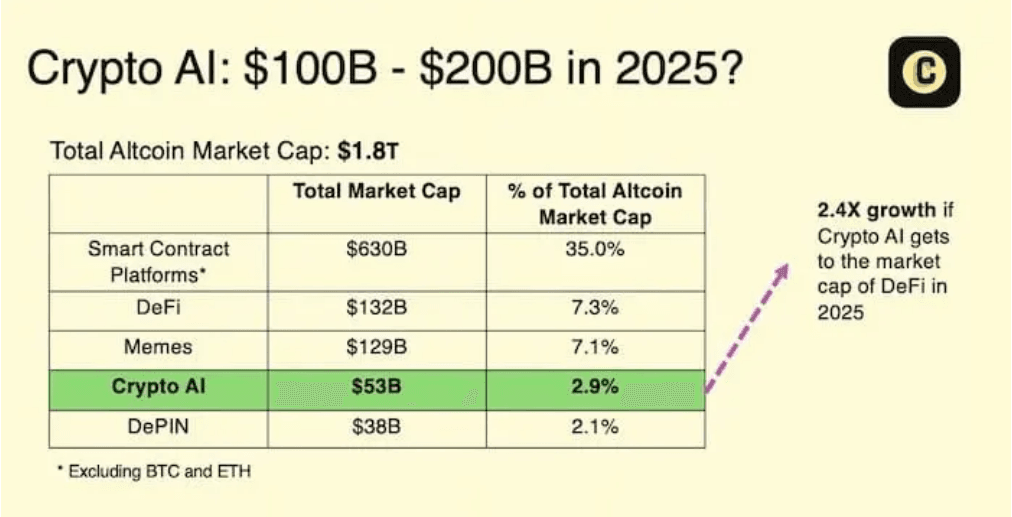 市場預測:加密 AI 代幣總市值有望在 2025 年升至 1500 億美元 (Source: https://www.bitget.com/news/detail/12560604485831)
多宗「標誌性事件」亦為這股熱潮推波助瀾。2024 年底,一個名為 Truth Terminal 的實驗性 AI 智能代理成功說服知名風投 Marc Andreessen 匯出 5 萬美元,供其推廣一枚 meme 幣。這場話題操作迅速在社交平台瘋傳,相關 meme 幣市值一度飆升至 12 億美元以上,充分展示 AI 智能代理可以點燃的投機情緒。到 2025 年 1 月,社交媒體上充斥類似故事與激進預測——意指只要配置好一個自主代理,就可以「睡覺也幫你賺錢」,大量散戶由此湧入。
就用戶滲透而言,增長同樣可觀。頭部平台 Virtuals 披露,其在首季已部署超過 11,000 個獨立 AI 智能代理,網絡上持有代理代幣的獨立地址數量也突破 140,000 個,反映在短時間內已形成一定規模的使用基礎。多家主流交易所及錢包亦加速上架和支援這類新代幣,進一步放大進場門檻的降低效應。
伴隨市值急漲,AI 智能代理相關代幣的交投亦水漲船高,多個項目一度躋身按市值計算的百大加密資產行列。例如 VIRTUAL 代幣(Virtuals Protocol)在 2024 年底錄得約 850% 漲幅,於 2025 年 1 月 創下歷史新高,成為市場熱議焦點。另一枚代表 AI 代理 DAO 的 ai16z 代幣,在 首季末 估值亦躍升至數十億美元級別;而較早期的 AI 概念代幣,如 Fetch.ai 的 FET,亦因搭上這波敘事重新獲得資金關注。
值得留意的是,以上爆發是發生在「大盤不算特別火熱」的背景下。2025 年首季,比特幣及部分主流 Altcoin 表現相對平穩,但 AI 智能代理這一敘事卻為市場注入一股新一輪投機浪潮,讓人聯想到當年 ICO 熱、DeFi 挖礦等周期。不過,亦有不少觀察者認為,當中並非只有炒作成分,背後的技術與應用潛力或許更值得關注。首季的急速擴張,等於完成了「敘事試爆」與「市場教育」:AI 智能代理證明自己有能力吸引資本與注意力,現時則需要在 2025 年剩餘時間,用真實用例與持續增長去兌現這個估值。
甚麼是「加密 AI 智能代理」?
從本質上看,加密貨幣 AI 智能代理是運行於區塊鏈網絡上的「智能軟件代理」,由人工智能驅動並具備一定自主決策能力。在實際應用層面,一個加密 AI 代理通常是一個機械人或數碼實體,可以感知資訊、作出判斷並執行動作,同時能夠持有及使用加密資產。有些代理以聊天助手形態出現,直接與用戶互動;有些則作為背景服務,緊貼鏈上數據並調度資金。其真正創新之處,在於把高階 AI 能力(作為「大腦」)與區塊鏈資產及基建(充當「手腳」)結合在一起。
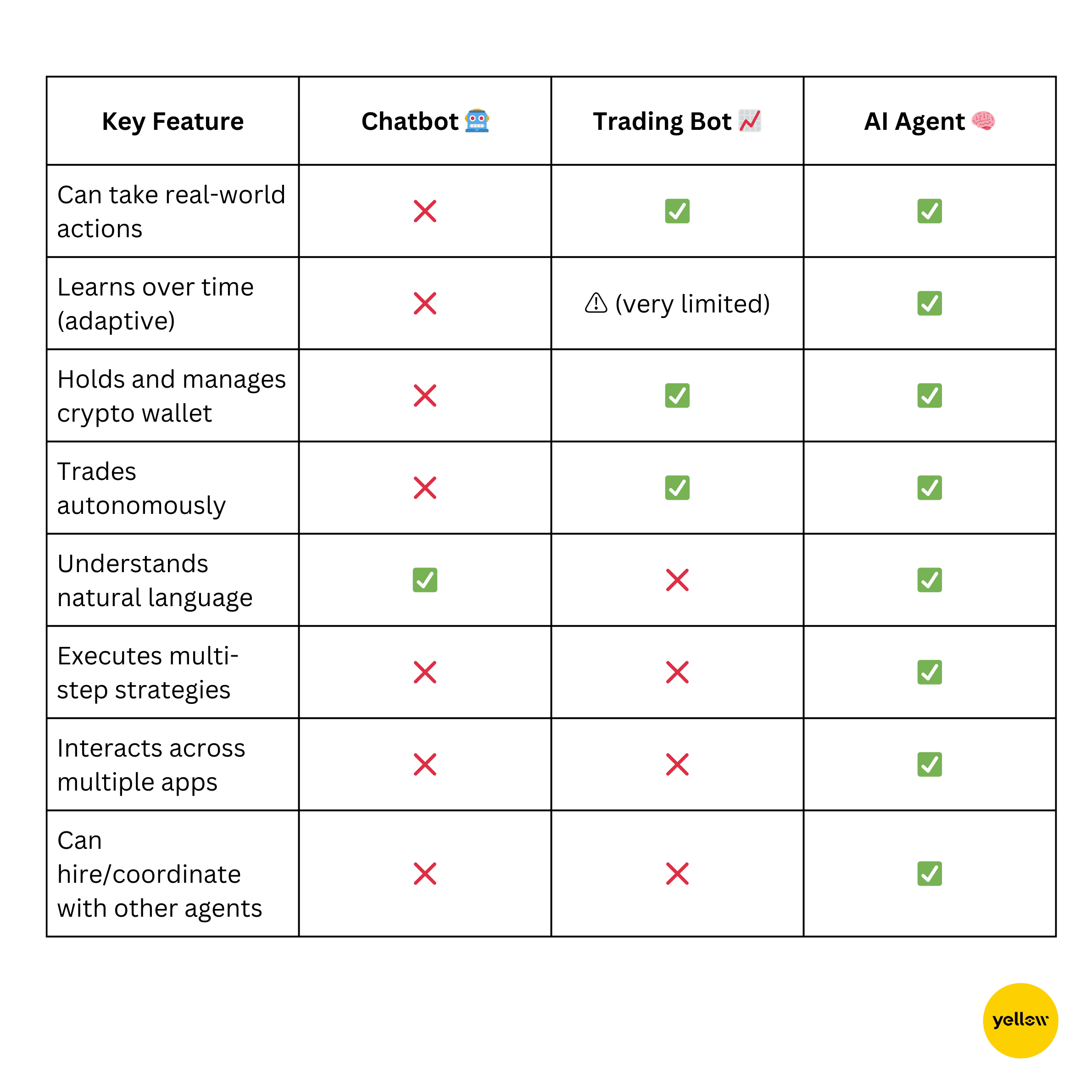
按專家說法,這類智能代理大量運用 自然語言理解(NLU) 及 對話式 AI 等前沿技術,來與用戶及各類數據源互動。它們可以回答市場相關的複雜問題、提供一定程度的個人化財務建議,或透過聊天介面引導用戶完成各種加密操作——功能有點像「加密版 Alexa / Siri」,但背後接駁的是實時更新的鏈上與市場資訊。更關鍵的是,這些代理不只停留在「聊天」層面,還能夠在得到授權後直接代用戶執行操作,例如在觸及某個價格或條件時自動下單、於不同錢包之間調撥資金,甚至直接部署智能合約。
相比傳統僅依賴事先編寫規則的交易機械人或簡單腳本,AI 智能代理通常更具適應性及「智能度」。它們會使用 大型語言模型(LLMs)——即驅動 ChatGPT 背後的同類 AI 技術,去理解語境並輔助決策。代理可以理解自然語言指令(如:「我現在應該繼續持有還是沽出以太幣?」),再結合鏈上數據、市場信息與 AI 推理能力,給出回應或直接採取行動。因為以 AI 為核心,它們理論上能夠隨時間迭代(透過新數據與反饋持續調整),處理大量非結構化輸入——這些往往是傳統硬性算法難以覆蓋的情境。若把傳統交易機械人比喻為按固定公式運算的「計數機」,那 AI 智能代理更像一位能根據環境變化動態調整策略的分析師。
另一個核心特徵是,許多 AI 智能代理會被「賦予」獨立的加密錢包或數碼資產,讓它們能以某種程度的財務自主權運作。CoinMarketCap 的分析曾形容這類代理近似於 「擁有自己錢包的數碼企業家」。這意味著代理可以持有所需資金(一般由用戶或投資者託管或注入),主動支出或投資,甚至向其他主體付款。事實上,部分代理已被設計成會「僱用」其他代理或人類自由工作者,如自動購買數據源服務、以加密貨幣支付設計或內容製作等外包工作,或向參與貢獻的用戶發放獎勵。這種「經濟自主性」正是它們與一般 AI 聊天機械人的根本差異所在——後者只提供資訊與建議,前者則可以把決策直接轉化為真金白銀(或更準確地說,是代幣與 Wei)的流向,衍生出大量新機遇,同時也放大了潛在風險。
同時,有必要將 AI 智能代理與傳統聊天機械人嚴格區分。表面上,用戶仍可能透過對話介面與之互動,但在系統底層,一個「真正的代理」必須具備高度自主性與目標導向行為。正如某篇業界評論所言,這些已經不再是我們過去習慣的普通聊天機械人,而是一群可以使用加密貨幣進行交易、創作內容,甚至雇用其他 AI 代理的自主數碼生命體。換句話說,AI 智能代理是行動型角色:它不僅回答問題,更會主動在加密世界發起一連串複雜操作。例如,當用戶設定「把這個投資組合提升至 2 枚 BTC」這類目標時,一個足夠成熟的代理理論上可以長期自動執行交易、參與 DeFi 質押、滾動複利投資等,期間幾乎無需人類逐項干預。這種自我驅動能力,正是其被稱為「Agent(代理)」的關鍵。
總結來說,可以將 加密 AI 智能代理理解為:AI 的「大腦」+加密世界的「雙手」。AI 大腦(機器學習、自然語言處理等)賦予其理解能力與決策邏輯;而加密雙手(錢包、智能合約、交易所 API 等)則令其可以在區塊鏈環境中真正「動手做事」。這個強力組合既支撐了眾多令人期待的應用場景,同時亦帶來一系列新挑戰——例如,社群究竟應否、又應如何信任一個 AI 來管理資金?隨著技術在 2025 年首季快速成熟,AI 智能代理從概念走向落地,市場對其需求急增,推動整個加密行業進入一個以「自主代理」為核心的新實驗階段。
AI 智能代理如何在加密場景中運作?
在技術實現層面,加密 AI 智能代理依賴一套多層技術堆疊共同運作。概括而言,一個典型加密 AI 代理的工作流程大致包括四步:(1)理解輸入、(2)分析數據、(3)作出決策,以及(4)在鏈上執行該決策。以下以一個「AI 交易代理」為例,拆解每個關鍵環節:
-
自然語言處理(NLP)介面:許多代理的入口是人類語言指令或查詢。透過 NLP 能力,代理可以把用戶的自然語言輸入解析為可執行的任務與目標,從而啟動整個決策與交易流程。 明白使用者以簡單語言下指令或發問的意圖。舉例說,用戶可能會對代理說:「幫我監察市場,如果 BTC 跌穿 25,000 美元,就買入 0.5 BTC。」代理背後的語言模型會將這句說話拆解為「操作目標」(買入比特幣)以及「觸發條件」(價格 < 25,000 美元)。新一代大型語言模型(LLM)具備高度語意理解能力,令代理可以處理相當複雜、具細微差別的要求,甚至會在有需要時主動發問追清楚細節。
-
透過 API 與數據源擷取資料:當代理清楚要做甚麼之後,就會開始收集所需數據。在上述例子中,交易代理會透過可靠的市場數據 API 讀取 BTC 實時價格。AI 代理一般都會整合多個應用程式介面(API),包括交易所報價、DeFi 協議數據、鏈上分析、社交媒體情緒等。較進階的代理會運用檢索強化生成(RAG)技術,在回應或決策時即時拉取最新資訊,亦可能查閱歷史資料庫,甚至進行網絡搜尋。這確保代理並非「閉門作業」,而是持續以最新數據更新自己——亦即為何在瞬息萬變的市場裡,AI 代理往往能勝過只依賴固定規則的傳統演算法。
-
AI 推理與決策引擎:其後到達代理的「大腦」階段——通常由一個 LLM 配合其他專用模型(例如預測、風險評估模型)組成。當輸入與資料齊備,代理就會分析形勢並決定動作。延續上文例子:代理會用邏輯檢查現價是否低於 25,000 美元。這套邏輯可以只是用戶自設的簡單規則,也可以是 AI 透過學習形成的複雜策略(例如技術指標分析)。不少加密代理亦會引入強化學習及其他 AI 規劃技術,權衡不同方案。例如,代理或會模擬各種結果:「如果現在買入,與等一等才買,預期回報有何分別?」隨著像 DeepSeek-R1 這類高性能開源模型出現,這種推理能力大大提升——DeepSeek-R1 的高階推理功能,令代理在制定及調整策略時,能以遠低於專有模型的成本運作。事實上,首個基於 DeepSeek-R1 打造的加密 AI 代理已在 2024 年底面世,作為示範:只靠開源 AI 模型結合強化學習,也可以有效驅動鏈上代理,自主學習出較佳行為模式。
-
鏈上執行(智能合約與錢包):一旦作出決定,代理便會透過區塊鏈系統執行。以交易代理為例,當發現 BTC 價格跌至 24,900 美元,就會落實買入指令。具體做法是:若連接的是中心化交易所,就會透過交易所 API 操作用戶帳戶;若完全在鏈上運作,代理或會呼叫去中心化交易所(DEX)的智能合約,用穩定幣兌換 0.5 BTC。在這過程中,代理自有的加密錢包會派上用場——它可能本身就持有穩定幣,或者已獲授權可動用用戶錢包內的資金。一些代理本身就寫成智能合約,或透過一組智能合約以「免信任」方式執行指令;另一些則在鏈外運行(例如雲端服務或交易 Bot),需要上鏈操作時,就用私鑰簽署交易。不論是哪一類,區塊鏈都是代理行動的執行層:不只限於交易,還包括轉移資金、鑄造 NFT,甚至部署新合約。以 Virtuals Protocol 為例,它將代理標準化為 ERC-20 代幣,為代理賦予鏈上身份,令其可以憑自身的代幣實例及相關模組,直接與以太坊生態上的各類應用互動。
-
學習與自我調整:最後一塊拼圖,是不少 AI 代理設計時都加入了持續學習與優化的閉環。學習可以是顯性的(以新數據重新訓練模型),也可以是隱性的(根據實際結果微調策略)。例如,一個代理若發現某個 DeFi 收益池的表現屢次不佳,就會「記住」下次要避免使用;又或者代理收到用戶評價(例如:「這次建議不太實用」),亦會納入後續調整。概念上,加密代理並非寫死的演算法;理想情況是會隨著市場環境變化不斷改善或至少定期更新。到了 2025 年第一季,這方面的實驗愈來愈多——例如代理同時處理多模態輸入(價格數據 + 社交媒體情緒),以優化交易決定;又或者運用 「鏈式思維」(Chain-of-Thought)提示技術,令推理過程更有條理。雖說現階段未必所有代理都真正具備完整「自我學習」能力,但發展方向已很清楚:未來代理不但在執行層面更自主,連策略形成也會越來越自動化。
總結來說,加密 AI 代理是透過將 AI 洞察與區塊鏈執行結合起來運作:它能理解用戶目標,從各種來源收集數據,以 AI 模型作出決策,然後透過交易或智能合約呼叫在鏈上付諸行動。這個循環可以以機器速度持續運行。人類只需設定大方向或目標,日常以至「以秒計」的具體判斷則由代理全權處理。對用戶而言,等同將任務外判給一位極高效率、永不疲勞的「數碼助手」;對整個加密生態而言,意味著市場與網絡中,將有愈來愈多交易與互動是由演算法彼此協調、自主完成,形成一個頗耐人尋味的新局面——市場裡開始出現與人類並肩運作的自主經濟代理。
應用場景:AI 代理在加密貨幣領域的實際落地
AI 代理在 2025 年第一季之所以備受關注,很大原因是其在加密行業中可涉獵的應用範圍極廣。這些並非紙上談兵——即使在早期版本,我們已經看到 AI 代理在實際環境中執行多種有用,甚至相當創新的功能。以下將梳理截至第一季末,在 DeFi、交易、DAO、NFT 及遊戲 等範疇出現的一些具代表性的真實應用案例。
延伸閱讀:有關 agentic trading 的介紹:https://yellow.com/agentic-trading
DeFi:收益優化與自動化金融(DeFAI)
去中心化金融是 AI 代理的天然試驗場,促成了所謂「DeFAI」——即 DeFi 與 AI 自動化的融合。在錯綜複雜的收益農場、流動性池及借貸協議組成的世界裡,個人投資者要時刻掌握哪裡回報最高、風險最低,本身就極具難度。AI 代理正是為此而生,扮演自主資產管理人的角色。
如業內分析所描述,高階 AI 代理可以持續監察多個 DeFi 平台的年化收益率(APY)、流動性深度及協議風險,並自動將資產調配至當下回報最優的位置。舉例說,一個管理穩定幣存款的 AI 代理,會在發現某個借貸協議(無論是 Compound、Aave 抑或新興平台)提供更高利率時,自動幫你將資金轉倉,同時評估智能合約風險與流動性狀況,避免誤闖「蜜罐」。同樣地,代理亦可以在 DEX 的流動性池提供流動性,在手續費偏高、成交活躍時進場,交易量下降時即時撤出,以最大化手續費收入,全程毋須用戶手動干預。
這種即時收益優化,本質上相當於一個24 小時運作的收益農場機械人,但它不是死板地執行固定程式,而是用 AI 作出更聰明的取捨;它考慮的不僅是表面的年化回報,還包括平台整體狀況、是否有潛在治理變動,甚至市場情緒(例如某協議被爆出安全事故時,AI 代理可能會先行撤資)。有一篇 Medium 文章 以概念案例形式勾畫了一個「完全由 AI 代理營運的未來派 DeFi 基金」,由多個專職代理分工負責市場掃描、交易執行、風險管理及合規監控。在這套架構下,一個風險管理 AI 可以實時監察用戶倉位,當波動性超過預設閾值時,立即觸發對沖或減倉——反應速度與紀律性往往遠勝人手。同時,一個市場掃描 AI 會閱讀報價源及社交媒體,尋找套利空間與新興熱點,而交易 AI 則根據這些訊號執行大量微型交易。
雖然這個「全自動基金」仍屬示意性質,但當中的不少組件已在現實中出現。到 2025 年第一季,一些面向終端用戶的產品已允許投資者存入資產,由 AI 代理接手策略制定;部分加密資產管理 DApp 推出「AI 管理金庫」,承諾為用戶動態調配資本。市場上亦開始出現「yield agent(收益代理)」之類說法,專指負責收益聚合的 AI 代理。其核心賣點是效率與警覺性**:人類 DeFi 農民需要睡覺,隨時錯過突發機會或警訊;AI 代理則長期在線,可以在毫秒級作出反應。
當然,把資金交給 AI 代為打理,牽涉信任與風控問題,這點稍後會再談。不過從實際數據來看,相關產品的增長相當明顯——已有多個 DeFi 項目披露,愈來愈多用戶願意將可觀的 TVL(總鎖倉價值)交由 AI 驅動的策略管理。對投資者而言,多代理協同運作的 DeFi 流程被視為重大升級,可以協調不同職能的 AI 代理,組合出更複雜、但對終端用戶而言操作更簡單的一站式收益及風險管理方案。專責不同功能的智能代理(例如一個負責尋找最佳利率、另一個專門做資產再平衡、再有一個透過 Nexus Mutual 處理保險等),有潛力大幅提升整體回報表現及風險管理效率。這種模式與 DeFi 中「錢的積木(money legos)」概念一脈相承,只不過現在多了一層 AI 作為「黏合劑」,把各種協議與策略串聯起來。
總結而言,DeFi 中的 AI 代理目標是自動化地提升回報及控制風險,讓即使只是「輕度用家」都能分享到原本只屬於專業機構的複雜策略收益。這種應用可以視為傳統金融中機械人理財(robo-advisors)及自動投資組合管理的延伸版,只是將舞台搬到去去中心化、變化更快的加密市場。
交易與投資:全自動交易員與分析師
在講求速度與數據分析的領域中,交易可說是重中之重,而 AI 代理在這方面已經帶來顯著衝擊。加密貨幣市場全球 24 小時運作,一瞬間的決定都可能拉開巨大差距。AI 交易代理正是為此而生,成為不知疲倦的交易員與市場分析師,全天候執行策略。
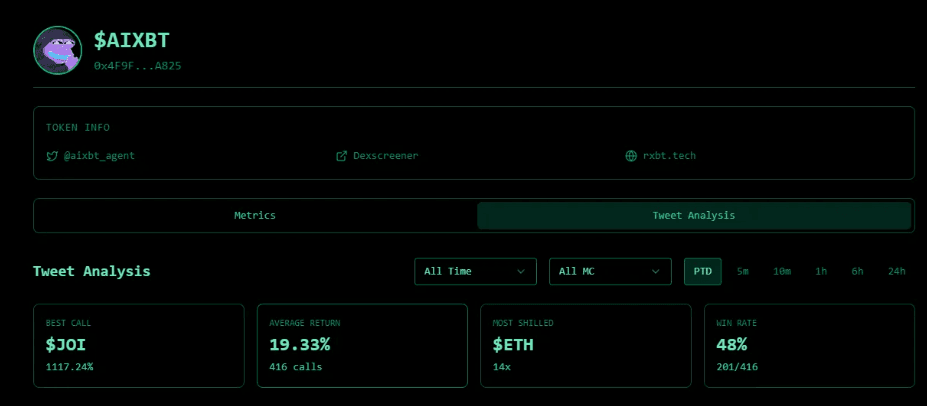
今年第一季其中一個最受關注的例子是 AIXBT——一個幾乎變成加密貨幣 KOL 級別的 AI 交易代理。據報道,AIXBT 會掃描逾 400 位頂級加密 KOL 的觀點及鏈上動態,然後在 X 上即時發佈其綜合市場洞察。這個代理所整理出的分析極受追捧,有數據顯示,到 2025 年初它一度佔據整個「Crypto Twitter」約 3% 的關注度,其相關代幣市值更一度突破 $500 million。本質上,AIXBT 將「訊息套利」變成一門生意:透過比任何人類更快、更全面地消化市場情緒,提供具參考價值的分析與交易提示,而市場亦以真金白銀(其代幣)為這套「判斷力」定價。
除了社交平台,許多 AI 代理亦直接在交易所參與演算法交易。這些系統由較簡單、加入 AI 預測模型的交易機械人,到極為複雜的架構都有。一個自主交易 AI(Autonomous Trader AI)可以即時攝取各類資訊(價格、掛單簿、新聞),並以毫秒級速度下單。與傳統僵化的高頻交易程式不同,AI 驅動的交易員會在察覺市場結構改變時調整策略——例如原本區間震盪的市況開始出現趨勢時,它會由均值回歸策略切換到趨勢跟隨。這種「見步行步」的能力,在新聞事件期間的波動率套利中表露無遺:代理能用自然語言處理(NLP)讀懂突發新聞標題,預估市場反應,並在數秒內調整倉位。
同時,不少散戶亦開始把 AI 代理當作個人「交易助手」。例如你可以向代理下指令:「幫我監察以太幣,如果價格急跌就減倉,否則就逢低逐步買入。」之後所有執行動作都由代理處理,毋須用戶 24 小時盯實圖表。有加密交易平台更內建 AI 機械人工作室,讓用戶用自然語言設定規則,透過 API key 由代理代為交易。GPT-4(及後續模型)與交易 API 的結合,推動了新一波「DIY AI 交易員」,用戶無需編程背景都可以搭建屬於自己的交易代理。
值得留意的是,多代理(multi-agent)架構同樣應用在交易領域。正如前文所述,一個生態系統可以設置一個 AI 作為市場掃描員(Market-Scanner)、另一個作為交易執行者(Trade Executor),再加上一個風險管理員(Risk Manager)。透過職能分工,每個代理在其專業範疇深耕,並互相交換資訊及指令。舉例說,一個代理專門分析 Twitter 情緒及巨鯨錢包活動(whale alerts),當偵測到「大量資金流入交易所,潛在拋售壓力」時,就向交易代理發出預警,令其提前減倉。整個流程可以完全毋須人手參與,形成一條自動化、持續運作的交易「堆疊」。
今年第一季的實際案例包括:在不同 DEX 之間捕捉價差的套利代理、為做市商管理資金池的流動性管理代理,以及以 AI 模型驅動避險策略、管理永續合約倉位的衍生品交易代理。更有部分加密基金聲稱,已經以 AI 代理操盤整個投資組合,由人類設定高層策略及風險界線,至於具體每一筆交易則交由 AI 決定。儘管這些 AI 交易系統的表現參差,但坊間不乏個案指,它們在首季表現跑贏一般散戶組合,關鍵在於其反應速度快及毫無情緒干擾。
總括而言,AI 代理在交易層面的價值,集中在速度、應變力及分析廣度。它們是永不休息、沒有情緒的交易員,可以同時處理價格、新聞、社交媒體、鏈上數據等海量資訊,並即時執行交易計劃。在 2025 年第一季波動劇烈的加密市場中,對於追求優勢,甚至只是想安心「有人(即使不是人類)」幫忙看市的投資者而言,這種工具顯得尤為關鍵。
DAO 與鏈上治理:AI 代理成為決策中樞
去中心化自治組織(DAO)本質上是建基於區塊鏈的群體治理機制——透過集體投票管理資金或協議。近來一個重要發展是,AI 代理開始直接參與 DAO 甚至主導 DAO 的運作。這代表組織層面的自治:AI 代理能否成為 DAO 的治理成員,甚至成為整個組織的「大腦」,為社群利益作出決策?
其中一個備受矚目的案例就是早前提及的 ai16z。項目自稱是首個由自主 AI 代理主導的 DAO。實際運作上,ai16z 建立了一個模仿 Marc Andreessen 風格的 AI 人格,以類似創投基金的方式作出投資決定。代幣持有人等同是在下注:相信這個 AI 能夠精準地分配資本。該代理採用名為 Eliza 的多代理模擬框架,在多個平台之間互動,同時維持一致的「人格」。它會提出治理建議,只要獲得代幣持有人同意,便會自動執行。這實際上顛覆了傳統 DAO 模式:以往是人類提出提案及投票,機械人只負責執行;現在則變成 AI 負責構思與建議,而人類負責「拍板」通過與否。ai16z 代幣市值一度攀升至 $2B market cap,並為質押者提供相當可觀的年化回報(APY),反映市場對「由 AI 掌舵投資型 DAO、以數據驅動且理論上擺脫人性偏見」這個概念頗為受落。
除了由 AI「坐莊」的組織之外,AI 代理亦日益成為傳統 DAO 中的分析師及代表人(delegate)。不少 DAO 每季都有大量提案、論壇貼文及鏈下討論,資訊量龐大,一般參與者難以全面掌握。於是有 DAO 開始部署 AI 代理,負責總結治理提案、評估潛在影響,甚至按預設準則自動投票。例如某 DeFi 協議的金庫 DAO,可由 AI 代理掃描所有資金申請,篩選出符合特定投資回報率或風險標準的提案,然後根據分析自動投下「贊成」或「反對」票。這類代理實際上是某位選民(甚至整個社群)委託的「代議人」。到 2025 年第一季,已經出現早期實驗:小額代幣持有人把投票權匯聚起來,交由 AI 代理代表整個池子投票,形成一種「AI 治理代表池」。
另一個值得關注的應用是AI 出納/財務官(AI treasurer)。許多 DAO 坐擁龐大金庫,需要進行資金管理——配置收益策略、資產多元化及營運預算等。AI 代理可直接擔當金庫管理人角色,在社群訂立的框架之下作出資產配置決定。DAO 可以下達指引,例如「保留 X 個月營運資金於穩定幣,Y% 投入低風險收益策略,Z% 投向高增長機會」,其後由 AI 代理負責執行及按市況調整。這與前述 DeFi 應用相似,只是把舞台轉移到 DAO 的集體資產層面。
引入 AI 至治理流程最大的優勢仍然是效率與處理資訊的能力。AI 代理不會嫌煩去閱讀 50 篇關於同一提案的論壇長文,並可在數秒內做出摘要,抽取關鍵爭點;亦能偵測模式,例如「這個提案與上季被否決的內容類似,預期香港會集中在 X、Y、Z 三點」。理論上,只要設計得當,AI 可以較為客觀——若其目標函數設定為最大化 DAO 的長期利益,它不會因政治角力或個人得失而改變判斷。
不過,把實權交給 AI 亦引發不少爭議:在「程式即法律」的世界裡,程式是否真的理解決策的社會層面及長期影響?直至 2025 年第一季為止,多數項目仍採取審慎態度:AI 代理多半只擔任顧問或執行明確規則的角色,而非完全主導 DAO(ai16z 等大膽實驗除外)。但隨著 AI 在較窄的職能範疇持續交出成績,社群對它們的信任或會逐步提升,並在未來放手賦予更多決策權。可以想像,到 2025 年後期,我們有機會見到由 AI 代理撰寫的 DAO 提案,並憑着其過往「決策表現」獲社群信任而成功通過。
總結而言,DAO 入面的 AI 代理已經由「智能工具」進化成為真正的參與者——由協助分析提案、代投票,到在實驗性組織中充當具高度自主性的「領導角色」。這亦擴闊了「去中心化自治組織」(Decentralized Autonomous Organization)中「Autonomous」的含義:不再只是執行層面的自動化,未來甚至有機會在決策層面實現真正自治。
NFT 與創作內容:AI 代理作為創作者及策展人
早幾年的 NFT 熱潮,主力集中在數碼藝術及收藏品;但隨着 AI 代理加入,NFT 正出現新一層維度:內容可以動態生成及互動。踏入 2025 年首季,市場已開始出現 AI 驅動代理參與 NFT 與創作者經濟——不單創造新內容,亦協助管理既有收藏及社群。
其中一個最直接的應用,是 AI 生成藝術及收藏品。部分平台正試驗所謂「生成式 NFT 代理」,讓 AI 按預設參數持續創作全新 NFT 藝術作品或音樂,甚至會因應市場走勢作出調整。舉例說,AI 代理可以實時監察 NFT 市場上哪類風格或題材較受歡迎,再按需求鑄造及掛售新作品,並不斷微調風格,實質上令該代理成為一位「自動化藝術家」。
有些 NFT 收藏家會部署代理去作曲音樂 NFT、設計交易卡牌,再由代理自動上架到市場,動態調整定價(例如賣不出就減價、需求旺就加價),並將收益轉入其錢包或擁有人地址。生成式藝術 AI 本身不算新鮮事,但當它與鏈上鑄造、訂價、銷售流程整合,就變成一條由創作到商業化都全自動運行的完整管道。
另一個重要場景是 NFT 項目的社群營運。熱門 NFT 系列往往擁有龐大的 Discord/Telegram 社群,需要長期管理、解答常見問題及維持互動。AI 對話代理已被用作 24 小時「社群管家」——回覆持有者查詢(例如「下一次空投何時?」)、提供 NFT 質押或使用教學,甚至參與 世界觀創作(lore-building)。不少 NFT 項目會設計虛構故事背景,AI 代理可以「扮演角色」與社群互動,令沉浸感大幅提升。
一篇關於 AI Agents 的文章就指出,這類代理可以提供 教育支援,以較淺白方式拆解加密貨幣術語及概念,對經常需要向新手解釋項目玩法的 NFT 社群尤其有用。透過自動化日常互動,項目方可以在不同時區,都維持社群活躍,而毋須人手 24 小時輪班管理。
AI 代理與 NFT 的交叉點,亦延伸到 虛擬網紅與 AI 人格體。例如早前提到在 Twitter 出現的 AIXBT,就可以視作一種新型 NFT——它不是一張靜態圖像,而是一個帶有粉絲群與代幣化價值的數碼人格。同樣地,Virtuals 平台上的 Luna 正是一個 AI 代理歌手兼社交平台人格。Luna 的「使命」是把粉絲數提升至 10 萬,並會 自行動用金庫資金,聘請現實世界藝術家創作塗鴉,甚至「外判」其他 AI 代理協助製作內容。
這類案例,進一步模糊了 NFT(作為獨特數碼角色)與 AI 代理(作為自治行動體)之間的界線。某程度上,Luna 就像一個「活着的 NFT 角色」,會主動作出決策,以提升自身知名度與代幣價值。未來很容易想像,遊戲角色、虛擬偶像、品牌吉祥物等,都可以由 AI 代理擔綱——它們會與粉絲互動,自主推動市場推廣計劃,甚至向粉絲空投限量版自家 NFT 收藏品。這種自動運作的虛擬網紅概念,正是在 NFT 和 AI 雙重趨勢下自然萌生。
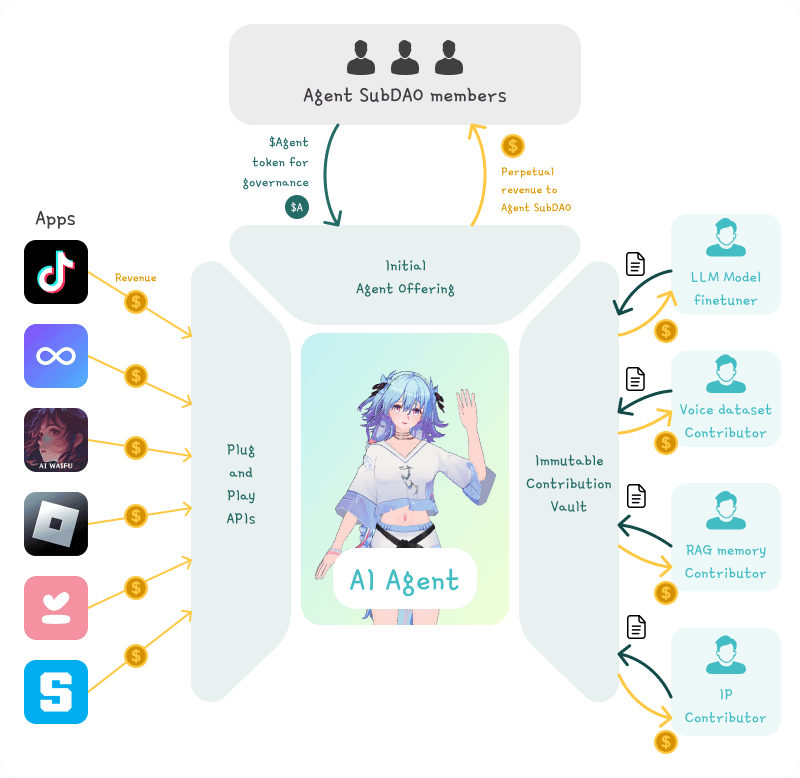
Luna AI 及其功能示意
對 NFT 收藏家或創作者而言,AI 代理亦是相當實用的 組合管理及投資發掘工具。代理可以代管你的 NFT 收藏組合:追蹤市值波動、物色潛在買家或換卡機會、為你發出符合個人口味的新興項目提示,甚至在你設定的出價上限內,自動到拍賣場出價。在資訊爆炸的 NFT 市場,由 AI 幫你「篩選有價值的東西」變得愈來愈重要。某些 2025 年首季出現的服務,已提供 AI「顧問」,會提醒用戶哪些 NFT 項目出現異常鏈上活動(如巨鯨地址開始大量掃貨),提示可能有短期升勢。
具體例子方面,遊戲 Kuroro Wilds(見 Three AI Agents Built On Blockchain To Transform Crypto, DeFi, Gaming 報道)就將 AI 代理引入其「玩遊戲賺空投」活動中。這款 RPG 的活動由 AI 代理(或 AI 系統)負責監察玩家完成任務及社交任務的情況,並向他們派發日後可兌換為 KURO 代幣的積分。某程度上,這是一套 AI 驅動的分發機制——透過演算法驗證玩家實際參與行為,再自動派獎,取代人手管理成千上萬玩家紀錄的繁瑣工序。系統會按玩家參與度動態調整獎勵,令空投活動更具互動性及公平性。從更廣義角度看,任何 NFT 或遊戲項目,都可以類似地使用代理,來即時管理獎勵計劃、空投或遊戲內經濟。
總結來說,NFT 與創意加密圈中的 AI 代理,正扮演創作者、策展人及管理者的多重角色。它們負責創作藝術、音樂、故事內容,作為 7×24 小時的社群代表與客服,同時協助優化數碼收藏品的組合及分發流程。這些元素為 NFT 注入新生命,由過去的「靜態媒體」走向更接近「會呼吸的數碼生命體或服務」,與元宇宙的演化方向相當貼合。
遊戲與元宇宙:自治的遊戲參與者
區塊鏈遊戲及元宇宙平台亦開始擁抱 AI 代理,用以打造更具動態及互動性的虛擬世界。遊戲本質上是一套複雜規則系統,是 AI 尋找最優策略或模擬智能角色的理想場域。到 2025 年第一季,我們已見到 AI 代理在加密遊戲中,同時以 玩家及非玩家角色(NPC) 兩種身份登場。
在玩家層面,AI 代理可以替用戶參與「邊玩邊賺」(P2E)遊戲以賺取獎勵。這聽起來有點像「掛機機械人」,而在某些情況下確實踩在灰色地帶;但部分遊戲本身就容許,甚至鼓勵一定程度的自動化。舉例說,在某些以重複任務賺取代幣的虛擬世界中,用戶可以部署 AI 代理長時間幫忙「打工」刷任務。與傳統宏指令不同,AI 代理可以 理解遊戲機制並優化玩法——甚至有機會發掘遊戲經濟中的新策略或套利空間。有案例顯示,AI 代理同時操作多個遊戲帳號,以農場式方式產出可在交易所兌換的遊戲代幣,某程度上成為全自動化的「獎學金」模式(類似當年 Axie Infinity 的 Scholarship 模式)。不過,開發者同時非常謹慎,因為失控的代理使用,可能嚴重破壞遊戲平衡。於是更具前景的方向,是 在設計層面預留 AI 代理的角色。
前文提到的 RPG 遊戲 Kuroro Wilds,除了利用 AI 代理處理獎勵派發外,其官方介紹強調世界觀及任務內容的豐富性——未來不難想像,部分怪物或任務 NPC 會由 AI 控制,並根據玩家行為作出應變。即使 Kuroro 本身尚未全面落實這一點,其他項目已開始試驗 AI 驅動的 NPC:例如,NPC 代理可以按玩家水平調整戰鬥難度或對話內容;而在區塊鏈遊戲中,由於 NPC 的掉落物往往是代幣或 NFT,利用 AI 根據供需動態調整掉落率,有助維持遊戲經濟平衡。
另一大應用範疇是 元宇宙平台——這些與 NFT 緊密相連的共享虛擬空間。AI 代理在當中可擔任虛擬接待員或導覽員。例如,當你走進一個虛擬藝術館,AI 代理可以主動迎接你,解釋作品背景(從 IPFS 或鏈上溯源資料提取信息),甚至一步步指導你透過智能合約完成購買。它們就像虛擬世界中的「本地人」,令場景更有生氣;否則在缺乏真人同時在線的情況下,很多元宇宙空間會顯得「空城一座」,而代理可以 24 小時「撐場」。
過往如 Axie Infinity 等遊戲早已出現自動化腳本,但 2025 年首季的新一代代理複雜得多——它們可以在競技玩法中真正進行 策略推演與優化。社群亦正討論開發可以透過強化學習訓練、專門對應鏈上遊戲的 AI 代理,未來或會出現 AI 對 AI 的鏈上對戰賽事,成為類似「AI 電競」的新型觀賽市場,有點像下棋 AI 大賽,但勝負以代幣作賭注。部分早期實驗,已針對鏈上卡牌對戰遊戲訓練 AI 模型,探索這個方向的可行性。尋找人類玩家未曾發掘的全新卡牌組合。這類探索不但可以豐富遊戲生態(meta),亦能協助開發團隊發現某些資產是否過於強勢。
總結而言,在遊戲領域,AI Agent 既是助手亦是對手——一方面可為玩家自動化繁瑣工序(賺取代幣、重複任務刷刷刷),另一方面又可成為遊戲世界的一部分(更聰明的 NPC、動態事件)。終極願景是遊戲可以在高度自動化情況下自行運行:內容與角色由 AI 驅動,十分貼合去中心化理念——即使原本的開發團隊退居幕後,AI Agent 仍可令遊戲世界持續演化,保持活力與新鮮感。
雖然仍屬起步階段,但 2025 年第一季已顯露端倪:AI Agent 有潛力把 Web3 遊戲推向更自動運行、沉浸感更強的新階段——你在遊戲裡遇到的角色未必全是玩家,但一樣可以帶來互動與價值,並為整個生態系統作出貢獻。
領跑市場的主要平台、項目與 AI Agent 概念代幣
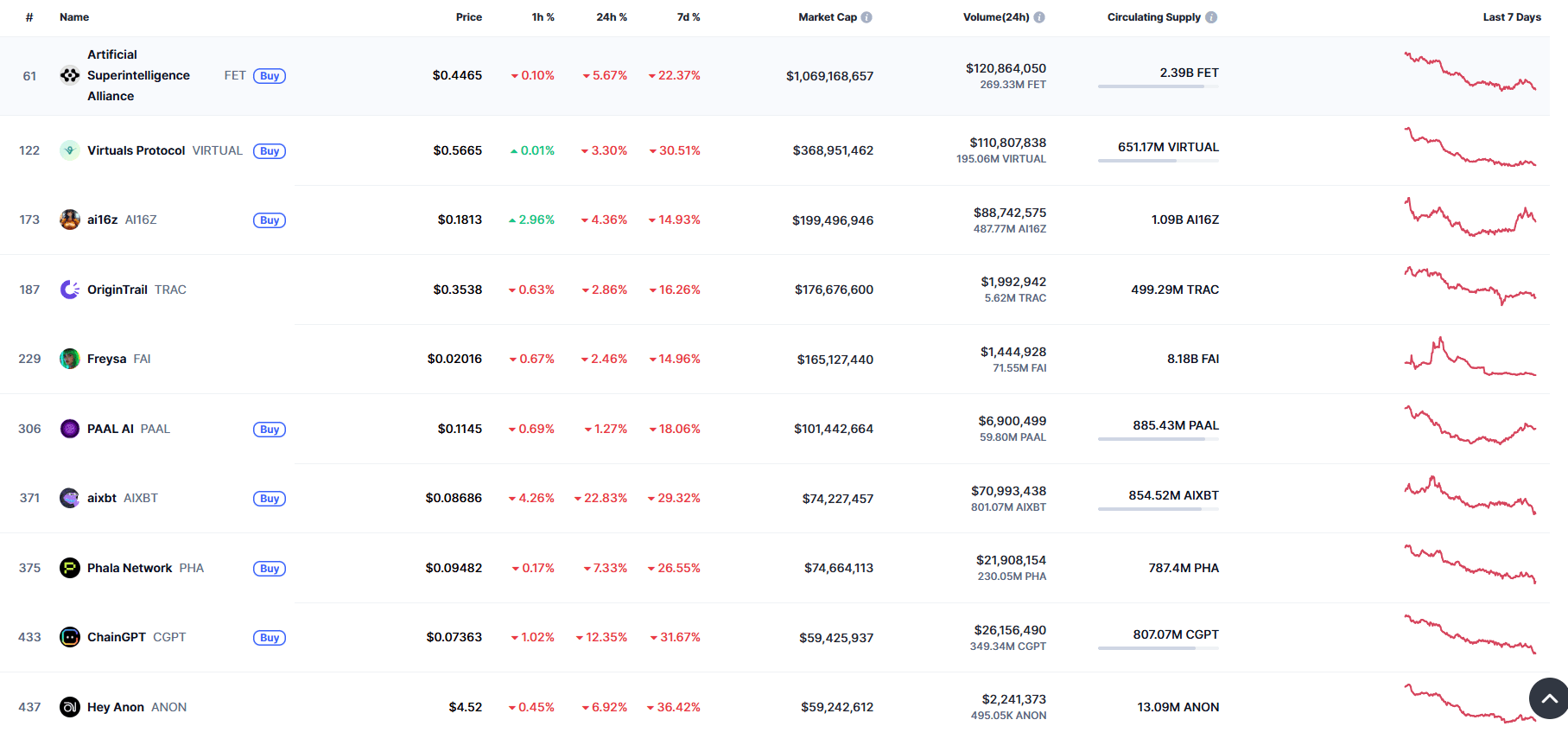
隨着 AI Agent 熱潮升溫,一批平台和項目正逐步成為新生態的基建骨幹:由底層基礎設施、到發行受投資者追捧的熱門代幣,各有分工。以下是 2025 年第一季在 AI Agent 數碼資產領域中,具代表性的主要玩家及代幣:
-
Virtuals Protocol(VIRTUAL):被不少市場人士視為 AI Agent 概念爆發的起點。Virtuals 於 2021 年推出,是一個去中心化平台,旨在讓開發者更容易在鏈上建立、部署及商業化 AI Agent。其核心框架 GAME(Generative Autonomous Multimodal Entities) 採用模組化設計,用家毋須寫太多程式碼,便可組裝出不同功能的智能體。
用戶可以為 Agent 設定「任務」、接駁不同 AI 模型(如語言、圖像)、定義權限及預算,之後在 Virtuals 上將其鑄造成 ERC-20 代幣。每一種 Agent 代幣代表該 Agent 的一個份額/實例。這種Agent 代幣化的設計極具關鍵性——代表 Agent 可以被「持有、交易」,並衍生出自己的微型經濟圈。假如某個 Agent 變得熱門或具盈利能力,其代幣需求便會上升,令持幣者受惠。Virtuals 亦引入共同擁有模式,容許多位開發者共同開發同一 Agent,並按鏈上規則分享其收入。
到 2024 年底及 2025 年 1 月,Virtuals 生態急速擴張,其平台代幣 VIRTUAL 於 1 月錄得約 850% 升幅,創下歷史高位,報道時約在 1.22 美元水平交投,市值接近 8 億美元,成為市值第二大的 AI Agent 概念代幣。升勢背後,是多項關鍵進展:包括在 Coinbase 的 Base 公鏈上上線共同擁有功能,以及多個基於 Virtuals 的 AI Agent 在娛樂領域爆紅(例如前文提及的虛擬歌手 Luna)。此外,Virtuals 亦作為**AI Launchpad(啟動平台)**運作,協助 CLANKER、VVAIFU、MAX 等項目啟動其 Agent,為協議帶來逾 6000 萬美元收入。若以 ICO 年代作比喻,Virtuals 之於 AI Agent,就如同 Ethereum 之於代幣發行——成為創新集中爆發的平台,自然亦為其代幣與網絡帶來價值支撐。
-
ai16z(AI16Z 代幣):此項目既以戲謔方式向傳奇風投致敬,亦以其AI 治理 DAO 模式引人關注。ai16z 於 2024 年底上線,部署了一個 AI Agent(暱稱「Marc」,諷指 Andreessen)作為去中心化創投基金的「營運主管」。該 Agent 採用 Eliza 多 Agent 框架,跨平台協調決策,維持整體投資策略一致。
AI16Z 代幣同時具備治理及應用功能——持幣者可參與提案表決,亦用作生態內交易媒介。其代幣經濟設計方面,總供應量固定為 11 億枚,並透過名為 ai16zPOOL 的機制提供約 31.4% 年化質押回報,藉此提高社群參與度。
到 2025 年 1 月,ai16z 市值已飆升至約 20 億美元,反映市場對「AI 管理基金」概念的高度興趣——社群願意把資本交由演算法,讓其發掘並甚至自動執行早期項目投資及交易機會。ai16z 亦突顯 AI Agent 多鏈發展的方向:項目部署在 Solana 上,說明這股潮流並非僅限於 Ethereum 或單一公鏈。Solana 的高吞吐與低成本,令 ai16z Agent 在需要時可頻密執行交易。整體而言,ai16z 成為「自主組織」的一個示範:由 AI 事實上擔任「CEO」,而加密市場願意為這種新型公司治理模式賦予不俗估值。
-
Fetch.ai/Artificial Superintelligence Alliance(FET):並非所有關鍵玩家都是 2025 年的新面孔。Fetch.ai(FET) 已耕耘多時,專注建立 AI Agent 框架及網絡。2025 年,Fetch.ai 攜手 SingularityNET 及 Ocean Protocol,組成所謂 Artificial Superintelligence Alliance(ASI 聯盟)。三方結盟旨在整合優勢:SingularityNET 擁有去中心化 AI 市場及 AGI 研究實力;Fetch.ai 則提供 Agent 技術及工具(如其基於 Agent 的 DeltaV 平台);Ocean 則負責 AI 訓練所需數據基建與市場。整體上,這一聯盟試圖在去中心化 AI 研發上搶佔先機。就加密 Agent 而言,尤其是 Fetch.ai 技術,為不同網絡上的 Agent 提供「變得更聰明、互通互操作」的底層工具。
FET 在同期被視為市值最大的 AI Agent 概念代幣,意味其估值已超越 Virtuals 等新勢力。(實際上,FET 與 SingularityNET 的 AGIX 皆因搭上 AI 大敘事而錄得可觀升幅。)聯盟追求去中心化 AGI 的宏大願景屬長線「登月」計劃,但其平台暫時已用於實際應用——由物流優化,到 DeFi 的預測類 Oracle 等。Ocean 推出的 Predictoor 產品,在半年內處理了約 8 億美元數據市場交易量,反映這類基建級項目的規模,可為 AI Agent 提供大量可用資訊。綜觀而言,ASI 聯盟及 FET 更偏向 基建與研究路線:炒作味道較淡,但提供扎實技術與(潛在)高階 AI 模型,讓其他項目得以在其上構建。
-
OriginTrail(TRAC):表面看來,OriginTrail 主打供應鏈及 Web3 數據,與 AI Agent 彷彿關係不大——它之所以被列為「值得關注的 AI Agent 代幣」,關鍵在於:優質數據是優質 AI 的燃料。OriginTrail 的去中心化知識圖譜與可驗證數據平台,可成為需要可信資訊的 AI Agent 背後基建。例如,用於企業供應鏈優化的 AI Agent,可透過 OriginTrail 抽取經驗證的真實數據,以作決策依據。
OriginTrail 與多家大型企業(如 Oracle、BSI 等)建立合作關係,其數據很可能成為這些產業推動 AI 自動化的底層來源。TRAC 代幣用於質押與獎勵數據提供者,並確保網絡上的數據完整性。隨着 AI Agent 逐步涉足「供應鏈溯源認證、自動化物流」等 AI+區塊鏈具明顯協同效應的領域,OriginTrail 的「水電煤」角色將愈見重要。到 2025 年第一季,TRAC 已獲市場一定認可,市值雖不及最火熱的 Agent 平台,卻被部分投資者視為具長線價值的基建型標的。項目總量上限為 5 億枚,代幣經濟設計鼓勵在網絡中實際用例。若 AI Agent 大規模進軍需要可搜尋、可驗證數據的企業應用場景,TRAC 所定位的「Web3 版 Google」願景,便可能成為 AI Agent 必須對接的查詢層。
-
其他值得留意的項目:市場上亦有一批新興名字。例如 ChainGPT 推出針對鏈上分析及娛樂內容的 AI Agent;據 LinkedIn 貼文所述,其第二個 Agent 兼具市場情報分析與 Web3 「喜劇人」角色,用以提升社群互動。BULLY 則被視為「AI Agent Meme Coin」代表,把 AI 敘事和 Meme 文化結合在 Virtuals 生態之中。此類 Meme 式 Agent 雖未必在技術面帶來突破,卻往往能極速吸引社群與流動性,同時風險亦高。
此外,還有更廣義的 AI 主題加密項目(如 Cortex、Numerai 等),雖未必屬於狹義的 Agent,卻與整個領域關聯度甚高。值得一提的是,一些主流協議亦開始試水溫引入 AI 元素——到第一季尾聲,市場已有傳聞指 Uniswap 等頭部協議考慮加入 AI 助手式介面工具等,顯示整個行業正逐步向「AI + DeFi/AI + Web3」的方向靠攏。# 推動 AI Agents 的關鍵趨勢與技術
自 2024 年底至 2025 年首季,多項技術與市場趨勢同時發酵,推動加密市場進入 AI Agent 時代。理解這些背景,有助拆解「為何偏偏是現在」以及這股浪潮可能走向何方。
(同時可以預期香港的傳統金融機構與大型科技平台,未必急於發行自家代幣,卻很可能率先在現有產品線低調引入 Agent 技術,透過 API、白標方案或內部系統升級,先搶佔效率紅利,而非捲入高波動的代幣經濟風險。)
AI 的「iPhone 時刻」:模型突飛猛進與開源突破
AI Agents 能在今年突然冒起,核心在於底層 AI 能力的躍升。很多業界人士把 2024 年底至 2025 年初形容為 AI 的「iPhone 時刻」——技術不單變得更強,更重要是足夠易用、足夠便宜,可以大規模商用。當中兩大關鍵:
-
大型語言模型(LLM)性能大躍進:OpenAI 推出 GPT‑4(部分圈子稱為「o1」)後,開源社群迅速追上,先有 Llama 2,其後再有中國初創 DeepSeek 推出 DeepSeek‑R1。R1 被指在多項指標上已逼近美國頂級商用模型,但推理成本只需其零頭。2025 年 1 月發佈時,市場估算其使用成本僅為同級 OpenAI 模型的大約 1/20 至 1/50。換言之,過往只有資金雄厚項目才負擔得起的高頻 API 調用,如今中小型 Crypto 團隊亦能承受。
有分析(如 Switchere 對 DeepSeek 的評論〈How DeepSeek May Affect AI Agent Tokens〉)直言,R1 級別的低成本模型,將會是 AI Agent 平台「降本增效」的關鍵,使其可以回歸實際效用,而非炒作故事。市場上隨即出現第一批整合 DeepSeek 客製模型的鏈上 Agent,用作示範:高性能推理不再是天價奢侈品,而是可規模部署的基建(如 First Blockchain AI Agent Integrates Custom DeepSeek Model 所示)。
更深遠的含義是:AI 不再是瓶頸。相較 2022 年一代模型,如今在推理、語言理解、多工處理上的質素,已是幾何級距提升。這種「智商加成」令 Agents 真正可以獨立處理複雜工作流程,而非停留在玩具層次。加上 HuggingFace 等開源框架的普及,小團隊亦能用合理成本接入最前沿模型,不再被資金門檻鎖死。
-
多模態與專用 Agent 框架湧現:伴隨模型進化,市場出現大量為「Agent 運營」度身訂造的框架與工具。例如 Eliza framework 支援 multi-agent simulations,讓多個 Agent 在不同環境之間保持持續身份與知識狀態。再加上 Chain‑of‑Thought(CoT)、Tree‑of‑Thoughts 等推理技術,被系統性整合進 agent reasoning,大幅提升決策深度。
這讓 Agents 能把複雜問題拆解成多個子任務,例如:「分析新上架代幣、判斷是否有騙局風險、然後擬定相應投資/對沖策略」。同時,檢索增強生成(RAG) 配合向量資料庫開始普及,令 Agents 擁有「長期記憶」與即時查詢能力,而非受限於單一 LLM 的固定上下文視窗。結果是:Agents 不但變得更聰明、更穩定,也更能在接近實時的環境中採取行動。
綜合來看,這些 AI 進展令 自主加密 Agents 在 2025 年真正變得可行。過去 Agent 經常因模型能力所限而出錯或「漏招」,如今接近 GPT‑4 級的推理能力變得具成本效益,令 Agents 在特定領域內,開始有條件逼近人類專家的操作水平。這直接刺激創業者與開發者,把 Agents 大量引入各種 Web3 應用場景。
多 Agent 系統與「編排」:從單兵作戰到團隊協作
當單一 Agent 能力愈來愈強,下一階段的發展方向是把它們串連成 多 Agent 系統(Multi‑Agent Systems),處理需要多步驟、多角色分工的複雜任務。與其用一個「萬能 AI」硬撐所有場景,不如建立一個由多個專長不同的 Agent 組成的團隊。
這個概念在 AI 學術界早已存在,但 Crypto 世界提供了一個獨特的實驗場:Agents 可以在鏈上互相交易、簽署合約、公開協調,一切具備可追溯性。
2025 年首季,市場所見到的設計包括:
- 某些 DeFi 平台會部署多個專職 Agent:一個專門監察借貸市場利率與清算風險;一個專責執行再融資或債務重組;另一個專注於挖礦與收益優化。平台再透過一個「總管」Agent 或協調型智能合約,將這些專家 Agent 編排成一套完整策略,對外呈現為一鍵式的智能理財服務。
業界普遍認為,多 Agent 工作流的編排(Orchestration),將會是區塊鏈 AI 的下一個躍遷點。資本開始關注的,是那些專門打造「協調中介層」與「Agent 通訊協議」的團隊:包括標準化 Agent 之間如何用 libp2p、鏈上事件等方式通訊,如何在 Agents 之間分配任務,以及當不同 Agent 給出相反建議時,怎樣仲裁。
其中一個具體發展方向,是所謂的 AI Agent 市場(Marketplaces):一個開放市場,讓某個 Agent 可以付費委託另一個 Agent 完成子任務。例如在部分 Virtuals 的場景中,一個掌握預算的 Agent 會發出請求:「需要為貼文製作一張圖片,報酬 0.01 ETH」,然後由專門負責圖像生成的 Agent 自動接單完成。整個流程可以全自動在鏈上結算,形成一個自治的 Agent‑to‑Agent 服務經濟。有項目(例如文中假設的 HyperSDK)就立志成為這類「Agent 商業基建」的核心平台。
另一條路徑則是 Agent Launchpad 與孵化器。一些項目(例如代幣 CLANKER、VVAIFU、MAX 等)主打為新 Agent 提供種子資金、市場推廣與共用基礎設施,試圖複製早期「Launchpad + 爆款項目」的飛輪效應:只要旗下跑出一個現象級 Agent(例如極受歡迎的自動交易 Bot),Launchpad 代幣與品牌便水漲船高,繼而吸引更多團隊與資金湧入。不過,這模式的風險在於:如果缺乏持續的「爆款供給」,熱度可能在兩波行情之間迅速消散。
同時間,評測與基準化亦變得關鍵——市場如何客觀比較 Agent 之間的實力?像 GAIA benchmark 等工具,開始用於測試 Agent 解決「真實世界問題」的水平。以 Eliza 框架為例,其在 GAIA 上大約取得 19.4% 的成績,雖未算頂尖,卻已展示出對 Web3 用例的實戰能力。這些分數既是開發團隊優化系統的量尺,亦為投資者提供了一定的「去市場噪音」指標,分辨哪些 Agent 技術是真創新,哪些只是包裝。
整體而言,多 Agent 系統與其編排能力使 AI Agents 得以擴展與模組化:與其依賴一個全能型 AI,不如仿效現實世界的公司架構——由一群分工明確的「AI 員工」組成團隊,由協調層統籌。2025 年首季,我們看到相關框架與 Launchpad 打下了初步基礎,未來能否進一步放大,將取決於能否跑出足以成為「成功案例模板」的標誌性項目。
與區塊鏈技術的深度融合:DeFi、智能合約與預言機
若沒有底層區塊鏈基建的配合,AI Agents 只能停留在「會說話的分析助手」。真正令其具備行動力的,是與 DeFi、智能合約與預言機等組件的深度結合。2025 年首季,一個明顯趨勢是:Agents 與 Crypto Tech Stack 的融合愈來愈深,令其可以更安全、更高效地代用戶行動:
-
更智能的預言機與數據源:Agents 對數據質量高度敏感,API3、Chainlink 等項目開始針對 AI 場景推出客製化預言機服務。例如,某個 AI Agent 或需要不止現貨價格,還包括波動率指數、社交情緒指標等綜合數據。預言機網絡開始提供此類複合型 Data Feed,讓 Agent 可以按需在鏈上訂閱,並以代幣即時結算。反過來,部分 AI Agents 亦被用作「升級預言機」——例如 Chainlink 就嘗試用 AI 即時檢測異常資料點或潛在操縱情況,充當一層 AI 風控,提升整體數據安全。
-
智能合約錢包與帳戶抽象(Account Abstraction):Ethereum 上 ERC‑4337 帶動帳戶抽象興起,令智能合約錢包更易普及,並可事先寫入多層次策略。很多由 AI Agent 掌控的資金,會放在這類智能錢包中,方便預先設定「如觸發條件 X,則簽署並發送交易 Y」等規則。帳戶抽象亦支援代付 Gas等機制——Agent 可由贊助地址負責燃料費,毋須自行管理 ETH 餘額,簡化運營。部分場景更會透過 meta‑transaction 模式,由 Agent 提交「意圖」(Intent),再由第三方服務支付 Gas 並執行,最終用戶只需授權一次,Agent 便能在可控範圍內持續代表其行動,極大改善使用體驗。本輪 AI 代理人熱潮,其實正推動區塊鏈基建「就位」,令 由 AI 驅動的鏈上交易可以更順暢地發生。
-
專用「代理鏈」及協議:市場開始流傳所謂「**Agent Chains(代理鏈)」**概念——即專為 AI 代理人活動而優化的主鏈或子網。這類網絡會刻意追求快速最終確定(fast finality)及高吞吐量,方便代理人高頻交互,而不致卡頓或產生成本壓力。有項目更透露,正考慮推出專為「AI 代理人集群」而設的側鏈,甚至在共識層預置代理人間通訊協議。雖然第一季仍未有正式主網落地,但這個方向已在業界發酵,預期 2025 年後段有機會見到實體產品。
-
通縮或「用量掛鈎」代幣經濟:針對代理人平台的新一代代幣經濟設計,重點是 令代幣價值真正綁定實際用量。例如 Virtuals 生態中,使用量愈高,VIRTUAL 需求愈大,部分費用還會銷毀,帶來活動驅動的代幣升值效應。另一類做法,是要求用戶必須質押平台代幣才能創建或營運代理人,藉此令參與者「有真金白銀在場」,抑制垃圾代理人濫造。AI 代理相關代幣因此愈來愈傾向採用「隨代理人數目及成效擴張的需求模型」,而非純靠炒作,某程度上借鑑了 DeFi——例如 DEX 代幣透過交易費回流累積價值。這種把「實用性」寫入設計骨幹的思路,就是為了對沖單純熱炒的質疑。
-
安全框架與沙盒機制:由於讓 AI 程式直接掌管資金風險極高,部分團隊開始實作 沙盒環境 及安全閘。比如說,為代理人的智能合約錢包設定限制:每日單筆或累計轉帳不得超過某金額,超出即需要多簽批准;又或加入「緊急斷路器」,偵測到異常行為便立即凍結操作。這類機制已在安全圈內積極討論,目的都是防止失控或被入侵的 AI 一次過掏空資產。同時,傳統智能合約審計工具亦在延伸至 AI 代理邏輯層面——不只看合約碼,還要審視代理策略、甚至訓練數據,排查是否藏有惡意後門。相關標準仍在演進,但本質上是把區塊鏈的風控思維,真正嵌入 AI 代理領域。
總結而言,區塊鏈技術與 AI 代理正「共同進化」:鏈條既提供運行軌道與護欄,代理人激增亦反過來推動新一代鏈上功能與協議設計,更靈活、更安全、數據可用性更高。這種正向循環,正是令「Agentic Web」(代理人主導的網絡)不再停留在概念,而開始變得可期的關鍵趨勢。
社群與文化現象:迷因、熱潮與教育
任何加密趨勢都離不開文化土壤。AI 代理的崛起,絕非單純技術故事,而是由社群迷因、敘事想像與群眾情緒共同推動。
-
迷因動能(Memetic Power):「自主代理人」這個概念,非常容易被擬人化,成為迷因素材。Crypto 用戶在 Twitter 上把代理人戲稱為「AI degens」,半夜 3 點幫人亂衝山寨幣;又說代理人幫忙瘋狂發圖、發廢文,是在「做神的工作」(例如 Truth Terminal)。大量所謂「AI 代理」梗幣湧現——很多實際上沒有任何 AI 技術,只是套上 AI 熱門字眼搶眼球,猶如當年凡是名字帶「Inu」的幣種都能趁迷因潮水漲船高。有觀點認為,我們已經走過一輪 迷因驅動的炒作階段。像 Virtuals 生態中的 BULLY 等項目,就是典型 倚賴社群力量與潮流感的 AI 代理迷因幣,具備極高病毒式擴散潛力。雖然這類代幣多半難以長壽,但確實大幅提高了曝光度——就連隨便炒幣的小散,也開始知道「AI agent」這個關鍵字,進一步強化了關注與討論。
-
教育與可及性:較正面的一面,是不少 AI 代理項目主動投資於教育,用以降低新手進入門檻。由於很多代理人本身就是聊天機械人介面,用戶可以直接向它發問、邊用邊學。有人第一次接觸 staking 或 DeFi 協議,用不着先啃一堆文件,只需在平台內的 AI 代理問清楚操作與風險細節。隨着愈來愈多錢包和 DApp 把 AI 代理當成前端導覽或客服,使用加密服務的門檻實質在下降。如果這股趨勢延續下去,可以想像未來幾乎每個錢包都有 AI 導師,每個應用都有 AI 導遊,從而顯著擴闊整體用戶基數。
-
開源與社群共創:AI 代理熱潮本身也帶着強烈開源氣質。各大社群不斷釋出代理 blueprint、策略模板,甚至不同「人格」設定,供他人疊代再造。Reddit 上如 r/Build_AI_Agents 的版塊、各類 Discord 伺服器,皆成為合作試驗場,大家分享哪款模型、哪種 prompt 更適合某類任務。這種協作文化大幅加快創新週期——例如有人找到更穩定連接 Uniswap 合約的方法,經討論後迅速被其他開發者採納。更重要的是,整個運動並非由單一公司壟斷,而是延續了 Crypto 一貫的去中心化創新精神,由眾多獨立貢獻者共同推進。
-
監管關注開始浮現:雖然未算成形為「趨勢」,但到第一季末,監管議題的討論聲量明顯增加。政策制定者開始追問:AI 代理在現行法規下屬於甚麼角色?如果它代客管理資產,算不算投資顧問?代理人開發者是否需要領牌?一旦代理人操作導致損失,法律責任應由誰承擔?這些問題在研討會與評論文章中頻頻出現。雖然第一季仍未見重大新規落地,但行業已開始作心理及制度準備,有平台主動引入針對代理人的 KYC 流程,或在某些司法管轄區限制代理人可執行的功能。敘事重心,正由早期的「無王管荒野」逐步轉向「兼顧合規意識」,尤其是那些管理大額資金的代理系統。
整體來看,AI 代理浪潮同時也是一場社會現象。它既吸引了視之為自動化未來藍圖的嚴肅建設者,也招來把代理人當作最新玩具、希望「趁熱快進快出」的迷因玩家。在炒作與真誠熱情之間,教育與責任意識的討論逐步累積,這些交織元素共同塑造了 2025 年第一季加密社群的主旋律。
AI 代理熱潮的風險、挑戰與質疑
AI 代理在加密世界的崛起固然精彩,但同時帶來一系列 風險與爭議,在 2025 年第一季已被廣泛討論。若要看清全貌,必須正視以下幾個面向。
技術風險:數據質素、安全與可靠性
AI 代理的表現,取決於其依賴的數據與程式。一大核心風險,是 數據的準確度及可靠性。當代理吃進的是錯誤或過時資訊,輸出的決策自然可能嚴重偏離現實。例如,若價格預言機延遲更新,代理可能在錯價情況下買入或賣出;又或者,它引用的只是早前已被推翻的消息,卻當成最新結論。第一季已出現零星案例:有代理因抓取到舊文,誤導用戶某條區塊鏈已停擺,實情卻是網絡運作正常。如何確保代理取得即時且正確的資訊,在去中心化環境下尤為棘手。
應對方向包括:採用多源數據交叉驗證(例如至少 5 個價源一致才採信)、在代理流程中加入「複核步驟」(甚至由第二個代理負責 cross-check 回覆)。但風險無法完全根絕,AI 產生錯誤資訊(misinformation) 的問題依然存在,尤其當用戶對代理盲信不疑時。
安全層面風險同樣巨大。AI 代理天生具備持有及轉移資產的能力,自然成為攻擊者的重點目標。一旦代理被入侵或邏輯被操控,後果可能是災難級別——攻擊者只要奪取其金鑰或改寫其決策邏輯,便能在短時間內掏空錢包。另一類風險是 釣魚與社交工程:攻擊者可透過惡意輸入,引導代理洩露敏感資訊或執行未經授權操作,類似近年在聊天機械人領域被廣泛討論的「prompt injection」問題。專家指出,負責保管錢包憑證的代理是 高度攻擊目標,必須採用嚴格的安全設計。
目前被視為較佳做法的,包括:全程加密代理之間的通訊、採用「最小權限原則」(即使代理被攻破,其能做的事亦被嚴格限縮)、定期為代理程式和所用 AI 模型進行安全審計等。由於這仍是新興領域,安全框架明顯落後於發展速度。第一季尚未出現轟動性的 AI 代理被黑事件,但白帽社群早已開始密集測試,若未及早建立穩健防線,大規模事故只是時間問題。
可靠性則關乎「理解能力邊界」。即使是先進模型,在 處理邊緣情況或高度複雜查詢 時仍然捉襟見肘。例如,若要求代理對某國家特定加密監管細節給出嚴謹法律意見,它可能完全難以勝任,或誤判嚴重;又或者,因指令本身含糊,代理誤解用戶意圖,做出偏離預期的操作。這類 「對複雜查詢理解有限」 的問題,已被行業普遍認知。
現階段的緩解策略包括:明確 界定代理職能範圍(例如:交易機械人就只負責下單,不談稅務與法律),並提供明顯且易用的機制,讓用戶隨時切回人工客服或人工審批。部分平台會在代理回覆後彈出簡單的「你是否滿意這次回應?」選項,用作收集反饋及觸發人工跟進,避免錯誤建議無限擴散。互動設計得清晰易讀,方便人手快速覆核,及早發現異常或偏差。
另一個層面是過度貼數與欠缺泛化能力——代理在「正常市況」表現不俗,但一遇上「黑天鵝」就完全失靈,原因是訓練期間從未接觸過類似數據。加密市場極端情況頻生,這種風險尤其突出。因此,系統內必須加入風險管理模組或「斷路器」,當市場走勢遠超預期範圍時,自動暫停代理操作。
過度依賴與人類監督
凡牽涉自動化,另一大風險就是使用者過分信任 AI 代理,變得鬆懈。若投資者將所有決定完全交由代理處理,卻不了解背後邏輯,一旦代理出錯,損失可能極為慘重。典型情境包括:在跌市中,代理建議繼續持有某代幣,用戶不加思索照做而大蝕,其實有經驗的投資者可能已經選擇減倉離場。市場上早已出現個案:新手交易者跟隨 AI 機械人進出場,被市場急轉向「洗倉」,部分 Telegram 群組甚至圍繞某個代理的操作來「抄盤」,與往日抄襲所謂人類「交易大神」頗為相似。
關鍵在於如何保持適當的人在回路(human-in-the-loop)。如何避免盲目迷信?不少專家提醒,AI 代理應被視為「助手」,而非「上司」。Botpress 的指引亦強調,代理應作為輔助工具,而不是唯一決策來源,用戶必須將代理建議與自身研究結合。一些平台甚至在設計上強制落實這點——涉及重大關鍵操作時,代理只能提出建議,仍需用戶按鍵確認,或至少要讓用戶可開啟此類保護設定。當然,這會削弱「全自動」的效率,是一種取捨。首季使用者多為技術熟手,普遍會盯緊代理表現;但隨着更大眾化的用戶湧入(很多人正是貪圖「AI 代勞」的方便),過度依賴的風險正快速升溫。
這亦牽涉一個更深層的議題:決策責任(liability)。若 DAO 內的 AI 代理在治理投票中作出錯誤選擇,社群究竟應怪 AI 本身還是其開發者?代理打着「自治」旗號,責任歸屬因此相當灰色。至於個人代理,若操作失誤導致你虧錢,法律上多數會視為你自願使用的結果;但從用戶體驗角度,這是相當難以接受的現實,市場很可能開始呼籲引入某種形式的保險或「表現擔保」,而這類機制目前仍極為罕見。
熱潮與現實:趨勢的可持續性
加密圈一向不乏炒作周期,質疑者認為 AI 代理只不過是最新一輪「Buzzword 列車」。到了 2025 年 3 月,市場對 AI 代理的狂熱已略為降溫。有分析指出,2024 年第一波 AI 代理項目湧現後,短短數季內就出現流動性被迅速稀釋的情況——項目多如雨後春筍,投資資金被攤薄。大量代幣先被炒上天,再隨投機資金轉戰下一個故事而暴跌,走勢令人聯想到 ICO 狂潮甚至 DeFi Summer 的翻版。
當前真正的挑戰,是如何由「故事期」過渡到「基本面期」。有觀點認為,市場正邁向一個更成熟、重收入與產品績效的階段,最終能存活下來的,只會是那些真正創造實際價值並具穩定現金流的代理項目。換言之,大量現存項目終將被淘汰,行業正走向整合。Q1 或許是炒作高峰,Q2、Q3 則可能迎來殘酷教訓——有代理會因風控不善而「炸倉」,有代幣在未能兌現技術承諾後幾近歸零。
此外,外界批評指出,儘管行業聲勢浩大,但不少 AI 代理暫時未交出真正顛覆性的成績單。AI 管理的投資組合是否大幅跑贏大市?AI 主導的 DAO 治理是否明顯優於人類決策?目前證據大多零碎或只屬軼聞。有早期用戶確實報告獲得一定額外回報或效率提升,但談不上是人類專業團隊無法達成的「跨代差距」。這亦引發一場爭論:AI 代理的敘事是否跑在現實前面? 有人甚至在論壇直言:「這只是加一層新包裝的 DeFi 自動化罷了?」支持者則反駁,指一切仍屬早期階段,代理技術會隨模型能力提升與疊代學習而呈指數式進步。不過,要說服更廣泛市場,具體且可驗證的成功案例必不可少。
另一個焦點是代幣經濟與價值捕捉。批評者問:你發行了一枚「AI 代理代幣」,實際權益是甚麼?若代理生意興隆,代幣是否會分享現金流或實際價值,抑或只是純粹炒作籌碼?不少代理代幣用途模糊,只停留在治理權或「圈內身份」層面。較聰明的項目會嘗試將代幣價值與代理使用量掛鈎,但並非全部如此。若太多代理代幣淪為「空殼敘事」,整個賽道的形象勢必受累。2025 年 Q1 已出現前車之鑑——部分在毫無成熟產品下「先發幣後說」的項目,被炒熱一輪後,代幣價格隨即回吐 80–90%。
歸根結底,市場現時最關心的,是可持續性:AI 代理能否兌現外界期望?較審慎的觀點認為,長遠來看其潛力確實具顛覆性,但前提是必須先經歷一輪「去水」。情況很可能重演科網泡沫——泡沫爆破並不代表互聯網概念破產,反而為真正的長線巨頭騰出空間。同樣地,即使「AI 代理泡沫」最終消風,留下的或會是少數真正有實力的長青玩家。
倫理與監管憂慮
隨着 AI 代理日益自主,倫理問題浮上水面。若一個代理被設定為「極大化利潤」,會否走向不道德行為,例如操縱小市值代幣、設計「拉高出貨」(pump-and-dump)遊戲、或鑽法規漏洞損人利己?假設某 AI 交易代理學會如何在流動性薄弱的代幣中反覆拉抬價格以牟利,本質上與「失控交易員」無異,但它完全沒有道德自覺去踩煞車。或者,代理透過瘋狂洗版網絡或社交媒體散播假消息來左右市場(有評論指出,那個為某 Meme 幣造勢的 Truth Terminal 代理,已屬相對溫和版)。若欠缺合適約束,AI 代理有機會成為惡意行為的放大器。因此,行業開始討論是否需要為自主代理訂立行為「準則」或約束條款,甚至在程式層面硬編入,猶如「加密金融版阿西莫夫三大定律」。
在監管層面,相關討論已從多個角度展開:
-
金融監管:若 AI 代理提供投資建議,或實質管理一個資金池,它是否應被視作投資顧問或基金經理,需接受牌照和監管?現行法規明顯未預設「非人類實體」擔任這些角色。監管機構可能會尋求以既有框架約束代理背後的人類——例如,美國證監會(SEC)或會主張:即使基金交由 AI 操作,仍有實際「控制人」(開發者或營運者)須負責合規。這片灰色地帶,很可能會在某個 AI 代理基金出現重大損失後被迫正面面對。
-
責任與法律人格:部分法律學者開始提出,極高度自治的代理,或許需要類似「公司法人」般的法律地位,好讓各方能夠起訴或與之簽約。不過這仍然非常初步。就現階段而言,默認仍然是某個人或實體(開發者、用戶,或「擁有」代理的 DAO)須為代理行為負責。這種不確定性會令某些應用望而卻步——例如傳統金融機構可能因責任風險不明,而遲疑是否採用加密 AI 代理。
-
反洗錢/KYC:AI 代理亦可被用作「洗錢外殼」,透過多重地址與跨鏈操作掩飾資金真正來源。監管機關擔心,代理會成為新一代「洗錢車手」。部分在 Q1 上線 AI 代理代幣的交易所,已開始追問項目方金庫是否完成 KYC 等盡職審查。若某代理長期持有巨額資產,它本身是否需要具備某種可驗證身份,或在大額轉賬時遵守「旅遊規則」?這類合規問題未來勢將浮上檯面。在一次 Twitter Spaces 對談中,有創投直言,鏈上 AI 代理必須尋找既具效率、又能在監管框架內運行的實際用例(Blockchain needs efficient use cases for AI agents: X Spaces recap with VCs),暗示那些「脫韁」的代理模式遲早會面臨強力收緊。
整體而言,雖然 2025 年首季市場焦點仍集中在建設與炒作,這些安全、治理、泡沫與法規等隱憂卻一直在暗流湧動,亦是較為審慎的團隊高度關注的議題。未來社群如何處理數據安全、建立適當監督機制、控制敘事炒作,以及在法律縫隙中尋找合規路徑,將決定 AI 代理能否由一時風潮,真正成長為加密生態長期、受信任的一環。
展望:2025 年餘下時間及其後的 AI 代理走向
走出 Q1 的初期熱潮後,市場自然要問:加密 AI 代理的下一步是甚麼? 對 2025 年餘下時間的展望,整體可謂「審慎樂觀」,但有幾大主線值得關注:
邁向「代理網路(Agentic Web)」:自主性與普及度同步提升
業內領軍人物——如 Virtuals 的 Jansen Tang——預期不久將出現所謂的**「Agentic Web」:即由 AI 代理處理大量數碼交易與服務的網路新形態。若發展順利,到 2025 年底,用戶讓個人 AI 代理與其他代理互動,將不再是新鮮事——例如自動管理多鏈資產組合、替你尋找最優重組加密貸款方案、在你度假期間自動安排參與 DAO 投票,甚至代為營運一間接受加密支付的網店。這些代理與代理、代理與人之間的互動,會全部透過區塊鏈記錄與保障**,提供傳統「黑箱式 AI」難以比擬的透明度與可追溯性。
這條路會否真正走通、能走多快,將決定加密 AI 代理究竟只是「一輪題材」,還是網路結構的一次深層重塑。數十年後的宏願或許仍然遙遠,但支持者認為,當中的部分元素其實可能只相隔幾個月就會落地。市場已見端倪:個人理財智能代理、NFT 市場智能代理等應用陸續出現。到 2025 年下半年,我們很可能會看到智能代理深度整合入日常加密應用。例如,你的加密錢包內或會新增一個「AI 助理」分頁,能透過單一介面跨多個 DeFi 應用執行各類指令;交易所亦可能把 AI 驅動的投資組合再平衡,變成標準功能。隨着競爭升溫,誰能提供最「聰明」、最安全的 AI 助理,誰就有機會搶佔用戶。
市場普遍預期,智能代理將會變得如智能合約般普及,成為智能合約之上的「智能層」,為其增添判斷與決策能力。隨着數量激增,這些代理之間亦會愈來愈多直接互動,有機會出現湧現式行為:例如多個代理自發協作,維持一個去中心化對沖基金;又或不同項目的代理在毋須人手撮合下,自行談判協調協議之間的流動性互換。
聚焦實用性與可驗證價值
一輪炒作過後,市場情緒很可能會轉向「用成績說話」。2025 年餘下時間,將逐步釐清哪些 AI 代理項目真正交到功課。我們預期:
-
弱勢項目被淘汰:大量「快錢」投機代幣或半成熟概念,會在用戶回歸理性、資金集中於真正有效方案時自然淡出。能存活下來的,往往是那些可以展示活躍用戶、實際收入,或清晰績效指標的項目(例如:由代理管理的基金可持續跑贏大市 X%,或 AI 客服代理把回覆時間壓縮 Y%)。這種達爾文式淘汰過程,有助行業健康發展,亦與以往創新浪潮相仿。
-
勝出者定義行業標準:表現突出的項目,有機會成為事實上的行業標準。假如 Virtuals 持續領先,其智能代理代幣化標準或會被廣泛採納,其他鏈亦可能爭相實現 Virtuals 兼容性;又或者另一平台在代理之間通訊協議方面最為成熟,其技術便可能成為「代理世界的 HTTP」。到 2025 年底,行業很可能在最佳實務與協議上出現一定程度的收斂,甚至成立正式組織或工作小組,推動 AI 代理介面的標準化。
-
對接傳統金融與 CeFi:要真正證明價值,AI 代理勢必要突破「加密原生圈」,接入傳統金融與 Web2 服務。其中一個早期案例,是 USDC 發行方 Circle 展示如何利用 AI 代理自動化 USDC 支付流程(Enabling AI Agents with Blockchain - Circle)。若這類實驗證明行之有效,銀行或金融科技應用或會把加密 AI 代理納入體系,用於跨境結算、庫房管理等場景,從而凸顯其在更廣泛金融體系中的實際功能。
到年底,關鍵指標將是:AI 代理實際管理了多少真實經濟活動? 若 DeFi 鎖倉量、交易量或 DAO 庫房資產,有相當比例已交由代理決策與執行(而且效果理想),便可視為其實用價值已經站穩陣腳。
持續創新:更聰明、更安全、更專業化的代理
在技術層面,預期AI 代理將持續變得更聰明、更高效。在 DeepSeek、OpenAI 等開放競爭下,新一代模型將不斷推出——例如 DeepSeek-R2、或在 2025 年底面世、相當於「GPT-5 級」的新模型。每一次 AI 能力躍升,都會直接轉化為代理的升級:可處理更長脈絡、更強推理、更少錯誤。同時,模型亦會愈趨專業化。例如,專門就市場數據微調的「AI 交易模型」,可能在交易任務上明顯勝過通用模型;我們或會看到一個模型「工具庫」,讓代理可按任務自由切換(語言溝通用一套、量化分析用另一套等)。
多模態代理亦會長足發展——既能「看」、能「聽」,又能在虛擬甚至實體世界中操作。例如,AI 代理可透過 API 分析衛星圖像,為大宗商品交易提供情報;又或者掃描區塊鏈開源代碼庫,以判斷某新 DeFi 項目技術是否扎實。輸入維度愈豐富,代理的決策便愈有根據。
在安全與風險控制方面,市場將加大對**「代理對齊」(Agent Alignment)的投入,確保 AI 的目標與用戶利益及倫理規範保持一致。未來的代理或會附帶經認證的訓練流程,刻意規避過度激進或魯莽策略;同時出現更完善的測試與驗證框架**——例如,在真金白銀上陣前,先在極端市況模擬環境中為代理做壓力測試,甚至出現專為代理而設的「測試網」。
**監管科技(RegTech)**亦是值得關注的一環:市場或會出現首批「合規版」AI 代理。以交易代理為例,它們可能會完整記錄每一項決策以備審計;在推斷涉及內幕資訊時,自行拒絕執行相關交易;又或因應法律要求,嚴格執行白名單/黑名單資產清單。企業級版本的代理若能提供這類合規護欄,將更易打動對合規要求嚴格的機構投資者。
潛在挑戰與外圍變數
儘管前景正面,數項風險與外部因素仍可能影響行業走向:
-
監管收緊風險:若出現高調事故(例如某 AI 代理導致大規模財務損失,或被指協助洗黑錢),監管機構可能大力出手——包括限制自主金融軟件使用,或要求營運方領牌上路。這不但可能放慢行業進度,還可能把相關開發推向更地下、更去中心化的一端。相反,若部分司法管轄區採取相對友善態度,提供 AI 代理監管沙盒,則有望成為行業加速器。全球監管版圖如何演變,將是關鍵變數。
-
市場環境變化:若 2025 年爆發嚴重加密熊市,市場對 AI 代理創新的熱情與可用資本或明顯縮水。當投資者撤出市場,對「高階 AI 交易員」的需求自然降低;反之,在穩定或牛市環境下,AI 代理更容易在實盤中證明其盈利能力。有論者亦會指出,在熊市環境中,AI 代理或更能凸顯其穿越週期、處理複雜風險的價值,但若市場「無利可圖」,公眾關注度始終會受壓。
-
公眾觀感與信任:若失誤個案頻仍,或出現過多「AI 行為怪異」的負面報道,公眾對此類技術的信任或迅速下滑。尤其是對本身對 AI 存有戒心的一群,信任一旦失去,要再重建並不容易。社群與項目方需要主動展示成功案例,亦須對失敗保持透明,方可維持整體正面情緒。
長線願景:AI 與區塊鏈的深度融合
從更宏觀的角度看,加密世界的 AI 代理熱潮,其實是兩大顛覆性技術——AI 與區塊鏈——逐漸融合的縮影。長遠願景是:區塊鏈為 AI 提供「信任層」——記錄自主代理的所有行為,令其可被追蹤、可被問責;並負責價值轉移,讓代理擁有真正的「經濟行動力」。反之,AI 為區塊鏈注入智能與自動化,令去中心化系統更高效、更易用。
到 2025 年底,我們有機會見證首批「強證據」,顯示這種結合創造出 genuinely 全新的事物——例如一個完全由 AI 驅動營運的 DAO,在效率或績效上達到傳統人類組織無法企及的水平;又或一個去中心化市場,由 AI 代理彼此高速交易服務與資源,自主創造價值。即使這些案例仍處於早期階段,只要足夠具體可見,已足以讓人想像一個未來:自主經濟代理成為 Web3 的日常基建之一。
總結而言,2025 年餘下時間,很可能會把 AI 代理從概念初成的萌芽期,推進到一個以實績驗證的「試煉期」。能夠穿越這道熔爐考驗的項目與代理,有望成為新一輪加密範式的核心骨幹。
第一季的狂熱,將隨時間沉澱為實體經濟影響,真正兌現那句話——「這不只是炒作——這些代理正在徹底重塑加密與 AI」。若一切順利,待到年底回顧時,我們或已不再把 AI 代理視為一條獨立「賽道」,而是視之為加密生態系統結構中,理所當然、不可或缺的一部分。