

雖然西方媒體聚焦於加密貨幣炒賣,全球南方地區正在經歷截然不同的數碼貨幣革命。橫跨 尼日利亞、肯尼亞、委內瑞拉 及菲律賓,14億無銀行戶口成年人正使用比特幣、以太坊和穩定幣作為生存的必要工具,而非一項投資。他們以極低的成本匯款,對抗惡性通脹保護存款,並連接銀行拒絕提供的跨境支付服務。
Ray Youssef 仍然記得那些在半夜響起的電話。來自尼日利亞、肯尼亞、委內瑞拉的用戶,不分時區地尋求協助——因為匯款未到賬、因為生意交易停滯、因為家人等著銀行凍結或拖延數天的款項。
作為 Paxful 創辦人及現任 NoOnes CEO,Youssef 在凌晨三點接聽這些無銀行戶口用戶的緊急來電,這些用戶無處可求幫助。
「我記得凌晨三點接無銀行戶口用戶的電話,他們急於匯款或付款,」Youssef 回憶道,「那刻我才真正體會到加密貨幣的潛力。」
當紐約和倫敦的金融媒體不斷談論比特幣價格波動或最新 meme 幣熱潮時,這些半夜來電其實代表另一條平行的加密經濟鏈,與交易所圖表相隔甚遠。對於全球南方幾十億人口而言,數碼貨幣從來不是投機致富的機會,也非一夜暴發之路。
它們是為生存而設的基礎設施,是將人口連接全球經濟的生命線——尤其在傳統銀行體系系統性失效的地方。
本文將探討一個逐漸拉闊的落差:西方加密貨幣討論專注於炒賣和機構入場,而在新興市場的現實,數碼貨幣已成為關鍵金融工具。我們會引用世界銀行、Chainalysis、各地央行數據,以及像 Youssef 一樣直接服務弱勢社群的實戰經驗,研究加密貨幣如何為14億無銀行戶人口打破金融排斥。
全球南方的加密貨幣故事,顛覆了現有對數碼資產的印象。這不是一則波動與炒作的故事,而是一群在拉各斯的中小企老闆、加納的農夫、菲律賓的學生、委內瑞拉的母親,如何利用加密貨幣去解決傳統金融數十年未曾解決的生活難題。
要真正明白這個現象,必須跳出頭條新聞,探究為何在世界許多角落,加密貨幣已成為不可或缺之物。
金融缺口——傳統銀行為何無法服務新興市場

金融排斥的範圍
數據揭示誰能進入全球金融體系、誰被拒之門外。根據世界銀行 2025 年《全球金融包容指數數據庫》,全球約有14億成年人沒有在銀行或流動金融機構開戶。
過去十年,全球開戶率大幅提升——由2011年51%增至2025年79%——但餘下的無銀行用戶仍然面對巨大障礙,難以進入金融體系。
金融排斥的地理分布反映出深層次的不平等。發展中國家戶口擁有率在2021年已達71%,較2011年上升30個百分點,但這總體數字掩蓋了地區差異。撒哈拉以南非洲明顯落後,截至2021年,該區僅40%成年人擁有帳戶,某些國家的大多數成年人甚至完全無緣正式金融體系。
性別差異進一步加劇這些不平等。女性佔全球無銀行人口的55%。世界銀行估計,發展中國家約有7.42億女性未能接觸正式金融服務。近年發展中國家男女開戶差距由2017年的9個百分點縮窄至2021年的6個百分點,雖然有所進步,但仍演示金融服務要實現性別平等路途遙遠。
Women's World Banking 指出,未能開戶的女性比男性少25%會認為自己能夠自主使用金融戶口,這反映障礙不僅限於戶口存取權。
進入傳統銀行體系的障礙層層相扣且多方面。最接近分行的距離仍是主要阻礙,尤其在鄉郊地區,銀行往往缺乏建立實體網點的經濟誘因。
最低結餘要求和帳戶管理費名正言順地把最需要安全儲錢人口拒諸門外。文件要求(政府證件、住址證明、就業證明)則讓從事非正規經濟或缺乏穩定住址人士難以開戶。
對於 Youssef 的用戶來說,這些都不是抽象數字。這是一位加納農夫需要買種子,卻不能透過銀行收取農產品款項;這是一位在菲律賓工作的家務助理,寄錢回家卻被高昂匯款手續費蠶食收入;或是一位尼日利亞的小商戶,因當地銀行無法或不願高效辦理國際付款而被困生意困局。
「如果我生意被數千英里外監管機構壓制,我便無法為加納需要買種子的農民研發解決方案。」Youssef 講述了服務無銀行戶人口與應對傳統金融監管規則之間的矛盾。
基建缺失與資金流動成本
新興市場傳統銀行問題並不止於開戶權,連已開戶者經常亦遇上基建落後,難以滿足基本金融需求。跨境轉帳最能體現這情況。
匯款是全球數億人口生計命脈。根據世界銀行數據,2024年流入中低收入國家的匯款估計達9,050億美元。
這筆資金已超越該地區的外國直接投資和官方發展援助。對無數家庭來說,親人在海外工作的匯款提供了食品、教育、醫療和住房等必需收入。
不過匯款手續費一直居高不下。世界銀行的「全球匯款價格」數據庫(涵蓋367個國家通道)顯示,2025年首季,平均寄200美元的匯款成本為6.49%,遠超聯合國可持續發展目標10.c所設三百分比的目標。
地區差異使情況更嚴峻。撒哈拉以南非洲——無銀行人口最多地區——同時面對最高匯款成本。2024年第二季,寄200美元到該區平均費用達8.37%,某些通道甚至超過10%,即每寄200美元就損失逾20美元。
選擇不同服務供應商,手續費差距極大。銀行仍然是最貴的匯款渠道,於2024年第二季平均收費達13.4%。
傳統匯款商如 Western Union、MoneyGram 費用較低,同期平均為6.56%。純網上匯款服務則低至4.24%,但需用戶擁有網絡、智能手機,甚至雙方銀行戶口。
這些百分比每年等於全球最貧窮人口流失數十億美元。據聯合國估算,若全球匯款成本降至三%,依賴匯款的家庭每年可多留存200億美元。這200億本可投入食物、教育、醫療、甚至小型創業之中。
手續費之外,速度亦是一大挑戰。傳統匯款需數小時至數日不等,家人往往要苦等解決日常開支。
銀行常以合規審查扣留資金,而促成跨國轉賬的代理銀行網絡近年減少,特別是被視為高風險的新興市場小型銀行。
Youssef 在 Paxful 的營運中親身見證這些失效。「家庭今天能跨境匯款,不再靠銀行協作。女士們不用再排幾小時付高昂手續費的匯款公司,」他說,描述用戶如何用加密貨幣解決傳統金融數十年來未能真正解決的問題。
貨幣不穩與資本管制
喺好多新興市場,傳統金融嘅問題唔淨止係基建不足,仲包括咗本地貨幣本身唔穩定。通脹、貨幣貶值同埋資本管制,搞到持有本地貨幣等同自我損害財政。
尼日利亞就係一個生動嘅例子。近年奈拉(naira)大幅貶值,喺2024年2月跌到歷史新低。2023年初,通脹率已經超過20%,之後仲升得更高,呢啲都蠶食咗儲蓄嘅購買力。
政府喺2022年決定重新設計奈拉同推出新鈔票,本意係打擊通脹同制止偽鈔,點知反而引發現金短缺,令冇銀行帳戶人口受巨大壓力。
至於委內瑞拉,問題就更加極端。惡性通脹搞到玻利瓦(bolivar)差唔多一文不值,通脹率高得離譜。市民見到佢哋一生積蓄化為烏有,買基本生活用品都要每日甚至每幾個鐘改價。美元官方渠道難以接觸,逼大家落黑市換錢,要面對更差匯率同埋法律風險。
近年阿根廷、土耳其、加納、辛巴威都經歷過各有特色嘅貨幣危機。加納方面,2022年6月通脹達到29.8%,而家係連續13個月上升,更係廿年新高。呢啲危機有相似套路:政府財政管理不善、外匯儲備下跌、限制穩定外匯嘅渠道,市民博盡手段保住僅有嘅財富。
資本管制令問題惡化。好多政府為防止資本外逃同穩定本地貨幣,限制市民買賣同持有外幣。
但呢啲規定通常事與願違,只係令市民被困喺持續貶值嘅本地貨幣之中。有錢人同權貴都有方法走法律罅,最終係中產同基層承擔壞帳同經濟不善管理後果。
喺呢個環境入面,傳統銀行唔係避風港,反而係保管住不斷貶值嘅資產。即使有存款利息,幅度又追唔上通脹。將錢儲落銀行,只會逐漸縮水,責任感強嘅守財行為最後反而被懲罰。
信任赤字
喺結構層面以上,其實最致命嘅問題係信任危機。銀行倒閉、政府吞資產、貪污腐敗,同埋體制唔可靠,令好多新興市場居民發現,信政府金融系統只會換嚟失望甚至災難。
不少發展中國家過往經歷過銀行危機。有銀行擠提、破產,存款保險出唔到錢,市民積蓄一夜蒸發。政府偶爾仲會為咗急救財政,直接霸市民銀行存款,有啲情況甚至以貨幣重組名義,實際上係變相充公啲人啲錢。
銀行體制入面嘅貪污問題,更加削弱信任。員工要「打賞」先肯做交易同開戶,有權勢嘅人有特別待遇,普通人飽受官僚刁難。
批核貸款,有時靠關係多過信貸評分。系統只認人不認規則,冇人脈嘅人只會永遠處處受制。
信任赤字造成惡性循環。無信心擺錢喺銀行,大家選擇用現金或實體資產(如黃金)儲值,變得易俾人偷、失或者被通脹蠶食。冇正式金融交易記錄,就冇得建立信用記錄或申請貸款,結果無法參與現代經濟,只能留喺保障更少、成本更高嘅非正式體系。
Youssef 就認為信任赤字係加密貨幣喺新興市場吸引力嘅關鍵。「Ethereum啲智能合約可以令到信任,響個個制度都失敗咗嘅地區重新建立。」佢解釋。
當傳統體系證明咗唔值得信,其實區塊鏈技術嗰種透明、按規則自動執行優勢,變成新選擇。智能合約會根據程式自動執行,唔使信任可能貪污、失職甚至唔存在嘅中間人。
監管分歧——合規同普及之間的矛盾
美國監管框架與「Chokepoint 2.0」行動
想明白加密貨幣係新興市場扮演咩角色,就要理解點解從傳統金融樞紐——尤其係美國——向呢啲地區提供金融服務變得差唔多不可能。Ray Youssef 本來喺美國做Paxful,後來轉去做NoOnes並遷出美國,都係俾合規壓力逼住,間接犧牲咗金融普及。
「美國監管環境,搞到你幾乎唔可以好好服務最需要加密貨幣嘅人,特別係最落後地區。」Youssef 直白噉講。「啲戶口俾人封、交易俾人標誌、最基本嘅功能都被剝奪。」
美國加密貨幣監管一路以嚴格、甚至有人話係敵對為主。自從加密貨幣2007年爆紅之後,監管機構開始嚴格用傳統金融守則管束數碼資產業者——包括銀行保密法反水活動洗錢規定、KYC、可疑交易報告義務,全都拉埋一齊管。
表面上,合規要求係為阻止洗黑錢、資助恐怖分子同犯罪,屬合理監管目標。但執行上面,特別係針對服務全球地區嘅加密業者,就變成業界口中「有組織」切斷加密企業與傳統銀行合作嘅安排。
呢種所謂「Chokepoint 2.0」嘅運動,來自奧巴馬年代已經用嚟針對其他「唔受歡迎」行業,去到2023年更加明顯。2023年1月,聯邦儲備局、聯邦存款保險公司、貨幣監理署聯合發聲明,警告銀行「Crypto-Asset Risks to Banking Organizations」。
個聲明列舉咗一大堆風險,包括法律不確定性、安全及穩健性、詐騙、傳染風險同穩定幣風險。
冇耐,三間以支持加密業聞名嘅銀行相繼倒閉:Silvergate Bank 2023年3月自願清盤,Silicon Valley Bank 俾人接管,Signature Bank 就俾紐約監管機構關閉。
雖然每間銀行有各自原因,但啲人覺得政府動作時機緊密,好大可能係有組織地趕走加密幣公司離開美國銀行體系。
Coinbase 經資訊自由法申請到嘅FDIC內部溝通,似乎證實咗啲懷疑。大部分黑咗口嘅文件顯示,FDIC 給受監管銀行發過「暫緩信」,主動勸阻銀行服務加密相關企業。
2022至2023年間,最少有25封類似信件發咗出去,要求提供複雜合規資料,但又冇講清需要啲乜先批得出金融服務俾加密行業。
超過30位科技行業及加密貨幣創辦人表示自己銀行戶口無啦啦被「去銀行化」,即戶口遭到無理解釋關閉,欲申訴無門。創投大佬Marc Andreessen 亦喺2024年11月Joe Rogan podcast上公開,自己見過唔少創業者俾人系統性切斷銀行服務。Coinbase CEO Brian Armstrong 話,呢場去銀行化運動「唔道德、唔美國」。
呢啲對以全球為對象嘅加密業打擊好大。好多公司唯有二選一:要唔係主動收窄服務範圍,放棄高風險地區——即最需要佢哋服務嘅地方,要唔係就鋌而走險,最終完全失去美國銀行渠道。不少人揀咗前者,Youssef 就寧願連業務都搬走。
「呢個係轉捩點,我發現如果公司係俾跨國監管悶死,根本唔可能幫到加納啲農夫買種子。」
背後矛盾好清楚:金融普及想服務大眾,合規以風險為本反而將弱勢排除。想服務冇銀行戶口嘅人,就意味接受冇傳統證明文件、操作於反洗黑錢體制鬆動地區、處理被程式標做可疑模式嘅交易——呢啲因素喺監管角度極之麻煩,但其實就正正係最需要服務嘅群體。
GlobalSouth Regulatory Approaches
南方監管方式
While the United States and other developed economies have moved toward increasingly restrictive approaches to cryptocurrency, some emerging markets have experimented with more innovative regulatory frameworks. Their governments, facing different challenges and recognizing cryptocurrency's potential to address financial inclusion gaps, have sometimes proven more willing to embrace digital currencies.
與美國及其他已發展經濟體趨向對加密貨幣採取愈來愈嚴格的監管方式不同,一些新興市場則嘗試更有創意的監管框架。對於這些政府而言,面對不同挑戰且察覺到加密貨幣有潛力解決金融共融差距,有時反而更願意接受數碼貨幣。
Nigeria presents a complex and evolving regulatory picture. Despite ranking second globally on Chainalysis's 2024 and 2025 Global Crypto Adoption Indexes, Nigeria's government has had an ambivalent relationship with cryptocurrency.
尼日利亞的監管現狀複雜且不斷演變。儘管在 Chainalysis 2024 及 2025 年全球加密貨幣採用指數中排名全球第二,尼日利亞政府對加密貨幣的取態一直曖昧不明。
In 2021, the Central Bank of Nigeria directed banks and financial institutions to close accounts of persons or entities transacting in or operating cryptocurrency exchanges. The directive effectively pushed cryptocurrency trading to peer-to-peer platforms operating outside traditional banking channels.
2021 年,尼日利亞中央銀行指示銀行及金融機構關閉涉及加密貨幣交易或營運加密貨幣交易所的個人或機構賬戶。這項指令實際上將加密貨幣交易推向了在傳統銀行體系之外運作的點對點(P2P)平台。
Simultaneously, the Nigerian government launched the eNaira, a central bank digital currency aimed at promoting financial inclusion and reducing transaction costs. Yet adoption of the eNaira has been minimal. International Monetary Fund data indicated that 98 percent of eNaira wallets were inactive by 2023. Nigerians clearly preferred dollar-backed stablecoins like USDT and USDC over the government's digital currency, suggesting that centralized government control wasn't the digital feature they sought.
同時,尼日利亞政府推出了 eNaira 央行數碼貨幣,希望促進金融共融及減低交易成本。然而,eNaira 的採用率十分低。根據國際貨幣基金組織的數據,到 2023 年為止,98% 的 eNaira 錢包處於不活躍狀態。尼日利亞人明顯較偏好 USDT 和 USDC 等美元掛鈎穩定幣多於政府推出的數碼貨幣,這顯示中央集權政府控制並非他們想要的數碼特徵。
More recently, Nigeria has shifted toward a regulatory sandbox model. The Securities and Exchange Commission began processing applications for cryptocurrency exchange and custodian licenses, though major exchanges like Binance have faced continued regulatory challenges.
近年來,尼日利亞轉向採用「監管沙盒」模式。證券交易委員會開始處理加密貨幣交易所及託管商牌照申請,不過像 Binance 這類大型交易所仍面對持續的監管挑戰。
In 2024, the SEC set up an eight-month regulatory sandbox for various cryptocurrency service providers and signaled support for real-world asset tokenization efforts. The regulatory environment remains in flux, operating in what observers describe as a gray zone where crypto isn't explicitly banned but also lacks clear legal support.
2024 年,證監會為不同的加密貨幣服務供應商設立了為期八個月的監管沙盒,並表明支持現實資產通證化(tokenization)措施。不過該監管環境仍然變化不定,正如觀察家所言,處於一個「灰色地帶」——加密貨幣雖非明確禁止,卻同時缺乏明確的法律支持。
Despite - or perhaps because of - the regulatory uncertainty, cryptocurrency adoption in Nigeria has flourished. The country received approximately $92.1 billion in cryptocurrency value between July 2024 and June 2025, nearly triple that of the next African country, South Africa.
儘管——或者說正因為——這種監管不明朗,尼日利亞加密貨幣使用反而蓬勃發展。2024 年 7 月至 2025 年 6 月間,國內接收的加密貨幣價值約 921 億美元,幾乎為下個非洲國家南非的三倍。
Around 85 percent of transfers were under $1 million in value, indicating primarily retail and professional-sized transactions rather than institutional activity. The regulatory restrictions failed to curb adoption and instead pushed users toward more decentralized solutions outside government control.
當中約 85% 的交易金額在 100 萬美元以下,顯示以零售及中小型交易為主,而非機構性操作。這些監管限制未有壓抑採用情況,反而推動用戶轉向政府以外更去中心化的解決方案。
Kenya offers a different model. As a mobile money pioneer, Kenya built its approach to digital finance on the success of M-Pesa, the SMS-based mobile money platform launched by Safaricom. By 2021, 79 percent of Kenyan adults had some form of financial account, largely due to mobile money adoption. This existing digital financial infrastructure created a foundation for cryptocurrency integration.
肯亞則提供了另一種範本。作為流動支付的先驅,肯亞藉著電訊公司 Safaricom 推出的短信支付平台 M-Pesa 累積經驗,發展其數碼金融策略。截至 2021 年,肯亞有 79% 成年人擁有一類或多類金融賬戶,主要歸功於流動支付平台。現有的數碼金融基礎設施為加密貨幣整合奠下基礎。
Kenyan regulators have taken a more measured approach to cryptocurrency, neither banning it outright nor providing comprehensive regulatory clarity. The Capital Markets Authority has warned about risks while also acknowledging cryptocurrency's potential. Banks remain wary of directly servicing cryptocurrency exchanges, but peer-to-peer trading thrives. The government has begun exploring how cryptocurrency might complement rather than threaten its mobile money success.
肯亞監管機關對加密貨幣持較審慎中立立場,既未明令禁止,也沒訂立全面規範。資本市場管理局曾就潛在風險發出警告,但同時承認加密貨幣具潛力。銀行普遍對直接為加密貨幣交易所提供服務態度保留,但點對點交易卻蓬勃發展。政府開始研究如何讓加密貨幣作為補充,而非威脅既有的流動支付體系。
El Salvador's Bitcoin experiment represents the most radical approach by any government. In September 2021, El Salvador became the first country to adopt Bitcoin as legal tender alongside the U.S. dollar. The government developed the Chivo wallet, provided citizens with $30 in Bitcoin to encourage adoption, and installed Bitcoin ATMs throughout the country.
薩爾瓦多的比特幣實驗可說是全球政府中最激進的做法。2021 年 9 月,薩爾瓦多成為全球首個將比特幣列為法定貨幣、與美元並行的國家。政府開發了 Chivo 錢包,向國民發放 30 美元等值比特幣以促進採用,並在全國安裝比特幣自動櫃員機。
While the initiative generated significant international attention and controversy, actual adoption by Salvadorans for everyday transactions has been mixed. Many continue using the U.S. dollar for most purchases, though remittance flows through Bitcoin rails have shown some promise.
這項舉措雖然引發國際廣泛關注及爭議,但民眾在日常消費上的實際採用情況卻參差不齊。不少人依然以美元作主要消費貨幣,雖然經比特幣網絡進行匯款表現出一定潛力。
South Africa has emerged as a regulatory leader in Sub-Saharan Africa. The country established comprehensive licensing requirements for virtual asset service providers, creating regulatory certainty that attracted more institutional participation.
南非則成為撒哈拉以南非洲監管上的領航者。該國為虛擬資產服務供應商訂立了全面的牌照規定,提供明確的監管基礎,吸引更多機構參與。
With hundreds of registered cryptocurrency businesses already licensed, South Africa demonstrates how clear regulatory frameworks can foster both innovation and consumer protection. The result is visible in the data: South Africa shows substantially higher institutional activity than most other African markets, with large-ticket volumes driven by sophisticated trading strategies.
截至目前,已有數百間經註冊的加密貨幣業務獲發牌。南非證明了明確監管框架可兼顧創新與消費者保障。據數據所見,南非的機構活動大幅高於大部分其他非洲市場,大額交易量由成熟的投資策略推動。
The Compliance-Access Paradox
合規與可及性的矛盾
These varied regulatory approaches highlight a fundamental tension in financial regulation: the more stringently regulators apply know-your-customer and anti-money laundering requirements, the more they exclude precisely the populations most in need of financial services.
這些多樣化的監管策略突顯出金融監管的一個根本矛盾:監管機關越嚴格執行客戶認識(KYC)及反洗錢規定,就越容易將最需要金融服務的人群拒之門外。
Traditional KYC requirements demand government-issued identification, proof of address, and verification of employment or income. These requirements make perfect sense for populations with stable addresses, formal employment, and government documentation. They become insurmountable barriers for the billions working in informal economies, living in temporary housing, or residing in areas where government services barely function.
傳統的 KYC 要求涵蓋政府簽發的證件、住址證明,及就業或收入證明。對於有固定住所、正規工作及政府文件的人來說十分合理。但對於數以億計在非正式經濟工作、住臨時住所或居於政府服務形同虛設地區的人,這些規定就成為難以跨越的障礙。
Proof of address requirements illustrate the problem. In many parts of the Global South, addresses don't follow standardized formats. Rural areas may lack street names or house numbers. Utility bills - a common form of address verification - may be in someone else's name or not exist at all for households without formal utility connections. Telling someone in such circumstances that they need proof of address to access financial services is effectively telling them they cannot access those services.
以住址證明為例,問題就很突出。在全球南方很多地區,地址並不遵循標準格式。農村地區可能沒有街名或門牌號。水電單——常用作住址證明——有時是他人名下,又或者家中根本無正規水電接駁,根本沒有相關單據。這種情況下若要求住址證明,即等同剝奪他們使用金融服務的權利。
Employment verification presents similar challenges. The International Labour Organization estimates that approximately 61 percent of the global employed population works in the informal economy.
就業證明也有類似困難。國際勞工組織估計,全球有約 61% 的就業人口都在非正式經濟中工作。
These workers - street vendors, domestic workers, agricultural laborers, small-scale traders - earn incomes and need financial services but cannot provide employer verification letters or paycheck stubs.
這些街邊小販、家務助理、農務工人、小商戶等,雖然有收入、需要金融服務,但根本無法提供僱主證明信或薪金單。
The risk-based approach that regulators favor compounds these problems. Under risk-based frameworks, financial institutions must assess the money laundering and terrorist financing risks of potential customers and apply enhanced due diligence to higher-risk categories.
監管部門偏好的風險為本(risk-based)做法只會加劇問題。根據這種框架,金融機構需評估潛在客戶的洗錢及恐怖份子融資風險,並對高風險類別作更嚴格的盡職審查。
Customers from countries with weaker financial regulations, those working in cash-intensive businesses, and those unable to provide standard documentation automatically fall into higher-risk categories. Enhanced due diligence then demands additional verification steps that these customers often cannot meet.
來自金融監管較弱國家、從事現金密集型行業、或未能出示標準證件的客戶,會自動被歸類為高風險,須要進行強化盡職審查,這些額外審查往往他們根本無法通過。
The result is a compliance framework that systematically excludes the poor, the informally employed, and those in regions with weak governance - precisely the populations facing the greatest financial exclusion. Banks and financial institutions, facing regulatory penalties for compliance failures, rationally choose to serve only customers who fit neatly into their risk matrices. The unbanked remain unbanked.
最終效果就是,這種合規體系系統性地將貧困、非正式工作者及弱治理地區居民——正正是最受金融排斥的一群——拒諸門外。銀行和金融機構為了避免合規失誤受罰,自然只服務那些能完全配合其風險指標的顧客。無銀行戶口人士依然得不到銀行服務。
Youssef describes this regulatory reality as central to his decision to relocate operations. "It was always the mission for NoOnes in the Global South, with boots on the ground. Being close to the people I serve allows me to create financial products tailored to their needs, without the barriers that plagued us in the US."
Youssef 表示,這種監管現實正是他決定遷移業務的關鍵:「NoOnes 的使命一直是在全球南方落地實踐。貼近服務對象,才能創造真正符合他們需要的金融產品,而無需在美國面對那些障礙。」
Operating from jurisdictions with different regulatory priorities allows companies like NoOnes to maintain focus on financial inclusion rather than merely compliance theater. Alternative identity verification methods, such as social verification, reputation systems, and graduated access based on transaction history, become possible.
以監管取向不同的地區作基地,讓像 NoOnes 這類公司得以專注於金融共融,而非流於表面的合規。另類身份驗證方式亦成可行,如社交網絡驗證、聲譽系統,或按交易紀錄分級開放使用等。
The emphasis shifts from preventing all possible risk to enabling financial access while managing risk appropriately.
重點由竭力杜絕所有風險,轉而放在在適當管理風險下,實現最大程度的金融可及性。
"My vision hasn't changed from day one," Youssef emphasizes. "It's just evolved to be more grounded, more focused on accessibility and fairness. Utility means nothing if people can't actually use it."
Youssef 強調:「我的願景自始至終沒變,只是變得更貼地,更專注於可用性與公平。若大家根本用不到,用處再大都沒意義。」
Use Cases on the Ground – How Crypto Functions in Daily Life
實地應用 —— 加密貨幣如何在日常生活中發揮作用
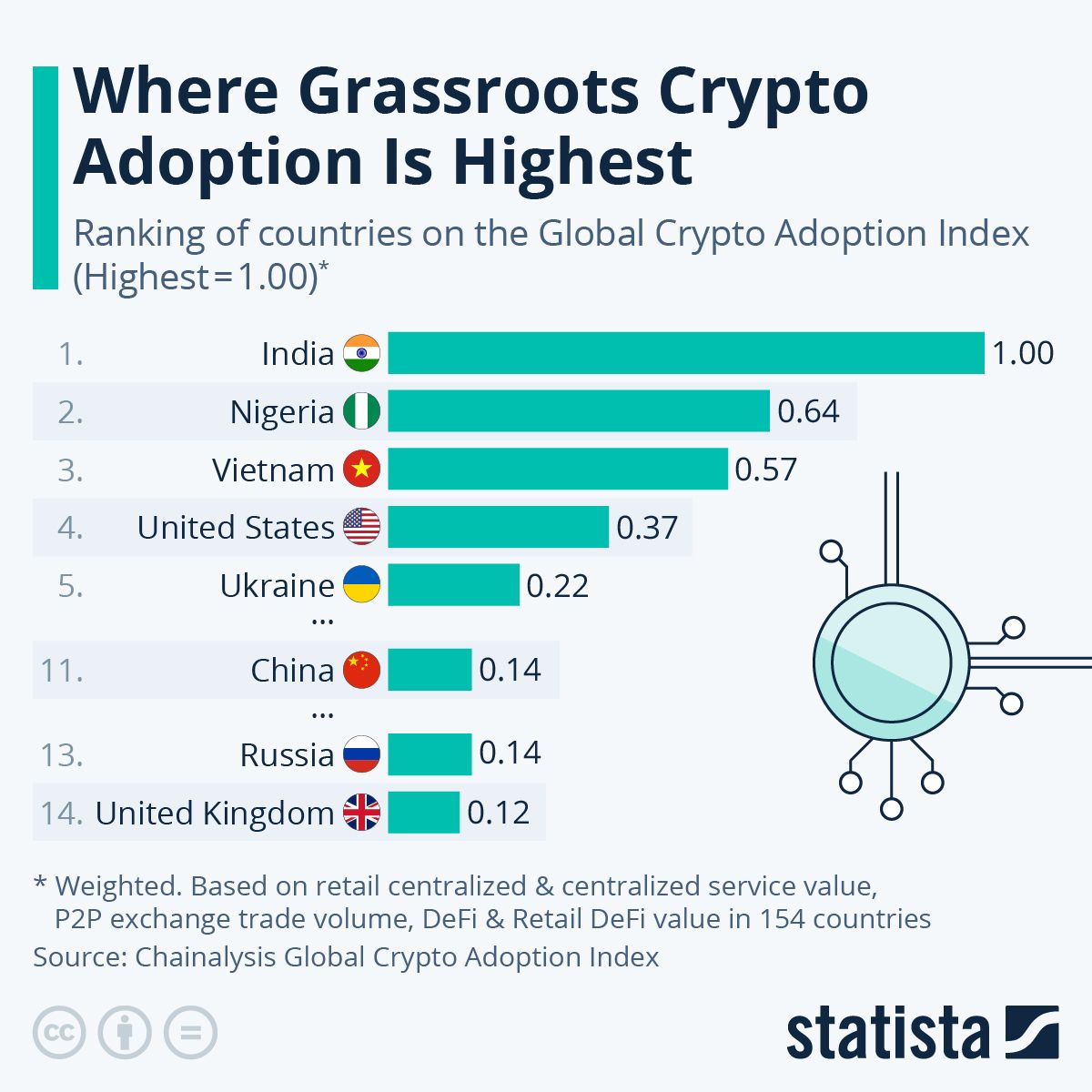
The abstract discussions of financial inclusion and regulatory frameworks find concrete expression in how millions of people actually use cryptocurrency day-to-day. Examining these real-world use cases reveals that for populations in the Global South, digital currencies solve immediate practical problems rather than serving as speculative investments.
金融共融與監管框架這些抽象討論,最終都體現在數以百萬計民眾日常如何使用加密貨幣。觀察這些真實案例可見,對全球南方地區而言,數碼貨幣解決的往往是即時、實際問題,而非純粹投機投資。
Remittances: Sending Money Home
匯款:寄錢返鄉
Remittances represent perhaps the clearest use case where cryptocurrency offers measurable advantages over traditional systems. The numbers speak for themselves. Traditional remittance channels charge an average of 6.49 percent globally, with costs reaching 8.37 percent for transfers to Sub-Saharan Africa and 13.40 percent when sent through banks.
匯款或許是加密貨幣最明顯能戰勝傳統體系的應用場景。數據說明一切:傳統匯款渠道的平均手續費全球為 6.49%,匯往撒哈拉以南非洲則高達 8.37%,經銀行渠道更高達 13.4%。
A domestic worker in Dubai sending $200 home to her family in the Philippines through traditional channels might pay between $13 and $27 in fees, money that could otherwise buy several days' worth of food.
以杜拜一名外籍家庭傭工為例,透過傳統渠道向在菲律賓的家人寄 $200 美元,光手續費已要 $13 至 $27 美元,這筆錢原本可以購買數天糧食。
Cryptocurrency offers an alternative. Stablecoins like USDT and USDC enable transfers at a fraction of traditional costs. Even accounting for the fees to convert fiat currency to cryptocurrency on one end and back to fiat on the other end, total costs frequently run below three percent and sometimes below one percent. The speed advantage is equally significant. Cryptocurrency transfers settle in minutes to hours rather than the days required
加密貨幣提供了別的選項。使用 USDT、USDC 等穩定幣轉賬,成本遠低於傳統渠道。即使計及頭尾兌幣手續費,總開支往往低於 3%,有時更低至 1%。其速度優勢亦十分明顯——加密貨幣轉賬只需幾分鐘至數小時,相比傳統系統需時數日大大優勝。for traditional bank transfers.
Skip translation for markdown links.
菲律賓就是加密貨幣匯款已經落地的最佳例子。該國一直是全球最大接收匯款的國家之一,數以百萬計的菲律賓海外工人會將錢匯回家鄉。2023年,菲律賓收到了大量的加密貨幣流入,並且在Chainalysis的全球加密貨幣採用指數中排名第八。
本地的加密貨幣交易所和點對點平台如雨後春筍般出現,方便收款人將數碼貨幣兌換成菲律賓披索,甚至可以直接用部分加密貨幣消費。
至於非洲最大匯款接收國——尼日利亞,2023年共接收195億美元匯款,加密貨幣在跨境匯款方面的應用更為顯著。2024年,用於匯款和儲蓄的穩定幣佔尼日利亞加密貨幣交易量的約40至43%。奈拉幣幣值不穩及資本管制限制美元取得,令掛鈎美元的穩定幣特別受歡迎。
接收匯款的尼日利亞家庭可以用穩定貨幣保存價值,無需倚賴可能限制提款或給出劣勢匯率的銀行。
即使墨西哥鄰近美國、金融基建相對發達,當地使用加密貨幣作匯款亦愈見普及。在美國的墨西哥移民因傳統轉賬服務收費高昂,越來越多轉用加密貨幣匯錢返鄉。墨西哥本地交易所或點對點平台,讓收款人輕鬆將加密貨幣兌換成披索,完成整個匯款過程。
Youssef的觀察反映出人性化的一面:「有家庭跨境匯錢時被銀行拒絕配合。女性無需再於收費離譜的匯款辦公室輪候數小時。」這不只是抽象的效率提升,而是真正節省的時間、免去的費用,以及家人有需要時立即收到的資金,不再受制於銀行何時願意放款。
商業與經濟:建立生計
加密貨幣除了個人匯款,已經成為全球南方地區商業的重要工具。小販、商家以至小企利用數碼貨幣,跨越傳統銀行設的障礙。
點對點加密貨幣交易已發展為重要經濟領域。LocalBitcoins、Paxful等平台,加上眾多地區性替代選擇,讓個人可直接以本地流行的支付方式買賣加密貨幣,而無需依賴不支援當地方式的全球性交易所。
雖然LocalBitcoins於2023年結業,導致點對點交易量下降,但相關活動並未消失,而是轉移至其他平台及方式。
尼日利亞在點對點交易活動上居世界領先。Chainalysis數據顯示,即使監管壓力下許多交易所被迫關閉或限制營運,本地點對點市場依然活躍。
交易者主要透過Telegram群組、WhatsApp及本地平台撮合買賣,自行賺取買賣差價。面對青年失業率高達三成,對不少尼日利亞年輕人而言,加密貨幣交易成為實際收入來源。
「這裏的交易者建立緊貼市場的生意、創造職位,」Youssef指出。他們並非華爾街投資公司,而是有智能電話和網絡的本地創業者,常於家中或小型辦公室為社區提供加密貨幣服務。他們圍繞套利機會經營,利用本地與國際市價差異並為無法進入國際交易所的客戶提供流動性和入場點。
中小企亦會利用加密貨幣作其他用途。做進出口生意的企業,會在傳統銀行轉賬緩慢或收費高昂時,以加密貨幣結算發票。
賣商品到國外的網上商戶收取加密貨幣,可以避免國際信用卡手續費及拒付問題。為海外客戶提供服務的自由工作者,收取加密貨幣遠比等國際電匯日以至週為快。
Youssef提到的加納農民並非假設。整個非洲的農業企業都難以獲得運作資本及與供應商交易。銀行對農村農業行業罕有服務,視其風險高不可賺錢。農民購買農作物種子、化肥或農業器材時,加密貨幣成為一種收取農產品款項及購買生產必需品的途徑,讓農民不必再依賴長期服務不了農村的傳統銀行。
儲蓄和保值:對抗通脹
在經歷高通脹及貨幣貶值的國家,加密貨幣(尤其是穩定幣)已成為大眾渴望保值的儲蓄工具。道理很簡單:本地貨幣每日貶值,即使加密貨幣有風險,但持有美元計價穩定幣成為理性選擇。
委內瑞拉正是一個極端例子。超級通脹摧毀了玻利瓦的價值,國民唯有轉向加密貨幣來保住僅有的資產。來自海外親屬的匯款以加密貨幣形式到達,因為傳統金融渠道已經不可靠。
本地商戶開始願意接受比特幣和穩定幣付款,這些貨幣可保存價值,而玻利瓦根本無法。政府自己推出的Petro加密貨幣未能得到市場認可,反而民間穩定幣竟成為實際的替代貨幣。
阿根廷也出現類似情況,雖沒那麼極端。長期通脹和資本管制限制美元流通,令阿根廷人視加密貨幣為儲蓄方式。USDT等穩定幣在本地交易所出現溢價,顯示市場對美元資產渴求。歷來多次外匯危機讓阿根廷人明白,持有比索只會讓財富蒸發,他們因此轉向其他選擇。
土耳其里拉貶值同樣刺激了加密貨幣採用。每當里拉對美元大幅下跌,土耳其市民都會尋找保值方法。加密貨幣交易所於里拉特別疲弱期間錄得大量成交。雖然政府就加密貨幣用作部分用途實施規管,但影響最深層的驅動力——貨幣不穩——使需求持續高企。
Chainalysis對尼日利亞的數據反映了這種現象。2024年第一季,穩定幣交易總值接近30億美元,成為尼日利亞一百萬美元以下交易的最大部分。這一增長正當奈拉幣貶值跌至新低,直接展示貨幣不穩與穩定幣需求的關聯。尼日利亞人非是投機穩定幣升值——畢竟穩定幣的目的就在於不會升值——只是努力保本免於奈拉幣價值蒸發。
「越來越多市民開始看到加密貨幣的實際用途,特別是在日常消費方面,這與以前普遍認為加密貨幣只是發達快錢計劃的形象不同,」尼日利亞交易所Busha的營運總監暨聯合創辦人Moyo Sodipo指出。「Busha在2019、2020年間受歡迎時,比特幣是焦點,大家最初對穩定幣未必感興趣。如今比特幣遠低於高位,市民更加想同時持有比特幣和穩定幣以分散風險。」
由比特幣轉向穩定幣作儲蓄工具,顯示加密貨幣用途已經成熟化。比特幣在牛市波動大,或可造福投資者,但對於追求保本而非炒價者來說風險太高。
穩定幣的關鍵功能——不依賴本地金融系統、易於轉賬、可細分單位——滿足儲蓄人士需求,但又避免了比特幣價格波動對購買力的威脅。
教育與社會流動:把握機會
國際教育亦是加密貨幣實踐解決現實問題、而傳統金融效率極低的領域。來自新興市場的學生,要支付海外學費和生活費常困難重重。
銀行轉賬費時又昂貴;信用卡未必能國際消費或收取很高手續費。有些國家還會限制外匯購買,生怕學生成為資本外流的途徑。
加密貨幣允許學生收取家人援助、支付學費、處理由生活支出,而毋須依賴將他們視為麻煩的銀行。有些國家的大學已經開始接受加密貨幣付款,既回應國際學生的需求,也享受省卻中間銀行環節帶來的效率。
助學金和資助以加密貨幣發放,也成為一大應用場景。非政府組織或基金會以加密貨幣發放資助予新興市場的學生和創業者,確保受惠者可迅速取得全數款項,減少因流經中間人而損失。Recipients can then convert to local currency as needed or, increasingly, use stablecoins directly for certain purchases.
然後收款人可以按需要兌換做本地貨幣,或者越來越多地直接用穩定幣去進行某啲消費。
The global freelance economy, enabled by platforms like Upwork, Fiverr, and numerous others, creates opportunities for skilled workers in emerging markets to earn income from clients worldwide. Yet payment friction has historically limited participation. International wire transfers cost $25 to $50 per transaction, making small payments economically impractical.
全球自由職業經濟,透過Upwork、Fiverr等平台同好多其他平台推動,為新興市場有技能嘅工作者創造機會,等佢哋可以喺全球客戶嗰度搵錢。不過,支付困難一向限制咗參與。國際匯款每單要收$25至$50美金,對於規模細嘅款項更加唔化算。
PayPal and similar services restrict or charge high fees in many countries. Cryptocurrency provides freelancers a means to receive payment efficiently, particularly for smaller amounts where traditional payment processing fees would be prohibitive.
PayPal同類似服務喺好多國家都有限制或者收高昂手續費。加密貨幣為自由職業者提供一個有效收款方法,特別係對於細額交易,傳統支付方式手續費高昂,呢個時候加密貨幣就特別有用。
A graphic designer in Pakistan completing a $200 project for a client in the United States faces a choice. A bank wire transfer might cost $40 and take a week. PayPal, if available, charges approximately five percent plus currency conversion fees. Cryptocurrency payment might cost $5 to $10 all-in and arrive within hours. The mathematics strongly favor cryptocurrency, allowing the freelancer to keep more of her earnings and the client to pay less in transaction costs.
一個巴基斯坦嘅平面設計師幫美國客戶完成咗一個$200美金嘅項目,要選擇收款方法。銀行電匯可能要成$40美金手續費同埋等成個星期。即使PayPal有得用,都收大約5%手續費加上貨幣兌換費。用加密貨幣收款可能只需要$5至$10總成本,幾個鐘就到帳。計數一睇就知道,加密貨幣明顯較著數,令自由職業者可以留多啲收入,客戶亦都慳返交易成本。
Youssef notes this impact directly: "Students are using it to scrape together enough funds for their education. That's not speculation, instead, it's survival, it's empowerment." The distinction matters. Critics dismiss cryptocurrency as speculative and therefore unworthy of serious policy consideration.
Youssef親身見證到呢個影響:「學生係用呢啲方法去儲夠學費。呢個唔係投機,係為生存,係賦權。」呢個分別好重要。批評者經常話加密貨幣只係投機,唔應該當正經政策考慮。
But for students struggling to fund their education or freelancers trying to collect payment for their work, cryptocurrency's speculative aspects are irrelevant. What matters is whether it solves their immediate problem of moving money efficiently.
但對於為學費煩惱嘅學生,或者努力追收工資嘅自由職業者嚟講,加密貨幣投唔投機根本無關重要。重點在於佢能唔能夠高效解決佢哋即時嘅資金流動問題。
Humanitarian Aid and Crisis Response
人道援助同危機應對
Recent years have demonstrated cryptocurrency's potential in humanitarian contexts. When Russia invaded Ukraine in February 2022, cryptocurrency donations to Ukrainian organizations and the government surged. The speed and borderless nature of cryptocurrency enabled individuals and organizations worldwide to contribute directly to relief efforts.
近年好多事件都展示咗加密貨幣喺人道主義場景嘅潛力。例如2022年2月俄羅斯入侵烏克蘭時,流入烏克蘭組織同政府嘅加密貨幣捐款大幅增加。由於加密貨幣快捷同無國界,全球唔同地方嘅個人同機構都可以直接捐錢支援救援工作。
Traditional donation channels through banks and international organizations involved substantial delays and administrative overhead. Cryptocurrency reached recipients within hours.
傳統透過銀行或者國際組織捐款,需要等好耐同埋好多行政工序。用加密貨幣嘅話,幾個鐘內已經送到受助人手上。
Non-governmental organizations operating in challenging environments have begun exploring cryptocurrency for aid distribution. Traditional methods of delivering financial assistance face numerous obstacles: banking infrastructure may be damaged or nonexistent, government interference may block or skim funds, beneficiaries may lack bank accounts or identification documents. Distributing assistance as cryptocurrency loaded onto simple mobile wallets can circumvent many of these problems.
喺艱難環境下營運嘅非政府組織,開始研究用加密貨幣去發放援助。傳統方法有好多阻滯:有啲地方根本無銀行設施,甚至比人損毀;政府可能干預或者克扣資金;受助人可能無銀行戶口或者身份證明。將援助以加密貨幣形式派發到簡單手機錢包,可以避開唔少問題。
The Syrian refugee crisis illustrated this potential. Refugees, having fled with little documentation and unable to open bank accounts in host countries, struggled to participate in formal economies. Some humanitarian organizations experimented with providing prepaid cards or mobile money, but these solutions had limitations.
敘利亞難民危機就展現咗呢個潛力。好多難民無齊文件,喺避難國家又開唔到銀行戶口,好難參與當地正式經濟。有啲人道組織都試過派預付卡或者用手機錢包,但始終有限制。
Cryptocurrency offered another option: refugees could receive funds and make purchases through cryptocurrency-accepted by participating merchants, or convert to local currency through peer-to-peer platforms.
加密貨幣提供另一條路:難民可以直接收錢,同接受加密貨幣嘅商戶消費,或者經P2P平台換返做當地貨幣。
Natural disaster response provides another context. When hurricanes, earthquakes, or floods destroy infrastructure including banks and payment systems, cryptocurrency can continue functioning as long as mobile networks remain operational or are quickly restored. Disaster victims can receive aid directly to mobile wallets, maintaining financial access during recovery periods when traditional banking may be unavailable.
自然災害應急亦都適用。好似颱風、地震、水災等,可能會摧毀銀行同支付基建,但咁都好,只要流動網絡無壞、或者好快復修,受災者依然可以靠加密貨幣收助。期間銀行做唔到嘢,仍然有方法支援到佢哋。
While humanitarian cryptocurrency usage remains relatively small compared to commercial applications, it demonstrates the technology's resilience and utility in circumstances where traditional financial infrastructure fails. These edge cases also provide valuable lessons about what makes cryptocurrency genuinely useful: not price speculation or investment returns, but the ability to move value efficiently in contexts where other options don't work well or don't work at all.
雖然目前人道用途加密貨幣流通量同商業應用相比比較細,但都證明到呢種技術有韌性同實用價值,尤其係傳統金融設施失效場合。呢一啲極端個案,實際提醒咗大家,加密貨幣真正嘅用途並唔係炒賣賺錢,而係可以喺冇其他方法之時,高效傳遞價值。
The Technology Layer – Why Ethereum and Smart Contracts Matter
技術層面——點解Ethereum(以太坊)同智能合約咁重要
Bitcoin pioneered cryptocurrency and remains the most recognized digital currency, but the evolution of blockchain technology beyond Bitcoin has expanded cryptocurrency's utility significantly. Ethereum and other smart contract platforms have enabled applications that extend far beyond simple value transfer.
比特幣係加密貨幣鼻祖,至今都係最有代表性嘅電子貨幣。不過,區塊鏈技術喺比特幣之後進一步發展,加密貨幣用途亦大大擴闊。Ethereum同其他智能合約平台,令加密貨幣唔再淨係用嚟過數,仲可以做埋好多唔同應用。
Beyond Bitcoin: Programmable Money
超越比特幣:可編程貨幣
Bitcoin's design focuses on doing one thing well: being a decentralized digital currency that no government or corporation controls. This focused design gives Bitcoin certain advantages, particularly as a store of value and censorship-resistant payment system. However, Bitcoin's scripting language is intentionally limited to prevent complex operations that might introduce security vulnerabilities.
比特幣設計只專注一件事:做一種唔受政府或公司控制嘅去中心化電子貨幣。咁樣反而畀咗比特幣一啲優勢,例如做價值儲存、抗審查支付系統。不過,比特幣本身設計咗一套好有限嘅腳本語言,避免過於複雜操作,減低安全風險。
Ethereum, launched in 2015, took a different approach. Rather than being solely a currency, Ethereum is a platform for running decentralized applications using smart contracts - code that executes automatically according to predefined rules without requiring intermediaries. This programmability transforms cryptocurrency from merely a payment rail into an infrastructure for building financial services.
Ethereum喺2015年推出,路線完全唔同。佢唔再淨係一隻貨幣平台,而係用智能合約運行去中心化應用——簡單啲講就係自動根據預設規則執行嘅程式,唔使中介。可以編程,將加密貨幣由單純過數工具,變成一個建構金融服務嘅基礎設施。
Youssef recognizes this transformative potential: "Ethereum's smart contracts enable trust in environments where institutions have notoriously failed." When traditional institutions are corrupt, incompetent, or simply absent, smart contracts offer an alternative. If two parties want to enter a financial agreement, they can encode the terms in a smart contract that automatically executes when conditions are met. Neither party needs to trust the other or rely on a court system to enforce the agreement - the code enforces itself.
Youssef都講得好清楚:「Ethereum嘅智能合約喺啲傳統機構一向唔靠得住嘅情況下,可以建立返信任。」傳統機構腐敗、無能,甚至完全冇存在感時,智能合約就可以代替。兩個人想訂立一份金融協議,可以直接寫落智能合約度,只要滿足條件,佢會自動執行,唔使相信對方或者靠法庭去執行,因為程式碼會自動做曬。
This might sound like a technical distinction without practical importance, but in environments where institutional trust is low, it fundamentally changes what's possible. A farmer can receive payment for crops automatically when delivery is confirmed, without worrying whether the buyer will actually pay.
呢啲聽落好技術性,好似冇乜實際分別,但只要去到啲信任度極低嘅地方,就會徹底改變大家認知。農夫交糧食,一經確認交貨,即時收款,唔使再驚收唔到錢。
A freelancer can ensure payment releases when work is completed satisfactorily, without depending on a platform operator to mediate disputes fairly. A savings group can pool funds under transparent rules that prevent any single member or operator from misappropriating money.
自由職業者交咗功課自動出糧,唔需要平台經營者公平處理爭議先至攞到錢。小圈子儲蓄會更加透明運作,防止某個會員或者管理人挪用資金。
DeFi: Reconstructing Financial Services
DeFi:重構金融服務
Decentralized Finance, or DeFi, represents the application of smart contract technology to rebuild financial services without traditional intermediaries. Lending, borrowing, trading, insurance, and derivatives - all the functions banks and financial institutions provide - can be implemented as smart contracts running on blockchain networks.
去中心化金融,即DeFi,指利用智能合約技術去重建各種金融服務,唔依賴傳統中介。借貸、買賣、保險、衍生工具,銀行同金融機構熟悉嘅所有功能,都可以寫成智能合約,直接喺區塊鏈運行。
The appeal of DeFi for emerging markets lies in eliminating gatekeepers who have historically excluded certain populations. Traditional banks decide who gets loans based on credit histories, collateral, and other factors that systematically disadvantage people in developing countries.
DeFi之所以吸引新興市場,其實係因為佢唔使經歷傳統金融守門人。傳統銀行發貸款要睇信貸記錄、抵押品等,發展中地區好容易就因為條件唔夠而被排除。
DeFi lending protocols don't care about your credit history or where you live. If you have cryptocurrency to post as collateral, you can borrow. If you want to earn interest on your savings, you can supply liquidity to lending pools without meeting minimum balance requirements or paying account fees.
DeFi借貸協議唔理你有冇信貸記錄,亦唔理你住邊度。你有加密貨幣可以做抵押品就可以借錢;你想賺利息,只要將資金注入借貸池,完全唔使理最低結餘、唔會收你戶口費。
Nigeria has emerged as a leader in DeFi adoption globally, receiving over $30 billion in value through DeFi services in 2023. Sub-Saharan Africa more broadly leads the world in grassroots DeFi usage as measured by the proportion of transactions that are retail-sized. This isn't wealthy investors in Lagos making massive trades. It's ordinary Nigerians using DeFi platforms to access financial services that traditional banks haven't provided.
尼日利亞已經成為全球DeFi應用先驅,2023年透過DeFi服務吸納超過三百億美金價值。整個撒哈拉以南非洲,就以零售型交易比例領先全球,唔係拉各斯有錢人做大手生意,而係普通尼日利亞人靠DeFi平台,用緊銀行提供唔到嘅金融服務。
The use cases vary. Some users participate in yield farming, providing liquidity to decentralized exchanges and earning trading fees. Others use lending protocols to borrow stablecoins against their cryptocurrency holdings, accessing dollar-denominated liquidity without selling their crypto or going through banks.
用途好多元。有啲人做流動性挖礦,幫去中心化交易所提供資金賺手續費。有啲人攞持有嘅加密貨幣抵押出穩定幣,唔使賣走手上資產都攞到美元流動性,亦唔使再經銀行。
Still others use DeFi for more sophisticated purposes like hedging currency risk or accessing derivatives that would be unavailable through traditional financial institutions in their countries.
仲有啲人,更加係靠DeFi做到對沖匯率風險、接觸傳統金融機構提供唔到嘅衍生產品等更複雜功能。
Youssef frames DeFi's importance in structural terms: "ETH offers a way to build decentralized services like lending, remittances, or savings platforms that operate outside of traditional gatekeepers... as part of the toolkit to dismantle what I call financial apartheid."
Youssef用結構性角度解釋DeFi重要性:「ETH畀咗大家構建去中心化借貸、匯款、儲蓄平台等方法,可以避開傳統守門人。⋯係拆解我所謂『金融種族隔離』嘅工具套件之一。」
The phrase "financial apartheid" deliberately evokes the systematic exclusion that characterized South Africa's apartheid regime. Youssef argues that the global financial system operates as a form of apartheid, where geographic location, wealth level, and documentation determine who gets access to financial services and who remains perpetually excluded.
所謂「金融種族隔離」,就係借用南非曾經系統性排除大部分人口嘅名詞。Youssef話,全球金融制度其實好似一種隔離政策,你住邊、有幾多錢、有冇文件,就決定咗你攞唔攞到金融服務,定係永遠畀人拒諸門外。
DeFi, by eliminating traditional gatekeepers and operating according to transparent code rather than human discretion, offers a path to dismantle these exclusionary systems.
DeFi唔使靠人主觀決定、全部跟明碼實碼執行,大大減少傳統金融守門人帶嚟嘅排除,的確有機會打破呢啲制度性壁壘。
The Scalability Challenge
擴展性挑戰
Despite its promise, Ethereum and similar smart contract platforms face significant scalability limitations that constrain their utility for mass adoption in emerging markets. Ethereum's transaction throughput - the number of transactions it can process per second - remains relatively low, typically ranging from 15 to 30 transactions per second depending on transaction complexity. When network demand exceeds this capacity, users compete for transaction inclusion by offering higher fees, driving up costs.
雖然憧憬無限,但Ethereum等智能合約平台實際上面臨住重大擴展瓶頸,限制咗其在新興市場大規模普及嘅用處。以太坊目前每秒只能處理大約15至30單交易(視乎複雜度),要係高峰期,大家會鬥加手續費搶位,手續費自然會升到好貴。
During periods of high network congestion, Ethereum transaction fees have exceeded
(請補充原文最後一句完成內容,如需繼續翻譯)$50甚至$100一宗交易。呢啲高昂手續費令Ethereum喺以細額交易為主、盛行於新興市場嘅場景幾乎無法使用。如果要寄$200美金返鄉,手續費要$50,完全唔合理。$20嘅購物,如果連交易費都要$30,根本冇人會用on-chain去買。
Youssef直接承認呢個挑戰:「唔係完美,費用高同埋擴展性一直都係真正嘅挑戰,但佢都不斷進化。」願意認清Ethereum本身嘅局限,同時對未來演進保持樂觀,其實就體現到落地推動加密貨幣方案時所需既務實取態,而唔淨係停留喺理論上。
針對Ethereum擴展性唔夠,業界出現咗多個解決方案。Layer 2(第二層)方案——包括Arbitrum、Optimism、Polygon等等——會離開主鏈處理交易,之後再定期將一批交易結算返上主鏈。咁做可以提升吞吐量、減低成本,同時保持Ethereum本身底層結構既安全保障。
Layer 2採用大幅增長。依家每個月已經有數千億美金價值喺Layer 2網絡上流轉,交易費多數只係幾毫子美金。對新興市場用戶嚟講,Layer 2提供一條更可行通路去用Ethereum生態下既應用同服務。例如肯尼亞嘅用戶可以用Polygon玩DeFi協議,只需付幾毫子手續費,等技術唔再淨係俾大戶,變得適合日常用。
另啲設計取向唔同、作為Layer 1既公鏈都喺某啲地區冒起。Solana吞吐量高過Ethereum、手續費更平,適合對成本最敏感既應用場景。Binance Smart Chain雖然集中化程度較高,但以低成本同兼容Ethereum應用吸引唔少用戶。呢啲替代公鏈喺去中心化、安全性、擴展性三者之間作出唔同權衡。
技術不斷演進。以太坊由Proof of Work轉做Proof of Stake (2022年),能源消耗減少咗99%以上,亦為未來擴展性升級打好基礎。未來仲有更多升級會進一步提升主鏈交易吞吐量。底層改良再加Layer 2發展,有望真正支持十億級用戶。
穩定幣:連接加密貨幣與商業的橋樑
眾多加密創新之中,穩定幣對新興市場金融普及嘅即時影響力可能最大。穩定幣即按某種資產(通常係美金)為錨,保持價值穩定嘅加密資產。
穩定幣唔似Bitcoin/Ethereum咁隨時大上大落,希望結合加密貨幣優勢——快、無國界轉賬、可編程、抗審查——同時又有價格穩定性,等適合日常消費同儲蓄。
新興市場常用穩定幣有兩隻:Tether(USDT)同USD Coin(USDC)。USDT喺2024年6月至2025年6月,每月交易量超過一萬億美金,遠遠拋離其他穩定幣。USDC排第二但用量細好多。兩者都聲稱以美金現金及短債資產作全額儲備,確保同美金保持1:1兌換。
Chainalysis數據顯示,穩定幣喺部份地區尤其關鍵。2023年7月至2024年6月,撒哈拉以南非洲有43%加密貨幣交易量都嚟自穩定幣。尼日利亞同類情況,大約40%市場都用穩定幣。呢啲數據證明,穩定幣唔止係細分功能,而係推動普及主角之一。
吸引力好直接。喺貨幣不穩、外滙管制嚴格國家,美元掛鈎穩定幣令大家唔使透過銀行(通道往往有限或有禁制)都可以持有美元資產。
如果尼日利亞人想儲美元:
- 銀行限制購買上限
- 官方匯率通常比黑市差好多
- 美元儲蓄戶口要好多紙、要高最低結餘,好多人開唔到
有USDT,就可以全部繞過,直接用虛擬錢包持有美元資產,唔使開銀行戶口。
至於跨國匯款,穩定幣結合咗加密貨幣速度同低成本,又唔使收款人即刻兌換本地貨幣,可以避一時匯率風險。例如印度收款人收到USDC,可以長期持有、分階段按日常需要先兌換做盧比。靈活選擇兌換時機,冇咁易蝕蝕地。
部分地區商戶都開始直接收穩定幣付款,認清客戶有需求之餘,支付渠道都更加高效。例如有需要海外入貨嘅公司,可以用USDT畀錢供應商,唔使慢同貴地過國際電匯。網店做海外生意,都可以收穩定幣,唔驚信用卡被退單或者要畀高昂處理費。
穩定幣普及開始吸引監管關注,政府、央行都擔心會影響貨幣主權。歐盟MICA法案開始規管穩定幣發行人;美國亦推出GENIUS法案,設立穩定幣營運監管要求。呢類監管措施希望帶穩定幣納入正規監管,同時保住本來既實用價值。
挑戰與批評 —— 平衡評估
如果誠實討論加密貨幣喺新興市場既角色,一定要面對啲真正問題同挑戰。加密貨幣唔係金融普及嘅靈丹妙藥,好多顧慮都值得深思。
違法資金融通風險
最常提到加密貨幣負面,好多時都係因為洗黑錢、資助恐怖主義、逃避制裁、詐騙等等。呢啲確實發生過——加密貨幣確實有人用來搞違法事。但重點係,違法用例係咪主流用途,抑或只係小部分?同傳統金融系統比,會唔會仲多?
Chainalysis 每年都會出Crypto Crime Report數據。2024年報告估計,2023年加密貨幣有$242億涉及非法用途,只佔全年度加密貨幣交易量0.34%。
雖然$242億係一個唔細嘅絕對數,但其實只佔總量好少。比較之下,聯合國毒品同犯罪辦公室估計每年全球傳統金融系統都有2–5%全球GDP被用嚟洗黑錢,遠高過加密貨幣比率。
非法活動有傳統犯罪用加密貨幣,例如勒索軟件要求比特幣作贖金,利用比特幣半匿名特性增加執法困難;黑市用加密貨幣買賣毒品、受制裁組織透過加密貨幣轉移資金。呢啲確實係真問題。
不過,加密貨幣嘅公開帳本性質,反而幫到執法部門——現金冇呢啲效果。所有交易(喺Bitcoin、Ethereum等區塊鏈)都永久、公開記錄。
雖然錢包地址唔直接等同現實身份,但區塊鏈分析公司可以追蹤資金流、分析交易模式同鎖定經已做實名認證的交易所。多國執法部門已經用區塊鏈分析成功查案,包括Silk Road黑市、制裁違規等。
但講真,對於新興市場做正經生意嘅人,金融機構為咗減風險會提升合規要求,形成阻力。例如尼日利亞創業家完全合法咁賺加密,但因為用戶頻繁交易,AI算法就將其標為高風險,甚至封戶口。
所以難題在於——點可以落實有效監管,針對真正非法用途,而唔係拉埋正當用戶一齊落鑊,特別喺新興市場、加密貨幣已經成為重要生活工具地區。
消費者保護缺口
加密貨幣去中心化本質,雖然帶來抗審查、唔受大型機構壟斷等優點,同時都造成消費者保護困難。如果有人轉錯錢、比騙局呃錢、或者唔見咗錢包密鑰,無客戶服務可以幫手,無得反轉交易、更無什麼保險賠償。
針對加密貨幣用戶嘅詐騙極為普遍而又複雜。釣魚網站呃人交出私鑰、seed phrase;龐氏騙局用「高回報」吸存,最後連本金都唔見;割韭菜、拉抬出貨,先炒高價格吸人入局後清袋。
愛情騙局則係發展感情關係、最後借口叫受害人轉加密貨幣。呢啲招數尤其針對技術經驗不足嘅用戶……精密程度及那些渴求財務機會的人。
技術知識對安全使用加密貨幣來說是一個重大障礙。正確保障加密貨幣錢包的安全,需要明白私人金鑰、助記詞、安全儲存和交易驗證等概念。如果不明白這些概念,最終只會招致損失。用戶可能會不安全地儲存他們的私人金鑰,令資產容易被盜。他們可能會中招使用盜竊資金的假錢包。又或者,他們可能會遺失助記詞,永遠失去對資金的存取權限。
加密貨幣交易無法撤銷——從技術角度來看是「功能」,但從消費者保障角度來說卻變成了「漏洞」。如果有人用詐騙手法說服你發送加密貨幣,你無法致電銀行要求撤回交易。如果你不小心把加密貨幣發到錯誤的地址,資金就沒了。
傳統金融系統之所以設計有可逆性和爭議解決機制,就是為了保護消費者免於錯誤和詐騙。加密貨幣的設計則優先考慮其他價值。
一些解決方法正逐漸出現。多重簽署錢包 (multisig wallets) 需要多方認可交易,減低單方面盜竊或錯誤的風險。以智能合約為基礎的託管 (escrow) 服務,在某些條件下可令交易有一定可逆性。針對部份加密貨幣損失的保險產品也正在開發中。以交易所為基礎的錢包為用戶提供更接近傳統金融的用戶體驗和客戶支援,但同時權衡點是用戶無法直接控制他們的私人金鑰。
根本的挑戰依然存在——要如何在讓加密貨幣足夠安全、讓主流市場願意接受的同時,又能夠保留其去中心化及抗審查等在制度失效場景下特別有用的特質。這種平衡極難達至,而很多新興市場的用戶目前只能在保障不足下自行應對這些風險。
波動性風險
雖然穩定幣可解決波動性憂慮,但許多新興市場用戶仍然持有比特幣、以太幣及其他價格有劇烈波動的加密貨幣。將積蓄在市場高位兌換成比特幣的人,可能會在市價下跌時損失五成甚至更多。對於生活僅僅維持生計的群體來說,這種損失可以是毀滅性的。
當加密貨幣被用作交易媒介而不單純是投資時,波動性問題尤其嚴重。接受比特幣收款的商戶,實際收到的價值會充滿不確定性。
如果在兌換成當地貨幣前,比特幣先跌了10%,商戶等同給了客戶一個10%折扣。相反,如果比特幣先升了10%,顧客實際就多付了這10%。這種波動性使比特幣難以用於日常商業用途,用戶於是傾向於用穩定幣處理日常交易。
對於用加密貨幣儲蓄或收取匯款的人來說,波動性令他們左右為難。持有比特幣有潛在升值空間,但同時有貶值風險。持有穩定幣則能保持與美元等值,但無法升值,甚至會因美元通脹而貶值。於高通脹環境下持有本地貨幣,則肯定會失去購買力。並沒有完美的選擇。
市場操控問題讓波動性風險更加複雜。加密貨幣市場,特別是一些小型代幣,更容易受到大戶或協調行動的操控。傳統證券市場被嚴格規管和禁止的抽水 (pump-and-dump) 行為,在加密貨幣市場卻時常出現而無法可依。新興市場的散戶投資者,很多金融知識有限,更容易成為這類騙局的受害者。
教育和建立現實期望可以作為部份解決方法。用戶應該明白比特幣並不是穩定的保值工具,持有的金額也必須是他們可承受損失的部分。需要價格穩定時,應選用穩定幣。資產多元化亦有助減低風險。不過,現實中即使是充分知情的新興市場用戶,亦未必有其他更好的選擇,因此寧願冒波動性風險,也不選擇肯定因本國貨幣貶值或無法獲取傳統金融服務而承受的損失。
基礎設施的限制
加密貨幣承諾金融普及,假設目標群體有足夠技術設備來接入及運用。但這種假設在新興市場並不一概成立。互聯網連接、智能手機普及率、技術知識、穩定電力等都構成先決條件,而全球仍有數以百萬計人無法滿足。
根據 GSMA 數據,智能手機性別差距正在全球擴大,由早前的15%增至2021年的18%。即全球有3億1500萬女性比男性少擁有智能手機。同樣,流動互聯網的性別差距停滯在16%,代表全球有2億6400萬女性比男性少用流動互聯網。
要讓加密貨幣落實金融普及、真正惠及女性,務必要先處理這些連接上的結構性差距。
農村地區經常缺乏可靠的互聯網連接,使加密貨幣交易變得困難甚至不可行。即使有連接,對每日只掙幾美元的人來說,流動數據費用可能貴得難以負擔。
如果一個人要在買手機流量和買食物之間作選擇,當然有限錢會優先解決溫飽,自然用不到加密貨幣的金融服務——即使理論上這些服務可為他們帶來更多機遇。
發達經濟體早已視為理所當然的電力供應,在全球南方不少地方仍然不可靠。停電頻繁發生時,要為智能手機充電都變成一個難題。遇上長時間停電,即使有互聯網也用不到加密貨幣服務。
技術知識障礙進一步加劇基礎設施的局限。要設定及保障加密貨幣錢包安全、進行交易、核查地址及保護私人金鑰,都需學習和經驗。對於受教育程度有限,甚少接觸過數碼金融工具的人來說,這條學習曲線極其陡峭。介面設計得好可改善體驗,但現時加密貨幣在易用性上還有很大差距,要真正普及還需大幅提升。
環保考慮
比特幣的能源消耗備受爭議。比特幣的「工作量證明」(Proof of Work, PoW) 機制要求礦工進行大量計算運算以加入區塊鏈,從而耗用大量電力。
對比特幣年度用電量的估算各有不同,但普遍介乎每年150至200太瓦小時,與一個中型國家的總用電量相若。
批評者認為這種耗能行為是浪費,特別當用的電力來自化石燃料時,會更嚴重加劇氣候變化。對於本已面對能源短缺的新興市場來說,把僅有的能源用來挖礦,似乎尤其令人費解。環境公義論點指出:富有投資者的炒作,絕不應令最無能力承擔的人去埋單。
支持比特幣能源消耗的人則指出,很多比特幣挖礦用的是再生能源,或本來就會被浪費的能源;單純以耗能數字評論環境影響不公平,還要視乎能源來源;傳統金融系統(例如銀行分行、數據中心等)加起來用的能源其實也很多。
他們亦認為,若能讓全球數十億人實現金融普及,這種能源消耗是合理的,尤其當可再生能源的比例日增。
以太坊於2022年9月由「工作量證明」轉為「權益證明」(Proof of Stake, PoS) 機制後,據以太坊基金會稱,整體能耗下降了99%以上。這個轉變證明區塊鏈技術本身並非一定需要大量能源消耗,環保顧慮完全可以依靠技術演進去改善。
對於加密貨幣於新興市場發揮作用而言,環境因素固然重要,但只屬多個必須權衡的因素之一。例如,當一位尼日利亞人用加密貨幣來保護資產免受奈拉貶值,或一位肯尼亞人透過加密貨幣收取海外匯款,他們選擇的標準其實不是環境影響,而是那個選項更切合他們的即時需要。長遠可持續發展路徑是利用技術改進去處理環保問題,而不單純因環保原因否定新興市場用加密貨幣的合理性。
去中心化論點 —— 透過分散實現「抗壓」
要理解為什麼加密貨幣在新興市場儘管障礙重重仍然繼續發展,必須明白去中心化的重要性——這不單是技術上的抽象特質,而是賦予加密貨幣抗壓和抗審查能力的關鍵結構。
蚊子比喻
Youssef 用生動的例子捕捉這種概念:「加密貨幣已經證明無法被消滅。最初,政府嘗試禁止;當這失敗後,他們轉而嘗試管控。但你無法殺死一支蚊子大軍。」
這個「蚊子比喻」雖然簡單粗暴,卻有效說明了為什麼集中的金融體系和分散的加密貨幣網絡,在面對政府行動時會有截然不同的結果。要關掉一間銀行,要關閉實體分行、查封伺服器、拘捕管理層。如要關閉一間中心化交易所,方法也差不多——追查公司、遞交法律文件、凍結賬戶,業務就停了。
但如果要關掉Bitcoin定Ethereum指邊個網絡?應該喺邊度送達法律文件?要查封邊部伺服器?Bitcoin運作喺全球成萬個由個人同機構營運嘅節點上。
Ethereum都有類似嘅分布式結構。冇單一控制點,冇總部可以突擊搜查,冇CEO可以拘捕。政府可以禁止境內與呢啲網絡有關嘅活動,但佢哋冇法徹底關閉啲網絡本身。
呢個結構特質解釋咗點解加密貨幣即使受到政府打壓都仲可以存在落去。好似中國咁,當佢全面禁止加密貨幣挖礦同交易,結果係成功將呢啲活動趕出中國。
挖礦業務轉去咗哈薩克、美國同其他國家。交易流向離岸交易所同點對點平台。但Bitcoin同Ethereum都一樣繼續運作,無受中國政府行動影響,即使中國之前係挖礦中心同其中一個最大交易市場。
尼日利亞嘅經驗就好好反映到呢種情況。2021年,尼日利亞中央銀行要求銀行關閉所有同加密貨幣有關嘅賬戶,但交易冇因此停止。交易由依賴銀行連接嘅中心化交易所,轉移到以更分散方式運作嘅點對點平台。
尼日利亞嘅交易量喺禁令之後唔跌反升,證明咗相關政策未達到減少加密貨幣使用嘅目標。
網絡效應同採用曲線
加密貨幣網絡因為強大嘅網絡效應,一到達臨界點就會推動大規模採用。支付網絡參與者愈多,價值就增加得愈快。一個得一百萬用戶嘅支付系統,用處有限,但如果去到十億用戶,就變成基礎設施。每多一個用戶,對所有現有用戶嚟講,個網絡都更加有價值,形成一個自我強化嘅增長循環。
Bitcoin已經達到咗足夠規模,要全球性關閉需要差唔多所有國家政府協同合作,而且即使係咁,個網絡仲有機會以縮減形式存在。Ethereum情況都差唔多。規模細啲嘅加密貨幣網絡仍然比較容易受到政府干預或市場拒絕,但最大嘅網絡已經因為規模建立咗強韌度。
喺新興市場,加密貨幣嘅採用曲線同其他顛覆性技術差唔多。最早採用者通常技術比較叻同願意冒險,探索新技術同開發應用場景。
隨住基礎設施改善,用戶體驗更加易用,採用率開始擴展至主流用戶。最尾,網絡效應同現有基礎令技術難以被取代,即使有另一種新選擇出現。
部分新興市場已經過咗轉捩點,加密貨幣採用變得自給自足。尼日利亞、印度、越南等地,交易量同用戶數喺監管阻力下都持續增長。
當地生態系統已經建立,包括交易所、點對點交易員、接受加密貨幣支付嘅商戶、同相關服務。呢啲生態圈令持有人有動力維持並擴展加密貨幣嘅使用。
比較分析:其他防審查技術
加密貨幣唔係第一種被政府打壓嘅科技。參考其他防審查技術如何發展,可以提供有用背景。互聯網本身,儘管唔同政府都試過審查同控制,但除咗極權國家外,要徹底關閉都幾困難。
檔案分享(file sharing)技術提供特別貼切嘅例子。Napster,第一個主流檔案分享服務,因為中心化運作,被法律手段成功關閉。但檔案分享技術後來發展成更分散嘅模式。
BitTorrent用點對點方式分發檔案,冇中心化服務可以對準。即使政府同版權持有人努力打擊咗十幾廿年,BitTorrent仍然存在,因為佢冇單一失敗點。
加密訊息應用都係類似情況。當政府禁止某啲App,用戶會轉到其他選擇。Telegram、Signal、WhatsApp(端對端加密)等等,提供咗政府可以封鎖但唔容易徹底取締嘅溝通渠道。底層技術—強加密—唔受政府喜好影響,堅持要用嘅人都搵到方法。
加密貨幣嘅架構受過往呢啲防審查技術啟發,並加入金融功能。結合點對點網絡、加密保障同經濟誘因,組成一套強抵抗打壓嘅系統。
分散系統嘅博弈論
分散系統能夠喺政府壓力下依然生存,係因為底層博弈論結構。要壓制一個分散網絡,需要好多政府長期協調,仲要克服搭便車問題。
只要其中一個政府唔打壓加密貨幣,而另一啲國家打壓,咁容許發展嘅地方就會吸收相關經濟活動同創新。變相鼓勵部份政府退出壓制合作。
另外,要執行針對分散技術嘅禁令,成本相當高。政府要監控網絡流量、起訴點對點交易員、封鎖交易所,以及不斷應對用戶設計新迴避方法。呢啲成本要考慮同壓制所得嘅效益,未必值得。
如果本地加密貨幣使用量好少,用好多資源打擊唔見得有成本效益。反過來,如果用戶已經好多,打壓其實已經失敗。
對新興市場人口嚟講,呢套博弈論反而幫到佢哋。政府面臨抉擇:係接受加密貨幣並嘗試有效監管,定係堅決反對而睇住資金同活動走到地下或海外。無論邊個決定,都唔可能徹底清除加密貨幣。只要加密貨幣能提供傳統金融做唔到嘅作用,需求依然存在。
Youssef講「分散令系統更有韌力」正正點出咗分散系統嘅戰略優勢。集中式系統好容易被針對,分散系統就要同時打好多點,難度高好多。政府想控制金融渠道,民眾想有替代選擇,分散架構明顯喺呢場博弈上有優勢。
前路 - 可持續金融共融
檢視加密貨幣喺新興市場嘅角色,可以見到有好有壞。未來要行落去,就要認清咩地方有效,咩唔得,然後發展到能最大化加密貨幣推動金融共融潛力、又可以減低風險同害處嘅方案。
行得通嘅模式
喺某啲地區同平台,加密貨幣最成功地實現到金融共融目標,當中有幾個共同做法值得參考同推廣。
以手機為本非常關鍵。啲市場用手機多過用notebook或desktop,所以針對手機操作設計嘅加密貨幣服務更易普及。
App設計簡單直觀,門檻低,非技術用戶都識用。用QR code掃一掃填地址,避免手動打錯。生物認證代替複雜密碼,保障安全之餘又簡單易用。
連接本地買賣雙方嘅點對點交易平台,成功建立咗法幣同加密貨幣之間上下斜坡。用戶可以透過本地常用付款方式(國際交易所唔支援嗰啲)兌換法幣同加密貨幣。雖然點對點做法有風險,但亦解決咗本地入口難嘅大問題。
東非同本地手機支付系統結合值得睇好。肯亞嘅M-Pesa示範咗手機支付點樣喺冇銀行服務嘅人群都做到大普及。加密貨幣同M-Pesa之間建立橋樑,令用戶可以平時繼續用開熟悉嘅系統,又攞到加密貨幣喺跨境匯款、儲蓄上面嘅優勢。區內其他手機錢包都一樣有潛力。
社區主導推廣,搵到當地有信譽嘅人去教育同協助大家用加密貨幣,幫手解決技術門檻問題。唔係逐個用戶死頂自己研究陌生系統,而係由社區自己慢慢建立支援。可以係朋友之間互助,也可以係交易所或NGO負責搞嘅培訓計劃。
Youssef用NoOnes推廣時就好強調呢啲成功模式:「NoOnes一向服務全球南方,強調親身落社區。貼地接觸大家,先可以真係明白佢地需要咩、要咩金融產品,唔會俾一啲好似美國咁嘅障礙阻住。」
「貼地」一詞就代表親身同社區保持聯繫,而唔係喺發達國家總部遙距服務。貼近用戶先知佢地真正需要邊類付款方法、識面對咩監管環境、建立到信任,更易推動採用。
必要改進
[以下略,待補...]Despite successes, significant improvements are needed for cryptocurrency to deliver on its financial inclusion potential sustainably and at scale.
儘管有成功的例子,加密貨幣若要可持續地並以大規模實現其提升金融共融的潛力,仍需作出重大改善。
User experience remains too complex for many potential users. While improvements have been made, securely managing cryptocurrency still requires understanding technical concepts beyond what populations with limited formal education and little previous exposure to digital systems can easily grasp.
用戶體驗對不少潛在用戶來講仍然過於複雜。雖然有進步,但安全管理加密貨幣仍然需要理解一些技術概念,這些往往超出了受教育程度有限及對數碼系統少有接觸的人士可以輕易理解的範疇。
Further simplification through better interface design, standardized security practices that don't require users to understand underlying technical details, and recovery mechanisms for lost access all need development.
界面設計需進一步簡化、安全措施標準化(毋需用戶理解底層技術細節)、以及失去存取權限時的恢復機制等方面都有待發展。
Education and literacy programs must expand dramatically. Users need to understand not just how to use cryptocurrency but also risks involved, how to identify scams, appropriate use cases for different cryptocurrencies, and how to protect themselves. These education efforts must be conducted in local languages, tailored to local contexts, and delivered through accessible channels including community workshops, social media, and partnerships with existing trusted institutions.
教育及提升知識的計劃必須大幅擴展。用戶不僅要學懂如何使用加密貨幣,更要明白相關風險、如何分辨騙局、不同加密貨幣的適合用途、以及如何保障自己安全。這些教育工作必須以本地語言進行、因地制宜,並透過社區工作坊、社交媒體、和與現有信賴機構合作等便捷渠道推行。
Regulatory frameworks that balance innovation with consumer protection represent a critical need. The current situation, where regulations in developed economies often restrict services to emerging markets while regulations in emerging markets range from hostile to absent, serves neither innovation nor protection goals.
平衡創新及消費者保障的監管框架非常重要。現時的狀況是,已發展經濟體的法規經常限制新興市場使用有關服務,而後者的監管環境又從敵對到幾乎不存在,這對於推動創新及保障消費者雙方都並不理想。
Better frameworks would provide clear rules allowing legitimate services to operate while establishing consumer protections, requiring transparency from service providers, and creating clear consequences for fraud or abuse.
更完善的監管框架應該訂立清晰規則,讓合法服務能運作,同時建立消費者保障、要求服務供應方透明公開,以及對詐騙或濫用情況訂明明確後果。
Infrastructure development, while primarily a broader development issue beyond cryptocurrency's scope, necessarily affects cryptocurrency adoption. Improving internet connectivity, making it more affordable, expanding smartphone access, and ensuring reliable electricity would enable broader cryptocurrency usage among populations currently excluded by infrastructure limitations. Public-private partnerships, government investment, and continued technology improvement all contribute to addressing these foundational challenges.
基建發展雖然屬於更宏觀的發展議題,未必屬加密貨幣本身範疇,但必然會影響加密貨幣的普及。改善及減低上網成本、提升智能手機普及率、以及確保電力供應穩定都能夠讓原本因基建不足而被排除在外的大眾更易接觸和使用加密貨幣。公私營合作、政府投資及持續的科技進步都有助解決這些根本性問題。
Stablecoin innovation offers substantial potential. Current dominant stablecoins like USDT and USDC are dollar-denominated, which serves many emerging market users well but isn't universal. Regional stablecoins tied to other major currencies or baskets of currencies might better serve certain populations.
穩定幣創新有很大潛力。現時主流的穩定幣如USDT及USDC都是以美元為本,對不少新興市場用戶來講合用,但並非萬應。若有區域性穩定幣掛鈎其他主要貨幣或一籃子貨幣,可能更能切合特定人群的需要。
Stablecoins with more transparent and regulated reserve management could address concerns about existing stablecoins' backing. Innovation in how stablecoins are issued, governed, and integrated with local financial systems could expand their utility.
若穩定幣在儲備管理上更透明、受規管,將有助消除外界對現有穩定幣資產支持的疑慮。發行、治理方式及和本地金融系統結合上的創新,亦有潛力拓展穩定幣的實際用途。
Crypto as Complement, Not Replacement
A critical insight for sustainable financial inclusion is that cryptocurrency should complement rather than replace traditional financial systems. The goal isn't eliminating banks but rather providing alternatives that serve populations banks have failed to serve, creating competition that pushes traditional institutions to improve, and enabling financial access where traditional infrastructure proves economically unviable.
推動可持續金融共融的一個關鍵觀點,是加密貨幣應作為對傳統金融系統的補充,而不是取而代之。目標並非淘汰銀行,而是為銀行未能覆蓋的人群提供替代方案、促成競爭令傳統機構有所改善、以及在傳統基建無法經濟地運作時令金融服務得以普及。
In some contexts, cryptocurrency provides the primary financial infrastructure. For someone completely unbanked in a rural area without bank branches, a cryptocurrency wallet might represent their first and only financial account. But for many users, cryptocurrency serves alongside traditional banking - bank accounts for local transactions and savings, cryptocurrency for cross-border transfers, savings in stable currencies, or accessing financial services like lending that local banks don't provide on acceptable terms.
在某些情景下,加密貨幣就是當地的主要金融基建。例如在偏遠地區,對從未擁有銀行戶口的人來說,一個加密錢包可能就是他們第一個(甚至唯一一個)金融帳戶。但對很多其他用戶來說,加密貨幣則與傳統銀行共存——用銀行戶口處理本地交易和儲蓄,用加密貨幣進行跨境轉帳、穩定貨幣儲值,或享受本地銀行尚未能以合理條件提供的借貸等金融服務。
This complementary relationship, rather than framing cryptocurrency and banks as locked in zero-sum competition, allows each system to focus on what it does well. Banks excel at local payment processing, providing physical branches where people can deposit cash and speak with humans, navigating complex regulations, and offering services requiring detailed identity verification. Cryptocurrency excels at cross-border transfers, operating in hostile regulatory environments, providing financial services without gatekeepers, and enabling programmable money through smart contracts.
這種互補關係,與其把加密貨幣和銀行視作你死我活的競爭關係,不如讓兩個體系各自發揮優勢。銀行擅長本地支付處理、設有分行予人親身辦理現金服務及面對面支援、駕馭複雜監管,並提供需要嚴格身份認證的服務;加密貨幣則在跨境轉帳、應對敵對的監管環境、無需守門人的普及金融服務、及智能合約下的可編程貨幣等領域表現突出。
The two systems can interoperate rather than exist in isolation. Banks can offer cryptocurrency custody and trading services to customers, providing familiar interfaces and customer support. Cryptocurrency exchanges can partner with banks to provide easier on-ramps and off-ramps between crypto and fiat. Stablecoins can operate within banking systems as well as outside them, serving different use cases in different contexts.
兩個系統其實可以互相配合,而非各自為政。銀行可以為客戶提供加密貨幣託管及交易服務,令介面和支援更貼近日常。加密貨幣交易所亦可與銀行合作,簡化加密貨幣與法定貨幣之間的進出金途徑。穩定幣既可在銀行體系內運作,亦可作為系統外的資產,因應不同情景滿足不同行業或地方的需要。
Youssef's vision reflects this pragmatic complementarity: "My vision hasn't changed from day one, it's just evolved to be more grounded, more focused on accessibility and fairness. Utility means nothing if people can't actually use it."
Youssef 的願景正體現到這種務實的互補精神:「我由第一天開始的抱負從未改變,只是變得更加腳踏實地、更加著重普及程度和公平性。如果人用不到,再有用都無意義。」
The focus on utility rather than ideology, on accessibility rather than disruption for its own sake, and on what actually works in practice rather than what sounds appealing in theory, represents the mindset necessary for cryptocurrency to contribute meaningfully to financial inclusion. Crypto should be judged by whether it helps real people solve real problems, not by its theoretical elegance or how much it disrupts existing systems.
應著重實用性而不是意識形態、追求可及性而非為破壞而破壞,並以實際可行性多於理論吸引力作為前提,這種心態才是加密貨幣要真正推動金融共融時所需。加密貨幣成敗應由它是否真的幫到有需要人士解決現實問題來評價,而非純粹理論上的優雅或破壞舊有體制的程度。
Measuring Success
Progress toward financial inclusion through cryptocurrency requires clear metrics beyond just adoption rates. Several key indicators merit attention going forward.
推動金融共融(透過加密貨幣)進展如何,不能只看普及率,還需考慮其他明確指標,數個重點如下。
Cost savings for remittances and other financial services provide measurable benefits. If average remittance costs decline in corridors where cryptocurrency has been adopted, that represents tangible value delivered. If merchants save on payment processing fees by accepting stablecoins rather than credit cards, those savings can be quantified.
滙款及其他金融服務的節省成本帶來實質可量度的好處。如果實行加密貨幣的渠道出現平均滙款費用下降,就是實在的價值體現。若商戶以穩定幣收款而節省信用卡手續費,相關節省亦可量化統計。
Financial access expansion can be measured through surveys assessing what proportion of previously unbanked populations have gained access to financial services through cryptocurrency. The World Bank's Global Findex Database should track cryptocurrency usage to understand its contribution to overall financial inclusion trends.
金融覆蓋面擴展可透過調查,了解多少原本無銀行戶口的人因加密貨幣而能用到金融服務。世界銀行的 Global Findex Database 亦應追蹤加密貨幣的使用情況,以便掌握對全球金融共融趨勢的影響和貢獻。
Gender gap closure in financial access represents another important metric. If cryptocurrency enables women to access financial services at rates comparable to men, that would represent significant progress given the current six percentage point gap in developing economies. Tracking women's cryptocurrency adoption and usage patterns specifically helps assess progress.
縮小性別金融鴻溝是另一個重要指標。若加密貨幣有助女性獲取金融服務的比率追上男性,將是重大進展——發展中經濟體目前男女性別金融覆蓋尚有6個百分點的差距。特別追蹤女性用戶加密貨幣採用率及用法,有助更好評估進度。
Economic opportunity metrics including business formation, employment, income growth, and investment in education or productive assets among cryptocurrency users in emerging markets would demonstrate whether cryptocurrency delivers on promises of empowerment and opportunity beyond just enabling transactions.
經濟機會指標,例如加密貨幣用戶在新興市場成立企業、就業、收入增長,以及投資教育或生產資產等,能反映加密貨幣是否有履行原先說好的「賦權」及提供發展機會,而不僅僅是促成交易而已。
Stability measures tracking the resilience of cryptocurrency-based financial access during crises would demonstrate whether these systems genuinely provide alternatives to traditional finance or merely supplement it during good times. Can cryptocurrency-based remittances maintain function during banking crises? Do cryptocurrency savings preserve value during currency collapses? These questions require empirical answers.
關於穩定性的衡量,例如在危機時期用戶能否依靠加密貨幣繼續使用金融服務,就能測試這些系統是否真是傳統金融的替代方案,抑或只在太平時才派上用場。例如銀行危機時基於加密貨幣的滙款是否依然可行?加密貨幣儲蓄能否在本地貨幣大幅貶值時保值?這些疑問都需要數據驗證。
Reframing the Narrative
The story of cryptocurrency in the Global South challenges prevailing narratives that dominate Western discourse. While financial media fixates on price movements, institutional adoption, and speculation, an entirely different cryptocurrency economy has developed in emerging markets, one where digital currencies solve immediate practical problems for populations the traditional financial system has systematically failed.
全球南方(發展中世界)加密貨幣的現實挑戰了西方主流的論述。當主流金融傳媒著重價格波動、機構採用及投機炒作時,新興市場已發展出截然不同的加密貨幣經濟——當中數碼貨幣解決的,是傳統金融體制長期忽略和失敗照顧的人群的實際即時問題。
The data paints a clear picture. Nigeria ranks second globally in cryptocurrency adoption, receiving over $90 billion in cryptocurrency value between mid-2024 and mid-2025. Sub-Saharan Africa, despite representing only 2.7 percent of global cryptocurrency transaction volume, shows the fastest growth in retail adoption worldwide.
數據非常清晰:尼日利亞在全球加密貨幣普及率上排名第二,單在2024年中至2025年中收到的加密貨幣價值超過900億美元。撒哈拉以南非洲只佔全球加密貨幣交易量的2.7%,但零售應用增長速度卻是全球最快。
Stablecoins account for 43 percent of the region's cryptocurrency transactions, reflecting usage for savings and payments rather than speculation. India leads the world in cryptocurrency adoption, with Vietnam, Indonesia, and Pakistan all ranking in the top ten. These aren't speculative trading hubs but rather markets where cryptocurrency serves essential functions.
區內43%的加密貨幣交易用於穩定幣,反映其主要用於儲蓄及支付而非純投機。印度是全球加密貨幣普及率最高的國家,越南、印尼和巴基斯坦亦位列前十。這些地方並非炒賣中心,而是加密貨幣肩負起重要生活功能的市場。
Ray Youssef's 3 a.m. emergency calls represent millions of transactions daily where cryptocurrency isn't about getting rich but, as he puts it, "more about getting by. Traders here are building businesses and creating jobs.
Ray Youssef凌晨三點的緊急電話,背後代表著全球每日數以百萬計的加密貨幣交易——這些交易的主角不是想發達,而如他所言:「純粹想過到日子。」當地的交易商藉此建立生意和創造就業機會。
Families are sending money across borders where banks refuse to cooperate. Women are no longer standing in line for hours at money transfer offices that charge outrageous fees. Students are using it to scrape together enough funds for their education."
家庭透過加密貨幣跨境匯款,在銀行拒絕合作的地方互相支援。女性無需再在收費高昂的滙款店排數小時隊。學生亦靠此東拼西湊湊到學費。
The challenges are real and significant. Illicit finance, consumer protection gaps, volatility, technical barriers, and environmental concerns all deserve serious attention. But these challenges must be weighed against the alternative: leaving 1.4 billion adults unbanked, charging remittance fees that extract billions from the world's poorest populations, forcing people to watch their savings evaporate through currency depreciation, and maintaining financial systems that systematically exclude those who need services most.
困難當然存在而且相當棘手——非法資金流動、消費者保護漏洞、價格波動、技術門檻及環境問題等都必須嚴肅正視。但在評估時,也要衡量另一個現實:要麼容忍全球14億人沒銀行戶口、繼續向最窮的人收取高昂滙款費用、強逼大眾眼看儲蓄被貨幣貶值侵蝕、以及維持一個系統性排斥真正有需要者的金融體系。
The regulatory divide between developed and developing economies reflects fundamentally different priorities. Regulators in wealthy countries focus on preventing risks to financial stability, protecting sophisticated investors, and maintaining control over monetary systems that generally work well for their populations.
發達經濟體和發展中國家在監管上的分歧,背後顯示兩者目標本質上的不同。富裕國家的監管機構主要關注金融穩定風險、保障成熟投資者、及維持對行之有效的貨幣制度的管控。
Regulators in emerging markets face populations
(原文未完,如需繼續,請補全內容。)desperate for any financial access, currencies in crisis, and limited resources for enforcement. This difference in circumstances drives different approaches to cryptocurrency, with emerging markets sometimes proving more willing to experiment despite risks.
拼命尋找任何財務渠道,貨幣陷入危機,執法資源有限。正是這種處境上的差異,帶來了對加密貨幣不同的態度,部分新興市場即使有風險亦更願意嘗試。
Decentralization, often discussed as an abstract technical property, matters because it makes cryptocurrency resistant to suppression. Youssef's mosquitoes metaphor captures why governments that successfully banned Napster and shut down centralized exchanges nonetheless watch cryptocurrency adoption grow in their jurisdictions. The distributed architecture of blockchain networks creates resilience that centralized alternatives lack.
去中心化,往往被視為抽象的技術性特徵,但實際上意義重大——因為它令加密貨幣難以被打壓。Youssef用蚊子的比喻正好說明,為何各國政府即使成功禁了Napster或關掉中心化的交易所,仍然眼見加密貨幣在自己地區普及。區塊鏈的分布式架構帶來的韌性,正是中心化方案所缺乏的。
Looking forward, cryptocurrency's contribution to financial inclusion depends on continuing evolution. User experiences must become simpler. Education must expand. Consumer protections must improve. Regulatory frameworks must balance innovation with protection. Infrastructure development must enable broader access. Stablecoins need transparent backing and appropriate oversight. The technology must scale to serve billions of users at costs low enough that even small transactions remain economical.
展望未來,加密貨幣要推動普惠金融,必須不斷演變。用戶體驗要變得更簡單,大眾教育要推廣,消費者保障要提升,監管框架要在創新與保護之間取得平衡。基礎設施亦要進步,使更廣泛的人可以接觸,穩定幣須有透明資產支持及合適監管。技術還須擴容到可服務數十億用戶,交易成本要低至連細額交易都值得進行。
But the fundamental question isn't whether cryptocurrency is perfect. It's whether cryptocurrency offers improvements over status quo alternatives for populations the traditional financial system has failed. For millions using cryptocurrency daily in the Global South, that question has already been answered through revealed preference. They choose cryptocurrency not because they're irrational or gullible but because it solves problems they face.
但最根本的問題不是加密貨幣是否完美,而是它對於傳統金融系統未能服務的人群,是否提供了更好的選擇。對於南半球每日用加密貨幣的幾百萬人而言,答案已用實際選擇反映了出來。他們用加密貨幣,不是因為無知或易受騙,而是它真的幫他們解決難題。
The ultimate challenge to cryptocurrency skeptics comes from Youssef's observation: "To dismiss it as speculation is to ignore the billions of people who are depending on it every day to solve real problems." One can acknowledge cryptocurrency's imperfections, its risks, its usage by bad actors, and its environmental costs while still recognizing that for populations lacking better alternatives, cryptocurrency represents progress.
最終,懷疑論者面對的最大挑戰正如Youssef所說:「若僅把加密貨幣視為投機工具,就等於無視全球每日仰賴它解決實際難題的數以十億計人。」可以承認加密貨幣有不足,存在風險,有人濫用,也有環保代價,但對於沒更好選擇的人來說,加密貨幣本身就是一種進步。
The farmer in Ghana buying seed, the domestic worker in the Philippines sending money home, the Nigerian preserving savings against naira depreciation, the Venezuelan accessing dollars despite capital controls, the student paying tuition abroad, the freelancer receiving payment for work - these aren't speculators chasing quick profits.
在加納買種子的農民、菲律賓的家傭往家鄉匯款、尼日利亞人為防自家貨幣貶值而保值、委內瑞拉人突破資本管制獲取美元、出外地唸書交學費的學生、以及接案收報酬的自由工作者——他們都不是追逐短線利潤的投機者。
They're people solving immediate problems with available tools, just as Ray Youssef's 3 a.m. callers were doing when they reached across time zones desperate to move money that traditional banks had frozen or delayed.
他們只是用現有工具去解決迫切難題,就如Ray Youssef凌晨三點接到的電話——那些人跨越時區,只為了擺脫銀行凍結或延遲的資金困局。
Financial inclusion isn't an abstraction or a charity goal. It's about enabling people to participate in the global economy, build businesses, invest in education, save for the future, and send money to family. For decades, traditional financial institutions and development organizations have promised to address financial exclusion.
「普惠金融」並不是抽象概念,也不是慈善目標,而是關乎每個人能否參與全球經濟,創業、投資教育、儲蓄未來、匯款養家。幾十年來,傳統金融機構及發展組織都承諾會處理「金融排斥」問題。
Progress has been made, but 1.4 billion adults still lack basic financial access. Cryptocurrency, for all its flaws, has demonstrated that alternative approaches can work at scale when designed with underserved populations' actual needs in mind rather than imposed from distant headquarters.
雖然有所進步,但仍有十四億成年人欠缺基本金融服務。即使加密貨幣自身有缺點,它卻證明了:當新方案是針對被忽略人群的實際需要而設計,而非高高在上地強加,原來「另類」方式真可大規模運作。
The cryptocurrency story in the Global South isn't about disrupting finance or revolutionizing money. It's about people finding ways to access financial services that should never have been denied to them in the first place. Understanding this reality requires looking beyond the trading charts and price speculation to see cryptocurrency's true utility. As Youssef recognized during those 3 a.m. calls, sometimes the most important financial innovations happen not on Wall Street but in the places where people desperately need them to survive and thrive.
南半球的加密貨幣故事,不是要摧毀金融體系、更不是要顛覆貨幣,而是關於被剝奪者努力尋找本應屬於他們的金融途徑。要明白這層現實,得拋開價格走勢和投機熱潮,真正看見加密貨幣的用途。正如Youssef凌晨三點通話時所體會,有時候最重要的金融創新,根本不是在華爾街,而是在那些真正需要它們的人身上發生。
Cryptocurrency hasn't solved financial inclusion. Challenges remain, and cryptocurrency will never reach some populations due to infrastructure limitations or security concerns. But cryptocurrency has demonstrated that alternative financial infrastructure can serve billions of people when traditional systems fail. That demonstration alone - showing that financial inclusion is possible, that decentralized systems can operate at scale, that technology can empower the powerless - represents valuable progress regardless of cryptocurrency's ultimate fate.
加密貨幣還未能解決普惠金融的難題,很多障礙依然存在,部分地區長遠亦未必能受惠於加密貨幣,因為基建缺乏或安全風險。但單是證明到另類金融基建能在傳統系統失效時服務數以十億計的人,這一點已非常有價值——因它證明普惠金融是有可能的,去中心化架構能大規模運作,科技確可賦權給弱勢群體,這些都是不論加密貨幣最終命運如何都不可抹殺的進步。
The path forward requires building on what works, fixing what doesn't, and maintaining focus on utility for real people solving real problems. "Utility means nothing if people can't actually use it," Youssef reminds us.
未來的道路,是在可行的部分上進一步改良,修正不可行的地方,並時刻專注於現實需要及實際用途。正如Youssef提醒我們:「如果用不到,所謂的效用都是空談。」
That principle - that financial services should serve people rather than gate-keep against them - deserves to guide both cryptocurrency development and traditional financial reform. Whether financial access comes through cryptocurrency, traditional banking, mobile money, or some combination, what matters is that the 1.4 billion currently excluded gain the tools to participate in the global economy on fair terms.
這個原則——「金融服務應該服務於人,而非阻擋人」——值得成為加密貨幣發展與傳統金融改革的共同指引。無論普惠金融的渠道最終是加密貨幣、傳統銀行、流動支付還是多種並行,最關鍵的是那十四億被排除在外的人,能夠公正地參與全球經濟、獲得相關工具。
The 3 a.m. emergency calls continue. Somewhere in Nigeria or Kenya or the Philippines, someone is desperately trying to move money right now, trying to make a payment, trying to preserve savings, trying to send money home to family. Whether that person succeeds in accessing financial services, and what that service costs them, isn't merely a technical question about financial infrastructure. It's a question of economic justice, of whether we're building financial systems that serve all of humanity or just the privileged few.
凌晨三點的求救電話還在響起。在尼日利亞、肯尼亞、菲律賓的某個角落,總有人正努力轉帳、付款、保值、匯錢回家——拼命地尋找金融渠道。這些人能否成功接入金融服務,以及這些服務要他們付出多少成本,從來不是單純的技術乃至金融基建問題,更是經濟公義的提問:我們究竟是在建立能服務所有人的金融系統,還是只為極小部分人鋪設特權之路?
