人工智慧產業正面臨關鍵的基礎設施瓶頸。訓練大型語言模型需大量運算資源,邊緣裝置激增,GPU 稀缺成為 AI 時代的最大限制。同時,傳統雲端業者在維持壟斷與定價權的同時,也難以滿足飆升的需求。
超過 50% 的生成式 AI 公司認為 GPU 短缺是業務擴展的主要障礙。預計至 2025 年底 AI 計算力將比 2023 年第一季增長約 60 倍。這場算力軍備競賽讓加密協議有機會提出去中心化的替代方案。
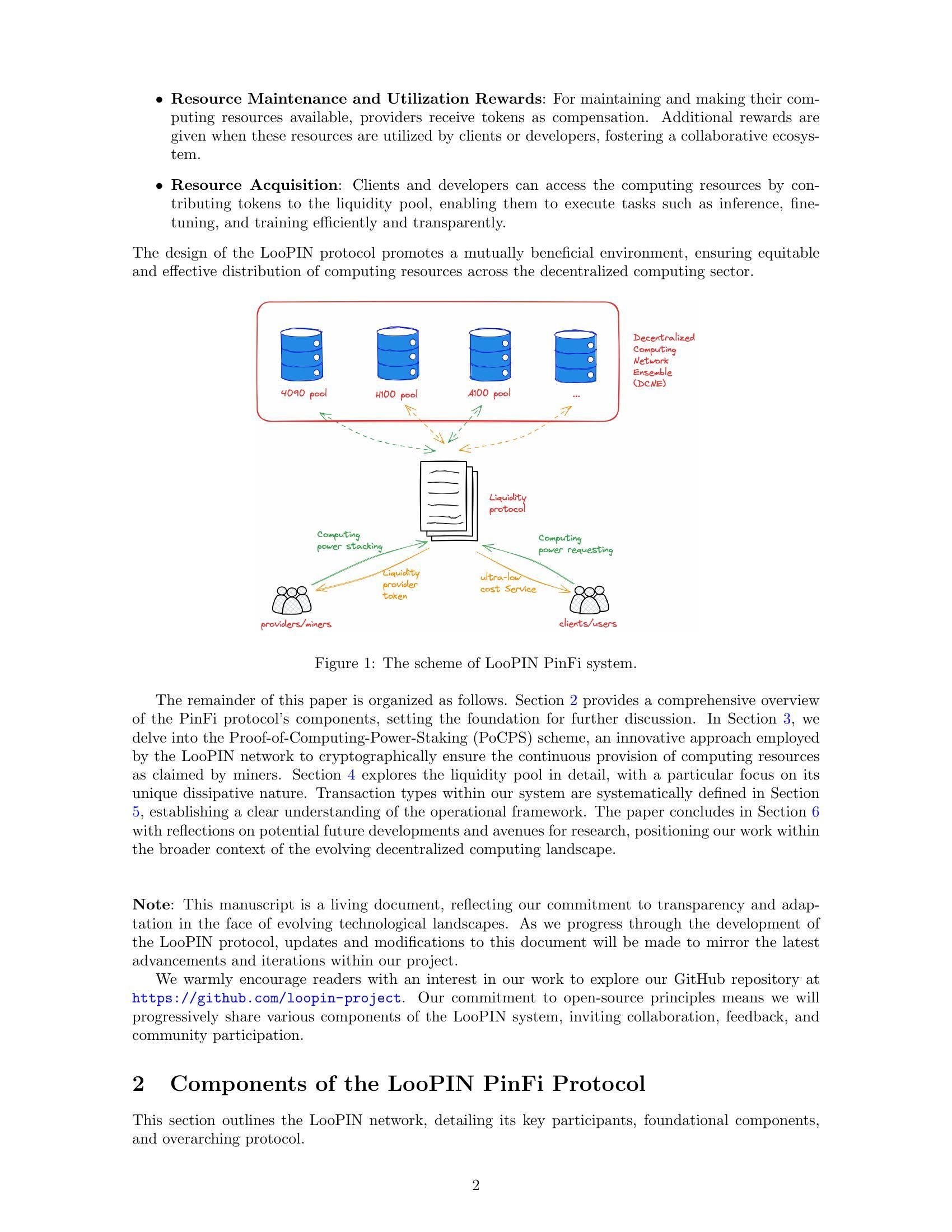
這就是物理基礎設施金融(PinFi)的出現。這個新興架構將運算能力視為可被代幣化的資產,透過區塊鏈網路實現交易、質押與獲利。不必依賴中心化資料中心,PinFi 協議可將獨立運營者、遊戲電腦、礦場與邊緣裝置閒置的 GPU 能力集合,打造全球 AI 開發人員可即時存取的分散式市集。
下文深入探討真實運算力如何轉化為加密經濟基礎設施,包括代幣化運算網路的運作機制、鼓勵參與的經濟模型、驗證與結算架構,以及對加密和 AI 產業的可能影響。
為什麼是現在的 PinFi?宏觀與技術動因

制約 AI 產業的運算瓶頸,源於嚴重的供應限制。Nvidia 於 2025 年第一季將近 60% 晶片產能分配給企業級 AI 客戶,導致許多用戶搶不到資源。2024 年全球 AI 晶片市場規模達 1,231.6 億美元,預計 2029 年突破 3,115.8 億美元,反映出遠超過產能的爆炸性需求。
GPU 短缺現象多元。傳統雲端供應商高階 GPU 須排候補,AWS 提供 8 張 H100 GPU 實例每小時收費 98.32 美元,許多開發者和新創難以負擔。硬體報價因供給受限居高不下,HBM3 記憶體價格年增 20-30%。
算力集中於少數雲端巨頭帶來更多摩擦。預估到 2025 年,逾 50% 企業工作負載將上雲,但存取仍受合約、地理與 KYC 限制。這種中心化限縮創新,並為關鍵基礎設施帶來單點失效風險。
另一方面,大量算力閒置。上班時段遊戲電腦無用武之地,加密礦工因經濟效益轉移尋找新收入,資料中心離峰時段資源閒置。去中心化運算市場自 2024 年 90 億美元成長,預估 2032 年達到千億美元,意味著分散式模式可盤活這些潛力供給。
區塊鏈技術與實體基礎設施交會,也藉由去中心化物理基礎設施網路 DePIN日趨成熟。DePIN 透過代幣激勵協調實體基礎設施的部署與營運。Messari 指出 DePIN 潛在市場總規模達 2.2 兆美元,2028 年甚至可能高達 3.5 兆美元。
PinFi 則是將 DePIN 原則專門應用在算力基礎設施。它把運算資源當作可產生收益的可代幣化資產,把「租用中心化服務」翻轉為「在開放、無須許可的市場交易的商品」。
PinFi 與運算資產代幣化是什麼?
物理基礎設施金融是以區塊鏈作為橋樑,將實體運算資產數位化為代幣,實現去中心化擁有、營運與獲利。不像傳統 DeFi 協議僅處理純數位資產,PinFi 創造了鏈下實體資源與鏈上經濟體系之間的橋梁。
學術上將代幣化定義為「把權利、資產所有權單位、債務,甚至實體資產轉為區塊鏈上的數位代幣」。對運算資源而言,即單一 GPU、伺服器叢集或邊緣裝置等,以代幣表示其產能、可用性與使用紀錄。
PinFi 與一般基礎設施金融或典型 DeFi 協議完全不同。傳統基礎設施金融偏重大型資本專案的長期債權或股權投資,DeFi 協議則圍繞原生加密資產的交易、放貸或收益。PinFi 則結合兩者,透過加密經濟激勵協調實體世界算力資源,同時保持鏈上結算與治理。
多個協議體現了 PinFi 模式。Bittensor 是去中心化 AI 網路,參與者貢獻機器學習模型與算力給專攻不同任務的子網。TAO 代幣根據貢獻對整體智慧的資訊價值給予激勵。超過 7,000 名礦工提供算力,Bittensor 創造出 AI 推理與模型訓練的市場。
Render Network 在全球聚合閒置 GPU,用於分散式渲染任務。原本聚焦 3D 藝術家渲染,現已拓展到 AI 運算。RNDR 代幣作為渲染任務報酬,也用於獎勵提供資源的 GPU 持有者。
Akash Network 是去中心化雲端市集,調度閒置資料中心資源。其反拍制度由算力需求方指定規格,資源供應者競價搶標。AKT 代幣支援治理、質押與結算。Akash 擴大涵蓋 GPU 資源後,季度活躍租賃大增。
io.net 已整合超過 30 萬張認證 GPU,承載獨立資料中心、加密礦工與其他 DePIN 網絡(如 Render 與 Filecoin)的資源,專注 AI 與機器學習應用,讓開發者能於 130 國內幾分鐘內部署 GPU 叢集。
這些協議在代幣化運算機制上大致相同:算力提供者登錄硬體,經過能力認證。智能合約管理供給與需求 match,按需求、價格與地理分配任務。代幣獎勵同時驅動硬體供應和優質服務。
真正的價值由實際使用產生,而非靠炒作。AI 開發人員使用分散式 GPU 訓練模型時,報酬直接流向那些執行任務的硬體持有者。運算力成為可產生收益的生產性資產,類似權益證明驗證者因維護網路安全而得獎勵,形成以網路效用為基礎的永續經濟結構。
基礎設施架構:節點、市集與結算

代幣化算力的實現架構,需跨多個層面協同運作。基礎層來自每一個獨立算力提供者,他們部署硬體、向協議登錄,並開放資源出租。供應者可涵蓋從遊戲 PC 使用者、專業資料中心到加密礦工等多元群體。
節點供應流程自提供者將硬體聯網開始。例如 io.net 協議支援多樣 GPU 型號,從消費級 NVIDIA RTX 4090,到企業級 H100 及 A100。供應者安裝客戶端軟體,讓算力暴露於網路調度層,同時保持安全隔離,避免未經授權的存取。
驗證機制可確保宣稱的資源與實際能力吻合 actual capabilities. Some protocols employ cryptographic proofs of compute, where nodes must demonstrate they performed specific calculations correctly. Bittensor uses its Yuma Consensus mechanism, where validators evaluate the quality of miners' machine learning outputs and assign scores that determine reward distribution. Nodes providing low-quality results or attempting to cheat receive reduced compensation or face slashing of staked tokens.
實際能力:有些協議採用了運算的加密證明,要求節點必須證明其正確執行了特定計算。Bittensor採用其Yuma共識機制,由驗證者審查礦工產生的機器學習結果的品質,並給予分數,以決定獎勵分配。提供低質量結果或試圖作弊的節點,將獲得較少報酬,嚴重者甚至會被削減抵押代幣。
Latency benchmarking helps match workloads to appropriate hardware. AI inference requires different performance characteristics than model training or 3D rendering. Geographic location affects latency for edge computing applications where processing must occur near data sources. The edge computing market reached $23.65 billion in 2024 and is expected to hit $327.79 billion by 2033, driven by demand for localized processing.
延遲基準測試有助於將工作負載分配到適合的硬體。AI推論、模型訓練或3D繪圖所需的效能特性各有不同。地理位置則會影響邊緣運算應用的延遲,特別是在需要靠近資料來源處理的情境下。全球邊緣運算市場在2024年達到236.5億美元,預計到2033年將成長至3,277.9億美元,主要受到在地處理需求的推動。
The marketplace layer connects compute demand with supply. When developers need GPU resources, they specify requirements including processing power, memory, duration and maximum price. Akash employs a reverse auction model where deployers set terms and providers bid to win contracts. Render uses dynamic pricing algorithms that adjust rates based on network utilization and market conditions.
市場層將算力需求和供給方連接起來。開發者若需要GPU資源,可指定所需的運算能力、記憶體大小、期間及最高價格。Akash採用反向競標模式:發布者設定條件,供應商則提出報價爭取合約。Render則採用動態價格演算法,根據網路使用率及市場情況調整費率。
Job routing algorithms optimize placement of compute tasks across available nodes. Factors considered include hardware specifications, current utilization, geographic proximity, historical performance and price. io.net's orchestration layer handles containerized workflows and supports Ray-native orchestration for distributed machine learning workloads.
工作分配演算法則優化了算力任務在可用節點上的配置。考量的因素包括硬體規格、當前使用率、地理鄰近性、歷史效能和價格。io.net的協作層可處理容器化工作流程,並支援Ray原生協作,用於分散式機器學習的工作分配。
Settlement occurs on-chain through smart contracts that escrow payments and release funds upon verified completion of work. This trustless settlement eliminates counterparty risk while enabling microtransactions for short-duration compute jobs. Protocols built on high-throughput blockchains like Solana can handle the transaction volume generated by thousands of simultaneous inference requests.
結算在鏈上通過智慧合約進行,合約暫時保管付款,待驗證工作完成後才釋放資金。這種無信任結算機制消除了對手風險,並可支援短時算力工作的微支付。基於Solana等高吞吐區塊鏈的協議能處理數千筆同步推論請求所產生的大量交易。
Staking mechanisms align incentives between participants. Compute providers often stake tokens to demonstrate commitment and expose collateral that can be slashed for poor performance. Validators in Bittensor stake TAO tokens to gain influence in scoring miners and earn portions of block rewards. Token holders can delegate stake to validators they trust, similar to proof-of-stake consensus mechanisms.
質押機制讓參與者的利益趨於一致。算力供應者通常會質押代幣,以展現其承諾並提供可因表現不佳而被削減的擔保品。Bittensor的驗證者需質押TAO代幣,以取得對礦工評分及獲得區塊獎勵分配的影響力。代幣持有者可以將質押權委託給他們信任的驗證者,這與權益證明共識機制相似。
Governance allows token holders to vote on protocol parameters including reward distribution, fee structures and network upgrades. Decentralized governance ensures that no central authority can unilaterally change rules or restrict access, maintaining the permissionless nature that differentiates these networks from traditional cloud providers.
治理機制讓代幣持有者可以對包括獎勵分配、費用結構和網路升級等協議參數進行投票。去中心化治理確保沒有人能單方面變更規則或限制存取,維持這些協議與傳統雲端服務供應商不同的無許可性質。
The architecture contrasts sharply with centralized cloud computing. Major providers own their infrastructure, set prices without market competition, require accounts and compliance checks, and maintain control over access and censorship. PinFi protocols distribute ownership across thousands of independent operators, enable transparent market-based pricing, operate permissionlessly and resist censorship through decentralization.
這種架構與集中式雲端運算形成鮮明對比。主要供應商自有基礎設施、由其自行訂價、需要帳號和合規審查,並對存取和審查維持控制權。PinFi 協議則將所有權分散於上千名獨立運營者、實施透明的市場定價、運作無需許可,且透過去中心化抵抗審查。
Tokenomics & Incentive Models
Token economics provide the incentive structure that coordinates distributed compute networks. Native tokens serve multiple functions including payment for services, rewards for resource provision, governance rights and staking requirements for network participation.
代幣經濟學構建了協調分散式運算網路的獎勵結構。原生代幣具備多重功能,包括服務支付、資源提供獎勵、治理權與網路參與的質押要求。
Issuance mechanisms determine how tokens enter circulation. Bittensor follows Bitcoin's model with a capped supply of 21 million TAO tokens and periodic halvings that reduce issuance over time. Currently 7,200 TAO are minted daily, split between miners who contribute computational resources and validators who ensure network quality. This creates scarcity similar to Bitcoin while directing inflation toward productive infrastructure.
代幣發行機制決定代幣如何進入流通。Bittensor採用比特幣模式,總供應量上限為2,100萬顆TAO,並定期減半以減少發行速度。目前每天鑄造7,200顆TAO,分給貢獻算力的礦工與負責網路品質的驗證者。這造成類似比特幣的稀缺性,同時讓通膨導向實體基礎設施建設。
Other protocols issue tokens based on network usage. When compute jobs execute, newly minted tokens flow to providers proportional to the resources they supplied. This direct linkage between value creation and token issuance ensures that inflation rewards actual productivity rather than passive token holding.
其他協議則根據網路使用量發行代幣。每當算力任務執行時,新鑄造的代幣會按其供應的資源占比分配給供應者。如此直接將價值創造與代幣發行掛勾,確保通膨獎勵實際生產力,而非僅持有代幣。
Staking creates skin in the game for network participants. Compute providers stake tokens to register nodes and demonstrate commitment. Poor performance or attempted fraud results in slashing, where staked tokens are destroyed or redistributed to affected parties. This economic penalty incentivizes reliable service delivery and honest behavior.
質押讓參與者與網路利益綁定。算力供應者需質押代幣以註冊節點並表達承諾。表現不佳或試圖作弊者會遭到削減,其質押代幣會被銷毀或分配給受影響方。這種經濟懲罰促使供應者提供穩定服務並維持誠信行為。
Validators stake larger amounts to gain influence in quality assessment and governance decisions. In Bittensor's model, validators evaluate miners' outputs and submit weight matrices indicating which nodes provided valuable contributions. The Yuma Consensus aggregates these assessments weighted by validator stake to determine final reward distribution.
驗證者需質押較多代幣,才能在品質評分與治理決策中獲得較大影響力。在Bittensor模式下,驗證者需評估礦工產出並提交權重矩陣,指出哪些節點貢獻顯著。Yuma共識機制則根據各驗證者的質押比例加權整合評分,決定最終獎勵分配。
The supply-demand dynamics for compute tokens operate on two levels. On the supply side, more nodes joining the network increase available computational capacity. Token rewards must be sufficient to compensate for hardware costs, electricity and opportunity costs versus alternative uses of the equipment. As token prices rise, provisioning compute becomes more profitable, attracting additional supply.
算力代幣的供需動態表現在兩個層面。供給端,更多節點加入網路提升可用算力。代幣獎勵必須足夠補償硬體、電費與設備替代用途的機會成本。當代幣價格上升時,供應算力的利潤也提高,從而吸引更多供應者加入。
On the demand side, token price reflects the value users place on network access. As AI applications proliferate and compute scarcity intensifies, willingness to pay for decentralized resources increases. The AI hardware market is expected to grow from $66.8 billion in 2025 to $296.3 billion by 2034, creating sustained demand for alternative compute sources.
需求端而言,代幣價格反映用戶對網路存取價值的評價。隨著AI應用普及、算力供應短缺,用戶願意為去中心化資源支付的價格升高。AI硬體市場預計將從2025年的668億美元成長到2034年的2,963億美元,帶來對替代算力來源的持續需求。
Token value appreciation benefits all participants. Hardware providers earn more for the same computational output. Early node operators gain from appreciation of accumulated rewards. Developers benefit from a decentralized alternative to expensive centralized providers. Token holders who stake or provide liquidity capture fees from network activity.
代幣價值上升有利於所有參與者。硬體供應商能以同樣算力獲得更高報酬,早期節點運營者也可從累積獎勵的升值中受益。開發者則可使用去中心化方式替代高價傳統供應商。代幣持有人若參與質押或流動性供應,則能分得網路活動產生的費用。
Risk models address potential failure modes. Node downtime reduces earnings as jobs route to available alternatives. Geographic concentration creates latency issues for edge applications requiring local processing. Network effects favor larger protocols with more diverse hardware and geographic distribution.
風險模型則應對潛在失敗模式。節點停機會導致損失,因為工作將被轉至其他可用節點。地理集中的話,對需要本地處理的邊緣應用會產生延遲問題。網路效應有利於硬體多元及地理分散更強的規模較大協議。
Token inflation must balance attracting new supply with maintaining value for existing holders. Research on decentralized infrastructure protocols notes that sustainable tokenomics requires demand growth to outpace supply increases. Protocols implement burning mechanisms, where tokens used for payments are permanently removed from circulation, creating deflationary pressure that offsets inflationary issuance.
代幣通膨需在吸引新供應和維持現有持有者價值間取得平衡。去中心化基礎設施協議相關研究指出,可持續的代幣經濟需讓需求成長速度快於供應增長。部分協議實施銷毀機制,將支付時所用的代幣永久移出流通,產生通縮壓力,抵消通膨發行量。
Fee structures vary across networks. Some charge users directly in native tokens. Others accept stablecoins or wrapped versions of major cryptocurrencies, with protocol tokens primarily serving governance and staking functions. Hybrid models use tokens for network access while settling compute payments in stable assets to reduce volatility risk.
各網路的手續費結構各有不同。有些要求用戶直接用原生代幣支付,有些則接受穩定幣或主流加密貨幣包裝版本,協議代幣主要用於治理與質押。混合模式則用代幣作為網路進入憑證,但運算費用結算採用穩定資產,以降低波動風險。
The design space for incentive models continues evolving as protocols experiment with different approaches to balancing stakeholder interests and sustaining long-term growth.
獎勵模型設計空間持續演進,各協議嘗試不同機制尋求利害關係人利益平衡並帶來長期增長動能。
AI, Edge, and Real-World Infrastructure

Tokenized compute networks enable applications that leverage distributed hardware for AI workloads, edge processing and specialized infrastructure needs. The diversity of use cases demonstrates how decentralized models can address bottlenecks across the computational stack.
代幣化算力網路支持分散式硬體,滿足AI運算、邊緣處理與專業基礎設施需求。應用情境多元,顯示去中心化架構能解決計算堆疊各層瓶頸。
Distributed AI model training represents a primary use case. Training large language models or computer vision systems requires massive parallel computation across multiple GPUs. Traditional approaches concentrate this training in centralized data centers owned by major cloud providers. Decentralized networks allow training to occur across geographically distributed nodes, each contributing computational work coordinated through blockchain-based orchestration.
分散式AI模型訓練是主要應用之一。大型語言模型或電腦視覺系統訓練需在多張GPU上大規模並行作業。傳統作法將訓練集中於大型雲供應商的資料中心;去中心化網路則允許訓練分布於地理分散的節點,由區塊鏈協作層協調貢獻算力。
Bittensor's subnet architecture enables specialized AI markets focused on specific tasks like text generation, image synthesis or data scraping. Miners compete to provide high-quality outputs for their chosen domains, with validators assessing performance and distributing rewards accordingly. This creates competitive markets where the best models and most efficient implementations naturally emerge through economic selection.
Bittensor的子網架構可建立專注於文本生成、影像合成或數據擷取等特定任務的專業AI子市場。礦工競爭產生高品質成果,驗證者評分並分配獎勵,由此建立競爭性市場,讓最優模型與高效實作透過經濟選擇機制脫穎而出。
Edge computing workloads benefit particularly from decentralized infrastructure. The global edge computing market was valued at $23.65 billion in 2024,其發展動力來自對低延遲和本地處理有需求的應用。IoT 裝置持續產生感測器數據,需要即時分析,無法承受傳送至遠端資料中心的來回延遲。自駕車則要求毫秒等級的決策,對網路延遲的容忍極低。
去中心化運算網路能將運算資源實體部署於數據來源附近。例如,一間工廠在布署工業 IoT 感測器時,可以直接租用同城市或區域內的邊緣節點,而不必依賴數百英里外的中心化雲端資源。2024 年,工業 IoT 應用在邊緣運算中占最大市場份額,反映出製造與物流高度依賴在地運算能力的本質。
內容繪製和創意工作流程消耗大量 GPU 資源。藝術家在渲染 3D 場景、動畫製作人產製影片,以及遊戲開發者編譯素材時,皆需密集的平行運算。Render Network 專注於分散式 GPU 運算繪圖,將全球閒置的 GPU 能力連結給創作者。這種市集模式能降低繪圖成本,同時讓 GPU 擁有者在閒置時獲得額外收益。
科學運算和研究應用在存取昂貴雲端資源時常受限於預算。學術單位、獨立研究人員與中小機構可利用去中心化網路執行模擬、數據分析或訓練專門模型。其無須許可的特性,讓任何地區的研究人員都能存取計算資源,無需傳統雲端帳號或信用審查。
遊戲與元宇宙平台需要進行渲染和物理計算,才能創造沉浸式體驗。隨著虛擬世界日益複雜,維持持續性場景並支援數千名同時用戶的運算需求隨之提升。邊緣分布運算節點能就近為區域用戶群提供本地計算,既降低延遲,又能透過代幣激勵機制分攤基礎建設成本。
AI 推論規模化需長時持續存取 GPU 資源,以提供已訓練模型的即時預測服務。無論是服務數百萬查詢的聊天機器人、依據用戶提示生成圖片的服務,還是分析用戶行為的推薦引擎,都需時時可用的計算能力。去中心化網路具冗餘和地理分布優勢,相較依賴單一供應商,更能提升可靠性。
在主流雲端供應商服務不足的地理區,成為 PinFi 協議的機會。這些區域因缺乏資料中心,存取中心化運算時面臨更高延遲和成本。本地硬體供應商可根據區域需求提供量身訂製的運算能力,同時藉由代幣激勵提升當地對 AI 能力的可得性。
數據主權規範要求部分工作負載必須在特定司法管轄內處理。例如 EU Data Act 規定敏感資訊需在本地處理,鼓勵佈署符合法規的邊緣基礎建設。去中心化網路天生支援特定地區部署節點,同時可藉由區塊鏈型結算維持全球協調。
為何重要:對加密貨幣及基礎建設的影響
PinFi 的興起代表加密貨幣正從純金融服務,擴展到協調現實世界基礎建設。這一變化不僅影響加密產業,同時波及更廣泛的運算產業。
當加密協議能實際解決基礎建設問題時,其價值超越純投機或炒作。DePIN 與 PinFi 引入經濟模型協調實體資源,證明區塊鏈激勵可迅速催生現實網路。DePIN 領域的總可服務市場現約 2.2 兆美元,預計 2028 年將增至 3.5 兆美元,約為當前總加密貨幣市值的三倍。
民主化運算存取,解決 AI 發展的根本不對稱。目前,先進 AI 能力多集中於資金充裕的科技巨頭,這些公司可負擔大量 GPU 叢集。新創、研究單位與資源有限的開發者參與 AI 創新時門檻甚高。去中心化運算網路則以無需許可的模式,提供市場導向價格的分散式硬體供應,降低門檻。
新資產類別的創建擴展了加密貨幣的投資版圖。計算能力代幣代表對生產型基礎設施的所有權,並透過現實使用產生收益。這使其有別於僅有投機性質或無明確收益機制的治理型代幣。持有者實質上成為去中心化雲端供應商的股東,其價值與運算服務需求相連動。
傳統基礎設施壟斷者面臨顛覆。中心化雲端供應商如 AWS、Microsoft Azure 和 Google Cloud,掌控著運算市場的寡占地位,可自行決定價格。去中心化選項引入市場機制,數千家獨立供應商競爭,可能促使價格下降並提升可及性。
AI 產業因對中心化基礎設施倚賴減少而受惠。目前,AI 發展重度集聚於主流雲端,存在單點失效和集中化風險。超過 50% 的生成式 AI 企業表示 GPU 短缺是主要障礙。分散式網路能提供替代產能,不僅能分擔需求高峰,更可作為供應鏈中斷的備援。
能源效率有望隨更佳資源利用而提升。閒置遊戲設備耗電卻無產出,挖礦機台若有多餘資源亦尋求附加收益。分散式網路將閒置 GPU 投入有生產力的用途,提升整體運算生態系的資源效率。
抗審查性對 AI 應用愈趨重要。中心化雲端供應商可拒絕為特定用戶、應用甚至整個地區服務。去中心化網路以無許可的方式運作,AI 開發與部署毋需經過守門人審核。這對於具爭議性用途或受限地區用戶尤其重要。
本地處理強化資料隱私架構。邊緣運算使敏感資料留在源頭附近,而無須傳至遠端資料中心。去中心化網路亦可實現如聯邦學習等保護隱私的技術,於不集中原始資料的前提下分散訓練模型。
市場效率提升來自透明的價格發現。傳統雲端服務價格結構複雜、缺乏透明度且常需企業個別議價。去中心化市集則建立明確的運算即時價格,讓開發者能最佳化成本,同時鼓勵供應商在競爭中提升收益。
長期價值來自持續增長的需求。AI 工作負載隨應用普及而不斷提升。AI 硬體市場預期將由 2025 年的 668 億美元成長至 2034 年的 2963 億美元。運算力將持續成為有限資源,確保替代基礎建設模式有穩定需求。
網路效應利於早期取得關鍵規模的協議。硬體供應者加入愈多,資源種類愈多元。地理分佈擴展,有助降低邊緣應用延遲。更大的網路可吸引更多開發者,形成良性成長循環。特定領域搶得先機者,或可建立長久優勢。
挑戰與風險
儘管應用前景看好,代幣化運算網路仍面臨重大的技術、經濟與合規挑戰,可能限制其成長或採用。
技術可靠性仍是主要憂慮。中心化雲端供應商可提供服務等級協議(SLA),保證運作時間與效能。分散式網路協調眾多獨立營運商,其專業度及硬體品質參差不齊。節點故障、網路中斷或維護時段都會造成服務落差,需透過冗餘設計與路由演算法管理。
確保工作實際執行的驗證機制仍舊具挑戰性。要確定節點真實執行運算而非回傳錯誤結果,需採取複雜的證明系統。密碼學運算證明雖會增加負擔卻是防止作弊所必須。驗證機制若不完善,惡意節點可能透過偽造服務來申領報酬。
延遲與頻寬限制影響分散式工作負載。執行…computations across geographically dispersed locations can cause delays compared to co-located hardware in single data centers。分散於不同地理位置的計算比起集中於單一資料中心的硬體,更容易產生延遲。節點之間的網路頻寬會限制適合分散式處理的工作負載類型。需要頻繁節點間通訊的緊密耦合並行計算,將會面臨效能降低的問題。
Quality of service variability creates uncertainty for production applications。服務品質的變化會為生產應用帶來不確定性。Unlike managed cloud environments with predictable performance, heterogeneous hardware pools produce inconsistent results。不同於受管理雲端環境中可預期的效能,異質性硬體池容易產生結果不一致的情況。A training run might execute on enterprise-grade H100s or consumer RTX cards depending on availability。一次訓練可能因可用情況而運行於企業級H100或消費級RTX顯示卡上。Application developers must design for this variability or implement filtering that restricts jobs to specific hardware tiers。應用開發者必須針對這種變異性進行設計,或實施過濾條件以限制工作僅運行在特定硬體等級。
Economic sustainability requires balancing supply growth with demand expansion。經濟可持續性取決於供給增長與需求擴張的平衡。Rapid increases in available compute capacity without corresponding demand growth would depress token prices and reduce provider profitability。如運算資源快速增加,卻沒有相應需求成長,將壓低代幣價格並減少供應者利潤。Protocols must carefully manage token issuance to avoid inflation that outpaces utility growth。協議必須謹慎管理代幣發行,以避免通膨超過實際使用量的成長。Sustainable tokenomics requires demand growth to outpace supply increases。
Token value compression poses risks for long-term participants。代幣價值壓縮對長期參與者構成風險。As new providers join networks seeking rewards, increased competition drives down earnings per node。隨著新供應者加入並追求獎勵,競爭加劇會降低每個節點的收益。Early participants benefiting from higher initial rewards may see returns diminish over time。早期參與者享受高初始獎勵,卻可能隨時間推移而回報減少。If token appreciation fails to offset this dilution, provider churn increases and network stability suffers。如果代幣價格上升未能抵消這種稀釋,供應者退出將增加,導致網路穩定性受損。
Market volatility introduces financial risk for participants。市場波動為參與者帶來財務風險。Providers earn rewards in native tokens whose value fluctuates。供應者以原生代幣獲取獎勵,其價值可能波動。A hardware operator may commit capital to GPU purchases expecting token prices to remain stable, only to face losses if prices decline。硬體經營者可能投入資本購買GPU,希望代幣價格維持穩定,卻在價格下跌時蒙受損失。Hedging mechanisms and stablecoin payment options can mitigate volatility but add complexity。對沖機制與穩定幣支付方案雖可降低波動,但也增加複雜性。
Regulatory uncertainty around token classifications creates compliance challenges。代幣分類的監管不確定性帶來合規挑戰。Securities regulators in various jurisdictions evaluate whether compute tokens constitute securities subject to registration requirements。不同司法轄區的證券監管機關會審查運算代幣是否屬於需註冊的證券。Ambiguous legal status restricts institutional participation and creates liability risks for protocol developers。法律定位模糊限制了機構參與,並為協議開發者帶來法律責任風險。Infrastructure tokenization faces regulation uncertainties that have limited adoption compared to traditional finance structures。
Data protection regulations impose requirements that distributed networks must navigate。資料保護法規對分散式網路提出合規要求。Processing European citizens' data requires GDPR compliance including data minimization and rights to deletion。處理歐盟公民資料需符合法規,包括資料最小化與刪除權。Healthcare applications must satisfy HIPAA requirements。醫療應用需符合HIPAA規範。Financial applications face anti-money laundering obligations。金融應用則需遵守防洗錢規定。Decentralized networks complicates compliance when data moves across multiple jurisdictions and independent operators。當資料跨越多個司法轄區與獨立營運者時,去中心化網路更增合規難度。
Hardware contributions may trigger regulatory scrutiny depending on how arrangements are structured。硬體貢獻有可能因架構設計方式而受到監管審查。Jurisdictions might classify certain provider relationships as securities offerings or regulated financial products。某些地區可能將特定供應關係歸為證券發行或監管金融商品。The line between infrastructure provision and investment contracts remains unclear in many legal frameworks。基礎設施供應與投資合約之間的界線,在許多法律體系中仍不明確。
Competition from hyperscale cloud providers continues intensifying。來自超大規模雲端供應商的競爭日益加劇。Major providers invest billions in new data center capacity and custom AI accelerators。主要供應商投入數十億建置新的資料中心及專用AI加速器。AWS, Microsoft, and Google spent 36% more on capital expenditures in 2024, largely for AI infrastructure。這些資本雄厚的業者可以降價競爭或結合其他服務來維持市占。
Network fragmentation could limit composability。網路分裂可能限制可組合性。Multiple competing protocols create siloed ecosystems where compute resources cannot easily transfer between networks。多個競爭協議造成計算資源無法輕易在不同網路間流通的孤島生態系。Lack of standardization in APIs, verification mechanisms or token standards reduces efficiency and increases switching costs for developers。API、驗證機制或代幣標準未能統一,降低了效率,也增加開發者轉換成本。
Early adopter risk affects protocols without proven track records。早期採用者的風險,影響著尚無成熟經歷的協議。New networks face chicken-and-egg problems attracting both hardware providers and compute buyers simultaneously。新網路要同時吸引硬體供應者與運算需求方,面臨先有雞還是先有蛋的兩難。Protocols may fail to achieve critical mass needed for sustainable operations。協議若無法達到可持續運營所需的臨界規模,可能會失敗。Token investors face total loss risk if networks collapse or fail to gain adoption。如果網路崩潰或未能普及,代幣投資人將面臨全損風險。
Security vulnerabilities in smart contracts or coordination layers could enable theft of funds or network disruption。智慧合約或協作層的安全漏洞,可能導致資金竊取或網路中斷。Decentralized networks face security challenges requiring careful smart contract auditing and bug bounty programs。分散式網路必須進行嚴格的智慧合約審計與漏洞獎金機制。Exploits that drain treasuries or enable double-payment attacks damage trust and network value。若遭遇榨乾資金庫或雙重支付的攻擊,將嚴重損害信任及網路價值。
The Road Ahead & What to Watch
Tracking key metrics and developments provides insight into the maturation and growth trajectory of tokenized compute networks。追蹤關鍵指標與動態,有助於觀察代幣化運算網路的成熟與成長路徑。
Network growth indicators include the number of active compute nodes, geographic distribution, hardware diversity and total available capacity measured in compute power or GPU equivalents。網路成長指標包括:活躍運算節點數、地理分布範圍、硬體多元性,以及以算力或GPU數等計算之總可用容量。Expansion in these metrics signals increasing supply and network resilience。這些指標擴張意味著供應增長與網路韌性提升。io.net accumulated over 300,000 verified GPUs by integrating multiple sources, demonstrating rapid scaling potential when protocols effectively coordinate disparate resources。通過整合多方資源,io.net已累積超過30萬張驗證GPU,展示了協議若有效協調分散資源,具有極快的擴展潛力。
Usage metrics reveal actual demand for decentralized compute。使用指標揭示去中心化運算的真實需求。Active compute jobs, total processing hours delivered, and the mix of workload types show whether networks serve real applications beyond speculation。活躍計算任務、累積運算時數,以及任務類型多樣性,可反映出網路是否真正服務於實際應用,而非僅限於投機。Akash witnessed notable surge in quarterly active leases after expanding GPU support, indicating market appetite for decentralized alternatives to traditional clouds。Akash擴大GPU支援後,季度活躍租用顯著成長,顯示市場對去中心化雲端替代方案的需求。
Token market capitalization and fully diluted valuations provide market assessments of protocol value。代幣市值與全面稀釋估值反映出協議的市場評價。Comparing valuations to actual revenue or compute throughput reveals whether tokens price in future growth expectations or reflect current utility。比對市值與實際營收或運算產能,可以看出代幣價格是反映未來成長預期,還是當前應用價值。Bittensor's TAO token reached $750 during peak hype in March 2024, illustrating speculative interest alongside genuine adoption。Bittensor的TAO在2024年3月熱潮期間一度突破750美元,展現投機熱情與真實採用並存。
Partnerships with AI companies and enterprise adopters signal mainstream validation。與AI公司及企業用戶的合作,代表主流市場的肯定。When established AI labs, model developers or production applications deploy workloads on decentralized networks, it demonstrates that distributed infrastructure meets real-world requirements。知名AI實驗室、模型開發者或生產應用將工作負載佈署於去中心化網路,證明分散式架構已滿足實際產業需求。Toyota and NTT announced a $3.3 billion investment in a Mobility AI Platform using edge computing, showing corporate commitment to distributed architectures。豐田與NTT宣佈斥資33億美元於行動AI平台,採用邊緣運算,展現企業布局分散架構的決心。
Protocol upgrades and feature additions indicate continued development momentum。協議升級與新功能釋出,顯示發展持續動能。Integration of new GPU types, improved orchestration systems, enhanced verification mechanisms or governance improvements show active iteration toward better infrastructure。支援新GPU型號、強化排程系統、驗證機制與治理等,各項持續優化都彰顯基礎設施不斷進步。Bittensor's Dynamic TAO upgrade in 2025 shifted more rewards to high-performing subnets, demonstrating adaptive tokenomics。Bittensor於2025年動態TAO升級後,將更多獎勵分配給高效子網,展現具調適性的代幣經濟。
Regulatory developments shape the operating environment。監管發展將影響營運環境。Favorable classification of infrastructure tokens or clear guidance on compliance requirements would reduce legal uncertainty and enable broader institutional participation。若能正面認定基礎設施型代幣或給予明確合規指引,將降低法律不確定性並促進更多機構參與。Conversely, restrictive regulations could limit growth in specific jurisdictions。反之,過於嚴格的規範則可能限制某些地區的成長。
Competitive dynamics between protocols determine market structure。協議間的競爭將決定市場結構。The compute infrastructure space may consolidate around a few dominant networks achieving strong network effects, or remain fragmented with specialized protocols serving different niches。計算基礎設施產業或許會集中於幾個有強大網絡效應的主導網路,抑或保持碎片化,由專門協議各自服務不同利基。Interoperability standards could enable cross-network coordination, improving overall ecosystem efficiency。可互通標準的建立,將使跨網路協作成為可能,提高整體生態系效率。
Hybrid models combining centralized and decentralized elements may emerge。結合中心化及去中心化元素的混合型模式也可能出現。Enterprises might use traditional clouds for baseline capacity while bursting to decentralized networks during peak demand。企業可採用傳統雲端滿足基礎運算需求,於高峰時段臨時擴展到去中心化網路。This approach provides predictability of managed services while capturing cost savings from distributed alternatives during overflow periods。此方法結合受管理服務的可預期性以及超載時分散式方案的成本節省優勢。
Consortium networks could form where industry participants jointly operate decentralized infrastructure。產業聯盟型網路也可能興起,由多方共同經營去中心化基礎設施。AI companies, cloud providers, hardware manufacturers or academic institutions might establish shared networks that reduce individual capital requirements while maintaining decentralized governance。AI企業、雲端供應商、硬體廠商或學研單位,皆可共同建立共享網路,兼顧分散治理並降低各自資本壓力。This model could accelerate adoption among risk-averse organizations。此模式有助於促進風險趨避型組織的採用。
Vertical specialization seems likely as protocols optimize for specific use cases。協議針對特定應用場景優化,產生垂直專精趨勢。Some networks may focus exclusively on AI training, others on inference, some on edge computing, others on rendering or scientific computation。有些網路專注於AI訓練,有些專門推理,有些鎖定邊緣運算,還有些致力於繪圖渲染、科學計算。Specialized infrastructure better serves particular workload requirements compared to general-purpose alternatives。專用型基礎設施更能符合特定任務需求,勝過一般性替代品。
Integration with existing AI tooling and frameworks will prove critical。與現有AI工具及框架的整合將成為關鍵。Seamless compatibility with popular machine learning libraries, orchestration systems and deployment pipelines reduces friction for developers。與主流機器學習函式庫、協作系統、佈署管道的無縫對接,可大幅減少開發者阻力。io.net supports Ray-native orchestration, recognizing that developers prefer standardized workflows over protocol-specific custom implementations。io.net支援Ray原生協作機制,體現開發者多傾向標準化工作流程而非協議專屬自訂方案。
Sustainability considerations may increasingly influence protocol design。永續議題或將日益影響協議設計。Energy-efficient consensus mechanisms, renewable energy incentives for node operators, or carbon credit integration could differentiate protocols appealing to environmentally conscious users。採用高能效共識機制、節點運營者使用再生能源獎勵、或結合碳權,都有助於吸引重視環保的用戶。As AI's energy consumption draws scrutiny, decentralized networks mightposition efficiency as a competitive advantage.
將效率定位為競爭優勢。
Media coverage and crypto community attention serve as leading indicators of mainstream awareness. Increased discussion of specific protocols, rising search interest, or growing social media following often precedes broader adoption and token price appreciation. However, hype cycles can create misleading signals disconnected from fundamental growth.
媒體報導和加密社群的關注,作為主流認知的前導指標。對特定協議的討論增加、搜尋熱度上升或社群媒體追蹤者增加,往往會先於更廣泛的採用與代幣價格上漲。然而,炒作循環可能產生與基本成長脫節的誤導性訊號。
Conclusion
Physical Infrastructure Finance represents crypto's evolution into coordination of real-world computational resources. By tokenizing compute capacity, PinFi protocols create markets where idle GPUs become productive assets generating yield through AI workloads, edge processing and specialized infrastructure needs.
實體基礎設施金融(Physical Infrastructure Finance, PinFi)代表了加密貨幣發展到協調現實世界運算資源的新階段。透過對運算能力進行代幣化,PinFi 協議建立出市場,讓閒置的 GPU 轉化為可產生收益的資產,因承擔 AI 工作負載、邊緣計算及特殊基礎設施需求而發揮價值。
The convergence of AI's insatiable demand for computing power with crypto's ability to coordinate distributed systems through economic incentives creates a compelling value proposition. GPU shortages affecting over 50% of generative AI companies demonstrate the severity of infrastructure bottlenecks. Decentralized compute markets growing from $9 billion in 2024 to a projected $100 billion by 2032 signal market recognition that distributed models can capture latent supply.
AI 對運算能力的巨大需求,結合加密貨幣透過經濟誘因協調分散式系統的能力,創造出了極具吸引力的價值主張。GPU 短缺影響逾一半的生成式 AI 公司,突顯了基礎設施瓶頸的嚴重性。去中心化運算市場從 2024 年的 90 億美元成長至 2032 年預計達到 1,000 億美元,則凸顯了市場認可分散式模型具備釋放潛在供給的能力。
Protocols like Bittensor, Render, Akash and io.net demonstrate varied approaches to the same fundamental challenge: efficiently matching compute supply with demand through permissionless, blockchain-based coordination. Each network experiments with different tokenomics, verification mechanisms and target applications, contributing to a broader ecosystem exploring the design space for decentralized infrastructure.
Bittensor、Render、Akash、io.net 等協議,分別展現了針對相同根本挑戰的多元解決路徑:如何透過無需許可、基於區塊鏈的協調機制,有效率地將運算供給與需求配對。每個網路都以不同的代幣經濟學、驗證機制與目標應用實驗,為探索去中心化基礎設施設計空間的更廣泛生態系統做出貢獻。
The implications extend beyond crypto into the AI industry and computational infrastructure more broadly. Democratized access to GPU resources lowers barriers for AI innovation. Reduced dependence on centralized cloud oligopolies introduces competitive dynamics that may improve pricing and accessibility. New asset classes emerge as tokens represent ownership in productive infrastructure rather than pure speculation.
其影響力不僅止於加密領域,更深遠地影響 AI 產業與計算基礎設施整體。實現 GPU 資源的民主化存取,降低了 AI 創新門檻。減少對中心化雲端寡頭的依賴,將帶來新的競爭動態,或有助於提升價格合理性與取得可及性。當代幣代表生產型基礎設施的所有權,而非單純的投機工具,新的資產類別由此誕生。
Significant challenges remain. Technical reliability, verification mechanisms, economic sustainability, regulatory uncertainty and competition from well-capitalized incumbents all pose risks. Not every protocol will survive, and many tokens may prove overvalued relative to fundamental utility. But the core insight driving PinFi appears sound: vast computational capacity sits idle worldwide, massive demand exists for AI infrastructure, and blockchain-based coordination can match these mismatched supply and demand curves.
惟仍存在眾多嚴峻挑戰。技術可靠性、驗證機制、經濟可持續性、監管不確定性,以及資本雄厚現有業者的競爭,皆構成風險。非所有協議都能倖存,許多代幣可能高估於其基本效用。然而,推動 PinFi 的核心觀點依然站得住腳:大量運算資源在全球閒置,AI 基礎設施需求極為龐大,區塊鏈協調機制有潛力實現這些供需錯配的配對。
As AI demand continues exploding, the infrastructure layer powering this technology will prove increasingly critical. Whether that infrastructure remains concentrated among a few centralized providers or evolves toward distributed ownership models coordinated through crypto-economic incentives may define the competitive landscape of AI development for the next decade.
隨著 AI 需求持續爆發,支撐此技術的基礎設施層會變得日益關鍵。這些基礎設施究竟會繼續集中於少數中心化提供者手中,或是發展為透過加密經濟誘因進行協調的分散式擁有模式,或將決定未來十年 AI 發展的競爭格局。
The infrastructure finance of the future may look less like traditional project finance and more like tokenized networks of globally distributed hardware, where anyone with a GPU can become infrastructure provider and where access requires no permission beyond market-rate payment. This represents a fundamental reimagining of how computational resources are owned, operated and monetized—one where crypto protocols demonstrate utility beyond financial speculation by solving tangible problems in the physical world.
未來基礎設施的融資模式,或將不再像傳統專案融資,而更近似於全球分佈硬體的代幣化網路。任何擁有 GPU 的人都能成為基礎設施供應商,而參與無需許可,只需支付市場價格。這徹底重新想像了運算資源的擁有、運營與獲利模式——在這樣的體系中,加密協議不僅是金融投機工具,而是以實際解決現實世界問題來展現其真正效用。