
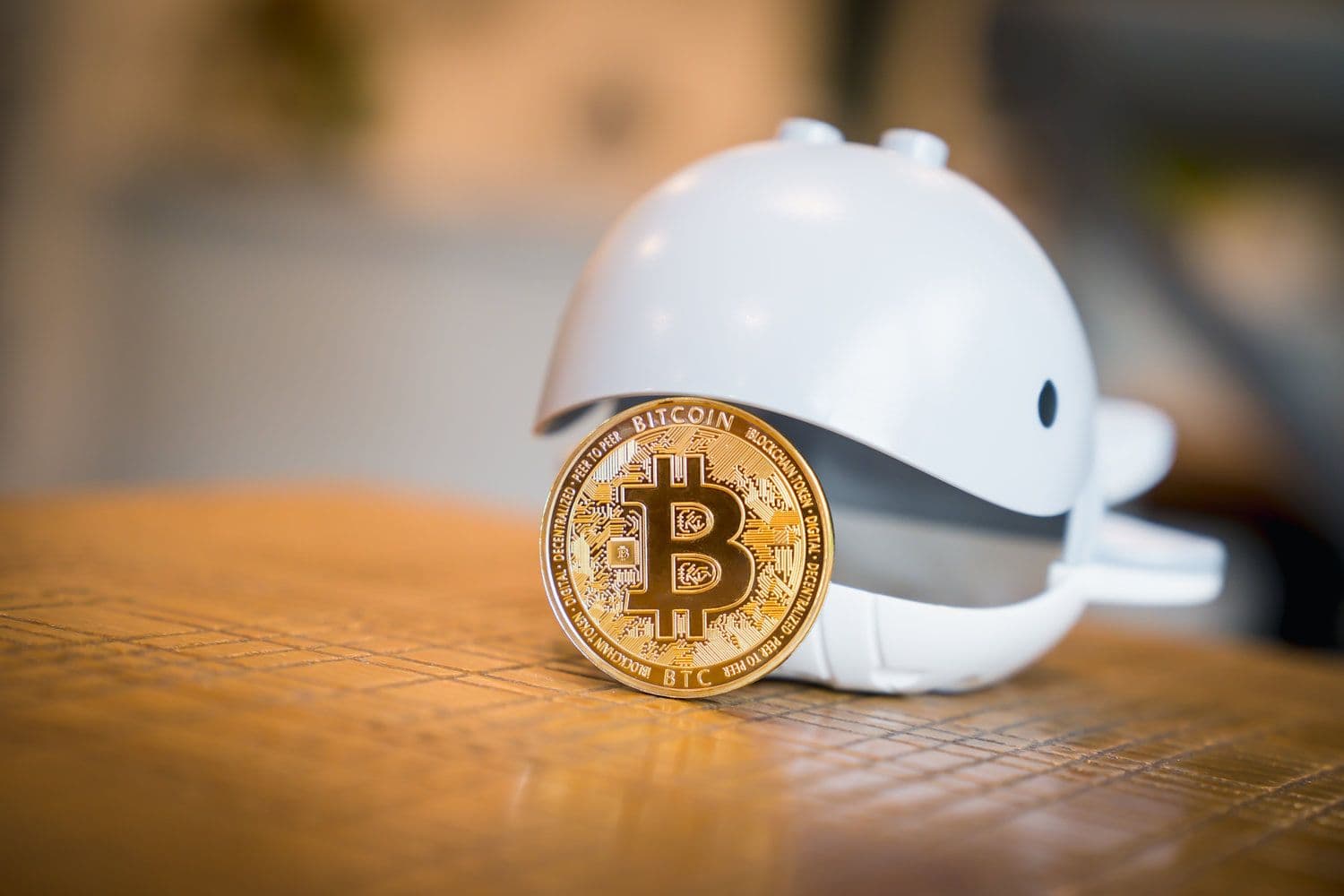
在這個比特幣屢創新高、目前單幣價值徘徊在11萬5千美元一枚,且預測2025年可能達到20萬美元的時代,「實體比特幣」的概念似乎顯得十分矛盾。
比特幣作為全球第一種加密貨幣,自設計之初即為純數位資產,僅存在於分布式區塊鏈帳本中的電子記錄。然而,實體比特幣卻以其獨特的方式,將傳統錢幣收藏學與尖端密碼學結合,創造出連結有形資產與數位創新的迷人收藏市場。
這些特殊物件遠不只是單純的紀念品或紀念物。它們見證了金融史上的關鍵時刻——創新者嘗試為本質上無形的數位概念賦予實體形態,打造可像傳統硬幣般持有、轉讓或收藏,同時又保留了讓比特幣革命性的密碼學特性。
實體比特幣的起源:概念解析
比特幣於2009年由化名中本聰(Satoshi Nakamoto)創立,構想是一套無中介、無銀行、無中央機構的去中心化數位貨幣。整個系統建立於數學密碼學之上,所有權憑透過數位錢包存儲的公開鑰匙與私密鑰匙組來保障。這種設計本質上就是無形,完全以數學證明和計算記錄存在。
然而,即使在比特幣誕生初期,眾多愛好者也發現了將此數位資產實體化的教育意義與市場潛力。這項挑戰極為艱鉅:如何讓天生非物理化的資產擁有實體形態,又不損及其核心特質?最終的解決方式同時兼具創新與簡潔,也深遠影響了後世。
真正的實體比特幣本質上是一種「持有人票據」,類似紙鈔或黃金幣。它內含可兌換的私密鑰匙,對應區塊鏈上一個已充值的比特幣地址。該實體幣通常以防拆破損材料安全封存鑰匙。與僅有加密圖樣的紀念幣不同,真正的實體比特幣可憑內嵌的私鑰提領對應價值。
這項創舉催生了一種全新的收藏類別,兼具加密貨幣真正的資產價值與錢幣收藏美感。持有人可以直接轉交硬幣完成比特幣物理化移轉,數位資產則一直安全儲存於區塊鏈上,直到收方選擇以私鑰領取。
Casascius革命:實體加密貨幣的開端
實體比特幣的真正起點,是2011年由猶他州軟體工程師Mike Caldwell發起的「Casascius」計畫,這也是最著名且最具影響力的實體比特幣項目。Caldwell的願景,是打造兼具安全儲存與藝術美感的高品質實體幣,實現數位與實體貨幣世界的橋樑。
Casascius硬幣無論在工程或設計方面,均為一時之選。
每枚硬幣都精工細作,融入多重安全層級與美學設計。硬幣正面刻有鮮明的比特幣標誌與拉丁文格言「Vires in Numeris」(力量源於數字),成為加密社群的口號。
其技術實現超越當時想像:每枚硬幣內藏獨立的私鑰紙條,並以專用全息貼紙封存,對應的公開地址則以雷射雕刻顯現在硬幣表面,任何人皆可查核餘額而不洩漏私鑰。
全息封條除美觀外還有多重用途,若被破壞即可辨識,顯示私鑰已被兌換,使「已充值」與「已兌換」硬幣明確區分,對市場定價至關重要。
Casascius硬幣設有多種面額,符合不同需求與預算。最常見為0.1BTC、0.5BTC、1BTC及5BTC,另有限量1,000BTC傳奇大面額。材質從黃銅、銀質到鍍金,滿足不同藏家需求。
銷售策略精算,售價略高於比特幣本位,包含材料、生產、運費與合理利潤,使其兼具存幣與禮贈雙重吸引力,亦方便新手入門。
法規挑戰與一個時代的結束
Casascius的成功引起監管單位注意,最終促使美國停止資金實體比特幣生產。2013年,Caldwell收到金融犯罪執法網絡(FinCEN)來函,表達對其業務的關切。
FinCEN認為,製作並流通內含可兌換比特幣的實體物品,等同經營金流服務業(MSB),必須註冊、配合反洗錢法並遵守相關報稅規範。這代表龐大法律責任與嚴格的紀錄、客戶查驗及持續監控。
為避免涉入不確定法律風險,Caldwell於2013年底結束資金實體幣生產,僅保留非資金紀念幣,象徵美國大規模含幣實體比特幣時代落幕。
此舉產生了明顯的市場稀缺性,原有硬幣不僅因其比特幣本身而彌足珍貴,更成為加密貨幣史上短暫而重要篇章的歷史文物。
全球演進:國際實體比特幣項目
美國的監管壓力並未阻擋其他國家創新者探索實體比特幣概念。多個國際項目相繼出現,各自加入獨特設計與安全儲存方式。
芬蘭Prasos Oy於2015年創立的Denarium,是Casascius後最具代表性的實體比特幣計畫。汲取前人經驗,並在不同監管架構下,Denarium發展出精良的生產流程與安全設計。
Denarium在幾項關鍵環節上和Casascius有所不同。
Denarium不單依賴紙條與全息貼紙,更採用鐳射蝕刻等先進技術提升防偽安全,並以精緻設計彰顯加密貨幣的科技與藝術美感。
公司同時推出資金版與非資金版硬幣,滿足多元市場。前者提供真正的實體比特幣體驗,後者則作為禮品或宣傳品。此外,Denarium還選用不同金屬與工藝,打造出豐富產品線,吸引各類收藏家。
Denarium同樣難免監管問題,2020年歐盟第五項反洗錢指令,給所有加密貨幣相關企業帶來新合規壓力。為避免複雜法律風險,Denarium也宣布停止資金版硬幣生產,專注於紀念品。
其他知名計畫還包括由「smoothie」運營的Lealana,以及和已結業BTC China交易所相關的BTCC Mint。Lealana特別之處在於兼具萊特幣與比特幣面額,呼應加密幣多元化潮流。BTCC Mint於2016年推出硬幣,製作精良、設計優雅,樹立了實體加密貨幣美學新標竿。
這些不同項目共同推進了實體比特幣的設計與製程演化,讓整個收藏生態系變得多元,展現了「數位資產實體化」的種種可能。
分類認識:實體比特幣的類型
隨著市場演進,實體比特幣已涵蓋多種類別,各有用途,市價與收藏價值不一。收藏家、投資人及有興趣者應知悉這些分類……
interested in the intersection of physical and digital assets.
對於實體資產與數位資產交集的領域深感興趣。
Funded physical Bitcoins represent the pinnacle of the category and command the highest prices in the collector market. These coins contain actual Bitcoin stored at addresses corresponding to embedded private keys. The private keys are typically concealed behind tamper-evident seals, and the coins function as bearer instruments that can be physically transferred to transfer ownership of the underlying Bitcoin.
已注資的實體比特幣代表了這個類別的頂峰,在收藏市場上具有最高的價格。這些幣內含有實際的比特幣,存放於對應「內嵌私鑰」的錢包地址。私鑰通常被藏在防竄改貼紙之後,且這些實體幣作為「持有人證券」功能,可以通過實體轉移來更換底層比特幣的所有權。
The value proposition of funded coins extends beyond their Bitcoin content. They offer a unique combination of security, portability, and psychological comfort for individuals who prefer tangible assets. For many collectors, the ability to hold actual Bitcoin in their hands provides a sense of security that purely digital storage cannot match, despite the technical reality that the Bitcoin remains on the blockchain regardless of the storage medium.
已注資幣的價值主張不僅僅在於其中的比特幣含量。它們為偏好實體資產的人提供了難得的安全性、可攜性和心理安慰。對許多收藏家來說,能夠親手持有實體比特幣所帶來的安全感,是純數位存放方式難以比擬的,儘管從技術層面來看,無論儲存方式如何,比特幣依然存在於區塊鏈上。
Funded coins also serve as historical artifacts, representing specific moments in Bitcoin's price history. A 1 BTC coin funded when Bitcoin was worth $1,000 contains the same amount of Bitcoin as one funded when Bitcoin was worth $50,000, but collectors often value coins based on the historical context of their creation and funding.
已注資幣也具有歷史文物的性質,代表比特幣價格歷史的特定時刻。無論是一枚 1 BTC 在比特幣價格為 $1,000 時資助的幣,還是於 $50,000 資助的幣,其內含比特幣數量相同,但收藏家經常會根據發行與資助時點的歷史情境來評價這些實體幣。
Unfunded physical Bitcoins serve a different but equally important role in the ecosystem. These coins possess all the aesthetic and design elements of their funded counterparts but contain no private keys or contain keys corresponding to empty addresses. They function as commemorative items, educational tools, and gifts for introducing people to cryptocurrency concepts.
未注資的實體比特幣在生態系中扮演著不同但同樣重要的角色。這些幣擁有與注資幣相同的美學與設計元素,但不包含私鑰,或僅有對應零餘額錢包的私鑰。它們被用作紀念品、教育工具,或作為引介他人了解加密貨幣概念的禮物。
The market for unfunded coins is significantly different from that of funded versions. Values are determined primarily by design quality, manufacturing standards, rarity, and historical significance rather than intrinsic Bitcoin value. While unfunded coins typically sell for much less than funded versions, rare or historically significant unfunded coins can still command substantial premiums.
未注資幣的市場明顯不同於已注資版本。其價值主要取決於設計品質、製造標準、稀有度和歷史意義,而非幣內的本質比特幣價值。儘管未注資幣通常價格遠低於已注資幣,一些稀有或歷史重要的未注資幣依然可以賣出高額溢價。
Custom and artisanal physical Bitcoins represent a smaller but creative segment of the market. Individual artists, small manufacturers, and cryptocurrency enthusiasts have created unique physical Bitcoin pieces, often as one-off creations or limited runs. These pieces may be funded with small amounts of Bitcoin and sealed by their creators, but they carry inherent trust and verification risks.
客製化與工藝性實體比特幣屬於市場中較小但充滿創意的一部分。個人藝術家、小型製造商與加密貨幣愛好者創作出獨特的實體比特幣,多為單件創作或限量生產。有些作品會被注入少量比特幣並由創作者封裝,但這類產品本身存在信任與驗證風險。
The custom market reflects the broader democratization of physical Bitcoin creation, enabled by advances in manufacturing technology and the availability of design resources. However, the lack of established authentication methods and the reliance on creator reputation make custom pieces challenging to evaluate and trade in secondary markets.
這個客製化市場反映了實體比特幣製作普及化的趨勢,拜製造技術進步與設計資源普及所賜。然而,缺乏標準化的認證方式,以及過度依賴創作者聲譽,讓這類作品在次級市場上評價與交易變得較具挑戰性。
Security Architecture: Trust, Verification, and Risk Management
The security model underlying physical Bitcoins represents a fascinating study in applied cryptography and trust management. Unlike purely digital Bitcoin storage, physical Bitcoins introduce additional layers of complexity and risk that must be carefully managed and understood.
實體比特幣背後的安全模型,是密碼學應用與信任管理的一個極佳實例。與純數位存放不同,實體比特幣引入了更多面向的複雜性與風險,需仔細理解與管理。
The foundation of physical Bitcoin security lies in the tamper-evident holographic seals that conceal private keys. These holograms are typically custom-designed and manufactured to be difficult to replicate or remove without leaving visible evidence of tampering. The quality and sophistication of these seals vary significantly between manufacturers, with early Casascius holograms being particularly well-regarded for their security properties.
實體比特幣安全的基礎在於防竄改全像膜貼紙,用以遮蔽私鑰。這類全像膜通常為專屬設計與製造,難以仿造或無痕移除,只要動過手腳通常會留下明顯痕跡。各家廠商生產的封條質量與技術強度差異相當大,而早期 Casascius 的防偽貼紙特別受到認可。
However, the physical nature of these security measures creates unique vulnerabilities. Unlike digital keys stored in hardware wallets or encrypted files, physical Bitcoin private keys are vulnerable to physical attacks. Sophisticated adversaries with access to advanced equipment could potentially extract private keys without leaving obvious traces of tampering, though such attacks would be expensive and technically challenging.
然而,這種實體安全措施也衍生出獨特的弱點。跟儲存在硬體錢包或加密檔案的數位私鑰不同,實體比特幣的私鑰可能面臨各種實體攻擊手法。技術高超且擁有專業設備的攻擊者,理論上有可能在不留下明顯痕跡的情況下取出私鑰,儘管這樣做的成本高昂且具高度技術難度。
The trust model for physical Bitcoins also differs fundamentally from purely digital Bitcoin storage.
Purchasers must trust that manufacturers have not retained copies of private keys, that the manufacturing process was secure, and that the coins have not been compromised during storage or transportation. This trust requirement creates systemic risks that do not exist in properly implemented digital Bitcoin storage.
實體比特幣的信任模型與純數位存放有根本差異。購買者必須信任廠商未保留私鑰副本,製作流程本身具有安全性,且成品在儲存與運輸過程未遭橫禍。這樣的信任需求產生了數位比特幣妥善保管情境下不存在的系統性風險。
Verification of physical Bitcoin authenticity and value requires multiple steps and considerations. The first level involves confirming the coin's legitimacy through comparison with known authentic examples, verification of serial numbers, and examination of manufacturing quality. Sophisticated collectors maintain databases of known authentic coins, including details about hologram types, serial number ranges, and manufacturing variations.
實體比特幣真偽認證與價值辨識需多方面考量。首先需與已知真品比對、核對序號、檢查製造品質。進階收藏家會維護已知真品資料庫,包括貼紙類型、序號範圍、製程差異等細節。
The second level of verification involves confirming the Bitcoin balance at the public address associated with the coin. This can be accomplished through blockchain explorers and other public tools without compromising the private key. However, this verification only confirms that Bitcoin exists at the address; it does not guarantee that the physical coin contains the correct private key or that the key has not been compromised.
第二層驗證則需確認該幣對應地址上的比特幣餘額,可利用區塊鏈瀏覽器等公開工具進行,且無需洩漏私鑰。不過,這僅能證明地址上的比特幣是否存在,卻無法確保實體幣內的私鑰正確無誤、未遭複製或盜用。
Storage and handling of physical Bitcoins require careful consideration of both physical and digital security principles. Coins must be protected from physical damage, theft, and environmental hazards while maintaining the integrity of their tamper-evident seals. Many collectors store high-value coins in safety deposit boxes or professional numismatic storage facilities, treating them like precious metals or other valuable collectibles.
存放及處理實體比特幣時,需同時考慮實體與數位安全。幣需防止物理損壞、竊盜及環境危害,同時維持防竄改貼紙的完整性。許多收藏家將高價幣存放於保險箱或專業收藏儲存設施,視同貴金屬或其他高價收藏品加以看待。
Market Dynamics and Valuation Methodologies
The valuation of physical Bitcoins involves complex calculations that go far beyond simple cryptocurrency market prices. Multiple factors contribute to the final market value, creating a sophisticated pricing ecosystem that reflects both financial and collectible market dynamics.
實體比特幣的估價比單純的加密幣行情複雜許多,涉及多項因素,形成反映金融及收藏品市場動態的高度複雜定價生態。
The foundation of physical Bitcoin valuation is the intrinsic Bitcoin value, which represents the floor price for any funded coin. If a coin contains 1 BTC, its minimum theoretical value equals the current market price of 1 Bitcoin. With Bitcoin currently trading around $115,000 and analysts predicting potential prices of $200,000 by 2025, this intrinsic value provides a substantial foundation for coin valuations.
實體比特幣估價的基礎在於其內含比特幣的「內生價值」,也就是每枚已注資幣的最低理論價。若一枚幣內含 1 BTC,則其最低價值等於比特幣的現價。以當前比特幣約 $115,000(美元)計,且分析師預測在 2025 年可能突破 $200,000,內生價值給予了實體幣估價強大基礎。
However, the market consistently values authentic physical Bitcoins at significant premiums above their intrinsic Bitcoin value. These premiums reflect the additional value derived from scarcity, historical significance, manufacturing quality, and collector demand. Premium calculations can range from modest percentages for common coins to multiples of the intrinsic value for rare or historically significant pieces.
然而市場上真品實體比特幣價格一向遠高於內含比特幣的本身價值。這些溢價體現了稀有性、歷史意義、製造品質與收藏者需求所帶來的額外價值。根據稀有度與歷史背景,溢價金額從數成到數倍本生價值皆有可能。
Manufacturer reputation plays a crucial role in premium determination. Casascius coins command the highest premiums due to their historical significance, manufacturing quality, and the reputation of their creator. Mike Caldwell's careful attention to detail and the regulatory circumstances that ended production have created an artificial scarcity that drives collector demand.
製造商聲譽對溢價有關鍵影響。Casascius 幣因其歷史意義、製作精細度與創辦人聲望而擁有最高溢價。Mike Caldwell 的細節講究,加上後來因監管因素被迫停產,使這類產品成為「人為稀缺」,進一步推高收藏需求。
Material composition significantly influences valuation, with precious metal versions commanding higher premiums than brass or other base metal coins. Silver and gold-plated Casascius coins are particularly sought after, combining the appeal of precious metals with cryptocurrency innovation. The intrinsic value of the metal itself contributes only marginally to the overall premium, but the psychological appeal of precious metals enhances collector desire.
材質亦大幅影響估價,貴金屬版本的溢價遠高於黃銅或其他卑金屬幣。鍍銀、鍍金 Casascius 幣尤其搶手,結合貴金屬魅力與加密創新。金屬本身價值對總溢價貢獻有限,但貴金屬的心理吸引力增加了收藏者的渴望。
Year of production and denomination affect both scarcity and desirability. Earlier production years are generally more valuable due to lower production volumes and historical significance. Higher denomination coins, while containing more Bitcoin value, often command higher percentage premiums due to their rarity and the psychological impact of owning a coin containing multiple Bitcoins.
出廠年份與面額也影響稀有度與受歡迎度。早期產品通常更具價值,因產量較低及時間帶來的歷史意義。高面額幣不僅內含比特幣多,亦因稀有性與「一次擁有多顆比特幣」的心態,大多享有更高溢價。
The condition of tamper-evident seals is perhaps the most critical factor in determining premium values.
Coins with intact, undamaged holograms represent unspent Bitcoin and command the highest premiums. Any damage to seals, even if accidental, significantly reduces value by raising questions about the coin's integrity and the security of its private key.
防竄改封條狀態或許是影響溢價的最關鍵因素。貼紙完好無損代表比特幣尚未動用,溢價也最高。任何封條損傷,即使是非蓄意,也會嚴重損及價值,令幣的完整性與私鑰安全受到質疑。
Recent auction results provide concrete evidence of market premiums and trends. Stack's Bowers Galleries' August 2024 auction featured over $2.7 million worth of physical Bitcoin, including a 25 Bitcoin Casascius coin with a face value of approximately $1.7 million. Heritage Auctions sold 250 lots of Casascius coins in their November auction for nearly $7.2 million, demonstrating sustained collector interest and market activity.
近期拍賣結果為市場溢價與動態提供了實證。Stack's Bowers Galleries 於 2024 年 8 月拍賣超過 270 萬美元價值的實體比特幣,包括一枚面額 25 比特幣、約 170 萬美元的 Casascius 幣。Heritage 拍賣則於 11 月賣出 250 組 Casascius 總價近 720 萬美元,顯示市場與收藏需求依然旺盛。
These auction results reveal premiums that often exceed 100% of intrinsic Bitcoin value for rare or desirable pieces. The most exceptional examples can command even higher premiums, with some coins selling for five to ten times their Bitcoin content value when accounting for extreme rarity or historical significance.
這些拍賣結果顯示,稀有或搶手品項的溢價經常超過其內含比特幣價值的 100%。最頂級的特殊幣甚至可能達到其內含比特幣價值的五倍到十倍,如果加上極度罕見或歷史意義,價值更是水漲船高。
The Collector Market: Communities, Authentication, and Trading
The physical Bitcoin collector market has developed into a sophisticated ecosystem with its own communities, authentication methods, and trading practices. This market operates at the intersection of traditional numismatics and cryptocurrency enthusiasm, creating unique dynamics and specialized knowledge requirements.
實體比特幣收藏市場已發展成一個成熟的生態系,有自己的社群、認證方式和交易慣例。此市場結合了傳統錢幣收藏與加密貨幣熱潮,形成獨特的運作方式與專業知識需求。
Online communities play a central role in maintaining market integrity and sharing knowledge about physical Bitcoin collecting. Forums such as Bitcointalk.org host dedicated sections where collectors discuss authenticity, share discoveries, and coordinate trades. Reddit communities and specialized Telegram groups provide
線上社群在維護市場健全與知識交流上發揮關鍵作用。例如 Bitcointalk.org 討論區專門設有板塊供收藏者討論真偽、分享發現、協調交易。Reddit 社群和專門的 Telegram 群組則提供...Here is your translated content in zh-Hant-TW, following your requested formatting:
additional venues for collector interaction and market intelligence.
收藏家互動與市場情報的其他交流管道。
These communities have developed comprehensive databases and reference materials that document known authentic coins, manufacturing variations, and market sales. Collectors maintain detailed records of serial numbers, hologram types, and production variations that enable authentication of questionable pieces. This crowd-sourced approach to authentication has proven remarkably effective at identifying counterfeit coins and maintaining market confidence.
這些社群建立了完整的資料庫與參考資料,詳細紀錄已知真品、製造差異以及市場銷售資訊。收藏家們會詳細保存序號、全息圖類型及生產差異的紀錄,有助於鑑定有疑慮的實體比特幣。這種群眾外包的鑑定方式,在辨識偽幣及維持市場信心方面展現出極高效率。
Authentication methodology combines traditional numismatic techniques with cryptocurrency-specific knowledge. Experienced collectors examine manufacturing quality, hologram characteristics, weight, dimensions, and other physical properties to assess authenticity. They cross-reference serial numbers with community databases and verify blockchain addresses to confirm Bitcoin balances.
實體比特幣的鑑定方法結合了傳統錢幣學技術與加密貨幣專業知識。經驗豐富的收藏家會檢查製造品質、全息圖特徵、重量、尺寸及其他實體特徵來判別真偽。他們還會將序號與社群資料庫進行交叉比對,並驗證區塊鏈地址以確認比特幣餘額。
The market has also benefited from the involvement of established numismatic grading services. Professional Coin Grading Service (PCGS) and other major grading companies have developed expertise in physical Bitcoin authentication and grading, providing professional authentication services that enhance market confidence and liquidity.
市場也因為知名錢幣評級機構的參與而受益。專業錢幣評級服務(PCGS)及其他主要評級公司已發展出實體比特幣的鑑定與評級專業,提供專業鑑定服務以提升市場信心與流動性。
Trading in physical Bitcoins occurs through multiple channels, each with distinct characteristics and risk profiles. Major auction houses like Stack's Bowers Galleries and Heritage Auctions have embraced physical Bitcoin as a legitimate collectible category, providing professional marketing, authentication, and settlement services for high-value pieces.
實體比特幣的交易可透過多種管道進行,每種管道都有不同特性與風險。此外,主流拍賣行如 Stack's Bowers Galleries 和 Heritage Auctions 均已將實體比特幣納入正規收藏品範疇,為高價位標的提供專業的行銷、鑑定與結算服務。
Online marketplaces such as eBay facilitate trading of lower-value pieces but require careful attention to authenticity and seller reputation. The decentralized nature of these platforms creates opportunities for fraud, making buyer education and due diligence essential for successful transactions.
像 eBay 這類線上市場適合較低價位標的的交易,但對真偽及賣方信譽須特別留意。這類平台的去中心化特性帶來詐騙風險,因此買方的教育和盡職調查是交易成功的關鍵。
Private dealer networks have emerged to serve serious collectors and investors. These dealers specialize in physical Bitcoin and related cryptocurrency collectibles, offering expertise in authentication, valuation, and market timing. Established dealers often maintain inventory of authenticated pieces and provide liquidity for collectors seeking to buy or sell specific items.
專門服務進階收藏家與投資人的私人經銷商網絡已經出現。這些經銷商專精於實體比特幣及相關加密貨幣收藏品,提供專業的鑑定、估價和市場時機判斷。知名經銷商通常持有一批經鑑定的貨品庫存,並為有特定需求的收藏家提供流動性。
The Counterfeit Challenge: Risks and Mitigation Strategies
仿冒幣的挑戰:風險與因應策略
The increasing value and collector interest in physical Bitcoins has inevitably attracted counterfeiters seeking to exploit market demand. The counterfeit problem poses significant risks to collectors and threatens market integrity, making authentication and risk mitigation essential skills for anyone involved in physical Bitcoin collecting.
實體比特幣的價值不斷上升且收藏熱潮增溫,勢必吸引仿冒者企圖利用市場需求。偽幣問題對收藏家構成重大風險,並威脅市場健全,這使得鑑定與風險控管成為所有參與實體比特幣收藏者的必備技能。
Counterfeit physical Bitcoins range from crude imitations to sophisticated reproductions that require expert examination to identify. The most common counterfeits target high-value Casascius coins, attempting to replicate their distinctive appearance and holographic seals. These fakes may use copied or fabricated serial numbers, reproduced holograms, or entirely fictitious private keys.
仿冒的實體比特幣從粗糙的山寨品到精緻到需專業鑑定才能辨識的高仿品皆有。最常見的偽品多針對高價值的 Casascius 幣,企圖複製其獨特的外觀和全息封條。這些假幣可能使用抄襲或偽造的序號、仿製全息圖,甚至完全杜撰私鑰。
Advanced counterfeiting techniques have evolved to challenge even experienced collectors. Some counterfeiters have obtained genuine unfunded coins and attempted to add fraudulent holograms and private keys, creating hybrid fakes that combine authentic manufacturing with fraudulent funding. Others have developed sophisticated hologram reproduction techniques that can fool casual examination.
進階的仿冒手法已讓連資深收藏家都感到棘手。有的仿冒者取得真正未上鏈資金的幣,再加裝偽造的全息膜和私鑰,製造出「混合型」偽幣(真生產但假資金)。也有仿冒者開發出高仿全息圖技術,足以混淆一般檢查。
The financial impact of counterfeiting extends beyond individual losses to affect overall market confidence. High-profile cases of sophisticated counterfeits can reduce collector willingness to pay premium prices and increase the importance of professional authentication services.
偽幣對金融層面的衝擊不僅止於個人損失,更威脅整體市場信心。一旦出現高仿品的重大事件,收藏家願意溢價購買的意願就會下降,專業鑑定服務的重要性也隨之提升。
Detection of counterfeit physical Bitcoins requires systematic examination using multiple verification methods. Physical inspection should include assessment of manufacturing quality, weight, dimensions, and material composition. Authentic coins typically exhibit consistent manufacturing standards that are difficult for counterfeiters to replicate perfectly.
鑑別偽幣需要多重驗證方式的系統性檢查。外觀檢查應涵蓋製造品質、重量、尺寸及材質組成。真正的實體比特幣多數具有難以仿效的生產一致性。
Hologram examination is particularly critical, as this represents the primary security feature for most physical Bitcoins. Authentic holograms typically display specific optical properties, manufacturing characteristics, and design elements that counterfeiters struggle to reproduce accurately. Experienced collectors maintain reference collections and detailed photographs of authentic holograms to aid in comparison.
全息圖檢查尤其重要,因為這是多數實體比特幣的主要防偽特徵。真品全息圖通常具獨特的光學效果、製造細節與設計要素,仿冒者難以準確重現。資深收藏家會保留真品全息圖樣本與細部照片,以便比對。
Serial number verification involves cross-referencing coin serial numbers with community databases of known authentic pieces. Many counterfeiters reuse serial numbers from legitimate coins or create entirely fictitious numbering systems that can be identified through systematic checking.
序號核查則是將幣號與社群內已知真品的資料庫進行比對。許多偽品會重複使用正品序號或完全杜撰出一套序號規則,可透過系統性檢查偵測出來。
Blockchain verification represents the final authentication step, confirming that the public address associated with the coin actually contains the claimed Bitcoin balance. However, this verification only confirms that Bitcoin exists at the address; it does not guarantee that the physical coin contains the correct private key or that the key has not been compromised.
區塊鏈驗證則是最後一步,用來確認該幣所屬的公開地址確實擁有宣稱的比特幣餘額。然而,這步驟僅能證明比特幣存在該地址,不代表實體幣內一定含有正確的私鑰,也無法保證該私鑰未曾洩漏。
Economic Analysis: Investment Characteristics and Market Outlook
經濟分析:投資特性與市場展望
Physical Bitcoins exhibit unique investment characteristics that distinguish them from both traditional collectibles and pure cryptocurrency investments. Understanding these characteristics is essential for evaluating their role in investment portfolios and assessing long-term market prospects.
實體比特幣兼具獨特的投資特性,與傳統收藏品及純加密貨幣投資不同。瞭解這些特色,對評估其在投資組合中的角色及預測長期市場發展極為重要。
The dual nature of physical Bitcoin value creates complex correlation patterns with both Bitcoin prices and collectible markets.
實體比特幣價值的雙重性令其與比特幣價格與收藏市場產生複雜相關性。
The intrinsic Bitcoin value component creates direct correlation with cryptocurrency markets, ensuring that physical Bitcoin values move with underlying Bitcoin prices. However, the collectible premium component may exhibit different correlation patterns, sometimes increasing during Bitcoin bear markets as collectors seek tangible alternatives to digital holdings.
其內含比特幣價值使其與加密貨幣市場直接連動,確保實體比特幣價格會隨比特幣波動。然而,收藏溢價部分則可能呈現不同的走勢,有時在比特幣熊市期間,因收藏家轉向實體替代品,反而有所上升。
Scarcity dynamics play a crucial role in long-term value appreciation. The regulatory shutdown of funded physical Bitcoin production has created artificial scarcity that continues to intensify as coins are lost, damaged, or redeemed. As of 2020, there were only 20,901 Casascius coins or bars left unspent, containing $424 million worth of Bitcoin, and this number continues to decline as collectors redeem coins or coins are permanently lost.
稀缺性在長期增值中扮演關鍵角色。受監管限制,資金型實體比特幣生產終止,帶來人為稀缺,而隨著硬幣遺失、損壞或兌換,此稀缺性會愈發明顯。截至2020年,未被動用的 Casascius 幣與金條僅剩20,901枚,內含比特幣值約4.24億美元,且這數字隨著兌換或遺失而不斷減少。
This scarcity effect is amplified by the collector tendency to hold rather than redeem high-premium coins. Rational collectors recognize that redeeming a coin for its Bitcoin content destroys the collectible premium, making redemption economically irrational except in cases of extreme financial need or fundamental shifts in market dynamics.
這一稀缺效應更因收藏家傾向持有高溢價幣種而加劇。理性收藏家明白,若為兌現比特幣而銷毀收藏品溢價,在經濟上並不合理,除非面臨重大經濟困難或市場出現根本變化。
Liquidity characteristics vary significantly based on coin type, condition, and market conditions. High-value, authenticated pieces from reputable manufacturers typically enjoy relatively good liquidity through auction houses and dealer networks. Lower-value or questionable pieces may experience limited liquidity and significant bid-ask spreads.
實體比特幣的流動性因幣種、保存狀況與市場氛圍而有顯著差異。高價值、經認證的正品通常可經由拍賣行和經銷商網絡順利變現;低價值或有疑慮的幣則可能流動性有限,甚至出現高買賣價差。
The market has demonstrated resilience through multiple Bitcoin price cycles, with collector premiums often remaining stable or increasing even during cryptocurrency bear markets. This stability reflects the distinct nature of collector demand, which is driven by factors beyond pure cryptocurrency speculation.
這個市場歷經多次比特幣價格循環後展現出韌性,即使在熊市期間,收藏溢價仍能保持穩定甚或上升。這種穩定正反映出收藏家需求的特殊性,並非單純的加密貨幣投機。
Risk factors specific to physical Bitcoin investment include physical loss or damage, counterfeiting, technological obsolescence, and regulatory changes. Physical coins can be lost, stolen, or damaged in ways that pure digital Bitcoin cannot, creating unique risk management requirements.
投資實體比特幣的風險包括實體損毀或遺失、偽造、技術過時及法規變化等。實體幣易受遺失、失竊或毀損等數位比特幣所無的獨特風險,因此需有不同的風險管理策略。
Long-term market outlook depends on several key factors. Continued Bitcoin adoption and price appreciation provide fundamental support for intrinsic values, while the ongoing scarcity of authentic pieces supports premium appreciation. The maturation of the cryptocurrency market and growing acceptance of digital assets may attract new collectors from traditional numismatic and investment communities.
長期市場展望則繫於多項關鍵因素。比特幣持續被採用和價格上漲為內含價值提供根本支撐,而真品持續稀缺則有助於溢價上升。加密貨幣市場成熟及數位資產被廣泛接受,預計也將吸引傳統錢幣學和投資圈的新進收藏家。
However, technological developments could potentially affect long-term demand. Advances in digital storage and security might reduce the perceived advantages of physical Bitcoin storage, while new forms of cryptocurrency collectibles could compete for collector attention and investment capital.
然而,長遠來看,科技進步也可能影響需求。如數位存儲與安全技術精進,可能削弱實體比特幣的吸引力,而新形態的加密貨幣收藏品,也可能分散收藏家目光與資金。
Regulatory Landscape and Legal Considerations
法規環境與法律考量
The regulatory environment surrounding physical Bitcoins remains complex and evolving, with significant variations between jurisdictions and ongoing uncertainty about future regulatory developments. Understanding these legal considerations is crucial for collectors, investors, and anyone involved in physical Bitcoin markets.
環繞實體比特幣的法規環境依然極為複雜且不斷演變,各司法管轄區間有很大差異,對未來監管動向也存在諸多不確定性。對於收藏家、投資人及所有參與實體比特幣市場者而言,瞭解這些法律問題至關重要。
The initial regulatory challenge that ended Casascius production in the United States established important precedents for physical Bitcoin regulation. FinCEN's position that producing funded physical Bitcoins could constitute money services business activity created regulatory barriers that effectively ended domestic production of funded coins.
美國首次對實體比特幣課以監管壓力而終止 Casascius 生產,建立起重要的法制先例。FinCEN(美國金融犯罪執法局)認定發行帶資金的實體比特幣屬金流服務業務,形成了嚴格的監管門檻,進而使美國國內資金型硬幣生產事實上全面終止。
This regulatory approach reflected broader concerns about cryptocurrency regulation and anti-money laundering compliance. Physical Bitcoins, as bearer instruments, share characteristics with cash and other anonymous payment methods that regulators view with suspicion. The ability to transfer Bitcoin ownership through physical coin transfer, without digital transaction records, creates potential for circumventing financial monitoring systems.
這種監管模式反映了更廣泛的加密貨幣合規與防洗錢疑慮。實體比特幣屬於“持有人憑證”,與現金及其他匿名支付工具類似,常遭監管單位懷疑。用戶可直接轉移實體幣即實現比特幣所有權轉移,無需留下數位交易紀錄,這為規避金融監控帶來可能性。
International regulatory approaches have varied significantly, with some jurisdictions taking more permissive stances toward physical Bitcoin production and distribution. The European Union's anti-money laundering directives ultimately created similar constraints to those in the United States, leading to
國際間對實體比特幣的監管作法也存在顯著差異,部分國家相較寬鬆,容許其生產與發行。然而,歐盟的防洗錢指令最終也造成與美國類似的限制,導致...the cessation of funded coin production by European manufacturers.
歐洲製造商停止資助型實體比特幣生產。
Tax implications of physical Bitcoin ownership and trading vary by jurisdiction and individual circumstances. In many jurisdictions, physical Bitcoins are treated as property for tax purposes, with capital gains implications for sales and trades. The collectible premium component may be subject to different tax treatment than the underlying Bitcoin value, creating additional complexity for tax compliance.
持有與交易實體比特幣的稅務影響,會根據不同司法管轄區及個人情況而異。在許多司法管轄區,實體比特幣在稅務上被視為財產,銷售及交易時需考量資本利得稅。其收藏溢價部分可能會與比特幣本身的價值適用不同的稅務規定,造成稅務遵循上的額外複雜性。
Cross-border transportation of high-value physical Bitcoins may trigger customs and financial reporting requirements. Some jurisdictions require declaration of bearer instruments above certain thresholds, and physical Bitcoins containing substantial Bitcoin values could potentially fall under these requirements.
高價值實體比特幣的跨境運送可能觸發海關及財務申報義務。部分地區對於超過特定金額的持有人證需要申報,而蘊含大量比特幣價值的實體幣或許適用相關規定。
The legal status of physical Bitcoin ownership and transfer remains somewhat uncertain in many jurisdictions.
在許多司法管轄區,實體比特幣的持有與轉讓法律地位仍有相當不確定性。
While owning physical Bitcoins is generally legal, questions about their classification as financial instruments, securities, or commodities could affect future regulatory treatment.
雖然持有實體比特幣在多數情況下是合法的,但其作為金融工具、有價證券或商品的歸類,可能影響未來的監管方式。
Estate planning and inheritance considerations present unique challenges for physical Bitcoin holders. Unlike digital Bitcoin with clear private key inheritance procedures, physical Bitcoins require specific handling to ensure beneficiaries can access both the physical objects and any embedded Bitcoin value.
實體比特幣持有者進行遺產規劃和繼承時會面臨特殊挑戰。與數位比特幣有明確私鑰傳遞程序不同,實體比特幣需特別處理,才能確保受益人能取得實體物件及隱含的比特幣價值。
Cultural Impact and Philosophical Implications
文化影響與哲學意涵
Physical Bitcoins represent more than mere collectibles or investment vehicles; they embody profound questions about the nature of money, value, and the relationship between digital and physical reality. Their existence challenges traditional boundaries and creates new paradigms for understanding monetary systems and value storage.
實體比特幣不僅僅是收藏品或投資工具,更蘊含對金錢本質、價值觀,以及數位與實體世界間關係的深刻提問。它們的存在,挑戰了傳統界線,並為理解貨幣體系與價值儲存帶來全新範式。
The philosophical contradiction inherent in physical Bitcoin creation reflects broader tensions in the transition from traditional to digital monetary systems. Bitcoin was explicitly designed to eliminate the need for physical representation, yet the persistent human desire for tangible value storage drove the creation of physical forms that reintroduce many traditional monetary characteristics.
實體比特幣的出現,本身就包含哲學上的矛盾,體現了傳統貨幣體系向數位轉型過程中的更大張力。比特幣本意在於消除對實體形式的需求,然而人類渴望以具體物品儲存價值的需求,促使實體化的比特幣誕生,並重新導入許多傳統貨幣的屬性。
This contradiction illuminates fundamental questions about the psychology of money and value perception. Despite Bitcoin's mathematical security and cryptographic guarantees, many individuals find comfort in physical objects that can be held, displayed, and stored using familiar methods. Physical Bitcoins satisfy this psychological need while maintaining connection to innovative digital monetary systems.
這種矛盾揭示了金錢心理與價值認知的基本問題。儘管比特幣具有數學安全性及加密保障,許多人仍偏好能被持有、展示與以傳統方式儲存的實體物品。實體比特幣滿足了這種心理需求,同時維持與創新數位貨幣體系的聯結。
The artistic and design elements of physical Bitcoins contribute to their cultural significance beyond their monetary function. The coins serve as artistic representations of the cryptocurrency movement, embodying its values, aesthetics, and technological innovation in physical form. The recurring motifs of mathematical symbols, cryptographic imagery, and futuristic design elements create a visual language that communicates the essence of digital money.
實體比特幣的藝術與設計元素,也強化了其除了貨幣功能外的文化意義。這些硬幣成為加密貨幣運動的藝術象徵,將其價值觀、美學及技術創新透過實體展現出來。重複出現的數學符號、加密圖案和未來感設計,構築出傳達數位貨幣本質的視覺語言。
Educational value represents another important aspect of physical Bitcoin cultural impact. The coins serve as tangible introduction points for individuals unfamiliar with cryptocurrency concepts, providing concrete objects that can facilitate understanding of abstract digital systems. Teachers, gift-givers, and cryptocurrency advocates have used physical Bitcoins as educational tools that make digital concepts more accessible.
實體比特幣在教育層面的價值,也是其文化影響的重要面向。它們作為加密貨幣概念的實體入門工具,讓人們能透過具體物品理解抽象的數位系統。許多教師、贈禮者以及加密貨幣推廣者都用實體比特幣作為讓數位概念變得易於接觸的教育道具。
The historical preservation function of physical Bitcoins ensures that future generations will have tangible artifacts representing this crucial period in monetary evolution. Unlike purely digital records that may become obsolete or inaccessible over time, physical Bitcoins preserve important historical information in durable, archival-quality objects.
實體比特幣的歷史保存功能,確保未來世代能以實體文物見證這一關鍵貨幣演進時期。與純數位紀錄可能隨時間失效或難以取得不同,實體比特幣將重要歷史資訊以耐久、可典藏的實體物件保存下來。
Collector communities have developed rich cultural practices around physical Bitcoin collecting, creating social structures, traditions, and knowledge-sharing systems that extend beyond mere commerce. These communities represent microcosms of broader cryptocurrency culture, preserving and transmitting knowledge about early Bitcoin history and development.
實體比特幣收藏社群圍繞著收藏活動發展出豐富的文化實踐,創造了超越商業交易的社會結構、傳統及知識分享機制。這些社群是更大加密貨幣文化的縮影,負責保存並傳承早期比特幣歷史與發展知識。
Future Prospects and Evolution
未來展望與演變
The future of physical Bitcoins depends on complex interactions between regulatory environments, technological developments, market dynamics, and cultural trends. While the era of mass-produced funded coins appears to be permanently ended, the existing ecosystem continues to evolve and adapt to changing circumstances.
實體比特幣的未來,取決於監管環境、技術發展、市場動態與文化趨勢間的複雜互動。雖然大規模發行資助型實體幣的時代似乎已經永久結束,但現有的生態圈仍在持續演化並因應變化調整。
Technological innovations may create new possibilities for physical Bitcoin-related products that navigate regulatory constraints while serving collector and investor demand. Concepts such as hardware wallets with enhanced aesthetic appeal, limited-edition storage devices, or authenticated collectibles with enhanced security features could provide new market opportunities.
技術創新可能帶來符合監管規範、同時滿足收藏家及投資人需求的各種新型實體比特幣相關產品。例如具有藝術感外觀的硬體錢包、限量版儲存裝置,或增加認證及安全功能的收藏品,這些都可能誕生新的市場機會。
The maturation of cryptocurrency markets and growing institutional acceptance of digital assets may affect collector demand and market dynamics. As Bitcoin becomes increasingly mainstream, physical representations may become more valuable as historical artifacts representing the early, experimental phase of cryptocurrency development.
隨著加密貨幣市場成熟及機構對數位資產的接受度提升,收藏需求與市場動態亦將受到影響。比特幣日益主流後,其實體化代表物可能會因為象徵加密貨幣早期實驗階段的歷史意義而價值提升。
Generational changes in collecting preferences could significantly impact long-term market prospects.
收藏偏好的世代更迭,可能對長遠市場前景產生重大影響。
Younger collectors who grew up with digital technology may place different values on physical objects compared to older collectors who prefer tangible assets. However, the scarcity and historical significance of existing physical Bitcoins may maintain appeal across generational boundaries.
在數位科技環境中成長的年輕收藏家,對實體物品的看重程度,可能與偏好具體資產的老一輩收藏家不同。然而,現有實體比特幣的稀缺性與歷史意義,有可能持續跨世代保持其吸引力。
Integration with broader numismatic and collectible markets could provide new sources of demand and market liquidity. As traditional collectors become more familiar with cryptocurrency concepts, physical Bitcoins may attract interest from established collecting communities seeking diversification and novel investment opportunities.
若能與更廣泛的錢幣及收藏品市場結合,將為實體比特幣帶來新的需求與市場流動性。隨著傳統收藏家認識加密貨幣概念後,實體比特幣或將吸引那些尋求多元化及新型投資機會的成熟收藏族群關注。
Museum and institutional collecting could create additional demand for historically significant pieces. As cryptocurrency history becomes more widely studied and celebrated, museums and educational institutions may seek authentic physical Bitcoins for their collections and exhibitions.
博物館及機構收藏亦可能增加歷史意義重大實體比特幣的需求。隨著加密貨幣史料被愈加廣泛地研究與重視,博物館與教育機構也可能尋找真品作為收藏與展覽品。
The potential for authorized reissues or new production under different regulatory frameworks remains uncertain but possible. Changes in regulatory approaches or new production methods that satisfy compliance requirements could potentially restart production of new physical Bitcoin products.
在不同監管框架下,授權重發或全新實體產品再生產的可能性,雖屬不確定,但亦不可排除。若監管方式出現變化,或有新生產手法能滿足合規需求,未來或許仍有新型實體比特幣產品問世的空間。
Final thoughts
最終想法
Physical Bitcoins occupy a unique position in the history of both numismatics and cryptocurrency, representing a brief but significant experiment in bridging digital and physical monetary systems. Their creation, evolution, and eventual regulatory constraints tell a complex story about innovation, regulation, and the persistent human desire to give tangible form to abstract concepts.
實體比特幣在錢幣學與加密貨幣歷史中皆佔有特殊地位,它們象徵著數位與實體貨幣系統橋接過程中,短暫而意義重大的實驗。從誕生、演進到最終受到監管限制,背後述說著創新、規管與人類將抽象概念具體化的長期渴望之複雜故事。
The current market for physical Bitcoins reflects this complex heritage, with values determined by intricate combinations of cryptocurrency prices, historical significance, manufacturing quality, and collector demand. With Bitcoin's average closing price between 2024 and 2025 reaching $77,833.14, up 178.9%, and projections suggesting Bitcoin could reach $125,000 to $180,000 by 2025, the intrinsic value foundation for physical Bitcoin continues to strengthen.
現今實體比特幣市場正體現出這段複雜傳承,其價值受加密貨幣價格、歷史意義、製造品質及收藏需求等多重因素影響。隨著2024至2025年比特幣平均收盤價達到77,833.14美元(上升178.9%),並有預測顯示2025年有望漲至12.5萬至18萬美元,實體比特幣的內含價值基礎正不斷提升。
For collectors and investors, physical Bitcoins offer a unique combination of cryptocurrency exposure, collectible potential, and historical significance that is unlikely to be replicated. The artificial scarcity created by regulatory constraints ensures that existing authentic pieces will remain rare and potentially increasingly valuable over time.
對收藏家及投資人而言,實體比特幣結合了加密貨幣曝險、收藏潛力與歷史意義,具有難以複製的獨特綜合價值。監管所造成人為稀缺,使現有真品將持續罕見,未來潛在價值也可能不斷提升。
The risks associated with physical Bitcoin collecting and investing are substantial and multifaceted, ranging from counterfeiting and physical loss to regulatory changes and technological obsolescence. However, for those willing to navigate these challenges, physical Bitcoins provide access to a fascinating intersection of technology, history, and monetary innovation.
然而,投資與收藏實體比特幣亦伴隨偽造、遺失、監管變動及技術淘汰等重大複雜風險。但對願意克服這些挑戰者而言,實體比特幣是一個科技、歷史與貨幣創新的精彩交集。
The broader implications of physical Bitcoin extend beyond their specific market value to encompass questions about the nature of money, the relationship between digital and physical reality, and the role of tangible objects in an increasingly digital world. As Bitcoin and other cryptocurrencies continue to evolve and mature, physical Bitcoins will remain as historical artifacts that captured a unique moment when innovators sought to give physical form to revolutionary digital concepts.
實體比特幣的深遠意涵超越其本身的市場價值,涵蓋對金錢本質、數位與實體現實關係,以及在日益數位化世界中具體物品的角色等根本性問題。隨著比特幣及其他加密貨幣的不斷發展與成熟,實體比特幣將持續存在,作為記錄創新者賦予革命性數位概念實體形態的歷史見證。
Whether viewed as investments, collectibles, historical artifacts, or philosophical statements, physical Bitcoins have secured their place in the broader narrative of monetary evolution. Their story illuminates the complex interplay between innovation and regulation, technology and tradition, and the digital and physical realms that define our contemporary financial landscape. As the cryptocurrency ecosystem continues to develop, these remarkable objects will endure as tangible reminders of the early days when the boundaries between digital and physical money were still being explored and defined.
無論是將實體比特幣視為投資、收藏、歷史文物或哲學主張,它都已在更廣泛的貨幣演化歷程中占據重要一席之地。其發展歷程展現了創新與監管、科技與傳統、數位與實體之間的複雜互動,勾勒出演變當代金融環境的關鍵。隨著加密貨幣生態持續發展,這些非凡物件將成為實體與數位貨幣界線尚在探索和界定時代的永恆見證。
