
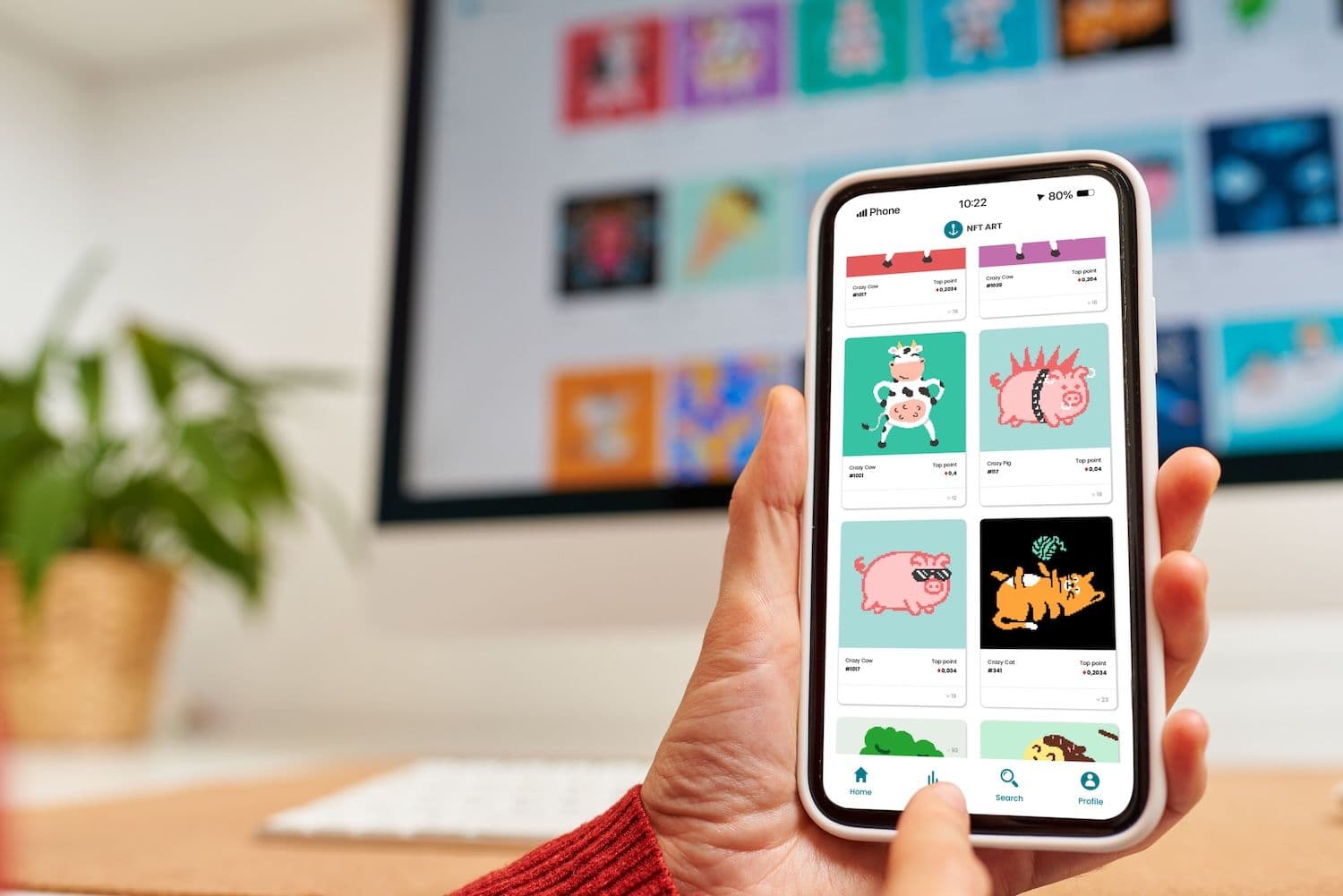
不久之前,非同質化代幣(NFTs) 曾是加密貨幣界最火熱的話題。2021 年,從 Beeple 的 6900 萬美元數位拼貼,到卡通無聊猿頭像動輒六、七位數易手,多筆 NFT 作品售價驚人,獲得主流媒體大量關注。
從流行歌手到運動明星等各界名人爭相參與這股熱潮,NFT 市場如 OpenSea 的每月交易量高達數十億美元。到了 2021 年底,NFT 市場總價值膨脹至約 250 億美元,在投機盛行的高峰期,部分週交易額甚至突破 20 億美元。這些獨一無二的區塊鏈通證,承諾徹底改變數位所有權與創作者變現模式,將簡單的 JPEG 及迷因,轉化成可驗證的區塊鏈資產。
然而時至今日,NFT 產業景觀已大幅轉變。NFT 交易量雪崩,下跌之勢明顯,曾經炙手可熱的收藏品價格大跌,連主要 NFT 市場都不再專注於數位藝術。近期報告顯示,NFT 交易量於第二季度暴跌 45%,僅剩約 8.67 億美元,但交易筆數卻逆勢成長 78%,達到 1490 萬筆。換句話說,NFT 換手次數創新高,但單件平均價值大幅縮水,“猴子 JPEG 狂熱”的投機時代已結束。
最近的標題開始寫著「百萬美元猴子畫像不再,迷因幣交易正夯」。隨著 NFT 市場持續走弱,連 2021 年推動熱潮的平台也不得不轉型求存。曾經等同於 NFT 藝術的 OpenSea,正逐步擴展為更廣泛的加密交易服務,不僅開放 ETH 和 SOL 等主流幣種交易,甚至於今年 7 月收購新創公司以提升代幣交易能力。Solana 龍頭 NFT 平台 Magic Eden 更指出,目前日成交量有高達 75% 來自用戶在平台上交易可替代代幣(如比特幣、Solana 基迷因幣),而非 NFT 本身。Magic Eden 業務長 Chris Akhavan 表示:「NFT 為核心的公司正拓展至其他資產類型,這恰好反映了市場現況。」NFT 市場大幅崩潰,迫使平台為求生存自我革新,OpenSea 執行長甚至聲稱其平台為「鏈上交易一切的最佳場所」,明確轉而尋找新的目標客群。
這樣的劇變提出一個迫切問題:NFT 死了嗎?NFT 的現象性熱潮隨著泡沫破裂是否就此終結,或只是正在蛻變為更持久的新形態?本文將深入解析 NFT 市場崩盤的來龍去脈、專家與數據對現況的觀察,以及 NFT 技術在數位藝術之外的未來生機。NFT 的故事並未結束,反而開啟了新篇章,實用性與真正價值的重要性遠超過炒作。業界多數認為 NFT 沒有消失,而是逐漸成熟,在遊戲、數位身份、票務、實體資產等新領域注入新的活力。本文將帶你了解 NFT 如何從繁榮步入低潮,未來又將走向何方。
NFTs 從爆炸成長到瞬間崩盤
2021 年,NFT 在多重因素推波助瀾下爆紅於主流市場。疫情期間人們宅在家,線上活動與數位收藏品水漲船高。寬鬆貨幣政策、加密貨幣飆漲致使投資人手握閒錢,尋找下個熱門投資標的。高價 NFT 交易引爆話題——例如 2021 年 3 月 Beeple 的「Everydays: The First 5000 Days」在佳士得以 6930 萬美元拍出,令人瞠目結舌。加上名人推波助瀾(如賈斯汀·比伯花 130 萬美元購買無聊猿,運動明星和網紅也自創 NFT),非同質化代幣迅速蔓延成為流行文化話題。NFT 被譽為數位所有權革命:藝術家可自二手轉售收取版稅,收藏者真正「擁有」數位藝術品,社群亦以 PFP 頭像集合同步在社群媒體宣示身分地位。
2021 年底至 2022 年初,NFT 市場創下歷史新高。周交易量時常突破 20 億美元。像 CryptoPunks 和 Bored Ape Yacht Club(BAYC)等「藍籌」項目,底價(最低入手價)節節高升,動輒數十萬美元。NFT 市場最高峰時總值估計達 250–300 億美元,投機炒家在搶購與拋售中賺取豐厚利潤,新發 NFT 常常在開賣數秒內搶光,元宇宙土地及生成藝術作品更屢創天價。儼然數位淘金熱潮,OpenSea 等市場交易手續費收入屢創新高。
不過如同歷次熱潮,這種不可持續的成長很快吹出一顆泡沫。進入 2022 年末和 2023 年初,NFT 市場明顯降溫。許多在熱潮期推出的 NFT 收藏品迅速失去價值甚至遭團隊棄養,讓買家成為最後接手人。2022 年的加密熊市——多個大型項目與交易所倒閉(如 Terra/Luna 爆雷與 FTX 破產)——進一步抽乾 NFT 的投機資金。隨主流幣價暴跌,投資人現金量及風險胃納縮水,不再熱衷於高風險的 JPEG 收藏品。到 2023 年,NFT 交易量斷崖式下滑,無數話題項目的價格自高點崩跌 90% 以上。
相關數據令人警醒。根據 DappRadar 追蹤,NFT 總銷售額從 2024 年第一季的 41 億美元,下跌到 2025 年第一季僅剩 15 億美元,年減 63%。僅就藝術類 NFT 而言,成交量更從 2021 年 29 億美元的高峰,崩跌至近季僅 2400 萬美元,跌幅達 93%。活躍 NFT 交易者幾乎消失:活躍錢包數由高峰 52.9 萬銳減至 2025 年初不到兩萬,跌幅 96%。經典收藏品亦難倖免,如 CryptoPunks 底價由巔峰 114 ETH(以當時行情約 80,000 美元),跌至約 43 ETH (61% 跌幅,換算美元更慘)。某種程度上,NFT 市場參與人數及規模已回歸泡沫前水準。正如一份報告指出,市場「大幅修正,泡沫退去,尋回相對穩定的基礎」。
許多過去炙手可熱的 NFT 平台和項目,如今聲勢不再。知名藝術市場如 SuperRare、Foundation 交易萎縮 90% 以上,部分平台如 KnownOrigin(2022 年被 eBay 收購)甚至已關閉。2021 年排名前 20 的藝術 NFT 集合,到了 2024 年平均交易量蒸發了 95%。整個泡沫也被形容為徹底破滅——理由充分。比爾·蓋茲在 NFT 熱潮最盛時一針見血批評這是「百分之百大傻瓜理論」,即價格全靠更樂觀(或更天真)的人繼續高價接手。事後看來,2021 年的 NFT 狂熱本質上遠離實用,純粹投機熱情支撐,難免快速冷卻。
然而,崩盤雖然慘烈,是否等同 NFT 已死?還是市場必經的陣痛,開始淬煉更合理的需求與價值?我們要區分 NFT 熱潮結束,和 NFT 歷史終止兩者不同。許多專家指出,NFT 正從炒作主導的時代,轉向更成熟穩健的發展。以 DappRadar 為例,其分析師指出:「數據雖暗淡,但這不代表藝術類 NFT 徹底終結,只是正邁向進化」,即往更嚴選、重價值的市場發展。換言之,泡沫已破,但技術和其核心用戶仍在,只是規模遠小、氛圍更冷靜。要理解這番變化,繼續分析 NFT 為何大跌,以及未來可能發展走向。
NFT 市場為何崩潰?
多個因素匯聚導致 NFT 市場自高點滑落。產業專家與分析師多指出過度供給、熱潮退散、缺乏實用、詐騙困擾,以及宏觀經濟變化等為主因。主要原因包括:
-
市場過熱、供給爆炸: 熱潮期間,人人爭相發行 NFT,2021–2022 年市場湧現數千個新項目。大量供給削弱了原先因稀缺而產生的價值。水牛大學教授 Bina Ramamurthy 指出:「當時大家都為自己的計畫發行 NFT」,買方面對大量同質化產品,被壓得喘不過氣來。2023–24 年間,NFT 市場充斥數百萬代幣,大多數乏人問津,變成垃圾資產。創新淪為雜音,連真正有創意的項目也難以自俗濫之作突圍。供過於求下,價格下壓,僅有極少數熱門收藏品維持高價。
-
投機退燒,情緒轉折: 最初 NFT 狂潮由逐利炒作推動——買家追逐轉手機會,而非藝術本身或資產價值,形成經典的... bubble. 「NFT 熱潮的大部分推動因素來自投機而非本質價值,」正如一份分析所指出。早期採用者(往往是富有的加密巨鯨)大量投入資金,製造出人為的價值泡沫。一旦最後的「接盤俠」不再出現,價格就只能走一條路:下跌。當現實讓大家意識到,50 萬美元的卡通猿猴本身未必值 50 萬美元時,投資人情緒降溫。許多參與者意識到這些天價根本不可持續,甚至荒謬。市場氛圍從欣喜若狂轉為懷疑。到 2022 年底,曾經高價接盤的 NFT 持有者都面臨巨額虧損,這也讓整體大眾情緒變得更加悲觀。很明顯,炒作遠遠超前於實際價值,市場進入了一個「宿醉期」,只剩下少數真正的信仰者還在參與。「一開始的興奮感消退了,」許多散戶也隨之退出。
-
多數專案缺乏實際效用: 大家學到的一個慘痛教訓,就是大多數 NFT 幾乎沒有任何實際效用或現金流。除了數位圖像本身(而且通常可以免費觀看複製),許多 NFT 所謂的額外福利都很可疑——或許是某個線上社群的會員資格,或者一些模糊的未來權益,但這些福利往往根本沒有兌現。「買家很快意識到,大多數 NFT 除了圖像本身外毫無價值,」某篇 2025 年回顧文章直言不諱地說。會員俱樂部、虛擬「發展路線圖」、需要憑幣才能加入的 Discord 群組,都很難撐起高價。收藏品需要的不只是稀有,還需要具備相關性。NFT 平台執行長 Rob Hollands 指出,這個領域必須「走出單純的收藏品模式,給用戶帶來實質效益」。因為早期有太多 NFT 專案無法提供任何實際效用或創新,一旦新鮮感過了,市場興趣自然消退。只有極少數確實有實用價值的應用(例如部分遊戲道具或 ENS 域名)能夠留住注意,但這些很快被無數沒有用途的專案淹沒。
-
信任流失:詐騙、拉地毯、惡意份子橫行: 這波淘金熱不幸引來大量詐騙者和投機者。出現了無數「拉地毯」(rug pull)事件——團隊發 NFT 募資後直接消失,從未兌現承諾。有些 NFT 發行本來就是騙局,要嘛抄襲別人的藝術作品,要嘛利用機器人控盤炒價。大型盜竊與駭客新聞也屢見報端(如有人因釣魚連結錢包內昂貴 NFT 被洗劫一空)。這一切讓信任度大幅潰散,尤其對新手來說。許多買家吃了大虧才明白,2021~2022 年的 NFT 世界,幾乎沒有消費者保障。這種「西部荒野」局面意味著每有一個正規項目,就有一個專門利用炒作圈錢的項目。這導致越來越多謹慎的投資人與主流買家離場,也加速了市場下跌。收拾殘局後,大家變得更為警惕——現今「更小心了」,不會再對隨便一個新系列一頭熱入場。
-
加密貨幣大環境轉熊: NFT 暴跌也不能跟 2022~2023 年整體加密貨幣熊市切割開來。比特幣和以太幣——這兩種大多數人購買 NFT 用的主流幣——在 2022 年暴跌 50~70%,直接重創 NFT。首先,市場資金與炒作動能都被抽離(加密投資組合虧慘時,誰還有錢/信心炒收藏品?)。其次,也讓 NFT 本身顯得更沒吸引力——當一線藍籌加密貨幣都在大特價的時候,誰還想去抱有可能歸零的波動圖片呢?正如有的分析指出,「當 BTC 和 ETH 下跌時,NFT 的投機資金就消失了」。加上 FTX 等大型加密平台接連倒閉、監管機構出手打壓,更讓整體數位資產市場顯得風險更高。簡單來說,加密寒冬直接凍住了 NFT 盛夏——推動 NFT 購買的「輕鬆賺錢」與亢奮情緒一旦退潮,整體市場迅速冷卻。
-
經濟與社會環境變化: 加密之外,到了 2022~2023 年,後疫情時代的經濟現實浮現。通膨飆升、利率走高、消費回歸真實體驗,意味著大家可支配收入大幅減少,自然砍掉在數位收藏品上的花費。疫情封控結束、生活回到正軌後,大家生活忙回來,也不再天天用手機交易數位圖像。而且,社群媒體疲勞感也作祟。NFT 之所以爆紅,離不開 Twitter 與 Discord 等平台一波接一波病毒式宣傳——但各式推銷、炒作乃至社群內鬥最終讓大多數用戶厭煩並退出。當你的動態牆不再被 NFT 內容洗版,FOMO(錯失恐懼症)也逐漸消失。NFT 大頭照的時尚潮流消退,尤其當部分名人/網紅因 NFT 貶值而成了笑柄時更是如此。
把這些因素加起來,便形成了一場徹底戳破 NFT 泡沫的完美風暴。到了 2024 年,NFT 市場已經經歷一輪炒作與崩潰後開始成熟。正如一位觀察者所說,每一個市場都會走過「創新→炒作→飽和→整合」的歷程,而 NFT 不過是在大浪淘沙中成長。「劣幣淘汰,好專案要嘛創新存活、要嘛被淘汰。」對許多人來說這是昂貴的學費,但也證明了一點:未來 NFT 想要長期發展,必須提供真正的價值與效用。隨便賣個隨機像素圖就能獲利百萬美元的時代,已經結束。
NFT 市場平台轉型自救
NFT 市場徹底改觀,其中一個最明顯的跡象就是各交易平台的行為改變。許多原本只專注於 NFT 買賣的平台,現在紛紛轉型為更廣泛的加密貨幣交易所。隨著 NFT 交易量大幅萎縮,他們開始抓住下一波交易收入來源——不論是迷因幣、可替代代幣,還是其他鏈上資產。這種轉向,很直白地反映了用戶興趣的遷移。
這波趨勢的代表性平台就是 OpenSea。在 NFT 熱潮時期,OpenSea 是頂級 NFT 市場,但隨著 NFT 交易量下滑,它開始加碼讓用戶直接交易一般加密貨幣及代幣。2023 年初,OpenSea 測試了加密貨幣直接兌換功能,到了 2025 年年中,這些功能全面上線。平台甚至收購了一家新創公司(Rally)以強化代幣交易,並放話「成為鏈上任何資產最棒的交易市場」——而不僅僅是 NFT。簡單來說,OpenSea 正逐步蛻變為多鏈去中心化交易所 (DEX),在同一個介面下,你可以用 NFT 換 ETH,或用 ETH 換迷因幣。正如 The Defiant 的 Camila Russo 所說,這個曾經的「猴子 JEPG 至尊」拉了求生繩,重塑為能交易「NFT 猴→迷因青蛙→ETH & SOL 各種資產」的綜合交易中心。這是一場大膽的賭注,試圖用各種鏈上熱門交易機會來維持平台 relevance,而非只靠收藏品。
OpenSea 並非個案。Magic Eden,這家一開始專做 Solana NFT 的平台,也很早就看懂趨勢。2025 年四月,Magic Eden 收購了 DeFi 應用 Slingshot,一舉納入 800 萬種可替代代幣的統一交易入口。現在 Magic Eden 主打無需跨鏈橋的兌換體驗,且高達 75% 的交易量已來自幣種而非 NFT。本身也坦言這是「順應市場」的決策:用戶就是要交易熱門標的,而目前最熱門就是迷因幣,不是數位藝術品。Magic Eden 的 Akhavan 透露,「過去 30 天,我們約有 30~50% 日營收來自加密貨幣交易」,足見轉型之關鍵。
許多小型 NFT 交易平台也同步跟進。例如 Sudoswap(NFT 交易協議)發佈了 V2,可於單一交易內任意交換 ERC-20 代幣或 NFT。Solana 上的 NFT 平台 Tensor,更分拆一個新 app Vector,專門做 SocialFi 與迷因幣交易。連比特幣生態 NFT 平台也跟上潮流:UniSat,原本主打比特幣 Ordinal NFT 市場,現在預設進入的是 BRC-20(比特幣迷因幣)訂單簿。簡而言之,「大家都這樣做」——純 NFT 交易市集已經瀕臨絕種,hybrid 綜合型平台成為主流。
他們為什麼這麼做?簡單講,NFT 交易量早就暴跌、用戶已經大舉遷移,平台只能跟著走,不然就淘汰。最新數據顯示,2025 年 5 月的 NFT 全市場交易量僅 1 億美元——比一年前低了 77%,比 2023 年高峰時更是直接蒸發 95%。有些平台也許能搶回市佔(OpenSea 從對手 Blur 手上搶回一部分用戶),但整個「大餅」本身已大幅縮水。正如 Russo 所說,「那只是一個縮水中的大餅中比較大的一片。」與此同時,加密迷因幣市場(例如 PEPE、SHIB 等代幣)在 2024 年底爆炸,一度市值逼近 1270 億美元,後來回跌至 2025 年中時的約 570 億美元。即使許多迷因幣價格下滑,這些代幣的交易活躍度依然驚人,成為加密投機者的新據點。NFT 平台也意識到,只能選擇眼睜睜看用戶跑去別的地方交易迷因幣,或是直接在自己平台上支持,順便賺手續費。正如某份報告指出,「加密用戶已經轉向投機比特幣、迷因幣,而非數位藝術收藏品」,NFT 平台正是被迫隨著用戶需求走向新戰場。
還有監管上的新情勢推動這波轉型。有趣的是,美國監管機構 2024~2025 年的態度寬鬆許多,讓相關平台更容易擴展新功能。當時政府下,SEC 對數位資產交易的執法力度明顯放緩,甚至撤銷了對 OpenSea 的調查。這使得 NFT 交易平台——confidence that they could add token trading (and even eye future tokenized stock trading or real-world asset trading) without immediately incurring regulatory wrath. Essentially, the lines between “NFT platform” and “crypto exchange” are blurring. Marketplaces are becoming mainstream retail trading hubs for all kinds of on-chain assets, a transformation driven more by necessity than by original design.
他們有信心可以加入代幣交易(甚至未來瞄準代幣化股票或實體資產的交易),而不會立刻引來監管單位的怒火。基本上,「NFT 平台」與「加密貨幣交易所」兩者的界線正越來越模糊。各大市場正逐漸變成所有鏈上資產的大眾化零售交易樞紐,這種轉型與其說是出於最初的設計,倒不如說更多是基於現實的需求。
Will this strategy work? It remains to be seen. Some skeptics wonder if these “trade-everything” platforms can truly compete with specialized exchanges. After all, hardcore crypto traders already have venues like Coinbase, Binance, Uniswap, or decentralized aggregators that they trust for token trading. Russo mused, “What’s unclear is why a trader would want to swap non-NFT assets in a (former?) NFT marketplace” when deep liquidity already exists elsewhere. OpenSea and Magic Eden are betting that a seamless one-stop-shop experience (and perhaps incentives like token airdrops for using their platform) can carve out a niche. They may attract a segment of users who like the convenience of managing their NFTs and fungibles together with unified portfolios and rewards. Time will tell if this is a winning survival tactic or just a stop-gap. As The Defiant concluded, this is likely one of many pivots to come as NFT marketplaces search for a sustainable model, “until they find the right way to repurpose themselves. Or who knows, maybe NFTs end up making a comeback.”
這個策略到底能不能成功?仍有待觀察。有些持懷疑態度的人認為,這類「萬物皆可交易」的平台是否真的能與專業交易所抗衡還有待商榷。畢竟,資深加密貨幣交易員早已習慣像 Coinbase、Binance、Uniswap 或其他去中心化聚合器這類深受信任的代幣交易場所。Russo 也思考:「當其他地方早就具備深度流動性時,為什麼交易者要選擇在(曾經的?)NFT 市場交易非 NFT 資產呢?」OpenSea 與 Magic Eden 正在賭一個無縫的一站式體驗(也許還會搭配使用平台可獲得的代幣空投獎勵),希望能搶下一塊市場。他們可能會吸引一群重視便利性的用戶,想要同時管理 NFT 與同質化資產並能整合領域獎勵與投資組合。究竟這會是成功的求生策略,還是只是權宜之計,唯有時間會證明。正如 The Defiant 所下的結論,這很可能只是 NFT 市場在尋尋覓覓可持續商業模式過程中的其中一次轉型,「直到他們找到適合自己的新定位,要不然誰知道,也許 NFT 又會捲土重來。」
Crucially, this wave of pivoting does not mean the NFT technology is dead – rather, it’s a sign the pure speculation phase is over. The platforms are acknowledging that trading volume for PFPs and digital art has dried up, at least for now. But outside of the marketplace context, many are still building new NFT applications. As Magic Eden’s Akhavan said, NFT companies expanding to other assets is “a reflection of the market”. The NFT market is in a low tide, so they’re fishing elsewhere. What happens when the tide comes back in? Many believe that NFTs – in a transformed, more utility-focused guise – will eventually return to prominence. Let’s explore what that future might look like, and why numerous experts insist NFTs are not truly “dead,” just evolving.
很關鍵的是,這波轉型潮並不代表 NFT 技術已經死亡--其實這是純粹投機階段結束的一個訊號。這些平台也坦承,PFP 與數位藝術的交易量至少目前已經枯竭。但撇開市場交易層面,許多人仍持續在開發新的 NFT 應用。正如 Magic Eden 的 Akhavan 所言,NFT 公司跨足其他資產,其實正是「市場現實的反映」。NFT 市場進入低潮,他們只能換到別處撒網。那漲潮之後又會如何?許多人相信,NFT 經過蛻變,帶著更聚焦實用性的樣貌,終將再度回歸舞台。讓我們來看看這個未來可能長什麼樣,以及為何這麼多專家堅持 NFT 並未「死去」,而是正在演化。
Are NFTs Dead, or Just Evolving? – Experts Weigh In
It’s easy to declare “NFTs are dead” when looking at the precipitous drop in sales and the exodus of casual traders. Indeed, many skeptics feel vindicated by the crash, seeing it as the end of a silly fad. However, those working closely in the blockchain space offer a more nuanced perspective: the NFT boom as we knew it is dead, but NFT technology is far from obsolete. In fact, many believe this downturn is setting the stage for NFTs to re-emerge in new forms that emphasize utility over hype. Here are some expert opinions and forecasts on the trajectory of NFTs:
當銷量急劇下滑、散戶紛紛退出時,說「NFT 已經死了」似乎很輕鬆。的確,不少懷疑論者對這場暴跌感到大快人心,把它當作荒謬風潮的句點。只是,長期參與區塊鏈產業的人,給出的看法則細緻許多:過去我們所認識的 NFT 熱潮的確已經結束,但 NFT 技術本身,遠稱不上過時。事實上,許多人認為這波下行只是鋪墊下一次崛起--屆時,NFT 會回歸工具性大於炒作的全新面貌。以下是一些專家對 NFT 走勢的意見與預測:
-
「NFT 並沒死,只是定位改變了。」 一份 2025 年的產業評論直截了當地說:「搞清楚這一點:NFT 沒有死--但它們的目的與存在方式已經發生巨大轉變。」瘋潮期間,人們大多把 NFT 當成高價炒作標的;如今這面向基本消失。但作為數位資產所有權、訪問與實用性的載體,NFT 在 Web3 各種利基領域「依然活躍」。整個生態已收斂沉澱,變得更成熟,也更貼近現實,而不再受炒作驅動。換句話說,NFT 的討論焦點已從名人秀無聊猿,轉向開發者討論代幣標準與實際案例。這其實是成熟的表現。浮誇的熱度退去,幕後的建設卻從未停歇。「這不是 NFT 的終點,而是演進的開始」,正如 Binance Research 一篇文章的總結。認為 NFT「死了」的人,可能忽略了技術應用正在聚光燈外持續推進。
-
牛市回歸,只是型態不同: 有些人樂觀認為,雖然第一波投機性 NFT 牛市已結束,但新的 NFT 成長週期將到來,只是推動力道截然不同。Rarible Foundation 策略主管 Jana Bertram 認為,NFT 牛市「將以不同形式重現」。炒作驅動的蒐藏熱已淡出,但她認為 NFT 依然是賦能創作者與啟動新應用的關鍵。Bertram 尤其指出「實體資產代幣化」(把實體資產上鍊成 NFT)是創新方向。下一輪 NFT 熱不會再像 2021 年那樣--它可能著重在實用性(例如數百萬人使用 NFT 門票或遊戲道具),而不是百萬美元 JPG。值得注意的是,她也強調產業正針對創作者抽成、區塊鏈可擴展性等問題調整,以提升 NFT 的永續性。總之,NFT 也許會東山再起,但這次的基礎會是實用與普及,而非投資狂熱。
-
「沒死,只是休眠--現在正是建設/布局之時。」 NFT 早期擁護者之一、億萬富豪 Mark Cuban 也曾談論 NFT 崩跌後的未來。Cuban 坦言這市場太過浮誇:「NFT 市場超慘……不要買來投機……投機客終將慘賠」,他回顧這一波崩跌時如此表示。不過他對長線依然樂觀。Cuban 把 NFT 比作許多曾經經歷過泡沫破裂最終成長起來的產業。他建議,當投機客散去、留下熱情者時,正是進場發展新科技的好時機。在最近一場 Q&A 中,Cuban 預言「NFT 終將東山再起」。他甚至認為某天大家回頭看,會說「當初 NFT 爛到只值一點點時真該下手」,暗示現在優質 NFT 與相關資產可能被低估。Cuban 的忠告是:收集你真正喜歡或看得到價值的東西,不要只想著快進快出。他也常以 NFT 門票為例,說明這類技術可解決現實問題(例如讓原創者獲得二手轉售分潤等)。總的來說,Cuban 認為 NFT 只是暫時低迷,並未入土,反而現階段才是真正創新的時機。
-
「從炒作型走向價值導向市場。」 分析公司 DappRadar 在其 NFT 低迷報告中明確指出,NFT,尤其是藝術類 NFT,「並未死去」。市場其實是「正從炒作驅動的交易,轉為更精選、價值導向的場域」。真正的 Web3 收藏者還是活躍,只是短線客與投機份子大量撤出。這使市場的訊號與雜訊比明顯改善。如今專案必須靠實力而非噱頭爭取注意。DappRadar 認為 NFT 領域甩掉不健康泡沫,有利於在更穩健基礎上重建。換句話說,這波崩跌與其說是消亡,不如說是修枝剪葉。留下來的是規模較小、但更韌性的社群,真正關心技術與文化,而非一味逐利。
-
「NFT 正在成熟(沒了百萬美元圖片,但有獨特數位體驗)。」 Binance 資訊頻道上有位作者一語道破重點:「NFT 沒有消失:它們正在成熟。現在重點不是賣出動輒百萬的圖片,而是創造獨一無二、能轉移的數位體驗。」該文指出,到了 2025 年,能活下來甚至獲得關注的專案,都是提供現實價值的--無論是遊戲、音樂、會員資格等等。浮誇的場景逐步退出。這觀點正好說明多數人對 NFT 未來的想像:這將變成安靜融入數位生活許多層面的基礎技術,未必再登上轟動新聞。對普通用戶來說,NFT 可能在各種 app 與平台上成為日常(舉例,擁有遊戲道具、演唱會門票、品牌數位收藏等),而不會有炒作陪伴。
總結來說,多數建設者與專家共識都是 NFT 並未「死去」--投機泡沫死了,技術持續演進並將長存。NFT 現在的主旋律已從一夜致富,轉為關注實際應用與解決問題。更重要的是,即使成交量大減,NFT 領域開發活動從未停歇。新的 NFT 專案、協議、標準持續推進(例如改善 NFT metadata、開發第二層延伸方案降低鑄造/交易成本,甚至 NFT 金融化、互通性新實驗皆如火如荼)。
其中一個值得注意的指標是:儘管市場低迷,2025 年第二季 NFT 交易者數量仍較前期成長了 20%。這顯示越來越多(多半為小資)用戶正進入 NFT 世界,只是進出金額降得很低。這可能意味,基層藏家/使用者的基礎正穩健成長,而他們買 NFT 主要是看中功能或樂趣,而不是投機。活動重心已轉向小額、長尾交易,這也呼應收藏品與通行證型態帶領後 NFT 市場的特色,不再是驚天動地的藝品交易。
接下來,讓我們探討 NFT 究竟在哪些地方迎來新生命。如果「猴子大頭照的炒作時代」結束,未來有哪些「真實價值」應用有望承接 NFT 大旗?以下我們深度解析專家預測 NFT 技術在退潮後能發力的領域。
Beyond Monkey Pics: Real Use Cases Where NFT Tech Will Thrive
While the initial NFT craze centered on digital art and profile pictures, the underlying technology of non-fungible tokens – verifiable, one-of-a-kind digital ownership on a blockchain – has far broader applications. Stripped of the speculative frenzy, NFTs become simply a tool, one that can represent unique assets or credentials in a trustless digital form. Here are several sectors and use cases where NFTs are already showing promise or are expected to thrive, beyond the realm of collectible images:
雖然最初的 NFT 狂熱圍繞著數位藝術和 PFP 大頭照,但 NFT(即不可替代代幣)的核心技術——能在區塊鏈上驗證唯一所有權——其實有著更廣泛的潛力。拋開炒作成分,NFT 本質上就像一種工具,能夠以無需信任的數位形式,代表獨特資產或憑證。以下列出 NFT 已展現潛力或被看好發光發熱的產業/應用範疇,這些都不再限於單純的收藏圖片:
###1. Gaming and Virtual Worlds
或許最常被提及的 NFT 應用前線,就是在電子遊戲與虛擬資產領域。把遊戲內道具以 NFT 形式存在,這個想法非常吸引人:玩家能真正擁有自己的角色、造型、武器或虛擬土地,並且可以自由地在遊戲外交易。這承諾將賦予玩家更多自主權,甚至使資產能跨遊戲流通。遊戲社群對於 NFT 的反應其實相當兩極(有些玩家對商業化手法帶有戒心),但不少開發者仍積極投入區塊鏈遊戲的開發。
這個領域內產業投資與成長預測都非常強勁。事實上,Web3 遊戲是加密寒冬期間少數仍能吸引巨額資金的領域之一。僅 2023 年某一季,區塊鏈遊戲就有超過六億美元投資。NFT 數據公司 NFTGo 的一份報告預計,Web3 遊戲市場(目前約為 46 億美元)到 2027 年可能暴增至 650 億美元以上。這預示著巨大的擴張,顯示許多分析師都認為遊戲會成為 NFT 進入主流的關鍵載體。為什麼這麼樂觀?一個原因是,接下來的新遊戲將更加重視樂趣和沉浸感——這些「3A 級」遊戲會將 NFT 作為「遊戲玩法的重要部分」整合進去,而不只是投機工具。換句話說,未來的區塊鏈遊戲目標是首先吸引真正的玩家,同時用 NFT 技術來提升遊戲體驗(例如玩家擁有的經濟系統)。
目前已有多款備受期待的區塊鏈遊戲蓄勢待發或正積極開發中。像 Illuvium、Star Atlas、Guild of Guardians、Parallel 等專案正在建構以 NFT 為核心資產和角色的龐大遊戲世界。不像早期的「邊玩邊賺」遊戲(例如 Axie Infinity)因重複性操作和過度金融化而被詬病,這些新遊戲強調的是樂趣與公平經濟。玩家甚至可能沒意識到有 NFT 參與其中——他們只會知道自己可以自由交易或永久保有遊戲物品。此外,一些傳統遊戲巨頭也開始嘗試 NFT:例如 Epic Games 已允許像 Blankos Block Party 這樣的 NFT 遊戲上架,而 Ubisoft 也曾(引發爭議地)在 Tom Clancy 遊戲中試行 NFT 道具。雖然這些早期嘗試受到市場反彈,但它們顯示主要遊戲工作室正試水溫。
元宇宙概念也在這裡產生重疊。虛擬世界和社交平台(如 Decentraland、The Sandbox 等)採用 NFT 來代表土地、虛擬分身和可穿戴物品。儘管元宇宙熱潮已退,但利基社群仍活躍其中,品牌方也曾利用這些平台舉辦虛擬活動。NFT 很可能成為數位時尚與虛擬形象未來的基石——對 Gen Z 甚至之後的新世代來說,用「擁有」的物品客製化數位身份將成為新常態。往前看,資產可跨遊戲、跨世界轉移的相容標準是目前重點努力目標:實現 NFT 道具有能力在不同遊戲或平台間移動。這在技術上極具挑戰,但若能實現將極具革命性(想像一下你在某款遊戲獲得的造型可直接帶到另一間公司開發的遊戲中使用)。支持開放元宇宙的團隊積極推動這類開放標準。
總結來說,遊戲是 NFT 應用價值最直接的領域之一——它能加強玩家擁有權,開創讓玩家受益的新型 Play-and-Earn 模式(不必然滑向投機)。如果有哪款爆紅的區塊鏈遊戲誕生,很可能能無縫推動數百萬人開始接觸並使用 NFT。即使玩家不會叫它「NFT」,但他們會欣賞數位戰利品歸自己所有的感覺。正如 2024 年預測之一提到,「3A 級遊戲結合 NFT 道具與吸引人遊戲性的作品」預計未來幾年就會上市。這將向公眾展示,只要正確應用,NFT 能提升體驗,而不只是成為昂貴的收藏品。
2. Digital Identity and Credentials
NFT 技術另一個極具潛力的應用領域,是數位身份與認證。在線上活動日益普及的世界裡,能夠驗證你的身份、資格、隸屬於哪些團體——且不必完全依賴中心化機構——極具吸引力。NFT(或類似的代幣)可以用來作為去中心化身份識別(DID)架構中的憑證或會員徽章。
其中一個逐漸受關注的概念是「靈魂綁定代幣(Soulbound Tokens, SBTs)」,由乙太坊共同創辦人 Vitalik Buterin 所提出。本質上它們是不可轉讓的 NFT,可用來代表像學位證書、專業認證、醫師執照,甚至個人簡歷資料。由於無法交易、出售,SBT 完全不是投機用途——而純粹用來證明某項與身份綁定的事。例如大學可以頒發 NFT 證書給畢業生錢包;雇主或其他學校可輕易在鏈上查證其真偽。這能大幅簡化今天需要公證文件或背景調查的繁瑣流程。
除了 SBT,目前也已可見 NFT 型憑證的各種用法。有些社群以會員 NFT,來提供活動、聊天室或內容的存取權。例如,持有特定 NFT 可自動解鎖私有 Discord 頻道,或用作網站的登入(透過加密錢包)。也有去中心化社交網絡新興,讓你的個人檔案是你控制的 NFT,而不是一家公司伺服器上的帳號。像 Lens Protocol、CyberConnect 與 Galxe 等專案,讓用戶能以 NFT 或類似代幣形式擁有可攜式社群檔案與追蹤名單。這可以避免平台若將你封禁時,你直接失去全部觀眾——因為你的社群圖譜記錄於區塊鏈。
另一個應用是在履歷和聲譽系統。想像用戶累積象徵成就的 NFT,比如修完課程、參與項目、出席會議等等,這些都可成為可驗證的「鏈上履歷」。去中心化自治組織 DAO 也開始用 NFT 來代表治理權利或聲望。例如一位貢獻者可獲得不可轉讓的 NFT 徽章,賦予其投票權,或對社群展現其可信度。
甚至政府也在嘗試區塊鏈身份證明。一些國家已著手啟動國民數位身分證專案(雖多以同質化代幣或雜湊值實作,不一定是 NFT 本身)。但很容易想像,未來駕照、護照、選民證等,都可成為與生物特徵綁定的非同質化代幣,兼具安全性及快速驗證。
總歸來說,NFT 提供一種方法能讓你無需依賴單一平台,自己擁有並攜帶數位身份資料。它們存在你的錢包內,就像任何加密資產。是否出示供驗證,完全由你決定。這顛覆現有所有大型平台或機構將你的身份資訊隔離掌控的現狀。正如有專家指出,NFT 可視為你在 Web3 世界的「數位護照」——錢包內一組證明會員資格、成就、身份屬性的代幣。
當然,也存在挑戰:隱私(你可能並不希望所有證明都公開上鏈)、撤銷(如果發證者要撤銷憑證怎麼辦?)、標準化等。但各種實驗正積極進行,若成功,用於數位身份的 NFT 或會低調地成為這項技術最重要、與藝術投機完全無關的應用之一。
3. Event Ticketing and Fan Engagement
NFT 一個非常合理的應用場景——連許多持懷疑態度者也認同——就是活動票券。音樂會、體育賽事、節慶等入場券,長久以來困擾著人們的問題是詐騙(假票)、黃牛炒賣,以及活動方與二級市場買方之間缺乏連結。而 NFT 門票能解決或至少改善以下問題:
-
可驗證且難偽造: NFT 門票可輕鬆驗證真偽,因所有權記錄在區塊鏈。再也不用擔心假 QR Code 或列印條碼,場館只要掃描鏈上紀錄即可。對持票人來說,票券存在安全的錢包內,就足以證明門票為正版且只屬於自己。
-
可編程轉賣及權利金: 最具吸引力的功能之一是可控轉售。NFT 門票可透過智能合約設定規則,例如限制轉售上限價格,或自動抽取二手市場轉賣所得的一部份回饋活動主辦方或藝術家。這意謂著黃牛黨把票全部買走並抬高轉賣獲利的空間大減,智能合約可直接限制價格,甚至自動抽取手續費。若有門票真的高價轉賣,原始發行方(如歌手或球隊)也能分得收益,而不是全被黃牛獲利。馬克·庫班(Mark Cuban)就曾舉過這樣的例子:若門票以 NFT 形式,每次轉售都能讓原始發行人或最早的持有人獲得權利金,更加公平。
-
增強粉絲體驗: NFT 門票不只能作為入場憑證,也可以是收藏品(作為活動的數位紀念),解鎖獨家影片等特典,或作為未來福利(如參加者專屬優惠、下次活動優先購票等)之用。這類用法已在部分演唱會出現,例如發放 NFT「票根」給參加者作為紀念。舉例來說,NFL 與 Ticketmaster 合作,2022 年球季為特定比賽現場球迷發放紀念性 NFT 票根,首次結合粉絲現場體驗與數位收藏品。
-
Token 門檻預售及社群互動: 也開始出現用 NFT 作為活動預售「通行證」的作法——只有持有特定 NFT 才能參加預售。Ticketmaster 已推出讓藝術家設定「Token 門檻」購票功能:例如只要你持有某樂團的 NFT 粉絲通證,即可提前搶購限定門票。Metal band Avenged Sevenfold did this via Ticketmaster, rewarding NFT-owning fans with first dibs on tickets. This shows how NFTs can strengthen fan communities by tying into real-world experiences.
重金屬樂團 Avenged Sevenfold 就透過 Ticketmaster 作到這件事,獎勵持有 NFT 的粉絲優先購票。這展現了 NFT 能如何結合現實活動,強化粉絲社群的凝聚力。
A few startups and platforms have been dedicated to blockchain ticketing. For example, GUTS Tickets and GET Protocol have been issuing NFT-based tickets for events for a few years, and companies like Ticketmaster and StubHub have been actively researching and trialing the tech. There have been successful pilot cases – e.g., some festivals have done all tickets as NFTs (often without the users even needing to know, as the UI can be made user-friendly with email links, etc.).
有一些新創公司及平台專注於區塊鏈票務。比如說,GUTS Tickets 跟 GET Protocol 幾年來都有發行 NFT 票券,Ticketmaster 與 StubHub 這類公司也積極研究並試行這項技術。目前已有不少成功的試點案例,例如某些音樂節的所有門票都是 NFT(而且多數使用者甚至不需要知道,因為介面可設計得跟一般電郵連結一樣簡單)。
Down the line, if you have a wallet full of past event NFTs, it could become a sort of badge of honor (proof you attended certain iconic concerts or games) and also give organizers insights to reward loyal fans. Unlike a paper ticket stub that sits in a drawer, an NFT ticket could continue to deliver value.
未來,如果你有一個錢包裡滿是過去活動的 NFT,這可能就像是一種榮譽徽章(證明你參加過某些很有代表性的演唱會或賽事),同時主辦方也能據此回饋忠實粉絲。不像紙本票根只是放在抽屜裡,NFT 票券還能持續產生價值。
The main hurdles to overcome are ensuring ease of use (it has to be as easy as current ticket apps, if not easier) and blockchain scalability (handling thousands of ticket mints and scans quickly – though with modern chains and layer-2s, this is increasingly feasible). If done right, NFT ticketing could well become the norm, and people might not even talk about it as “NFT”, just as a better ticket.
最大的挑戰在於確保便利性(至少要和現有票券 App 一樣簡單,甚至更簡單)以及區塊鏈的擴展性(要能快速處理數千張的鑄造與驗票——現今有了新一代公鏈及 Layer-2,這已越來越可行)。若能做到這點,NFT 票券或許能成為主流,人們甚至不會再特別去討論「NFT」,就只是更好的門票而已。
4. Art and Collectibles – A Smaller, Steadier Niche
4. 藝術與收藏——更小但穩定的利基市場
It’s ironic, but while we’ve been discussing NFTs beyond art, it’s worth noting that digital art and collectibles themselves are still alive – just in a much more niche and subdued way. The collapse of the speculative market doesn’t mean digital artists have abandoned NFTs. On the contrary, many artists and creator communities continue to use NFTs as a medium to sell and distribute their work, but now it’s more about connecting with true collectors rather than speculators.
諷刺的是,雖然我們經常強調 NFT 的應用已超越藝術,但其實純數位藝術和收藏本身依然存在——只是規模更小、更低調。投機熱潮消退並不代表數位藝術家放棄了 NFT。事實上,許多藝術家與創作社群依然把 NFT 作為販售與發表作品的媒介,只是現在更重視跟真正的收藏家建立關係,而非吸引炒作投機者。
For instance, platforms like SuperRare, Foundation, Zora, and Objkt (on Tezos) are still active with artists minting 1-of-1 artworks or small editions. The volume is a fraction of what it was, but a core group of collectors remains. DappRadar noted that “true web3 art collectors are still active but speculative collectors have exited the stage.” This means the art NFT market is becoming more selective and value-oriented. Collectors now pay more attention to the artist’s reputation, the quality and originality of the work, and long-term significance, rather than chasing whatever is trending. In a way, this is similar to how the traditional art market works – it’s not for the masses flipping paintings daily, but a connoisseur market.
例如:SuperRare、Foundation、Zora 以及 Objkt(在 Tezos 上)等平台仍活躍,有不少藝術家持續鑄造單一作品(1-of-1)或小批量作品。雖然成交量已顯著下降,但依然有一群核心收藏家在支持。DappRadar 指出:「真正的 web3 藝術收藏家仍活躍,而投機者已悄然退場。」 這代表 NFT 藝術市場變得更精緻、更重視價值。收藏家會注意藝術家的名聲、作品的品質與原創性、長期的藝術意義,而不是追逐正在流行的題材。某方面來說,這其實很像傳統藝術市場——不是大家天天在翻畫賣,而是品味玩家的市場。
Prices for art NFTs have obviously come down massively from peak. Many pieces that sold for tens of thousands might now sell for a few hundred dollars if at all. But from the artist’s perspective, selling some digital art for a few hundred dollars and establishing a fan base is still meaningful. Also, certain categories like photography NFTs or generative art have carved out their own sub-communities that are quite dedicated. Platforms like Art Blocks (which pioneered generative art NFTs) still release curated collections that often sell out (albeit at lower prices), and artists like those in the FXhash community on Tezos have followings.
NFT 藝術價格顯然已遠低於高峰時期,許多十幾萬美元成交的作品,現在能賣到幾百美元就不錯了。但對藝術家來說,能賣出幾百美元的數位藝術並建立粉絲基礎,依然是有意義的。另外,像攝影 NFT 或生成藝術這類型,也建立起各自非常投入的小社群。以 Art Blocks(生成藝術 NFT 先驅)為例,仍然推出精選系列,經常售完(雖價格不如過去),FXhash 社群(在 Tezos 上)的藝術家同樣有鐵粉。
The NFT art market’s crash also cleaned out a lot of noise (copycat projects, low-effort cash grabs masquerading as art). What’s left is arguably a more sustainable, if smaller, ecosystem. Artists who remain are focusing on innovation – using dynamic NFTs that can change over time, experimenting with interactive art, etc. And collectors who remain genuinely appreciate the art or believe in the cultural significance of this digital art movement, beyond just profit.
NFT 藝術市場崩盤,也清除了許多雜音(山寨、抄襲,或假裝藝術的賺快錢項目)。留下來的反而是較小但更可持續的生態圈。持續創作的藝術家,專注於創新,例如:設計可隨時間變化的動態 NFT、探索互動性藝術等。留下來的收藏者也更是真心欣賞藝術,或相信這波數位藝術浪潮的文化意義,而不僅僅為了盈利。
One interesting development is royalty enforcement (or lack thereof). A big topic was creator royalties – originally NFTs were praised for enabling artists to get a cut (e.g. 5-10%) of secondary sales automatically. However, as marketplaces competed, some made royalties optional, which cut into artist earnings. This has been contentious. Some platforms like OpenSea tried to enforce royalties but faced pushback and market share loss to royalty-free platforms like Blur. It’s an ongoing experiment in market dynamics vs. artist compensation. Regardless, some artists are now exploring alternative models (like minting with contracts that strongly enforce royalties or simply appealing to collectors’ honor). How this shakes out will influence the long-term viability of NFTs for creators.
其中一個有趣的發展是「版稅制度」的執行與否。NFT 最初廣受藝術家歡迎,就是因為它可以自動讓藝術家在轉售時分到 5-10% 這樣的版稅。但當更多平台相互競爭,有些採取「可選擇給版稅」政策,導致藝術家收益減少,引發爭議。OpenSea 這類平台曾試圖強制版稅,但遇到反彈,市占率也流失到像 Blur 這種主打零版稅的平台。這其實就是市場動態和藝術家報酬的實驗。無論如何,目前有些藝術家開始嘗試以合約硬性規定強制收取版稅,或者乾脆訴諸收藏家道德。未來這如何發展,會直接影響藝術家使用 NFT 的意願與產業存續能力。
In conclusion, art NFTs are not “dead,” they’re just no longer a gold rush. They’ve retrenched into a niche of the art world. As DappRadar eloquently said, the art NFT market shed its “whale-driven hype” and is “finding a more stable footing” – evolution rather than extinction. We may see a renaissance in digital art collecting in the future, but it will likely grow in tandem with broader adoption of digital art appreciation (perhaps as more people live in digital spaces wanting digital art for their virtual homes, etc.). The bottom line is NFTs did open a new path for artists to monetize and for collectors to patronize art; that door remains open, just without the frenzy around it.
總結來說,藝術 NFT 並沒有「死去」,只是退回藝術世界裡的一個利基市場。正如 DappRadar 所說,NFT 藝術市場已經拋開了「大戶主導的狂熱」並「找到更穩定的立足點」——是演進,不是滅絕。以後數位藝術收藏可能會再迎來新一波復興,但大概會隨著人們更普遍欣賞數位藝術(例如大家在元宇宙或虛擬家園中需要數位藝術裝飾)而水漲船高。關鍵是,NFT 的確為藝術家開啟了新收入模式、也讓收藏家有新選擇,這個管道依然存在,只是已經沒有早年的瘋狂炒作。
5. Tokenized Real-World Assets and Physical Items
5. 實體資產與商品的「代幣化」
One of the most exciting use cases for NFTs is tokenizing real-world assets – essentially using NFTs as a digital representation of ownership of physical or financial assets. Unlike fungible crypto tokens which are better suited for divisible assets or funds, NFTs are ideal for representing unique assets or specific claims. We’re already seeing experimentation in this area:
NFT 最令人期待的應用之一就是把現實世界資產「代幣化」——用 NFT 作為實體或金融資產所有權的數位憑證。跟可分割的加密貨幣不同,NFT 正好適合用來代表獨一無二的資產或個別權利。現在已有不少這類實驗出現:
Real Estate: Real property has complex title systems that could benefit from blockchain’s transparency and efficiency. NFTs could represent a deed to a house or a share in a property. In fact, there have been early examples: in 2022 a house in South Carolina was sold via an NFT representing the property’s ownership (through a legal entity), fetching $175,000. Another notable case was a Tampa home auctioned as an NFT for about $653,000 worth of ETH on a platform called Propy. In that sale, the NFT conferred ownership of an LLC that holds the house, simplifying the transfer process to a matter of a blockchain transaction. Proponents claim this could become standard, drastically reducing the time and paperwork in real estate deals. Moreover, once a property is an NFT, it could be used as collateral in DeFi or fractionalized so multiple investors can own a piece of a rental property, etc.. Former CFTC chairman Chris Giancarlo noted real estate titles are “ideally suited for streamlined and protected recordings on a blockchain,” although regulation lags behind. We likely won’t see mass adoption until legal frameworks catch up, but small-scale and pilot projects are demonstrating the feasibility.
**房地產:**傳統不動產所有權有複雜的產權登記系統,其實很適合利用區塊鏈提升透明度與效率。NFT 可以作為房屋產權或持分的數位證明。事實上,2022 年南卡羅萊納州就有一間房子是直接發 NFT 來代表產權(透過法人結構持有),成交價 17.5 萬美元。另一個案例是在 Propy 平台,佛州坦帕有一間房子以 NFT 方式拍賣,最終以價值約 65.3 萬美元的 ETH 成交,NFT 代表持有該棟房子的 LLC 公司產權,讓產權移轉只需進行區塊鏈交易,大幅簡化流程。支持者認為這將可能成為業界標準,讓不動產交易大幅減少時間與繁瑣文書。此外,一旦房產成為 NFT,就可用於 DeFi 抵押或再進行拆分,讓多個投資者共同持有租賃物件等。前美國 CFTC 主席 Chris Giancarlo 也說過,不動產產權「非常適合以區塊鏈來優化登記」。不過目前法規進度還跟不上,短期內還不會大規模普及,但小規模試驗與專案已證實其可行性。
Luxury Goods and Authenticity: NFTs can serve as digital certificates of authenticity for high-value physical items like luxury handbags, watches, fine wine, or diamonds. Companies can issue an NFT that tracks an item through the supply chain and into secondary markets, making it easy to verify if, say, a Rolex is genuine and what its history is. Big brands are interested: LVMH, Prada, and Cartier formed the Aura Blockchain Consortium to tackle product authentication – essentially tying products to digital tokens. While not all are NFTs, the principle is similar. There are also startups like Courtyard.io which store physical collectibles (like rare Pokémon cards or sneakers) in vaults and issue an NFT that represents ownership of that physical item. If you own the NFT, you legally own the item and can even redeem it to get the physical good shipped, or trade the NFT to sell the item without moving it from the vault. This can bring liquidity and ease of trade to collector markets while ensuring authenticity.
**精品與真偽認證:**NFT 也很適合做為高價值實體商品(如精品皮包、名錶、名酒、鑽石等)數位真品證書。企業可以發行 NFT,從供應鏈到二手市場追蹤商品流向,讓你輕鬆認證一只勞力士究竟是真的,歷史如何。各大品牌如 LVMH、Prada、Cartier 就組成 Aura Blockchain Consortium,專門處理產品鑑真(原理很類似 NFT)。另外像 Courtyard.io 這種新創公司,會把稀有寶可夢卡、潮鞋等收藏品存放保險庫,再發 NFT 代表這項商品的所有權。擁有 NFT,就等於合法擁有這個實體物品,NFT 可兌換成實物寄送,或者直接交易該 NFT 來完成「轉賣而不用搬動實體物」。這種模式帶來流動性,也方便收藏市場且保障真偽。
Financial Instruments and Contracts: Some talk about using NFTs for unique financial contracts – for example, an NFT that represents a specific insurance policy, or a loan agreement, or a rare commodity. These are a bit more abstract, but for instance, certain DeFi platforms have NFTs for positions (like Uniswap liquidity positions or collateralized debt positions) which can be transferred. As traditional finance explores tokenization, most fungible assets (like stocks, bonds) would be fungible tokens, but certain claims or bespoke contracts could be NFTs.
**金融商品與合約:**有人討論過用 NFT 代表某些獨特金融合約,例如 NFT 代表一份保險、借貸協議或稀有大宗商品。雖然這類應用較抽象,但 DeFi 平台已有類似用例——像 Uniswap 流動性頭寸或抵押債倉,就是以 NFT 來表徵並可轉讓。隨著傳統金融探索資產代幣化,像股票、債券這類可分割資產會用同質化 Token,但許多個別權利或客製化契約就相當適合用 NFT 承載。
Intellectual Property and Royalties: NFTs could also encode ownership or rights to intangible assets. For example, music artists have begun selling NFTs that entitle holders to a share of song royalties. Rapper Nas famously offered portions of streaming royalties for some tracks via NFTs in early 2022, allowing fans to “invest” in his music and earn alongside him. Platforms like Royal have facilitated these drops, and they sold out quickly to fans. This concept could extend to other IP: imagine owning an NFT that gives you x% of the revenue from a movie or a book. It’s a way to crowdfund and share success with backers, essentially securitizing IP rights in small chunks. While this treads close to securities law (and indeed would likely be considered securities offerings), it’s a space being explored. NFTs provide a convenient vehicle to manage and trade those fractional rights on secondary markets, something that was cumbersome before.
**智慧財產權與版稅分潤:**NFT 也可以記錄無形資產的所有權或使用權。譬如有音樂人開始發行 NFT,讓持有人能分到歌曲的版稅收入。像說唱歌手 Nas 在 2022 年就以 NFT 形式出讓特定歌曲的串流版稅分潤,讓粉絲「投資」他的音樂並共享收入。Royal 等平台專門幫忙這類 NFT 發行,通常都很快售完。這一概念還可拓展至其他 IP,例如 NFT 可賦予你某個電影或書籍營收的百分比——既可群眾募資,也與支持者共享成功,本質上就是把 IP 權利證券化為小單位流通。雖然這已非常接近證券法(實務上大多會被認定屬於證券發行),但還是有許多新創持續摸索。NFT 讓此類權益能輕鬆管理與二級市場交易,大大便利過往難以流通的權利商品。
-
Collectibles and Memorabilia: Beyond art, NFTs can represent physical collectibles (as mentioned with Courtyard). We’ve seen things like an NBA player’s physical trading card sold alongside an NFT twin, so the NFT can be traded more easily while the physical stays in a vault, merging the sports card market with digital markets. The NBA’s own NBA Top Shot was an early NFT hit, essentially digitizing highlights as collectible moments. While Top Shot’s hype died down, it proved sports fans have an appetite for digital
-
**收藏品與紀念週邊:**除了藝術之外,NFT 也能代表實體收藏品(如前述 Courtyard 的做法)。有案例是 NBA 球星的實體球員卡配 NFT 雙生品一起賣——NFT 可以輕鬆轉手,實體則鎖在保管庫,相當於將運動卡市場數位化。NBA 本身推出的 NBA Top Shot 也是早期 NFT 爆紅應用,實際上就是將精彩時刻以數位收藏品方式發行。雖然 Top Shot 熱度已退,但證明了運動迷對數位收藏仍有高度興趣。collectibles (over 1.5 million users signed up). We may see more traditional collectibles companies (like trading card makers, comics, etc.) use NFTs in creative ways.
收藏品(已有超過 150 萬名用戶註冊)。我們或許會看到更多傳統收藏品公司(如卡牌製造商、漫畫公司等)以創新的方式運用 NFT。
The key for real-world asset NFTs is building the legal and logistical bridges between the token and the real item or legal right. For real estate and other regulated assets, this means legal structures (LLCs, trusts, etc.) that ensure the NFT holder indeed has ownership. For items, it means secure storage and a clear redemption process. These are being solved step by step.
現實資產型 NFT 的關鍵,在於建立代幣與實體物品或法律權利之間的法律與實務橋樑。對於房地產和其他受監管資產,這通常需要合適的法律架構(如 LLC、信託等),以確保 NFT 持有人確實享有所有權。對於實體物品,則需要安全的存放及明確的兌換流程。這些問題正在逐步獲得解決。
If achieved, the impact is huge: it could make trading traditionally illiquid assets (property, art, collectibles) as easy as trading crypto, unlocking value and liquidity. It also introduces transparency – imagine all real estate titles in a public blockchain registry; title searches and fraud become non-issues. Or knowing the entire provenance of a piece of jewelry by checking its NFT history. This is where NFTs realize their potential as a trust machine for unique assets. We’re not fully there yet, but the seeds are planted.
如果這些目標實現,影響將會非常重大:傳統上難以流通的資產(如不動產、藝術品、收藏品)能像加密貨幣一樣輕鬆交易,釋放其價值與流動性。同時也引入更多透明度——想像所有房地產權狀都登記在公開的區塊鏈上,產權查詢與詐騙都不再是問題。又或者,透過查詢 NFT 歷史,完整了解一件珠寶的溯源。這正是 NFT 作為獨特資產信任機器的潛力所在。我們尚未完全到達那一步,但種子已經種下。
6. Brand Loyalty and Membership Programs
6. 品牌忠誠度與會員計畫
Major consumer brands have been increasingly dabbling in NFTs as a way to engage customers and build loyalty. The basic idea is that an NFT can act as a membership token or loyalty card, offering fans special perks and a sense of community. Unlike conventional loyalty points or memberships, NFTs can be resold (if transferable) and have scarcity/collectibility which can make them more desirable.
越來越多大型消費品牌開始嘗試利用 NFT 與客戶互動並建立忠誠度。其核心概念是,NFT 能夠作為會員憑證或忠誠卡,為粉絲帶來專屬福利及社群歸屬感。與傳統的集點或會員不同,NFT 可轉讓(若其設計允許),具有稀有性與收藏價值,因此更具吸引力。
A flagship example was Starbucks Odyssey, Starbucks’ ambitious Web3 loyalty program launched in late 2022. It was built on Polygon (a layer-2 blockchain) and offered Starbucks customers the chance to earn and purchase NFT “stamps” by completing activities (quizzes, purchases, etc.). These NFT stamps granted unique rewards – like virtual espresso-making classes or even trips to Starbucks coffee farms. The program aimed to deepen customer engagement by making loyalty fun and tradable. Starbucks saw it as the next evolution of their hugely successful rewards program. (As an update, Starbucks did put Odyssey on hold in 2023 as they reevaluate, but it was a bold pilot with many users participating and NFTs being sold for hundreds of dollars in the secondary market.)
其中一個代表案例,就是 Starbucks Odyssey——星巴克於 2022 年底推出的 Web3 忠誠回饋計畫。該計畫建構在 Polygon(第二層區塊鏈)之上,讓星巴克顧客藉由完成相關活動(如測驗、消費等)獲得或購買 NFT「印章」。這些 NFT 印章帶來各種獨特獎勵,例如線上義式咖啡教學課程,甚至還有前往星巴克咖啡農場的旅程。該計畫的目標是讓忠誠計畫更有趣且可流通,深化顧客的參與度。星巴克將其視為旗下成功回饋計畫的下一步進化。(補充一下,星巴克於 2023 年暫停 Odyssey 計畫以評估後續方向,但此試點相當大膽,參與人數眾多,且 NFT 在二級市場曾賣到數百美元。)
Similarly, Nike – which acquired a crypto fashion studio (RTFKT) – launched .SWOOSH, a platform for its digital sneaker NFTs. Nike released digital sneaker drops as NFTs that users could collect, wear in metaverse spaces, and eventually possibly trade or redeem for physical counterparts. Nike’s first drop in 2023 sold tens of thousands of NFTs (though not without some tech hiccups). The strategy is clear: build hype and community around digital products to complement physical ones. Nike reported over $185 million in revenue from NFT sales by late 2022 (from both RTFKT drops and Nike’s own), showing the monetization potential. Adidas, Puma, and others also issued NFTs tied to exclusive merchandise or experiences, often as part of marketing campaigns.
類似地,Nike 收購了加密時尚工作室 RTFKT,並推出 .SWOOSH,一個數位球鞋 NFT 平台。Nike 發行了數位球鞋 NFT,用戶可收集、於元宇宙空間穿戴,甚至有機會將其交易或兌換為實體球鞋。2023 年的首發一次即賣出數萬枚 NFT(雖然技術上曾發生過一些小問題)。Nike 的策略很明確:將數位商品打造成話題,與實體商品互補,創造社群氛圍。2022 年底,Nike 光是 NFT 銷售就帶來超過 1.85 億美元營收(含 RTFKT 及 Nike 自家發行)。Adidas、Puma 及其他品牌,也都發行過綁定專屬商品或體驗的 NFT,通常作為行銷活動的一環。
High-end fashion and luxury brands like Louis Vuitton and Gucci have also issued NFTs or integrated them into games/experiences to target younger, tech-savvy audiences. These brands see NFTs as a way to stay culturally relevant and tap into the creator economy (e.g. allowing people to design and sell digital fashion).
連高端精品如 Louis Vuitton、Gucci,都曾發行 NFT,或把 NFT 融入遊戲與體驗,來吸引年輕且熟悉科技的新世代消費者。這些品牌認為 NFT 是維持文化潮流、參與創作者經濟(如讓大眾設計、販售數位時尚)的管道。
The appeal of NFTs for brands lies in:
品牌採用 NFT 的吸引力在於:
-
True ownership: If you earn a limited NFT from a brand, you own that token and can sell it – unlike traditional loyalty points which usually can’t be sold. This can make the rewards more valuable and incentivize participation.
-
真正擁有權: 假如你取得品牌限定 NFT,你是該憑證的真正擁有者,可以自由轉售——和大多不能兌現出售的傳統集點不同。這讓獎勵本身更具價值,也提升消費者參與意願。
-
Community effect: NFT holders often form communities (on Discord, etc.) around a brand, essentially becoming brand ambassadors. It’s like a supercharged fan club.
-
社群效應: NFT 持有者通常會在 Discord 等平台組成專屬社群,根本成了品牌的超級粉絲俱樂部,也就是品牌大使。
-
New revenue streams: Brands can directly make money from selling NFTs (as collectibles or limited products), and also from royalties on secondary sales if enabled.
-
新營收來源: 品牌除了可直接銷售 NFT(當作收藏品或限定商品),若機制設計允許,也能從 NFT 二級市場的轉售抽取版稅、持續獲益。
-
Data and engagement: Blockchain lets the brand see how tokens move (with some privacy limitations) and potentially reward behaviors (like airdropping new perks to those who hold their NFTs for a long time, etc.).
-
數據與互動: 區塊鏈能讓品牌追蹤 NFT 的流轉情形(儘管還有某些隱私限制),也可針對各種行為給予獎勵(比如對長期持有 NFT 的用戶空投新福利等)。
However, brands also tread carefully because there’s reputational risk if it’s seen as a cash grab or if the NFTs crash in value. The key is framing them not as investment collectibles but as digital merchandise/experiences for fans.
不過,品牌採用 NFT 也會非常謹慎,因為如果被外界認為只是撈錢或 NFT 崩盤,品牌形象會大受影響。關鍵在於將 NFT 定位為粉絲專屬數位商品/體驗,而非投資型收藏品。
From the consumer perspective, we can imagine a near future where your crypto wallet might contain membership NFTs for various brands you love – perhaps one from your favorite coffee shop that gets you special menu items, one from a sports team that gives you voting rights on a new jersey design, one from a musician that serves as a fan club pass for meet-and-greets, etc. This is essentially a digital upgrade to loyalty programs, potentially making them more interoperable too (you could even swap a membership with someone if you no longer use it).
從消費端來看,未來你加密錢包中可能會有多個不同品牌的會員 NFT——比如你最愛的咖啡店可以讓你點隱藏菜單、球隊會員 NFT 賦予你球衣設計投票權、音樂人 NFT 當作見面會等 fan club 通行證……這本質上是一種數位升級版的會員/忠誠計畫,甚至有機會提高互通性(你還可以跟他人交換會員資格)。
In fact, as Exolix noted, “Brands today use NFTs for access control and loyalty. Starbucks Odyssey and Nike’s .Swoosh are examples of corporate experiments with NFTs as membership tokens or virtual wearables.” These initiatives are still in early stages, but they illustrate how NFTs can move beyond niche crypto circles into mainstream consumer engagement, albeit often without shouting “NFT” (Starbucks, for instance, didn’t heavily brand Odyssey around crypto terms – it was just a “new digital experience”).
事實上,正如 Exolix 所說:「品牌現在運用 NFT 來做門禁管控與忠誠經營。Starbucks Odyssey 及 Nike 的 .Swoosh 都是企業用 NFT 做會員通證或虛擬周邊的案例。」這些計畫目前都還在早期階段,但已展現 NFT 如何從小眾圈層走向主流消費者參與,而且經常「去 NFT 名詞化」(例如星巴克對 Odyssey 並未強調與加密或 NFT 有關,而是單純塑造成「新數位體驗」)。
As we can see from all the above sectors, NFT technology is finding a second life in numerous practical applications. The common theme is that NFTs are being used where their properties – uniqueness, verifiable ownership, programmability, and transferability – solve problems or open up new opportunities that weren’t possible before. Crucially, many of these use cases do not rely on speculative frenzy; in fact, they work better without it. No concert-goer wants ticket prices to moon due to scalpers; no gamer wants their sword NFT to cost $10,000 due to speculators. Success in these sectors will mean NFTs operate more in the background, providing utility.
綜合上述產業案例,NFT 技術正在許多實用應用中獲得新生。其共通點在於——NFT 的獨特性、可驗證持有權、可編程性與可轉讓性,能解決過去無法解決的問題,甚至創造新可能。最關鍵的是,這些應用多數並不仰賴市場炒作——其實沒有炒作會做得更好。沒有人希望演唱會門票因黃牛炒作飛天,或遊戲裡虛擬寶劍 NFT 因投機被炒到一萬美元。這些領域的成功,代表 NFT 會更常在幕後發揮價值與功能。
Conclusion: NFTs After the Hype – A New Beginning
結語:NFT 熱潮過後——新的起點
The journey of NFTs over the past few years has been a rollercoaster ride. We witnessed a meteoric rise in 2021’s hype, a dramatic crash by 2023, and now in 2025, a period of introspection and reinvention. So, is NFT dead? The evidence suggests that while the NFT mania is surely dead and buried, the NFT technology and its ecosystem are very much alive – just evolving into a new form that’s far more grounded in reality.
NFT 近年經歷了一段雲霄飛車般的旅程。2021 年大爆發,2023 年泡沫破裂,來到 2025 年,進入反思與重塑的階段。那麼,NFT 已死嗎?證據說明,雖然 NFT 狂熱的瘋潮已經消逝,但 NFT 技術本身和其生態確實還活著——只是它們正在進化為更貼近現實的新模式。
During the boom, NFTs became a symbol of excess, speculation, and at times absurdity (remember the million-dollar pixel art and celebrity shill campaigns). That chapter has closed. In its place, a quieter but more substantive chapter is being written. As one analyst put it, “the gold rush is over, but NFTs may experience a renaissance focused on genuine value and innovation.” The first wave taught hard lessons and cleared the field of a lot of nonsense. Now, the projects and ideas emerging have a clearer mandate: solve real problems, deliver real utility, or fade away.
盛極而衰期間,NFT 曾一度成為過度浮誇、投機、甚至荒謬的代名詞(想想那些百萬美元的像素畫、名人帶貨等歪風)。這一章已翻頁,如今進入一段低調但更有內容的新篇章。有分析師說:「淘金潮結束,但 NFT 可能會迎來一波重視實際價值與創新的復興。」第一波浪潮讓圈內學到很多慘痛教訓,也過濾掉不少亂象。現在新出現的專案與想法,目標更加明確:解決實際問題、創造真實價值,否則就自然淘汰。
Major NFT marketplaces pivoting to survive underscores that the speculative trading volumes won’t return to their glory days anytime soon. But it doesn’t mean NFTs as a concept have no future – it means the attention has shifted to implementations that might not even be called NFTs explicitly, even if they use the same technology under the hood. In a way, the highest compliment will be when people use NFTs without thinking of them as some trendy crypto thing – like using “digital tickets” or “game items” that just happen to be NFTs powering them.
主流 NFT 交易平台為求生存而轉型,正說明純靠投機的交易量短時間內難以回歸巔峰。但這不代表 NFT 概念已經沒未來——而是人們的關注正在轉向更務實的應用,有時甚至連 NFT 這個詞都不用,只是背後的技術一樣。某種程度上,當大家把 NFT 當成「數位門票」、「遊戲道具」等日常物品來使用,完全不意識到這其實是 NFT 所賦能,這才是 NFT 真正的最高境界。
Experts largely agree that NFTs are entering a maturation phase. It’s analogous to the dot-com bubble: in 2000, tons of silly internet companies crashed, but out of the ashes rose the truly useful applications of the internet, which eventually gave us the robust e-commerce and social media world we have today. Similarly, the NFT space is shaking out. The extreme speculative value of a bored ape picture might not return (and arguably doesn’t need to), but the innovation of provable digital ownership is here to stay. We see it in how creators are still enthusiastic about using NFTs to engage directly with fans, how companies are exploring them for business efficiencies and new customer experiences, and how a base of users (now more savvy) continue to participate because they find actual value or enjoyment, not just quick profit.
專家普遍認為 NFT 正在進入成熟期。 這和網路泡沫時代相似:2000 年大批愚蠢的網路企業倒下,卻為真正有用的網路應用鋪路,最終才有今天強大的電商和社群世界。NFT 領域亦然。無聊猿這類圖片高溢價的時代可能不會再來(而且其實也不需要),但「可證明數位所有權」的創新終將留存。我們看到創作者依舊熱衷用 NFT 直接連結粉絲、企業探索 NFT 來提升效率或客戶體驗,還有一批用戶(如今更精明)繼續參與,是因為他們覺得這件事情本身有價值或樂趣,而不只是投機套利。
One could say “NFTs are not dead, they’re just becoming normal.” The technology is being integrated in gaming, finance, ticketing, etc., losing its identity as a buzzword and becoming just another part of the tech stack. When you claim an NFT ticket for a concert in a few years, you might not even know it’s an NFT – you’ll just know you have a verifiable digital ticket that you could sell or collect. That is arguably when NFTs will have truly succeeded: when they fade into the background and people focus on what they enable.
也可以說,NFT 不是死了,而是「變正常」了。這項技術正逐步被整合進遊戲、金融、票券等領域,不再是潮流名詞,而成為底層架構的一部分。幾年後你索取演唱會 NFT 門票時,可能根本不知道它是 NFT,只知道你有一張可以查驗,還能轉手或收藏的數位票券。那時,NFT 或許才是真正的成功:默默地在幕後運作,焦點回到它所帶來的效益本身。
For now, the NFT market in the narrow sense (buying and selling expensive collectibles) is in a deep slumber. It may reawaken if a new cultural or technological wave spurs interest – perhaps a hit new game, a new creator economy boom, or integration with a metaverse that finally clicks with consumers. It’s possible that in the next crypto bull run, NFTs will ride again, but likely with a more discerning market and more mature products. Some even speculate that as macro conditions improve and if crypto markets heat up, there could be a nostalgia-driven mini-resurgence in certain NFT collectibles (blue-chip art, etc.), but that remains to be seen.
目前傳統狹義的 NFT 市場(高價收藏品的買賣)還處於休眠期。或許未來某個文化或科技新潮流會再次帶動 NFT 浪潮——可能是一款爆紅新遊戲、創作者經濟大爆發,或是元宇宙終於迎來大眾共鳴。到了下一次加密牛市,NFT 可能會再起,但市場更成熟、產品更精緻。也有人預測,如果大環境與加密貨幣市場回溫,部分 NFT 藝術、藍籌收藏品會因懷舊情懷引發一波小復甦,但這還有待觀察。
In closing, reports of the “death of NFTs” are greatly exaggerated. The flashy headlines have faded, and yes, valuations have been decimated – but in that quiet, the real work is
最後,所謂「NFT 已死」的說法其實言過其實。雖然熱潮標題已退,價格也大幅腰斬——但在這份沈寂之中,真正的創新和價值,才正要開始發芽。 happening。從賦能給玩家和藝術家,到簡化現實世界的商業流程,再到重新想像數位身份與社群,NFT正在炒作浪潮退去後遺留下的縫隙中萌芽出嶄新的生機。
正如一位產業參與者樂觀地表示:「NFT挺過了艱困的2022,而2025正證明,這不是NFT的終點,而是它的進化。」我們正見證NFT從投機性的玩物,轉變為下一代網路的基礎建設。所以,不,NFT並沒有死。它們正在成長——未來幾年,這項技術能否以比過去更務實、更具影響力的方式實現其承諾,值得我們關注。炒作消逝,是為了讓真正的創新得以誕生。
