

傳統銀行的儲蓄利率多在 1-3% 之間,而去中心化金融(DeFi)生態系則形成強烈對比,宣傳雙位數甚至三位數的年化收益率(APY)。這種驚人的差距吸引了數十億美元資本,包括個人加密貨幣愛好者到尋求替代傳統投資工具的機構巨頭。
隨著 2025 年中臨近,DeFi 生態面臨的核心問題在於,這些驚人回報究竟代表一場可持續的金融革命,還是即將破滅的投機泡沫?這不僅是學術層面的辯論,更深刻影響著數百萬投資者、更廣泛的加密貨幣市場,甚至整個金融體系的未來。
DeFi 收益的可持續性,正處於科技創新、經濟理論、監管不確定性及金融行為演變的交匯點。支持者認為區塊鏈的高效率及排除傳統中介可以支撐在成熟市場中持續獲取更高回報。批評者則指出,目前的收益水準反映出的並非真正價值創造,而是不可持續的代幣經濟學、隱藏風險與暫時性的監管套利。
近期發展讓這場辯論愈加激烈。例如黑石集團於2025年3月宣布其專門的加密業務部門將擴展 DeFi 版圖,顯示機構級的興趣正逐步提升。同時,2025年1月如 VaultTech 等高收益協議倒下,VaultTech 曾承諾35%年收益但最終造成超過2.5億美元損失,讓懷疑者的警訊再度響起。
本文將從兩方觀點全面剖析,深入探討其運作機制、風險、歷史模式及新興創新,以辨別 DeFi 目前的高收益究竟是新金融典範還是一場不可持續的異常現象。
收益農場的機制:DeFi 如何產生回報
DeFi 收益的基礎架構
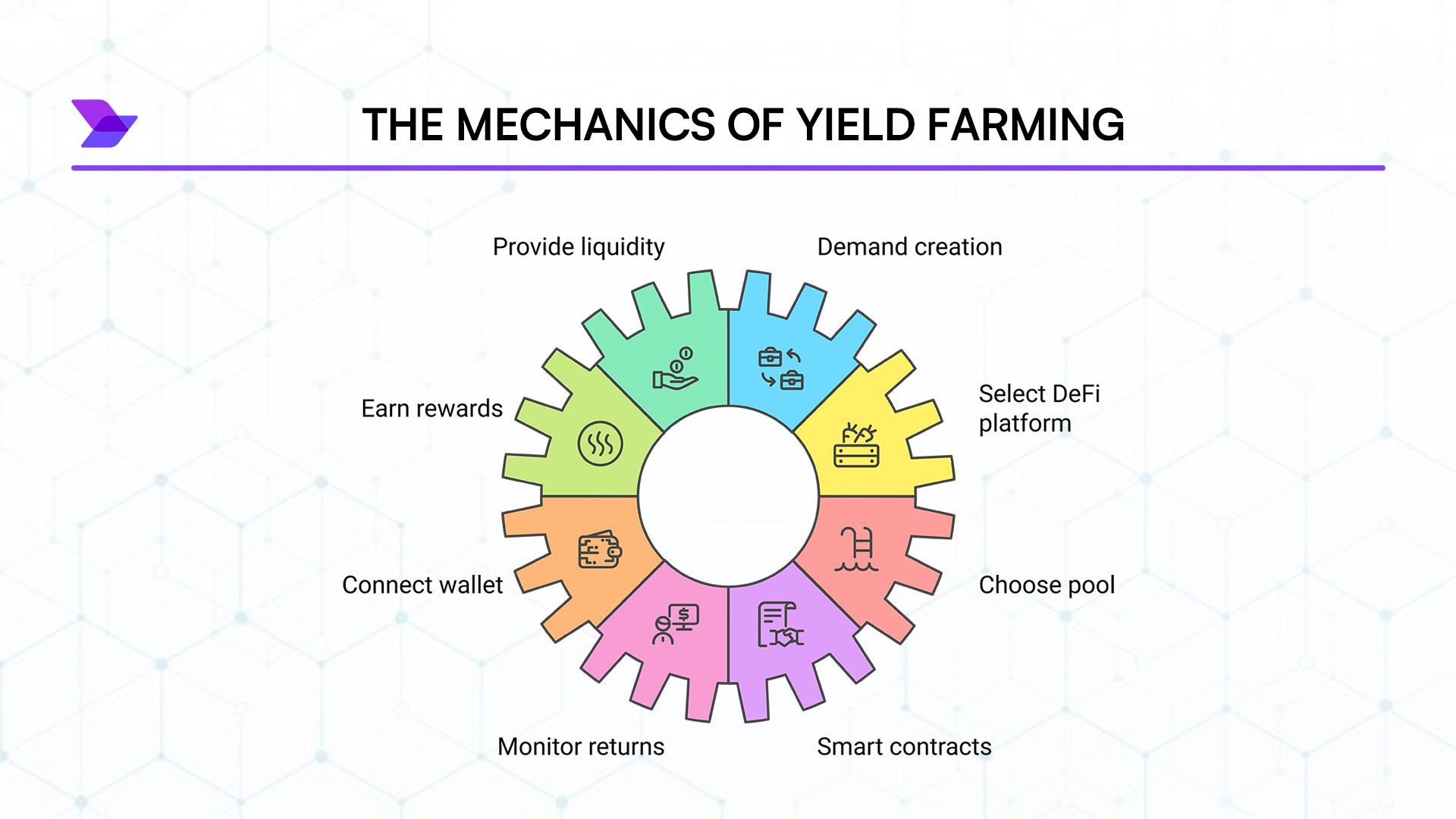
收益農場是 DeFi 價值主張的核心,提供用戶通過為去中心化協議貢獻數位資產以獲取被動收入的機制。本質上,收益農場包含將加密貨幣存入流動性池——這些由智慧合約管理的資金池支撐多種金融服務。這些資金池為代幣兌換(DEX)、借貸平台或合成資產抵押等多種 DeFi 基本運作提供動力。
整個過程從用戶將數位錢包連接到 DeFi 協議並將代幣存入智慧合約開始。與傳統金融中需要繁雜手續、身份驗證及上班時間限制不同,DeFi 24/7 即時執行,幾乎無進入門檻。例如,用戶可將價值 $10,000 的 ETH 與 USDC 存入 Uniswap 流動性池,供其他人兌換使用。
作為提供關鍵流動性的回報,農民可從多個渠道獲得獎勵。首先,他們通常可分享協議所產生的手續費收入——例如 Uniswap 每筆交易 0.3% 手續費會按流動性提供者佔比分配。其次,許多協議還以原生治理代幣作為附加激勵。
這種手續費與代幣獎勵雙重收入模式,催生了驚人收益率,吸引數百萬用戶投入 DeFi。但若要判斷回報的可持續性,需分別檢視各組成,因其運作基礎經濟原則並不相同。
收益農場策略類型
DeFi 生態自啟動以來發展迅速,出現多元化的收益農場策略,以滿足不同風險承受度、技術底蘊及資本需求。根據 CoinDesk 最新分析,主要做法包括:
流動性挖礦
流動性挖礦或許是最直接的收益農場方式。用戶通過等值成對代幣為 Uniswap、SushiSwap 或 PancakeSwap 等 DEX 提供流動性。例如,農民可在 ETH/USDC 池投入 $5,000 ETH 與 $5,000 USDC,獲得表示池中股份的 LP 代幣,以及手續費和平台原生代幣獎勵。
流動性挖礦的 APY 可從藍籌貨幣對的 5% 到新項目吸引資金時超過 1,000%。但高收益也意味著更高風險,包括無常損失和接觸潛在低質代幣的風險。
借貸平台
借貸同樣是基本收益農場策略,用戶把資產存入 Aave、Compound 等協議,通過借款人獲得利息。這些平台全程透過智慧合約、自動運作,無集中管理。
借出方利率根據市場供需以演算法自動調整——當借款需求高漲,利率自動升高。許多平台還會以代幣獎勵補充基礎利率,提高實際收益。與流動性挖礦相比,借貸通常收益較低但更穩定,適合保守型農民。
質押(Staking)機制
質押在 DeFi 生態的演進下已超越單純驗證 PoS 區塊鏈的概念。現今質押包含:
- 協議質押:鎖定代幣參與治理並賺取獎勵
- 流動性質押:如將 ETH 存入 Lido 等協議換取質押衍生品(stETH),該資產還能參與其他 DeFi 活動
- LP 代幣質押:將流動性供應後取得的 LP 代幣再次質押以獲取更多獎勵
流動性質押衍生品帶來了資產可組合性的創新,可同時多處創造收益。2025 年,這一多元化策略成為 DeFi 亮點。舉例來說 Pendle Finance 創新收益代幣化,將基礎資產與預期收益分離交易與優化。
進階收益策略:可組合性槓桿
DeFi 真正的革命性在於協議間的高度可組合性,能夠無縫整合創造複雜金融產品,這種「金融積木」設計讓傳統金融中難以實現的進階策略得以問世。
收益聚合器
Yearn Finance 等平台開發了精密金庫,自動在多個收益來源間分配資本,優化回報並降低風險及手續費。聚合器普遍執行複雜策略,例如:
- 根據績效於不同收益來源間自動再平衡
- 以存入資產進行策略性借貸提升回報
- 自動複利最大化 APY
- 執行閃電貸在跨協議間套利收益差
到 2025 年 2 月,Yearn 金庫管理資產超過 110 億美元,主力穩定幣策略即使在熊市仍穩定提供 15-20% 年化。此成功展現如何以自動化和效率取得可持續收益,而非單靠激進代幣排放。
衍生品與選擇權策略
DeFi 成熟引領衍生品、選擇權協議發展,創造全新收益來源。Opyn、Ribbon Finance 等平台結構化產品可通過各種選擇權策略產生收益:
- 寫出覆蓋型買權:將持有資產賣出買權賺取權利金
- 賣出賣權金庫:用以抵押賣出賣權創造收益
- 波動率套利:利用不同到期日間的定價偏差套利
這些策略更類似傳統金融工程,比早期單純流動性挖礦、更有望藉由真實市場交易產生可持續回報。
支撐高收益的觀點
區塊鏈效率優勢
想要判斷 DeFi 高收益是否可持續,必須先理解區塊鏈及智慧合約相較於傳統金融基建所創造的根本優勢。這些技術正可能在市場成熟後依舊支撐較高回報。
區塊鏈技術最核心的能力,是能以前所未有的效率及規模進行無信任協作。傳統金融體系中,不同機構間需要重複記帳、核對,有些證券交易甚至需數天時間才能最終結算——這些流程既繁瑣又成本高昂。 Here is your translation into zh-Hant-TW, formatted as requested.
substantial manual work despite decades of digitization efforts.
儘管數位化努力持續數十年,仍需大量人工作業。
Blockchain's shared ledger eliminates this redundancy by creating a single source of truth that all participants can verify independently. This architectural shift dramatically reduces overhead costs. Major banks typically spend 5-10% of their operating budgets on reconciliation processes that blockchain renders largely unnecessary, according to McKinsey's 2024 Banking Technology Report.
區塊鏈的共享帳本透過建立一個所有參與者皆可獨立驗證的單一真相來源,消除了這類重複。這種架構上的轉變大幅降低了管理成本。根據[麥肯錫2024銀行科技報告],主要銀行通常會將營運預算的5%到10%花在對帳流程上,而區塊鏈則大幅減少了這項需求。
Smart contracts further amplify these efficiency advantages by automating complex financial logic. The traditional loan issuance process typically involves application processing, credit checks, manual underwriting, legal documentation, and servicing - all performed by various professionals whose compensation ultimately comes from the spread between deposit and lending rates. In contrast, lending protocols like Aave or Compound automate this entire workflow through smart contracts that execute instantly at minimal cost.
智慧合約進一步擴大了這些效率優勢,透過自動化複雜的金融邏輯。傳統的放貸流程通常包含申請處理、徵信查核、人工核貸、法律文件處理,以及後續服務——這些全由不同專業人員負責,其報酬最終來自存款與放款利差。相對地,Aave或Compound等借貸協議,則透過智慧合約瞬間、低成本地自動執行完整流程。
This fundamental efficiency advantage creates a technological "yield premium" that could persist indefinitely, similar to how internet businesses maintain structural advantages over brick-and-mortar counterparts. The magnitude of this premium remains debatable, but analyses from Messari Research suggest it could sustainably add 2-5% to returns across various financial activities.
這項根本效率優勢帶來了一個科技上的“收益溢價”,可能會像網路企業相較實體商業長期維持結構性優勢一樣持續存在。關於這溢價的幅度尚有爭議,但[Messari Research]的分析指出,它可望在各種金融活動中持續為報酬增加2~5%。
Disintermediation: Cutting Out the Middlemen
去中介化:剔除中間人
Beyond pure technical efficiency, DeFi creates substantial value through aggressive disintermediation - removing layers of middlemen who extract fees throughout the traditional financial value chain. This disintermediation represents perhaps the strongest case for sustainable higher yields in decentralized finance.
除了純粹的技術效率外,DeFi還能積極地去中介化,去除在傳統金融價值鏈中各層抽取費用的中間人,進而創造實質價值。這種去中介化很可能是去中心化金融能夠永續提供高收益的最有力理由。
The traditional financial system relies on an extensive network of intermediaries, each extracting value:
傳統金融體系仰賴龐大的中介機構網絡,每個角色都會抽取一定的價值:
- Retail banks charge account fees and profit from deposit-lending spreads
- 投銀收取承銷費、交易佣金、諮詢費
- 資產管理公司每年收取0.5%至2%不等的管理費
- 經紀商從交易點差與執行費獲利
- 清算機構則對結算與託管服務收費
DeFi systematically eliminates most of these intermediaries through direct peer-to-peer transactions governed by smart contracts. When a user provides liquidity to a DEX or lends through a DeFi protocol, they interact directly with counterparties without intermediaries extracting value between them.
DeFi透過智慧合約治理的P2P交易,系統性地消除多數中介機構。當用戶為交易所提供流動性或透過DeFi協議放貸時,他們是直接與對手方互動,無需經由抽取價值的中間人。
This streamlined value chain allows substantially more economic value to flow directly to capital providers rather than intermediaries. For instance, when traders swap tokens on a DEX, approximately 70-90% of trading fees go directly to liquidity providers, compared to perhaps 20-30% in traditional market-making arrangements.
這種精簡的價值鏈,讓更多經濟價值直接流向資本提供者,而非中間人。舉例來說,在DEX換幣時,約有70%到90%的交易手續費直接分配給流動性提供者,相較傳統做市商只分得約20%到30%,高出許多。
A December 2024 analysis by WinterTrust compared fee structures across traditional and decentralized finance, finding that DeFi protocols operate with approximately 70-80% lower overhead costs. This efficiency allows protocols to simultaneously offer higher yields to capital providers and lower fees to users - a win-win that suggests the disintermediation advantage could sustain higher returns permanently.
2024年12月的[WinterTrust分析]比較了傳統與去中心化金融的費用結構,發現DeFi協議的營運成本低70%至80%。如此高效,讓協議同時能給資本方更高的回報、給用戶更低的費用——這種雙贏顯示去中介化優勢有機會永久支撐高報酬。
Innovative Tokenomics
創新型代幣經濟學
The innovative tokenomic models pioneered within DeFi represent another potential source of sustainable high yields. While critics often dismiss token incentives as merely inflationary, closer examination reveals sophisticated economic designs that can potentially sustain attractive yields through genuine value creation and distribution.
DeFi所開創的創新型代幣經濟模式,是另一項長期高收益的潛力來源。儘管批評者經常將代幣激勵歸因於通膨,但仔細檢視會發現,其中有許多經過精心設計的機制,能藉由創造與分配真實價值來支撐吸引人的收益。
Governance tokens - which confer voting rights over protocol parameters and development - constitute a fundamental innovation in financial system design. Unlike traditional financial institutions where governance rights concentrate among shareholders (typically excluding customers), DeFi protocols often distribute governance power broadly to users, aligning incentives throughout the ecosystem.
治理代幣──賦予持有者對協議參數和發展方向的投票權──是金融系統設計中的一項根本創新。不同於傳統金融治理權集中在股東手中(消費者多半被排除),DeFi協議通常將治理權廣泛分配給用戶,使整體生態系利害關係人高度一致。
The most advanced protocols have evolved beyond simple inflationary tokenomics to implement sustainable value capture mechanisms:
最先進的協議早已超越單純通膨式的代幣設計,落實了可持續的價值捕獲機制:
- 分潤模式:如Curve Finance與Sushi將部分交易手續費分送給代幣質押者
- 協議自有流動性:Olympus DAO開創、眾多專案優化的機制,讓協議靠自己的金庫資產產生長期收益
- 真實世界資產整合:如Centrifuge將DeFi與不動產、貿易融資等實體資產連結,提供有實體經濟支撐的收益
These innovative models represent a fundamental evolution beyond the simple "print tokens for yield" approach that dominated early DeFi. By aligning token economics with genuine value creation and capture, these protocols create potentially sustainable yield sources that don't rely solely on new capital inflows.
這些創新模型根本性地超越了早期靠“發新幣產收益”的方式。它們將代幣經濟與真實價值創造、捕獲緊密結合,創造出不依賴新資金流入的可持續收益來源。
The Capital Efficiency Revolution
資本效率革命
The ongoing evolution of capital efficiency within DeFi represents perhaps the most promising technological development for sustainable yields. Traditional finance operates with significant capital inefficiencies - banks maintain substantial reserves, assets remain siloed across different services, and capital moves slowly between opportunities.
DeFi在資本效率上的進化,或許是帶來持續收益最令人期待的技術變革。傳統金融普遍存在資本效率低的問題──銀行需大量準備金、資產被服務類型分隔,資本流轉也相當遲緩。
DeFi's composability and programmability have sparked a revolution in capital efficiency through innovations like:
DeFi的可組合性與可編程性,催生了下列資本效率革命性創新:
- 集中流動性:如Uniswap v3、Ambient讓流動性提供者可聚焦特定價格區間,大幅提高年化效益
- 複利式放貸:用戶可存入資產、借出資金後再反覆做同樣操作,成倍放大曝險與收益
- 動態再定價代幣(Rebasing tokens):OHM、AMPL等會自動調整供給,帶來新型收益機制
- 閃電貸:單一區塊內無需抵押、零風險的即時借貸,實現高效套利與收益優化
These capital efficiency innovations allow the same underlying assets to generate multiple layers of yield simultaneously - a fundamental breakthrough compared to traditional finance. A March 2025 paper from Stanford's Blockchain Research Center calculated that DeFi's capital efficiency innovations could theoretically support sustainable yields 3-7% higher than traditional finance while maintaining equivalent risk profiles.
這些資本效率創新讓相同底層資產得以同時產生數層疊加收益──在傳統金融中根本無法企及。史丹佛區塊鏈中心2025年3月[研究論文]估算,DeFi這些創新可望使可持續收益比傳統金融高出3~7%,且持有風險量級相當。
Global Access and Market Inefficiencies
全球接軌與市場低效率
DeFi's permissionless nature creates another potential source of sustainable yield advantage: global accessibility. Traditional finance operates within national boundaries, creating significant market inefficiencies and yield discrepancies across regions. DeFi transcends these boundaries, potentially enabling persistently higher yields by tapping into global market opportunities.
DeFi的無需許可特性,帶來另一種可持續超額收益來源:全球化接入。傳統金融以國家為界,導致各地市場低效率、收益水準差異大。DeFi逾越國界,有機會將全球機會變現為持續高收益。
For instance, while U.S. Treasury yields might offer 2-3%, emerging market government bonds might yield 8-12% for similar risk profiles after accounting for currency fluctuations. Traditional finance makes accessing these opportunities difficult for average investors due to regulatory barriers, while DeFi platforms can integrate global opportunities seamlessly.
例如,美國公債收益率大約只有2~3%,但新興市場國債在考量匯率波動後,類似風險下的收益率卻高達8~12%。傳統金融因為監管限制讓一般投資人難以參與這些機會,但DeFi平台能無縫整合及開放全球收益機會。
This global arbitrage opportunity extends beyond government bonds. DeFi protocols increasingly connect with real-world assets across jurisdictions, accessing yield opportunities previously available only to sophisticated institutional investors. Platforms like Goldfinch and TrueFi have pioneered uncollateralized lending to businesses in emerging markets, generating sustainable 15-20% yields backed by real economic activity rather than token emissions.
這類全球套利機會並不只限於國債。更多DeFi協議正跨境對接實體資產,把以往只有機構玩家能利用的收益機會帶給一般投資人。如Goldfinch、TrueFi等平台率先在新興市場提供無抵押企業貸款,帶來15~20%年化報酬,而且來源為真實經濟活動(非純粹代幣發行)。
As DeFi continues bridging global financial gaps, this geographic arbitrage could sustain yield premiums for years or decades until global financial markets achieve perfect efficiency - a distant prospect given persistent regulatory and infrastructure barriers.
隨著DeFi不斷拉近全球金融落差,這種地理套利將可能持續多年、甚至數十年,直到全球金融市場達到完全效率化——基於現有監管與基礎建設障礙,這一天仍十分遙遠。
The Case Against High Returns: Systemic Risks
高收益之反證:系統性風險
Inflated Tokenomics
通膨型代幣經濟
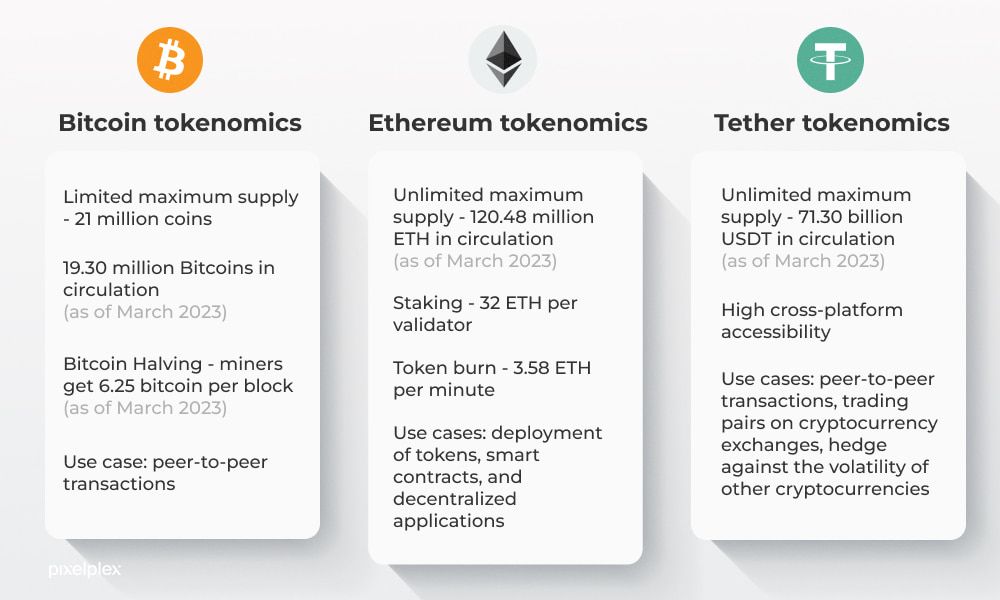
While proponents highlight DeFi's innovative tokenomic designs, critics argue that many protocols rely on fundamentally unsustainable emission schedules that mathematically cannot maintain their high yields over time. A rigorous analysis of these token models reveals significant concerns about long-term sustainability.
雖然支持者強調DeFi創新型代幣經濟,批評者認為許多協議根本仰賴無法長期維持的通膨發行計畫──從數學上來說,高收益早晚會無以為繼。嚴謹分析這些模型,發現其長期可持續性令人擔憂。
Many DeFi protocols distribute governance tokens as yield incentives according to predetermined emission schedules. These schedules typically follow patterns like constant emission (a fixed number of tokens distributed daily) or gradual reduction (emissions decrease by a small percentage each period). Without corresponding growth in demand or token utilities, this supply expansion mathematically leads to price depreciation.
許多DeFi協議按照預先設定的發放排程,將治理代幣當作收益獎勵分配。這些排程通常呈現恆定發行(每天固定數量)或遞減發行(每期減少),但如無需求同步成長或新增應用,供給的擴張必然導致價格下滑。
Token emissions inherently dilute existing holders unless the protocol generates sufficient new value to offset this expansion. This dilution creates a zero-sum dynamic where early farmers benefit at the expense of later participants - a mathematical reality often obscured by bull market token appreciation. The most concerning tokenomic models exhibit characteristics that mathematicians and economists identify as structurally similar to Ponzi schemes, where returns for existing participants depend primarily on capital from new entrants rather than sustainable value creation.
除非協議能產生足夠新價值彌補,新幣發行本質上會稀釋既有持有者利益。這會造成零和效應,讓早期參與者的收益建立在後進人頭上——牛市時代幣價格上漲常常掩蓋此數學事實。最令人擔憂的模型,正被數理學家與經濟學家視為結構上近似龐氏騙局:既有參與者的收益主要仰賴新進資本,而非永續的價值產生。
A comprehensive analysis by CryptoResearch examined emission schedules of 50 leading DeFi protocols, finding
[(此處為文章斷點,後續未給出)]Sure! Here is the translation with markdown links unaltered:
其中有36%被數學上確定無論協議採用與否或市場條件如何,都必然會經歷顯著的收益壓縮。研究指出了幾個令人憂慮的模式:
- 發放的激勵超過實際收入:協議分發的代幣獎勵價值是實際手續費收入的3-10倍
- 死亡螺旋風險:代幣經濟模型中,價格下跌觸發激勵增加,進而進一步壓低價格
- 治理權集中:內部人士控制足夠投票權以維持不可持續的高激勵,並從中獲利
這些根本上不可持續的代幣經濟設計,已經導致數個知名協議倒閉,包括2024年6月的UmaMi Finance和2024年11月的MetaVault危機。這兩個平台都承諾了「可持續」的高收益,但以數學方式來看,這樣的收益在初期增長階段後便無法持續下去。
無常損失:隱藏的收益殺手
雖然DeFi的行銷材料強調誘人的年化報酬率(APY),卻往往對「無常損失」(Impermanent Loss, IL)這一特殊風險輕描淡寫甚至略而未提——此風險會顯著侵蝕甚至完全抹消流動性提供者的收益。理解此現象對於評估DeFi收益的真實可持續性至關重要。
無常損失發生在流動性池中的資產價格比例自提供流動性後出現變化時。從數學角度來說,它代表了「被動持有資產」與「將資產提供給自動做市商(AMM)」兩者間的效益差異。對於波動性高的資產對,這損失可能十分可觀:
- 單一資產價格變化25%:損失約0.6%
- 單一資產價格變化50%:損失約2.0%
- 單一資產價格變化100%:損失約5.7%
- 單一資產價格變化200%:損失約13.4%
這些損失會直接減少流動性提供者的實際收益。例如,一個標榜20% APY的池子,在市場波動大時,實際年回報可能只有7-8%。在極端情況下,無常損失甚至會超過基本收益,導致相比單純持有資產還虧損。
帝國學院倫敦的研究分析了主要AMM的歷史表現,發現對一般流動性提供者而言,無常損失平均每年約佔2-15%,某些波動性極高的交易對甚至損失超過50%。這一隱形成本從根本上削弱了許多高收益流動性挖礦的可持續性說法。
處理無常損失的難題,是當前DeFi模型中的結構性效率缺口,這可能無法支撐長期高收益。雖然像集中式流動性、主動管理等創新策略試圖緩解這一問題,但它們引入的額外複雜性與成本,最終可能反而限制了可持續的收益空間。
智能合約漏洞
除了代幣經濟和市場風險之外,DeFi收益還面臨著更為根本的威脅:支撐整個生態系統的智能合約本身,固有的安全漏洞。這些漏洞為可持續收益觀念帶來了巨大挑戰,因其創造了傳統金融體系罕見的災難性「黑天鵝」風險。
DeFi領域長期困擾於重大安全事件,造成數十億美元的損失。即使到了2025年,在歷經多年安全升級後,重大的駭客事件仍然以驚人頻率發生。對主要DeFi駭客事件的分析顯示,雖然業界已經普遍意識到這些問題,但常見的攻擊手法依然層出不窮:
- 閃電貸攻擊:利用無抵押閃電貸進行短期市場操控
- 預言機操縱:篡改價格資料源以觸發有利的清算
- 重入漏洞:利用函數多次執行以重複提現資金
- 權限控制失敗:鎖定不完善的權限系統
- 邏輯錯誤:鑽漏洞於複雜金融機制中的商業邏輯缺陷
這些漏洞的長期存在,讓我們不得不反思所謂收益的可持續性。所有DeFi收益計算,都必須納入「因智能合約故障遭受原本投資全額損失」的非零機率——而這個風險會隨時間與多協議曝險複利增長。
DeFi SAFU報告2025調查了五年來全生態系的安全事件,發現即便安全措施明顯提升,駭客與漏洞造成的年度化損失率仍然平均達到總鎖倉價值(TVL)的4.2%。這實際上等於生態系必須自行承擔的一種保險費,理論上應該要直接削減可持續收益。
這種「安全稅」變成一項持續性成本,可能限制DeFi相較傳統金融的可持續收益優勢。儘管某些協議個別安全性表現優秀,但用戶一般會分散資產於多平台,總曝險因而加大。
法規不確定性
技術或經濟層面的影響固然重大,然而最終決定DeFi收益可持續性的,或許還是法規。日益演變的監管環境,對過去主要在合規灰色地帶運作的眾多DeFi收益機制構成了本質挑戰。
截至2025年,全球DeFi的法規環境依舊分散,但比過去幾年已明朗許多。主要進展包括:
- 證券分類法規:美國SEC大幅推進將多數DeFi代幣劃分為證券,並對大型協議採取里程碑式法律行動
- KYC/AML規定:多個司法轄區開始強制DeFi參與者實名制,對於匿名化高收益機制形成挑戰
- 穩定幣監管:《全球穩定幣架構》實施了準備金與透明度要求
- 稅務執法:先進的區塊鏈監控工具大幅提升稅務機關對DeFi活動的查核能力
這些法規發展,對建立於開放、偽匿名基礎上的協議帶來重大合規挑戰。許多高收益策略原本明確利用了「法規套利」——也就是在無須承擔傳統金融合規成本及資本要求下運作。隨著監管壓力升高,部分DeFi收益優勢很可能只是一時的法規紅利,而非長遠的創新回報。
區塊鏈分析公司Elliptic發布的Compiance Cost Index估算,全面合規將使多數DeFi協議的營運成本增加,相當於TVL的2-5%。這暗示當法規清晰化後,協議被迫提升合規措施,目前的部分收益優勢將逐步消失。
資本集中與競爭態勢
DeFi生態系表現出強烈的「贏者全拿」態勢,最終透過資本集中及競爭動態,壓縮了整體收益。隨著市場成熟,資本往往流向安全性最佳、機制最高效、流動性最豐厚的協議——這一過程會自然地因競爭壓縮利潤。
這種競爭趨勢已經在DeFi數個細分領域顯現:
- 穩定幣收益:2021年最高可達20-30%,到2025年已降至8-12%,流動性集中提升效率
- 藍籌借貸:如ETH/BTC等成熟資產收益率自3-10%壓縮到1-4%
- 主流DEX:人氣幣對流動性提供者年化報酬已標準化在5-10%之間,相比早期高達20-50%
這種資本集中趨勢,預示著跑出平均值的超高收益不再具有可持續性。當協議為吸引流動性和用戶展開競爭時,經濟理論認為最終都會趨向「效率前緣」,即風險與報酬達合理平衡。
巴塞爾大學的研究針對2020-2024年間DeFi協議的收益壓縮現象分析,發現一旦協議進入成熟期,DeFi收益大致會收斂到高出傳統金融3-5%的平衡點。這說明,DeFi或許能長期維持結構性收益優勢,但早期吸引用戶的三位數回報,從根本上並不可持續。
歷史數據與收益趨勢
2020年DeFi之夏與其後
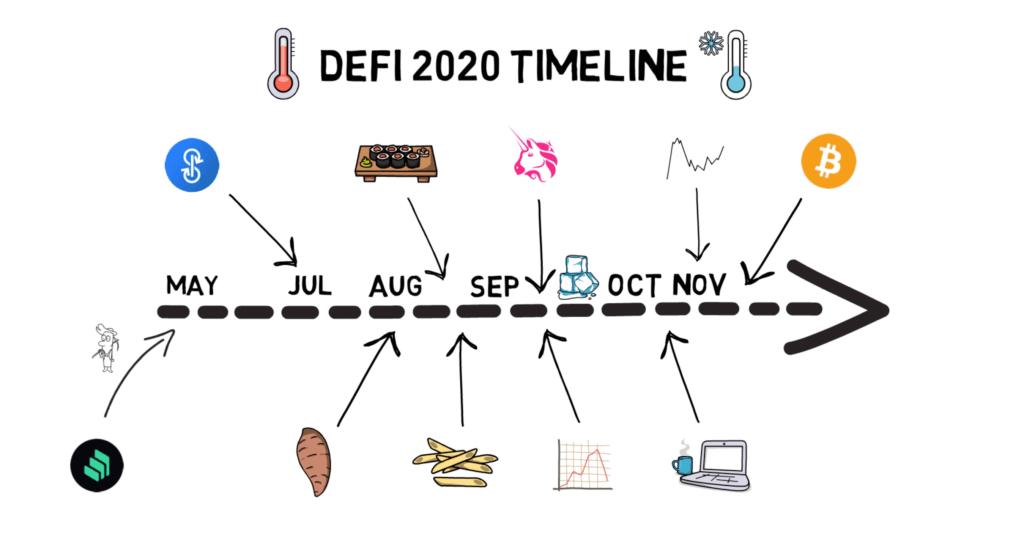
業界所稱的「DeFi之夏」(2020年),是檢視收益可持續性的關鍵座標點。在這個成型期,DeFi協議經歷爆炸式增長,「挖礦收益」也進入主流加密社群視野。
DeFi之夏的導火線,是Compound於2020年6月推出COMP治理代幣,並根據用戶的協議互動,把代幣獎勵分配出去。這一創新帶來骨牌效應:用戶發現在借貸、提供流動性等複雜策略下,可以「挖」出三位數年化報酬。
這一時期的重要指標突顯其特殊性:
- TVL增長:DeFi總鎖倉價值從2020年5月約10億美元,激增至9月突破150億美元
- 代幣估值:YFI等治理代幣數月間從零漲到超過$40,000
- 收益水準:常見策略動輒100-1,000% APY
這個階段奠定了日後以代幣激勵為驅動的DeFi發展典範,但也清楚展現了......how unsustainable many early yield models were - by late 2020, many of the initially eye-catching yields had already compressed significantly as capital flooded into farming opportunities.
許多早期收益模式的不可持續性——到2020年底,許多最初引人注目的高收益,隨著資本湧入挖礦機會,已經大幅壓縮。
Yield Compression and Market Cycles
One of the most significant patterns in DeFi's evolution has been the progressive compression of yields across most strategies. This compression provides important evidence regarding the equilibrium level of sustainable returns in a maturing market.
在 DeFi 發展過程中最顯著的現象之一,就是各種策略的收益率逐漸被壓縮。這種壓縮現象,為成熟市場下可持續報酬的均衡水平提供了重要證據。
During the 2020-2021 bull market, DeFi yields displayed several characteristic patterns:
在2020至2021年的牛市期間,DeFi 收益呈現出幾項典型特徵:
-
Correlation with token prices: Yields denominated in dollars increased as governance token values appreciated
-
與代幣價格相關性:以美元計價的收益,隨著治理代幣價格上漲而增加
-
Protocol proliferation: New platforms launched with aggressive incentives, creating yield spikes
-
協議大量出現:新平台以激進的激勵措施推出,帶來短暫的高收益
-
Capital efficiency innovations: Protocols developed increasingly sophisticated strategies
-
資本效率創新:協議持續推出更複雜的收益策略
-
Leverage expansion: Users employed greater leverage to amplify yields
-
槓桿擴張:用戶採用更高槓桿來放大利潤
The subsequent 2022-2023 bear market provided a crucial stress test for DeFi yield sustainability. As token prices declined sharply, many yield sources collapsed or significantly compressed. In particular, the market downturn exposed the unsustainable nature of yields based primarily on token emissions.
隨後的 2022-2023 熊市成為 DeFi 收益可持續性的重大壓力測試。隨著代幣價格大幅下跌,許多收益來源消失或被大幅壓縮,尤其暴露了依賴代幣發放的收益模式根本無法持續。
By 2024-2025, a clearer pattern has emerged: protocols generating yields from actual usage fees, liquidations, and financial activities showed relatively stable returns regardless of market conditions. In contrast, yields derived primarily from token emissions or speculative demand fluctuated dramatically with market sentiment. This pattern suggests a core yield advantage derived from genuine efficiency gains and disintermediation benefits, upon which cyclical components layer additional returns during expansionary periods.
到了2024-2025年,一個更明顯的趨勢浮現:那些從實際用戶手續費、清算及金融活動產生收益的協議,無論市場如何變化,其報酬都較穩定;相較之下,主要來源於代幣發放或投機需求的收益,會隨著市場氣氛劇烈震盪。這反映出真正來自效率提升和去中介化帶來的核心收益優勢,而週期性因素則在景氣擴張時帶來額外回報。
DeFi Llama's Yield Index has tracked this evolution since 2021, showing that sustainable "core yields" across the ecosystem have stabilized in the 5-15% range for most major assets and strategies. This represents a significant compression from earlier periods but still maintains a substantial premium over traditional finance alternatives.
DeFi Llama 的收益指數自2021年起追蹤這一演化,顯示整個生態系統中大多數主要資產與策略的「核心可持續年化收益」已穩定在5-15%區間。這比早期大幅壓縮,但仍維持相當於傳統金融的高額溢價。
Case Studies of Sustainable Yield Protocols
Examining specific protocols with demonstrated yield sustainability provides concrete evidence for the case that DeFi's high returns aren't merely a speculative bubble. These case studies illustrate how well-designed protocols can maintain attractive yields through genuine value creation rather than unsustainable mechanics.
探討那些已證明具備收益可持續性的協議,能夠具體說明 DeFi 高報酬不僅僅是投機泡沫。這些案例展示了設計良好的協議如何通過真正的價值創造,而非不可持續的遊戲機制,來維持有吸引力的收益。
Curve Finance: The Stability King
Curve Finance has emerged as perhaps the most compelling example of sustainable yield generation in DeFi. Launched in 2020, Curve specializes in stable asset swaps, focusing on minimizing slippage for stablecoins and similar pegged assets.
Curve Finance 被認為是 DeFi 最具代表性的可持續收益產生範例之一。該協議於2020年推出,專注於穩定資產(如穩定幣)間的低滑點兌換。
Curve's yield sustainability stems from multiple reinforcing mechanisms:
Curve 的可持續收益來源於多重良性循環機制:
-
Trading fees: Liquidity providers earn from the platform's 0.04% fee on swaps
-
交易手續費:流動性提供者從平台每筆交換收取的 0.04% 手續費中獲得收益
-
CRV emissions: The protocol distributes CRV tokens to liquidity providers
-
CRV 發放:協議會將 CRV 代幣發放給流動性提供者
-
Vote-escrowed economics: Users can lock CRV for up to 4 years to receive veCRV
-
鎖倉投票經濟:用戶可將 CRV 最長鎖定4年以獲取 veCRV 投票權益
-
Bribes market: Third-party protocols pay veCRV holders to direct emissions
-
賄選市場:第三方協議會向 veCRV 持有者支付費用,以影響發放方向
What makes Curve particularly notable is how these mechanisms create aligned incentives across stakeholders. Long-term believers lock their CRV for maximum voting power, reducing circulating supply while gaining control over the protocol's liquidity direction. This model has maintained competitive yields ranging from 5-20% annually on stablecoin pools even during extended bear markets.
Curve 特別值得關注的是,這些機制讓各方持份者的激勵高度一致。長線支持者將 CRV 鎖定以爭取最大投票力,減少流通供給、同時掌控流動性導向。即便在長期熊市,穩定幣池的年化收益也維持在 5-20% 的競爭力水準。
Aave: Institutional-Grade Lending
Aave represents another compelling example of sustainable yield generation in the lending sector. As one of DeFi's premier money markets, Aave allows users to deposit assets to earn interest while enabling others to borrow against collateral.
Aave 是去中心化借貸領域可持續收益的另一代表案例。作為 DeFi 頂級的貨幣市場之一,Aave 允許用戶存入資產賺取利息,並讓他人以抵押品借款。
Aave's yield sustainability derives from several key factors:
Aave 能維持收益可持續性,歸因於幾項關鍵因素:
-
Market-driven interest rates: Aave's utilization curve automatically adjusts rates based on supply and demand
-
市場驅動利率:Aave 採用利用率曲線,自動根據供需調整利率
-
Risk-adjusted pricing: Different assets command different rates based on their risk profiles
-
風險調整定價:不同資產依據風險輪廓設置不同利率
-
Protocol fees: A small portion of interest payments goes to the protocol treasury and stakers
-
協議費用:部分利息收入流向協議金庫及質押者
-
Safety Module: AAVE token stakers provide insurance against shortfall events
-
安全模組:AAVE 持有者質押代幣以提供協議保險
Aave's lending yields have demonstrated remarkable consistency, typically offering 3-8% on stablecoins and 1-5% on volatile assets across market cycles. These returns derive primarily from organic borrowing demand rather than token subsidies, creating a sustainable model that could theoretically operate indefinitely.
Aave 借貸收益展現出高度穩定性,通常穩定幣年化為 3-8%,波動資產為 1-5%,無論市場週期如何。這些報酬主要來自真實借款需求而非代幣補貼,建立了理論上能永久永續運行的模式。
Lido: Liquid Staking Dominance
Lido Finance has revolutionized Ethereum staking through its liquid staking derivatives model. By allowing users to stake ETH while receiving liquid stETH tokens that can be used throughout DeFi, Lido created a fundamentally sustainable yield source.
Lido Finance 以流動質押衍生品模式徹底改變了以太坊質押。用戶可以質押 ETH 並取得可自由於 DeFi 流通的 stETH,創造出本質上可持續的收益來源。
Lido's yields derive directly from Ethereum's protocol-level staking rewards - currently around 3-4% annually - with additional yield opportunities created through stETH's DeFi compatibility. This model creates sustainable yield without relying on token emissions or unsustainable incentives.
Lido 的收益直接來自以太坊協議層質押獎勵——目前年化約 3-4%,藉由 stETH 在 DeFi 生態內應用還能額外創造收益空間。該模式無需依賴代幣發放或不可持續的激勵,即能產生穩健報酬。
The protocol has maintained consistent growth, capturing over 35% of all staked ETH by 2025, while offering yields that closely track Ethereum's base staking rate plus a premium for the liquid staking innovation. This demonstrates how infrastructural DeFi protocols can create sustainable yield advantages through genuine innovation rather than unsustainable tokenomics.
Lido 協議持續增長,至 2025 年已捕獲超過 35% 的 ETH 質押市佔,且收益緊貼以太坊基礎質押利率,並疊加流動質押的創新溢價。這證明基礎設施型 DeFi 協議能夠以真正創新的機制創造出持續性的收益優勢,而非不健康的代幣經濟學。
Risk-Adjusted Returns: A More Realistic Perspective
Comprehensive Risk Assessment
When evaluating DeFi yields, considering risk-adjusted returns provides a more accurate picture of sustainability than focusing solely on nominal APYs. Risk-adjusted metrics attempt to normalize yields based on their corresponding risk profiles, enabling fairer comparison between different opportunities.
評估 DeFi 收益時,採用「風險調整後」收益比單看名目年化率(APY)更能真實反映可持續性。風險調整指標會根據資產的風險狀況對收益做標準化,使不同方案具可比較性。
Advanced risk-adjusted yield models calculate:
進階風險調整收益模型會計算:
-
Sharpe-like ratios: Yield excess over risk-free rate divided by yield volatility
-
夏普比率變體:收益高於無風險利率部分,除以收益波動率
-
Sortino variations: Focusing specifically on downside risk rather than general volatility
-
Sortino 比率變體:專注於下行風險,而非總體波動
-
Maximum drawdown-adjusted returns: Yields normalized by worst historical performance
-
最大回撤調整收益:以歷史最差表現做標準化
-
Conditional value at risk: Accounting for tail risk beyond simple volatility measures
-
條件在險價值:納入罕見極端情境風險的衡量
-
Probability-weighted expected returns: Incorporating likelihood of different scenarios
-
機率加權期望收益:考量不同情景發生的機率
These metrics reveal which yields genuinely compensate for their associated risks versus those that appear attractive only by ignoring or underpricing their risk profiles. Analysis using these measures suggests that many apparently high-yielding opportunities actually offer poor risk-adjusted returns compared to more modest but sustainable alternatives.
這些指標能揭示哪些收益真正反映了其對應的風險,哪些僅僅因風險被低估或忽略而表面吸引人。透過這些衡量結果可發現,許多看似高報酬的機會,風險調整後實際不如一些較保守、但穩健可持續的方案。
Risk-adjusted yield aggregator DeFiSafety has compiled extensive data showing that after accounting for all risk factors, "true" sustainable DeFi yields likely fall in the 6-12% range for most strategies - significantly lower than advertised rates but still substantially higher than traditional alternatives.
以風險調整後收益為主的聚合平台 DeFiSafety 彙整大量數據,發現綜合所有風險後,大多數 DeFi 策略的「真實」可持續年化收益約落在 6-12%,儘管顯著低於宣傳水準,卻仍大幅高於傳統金融方案。
Risk Categories in DeFi
Advanced risk assessment models categorize DeFi risks into multiple dimensions, each with distinct implications for yield sustainability:
進階風險評估模型將 DeFi 風險細分為多個面向,每一類型對收益可持續性均有獨特影響:
Smart Contract Risk:
-
Code vulnerability probability
-
合約漏洞風險
-
Historical audit quality
-
歷史審計品質
-
Complexity metrics
-
合約複雜度指標
-
Dependencies on external protocols
-
對外部協議的依賴度
Economic Design Risk:
-
Tokenomic stability measurements
-
代幣經濟穩定性評估
-
Incentive alignment scores
-
激勵機制一致性分數
-
Game theory vulnerability assessment
-
博弈脆弱性分析
-
Stress test simulation results
-
壓力測試模擬結果
Market Risk:
-
Liquidity depth metrics
-
流動性深度指標
-
Correlation with broader markets
-
與大盤關聯性
-
Volatility profiles
-
波動性特性
-
Liquidation cascade vulnerability
-
清算連鎖反應風險
Operational Risk:
-
Team experience evaluation
-
團隊經驗評分
-
Development activity metrics
-
開發活躍度指標
-
Community engagement measures
-
社群參與度
-
Transparency indicators
-
資訊透明度指數
Regulatory Risk:
-
Jurisdictional exposure analysis
-
司法轄區風險分析
-
Compliance feature integration
-
合規特性設計
-
Privacy mechanism assessment
-
隱私機制評估
-
Legal structure evaluation
-
法律結構分析
By quantifying these diverse risk categories, comprehensive frameworks create risk profiles for each protocol and yield source. These profiles enable calculation of appropriate risk premiums - the additional yield necessary to compensate for specific risks. This approach suggests that sustainable DeFi yields likely settle at levels providing reasonable compensation for their genuine risks - typically 3-10% above truly risk-equivalent traditional finance alternatives once all factors are properly accounted for.
透過量化上述多元風險面向,綜合評估框架可為每個協議及收益來源建立專屬風險組合。這些組合用於計算合理的風險溢酬——即需額外補償的報酬。結果顯示,若充分納入所有風險,DeFi 可持續收益率通常會高於完全等風險的傳統金融 3-10%。
The Risk-Adjusted Yield Frontier
The concept of a "risk-adjusted yield frontier" helps visualize sustainable DeFi returns. This frontier represents the maximum theoretically achievable yield for any given risk level, with positions below the frontier indicating inefficiency and positions above suggesting unsustainable returns that will eventually revert.
「風險調整收益前緣」的概念可視化 DeFi 的可持續回報。前緣表示在各種風險水準下可理論達到的最高回報,低於前緣則代表效率不佳,高於前緣則常意味著難以維持的暴利終將回落。
Research by Gauntlet Networks, a leading DeFi risk modeling firm, has mapped this frontier across various DeFi strategies. Their analysis suggests that sustainable risk-adjusted yields in DeFi might exceed traditional finance by approximately:
Gauntlet Networks 這家頂尖 DeFi 風險建模機構已為各種策略繪製出風險調整收益前緣。分析顯示,DeFi 的可持續風險報酬可約高於傳統金融:
-
2-4% for conservative, secured lending strategies
-
保守型、有擔保借貸策略,高 2-4%
-
4-8% for liquidity provision in established markets
-
成熟市場流動性提供,高 4-8%
-
8-15% for more complex, actively managed strategies
-
複雜型、主動管理策略,高 8-15%
These premiums derive from the fundamental efficiency and disintermediation advantages discussed earlier, suggesting that DeFi can maintain a sustainable yield advantage even after accounting for its unique risks. However, these premiums fall significantly short of the triple-digit APYs that initially attracted many participants to the ecosystem.
這些溢酬來自前述效率提升與去中介化優勢,代表即使納入 DeFi 特有風險後,該領域仍可能維持顯著收益溢價。但這樣的溢價幅度遠低於過往吸引眾多新手進場的三位數 APY。
The Integration of AI into DeFi's Future
AI-Driven Protocol Design
Looking toward the future, artificial intelligence is increasingly正在從根本上塑造 DeFi 協議的設計方式。這種整合有望通過將智慧系統直接嵌入協議架構,創造出更可持續的收益機制。
2025 年已經出現了幾項關鍵發展:
-
自適應收益參數:協議利用 AI 根據市場狀況與可持續性指標動態調整發幣速率、手續費分配以及其他影響收益的因素。這些系統對於變化的反應遠比傳統治理流程來得高效。Synthetix 於 2024 年底上線的 Perceptron 系統,能動態調整質押獎勵,在促進協議增長的同時兼顧經濟可持續性。
-
預測性風險管理:將 AI 系統嵌入借貸及衍生品協議,預先預測潛在市場失衡,並主動調整抵押品要求或清算門檻,降低系統性風險。例如,Gauntlet 的 Risk AI 目前為超過 150 億美元 DeFi 資產提供風險參數設定,該系統藉由模擬式機器學習,優化資安與資本效率。
-
個人化收益策略:平台提供基於 AI 生成的收益策略,能根據個別用戶的風險輪廓、時間範圍及財務目標量身打造,不再採用千篇一律的方法。DefiLlama 的 AI Advisor(於 2025 年 2 月推出)會分析用戶的投資組合與風險偏好,在上百個協議中推薦個人化收益策略。
AI 融入協議設計,不僅僅是將 AI 用於分析,更代表 DeFi 系統的一大進化。透過將智能直接嵌入協議本身,DeFi 系統能建立更具可持續性與適應性的收益機制,在維持適當風險參數的同時,主動因應外部變化。
AI 在 DeFi 風險評估中的應用
人工智慧已成為分析 DeFi 收益可持續性的關鍵工具。隨著生態系日益複雜,AI 處理大量資料並識別微妙模式的能力,為判斷長期可持續收益帶來前所未有的洞察。
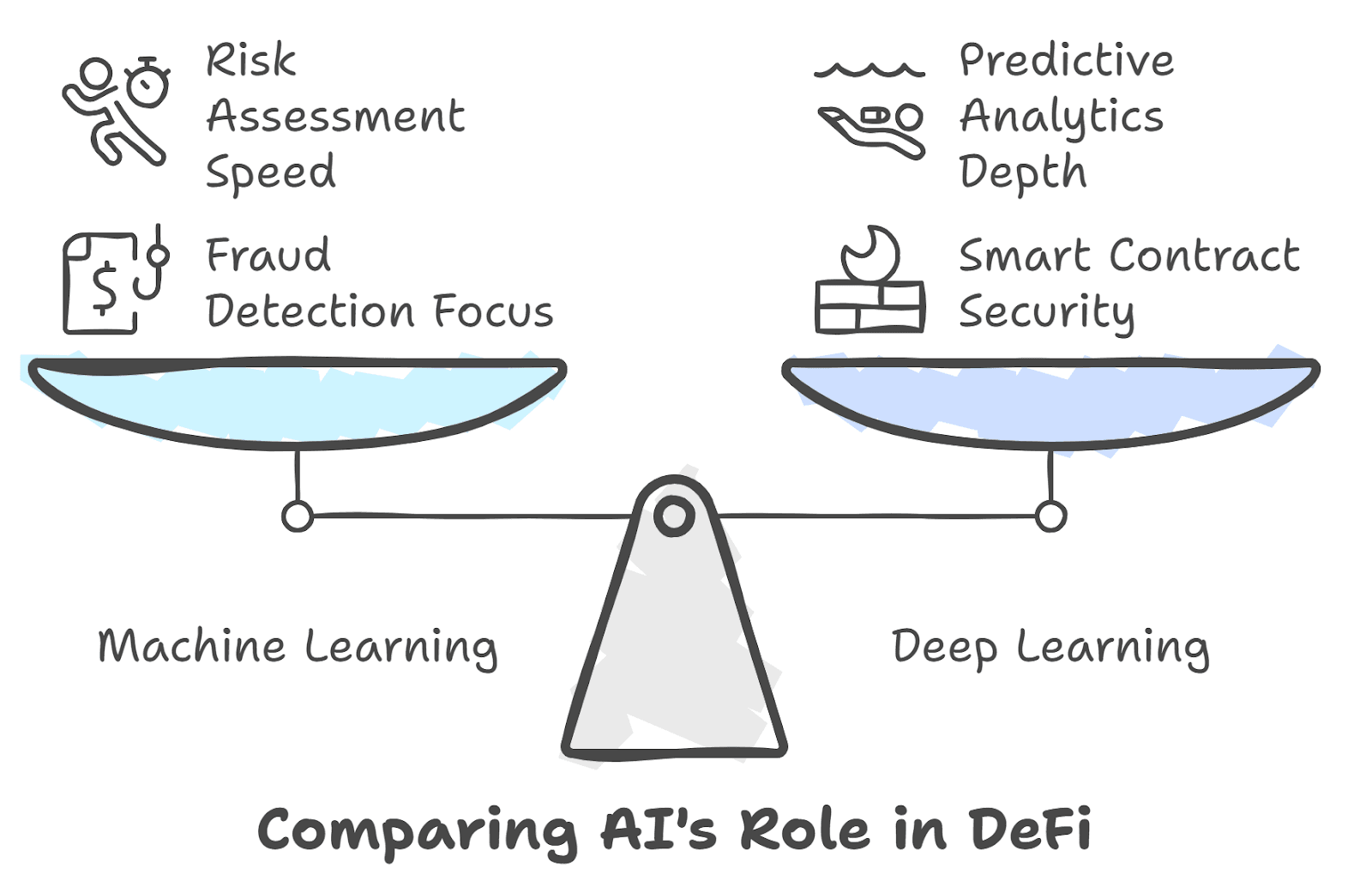
到了 2025 年,AI 幾乎滲透至 DeFi 運作與分析的每個面向。AI 模型現已可常態評估協議安全風險,包括分析智能合約程式碼、治理架構和歷史表現。進階系統可透過將新協議與歷史漏洞資料庫對比,發現人類審計師可能遺漏的安全問題。
這些風險評估能力,直接影響收益可持續性。機器學習演算法能將以往主觀的風險因素量化為具體機率,使得風險調整後的收益計算更加精確。例如,AI 系統現已能定期產製 DeFi 協議的完整風險評分卡,這些分數通常和未來被攻擊的機率高度相關。
一個顯著例子是 Consensys Diligence AI,其已分析超過五萬份智能合約,找出有助避免預估損失高達 32 億美元的漏洞型態。這層安全保障可降低前述的「安全稅」,進而推高可持續收益。
透過機器學習優化收益
AI 在 DeFi 中最明顯的應用之一,就是日益進步的收益優化策略。現代收益聚合器利用機器學習來:
- 預測協議間短期收益波動
- 找到各種策略的最佳進出時點
- 在潛在報酬與風險間取得平衡
- 優化 gas 成本與交易時機
像 Yearn Finance 這樣的平台現已採用先進 AI 系統管理數十億美元資產,根據同時考量數十個變數之複雜模型,將資金自動流動於各種機會之間。這些系統展現出,透過捕捉收益低效前的套利空間,年報酬率可比靜態策略多出 2–3%。
先進收益預測模型給出關於可持續性的幾個重要結論:
- 基礎收益層:模型能辨識出各類 DeFi 產品持續存在的「基礎層」收益,通常高於傳統金融 3–7%。
- 協議成熟曲線:模型描繪出協議隨著成熟,收益縮水的典型壓縮曲線。
- 可持續性臨界點:AI 系統可偵測如發幣收入比等重要指標,一旦超過臨界點即強烈預示長遠收益不可持續。
- 風險溢酬:模型量化不同協議分類應有的合理風險溢酬,區分哪些高收益合理、哪些不可持續。
DefiAI Research 已提出完整模型,顯示經 AI 優化的策略可長期維持比傳統金融高出 4–8% 的優勢,靠的是效率提升與全面最佳化。
模式辨識與異常檢測
超越基本預測,先進的 AI 系統特別擅長從 DeFi 收益數據中識別微妙的模式與異常,協助判斷可持續性問題。這些能力讓研究人員能在收益機制崩潰前及早偵測異常,也能發現有潛力帶來長遠高報酬的創新模式。
AI 研究已辨識出數種與可持續性高度相關的收益模式:
- 可持續收益模式:特徵為適中基本報酬(5-15%)、低波動、與幣價關聯性低且與協議收入高度連動。
- 仰賴發幣模式:特徵為高初期收益,隨著發幣減少或幣價下跌,收益依可預測衰減曲線持續下降。
- 龐氏模式:當新資金滲入時收益提高,但無法支撐起對應收入增長。
- 創新驅動模式:初期高報酬,隨著某創新機制找到市場平衡後,最終收斂穩定。
透過模式辨識與異常偵測,AI 研究人員開發出高效的收益機制預警系統。這些系統會主動監控 DeFi 生態,一旦發現曾經導致崩盤或收縮的歷史收益模式即給予警示。
ChainArgos 身為領先區塊鏈分析平台,即已開發出 AI 模型,能在如 MetaVault 與 YieldMatrix 這些協議公開爆雷前數周,成功預測重大收益崩盤。這種預測能力為用戶避開不可持續的收益陷阱,提供更可持續參與 DeFi 的新可能。
「真實收益」的興起
從發幣驅動到收入導向
「真實收益」在 DeFi 可持續性評估中成為關鍵新概念。真實收益是指來自協議實際收入與手續費的報酬,而非靠發行代幣或其他潛在不可持續的來源。
早期 DeFi 多仰賴發幣作為收益來源——協議大量撒發治理幣來吸引流動性與用戶。這種模式雖有效助燃生態發展,卻難免導致幣值稀釋與收益逐漸壓縮。數學現實是,除非協議價值與效用同步成長,靠發幣是不可能無止盡維持高收益的。
到了 2025 年,主流協議多已順利轉型為「真實收益」模式,收益主要來自:
- 去中心化交易所的成交手續費
- 借貸平台收取的利息
- 抵押部位清算產生的罰金
- 風險保障費用
- 協議收入分潤機制
這個轉型為 DeFi 生態帶來質的成熟。儘管真實收益通常低於過去發幣紅利時代的高額報酬,但來源根基扎實,長遠更具可持續性。能夠將協議收入遠高於發幣量的平台,於各種市場周期下展現更高收益穩定性。
DeFi Pulse 的 Real Yield Index 於 2024 年十月上線,追蹤全生態來自協議營收的純收益。他們的分析顯示,2025 年第一季,主流 DeFi 協議的平均真實收益為 7.3%,雖明顯低於往年標榜,但依然遠高於同類傳統金融替代方案。
回購與分潤新模式
可持續收益生成的一項特別前景,是協議直接透過系統性代幣回購與收入分潤,與持幣者分享收益,這種模式創造了可查證、透明且與協議表現直接連結的收益來源。
這方面的領頭例子有:
- GMX:去中心化永續合約平台,將 30% 交易費分配給 esGMX 質押者,另 30% 給 GLP 流動性供應者,創造與平台營收直接掛勾的可持續收益。
- Gains Network:其合成交易平台將 90% 交易手續費分潤給流動性提供者與治理幣質押者。
- dYdX:v4 版本區塊鏈實施自動回購與分配機制,將交易收入回饋給治理幣質押者。
這些分潤機制,也許是 DeFi 當下最可持續的收益模型,因為它們將報酬直接與具體經濟活動掛勾,而非依賴難以長久的發幣紅利。雖然這類收益多落在 5–20%(明顯低於發幣早期動輒百倍報酬),但已彰顯——much greater stability across market cycles.
TokenTerminal data shows that revenue-sharing protocols maintained relatively stable yield distributions throughout both bull and bear market conditions in 2023-2025, suggesting this model might represent a truly sustainable approach to DeFi yield generation.
大幅提升了不同市場週期中的穩定性。
TokenTerminal data 顯示,收益共享協議於2023-2025年的牛市和熊市期間,維持了相對穩定的收益分配,顯示該模型可能是去中心化金融(DeFi)收益創造的真正永續路徑。
Real-World Asset Integration
實體資產(RWA)整合
Perhaps the most significant development in sustainable DeFi yield generation is the integration of real-world assets (RWAs) into the ecosystem. By connecting DeFi liquidity with tangible economic activity beyond the crypto sphere, RWA protocols create yield sources backed by genuine economic productivity rather than speculative mechanisms.
也許在永續DeFi收益創造方面最具意義的發展,就是將實體資產(RWA)納入生態系。藉由將DeFi流動性與加密圈以外的實體經濟活動連結,RWA協議創造出由真正經濟生產力支撐的收益來源,而非僅仰賴投機機制。
The RWA sector has grown exponentially, from under $100 million in 2021 to over $50 billion by early 2025, according to RWA Market Cap. This growth reflects increasing recognition that sustainable yields ultimately require connection to real economic value creation.
根據 RWA Market Cap,RWA產業自2021年不到1億美元成長到2025年初已超過500億美元。這一成長反映市場日益認同:永續收益最終必須與實體經濟價值創造相連結。
Major RWA yield sources now include:
- Tokenized Treasury Bills: Protocols like Ondo Finance and Maple offer yields backed by U.S. Treasury securities, providing DeFi users access to sovereign debt yields plus a small premium for the tokenization service
- Private Credit Markets: Platforms like Centrifuge connect DeFi liquidity with SME financing, invoice factoring, and other private credit opportunities
- Real Estate Yields: Projects like Tangible and RealT tokenize property income streams, enabling DeFi users to access real estate yields
- Carbon Credits and Environmental Assets: Protocols like KlimaDAO generate yields through environmental asset appreciation and impact investing
目前RWA的主要收益來源包括:
- 代幣化國庫券:如Ondo Finance與Maple這類協議,提供由美國國債支撐的收益,讓DeFi用戶能接觸到主權債券的回報,並可獲得一定的代幣化溢價
- 私人信貸市場:像Centrifuge等平台,將DeFi流動性接軌中小企業融資、帳款保理等私人信貸機會
- 不動產收益:Tangible、RealT等專案將房地產收入代幣化,讓DeFi用戶也能分享不動產收益
- 碳權與環境資產:KlimaDAO等協議透過環境資產增值及影響力投資產生收益
These RWA yield sources typically offer returns ranging from 3-12% annually—less spectacular than some native DeFi opportunities but generally more sustainable and less volatile. Their growing integration with traditional DeFi creates a promising path toward long-term yield sustainability by anchoring returns to fundamental economic value.
這些RWA收益來源年化報酬通常介於3-12%,雖不及部分原生DeFi機會那樣驚人,卻往往更為穩健與低波動。隨著其與主流DeFi整合日漸加深,將回報與基本面連結,為長期收益永續性鋪路。
The recent BlackRock tokenized securities partnership with several DeFi platforms marks mainstream financial validation of this approach, potentially accelerating the integration of traditional financial yields into the DeFi ecosystem.
近期 貝萊德(BlackRock)與多個DeFi平台合作推動代幣化證券,代表主流金融對此路徑的認可,亦有望加快傳統金融收益導入DeFi生態圈的進程。
Institutional Perspectives on DeFi Yields
機構觀點:DeFi收益永續性
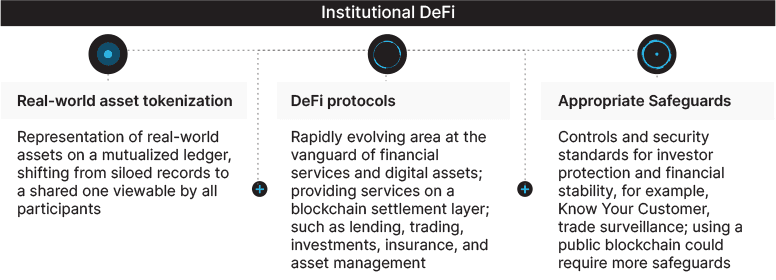
Traditional Finance Adoption Patterns
傳統金融機構的採用模式
The relationship between traditional financial institutions and DeFi has evolved dramatically since 2020. Early institutional engagement was primarily exploratory, with most established players maintaining skeptical distance from the volatile, unregulated ecosystem. By 2025, institutional adoption has accelerated significantly, providing important signals about which yield sources sophisticated investors consider sustainable.
自2020年以來,傳統金融機構與DeFi的互動變化巨大。早期機構參與僅屬試探性,大多對高波動且未受監管的DeFi保持懷疑與距離。發展至2025年,機構性採用明顯加快,也反映哪些收益來源被成熟投資人視為可長期經營。
Several distinct institutional adoption patterns have emerged:
- Conservative Bridging: Institutions like BNY Mellon and State Street have established conservative DeFi exposure through regulated staking, tokenized securities, and permissioned DeFi instances, targeting modest yield premiums (2-5%) with institutional-grade security
- Dedicated Crypto Desks: Investment banks including Goldman Sachs and JPMorgan operate specialized trading desks that actively participate in sustainable DeFi yield strategies, particularly in liquid staking derivatives and RWA markets
- Asset Manager Integration: Traditional asset managers like BlackRock and Fidelity have integrated select DeFi yield sources into broader alternative investment offerings, focusing on opportunities with transparent revenue models
機構採用模式主要有三種類型:
- 保守橋接:如BNY Mellon、State Street等機構,透過合規質押、代幣化證券及權限型DeFi方案,獲取2-5%溫和收益,並維持機構級安全標準
- 專業加密交易部門:包括高盛、摩根大通等投資銀行,設專門團隊參與永續DeFi收益策略,尤以流動質押衍生品與RWA市場為主
- 資產管理人整合:如貝萊德、富達等傳統資產管理業者,將部分精選DeFi收益納入多元替代投資商品,著重於具備透明收入模型的機會
Particularly notable is the launch of JPMorgan's Tokenized Collateral Network, which incorporates DeFi mechanisms while meeting regulatory requirements. This initiative signals institutional recognition that certain DeFi yield innovations offer sustainable efficiency improvements over traditional alternatives.
特別值得注意的是 摩根大通的Tokenized Collateral Network,該平台結合DeFi機制並符合監管要求,顯示機構已認同特定DeFi收益創新可帶來永續效率,有別於傳統模式。
Institutional Risk Assessment Frameworks
機構風險評估框架
Institutional investors have developed sophisticated frameworks for evaluating which DeFi yields might prove sustainable long-term. These frameworks provide valuable insight into how professional risk managers distinguish between sustainable and unsustainable return sources.
機構投資人已建立進階評估架構,用以判定哪些DeFi收益具長遠永續性。這些框架道出職業風險管理人如何區辨永續與非永續收益來源。
Galaxy Digital's DeFi Risk Framework, published in March 2025, offers a comprehensive methodology incorporating:
- Protocol Risk Tiering: Categorizing protocols from Tier 1 (highest security, longest track record) to Tier 4 (experimental, unaudited), with explicit limits on exposure to lower tiers
- Yield Source Analysis: Classifying yield sources as either "fundamental" (derived from genuine economic activity) or "incentive" (derived from token emissions), with strong preference for the former
- Composability Risk Mapping: Tracing dependencies between protocols to quantify systemic exposure
- Regulatory Compliance Scoring: Evaluating protocols based on their compatibility with evolving regulatory requirements
Galaxy Digital於2025年3月發佈的DeFi風險評估框架,包含如下重點:
- 協議風險分級:依照保障性、歷史紀錄將協議自Tier 1(最高等,紀錄最長)到Tier 4(實驗性、未審計)分層,並明訂低等級曝險上限
- 收益來源分析:將收益分為「基本面」(真正經濟活動驅動)及「激勵型」(代幣發放),優先選擇前者
- 組合性風險映射:追蹤協議間依賴關係,量化系統性曝險
- 合規評分:根據協議是否符合監管趨勢給予評分
The framework concludes that institutionally acceptable sustainable yields likely range from 2-4% above traditional alternatives for Tier 1 protocols, with progressively higher yields required to compensate for additional risk in lower tiers.
該框架認為,Tier 1協議能為機構提供較傳統替代品高2-4%的永續收益;風險較高的協議需提供更高溢價才合理。
Institutional Capital Flows and Market Impact
機構資本流動模式與市場影響
The patterns of institutional capital allocation provide perhaps the most concrete evidence regarding which DeFi yields professional investors consider sustainable. By tracking where sophisticated capital flows, we can identify which yield mechanisms demonstrate staying power beyond retail speculation.
機構資金配置模式,或許是衡量何種DeFi收益獲得專業投資人認可的最佳證據。觀察資本流向,可發現哪些收益機制具備超越散戶投機的長期生命力。
According to Chainalysis's 2025 Institutional DeFi Report, institutional capital has concentrated heavily in several key segments:
- Liquid Staking Derivatives: Capturing approximately 40% of institutional DeFi exposure, with Lido Finance and Rocket Pool dominating
- Real World Assets: Representing 25% of institutional allocation, primarily through platforms offering regulatory-compliant tokenized securities
- Blue-Chip DEXs: Comprising 20% of institutional activity, focused on major venues with demonstrated revenue models
- Institutional DeFi Platforms: Capturing 15% of flows through permissioned platforms like Aave Arc and Compound Treasury
根據 Chainalysis 2025年機構DeFi報告,機構資本主要集中在以下幾個領域:
- 流動質押衍生品:約佔機構DeFi曝險的40%,以Lido Finance與Rocket Pool為主
- 實體資產:約佔25%,多選擇合規代幣化證券平台
- 藍籌DEX:約佔20%,集中於有明確收入模式的大型去中心化交易所
- 機構型DeFi平台:約15%流向Aave Arc、Compound Treasury等權限型平台
Notably absent from significant institutional allocation are the high-APY farming opportunities and complex yield aggregators that dominated retail interest in earlier cycles. This allocation pattern suggests professional investors have identified a subset of DeFi yield sources they consider fundamentally sustainable, while avoiding those dependent on speculative dynamics or unsustainable tokenomics.
值得注意的是,高APY農場型機會及複雜收益聚合器──過去深受散戶矚目的類型──已鮮見於機構配置名單。這顯示專業資本傾向選擇基本面穩健、非依賴投機或不可持續代幣經濟學的DeFi收益來源。
The March 2025 announcement that Fidelity's Digital Assets division had allocated $2.5 billion to DeFi strategies - focusing exclusively on what it termed "economically sustainable yield sources" - represents perhaps the strongest institutional validation of DeFi yield sustainability to date.
富達(Fidelity)2025年3月宣布,旗下數位資產部門配置25億美元於DeFi策略,且專注於「經濟上可持續的收益來源」,堪稱目前對DeFi收益永續性最具分量的機構認證。
The Yield Farming 2.0 Evolution
Yield Farming 2.0 的進化
Sustainable Yield Farming Strategies
永續型收益農場策略
The DeFi ecosystem has witnessed a significant maturation in yield farming approaches since the initial "DeFi Summer" of 2020. This evolution, sometimes termed "Yield Farming 2.0," emphasizes sustainability, risk management, and genuine value creation over unsustainable token incentives.
自2020年「DeFi之夏」以來,DeFi收益農場策略大幅成熟,被稱為「Yield Farming 2.0」。這波變革著重於永續性、風險管理及實質價值創造,而非單靠不可持續的代幣激勵。
Key characteristics of these sustainable yield strategies include:
- Diversification Across Yield Sources: Modern yield farmers typically spread capital across multiple uncorrelated yield sources rather than concentrating in single high-APY opportunities, reducing specific protocol risk
- Revenue-Focused Selection: Prioritizing protocols with strong revenue models where yields derive primarily from fees rather than token emissions
- Strategic Position Management: Actively managing positions to minimize impermanent loss and maximize capital efficiency rather than passive "set and forget" approaches
- Risk-Adjusted Targeting: Setting realistic yield targets based on comprehensive risk assessment rather than chasing outlier APYs
此類永續型農場策略主要特徵包括:
- 多元分散收益來源:現代收益農夫會將資本配置於多個非高度相關的收益來源,避免單一高APY致使協議集中風險
- 注重收入模型:優先選擇以協議手續費等實際收入為主、非單靠代幣通膨的協議
- 策略性部位管理:主動調整頭寸,減少無常損失並提升資本效率,而非單純被動放置不理
- 以風險調整目標:根據全面風險評估訂立實際收益目標,而非追求異常高APY
These evolutionary changes have created yield farming approaches with substantially different risk-return profiles compared to earlier generations. While Yield Farming 1.0 often produced spectacular but ultimately unsustainable returns through aggressive token emissions, Yield Farming 2.0 typically generates more modest but sustainable yields through genuine value capture.
這些進化使收益農場的風險回報曲線大不相同。早期1.0農場靠猛發代幣創造驚人但不可持續的收益,2.0模式則透過真實價值捕獲,帶來較溫和但可長久的報酬。
The rising popularity of platforms like DefiLlama Yield, which explicitly separates "Farm APR" (token emissions) from "Base APR" (genuine protocol revenue), demonstrates growing retail awareness of these sustainability distinctions.
像DefiLlama Yield這樣的平台逐漸流行,明確區分「Farm APR」(代幣獎勵)與「Base APR」(協議實際收入),體現散戶對永續性意識的提升。
Quantitative Yield Optimization
量化收益最佳化策略
A significant development in sustainable yield farming has been the rise of quantitative approaches to yield optimization. These strategies apply mathematical models and algorithmic execution to maximize risk-adjusted returns while minimizing downside risks.
永續收益農業的重要發展方向之一,是引入量化最佳化。這些策略應用數理模型與演算法自動執行,兼顧提升風險調整報酬並壓低潛在損失。
Leading quantitative yield strategies now include:
- Dynamic LTV Management: Algorithms that continuously optimize loan-to-value ratios in lending protocols based on volatility predictions, maximizing capital efficiency while minimizing liquidation risk
- Impermanent Loss Hedging: Sophisticated strategies that use options, futures, or other derivatives to hedge against impermanent loss in liquidity provision
- Yield Curve Arbitrage: Exploiting inefficiencies across lending protocols' interest rate curves through strategic borrowing and lending
- MEV Protection: Implementing transaction execution strategies that protect against miner/validator extractable value,
主流量化收益策略包括:
- 動態LTV管理:演算法根據波動性預測,持續優化借貸協議中的貸款成數,提升資本效率外,同時壓低清算風險
- 無常損失避險:透過期權、期貨或衍生品進行流動性供給的無常損失避險
- 利差套利:針對各借貸協議之利率曲線非效率進行策略性借貸套利
- MEV保護:實施交易執行策略,防止礦工/驗證者可提取價值(MEV)損害利益preserving yields that would otherwise be captured by front-runners
保留那些本來會被搶先者(front-runners)攫取的收益
These quantitative approaches have demonstrated ability to generate 3-5% additional annual yield compared to passive strategies, potentially enhancing the sustainable yield frontier. Platforms like Exponential and Ribbon Finance have pioneered these strategies, bringing sophisticated quantitative finance techniques to DeFi yield optimization.
這些量化方法已經展現出能夠比被動策略額外產生3-5%年化收益的能力,進一步拓展了可持續收益的邊界。像 Exponential 和 Ribbon Finance 這樣的平台率先引入了這些策略,將先進的量化金融技術帶入 DeFi 收益優化領域。
Governance-Based Yield Mechanisms
The evolution of protocol governance has created entirely new yield mechanisms based on controlling protocol resources and directing incentives. These governance-based yields represent a distinct category that potentially offers sustainable returns through strategic influence rather than passive capital provision.
協定治理的演進創造出全新的收益機制,這些機制是透過控制協定資源與引導激勵達成的。這些以治理為基礎的收益屬於一個獨特的類別,可能透過策略性影響力帶來可持續回報,而非單純被動提供資金。
The most sophisticated governance-based yield strategies involve:
最先進的治理型收益策略包括:
- Vote-Escrow Models: Locking tokens for extended periods to gain boosted yields and governance power, pioneered by Curve and adopted by numerous protocols
- 投票託管(Vote-Escrow)模式:將代幣鎖定較長時間以獲取更高收益和治理權限,最早由 Curve 開創,並且被許多協定採用
- Bribe Markets: Platforms where protocols compete for governance influence by offering rewards to governance token holders, creating additional yield layers
- 賄賂市場(Bribe Markets):在這類平台上,各協定透過向治理代幣持有者提供獎勵以爭奪治理影響力,進而創造額外的收益層
- Treasury Management: Participating in governance to influence protocol treasury investments, potentially generating sustainable returns from productive asset allocation
- 金庫管理(Treasury Management):參與治理、影響協定金庫投資,透過有效資產配置而獲得可持續回報
- Strategic Parameter Setting: Using governance rights to optimize protocol parameters for yield generation while maintaining system stability
- 策略性參數設定:運用治理權限優化協定參數,在維持系統穩定性的前提下提升收益
The Convex and Aura ecosystems exemplify how governance-based yields can create sustainable return sources by efficiently coordinating governance power across multiple protocols. These mechanisms create value through coordination efficiencies rather than unsustainable token emissions, potentially representing more durable yield sources.
Convex 和 Aura 生態系統展現出治理型收益如何透過有效協同多個協定的治理權力來創造可持續的回報來源。這些機制是透過協同效率創造價值,而非倚賴不可持續的代幣發放,因此可能代表著更持久的收益來源。
The Long-Term Outlook: Convergence or Disruption?
The Sustainable Yield Equilibrium Hypothesis
As DeFi matures, an important question emerges: will yields eventually converge with traditional finance or maintain a persistent premium? The Sustainable Yield Equilibrium Hypothesis proposes that after accounting for all relevant factors, DeFi yields will settle at levels moderately higher than traditional finance counterparts due to genuine efficiency advantages, but significantly lower than early-phase returns.
隨著 DeFi 成熟,一個重要的問題浮現:最終收益會與傳統金融趨於一致,還是能夠維持長期溢價?可持續收益均衡假說認為,當所有相關因素納入考量後,DeFi 的收益將會因為現實效率優勢而維持在比傳統金融略高的水準,但會比早期階段的高額回報低很多。
The hypothesis suggests three distinct yield components:
該假說將收益分為三個明確的組成部分:
- Efficiency Premium: A sustainable 2-5% yield advantage derived from blockchain's technical efficiencies and disintermediation benefits
- 效率溢酬:基於區塊鏈技術上的效率與去中介化優勢,帶來可持續的2-5%額外收益
- Risk Premium: An additional 1-8% required to compensate for DeFi's unique risks, varying by protocol maturity and security profile
- 風險溢酬:為補償 DeFi 特有風險而額外提供的1-8%,依照協定成熟度和安全性有所不同
- Speculative Component: A highly variable and ultimately unsustainable component driven by token emissions and market sentiment
- 投機成分:由代幣發放與市場情緒所驅動,極為波動,最終不可持續的要素
Under this framework, only the first component represents a truly sustainable advantage, while the second appropriately compensates for additional risk rather than representing "free yield." The third component - which dominated early DeFi returns - gradually diminishes as markets mature and participants develop more sophisticated risk assessment capabilities.
在這個架構下,只有第一項是實際可持續的優勢,第二項是對額外風險的合理補償,並非「免費的收益」。第三項——主導早期 DeFi 回報的部分——隨著市場成熟與參與者建立更精密的風險評估能力而逐漸消失。
Research by the DeFi Education Fund examining yield trends from 2020-2025 supports this hypothesis, showing progressive compression toward an apparent equilibrium approximately 3-7% above traditional finance alternatives for risk-comparable activities.
DeFi 教育基金會的研究調查2020-2025年收益趨勢,支持這一假說,發現收益逐步向一個明顯均衡點壓縮,約比傳統金融風險相當的活動高出3-7%。
The Institutional Absorption Scenario
An alternative view suggests that as traditional financial institutions increasingly absorb DeFi innovations, the yield gap may narrow more significantly through a process of institutional adoption and regulatory normalization.
另一種觀點認為,隨著傳統金融機構越來越多地吸收 DeFi 創新,透過機構採納與監管常態化,收益差距可能會進一步縮小。
Under this scenario, major financial institutions gradually integrate the most efficient DeFi mechanisms into their existing operations, capturing much of the efficiency premium for themselves and their shareholders rather than passing it to depositors or investors. Simultaneously, regulatory requirements standardize across traditional and decentralized finance, eliminating regulatory arbitrage advantages.
在這種情境下,主要金融機構會逐漸將最有效的 DeFi 機制整合到其現有業務中,將大部分效率溢酬收歸自身與股東,而不是分給存戶或投資人。同時,監管要求在傳統與去中心化金融間標準化,消除監管套利的優勢。
This process has already begun with initiatives like Project Guardian, a partnership between the Monetary Authority of Singapore and major financial institutions to integrate DeFi mechanisms into regulated financial infrastructure. Similar projects by central banks and financial consortia worldwide suggest accelerating institutional absorption.
這個過程已經開始,例如新加坡金融管理局與大型金融機構推動的 Project Guardian 計畫,目的在於將 DeFi 機制整合進受監管的金融基礎設施。全球各地中央銀行以及金融聯盟推動的類似計畫,顯示機構吸收正加速進行。
If this scenario predominates, sustainable DeFi yields might ultimately settle just 1-3% above traditional alternatives - still representing an improvement, but less revolutionary than early adopters envisioned.
如果這種情境成為主流,則可持續的 DeFi 收益最終可能僅比傳統替代方案高出1-3%——雖然改善不少,但不如早期參與者所預期的那樣革命性。
The Innovation Supercycle Theory
A more optimistic perspective is offered by the Innovation Supercycle Theory, which suggests that DeFi represents not merely an incremental improvement over traditional finance but a fundamental paradigm shift that will continue generating new yield sources through successive waves of innovation.
較為樂觀的觀點來自創新超循環理論(Innovation Supercycle Theory),該理論認為 DeFi 不僅僅是傳統金融的小幅改良,而是根本上的典範轉移,將持續透過一波又一波的創新產生新的收益來源。
Proponents of this view point to historical precedents in technological revolutions, where early innovations created platforms for successive waves of new development, each generating distinct value propositions. They argue that DeFi's composable, permissionless nature will continue spawning novel financial primitives that create genuinely sustainable yield sources unforeseen by current models.
此觀點的支持者舉歷次科技革命的歷史為例,早期創新創造了新一波新發展的平台,每次都產生獨特的價值。他們認為,DeFi 的可組合性和無許可特性會不斷催生嶄新的金融基元,創建現有模式無法預見的可持續收益來源。
Evidence for this theory includes the rapid emergence of entirely new financial categories within DeFi:
此理論的佐證,包括 DeFi 內部全新金融類別的迅速興起:
- Liquid staking derivatives emerged in 2021-2022
- 2021-2022年,流動質押衍生品出現
- Real-world asset tokenization gained significant traction in 2023-2024
- 2023-2024年,現實世界資產代幣化獲得重大進展
- AI-enhanced DeFi protocols began delivering measurable value in 2024-2025
- 2024-2025年,AI 驅動的 DeFi 協定開始實際產生可衡量的價值
Each innovation cycle has created new yield sources not directly comparable to traditional finance alternatives. If this pattern continues, DeFi could maintain a substantial yield advantage through continuous innovation rather than settling into equilibrium with traditional systems.
每個創新週期都產生了與傳統金融無法直接比擬的新收益來源。如果這個趨勢持續下去,DeFi 便可能透過持續創新維持可觀的收益優勢,而不會與傳統系統達到均衡。
MakerDAO's recent paper argues that we're currently witnessing just the third major innovation wave in DeFi, with at least four additional waves likely over the coming decade, each potentially creating new sustainable yield sources through fundamental innovation rather than unsustainable tokenomics
MakerDAO 最近的論文論述我們目前僅處於 DeFi 第三波重大創新浪潮,未來十年可能還有至少四波,每波都可能透過根本性的金融創新,而非不可持續的代幣經濟學,創造新的可持續收益來源。
Final thoughts
The question of DeFi yield sustainability defies simple answers. The evidence suggests that while many early yield mechanisms were fundamentally unsustainable, built on temporary token incentives and speculative dynamics, the ecosystem has evolved toward more durable models based on genuine efficiency advantages, disintermediation benefits, and innovative financial primitives.
DeFi 收益可持續性的問題並沒有簡單答案。各項證據顯示,雖然早期的許多收益機制本質上不可持續,僅建構於暫時性的代幣激勵和投機動能,但整體生態系正逐步走向基於現實效率優勢、去中介化利益以及創新金融基元的更持久模式。
The most likely outcome involves stratification across the ecosystem:
最有可能的結果是生態系內部出現分層:
-
Core DeFi Infrastructure: Established protocols like Curve, Aave, and Lido will likely continue offering sustainable yields 3-7% above traditional finance alternatives, derived from genuine efficiency advantages and reasonable risk premiums.
-
核心 DeFi 基礎設施:如 Curve、Aave、Lido 等成熟協定,將可能繼續提供比傳統金融高 3-7% 的可持續收益,來源於現實效率優勢和合理風險溢酬。
-
Innovation Frontier: Emerging protocol categories will continue generating temporarily higher yields during their growth phases, some of which will evolve into sustainable models while others collapse when unsustainable mechanisms inevitably fail.
-
創新前沿:新興協定類別在成長階段會持續產生暫時性的高收益,其中部分會發展成可持續模式,其餘則會隨著不可持續機制失效而崩潰。
-
Institutional DeFi: A growing regulated segment will offer yields 1-3% above traditional alternatives, with enhanced security and compliance features targeting institutional participants unwilling to accept full DeFi risk exposure.
-
機構級 DeFi:日益成長並受監管的部分將提供比傳統選項高出 1-3% 的收益,並透過強化安全與合規機制來吸引用不願承受完整 DeFi 風險的機構參與者。
For investors navigating this landscape, sustainable DeFi participation requires distinguishing between genuinely innovative yield sources and unsustainable mechanisms designed primarily to attract capital. The growing array of analytical tools, risk frameworks, and historical data makes this distinction increasingly possible for sophisticated participants.
對於要在這一領域布局的投資者來說,參與可持續 DeFi 首要的是分辨真正創新且可持續的收益來源,與那些主要為吸引資金而設計的不可持續機制。隨著分析工具、風險框架及歷史數據的增多,這種區分對於成熟參與者來說變得越來越可行。
The broader significance extends beyond individual investors. DeFi's ability to generate sustainably higher yields than traditional finance - even if more modest than early returns - represents a potentially transformative development in global capital markets. By creating more efficient financial infrastructure and disintermediating rent-seeking entities, DeFi could ultimately raise the baseline return on capital throughout the economy, benefiting savers and productive enterprises alike.
其更深遠的意義也超越了個人投資者。即使 DeFi 的收益已不及早期那麼誇張,其能維持比傳統金融高的可持續收益,本身就可能是全球資本市場的重大變革。DeFi 透過打造更有效率的金融基建,並去中介化地消除尋租者,最終能在整個經濟體中提高資本的基礎報酬率,對儲蓄者和生產性企業都帶來益處。
Up to date, one conclusion seems increasingly clear: while DeFi's triple-digit APYs were largely a temporary phenomenon of its bootstrapping phase, a significant portion of its yield advantage appears fundamentally sustainable - not because of speculative tokenomics, but because blockchain technology enables genuinely more efficient financial systems. The future likely holds neither the extraordinary returns of DeFi's early days nor complete convergence with traditional finance, but rather a new equilibrium that permanently raises the bar for what investors can expect from their capital.
目前為止,一個結論日益明確:DeFi 的三位數年化報酬主要只是早期引導資金的短暫現象,而其收益優勢的可持續部分,卻是根本存在的——這不是來自投機的代幣經濟,而是因為區塊鏈技術真正讓金融體系更有效率。未來不太可能重現 DeFi 早期的超高回報,也不會完全和傳統金融收斂,而是會進入一種新型態的均衡,永久性地提高投資人對資本回報的期待標準。
