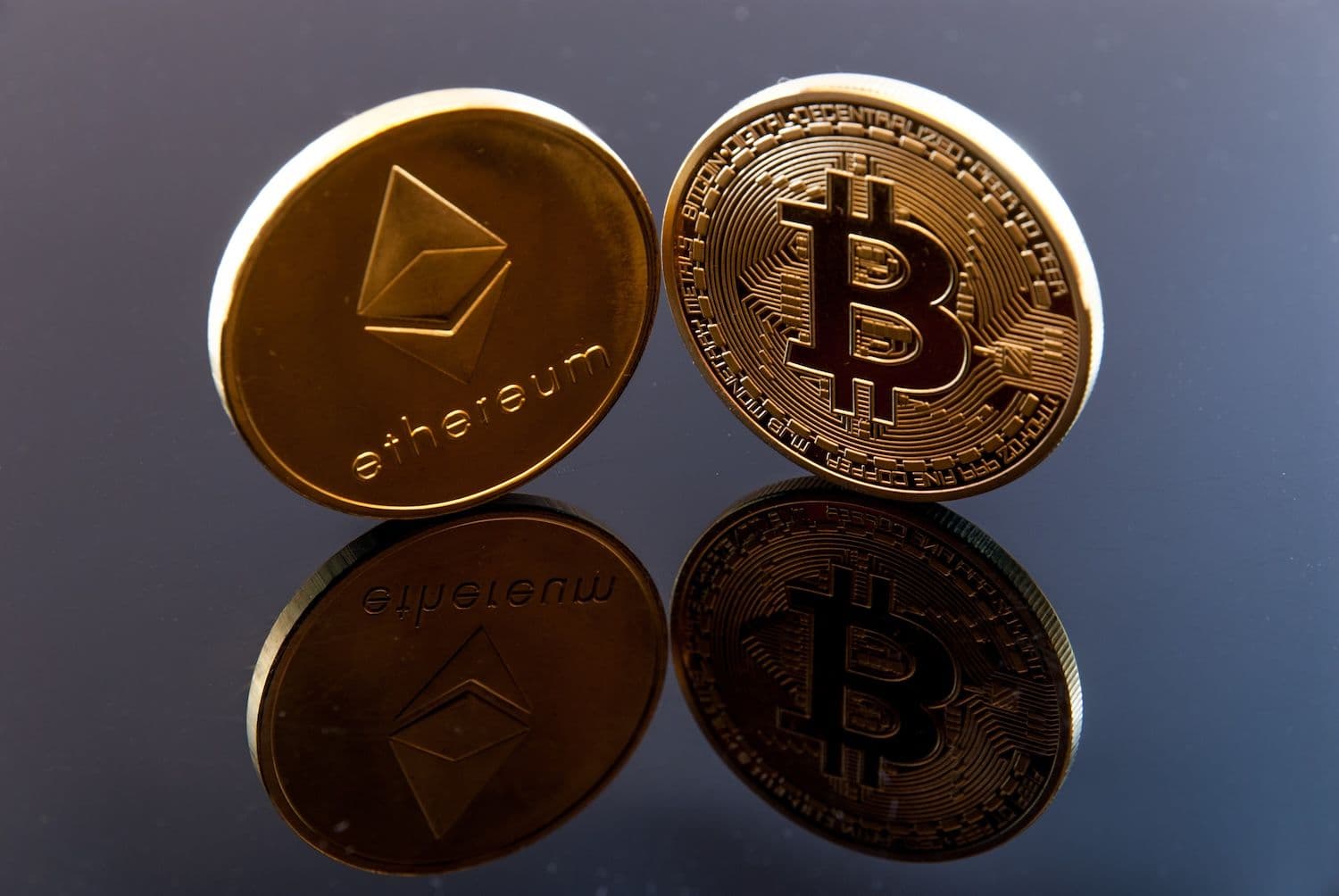
上週,以太坊大漲突破 3,000 美元大關——甚至一度觸及 3,152 美元——漲幅超越比特幣,激起市場再度討論這兩大加密貨幣的競爭格局。這波強勁走勢突破 2,990 美元的關鍵技術下行趨勢線,讓人重新思考它們的未來動態。
比特幣(BTC)長久以來就是加密貨幣無可爭議的王者,但以太坊——市值排名第二——在實用性和熱度上持續成長。
隨著以太坊價格守穩 3,000 美元這個心理關卡,很多投資人開始思考:未來以太坊是否有機會追過、或持續超越比特幣?
本文將深入探討專家們對短線與長線的預測,分析人們常引用的 5 到 10 個理由,說明為什麼以太坊有機會在未來戰勝比特幣。
我們也會平衡報導對立觀點——也就是比特幣為何仍舊不可動搖、又或者以太坊為什麼不一定能反超。目的是提供一個平衡且中立的評析,根據現有數據、專家意見以及市場趨勢。
以太坊近期強勢超越比特幣:預示未來風向?
以太坊近期的價格表現,讓它有望短期內跑贏比特幣。這次行情中,ETH 不僅擺脫過去的空方區間,對 BTC 更勝一籌,推升 ETH/BTC 比率。根據市場數據,以太幣一週上漲 9%,表現優於同期的比特幣。這類「超表現」在歷史上也曾出現,通常發生於所謂的「山寨季」。
加密分析師指出,在牛市階段,以太坊往往會「搶戲」比特幣。如 2024 年底,比特幣雖然領漲市場(拜 ETF 概念及減半題材之賜),但到了 12 月,BTC 主導率從 61.7% 滑落至 56.5%,資金也明顯轉向 ETH 及其他山寨幣。2024 年美國大選後,以太坊價格上漲 39%,略超比特幣同期 35% 的漲幅,為 2025 帶來潛在動能轉移訊號。
技術面來看,以太坊突破 3,000 美元與百日均線,被認為有穩固的短線支撐。市場分析師將 3,150 和 3,220 美元列為重要壓力位,一旦突破,後續上看 3,300~3,450 美元。FXStreet 分析指 ETH 帶領市場走升,「引發新一波山寨季的熱烈討論」。然而,比特幣本身走出新高、機構資金大量湧入時,山寨幣仍有可能被掩蓋。兩者競爭關係複雜,因此除了關注單次行情,更該深入檢視其基本面與預測。
ETH 對 BTC 的短期與長期展望
在未來 1~2 年的短中期內,比特幣和以太坊各自都有關鍵催化劑將影響相對表現:
-
比特幣催化劑: 比特幣於 2024 年 4 月完成四年一度的減半,減少新幣發行——這向來被視為多頭驅動,助攻 BTC 創新高。同時,來自黑石等機構巨頭推動的美國現貨 BTC ETF 申請,令市場信心大增;一旦通過,將吸引大量機構資金進場。事實上,2025 年初,比特幣透過新的交易所產品迎來破紀錄商品基金資金流入,大幅推升價格。比特幣作為「數位黃金」與加密儲備資產的敘事依舊牢不可破,尤以大型資產管理機構與企業加碼進場為例(如企業資金配置策略偏重持有比特幣)。
-
以太坊催化劑: 以太坊於 2022 年完成權益證明合併(The Merge),接著接連多次升級(如 2023 年上海,開放質押 ETH 提領;2024 年底 Dencun,降低 Layer-2 費用)強化網路基礎。2025 年第一季預期還有大型硬分叉「Pectra」登場,主打協議效率、用戶體驗和可擴展性提升。此外,以太坊相關投資工具需求大增:至 2024 年中,美國監管機關已開始批准 ETH 期貨 ETF,專家預測現貨 ETH ETF 也有望跟進。事實上,2024 年推出的 ETH ETF 已錄得顯著早期資金流入——自 2024 年 7 月以來,淨流入約 5.77 億美元,甚至在 2024 年 11 月底幾日內流入超越比特幣 ETF。這顯示機構已將以太坊視為可投資資產,而非僅止於技術平台。
未來幾年市場預測分歧: 有分析師認為,ETH 近期動能讓人看好後續表現。例如,Finder 調查的專家小組預測 ETH 在 2025 年有望突破 4,000 美元,甚至中長期挑戰 1 萬美元。若此實現,以太坊漲幅會明顯超車比特幣(如從 3 千到 1 萬,漲幅遠遠大於 BTC 從 6 萬到 20 萬)。BeInCrypto 引用的分析師更打趣說:「照這個氣勢,以太坊很快就能成為第一大數位資產……比特幣鐵粉都不敢相信!」
不過,也有保守觀點呼籲慎防「翻轉(flippening)」即將實現(指 ETH 市值超越 BTC)。Forbes 對 2025 年行情驅動因素分析總結道:「以太坊市值會超越比特幣嗎?2025 年幾乎不可能。」理由是比特幣被公認為數位黃金,流動性更深(ETF 先行也有利),機構資金依然主要流入 BTC,ETH 的成長雖強,卻不易在短期內翻盤。部分資深幣圈人士也不 buy,知名比特幣多頭 Mike Alfred 就說:「以太坊價格要趕上比特幣幾乎不可能」,指出比特幣的巨大優勢及以太坊所面臨的競爭挑戰。
展望更遠未來,長線(5 年以上)爭論則更精彩。有專家相信以太坊終將在本世紀末追上、甚至超越比特幣:
- 史丹佛區塊鏈教授 Dr. Jonathan Blake 曾預言,以太坊會在 2029 年前超越比特幣成為全球最有價值的加密貨幣。他認為,以太坊靈活的智能合約平台與高速成長的 DeFi 生態,讓它勝過只強調儲值的比特幣。持續創新將讓更多應用湧入,以太坊市值 5 年內有望超車 BTC。
- Ark Invest 執行長 Cathie Wood 以大膽預測知名,她看好 BTC 及 ETH 2030 年皆有爆發性上漲空間。Ark 研究指出,2023 年樂觀情境下,比特幣單價可超越 100 萬美元,以太坊則高達 15 萬美元,換算全網市值輕易超越現有 BTC。Ark 觀點強調,以太坊正朝「機構級資產」發展,其獨特收益能力讓 ETH 具備與傳統金融資產相似的特質。換言之,以太坊可能承接更多全球金融活動(如 DeFi、現實資產通證化),搶下數位資產市佔,表現甚至強過比特幣。
長線預測極具爭議,特別是在變動劇烈的加密領域,投資人仍應謹慎。而要理解以太坊為何有機會超越比特幣,必須深入分析其多方面優勢。以下將彙整專家、分析師主張 ETH 潛在超越 BTC 的十大理由,並探討面臨的挑戰與反方觀點。
1. 多元應用場景:以太坊逐漸擴展的實用性 vs 比特幣儲值角色
以太坊與比特幣最大差異之一,在於用途定位。比特幣最初設計為去中心化數位貨幣,如今主要被當作儲值資產(「數位黃金」)。反觀以太坊,其區塊鏈自始就是可編程平台,支援智能合約及各類去中心化應用。這讓以太坊不單只是加密貨幣,更是促成整個加密生態系的基礎:
-
去中心化金融(DeFi): 以太坊上承載絕大多數 DeFi 協議——包括借貸、交易、投資等無需第三方的平台。到了 2024 年底,以太坊 DeFi 上的總鎖倉價值(TVL)已達約 694 億美元並持續攀升,反映龐大資本與應用熱度。這也帶動了對 ETH(作為 gas 與抵押品)的實際需求。
-
非同質化代幣(NFT)與數位收藏品: 以太坊率先推出 ERC-721 等 NFT 標準,帶動 2021 年起數位藝術及藏品市場大爆發。許多國際品牌(從遊戲、體育到藝術)都選用以太坊發行 NFT。相比之下,比特幣僅能透過側鏈進行部分資產代幣化,不具備原生 NFT 或複雜資產發行能力。
-
穩定幣與支付: 以太坊承載了大量美元掛鉤的穩定幣(如 USDT、USDC、DAI 等),成為加密美元交易的主幹。2021 年 6 月, number of active addresses on Ethereum briefly surpassed Bitcoin’s, partly due to the proliferation of stablecoin and DeFi usage on ETH. Additionally, the daily transaction value settled on Ethereum often exceeds Bitcoin’s – e.g., on July 7, 2021, Ethereum settled $9.4B worth of transactions vs Bitcoin’s $6.7B. This highlights how much economic activity Ethereum is handling thanks to its diverse applications.
以太坊上活躍地址的數量一度超越比特幣,部分原因在於穩定幣及去中心化金融(DeFi)用例在以太坊上的普及。此外,以太坊每日結算的交易價值也經常超越比特幣——例如在2021年7月7日,以太坊結算了94億美元的交易,而比特幣只有67億美元。這凸顯了以太坊因多元應用而承載的龐大經濟活動量。
-
Tokenization of Real-World Assets: There’s a growing trend of tokenizing traditional assets (stocks, bonds, real estate, etc.) on blockchains to improve liquidity and accessibility. Ethereum, being the most established smart contract chain, is a prime candidate for such projects. Major institutions like BlackRock and others are exploring tokenization using Ethereum’s network, which could vastly increase the on-chain volume and value flowing through Ethereum. “Ethereum’s platform is already home to thousands of dApps…and it’s trusted by the best (e.g. Coinbase, Fidelity, Visa). It’s where the best developers and companies are building,” noted investor Nick Tomaino, emphasizing Ethereum’s role as the dominant platform driving innovation in crypto.
-
現實世界資產的代幣化: 傳統資產(如股票、債券、不動產等)上鏈進行代幣化的趨勢越來越明顯,以提升流動性與可及性。作為最成熟的智能合約公鏈,以太坊成為這類項目的首選。大型機構如貝萊德(BlackRock)等皆正在探索使用以太坊網路進行資產代幣化,這將大大提升以太坊上鏈的資金與價值流量。投資人Nick Tomaino指出:「以太坊平台已有數千個dApp……且深受Coinbase、Fidelity、Visa等頂級機構信任。這裡匯聚了最優秀的開發者與企業。」強調以太坊作為主導創新的平台地位。
The implication: Ethereum’s multi-faceted utility means it can derive value from many sources: transaction fees, DeFi lending demand, NFT trading, enterprise use cases, metaverse apps, and more. This gives ETH a broad demand base that could, in theory, grow faster than Bitcoin’s demand, which relies largely on investment/wealth-preservation motives. Goldman Sachs analysts acknowledged this in 2021 by arguing that Ether has the “highest real use potential” of any crypto, thanks to Ethereum’s ability to support applications like DeFi protocols. In fact, Goldman suggested ETH’s value could eventually overtake Bitcoin’s for that very reason.
意涵: 以太坊多元的用途意謂著它能從多個層面創造價值:交易手續費、DeFi借貸需求、NFT交易、企業應用、元宇宙等,造就了比比特幣更寬廣的需求基礎。在理論上,這使ETH的需求成長潛力可能勝過以主要靠投資與儲值動機支撐的比特幣。高盛分析師2021年也指出,得益於以太坊對DeFi等應用的支援,ETH擁有「最高的實際使用潛力」。事實上,高盛更曾預測,正因如此,ETH最終有可能超越比特幣的價值。
Bitcoin proponents counter that Bitcoin’s simplicity is a feature, not a bug – excelling as a censorship-resistant, scarce store of value is enough to justify BTC’s dominance, and that “being digital gold” addresses a huge market (gold’s market cap is $12 trillion, which Bitcoin could still grow into). However, as the *crypto economy expands into new realms (finance, gaming, Web3, etc.), Ethereum’s comprehensive role positions it to capture a larger share of the growth. “Ethereum is the Noah’s Ark of crypto… Bitcoin’s missing the boat,” said one observer, implying that Ethereum is carrying the entire crypto industry’s expansion on its back as the settlement layer of the modern internet. This expansive scope is a key reason many believe Ethereum’s upside could ultimately be greater.
比特幣支持者則反駁,比特幣的「簡單」是特色不是缺陷——它在抗審查、稀缺價值儲存上的卓越表現已足以支撐其主導地位,而「數位黃金」的定位也意味著比特幣可瞄準龐大的黃金市場(黃金市值約12兆美元,比特幣尚有成長空間)。然而,隨著*加密經濟拓展至金融、遊戲、Web3等更多領域,以太坊扮演的全方位角色讓它有能力接收更大比重的成長:有評論形容「以太坊是加密圈的諾亞方舟……比特幣則錯過登船」,意指以太坊作為現代網路結算層,正扛起整個加密產業的擴張。這種廣度正是許多投資人看好以太坊未來漲幅可能更勝比特幣的主因之一。
2. Technological Upgrades and Innovation Velocity
Ethereum’s development roadmap is frequently cited as a reason it could outpace Bitcoin in the future. Ethereum is a much more actively upgraded protocol, whereas Bitcoin changes very slowly by design. In recent years, Ethereum’s community has rolled out major improvements that enhance its performance and value proposition:
2. 技術升級與創新速度
以太坊的開發藍圖時常被視為其未來有望超越比特幣的主要原因。以太坊作為一個協議,其升級與創新遠比設計上變動緩慢的比特幣頻繁。在近年來,以太坊社群陸續推動了多項重大改進,提升整體表現與價值主張:
-
The Merge to Proof-of-Stake (2022): Ethereum’s shift from Proof-of-Work to Proof-of-Stake consensus was a monumental change. It reduced Ethereum’s energy consumption by 99% and set the stage for a more scalable future. The Merge also altered ETH’s issuance rate (more on that in the next section) and introduced the ability for ETH holders to stake and secure the network. This adaptability stands in contrast to Bitcoin, which remains on Proof-of-Work and is unlikely to change its core consensus (Bitcoin’s community prioritizes security and immutability over rapid upgrades).
-
**「合併」轉向權益證明(2022):**以太坊從工作量證明(PoW)轉為權益證明(PoS)共識機制,是一次劃時代的變革。此舉使以太坊的能耗減少99%,也為未來擴容打下基礎。合併同時改變了ETH的發行規律(細節見下一節),並讓持幣者能質押ETH以協助網路安全。這種靈活性與比特幣形成鮮明對比——比特幣仍堅持PoW且核心共識架構極少變動(比特幣社群優先考量安全與不可篡改,甚於快速升級)。
-
Scalability Enhancements (Rollups and Sharding): Ethereum’s plan for scaling involves a combination of Layer-2 solutions (rollups) and eventually sharding the main chain. Already, we see significant adoption of Layer-2 networks (like Arbitrum, Optimism, zkSync, etc.) that settle transactions back to Ethereum. In late 2024, the Dencun upgrade lowered the cost for these Layer-2s to post data to Ethereum, boosting efficiency. Looking ahead, the “Pectra” upgrade in 2025 and beyond aims to implement danksharding and other throughput improvements. Each successful upgrade increases Ethereum’s capacity (transactions per second) and reduces fees, making the network more attractive for users – and thus more competitive with alternative platforms. By contrast, Bitcoin’s throughput remains 5–7 transactions per second on-chain, with scaling relegated to solutions like the Lightning Network (which, while useful for payments, hasn’t driven a comparable level of application development).
-
**擴容升級(Rollups與分片):**以太坊的擴容規劃結合了Layer-2方案(如Rollup)和未來的主鏈分片。目前已有大量Layer-2網路(如Arbitrum、Optimism、zkSync等)將交易結算回以太坊主鏈。2024年底的Dencun升級進一步降低了Layer-2上傳數據成本,提升整體效率。展望2025年及以後,「Pectra」升級將導入danksharding等吞吐量大提升的技術。每次成功升級都能提升以太坊交易處理量(TPS)並降低費用,讓網路對用戶更有吸引力,也提升與其他平台的競爭力。相比之下,比特幣鏈上處理量仍維持於每秒5–7筆交易,擴容多依賴閃電網路等額外方案(這對支付用途有幫助,但未能像以太坊一樣促進應用生態蓬勃發展)。
-
Smart Contract Flexibility and New Features: Ethereum’s protocol evolves with EIPs (Ethereum Improvement Proposals). Over time it has added features like ERC-20 (tokens), ERC-721 (NFTs), and various virtual machine upgrades. The ability to continually iterate and add functionality means Ethereum can respond to market needs (for example, adding opcode improvements for better DeFi efficiency, or account abstraction for user-friendly wallets). Bitcoin’s changes, such as the 2021 Taproot upgrade, are far less frequent and focused mainly on modest improvements in privacy and script flexibility. In essence, Bitcoin values stability, while Ethereum values adaptability. “Bitcoin favors stability; Ethereum prioritizes adaptability,” as one investment report succinctly put it.
-
**智能合約彈性與創新功能:**以太坊協議透過EIP(以太坊改進提案)不斷演進,陸續推出ERC-20(代幣)、ERC-721(NFT)等標準和許多虛擬機升級。功能持續創新使以太坊能快速回應市場需求(如優化操作碼提升DeFi效率、實現帳戶抽象提升錢包友善性)。反觀比特幣變動極少,如2021年Taproot升級僅針對隱私和腳本彈性做有限改良。本質上,比特幣重視穩定,以太坊則擁抱適應性。正如一份投資報告所言:「比特幣偏向穩定;以太坊以適應性為優先。」
By innovating faster, Ethereum could potentially capture opportunities sooner than Bitcoin. Case in point: the explosion of NFTs and DeFi in 2020–2021 happened on Ethereum – Bitcoin was largely absent from those trends (aside from being used as collateral or wrapped tokens). Some proponents argue that as new “killer apps” for blockchain emerge, they are more likely to be built on Ethereum (or its interoperable networks) than on Bitcoin, giving Ethereum a growth edge.
以太坊因創新速度較快,能更早抓住機會。例如2020–2021年NFT和DeFi迅速興起,都是發生在以太坊上,當時比特幣僅以抵押品或包裝代幣的形式現身。有支持者認為,未來區塊鏈新一代「殺手級應用」很可能會先選擇以太坊或其可互通生態,而不是比特幣,進一步確立以太坊成長優勢。
That said, Ethereum’s aggressive upgrade path also carries execution risks. Each hard fork or new feature introduces the chance of bugs or fractures in community consensus. Ethereum’s complexity (as a stateful, Turing-complete system) means it faces challenges Bitcoin doesn’t – e.g. the risk of smart contract hacks, DeFi exploits, or unforeseen consequences of protocol changes. Bitcoin’s conservative approach avoids these risks; it’s often analogized to running on battle-tested code that changes only after years of scrutiny. As a result, Bitcoin has almost never had a disruptive technical failure, whereas Ethereum’s history includes incidents like the DAO hack (2016) that led to a controversial chain split.
但以太坊激進的升級路線也帶來執行風險。每次硬分叉或上線新功能都可能引發漏洞或社群共識分歧。由於以太坊作為具備全狀態、圖靈完備系統的複雜性,使其面臨比特幣沒有的挑戰——例如智能合約被駭、DeFi漏洞、協議更動導致不可預測的後果等。比特幣保守的策略則避開這些風險:其運行在歷經多年檢驗的「戰火老兵」級程式碼上,只有在充分審查後才變動。因此,比特幣歷來極少發生重大技術失效,但以太坊歷史上卻曾出現如DAO駭客事件(2016年)導致分叉的爭議。
The bottom line on technology is that Ethereum’s rapid evolution could drive superior utility and, by extension, market performance – but it must continue to execute carefully. If Ethereum’s upgrades succeed (as recent ones have), they can greatly boost ETH’s value proposition. For example, the 2024 upgrades reducing fees and boosting Layer-2 adoption were followed by rising confidence in Ethereum as a platform. In contrast, Bitcoin’s value will likely grow from macro adoption (more people and institutions buying BTC), rather than tech upgrades, since its tech is comparatively static. In a scenario where innovation and new use cases define the next decade of crypto, Ethereum is poised to shine – potentially translating into higher demand and returns.
技術層面的總結是:以太坊快速的進化,有望帶來更高的實用性和市場表現,但必須確保升級審慎落實。若升級如近年一樣順利完成,將顯著提升ETH價值主張。例如2024年降低手續費、提升Layer-2使用率的升級後,市場對以太坊平台信心增加。反觀比特幣價值仍更依賴宏觀認同(更多人及機構購買BTC),而非技術升級,畢竟其技術架構相對靜態。如果未來十年加密市場仍由創新與新應用主導,以太坊將有機會持續發光發熱,轉化為更高需求與回報。
3. Ethereum’s Evolving Economic Model: Staking Yields and Deflationary Supply
A critical factor in comparing ETH and BTC is their monetary policy and economics. Bitcoin’s economics are famously simple and fixed: 21 million cap, with block rewards halving every 4 years (inflation rate approaching zero over time). Ethereum’s monetary policy has been more flexible, but recent changes have arguably made ETH more attractive economically, even relative to BTC. Two features stand out:
3. 以太坊經濟模型的轉變:質押收益與通縮供給
比較ETH與BTC時,貨幣政策與經濟機制是關鍵要點。比特幣的經濟設計眾所皆知簡單且固定:總供應2100萬枚,區塊獎勵每4年減半,長期通膨率趨於零。以太坊則較為彈性,但近期的改革,讓ETH的經濟特色甚至比BTC更具吸引力,主要有兩點:
-
Staking Rewards (Yield): Under Proof-of-Stake, Ethereum holders can stake their ETH to secure the network and earn rewards. As of early 2025, roughly 28% of all ETH is locked in staking contracts, earning around 3–5% annual yield (the exact rate varies with network conditions). This means investors in ETH can get an income on their holdings natively, akin to interest or dividends, which is something Bitcoin cannot offer (you can lend out BTC or use third-party platforms to earn yield, but not through the Bitcoin protocol itself). This yield-bearing aspect is a huge draw, especially for institutional investors who often seek yield. CME Group’s research head Payal Shah noted that Ether’s staking yield is a unique advantage, and institutions may become even more interested if they can incorporate staking yield into ETFs or funds. In fact, some predict that Ethereum’s staking yield could become a kind of benchmark “reference yield” for the crypto economy, analogous to how U.S. Treasury yields serve traditional finance. ARK Invest researchers pointed out that ETH’s yield and role as collateral give it bond-like properties in digital markets – a distinctive investment profile relative to Bitcoin’s zero-yield, “pure asset” status.
-
質押收益(Staking Yield): 在權益證明機制下,ETH持有者可質押ETH協助網路安全並獲得收益。截至2025年初,約有28% ETH鎖定於質押合約,年收益約為3–5%(隨網路狀況變動)。這表示ETH投資人可直接從原生協議賺取類似利息或股利的回報,而比特幣本身並不具備(雖可將BTC外借或用第三方平台賺取收益,但非協議原生機制)。這項帶息特性對機構投資人尤其吸引。CME研究主管Payal Shah表示,ETH質押收益是其獨特優勢,若未來ETF或基金能納入質押收入,機構興趣會更高。事實上,部分預期ETH質押年化收益有機會成為加密經濟的「基準收益」,就像美國公債殖利率之於傳統金融。ARK Invest研究亦指出,ETH的收益與作為抵押品的角色,使其在數位市場中具備債券般性質,投資輪廓有別於比特幣零收益的「純資產」。
-
EIP-1559 and Deflationary Pressure: In August 2021, Ethereum introduced the EIP-1559 fee burn mechanism. Now, each transaction on Ethereum burns a portion of the fees (in ETH), removing it from circulation. This, combined with the reduced issuance after the Merge, dramatically changed ETH’s supply dynamics. At times of high network usage, Ethereum’s net issuance can actually turn negative (deflationary) – meaning the supply shrinks as more ETH is burned in fees than is issued to stakers. Bloomberg analyst Mike McGlone noted after EIP-1559 that Ethereum’s new supply was on track to drop below Bitcoin’s supply growth rate, with the potential of going negative – a powerful bullish force on price if demand stays strong. In essence, Ethereum shifted from having an “uncapped” supply with 4% yearly inflation to a regime where inflation is 0.5% and often fully offset by burns, making ETH scarcer over time.
-
EIP-1559及通縮壓力: 2021年8月,以太坊上線EIP-1559手續費銷毀機制。自此,每筆交易都會銷毀(燃燒)部分ETH手續費,從流通中永久移除。再加上「合併」後發行量減少,徹底改變了ETH的供給動態。網路使用高峰時,以太坊甚至會出現淨通縮(即銷毀的ETH多於分給質押者的新發行),使得供應逐漸縮減。彭博分析師Mike McGlone在EIP-1559後指出,以太坊新供應增速有望低於比特幣,甚至出現負增長,只要需求強勁,對價格將是極為利多的推動力。簡言之,以太坊從原本「無上限」且年通膨4%的供應特性,轉為現今僅0.5%年通膨且多時被銷毀完全抵消,ETH長期越來越稀缺。
Bitcoin’s
比特幣的fixed supply is often cited as its ultimate advantage – absolute scarcity of 21 million BTC, no more. Ethereum doesn’t have a hard cap, but with the current rules it may not need one: the supply has roughly stabilized and could even decline. Ethereum proponents dub this “ultrasound money”, suggesting ETH could be even harder money than Bitcoin if it consistently deflates (sound money being a play on Bitcoin as “sound” and ultrasound meaning beyond sound).
固定供應量經常被視為其最終的優勢——2100萬顆比特幣的絕對稀缺,且數量永不增加。以太坊則並沒有一個硬性上限,但依照目前的規則,它未必需要有:其供應量大致已經穩定,甚至可能還會下降。以太坊的支持者稱這種現象為「超音速貨幣」(ultrasound money),意指如果ETH能長期保持通縮,會比比特幣更具「硬資產」特徵(sound money原意指健全貨幣,這裡是與比特幣的sound化作諧音,ultrasound則表示超越sound的意思)。
For investors, a deflationary (or low inflation) asset with yield is extremely attractive. It means you have an asset growing in usage, potentially becoming more scarce, while also paying holders for participation. Over the long run, this dynamic could support Ethereum’s price growth and total return outpacing Bitcoin (which relies solely on price appreciation for return). ARK Invest’s Director of Research noted ETH is “the only real yield-bearing digital asset” of its kind, highlighting how that sets it apart.
對投資人來說,一個具備收益的通縮(或低通膨)資產極具吸引力。這意味著你持有的資產在實際應用中不斷成長,同時可能變得更為稀有,且還能因參與生態獲得額外回報。長期來看,這種動態可能讓以太坊的價格增長和總報酬率超越比特幣(比特幣的報酬純粹來自價格上漲)。ARK Invest的研究總監指出,ETH是「同類中唯一真正能產生收益的數位資產」,這正凸顯了它的獨特之處。
To illustrate, imagine two assets with equal market demand growth, but one has a 0% yield and fixed supply (BTC) and the other has 4% yield (when including potential price gains from burns) and mildly deflationary supply (ETH). The latter could deliver higher total returns to holders. This isn’t guaranteed – it assumes Ethereum’s network usage and value remain robust to sustain the burns and yields. If network activity dropped, ETH could become inflationary again (since stakers do earn new ETH). As of now, though, Ethereum’s fee burns have often exceeded issuance during busy periods (like NFT booms or DeFi bull runs), effectively shrinking supply. During one 30-day period in early 2023, Ethereum’s supply actually decreased by over 10,000 ETH due to heavy network demand.
舉例來說,設想有兩種資產,市場需求增長幅度一樣,但一種是0%收益且供應固定(BTC),另一種則含4%總收益(計入銷毀所產生的潛在價格增值)且供應有輕微通縮傾向(ETH)。後者理論上能帶來更高的總報酬。當然這沒有保證——這假設以太坊網絡的使用率和價值始終夠強大,能維持足夠銷毀與收益。如果網絡活動下降,ETH可能會再次轉為通膨(因為質押者仍可獲取新產生的ETH)。不過,目前在高峰期(像NFT熱潮或DeFi牛市期間),以太坊的手續費銷毀量經常超過新發行量,實際上減少了總供應量。舉例來說,2023年初曾有一段30天內,因網絡需求旺盛,ETH供應量實際減少了超過10,000枚。
Bitcoin advocates might point out that Bitcoin’s predictability and simplicity are safer. Bitcoin’s fixed supply and halving schedule create a clear stock-to-flow dynamic that markets understand, whereas Ethereum’s changing monetary policy could be seen as less reliable (it’s governed by community and developers rather than an unchangeable code law). Also, Ethereum’s staking introduces centralization concerns (large staking pools or exchanges could concentrate influence) and slashing risks (stake can be penalized for bad behavior), which some say make ETH inherently less secure as a form of money.
比特幣的支持者可能會指出,比特幣的可預期性和簡潔性更具安全感。比特幣的固定供應量與減半機制讓市場可以清楚理解其股存流動(stock-to-flow)模型,而以太坊頻繁調整貨幣政策,則讓人覺得不如比特幣那麼可靠(以太坊的規則是由社群和開發者決定,不是「不可更改」的程式碼法律)。此外,以太坊的質押機制也帶來中央集權的疑慮(大型質押池或交易所可能集中影響力),以及削減懲罰(slashing)等風險(質押人若行為不當會被扣減資產),有人因此認為ETH作為貨幣的安全性不如比特幣。
Nonetheless, many experts now view Ethereum’s economic design post-Merge as a strong plus. “Ether’s robust staking dynamics, steady fees and growing institutional interest – particularly through ETFs – are key factors driving optimism” for ETH, CoinDesk noted in an outlook. In short, Ethereum has engineered a financial incentive structure that might accelerate its adoption and price appreciation, potentially outpacing Bitcoin’s more static, pure-supply-and-demand regime in the process.
儘管如此,許多專家現在認為,以太坊在合併(Merge)升級後的經濟設計是一大優勢。CoinDesk在展望報告中指出:「ETH穩健的質押動態、穩定手續費以及持續增長的機構關注——尤其是ETF產品——是推動看漲信心的關鍵因素。」簡單而言,以太坊成功設計出一整套金融誘因機制,這可能加速其被採用和價格的上漲,甚至有潛力超越比特幣傳統且偏向單純供需的模式。
4. Institutional Adoption and the ETF Race: Ethereum Closing the Gap
4. 機構採納與ETF競賽:以太坊迎頭趕上
For years, Bitcoin was virtually the only cryptocurrency that traditional institutions were willing to touch. That is changing fast – and Ethereum is at the forefront of this shift. When we talk about “outperformance,” a lot comes down to where big money (institutions, funds, corporations) chooses to allocate in crypto. Recent signs show Ethereum is gaining favor among these players, not just Bitcoin:
多年來,比特幣幾乎是唯一獲得傳統金融機構青睞的加密貨幣。但這種情況正在快速改變——以太坊正是這波變革的領頭羊。談到「超額表現」,關鍵在於大資金(機構、基金、企業)究竟選擇將資產投入哪一類加密貨幣。近期多項跡象顯示,以太坊正越來越獲得這些機構青睞,而不是只有比特幣:
-
Exchange-Traded Funds (ETFs) and Trusts: Bitcoin was first to get investment vehicles like the Grayscale Bitcoin Trust (GBTC) and later Bitcoin futures ETFs (approved in the U.S. in 2021). Ethereum quickly followed suit. Grayscale’s Ethereum Trust (ETHE) attracted institutional investors looking for exposure to ETH’s price. Then in late 2023, the U.S. approved multiple Ether futures ETFs, and by mid-2024, as noted, there was optimism for a spot Ethereum ETF approval. The launch of spot ETH ETFs in 2024 (in jurisdictions where allowed) saw strong demand – hundreds of millions in inflows. Notably, during one week of November 2024, Ether ETFs surpassed Bitcoin ETFs in daily inflows, with over $467 million flowing into ETH funds in a single day. Such data suggests that investor appetite for ETH exposure is deepening, possibly faster than many anticipated. Each new regulated product (whether an ETF, ETP, or mutual fund) lowers the barrier for pensions, hedge funds, and even retail 401(k) plans to include Ethereum.
-
ETF和信託型產品: 比特幣最早有如Grayscale Bitcoin Trust(GBTC)等投資載體,後來又有比特幣期貨ETF(美國於2021年核准)。以太坊緊隨其後。Grayscale推出以太坊信託(ETHE),吸引希望布局ETH價格的機構投資者。之後在2023年底,美國批准了多檔乙太期貨ETF,到2024年中,如先前所述,市場對於現貨以太坊ETF審批充滿期待。2024年在允許的地區,現貨ETH ETF上市後需求強勁——資金流入以億計。值得注意的是,2024年11月中某一週,以太ETF日流入金額首次超越比特幣ETF,單日高達4.67億美元。這些數據顯示,機構對ETH布局的需求正在加速,甚至比許多人預期的還要快。每一個新型受監管的投資產品(不論ETF、ETP或共同基金)都能降低各類資金如退休金、對沖基金,甚至散戶401(k)涉足以太坊的門檻。
-
Institutional Investment Thesis: Bitcoin’s thesis – digital gold, inflation hedge, uncorrelated asset – is well known on Wall Street now. Ethereum’s thesis is more nuanced but increasingly compelling: Ethereum offers exposure to the growth of decentralized tech and finance, a bet on the “Web3” future. As one analyst put it, Ethereum has a “clearer institutional investment thesis (programmable money, DeFi infrastructure)” than most other altcoins, making it the primary beneficiary when institutions look beyond just Bitcoin. We are starting to see this play out. For example, some corporations are now diversifying their crypto treasury strategies by adding ETH. In May 2025, a Nasdaq-listed company SharpLink Gaming announced a $425 million allocation to initiate an Ethereum treasury strategy, essentially following MicroStrategy’s BTC playbook but with Ether. It’s a sign that holding ETH as a reserve asset is becoming thinkable.
-
機構投資主題: 比特幣的投資論述——數位黃金、抗通膨、非相關資產——現在在華爾街已耳熟能詳。以太坊的主題則更細緻也日益具說服力:它提供進入去中心化技術與金融成長的機會,是對「Web3」未來的押注。一位分析師曾說,以太坊的「機構投資主題(可程式化貨幣、DeFi基礎設施)」比大多數其他山寨幣都更清晰,讓它成為機構從比特幣以外首要選擇。我們已經看到這種趨勢,例如部分企業現在在加密資產庫存策略中納入ETH。2025年5月,一家納斯達克上市公司SharpLink Gaming宣布投入4.25億美元展開以太坊金庫策略,形式上就是複製MicroStrategy投資BTC的做法,只不過對象是以太幣。這象徵著將ETH當作儲備資產已成為可行選項。
-
Rotation and Diversification: There’s a concept of institutional rotation – big investors initially buy Bitcoin as the “safe” crypto, but as that trade becomes crowded or BTC grows very large, incremental upside might lessen (diminishing returns). At that point, they start rotating into Ethereum for greater growth. “Bitcoin’s dominance faces natural ceiling effects as its market cap grows… diminishing returns on institutional inflows at current size,” explained Marcin Kazmierczak, a crypto fund COO. With Bitcoin around a $2 trillion market cap in late 2025 (in that scenario), he questioned BTC’s ability to keep vastly outperforming once so large. He expects Ethereum to be the next big institutional play as BTC approaches $150k–$200k per coin, because at that stage institutions will seek the next opportunity. Ethereum, being the second-largest and much smaller by market cap than BTC, stands out as the logical next choice for large-cap crypto exposure. Its market cap is still a fraction of Bitcoin’s, so some foresee capital “diversifying” into ETH for a potentially higher ROI.
-
資金輪動與多元布局: 所謂「機構輪動」意指大資金初期進場時會先買入公認最安全的比特幣,但當該策略過於擁擠或BTC已暴漲、規模龐大,未來增幅空間逐漸縮小(遞減報酬),這時他們就會將部位輪動到以太坊尋求更高成長。某家加密基金COO Marcin Kazmierczak就曾解釋:「比特幣市占隨規模膨脹會自然遇到天花板……目前規模下,機構資金流入的效益已逐步遞減。」假設比特幣到2025年底市值逼近2兆美元,BTC還有沒有空間維持領先並大幅超漲?他預測當BTC每枚到了15–20萬美元區間時,機構下個主力標的將轉往以太坊。畢竟以太坊是市值僅次於BTC的最大加密資產、規模又更小,對於希望抓緊大盤幣種的機構來說格外顯眼。目前以太坊總市值仍只有比特幣的一部分,因此有人預期越來越多資金會「分散」到ETH、追求更高的總投資報酬。
-
Evidence of Growing Interest: Beyond ETFs, consider other signs: Venture capital and corporate investments are flowing into Ethereum’s ecosystem – whether it’s ConsenSys (an Ethereum software company), Ethereum layer-2 startups, or companies like Visa exploring stablecoin payments on Ethereum. Financial giants (JPMorgan, Fidelity, etc.) have experimented with Ethereum-based networks (like Quorum, an Ethereum variant, or the Enterprise Ethereum Alliance projects). While Bitcoin is being adopted as an alternative asset, Ethereum is being adopted as an alternative platform. Both are meaningful, but the latter could drive more sustained demand for ETH if, say, big banks start using Ethereum for tokenizing assets or settling trades (each such use would require holding some ETH).
-
機構興趣增溫的跡象: 除ETF外,還有其他跡象:創投資金和企業資本正持續流向以太坊生態系,不論是ConsenSys(以太坊軟體開發商),還是L2新創、或如Visa測試以太坊穩定幣支付等。大型金融機構(摩根大通、富達等)也曾公開實驗基於以太坊的網絡(如Quorum或企業以太坊聯盟)。比特幣固然逐漸成為一種另類資產,但以太坊更被當作一種新型平台採用,後者若成真,如大型銀行用以太坊做資產代幣化或結算,每一次這樣的需求都必須持有一些ETH,對需求支撐更為有力。
Importantly, Ethereum is narrowing the gap with Bitcoin in the eyes of regulators and institutions. It used to be that Bitcoin had the clear regulatory green light (as a commodity), while Ethereum was in a gray area. There is still some regulatory uncertainty around ETH (e.g., SEC officials have dodged clearly labeling ETH a commodity or security), but the fact that futures ETFs for ETH were approved and that ETH is covered in CFTC reports signals growing regulatory acceptance. The CFTC has at times asserted ETH is a commodity, aligning it with Bitcoin. Each step in this direction reduces a hurdle for institutions to get involved.
值得強調的是,在監管機構和主流機構眼中,以太坊與比特幣的差距正在縮小。過去比特幣明確獲得監管「綠燈」(被認定為商品),以太坊則長期處於灰色地帶。雖然ETH在監管歸屬上仍存一些不確定性(如美國證券主管屢避明確界定其屬「商品」或「證券」),但乙太期貨ETF被核准、ETH納入CFTC報告,已展現越來越多監管認可。CFTC更曾明確表示ETH屬於商品,與比特幣立場一致。每往這個方向邁進一步,就讓機構參與加密資產門檻再降低一次。
The ETF story, in particular, is seen as a game-changer. Crypto analysts have speculated that a U.S. spot Bitcoin ETF approval (widely expected as of 2024–25) would cause a wave of liquidity into BTC, possibly pushing prices to six figures. If/when that happens, many believe a spot Ethereum ETF would not be far behind. Once both assets have these mainstream gateways, the race becomes more about fundamentals and demand than accessibility. And as we’ve outlined, Ethereum’s fundamentals (yield, utility) give investors multiple reasons to allocate to it, perhaps even over-allocate relative to Bitcoin for those seeking growth. In late 2024, CoinDesk noted a “growing interest of institutions in ether ETFs signifies diversification of institutional portfolios, which were once largely focused on bitcoin”. This institutional diversification trend could accelerate ETH’s gains.
ETF熱潮尤其堪稱產業轉捩點。許多加密分析師預測,美國若核准現貨比特幣ETF(2024–25年普遍被視為大概率事件),將引爆大量資金湧入BTC,推高價格至六位數。一旦實現,許多人相信現貨以太坊ETF也將很快到來。屆時兩大資產都打通主流投資管道,比拼就變成基本面與需求而非是否能買到。如前所述,以太坊的基本面(收益、應用性)給投資者多樣化配置的理由,成長型資金甚至可能加碼分配ETH勝過比特幣。2024年底,CoinDesk就指出「機構對乙太ETF興趣增長標誌著機構組合正從過去極度集中比特幣轉向多元化」——這種趨勢有望進一步加速ETH收益。
In summary, Bitcoin may have been the first through the door of institutional adoption, but Ethereum is coming through strongly right after. We’re already seeing Ethereum-specific catalysts (like ETH ETF inflows and corporate buys) supporting its price independent of Bitcoin. Should this deepen, Ethereum could outperform simply by virtue of increased relative demand from big investors.
總結來看,比特幣雖是最早被機構採納的加密貨幣,但以太坊正緊跟其後,展現強大動能。我們已經看到多個以太坊特有的推動因素(如ETF資金流入、企業買入)獨立於比特幣對ETH價格產生支撐。如果這種趨勢持續深化,單憑來自大資金的相對需求提升,以太坊就有可能取得超額表現。
5. Market Cycles and the “Altseason” Phenomenon
5. 行情循環與「山寨季」現象
Crypto markets have tended to move in cycles, and one pattern often observed is: Bitcoin leads, then Ethereum (and others) outperform later in the cycle. This pattern is colloquially known as the rotation into “altseason” – where, after Bitcoin has a strong run, investors rotate profits into altcoins (with Ethereum usually being the largest and among the first beneficiaries). If this historical rhythm holds, Ethereum could see periods of significant outperformance against Bitcoin in bullish phases.
加密貨幣市場始終以週期性循環運作,其中常見現象之一為:比特幣領漲,隨後以太坊(及其他幣種)在相對晚些時段出現超額表現。這種模式俗稱為「山寨季」輪動——也就是在比特幣大漲之後,投資人會將部分獲利轉進山寨幣,且以太坊通常是規模最大且最早受益者之一。如果這一歷史節奏延續,則以太坊在多頭行情下,有機會多次出現大幅超越比特幣表現的階段。
A look at recent history:
- 2017 Cycle: Bitcoin hit then-record highs in December 2017 ($19k), but it was Ethereum that had one of the most explosive runs around the same time, skyrocketing from under $10 at the start of 2017 to over $1,400 at its January 2018 peak. During some stretches, ETH’s percentage gains vastly
回顧近年歷史:
- 2017週期: 比特幣在2017年12月創下當時的新高($19,000),不過真正出現爆炸性漲勢的則是以太坊:2017年初ETH價格不到$10,到了2018年1月高峰超過$1,400。某些階段裡,ETH的漲幅遠遠超過……outstripped BTC’s. This was the first major “flippening” discussion moment, when Ethereum’s market cap came within about 50% of Bitcoin’s. Analysts noted ETH significantly outperformed BTC in late 2017, as the ICO boom (built on Ethereum) drove demand.
超越了BTC。這是首次出現重大「翻轉(flippening)」討論的時刻,當時以太幣市值一度達到比特幣的大約50%。分析師指出,2017年末因為ICO熱潮(以太坊作為基礎)推升需求,ETH的表現明顯勝過BTC。
-
2021 Cycle: Bitcoin had a huge rally in late 2020 through April 2021 (reaching $64k), then again in late 2021 (peaking $69k in November). Ethereum, however, went from $130 in March 2020 to over $4,800 by November 2021 – a far larger return. In the summer of 2021, there was a period where ETH/BTC ratio climbed sharply, fueled by DeFi growth and EIP-1559 excitement. Google searches for “the flippening” spiked in May 2021 when Ethereum’s price hit $4k and its market share approached 20%. At one point in 2021, ETH’s market cap was over 45% of BTC’s (nearly half), before retracing. Many altcoins outperformed Bitcoin in 2021, with Ether leading that pack among majors.
-
2021週期: 比特幣在2020年底到2021年4月經歷大漲(最高到達64,000美元),接著又在2021年底創下新高(11月漲到69,000美元)。但以太幣表現更為亮眼,從2020年3月的130美元,飆升到2021年11月的4,800美元以上,報酬遠高於比特幣。2021年夏季,ETH/BTC比率曾因DeFi成長與EIP-1559帶來的期待而暴漲。2021年5月,以太幣價格漲至4,000美元、市占率接近20%時,Google上「flippening」的搜尋量也隨之飆升。2021年某一時刻,ETH的市值一度超過BTC的45%(幾乎一半),隨後又出現回調。許多山寨幣在2021年的表現都勝過比特幣,且以太幣在主流幣中最為突出。
-
2024–25 Cycle (Current): As described earlier, Bitcoin’s 2024 halving and ETF news propelled BTC dramatically (hypothetically to six figures by early 2025). Initially, Ethereum lagged – for most of 2024, ETH underperformed BTC (BTC dominance climbed as high as 60%). However, late 2024 and into 2025, ETH started to catch up, with ETH/BTC rebounding from multi-year lows. Payal Shah pointed out that by November 2024 the ETH/BTC ratio fell to 0.0329 (its lowest since 2017), possibly marking a bottom as improved regulatory outlook and institutional adoption began favoring ETH. Since then, Ethereum has rallied faster than Bitcoin, hinting at a classic rotation.
-
2024–25週期(現階段): 如前所述,2024年比特幣減半與ETF消息大幅推動BTC(假設到2025年初價格進入六位數)。一開始以太幣落後——2024年多數時候ETH表現不如BTC(比特幣市值主導率一度升至60%)。然而,到了2024年底及2025年,ETH開始追趕,ETH/BTC比值從多年低點回彈。Payal Shah指出,到了2024年11月,ETH/BTC比率降至0.0329(為2017年以來最低),這可能標誌著底部,因監管展望改善與機構採用開始有利於ETH。自那時起,以太幣漲勢開始明顯勝過比特幣,顯示出經典的輪動格局。
Visualizing this, the weekly ETH/BTC chart below shows Ethereum’s relative performance trend. After a long decline through 2022–2024, we see a notable uptick in 2025 as ETH regains ground:
從下方每週ETH/BTC走勢圖可以看到以太幣相對表現的走勢。經過2022–2024的長期下跌後,2025年我們見到ETH回升的明顯趨勢:
Weekly chart of the ETH/BTC price ratio through May 2025. Ethereum lagged Bitcoin for much of 2022–2024, but in 2025 the trend has started to reverse, with ETH/BTC rising off lows (each candlestick represents one week).
ETH/BTC價格比自2025年5月的每週走勢圖可見,2022至2024年間以太幣一直落後比特幣,但2025年趨勢開始逆轉,ETH/BTC已從低點回升(每一根K線代表一週)。
This cyclic rotation is also described by market observers as part of crypto’s bull phases. “Typically, bitcoin leads the rally, then consolidates as ether and other alts catch up,” wrote Shah, noting that indeed Bitcoin’s dominance falling in late 2024 suggested altcoins (led by ETH) were starting to gain momentum. Another analyst at Bitfinex, Jag Kooner, commented that in the 2025 cycle, Ether’s strength was appearing “alongside, not after, BTC’s price acceleration,” which he saw as especially bullish – “capital isn’t exiting Bitcoin, it’s compounding across L1s… we’re in Phase 3 of the bull cycle, where BTC strength stabilizes, ETH accelerates, and capital spreads out across selective altcoins”.
這種週期輪動現象,也常被市場觀察家視為加密市場牛市週期的一部份。Shah寫道:「通常牛市剛開始是比特幣帶領上漲,接著盤整時輪到以太幣與其他山寨幣開始追趕。」她指出,2024年底比特幣主導率的下降正反映山寨幣(以太幣領頭)開始獲得動能。Bitfinex的分析師Jag Kooner則評論,在2025週期內,以太的強勢是「與比特幣加速齊頭並進,而非落後於比特幣」,他認為這是特別看漲的信號:「資本並未撤出比特幣,而是在各L1間複利成長……我們已進入牛市週期第3階段,比特幣強勢穩定、以太加速、資金開始外溢至優選山寨幣。」
The implication is that Ethereum can outperform Bitcoin simply by the natural progression of a bull market. Bitcoin, being larger and often the first stop for new money entering crypto, might rise first – but once it gets “too high” or cools off, attention turns to Ethereum, which often has more room to run. Ethereum’s market cap is smaller, so it takes less new money in percentage terms to move it upward. Additionally, success breeds success: as Ethereum starts to rally strongly, it sparks chatter of the flippening, drawing in momentum traders and latecomer investors who don’t want to miss out on “the next Bitcoin-like run.”
這代表以太坊可以因牛市自然輪動而勝過比特幣。比特幣規模較大、通常也是新資金投入加密市場的第一站,因此初期會首先上漲——但當它「漲太多」或休息時,市場注意力就會轉向以太坊,且後者通常有更多上漲空間。由於以太坊市值較小,以百分比計,相同的新資金更容易推動其上揚。此外,強者恆強:當以太坊開始強勢反彈,翻轉討論又會升溫,帶動動能交易者與後進投資人不願錯過「下一個比特幣式漲勢」。
Of course, this pattern can work in reverse during bear markets: In downturns, Ethereum typically underperforms Bitcoin, falling more in percentage terms. This is because in risk-off conditions, investors view Bitcoin as the safer asset (digital gold narrative), while ETH and other alts are seen as higher risk. Indeed, in the 2018 bear market, ETH fell about 90% from peak to trough, more than Bitcoin’s roughly 80% drop. Similarly, in the 2022 bear market, ETH declined from $4,800 to $880 (an 82% drop), versus Bitcoin’s 77% drawdown from $69k to $16k. This higher volatility is the price for Ethereum’s higher upside. It suggests that sustained outperformance by Ethereum is most likely to manifest in bull cycles, whereas in bear phases Bitcoin could reassert its strength.
當然,在熊市時這個循環則會反過來:下跌週期時,以太坊通常表現遜於比特幣,跌幅也更大。因為在避險情勢下,投資人將比特幣視為較安全的資產(數位黃金),而ETH及其他山寨幣則被視為風險更高。事實上,2018熊市裡,ETH從高點到低點跌了約90%,比特幣則大約跌了80%;同樣地,2022年熊市以太幣由4,800美元跌至880美元(跌幅82%),比特幣則由69,000美元跌至16,000美元(跌幅77%)。這種高波動性是以太坊擁有較高上漲潛力的代價。這也顯示,以太坊持續跑贏比特幣,最有可能發生在牛市週期,而熊市時比特幣則會恢復領先地位。
For Ethereum to truly surpass Bitcoin in a lasting way, it might require not just an altseason blip but a fundamental shift that carries through even in bear markets (for example, if ETH’s broader utility means it retains more usage and therefore value even in downturns). We may see if such a shift is underway based on how the next market cycle plays out. But the historical cyclical behavior strongly supports the idea that at least in bull runs, Ethereum can outpace Bitcoin’s growth.
若要以太坊真正並且持久地超越比特幣,可能不只是單一山寨季的短暫現象,而是需出現連熊市都能持續的基本性質轉變(例如ETH用途足夠廣,導致即使在跌市也還保有大量用戶與價值)。這種根本性轉變是否正在發生,可再觀察下一個市場循環。不過,歷史上的週期輪動,確實強力支持至少在牛市時期,以太坊能領先比特幣成長。
6. Developer Activity and Ecosystem Growth
6. 開發者活躍度與生態系成長
Another often-cited reason for Ethereum’s potential long-term edge is its developer community and rate of ecosystem growth. Ethereum, since its inception, has attracted a huge number of developers, entrepreneurs, and projects building on top of it. This can be seen as analogous to a platform like an operating system – the more applications and developers it has, the more valuable the platform (and its native asset) potentially becomes. By many measures, Ethereum’s ecosystem is the richest in crypto:
另一個經常被提及、支撐以太坊長遠優勢的理由,就是其開發者社群與生態系成長速度。自誕生以來,以太坊吸引了大量開發者、創業者及專案投入,猶如操作系統一樣——應用程式與開發人員愈多,該平台(及其原生資產)的潛在價值就愈高。以多種指標來看,以太坊生態系已是加密領域最豐富的:
-
Developer Count: Ethereum consistently ranks #1 in terms of number of active developers among blockchain platforms. Thousands of developers contribute to Ethereum’s core protocol and tens of thousands build on its application layer. This far exceeds Bitcoin’s developer count (Bitcoin development is robust but far more limited in scope – mainly protocol devs and Lightning devs). The army of Ethereum devs means faster innovation and more new features or dApps that can drive adoption of ETH.
-
開發者數量: 以太坊在活躍開發者人數上始終排名區塊鏈平台之首。數以千計開發者參與以太坊協議層,數萬人開發應用層。這遠遠超過比特幣開發者人數(比特幣雖然開發活躍,但範圍較窄,多為協議和閃電網路開發)。龐大的以太坊開發者陣容,意味創新速度更快,更多新功能與dApp推動ETH普及。
-
DApp Ecosystem: Virtually every category of decentralized application was pioneered or has a significant presence on Ethereum – from decentralized exchanges (Uniswap), lending platforms (Aave, Compound), NFT marketplaces (OpenSea), gaming (Axie Infinity originally), social networks, prediction markets (Augur), stablecoins (MakerDAO’s DAI), and so on. “Ethereum is the dominant platform for stablecoins, DeFi, NFTs, prediction markets, decentralized identity, social and more. It’s trusted by the best, and the protocol is constantly evolving,” as investor Nick Tomaino summarized. This breadth means Ethereum is entrenched as the base layer of Web3 innovation. Each successful dApp on Ethereum potentially adds to demand for ETH (for gas or as collateral). Additionally, many Ethereum dApps create network effects that reinforce Ethereum’s value – e.g. the more people use DeFi on Ethereum, the more liquidity and utility ETH has.
-
DApp 生態系: 幾乎所有去中心化應用類型都由以太坊率先啟動或具有顯著核心地位——從去中心化交易所(Uniswap)、借貸平台(Aave、Compound)、NFT市場(OpenSea)、鏈上遊戲(如Axie Infinity)、社群網路、預測市場(Augur)、穩定幣(MakerDAO的DAI)等。正如投資人Nick Tomaino所說,「以太坊是穩定幣、DeFi、NFT、預測市場、去中心化身分、社群等最核心的平台,並且持續進化,深受業界信賴」。這種廣度使以太坊穩固成為Web3創新的基礎層。每一個成功的以太坊dApp都可能增強ETH需求(作為gas或抵押品)。此外,許多以太坊dApp形成網路效應,進一步提升以太坊價值——例如DeFi規模愈大,ETH流動性與實用性就愈高。
-
Network Effects and Talent: There’s a self-reinforcing cycle – talented developers want to build where the users and liquidity are (that’s Ethereum), and users go where the cool new apps and tokens are (also Ethereum). Competing smart contract platforms (whether it’s Solana, BNB Chain, Cardano, etc.) have risen, but none have managed to flip Ethereum’s network effect in developers or total value locked. Ethereum’s first-mover advantage in smart contracts, plus its active community, make it a vibrant hub of innovation. Over time, if one believes software eats the world and many services become decentralized, Ethereum’s lead in developers could translate to it “eating” more and more of traditional finance and internet services. This naturally would boost Ethereum’s value and could allow it to grow its market cap faster than Bitcoin, which doesn’t directly benefit from dApp growth since very few applications run on Bitcoin’s base layer.
-
網路效應與人才: 資源與人才形成自我強化循環——頂尖開發者想在擁有用戶與流動性的地方創業(就是以太坊),而用戶總是湧向有新潮應用與代幣的平台(還是以太坊)。雖然Solana、BNB Chain、Cardano等競爭智能合約鏈崛起,但至今無人能在開發生態與總鎖倉價值上撼動以太坊的網路效應。以太坊智能合約領先優勢配合活躍社群,形成創新熱點。長期觀之,若相信軟體必將顛覆世界並推動去中心化服務,那麼以太坊的開發者領先,最終可能「吞食」越來越多傳統金融及網路服務的市場。這也自然提升以太坊價值,市場資本成長可比比特幣快速——畢竟很少應用直接在比特幣主鏈上運行,比特幣不會從dApp成長直接受益。
-
Upgrades Through Community Coordination: Ethereum’s community governance (through Ethereum Improvement Proposals and rough consensus) enables it to implement upgrades that rally community support (like the Merge, EIP-1559, etc.). While at times contentious, this mechanism has allowed Ethereum to adapt and improve relatively quickly. The strength of the community – including influential figures like Vitalik Buterin, developers, and stakeholders – has generally kept Ethereum’s roadmap on track. A strong community also means there’s public buy-in for changes that could enhance ETH’s value (e.g., the fee burn was widely supported as it benefits holders). In contrast, Bitcoin’s community is very conservative and averse to changes that alter Bitcoin’s core economics or design – which preserves what Bitcoin is, but arguably limits doing anything that could directly boost BTC’s utility or demand beyond its established use case.
-
社群協作推動升級: 以太坊社群的治理模式(改善提案與寬泛共識)可推動廣泛社群支持升級(如The Merge、EIP-1559等)。儘管偶有爭議,此種機制讓以太坊能夠相對快速地調整與進步。社群實力——包括Vitalik Buterin等領袖、技術團隊、大戶——普遍維持以太坊道路圖穩步前進。強大的主要社群也意味著公眾更能支持有利於ETH價值的變革(如手續費燃燒方案)。反之,比特幣社群相對保守,反對大幅改變核心設計或經濟模型,雖守住原本定位,卻限制了BTC效用/需求發展空間。
To use an analogy: Bitcoin is like a very secure, unchanging mainframe, whereas Ethereum is a bustling developer platform akin to an app store or a software ecosystem. Over the long run, the latter might generate more economic activity (and thus value capture) than the former. Some experts, like Galaxy Digital’s research head Alex Thorn, have argued that if Ethereum can tap even a small fraction of huge markets (like global finance, art, etc.), it could dwarf Bitcoin’s market cap eventually. Thorn gave a striking example: capturing just 1% of the $400 trillion global derivatives market via decentralized platforms on Ethereum could alone cause ETH’s market cap to eclipse Bitcoin’s. While that’s a speculative scenario, it underscores the notion that Ethereum’s total addressable market (TAM) is enormous – essentially the digitization of all kinds of assets and contracts. Bitcoin’s TAM, arguably, is the size of the global store-of-value market (gold, reserve assets, etc.), which is large but narrower.
用個比喻來說:比特幣像是一台非常安全、不可輕易改變的主機,而以太坊是熱鬧的開發平台,更像App Store或軟體生態系。長期來看,後者可能創造出比前者更多的經濟活躍度(因而價值更高)。有些專家,如Galaxy Digital研究主管Alex Thorn曾指出,以太坊只要能掌握龐大市場的一小部分(如全球金融、藝術等),市值就可能大幅超越比特幣。他舉例:「假如以太坊上的去中心化平台僅承載全球400兆美元衍生品市場的1%,就能讓ETH市值直逼比特幣。」雖然這屬於假設性場景,但再次點出以太坊的可觸及市場(TAM)極其龐大——本質上是所有資產與契約的數位化。比特幣的TAM可說是全球儲值市場總量(黃金、儲備資產等),雖然仍具規模,但明顯較窄。
It’s important to note that developer enthusiasm can shift – Ethereum’s dominance in dev community has been tested by newer blockchains (many developers did flock to cheaper, faster chains during times Ethereum was congested). However, Ethereum’s move to Layer-2 scaling and its upgrades are aimed at keeping devs and users satisfied by alleviating issues like high gas fees. So far, Ethereum has maintained its leadership. If it continues to do so, the pace of
值得注意的是,開發者熱情可能改變——以太坊的生態領先地位曾受到新一代公鏈挑戰(以太坊壅塞期間,確實有不少開發者短暫轉往便宜又快速的新鏈)。但隨著以太坊推進Layer-2擴容方案與多次升級,以舒緩高gas費等痛點以留住用戶與開發者。目前來看,以太坊仍維持領先。若能持續如此,其發展速度將……innovation on Ethereum may ensure that ETH remains a better growth story than BTC in terms of network expansion.
以太坊上的創新,可能確保ETH在網路擴張方面,仍然比BTC更具成長故事性。
In summary, Ethereum’s rich ecosystem and developer momentum mean it is continuously finding new ways to generate value (which accrues to ETH), whereas Bitcoin’s value growth relies mainly on broader adoption of a relatively fixed use case. This dynamism is a key reason many believe Ethereum can outperform – it’s like investing not just in a currency, but in the economy of the future built atop that currency.
總結來說,以太坊豐富的生態系與開發者動能,代表它持續在尋找新的方式來創造價值(這些價值最終都回饋到ETH上),而比特幣的價值增長則主要仰賴其較為固定用途的廣泛採用。這種動態性正是許多人認為以太坊有望超越比特幣的關鍵原因——這就像不只是投資一種貨幣,更是投資建立在這種貨幣之上的未來經濟體。
7. The Rise of Tokenization and Web3 (Macro Trend Tailwinds)
7. 代幣化與Web3的崛起(宏觀趨勢助力)
Zooming out, there are macro-level trends in technology and finance that could disproportionately favor Ethereum over Bitcoin. Two big ones are asset tokenization and the growth of Web3 (decentralized internet). Ethereum is at the center of both:
從更高的角度來看,科技與金融領域出現了一些宏觀趨勢,這些趨勢可能讓以太坊相較於比特幣更具優勢。兩個最重要的分別是資產的代幣化以及Web3(去中心化網路)的成長。而以太坊正是這兩大潮流的核心:
-
Tokenization of Traditional Assets: As mentioned earlier, tokenization refers to representing ownership of real-world assets like stocks, bonds, real estate, commodities, etc. as digital tokens on a blockchain. This promises greater efficiency (24/7 trading, fractional ownership, instant settlement) in traditional finance. Institutions are actively exploring tokenization, and many are choosing Ethereum (or Ethereum-compatible networks) for pilot projects. For example, HSBC and other banks have done bond issuance on Ethereum-based ledgers, governments have considered tokenizing bonds or treasury bills, and companies like Goldman Sachs built tokenization platforms that use Ethereum under the hood. If a significant slice of global assets (worth hundreds of trillions of dollars) get tokenized on public networks, Ethereum stands to be a major beneficiary as the infrastructure. Standard Chartered analysts even suggested other assets like XRP or newer platforms could play roles, but Ethereum currently has the developer base and trust to lead tokenization unless something overtakes it. Every asset tokenized on Ethereum likely increases demand for ETH (for fees, for collateral, or simply by bringing more users into the Ethereum realm).
-
傳統資產的代幣化: 如前所述,代幣化是指將現實世界的資產,例如股票、債券、不動產、商品等,以數位代幣的形式在區塊鏈上呈現其所有權。這對傳統金融意味著更高效率(24/7全天候交易、可分割所有權、即時結算)。許多機構正積極探索資產代幣化,且他們多數選擇以太坊(或相容網路)作為試點。例如,滙豐銀行等發行過基於以太坊帳本的債券,部分政府也考慮將公債或國庫券代幣化,而高盛這類公司則直接搭建利用以太坊協議的代幣化平台。如果全球數以百兆美元計的資產中,有相當一部分在公有鏈上實現代幣化,以太坊便將成為最大受益者之一。渣打的分析師甚至有提到,其他資產如XRP或新興平台或許也有一席之地,但目前以太坊擁有最多的開發者與信任基礎,除非有更強競爭者出現,否則它將主導這場代幣化浪潮。每一項在以太坊上代幣化的資產,都有可能拉高ETH的需求(支付手續費、作為抵押品,或僅是帶來更多用戶進入以太坊世界)。
-
Decentralized Web (Web3): Web3 is the vision of an internet where value and data are in the hands of users, and applications are decentralized. Ethereum is often called the backbone of Web3, because so many Web3 projects (from social media alternatives to metaverse platforms) use Ethereum or its protocols for identity, data storage (in tokens/NFTs), and transactions. For instance, consider the burgeoning metaverse and gaming economy of digital items – Ethereum-based NFTs are a natural medium for those. Or consider decentralized social media: an Ethereum identity (ENS domains, etc.) could become your universal login. As these trends accelerate, Ethereum’s role could be analogous to a new Internet protocol layer for value, capturing a portion of all the economic activity that moves online.
-
去中心化網路(Web3): Web3的願景是構建一個價值和數據都由用戶掌控、應用程式去中心化的網際網路。以太坊常被譽為Web3的骨幹,因為非常多Web3專案(從社群媒體替代到元宇宙平台)都採用以太坊技術或協議來解決身份認證、資料儲存(透過代幣/NFTs)以及交易結算。例如,成長中的元宇宙與遊戲數位物品經濟——以太坊NFT自然是其載體;又如去中心化社交媒體:以太坊身份(如ENS網域等)未來甚至可能成你的通用登入帳號。這些趨勢加速時,以太坊的角色就會像新一層網際協議般,承載線上大量經濟活動與價值流動。
Bitcoin’s role in these trends is more limited. Bitcoin is being integrated as a payment layer in some places (e.g., via Lightning Network for transactions, or as a store-of-value collateral on some DeFi platforms like RSK or Liquid sidechains), but it’s not the platform driving tokenization or hosting Web3 dApps. In fact, some tokenization efforts treat Bitcoin as an asset to be tokenized on Ethereum or other chains (wrapped BTC), rather than building on Bitcoin itself. Thus, if one believes that “everything of value will eventually be on-chain”, then Ethereum (or something similar to it) stands to gain enormously relative to Bitcoin.
比特幣在這些潮流中的角色則相對有限。某些場景下,比特幣被整合作為支付層(例如閃電網路、或作為某些DeFi平台上的抵押品),但它並不是推動資產代幣化或承載Web3應用的主要平台。事實上,有些資產代幣化專案會把比特幣視為一項要在以太坊(或其他鏈)上包裝的資產(如WBTC),而不是直接在比特幣本身構建。因此,如果相信「所有有價值的事物最終會上鏈」這個論述,那麼以太坊(或類似平台)相對於比特幣就有極大的成長潛力。
A concrete example: Real-world Asset (RWA) tokenization in DeFi has grown – things like tokenized U.S. Treasury bills or real estate being used in Ethereum DeFi protocols to earn yield. BlackRock’s CEO Larry Fink even said in 2022 that “the next generation for markets, the next generation for securities, will be tokenization of securities.” Ethereum is a likely platform for that next generation. If billions or trillions of dollars of real-world assets get represented as ERC-20 or ERC-1400 tokens, Ethereum’s network value (and ETH’s price) would be bolstered by the necessity of using ETH for transactions and as settlement assurance.
具體例子:現實資產(RWA)在DeFi領域的代幣化愈來愈多——像美國國債、不動產都已經以代幣方式進入以太坊的DeFi協議、賺取收益。貝萊德執行長Larry Fink更在2022年提到:「證券市場與產品的下一世代,就是證券的代幣化。」而以太坊極有可能成為那個新世代的核心基礎。如果有數十億甚至兆美元等級的現實資產都變成ERC-20、ERC-1400等標準的代幣,以太坊網路價值(及ETH幣價)都將因交易需求與結算保障必須消耗ETH而大有提升。
Put simply, Ethereum is riding broader technology adoption curves (like how cloud computing lifted certain tech stocks). Bitcoin, while certainly benefiting from macro trends like distrust in fiat or digital gold narrative in an inflationary world, is not as directly tied to the digitization of other assets or services. It’s more of a singular value proposition.
簡單來說,以太坊正搭上更大的科技普及曲線(就像雲端運算帶動某些科技股),比特幣雖然同樣受惠於法幣信任危機或數位黃金的通膨敘事這類宏觀趨勢,但它並未直接綁定在其他資產或服務的數位化上,比特幣仍然比較像是單一用途的價值標的。
One might liken Bitcoin to digital gold and Ethereum to digital oil (fueling the blockchain economy). As the blockchain economy expands (with tokenized assets being traded, dApps running complex operations), “digital oil” could see demand increase commensurately. Already, Ethereum settles value far beyond its own market cap (because it’s used as a medium for other assets’ exchange). Some have suggested Ethereum’s value could ultimately be tied to the total value flowing through it or built on it – which, if it includes significant fractions of global commerce, could be enormous.
你可以把比特幣比喻為數位黃金,而以太坊則像是數位石油(驅動區塊鏈經濟的燃料)。隨著區塊鏈經濟體系擴張(資產代幣化交易、dApp運行複雜操作),「數位石油」的需求也有望同步增長。事實上,以太坊處理的總價值早就遠超過本身市值(因為它作為其他資產交換的媒介)。有些人甚至認為,以太坊的價值未來可以與其承載、流通的經濟總量掛鉤——如果那是全球商業活動很大的一部份,其價值將極為驚人。
These macro trends are speculative but plausible. Ethereum’s future upgrades (like sharding) aim to make it robust enough to handle such scale. And complementary developments, like Layer-2 networks and cross-chain bridges, could ensure Ethereum remains the hub even if activity branches out.
這些宏觀趨勢雖帶有想像成分,但仍相當合理。以太坊未來的升級(如分片技術)正是為了承載這種規模的流量。而二層網路和跨鏈橋等輔助技術,也能確保即使生態系分流,以太坊依然會是中心樞紐。
In summary, the secular trends in crypto adoption outside of just currency use – notably tokenization and Web3 – provide a tailwind for Ethereum. If those trends accelerate, Ethereum’s growth (and by extension ETH’s price) could accelerate faster than Bitcoin’s, which is fueled by a different set of macro trends (such as global wealth opting into a hard asset). Both can do well, but Ethereum’s multi-pronged exposure to innovation gives it a chance to outpace.
總結來看,加密貨幣普及化的世俗趨勢,遠超過單一的貨幣用途——尤其代幣化以及Web3——正在為以太坊帶來追風順勢。如果這些趨勢進一步加快,以太坊的成長幅度(ETH價格的成長)很可能會超越比特幣,畢竟比特幣主要受另一套宏觀敘事(如全球資金湧入硬資產)推動。兩者都能成長,但以太坊多元的創新方式讓它更有機會跑贏比特幣。
8. Diminishing Returns of Bitcoin and the Flippening Math
8. 比特幣遞減報酬與翻轉數學
As Bitcoin grows larger, one argument is that its future percentage returns might naturally decline due to size. This concept of diminishing returns is often discussed in relation to Bitcoin’s market cap: doubling a $1 trillion asset requires another trillion in new money, whereas doubling a $200 billion asset (like Ethereum’s size a couple years ago) requires much less. Thus, it may be “easier” for Ethereum to double, triple, etc. in value than for Bitcoin, simply because of base effects.
隨著比特幣規模愈來愈大,有種觀點認為其未來的百分比報酬會自然下降,這也就是報酬遞減的概念。在比特幣市值的討論上這點尤其明顯:要讓1兆美元的資產翻倍,需要再投入1兆新資金;而要讓2,000億美元的資產翻倍(比如前幾年的以太坊),所需資金就少得多。因此,單純就基期來說,以太坊要翻倍、三倍,相對比特幣更容易。
We can already observe some of this in the market: Bitcoin’s dominance (its share of total crypto market cap) has rarely exceeded 70% in recent years, and after each cycle peak it has tended to settle lower than before as the overall pie grows with new projects. When Bitcoin was smaller, it could go up 10x or 100x in a year (as in 2013 or 2011). Now at a multi-hundred-billion or trillion valuation, such moves are less likely in the same time frame. Ethereum, being younger and smaller (though no small fry itself), has more room to run if it can capture new markets.
這種情況其實已經反映在市場上:比特幣在整體加密貨幣市值占比(市值主導率),近年很少再超過70%,每一波牛市循環後總是結算在更低的比重,整體市場餅變大、新專案出現。當比特幣規模較小時,一年漲10倍、100倍都不是問題(如2011、2013年);但到了數千億乃至一兆市值,短時間翻倍就愈來愈難。相較之下,年輕且規模較小的以太坊(雖然本身也不小)如果能夠搶下新市場,潛力還有很多。
Experts have pointed out that if Bitcoin reaches very high prices (say $150k, $200k per BTC), the sheer market cap (multiple trillions) means each further doubling requires an almost unfathomable influx of capital. At some point, large investors might say, “Bitcoin is great, but what’s the next asset that can give me a 5x or 10x?” Ethereum often tops that list due to its liquidity and profile. As mentioned in section 4, a crypto fund COO explicitly said “Bitcoin dominance faces a natural ceiling as market cap grows… institutions will eventually diversify beyond Bitcoin exposure”, with Ethereum the primary beneficiary. His expectation was as Bitcoin reaches $150-200k (a multi-trillion cap), big players will rotate to ETH in search of higher growth.
有專家指出,若比特幣價格衝到很高(如每枚150,000或200,000美元),其市值就達數兆美元,任何進一步倍增都需要極為龐大的資金流入。這時,大型資金可能會想:「比特幣很棒,但還有什麼資產能帶給我5倍或10倍報酬?」以太坊憑著流動性和能見度時常榜上有名。正如第4節所引,某加密基金COO曾明言:「比特幣的主導率早晚會遇到自然天花板,大機構終將開始分散配置到比特幣以外的資產。」而首選就是以太坊。他的推測是,當比特幣漲到15~20萬美金一枚(市值數兆)時,大資金會輪動到ETH尋求較大增長。
Let’s do a bit of flippening math to illustrate these dynamics (hypothetically):
不妨用一點「翻轉」數學來具體說明這個動態(假設情境):
-
Assume Bitcoin hits $200,000 per coin. With 19 million BTC in circulation, that’s a $3.8 trillion market cap for BTC.
-
If Ethereum at the same time is $10,000 per coin, with 120 million ETH supply, that’s a $1.2 trillion market cap for ETH – still only 31% of Bitcoin’s size.
-
For Ethereum to flip $3.8T, at 120M supply it would need to be about $31,700 per ETH. That would be roughly a 3.17x from $10k, whereas Bitcoin going from $200k to maintain lead would also have to jump further.
-
Now, which is more likely: Bitcoin going from $200k to, say, $500k (2.5x, adding another $5 trillion in cap), or Ethereum going from $10k to $30k (3x, adding $2.4T in cap)? Depending on one’s view, Ethereum’s smaller starting point could be an advantage.
-
假設比特幣漲到每枚20萬美元,流通約1,900萬顆,市值3.8兆美元。
-
同一時間,以太坊如果來到每枚10,000美元,流通1.2億顆,市值12,000億美元,只是比特幣的31%。
-
以太坊要翻轉比特幣3.8兆美元市值,120M供應下要到一枚約31,700美元,比10,000還要再漲3.17倍;比特幣要維持領先,自然也要同步大幅上漲。
-
現在想想,比特幣從20萬漲到50萬(2.5倍,再多5兆市值),與以太坊從1萬漲到3萬(3倍,多2.4兆市值),哪個更可能?以太坊因為起步較小,在這方面更有優勢。
Some bullish analysts have made eye-popping comparisons: “If Ethereum were to absorb even 1% of the nearly $400T global derivatives market, it would eclipse Bitcoin’s current market cap,” noted Alex Thorn. Even if that exact scenario is fanciful, it speaks to the relative headroom people see for Ethereum. Meanwhile, Bitcoin’s growth might increasingly be constrained by how much of global wealth is willing to park in BTC.
有些看多分析師的比喻更是誇張:「如果以太坊吸收到了全球400兆美金衍生品市場的1%,就能超越比特幣當前市值。」(Alex Thorn語)即便這個情境有點天馬行空,卻也反映以太坊被看好的發展空間。反觀比特幣,未來成長可能愈來愈受限於全球有多少財富真正願意長期停泊在BTC之上。
None of this is to say Bitcoin can’t keep climbing – it certainly can (and likely will). But the law of large numbers indicates its growth rate percentage-wise could decline, which could allow Ethereum (if it sustains momentum) to catch up incrementally. It’s interesting that despite Bitcoin hitting new highs in late 2025, some metrics suggested Ethereum was quietly gaining strength. For example, in mid-2025 Ethereum had a 40% price rise in one month (aided by the Pectra upgrade), and ETH/BTC jumped 30% off the bottom. Bitcoin at the same time was hitting an all-time high, but that didn’t stop ETH from rallying too. This simultaneous growth – rather than a strict either-or – indicates the crypto market can expand in a way where Ethereum grows faster without Bitcoin shrinking, simply by new capital entering both but favoring ETH on the margin. “Capital isn’t exiting Bitcoin, it’s compounding across L1s,” as Bitfinex’s Kooner described,
這一切並不是說比特幣就不會再上漲——事實上它很可能還會持續走高。但「大數法則」意味著它的成長率(按百分比)會逐漸放緩,這讓以太坊有機會在動能持續下慢慢追上去。有趣的是,儘管2025年末比特幣創出新高,部分數據顯示以太坊卻在背後默默積蓄能量。例如2025年中旬,以太坊一個月內大漲40%(受惠於Pectra升級),ETH/BTC對率從低點彈升30%。而那時比特幣也在歷史新高,但這並沒有阻擋ETH也同步暴衝。這種「雙贏」的同步成長——而非你死我活的零和賽局——說明加密市場完全有可能在比特幣不減的同時,以太坊增速更快,主因是新增資金同時湧入兩者,但邊際資金更多流向ETH。正如Bitfinex的Kooner所言:「資本不是從比特幣退出,而是在各大主鏈間加速滾動複利。」suggesting a scenario where Bitcoin leveling off leads to additional capital in Ethereum rather than a cannibalization.
(建議一個情境,即比特幣的增長趨緩會導致更多資本流入以太坊,而不是出現彼此「自我蠶食」的情況。)
It’s worth noting that several past predictions of the flippening timing have been wrong – markets don’t move in a straight line. In 2021, some traders like Michaël van de Poppe predicted ETH could flip BTC by as early as mid-2022 if the bull cycle continued. Bloomberg’s Mike McGlone also suggested Ethereum’s trajectory could overtake Bitcoin by end of 2022 if trends stayed consistent. These didn’t materialize, partly due to a bear market intervening. This serves as a reminder that diminishing returns for Bitcoin do not automatically mean Ethereum will flip it – external conditions (like macroeconomic factors or crypto-specific crashes) can reset the clock.
值得注意的是,過去有多次關於「翻轉時刻」(flippening,即以太坊市值超越比特幣)的預測都未兌現——市場並不是直線運行的。2021年,有些交易者如 Michaël van de Poppe 曾預測,如果牛市循環持續下去,以太坊最早在2022年中旬就能「翻轉」比特幣。彭博社的 Mike McGlone 也曾表示,若趨勢保持一致,以太坊有望在2022年底超越比特幣。不過這些都沒有發生,部分原因是熊市的到來打亂了進程。這提醒我們,比特幣報酬遞減並不自動意味以太坊就會超車——外部因素(如總體經濟、加密貨幣市場自身的崩跌)都可能重新改變一切。
Still, the overarching idea remains: each successive cycle, Ethereum has closed the gap a bit more. Initially BTC was 5-10x larger; Ethereum reached half of BTC at one point; even after setbacks, ETH now often sits at 20-40% of BTC’s value. If that percentage ratchets up with each bull run, eventually it could hit 100%+ (flippening).
儘管如此,總體趨勢仍然存在:每一輪牛熊循環下來,以太坊都略為縮小與比特幣的差距。最初 BTC 的規模是 ETH 的 5 到 10 倍;有一度以太坊追到約比特幣市值的一半;即使後來出現挫折,如今 ETH 經常位於 BTC 市值的 20-40% 之間。如果每輪牛市都能再往上拉升,最終有機會衝上100%甚至更高(即「翻轉」發生)。
In numbers:
數據一覽:
-
Peak of 2017: ETH was 31% of BTC’s market cap.
-
2017年高點:ETH 市值為 BTC 的 31%。
-
Peak of 2021: ETH was 45-50% of BTC’s market cap at one point.
-
2021年高點:ETH 市值曾經達到 BTC 的 45-50%。
-
As of 2025 (recent): ETH is perhaps around 25-30% of BTC’s cap (since BTC surged, ETH catching up).
-
截至2025年(近期狀況):ETH 市值大約是 BTC 的 25-30%(由於 BTC 近期大漲,ETH 在追趕中)。
-
Future peak: could ETH reach 70-80% of BTC before a pullback? If so, that might be just one rally away from flipping next time.
-
未來高點:ETH 會否在拉回前先達到 BTC 的70-80%?如果是,那下一波牛市很可能只差一個漲幅就能「翻轉」。
Many in the Ethereum community do foresee an eventual flippening. A survey of experts by finder.com in 2022 found over 50% believed ETH will eventually exceed BTC’s market cap, though opinions vary on when – some say as soon as mid-2020s, others say not until 2030 or beyond. Dr. Blake’s 2029 prediction is one such timeline.
以太坊社群中許多人確信最終會有「翻轉」出現。finder.com 於2022年對專家進行的調查發現,超過一半受訪者相信 ETH 終將超越 BTC 的市值,雖然對於具體時間見仁見智——有人認為最快2020年代中期,有人認為至少要等到2030年以後。Blake 博士預測 2029 年即是一個例子。
In summary, Bitcoin’s sheer size makes it hard to maintain the same growth pace as Ethereum, potentially allowing Ethereum to catch up if it continues to execute well. This isn’t so much a reason of Ethereum’s merit as a quirk of market math, but it’s a reason often given by those betting on Ethereum’s outperformance: they’re essentially saying “I’ll get better returns with ETH than BTC from here, because BTC is further along its S-curve.” That bet has indeed paid off in some historical periods (e.g., buying ETH instead of BTC in early 2020 would have yielded higher returns by end of 2021). Whether it will continue to hold true is one of the central questions for crypto investors now.
總結來說,因為比特幣市值基數龐大,要維持與以太坊相同的增長速度較難,只要 ETH 能持續執行良好,有機會持續縮小差距。這並不是以太坊本身有多優秀,而是市場數學的結果,但這點經常被看好以太坊追上的人當作主要論點——他們的觀點可以簡化為:「ETH 在這裡會比 BTC 有更好的報酬,因為比特幣已經走到S型曲線(成長)更後段了。」這種賭注在某些歷史時期確實成立(例如2020年初買ETH而不是BTC,到2021年底會得到更高報酬)。未來是否還會維持如此,已成當前加密投資者的核心疑問之一。
9. Potential Risks and Challenges: Why Bitcoin Might Remain #1
9. 潛在風險與挑戰:比特幣為何可能仍然穩居第一
Having detailed the bullish arguments for Ethereum, it’s crucial to balance the discussion with the counterpoints – reasons why Ethereum may not outperform or displace Bitcoin, according to skeptics and cautionary voices. A fair assessment shows that while Ethereum has enormous potential, it also faces significant challenges and Bitcoin retains unique strengths:
在詳細論述過以太坊的利多論點之後,平衡觀點也很重要——這裡整理質疑者及保守意見者常提出、以太坊未必能超越/取代比特幣的理由。公正來看,雖然以太坊潛力驚人,但同時也面臨顯著挑戰,而比特幣則保有無可取代的優勢:
-
Bitcoin’s First-Mover and Brand Advantage: Bitcoin is synonymous with cryptocurrency for much of the world. It has the strongest brand recognition and a simple, compelling narrative (digital gold) that many institutional investors and even governments find palatable. For example, countries like El Salvador adopted Bitcoin as legal tender, not Ethereum. Corporate treasuries and Wall Street funds that ventured into crypto mostly started with BTC, seeing it as a hedge or reserve asset. This momentum and trust in Bitcoin means it enjoys a network effect in adoption – the more people value it as an inflation hedge or store-of-value, the more others are likely to follow. Ethereum, with a more complex story (it’s money and fuel for a platform), can be a harder sell to traditionalists. It’s possible that Bitcoin’s role as the macro hedge and digital gold will only strengthen if global economic uncertainties continue, ensuring sustained demand that Ethereum might not siphon away easily.
-
比特幣的第一 mover 以及品牌優勢: 對全球多數人而言,比特幣幾乎就等同於「加密貨幣」本身。其品牌辨識度最強,且故事簡單有力(數位黃金),許多機構投資人甚至政府都能接受。舉例來說,如薩爾瓦多這些國家將比特幣列為法幣,而不是以太坊。進軍加密貨幣的公司金庫或華爾街基金,也多半是從比特幣下手,視其為避險或儲備資產。這股氣勢與信任建立起網路效應:越多人將之視為通膨避風港或價值儲存工具,越多人會跟進。以太坊的故事雖然多元(既是錢也是平台燃料),但要讓傳統主義者買單相對困難。如果全球經濟持續不確定,比特幣作為「總體經濟對沖」與數位黃金的地位只會更鞏固,這種持續的需求也讓以太坊不易從中分食。
-
Regulatory Clarity (or Lack Thereof): Bitcoin has a relatively clear regulatory standing – it’s generally viewed as a commodity (the SEC and CFTC in the U.S. have both signaled that BTC is not a security). Ethereum’s status has been a bit more ambiguous. While Ethereum is decentralized today, its early days (the 2014 ICO) and certain features (like staking rewards) have led some U.S. officials to hint it could be seen as a security under certain interpretations. SEC Chair Gary Gensler, for instance, has repeatedly dodged giving a firm answer on ETH, which by omission implied he might consider it within their purview. If, in a worst-case scenario, regulators were to crack down on Ethereum or classify it as a security, that could severely handicap institutional adoption (many funds can’t hold securities that aren’t registered) and drive activity to more permissioned chains or to Bitcoin (which might be seen as “safer” from a regulatory standpoint). Thus, Bitcoin’s regulatory certainty could keep it the preferred choice for big money in some jurisdictions, regardless of Ethereum’s tech merits. (It should be noted, though, that other regulators, like the CFTC, have called ETH a commodity too, and many countries treat ETH similarly to BTC. So the risk is mainly in the U.S. and is somewhat speculative.)
-
監管明確性(或其不確定性): 比特幣的監管地位相對明朗,一般認定它屬於商品(美國證管會 SEC 與商品期貨委員會 CFTC 均明言 BTC 不是證券)。而以太坊的監管歸屬則較為模糊。雖現今以太坊去中心化度已高,但早期(如 2014 年 ICO 方式)以及部分機制(例如質押獎勵)使某些美國官員認為在某些情境下可被歸類為證券。例如 SEC 主席 Gary Gensler 多次迴避明確表態 ETH,而這種迴避實際上隱含認為 ETH 可能屬於其監管權限內。如果出現最壞情境,監管機構加大管制或將以太坊視為證券,機構採用將受到嚴重打擊(許多基金無法持有未註冊證券),資金或將流向更封閉(permissioned)的鏈或比特幣(從監管角度看「更安全」)。因此,比特幣的監管確定性可使其在部分國家仍為大資金首選,不論以太坊技術優勢如何。(不過也要說明,其他監管機構如 CFTC 也稱 ETH 為商品,許多國家也將其與 BTC 視同,故實質風險主要在美國,且尚有點推測成分。)
-
Ethereum’s Competition from Other Smart Contract Platforms: A critical challenge for Ethereum is that unlike Bitcoin, which has no direct replacement as “the original crypto,” Ethereum faces many rival layer-1 blockchains aiming to improve on it (e.g. faster transactions, lower fees, different consensus models). In recent years, we’ve seen surges in networks like Solana, Binance Smart Chain, Cardano, Polkadot, Avalanche, Algorand, Tezos, and others. Some of these gained substantial market caps and lured developers with high performance or grants. As Mike Novogratz pointed out, “Will layer-1s collectively be larger than Bitcoin? Probably. But we don’t yet know Ethereum vs Solana vs others, how that battle will turn out.” If Ethereum were to lose significant share of the Web3/developer mindshare to a newer chain, its long-term value could suffer. For instance, if a hypothetical “Ethereum killer” became the dominant DeFi/NFT platform, ETH would have far less demand. Bitcoin, on the other hand, doesn’t really have a “Bitcoin killer” (it’s extremely hard to displace Bitcoin’s unique status, as evidenced by how no Bitcoin fork or imitator ever maintained prominence). Skeptics like investor Mike Alfred argue Ethereum’s multi-faceted competition is a weakness: “Ethereum is facing a lot of fundamental challenges, particularly around competition from various layer-1 blockchains… There’s no way Ethereum’s price will appreciate enough to catch Bitcoin in market cap,” Alfred said, maintaining his stance that a flippening won’t happen. In essence, Ethereum not only has to “beat” Bitcoin, it has to fend off all other altcoins – which is a tall order.
-
來自其他智能合約平台的競爭: 以太坊的一大挑戰在於,與比特幣不同,比特幣作為「原生加密貨幣」沒有真正替代品;而以太坊則有很多 layer-1 區塊鏈競爭對手,目標就是超越 ETH(如更快三更便宜,不同共識)。近年如 Solana、幣安智能鏈、Cardano、Polkadot、Avalanche、Algorand、Tezos 等多鏈崛起,有的吸引了不少開發者、也搶得一席之地。Mike Novogratz 就指出:「所有 layer-1 的總和是否會大於比特幣?很有可能。但至於以太坊vs.Solana vs其他鏈,戰況尚未明朗」。如果以太坊在 Web3/開發者心目中的主導地位被新鏈搶走,長期價值會受損。假設有「以太坊殺手」變成 DeFi、NFT主平台,ETH 需求就會大減。反觀比特幣,實際上並沒有「比特幣殺手」:沒有任何分叉或模仿者能動搖其地位。Mike Alfred 等懷疑派認為 ETH 面對這麼多多面向競爭是其弱點:「以太坊面臨各種根本挑戰,尤其是layer-1區塊鏈競爭…沒有可能ETH價格增值到能追上BTC市值」,他表明自己堅持不會發生 flippening。換言之,以太坊不只要「打敗」比特幣,還要同時守住其它山寨鏈挑戰——難度極高。
-
Security and Decentralization Considerations: Bitcoin is often regarded as the most secure and decentralized blockchain, given its vast mining network spread globally and its longer track record. Ethereum’s shift to PoS raised some concerns about potential centralization of validators (e.g., large staking pools controlling a lot of stake) and about how slashing or governance might introduce new attack surfaces. While Ethereum is also quite decentralized, critics argue it’s less so than Bitcoin – for instance, a significant portion of ETH is staked via a few providers like Lido, Coinbase, etc. Additionally, Bitcoin’s simplicity means its attack surface is smaller. Some Bitcoin maximalists claim “Ethereum’s complexity makes it fragile”, citing events like The DAO hack (where Ethereum essentially intervened with a fork to fix it) as evidence that Ethereum’s immutability and censorship-resistance were compromised. If down the line a major incident or exploit were to occur on Ethereum, it could undermine confidence and make investors retreat to Bitcoin’s perceived safety. Bitcoin’s monetary policy is also set in stone, whereas Ethereum’s can technically be changed by social consensus (some skeptics fear this could be abused, though so far changes have been to reduce issuance). All told, Bitcoin appeals to the ultra-conservative, store-of-value-focused segment and that might never fully embrace Ethereum’s more experimental nature.
-
安全性與去中心化考量: 比特幣普遍被視為最安全、最去中心化的區塊鏈,拜其全球龐大礦工網路與悠久歷史所賜。以太坊轉向 PoS 後,引發部分擔憂 —— 如驗證人(staker)中心化(大質押池掌握大量 ETH)、slashing/治理等設計也新引入潛在風險。雖然 ETH 去中心化程度很高,但質疑者認為比 BTC 略次——舉例,大量ETH都集中於 Lido、Coinbase 等少數質押平台。再者,比特幣設計單純,攻擊面小。有些比特幣極端主義者認為「以太坊太複雜反而脆弱」,如 DAO 事件(以太坊用分叉「回溯修正」)被視為其不可篡改性與抗審查已遭破壞。若未來以太坊再出現重大災難或漏洞,信心受損、資金就可能回流比特幣避險。另外,比特幣貨幣政策是「寫死」的,而以太坊則能透過社群共識調整(有人擔心容易被濫用,但目前多為減少發行量方向)。總括而言,比特幣最吸引極端保守、專注於價值儲存的族群,而這類族群未必會接受以太坊這麼「實驗性」的設計。
-
Market Liquidity and Institutional Comfort: Bitcoin has the lion’s share of crypto market infrastructure built around it – from CME futures to options markets, from on-chain collateral usage (wrapped BTC is used in DeFi even on Ethereum) to being the base pair in trading. BTC’s market depth and liquidity are greater than ETH’s, which can make large trades easier in BTC. For big institutions, if they’re moving tens of billions, Bitcoin may be the only one that can absorb that without too much slippage (though Ethereum’s liquidity has grown a lot too). Moreover, some institutions have mandates or preferences that favor Bitcoin. For example, several Bitcoin-only ETFs, funds, or corporate strategies exist (like MicroStrategy’s all-in on BTC); we haven’t yet seen as many Ether-specific large treasury moves (though we mentioned SharpLink’s ETH treasury plan as a new development). The momentum of money could keep Bitcoin as the number one allocation for many, with Ethereum as a complementary second – meaning Bitcoin could stay on top in market cap even if Ethereum grows, simply because nearly everyone who buys ETH also buys BTC, but not vice versa (some Bitcoin purists refuse to buy ETH).
-
市場流動性與機構偏好: 比特幣已是整個加密市場基礎,周邊基礎設施如 CME 期貨、選擇權、鏈上抵押(如 wBTC 在以太坊 DeFi 也可用)、以及作為各交易對的主要基礎貨幣。BTC 的市場深度與流動性遠超 ETH,故大額交易比較容易消化。對大型機構來說,要移動數十億美元,BTC 或許是唯一「不會滑價」的選項(雖然 ETH 流動性也增加不少)。再加上部分機構政策傾向 BTC。例如市面有許多「比特幣唯一」的 ETF、基金或公司策略(如 MicroStrategy 完全押寶 BTC),目前尚未看到這麼多 ETH 專屬的大型金庫配置(儘管最近有提到 SharpLink 啟動 ETH 金庫計畫)。資金潮流也可能使 BTC 始終為多數人主力配置,ETH 為輔佐地位——也就是說,即便 ETH 穩步成長,但 BTC 有望靠廣泛基礎人群穩居市值第一,因為幾乎每個買 ETH 的人也會買 BTC,但反過來不成立(有些 BTC 純粹主義者絕不碰 ETH)。
-
Ethereum’s Transition and Execution Risks: We touched on this earlier, but it bears repeating: Ethereum is still in the middle of a complex multi-year upgrade (The Merge is done, but sharding, “Proto-danksharding” with blobs, state expiry, and more are on the roadmap). There is risk in each step – whether technical or in community coordination. If Ethereum fails to deliver on promised
-
以太坊轉型與執行風險: 之前提及過這一點,但值得再次強調:以太坊目前仍在一個多階段、跨多年的升級進程中(合併已完成,但分片、Proto-danksharding,blobs、狀態過期等都還在規劃)。每個階段都存在不同層面的風險——無論是技術上或社群協調。如果以太坊承諾的升級未能順利兌現...scaling (or takes too long), users and developers could gradually migrate to alternatives, sapping its growth. Also, Ethereum’s high throughput solutions (like layer-2s) introduce some dependency on those secondary networks’ security and decentralization. There’s a scenario, however unlikely, where Ethereum becomes more of a “base layer for Layer-2” only and most value accrues in those Layer-2 tokens or ecosystems rather than ETH itself. For example, if transaction fees on Ethereum L1 drop to near-zero due to most activity being on rollups, ETH might not burn as much fees or command as much direct demand (this is a debated topic – many think ETH will still accrue value as the settlement asset). But the broader point: Ethereum’s path to flipping Bitcoin isn’t guaranteed; it must navigate its own growth challenges.
隨著擴容(或耗時過長)的問題,使用者和開發者可能會逐漸轉向其他替代方案,削弱以太坊的增長動能。此外,以太坊的高吞吐量方案(如 Layer-2)也帶來了對這些次級網絡之安全性與去中心化的依賴。雖然機率不高,但仍有一種情境是,以太坊最終變成「只作為 Layer-2 基礎層」,而絕大多數價值都累積在這些 Layer-2 代幣或生態系中,而非 ETH 本身。例如,若以太坊主網上的交易費因為大多數活動都在 rollups 上而降到接近零,ETH 可能就不會再大量銷毀手續費或獲得那麼高的直接需求(這一點有爭議——許多人認為 ETH 作為結算資產仍會累積價值)。但更大的重點是:以太坊要「翻轉」比特幣並非必然,其必須克服自己的成長挑戰。
Considering all these, some analysts conclude that Ethereum and Bitcoin serve different purposes and will both remain essential rather than one destroying the other. “This is not a fight between two assets,” wrote a neutral crypto observer, “Bitcoin is the immovable foundation (digital gold), Ethereum is the adaptive force (digital infrastructure). You don’t flip the foundation; you build on top of it… ETH doesn’t need to flip BTC to win.”. This perspective suggests that even if Ethereum grows faster, Bitcoin might always hold a special role (and possibly #1 in market cap) as the base layer of trust, with Ethereum thriving as the main utility layer on top. In that scenario, Bitcoin could stand firm as #1, and Ethereum remains #2 yet still extremely valuable – much like how in traditional finance, gold remains a top asset while equities (which are more complex, yield-bearing, and tied to innovation) exist in parallel and grow the economy.
考量上述種種,部分分析師認為以太坊與比特幣各自扮演不同角色,兩者都將保持核心地位,而不是其中之一取代另一個。有一位中立的加密觀察者寫道:「這不是兩種資產之間的對決,比特幣是不可動搖的基石(數位黃金),以太坊則是適應力十足的動力(數位基礎建設)。你不會去翻轉地基;你是在其上建構……ETH 不需要超越 BTC 才能成功。」這種觀點認為,即使以太坊增長較快,比特幣依然可能持續扮演特殊角色(並且可能在市值上一直是第一),成為信任的底層,而以太坊則在其之上作為主要效用層欣欣向榮。在這種情境下,比特幣能穩居第一,以太坊則長期作為第二,仍然極具價值——如同傳統金融中,黃金長期是主要資產,而股票(更複雜、有收益、與創新掛鉤)則並存並推動經濟成長。
Ultimately, whether Ethereum can overcome these challenges will determine if it truly outperforms Bitcoin in the long run or simply coexists. It’s entirely possible that Ethereum outperforms in growth and percentage gains, but Bitcoin retains a larger absolute market cap due to its singular status. Many experts indeed lean towards a future where BTC and ETH are both dominant, but neither fully “defeats” the other. Let’s conclude with that cooperative view.
最終,以太坊能否克服這些挑戰,將決定它是否能在長遠超越比特幣,抑或僅是共存。完全有可能以太坊在成長和百分比收益上表現更好,但因比特幣的獨特地位,其絕對市值依然更大。事實上,許多專家更傾向於一種 BTC 與 ETH 共同稱霸、但彼此都無法「徹底擊敗」對方的未來。讓我們以這種共榮的觀點作結。
Conclusion: A Dual-Ecosystem Future?
結論:雙生態共存的未來?
The debate over Ethereum vs Bitcoin – which will outperform, and can Ethereum “flip” Bitcoin – remains one of the most fascinating in the crypto world. After examining recent forecasts, expert opinions, and the myriad factors at play, the answer is nuanced. Ethereum clearly has the ingredients to outperform Bitcoin in terms of innovation, percentage growth, and even perhaps challenge its market dominance: it offers unmatched utility through smart contracts, it’s rapidly evolving (with staking yields and technological upgrades), and it’s catching up in institutional adoption. Events like Ethereum’s surge past $3k, outpacing Bitcoin in a market upswing, demonstrate the kind of dynamic where ETH can shine. Many analysts – from Wall Street banks to crypto insiders – now openly predict that Ethereum could eventually become the most valuable crypto, whether by 2025, 2029, or beyond, citing the strong case we outlined in the “10 reasons” above.
圍繞以太坊與比特幣究竟誰將表現更好、以及以太坊是否可能「翻轉」比特幣的辯論,始終是加密世界最引人入勝的話題之一。在審視近期預測、專家意見及眾多影響因素後,答案其實相當細膩。以太坊無疑具備超越比特幣的潛力——無論在創新、成長百分比,甚至市值主導權方面:其透過智能合約提供無與倫比的效用,進化速度快(質押收益和技術升級),並迅速追上機構級採用。像是以太坊突破$3,000、在牛市中領先比特幣等事件,正是 ETH 能發光發熱的動態寫照。眾多分析師——從華爾街銀行到加密圈內人——都已公開預測,以太坊最終可能成為最有價值的加密資產,不論是在2025、2029甚至更久之後,理由正如我們在前述「十大理由」中論述的一樣充分。
However, it’s equally clear that Bitcoin’s position is supported by powerful advantages of its own: unrivaled simplicity, a pristine reputation as digital gold, and the inertia of being the first and most widely recognized crypto asset. Bitcoin isn’t standing still either – its adoption by institutions as a reserve asset is growing, and upcoming catalysts like a potential Bitcoin spot ETF could reinforce its dominance. As Forbes noted, in the near-term Bitcoin’s deeper liquidity and acceptance give it the edge for big inflows. And some skeptics argue that no matter what Ethereum does, Bitcoin’s unique role and Ethereum’s competitive pressures will keep BTC on top indefinitely.
但同樣明顯的是,比特幣的地位背後也有其強大優勢:無可比擬的簡單性、作為數位黃金的純粹聲譽,以及作為首創且最廣為認識的加密資產所累積的慣性。比特幣本身並未停滯——作為儲備資產被機構採納的速度持續增長,潛在的現貨 ETF 等催化劑更可能加固其領導地位。《富比士》提到,短期內比特幣更深的流動性與接受度,讓其在資金大量流入時擁有競爭優勢。也有部分懷疑者認為,不管以太坊做得多好,比特幣獨特的角色,以及來自以太坊的競爭壓力,都將確保 BTC 長期居於頂端。
The most likely outcome, and one that an increasing number of experts agree on, is that both Bitcoin and Ethereum will coexist as the two pillars of the crypto economy, each excelling in its domain. They are often compared to gold vs. oil, or to the base layer vs. application layer of a new financial system. “The world doesn’t run on one layer of belief,” wrote one analyst, “Bitcoin is the foundation. Ethereum is the scaffolding. … ETH doesn’t need to flip BTC to win. It completes it.”. In this view, you don’t necessarily have to choose one over the other – and indeed many diversified crypto investors hold both (typically with Bitcoin as a core holding and Ethereum as a high-growth holding).
最可能的結果,也是越來越多專家認同的看法,就是比特幣與以太坊將以加密經濟的兩大支柱共存,各自在所長領域發光。他們經常被比喻為「黃金與石油」,或是新金融體系中的「基礎層與應用層」。如同有一位分析師所說:「這個世界不是建立在單一信仰層面上;比特幣是基礎,以太坊是鷹架……ETH 不用擊敗 BTC 才能成功,而是使體系完整。」在這樣的觀點下,你並不需要非選擇一個不可——事實上,許多多元化的加密投資人都會配置這兩項資產(通常以比特幣為核心,以太坊為高成長持有)。
From an investment perspective, Ethereum may offer higher growth potential (and thus could outperform in ROI), especially during bullish periods or as new use cases drive demand for ETH. Bitcoin may offer lower volatility and a distinct macro hedge quality, potentially making it more resilient and keeping its market cap high. The coming years will be telling. Key developments to watch include: Bitcoin’s trajectory around ETF approvals and post-halving, and Ethereum’s success in scaling via sharding and layer-2, plus its own institutional uptake (like a possible spot ETH ETF and more enterprises using Ethereum).
從投資角度來看,以太坊或許具有較高的成長潛力(因此報酬率上可能表現較佳),尤其在牛市階段或有新應用拉動 ETH 需求時。而比特幣則具備較低波動性與獨特的總體經濟避險屬性,有助於其抗壓能力與市值維持高檔。接下來幾年將是關鍵。值得關注的發展包括:比特幣環繞 ETF 核准及減半之後的走勢、以太坊在分片及第二層擴容方案的擴展成果,以及其自身的機構採用(如潛在的以太坊現貨 ETF 與更多企業導入 Ethereum)等。
In conclusion, can Ethereum outperform Bitcoin? In many respects, it already has at various times, and many signs point to Ethereum continuing to gain ground, perhaps even achieving the long-awaited “flippening” under the right conditions. But will Ethereum permanently dethrone Bitcoin? That verdict is still out – it will depend on Ethereum’s execution and adoption versus Bitcoin’s continuing role as digital gold. A balanced takeaway is that Ethereum has a real chance to outperform and even surpass Bitcoin, yet Bitcoin’s entrenched status means it won’t give up the crown easily, if ever.
總結來說,以太坊能否超越比特幣?在許多方面其實已經時有發生,而且許多跡象顯示以太坊將持續迎頭趕上,甚至在合適條件下實現眾所期盼的「翻轉」。但以太坊能否永久奪下比特幣的王座?這點目前仍未有定論——它取決於以太坊的執行力與普及度,對上比特幣持續作為數位黃金的地位。理性看待的話,就是以太坊確實有機會表現超越,甚至市值上贏過比特幣,然而比特幣根深柢固的地位,意味著它不會輕易放下這頂加冕王冠,甚至可能永不退位。
For crypto enthusiasts and investors, the rivalry is actually a win-win in broader terms: both assets are likely to play crucial and complementary roles in the future of finance and web technology. Bitcoin provides a solid store-of-value backbone, while Ethereum enables a flourishing open financial system and decentralized web on top. Rather than one destroying the other, it’s conceivable that the two together will continue to **drive the overall crypto market to new heights, each outperforming almost every traditional asset class over the long run, even if their race with each other remains neck-and-neck.
對加密愛好者與投資人而言,這場競爭其實是雙贏:兩種資產未來極有可能在金融與網路科技界扮演關鍵且互補的角色。比特幣提供了堅實的價值儲存支柱,而以太坊則讓開放金融體系與去中心化網路在其之上繁榮發展。比起互相淘汰,更有可能的是兩者協同推動整體加密市場再創高峰,在長遠下各自超越幾乎所有傳統資產類別,即便彼此的競賽仍難分軒輊。
Ultimately, whether you’re an ETH believer, a BTC maximalist, or – as is increasingly common – a bit of both, one thing is clear: the crypto space is big enough for the strengths of both Bitcoin and Ethereum, and their interplay may define the digital economy of the 21st century. Staying informed, keeping an eye on the developments highlighted above, and understanding the unique value propositions of each will be key as we watch this unprecedented financial evolution unfold.
無論你是 ETH 信仰者、BTC 最大主義者,或是(如今越來越常見)兩者兼備,有一點是明確的:整個加密世界足以容納比特幣與以太坊的雙重優勢,兩者的交互作用甚至可能定義二十一世紀的數位經濟。持續關注最新發展、留意上文所述關鍵變化,並了解各自在市場中的獨特定位,將是見證這場前所未有金融演化過程的關鍵。