
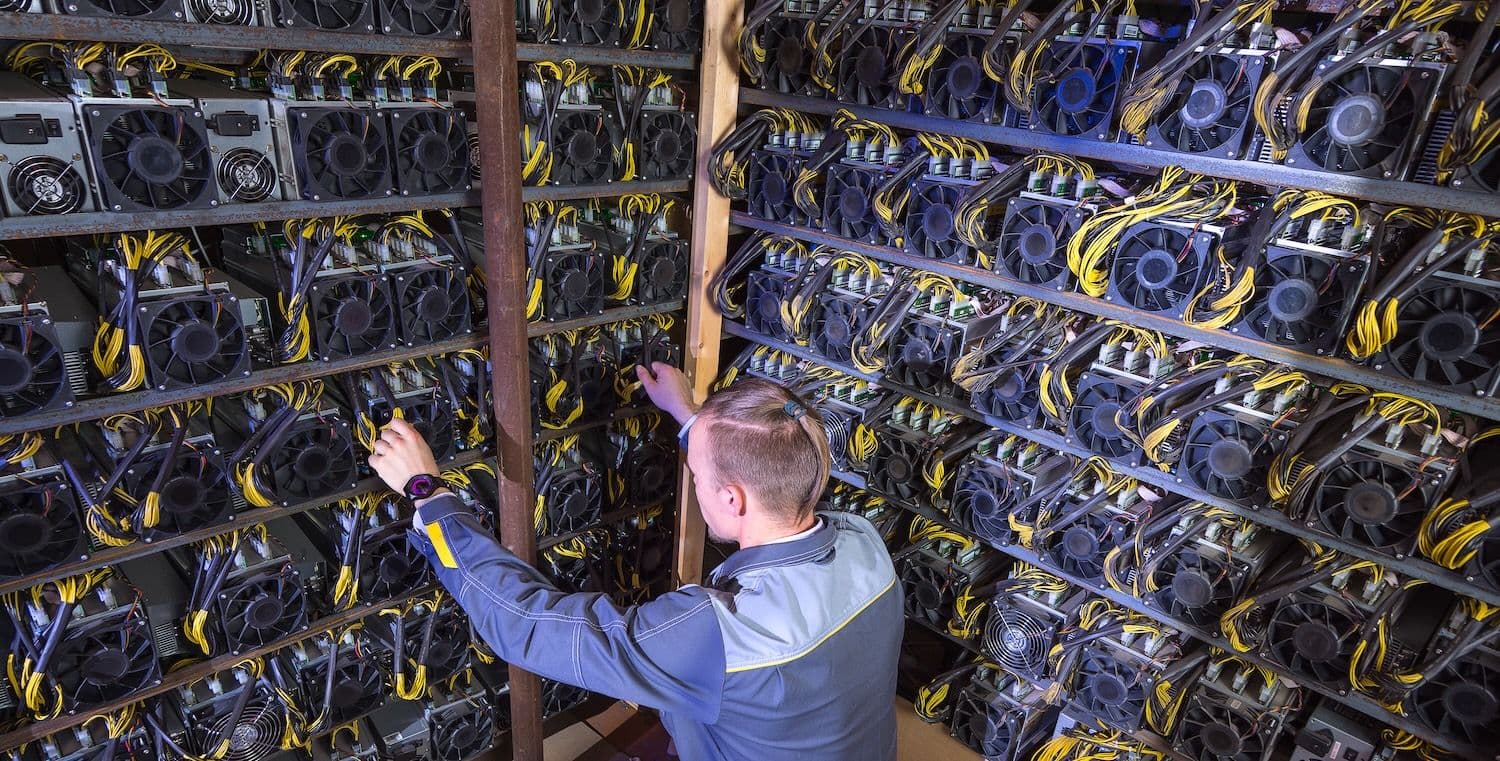
圍繞加密貨幣的環境論述,在現代科技史上經歷了最戲劇性的翻轉之一。比特幣能源消耗的原本擔憂,已轉變為加密貨幣挖礦是帶動再生能源採用與電網現代化的主力。2023年資料顯示,全球比特幣挖礦有54-57%已採用再生能源,相較2021年中國礦場撤離後僅25%的低點,成長了120%。
這場轉變來自於對早期錯誤方法論的根本修正、監管壓力促使礦場遷移至更潔淨的能源地區,以及再生能源成為挖礦成本最低選擇的經濟現實。劍橋另類金融中心於2023年8月徹底修訂方法論,將2021年用電高估量調整減少15 TWh——足以供應140萬美國家庭一年的用電。
現今加密貨幣挖礦提供了對電網至關重要的穩定服務,每年創造數億美元的價值,尤其是在德州ERCOT大型彈性用電計畫中,礦場於尖峰時段主動降低用電量。挖礦還能將原本無用的閒置能源化為商機,包括燃燒廢氣、垃圾掩埋場甲烷與多餘再生電力,帶來環境清理誘因同時也為再生能源專案創造基礎用電需求。
主要機構投資人與政府單位愈來愈肯定加密貨幣挖礦的環境價值,而非僅著眼其風險。產業從2020年使用41.6%的再生能源,成長至2025年突破54%,在再生能源採用率上超越大多數傳統產業。像Marathon Digital這類挖礦公司再生能源占比突破98%,並透過創新的餘熱回收系統,為數萬居民提供區域供暖。
政策環境也反映這一轉變,監管框架開始從限制轉向認同挖礦對電網的正面貢獻。多項學術研究證實,比特幣挖礦能提升再生能源專案的經濟可行性,將太陽能回本期從8.1年縮短至3.5年,同時在電網緊急時發揮重要需量反應服務。
這套全新敘事的出現,對能源政策及氣候策略帶來深遠影響。加密貨幣挖礦如今不僅未阻礙去碳化目標,反而意外地成為加速再生能源發展與電網現代化的工具。從氣候惡棍到綠能救世主,此轉變不僅是對誤解的修正,更象徵了市場力量與科技創新如何結合,讓環境責任與經濟誘因達成一致。
原始「氣候惡棍」論述
將比特幣形容為環境災難的說法起源於基本上有缺陷的方法論,這些論述在2017至2021年間成為學術與媒體的主流。了解這種論述的形成過程,可以發現原本具有正當性的環境關切,如何在資料不完整及方法捷徑下扭曲,導致對加密貨幣環境影響有極度誇大的估計。
比特幣能源謬誤的「零號病人」可追溯至Alex de Vries及其於2016年底創立的Digiconomist平台。de Vries的比特幣能源消耗指數,儘管僅根據粗略經濟假設,卻成為最廣為引用的環境批判來源。他假設60%挖礦收入用於電費,全球平均電價$0.05/kWh,這種計算方式系統性地高估了實際能耗。
這些早期批評的經濟模型存在致命缺陷,直到後續研究才透徹揭露。de Vries的方法完全忽略了礦機效率提升、挖礦分布地區及ASIC快速演進。最大問題,是它創造了以「每交易」為單位的能耗,根本誤解比特幣安全性的PoW架構,並將其基於處理支付的Visa等作業模式相比,忽略雙方技術與經濟基礎的根本不同。
學術界將這些有缺陷的估算放大,同行審查流程未能識別方法問題。多篇發表於權威學刊的研究直接引用de Vries數據,卻未經獨立驗證,導致錯誤引用循環,鞏固了錯誤假設。有研究甚至聲稱比特幣本身能導致升溫2°C,事後分析證明完全無據。
2018年"Bitcoin's Growing Energy Problem"研究成為環境批判的重要依據,確立了遠高於實際的消耗上限,事後證明高估幅度達40-60%。而這些誇大數字隨後被納入政策討論及媒體報導,即使基礎假設已證明有誤,論述動能仍持續增長。
媒體報導又將這些方法論錯誤以聳動手法放大,強調令人驚訝的數據而忽略技術細節。華盛頓郵報、紐約時報、BBC等主要媒體常常將比特幣描繪為威脅全球氣候目標的「能源暴食者」。標題以比特幣用電與多國家總量相提並論,營造出帶有誤導性的強烈印象。
2021年的特斯拉事件證明了論述已滲透主流;Elon Musk以環保為由宣布特斯拉不再接受比特幣,致使比特幣單日暴跌15%,顯現「氣候惡棍」敘事足以主導企業決策與市值。
劍橋比特幣用電指數是對此前估算最嚴謹的修正,2019年7月推出,方法上優於舊有做法。但即便如此,初期數據因對礦機效率及地域分布假設偏差,仍有嚴重高估。
2020-2021年間,劍橋估計比特幣用電75.4-104 TWh,每kWh碳強度由2020年的478gCO2升至2021年8月的557.76gCO2。這反映出中國以煤為主的電網集中運營,當時全球約75%算力依賴化石燃料。
ご前述研究另一盲點是缺乏比較分析。多項論述未將比特幣用電與現有金融體系或替代價值儲存資產做對比。2021年5月Galaxy Digital首度發表全面比較,顯示比特幣年耗電113.89 TWh,遠低於銀行業的263.72 TWh與黃金開採的240.61 TWh,說明比特幣用電僅傳統替代方案的一半不到。
方法論問題不僅止於用電高估,更在於對比特幣能源需求的根本誤解。批評者常常將「總網絡能耗」分攤到每筆交易,與Visa等支付網絡相比,這完全忽視比特幣安全性機制,以及閃電網路等第二層技術能以零增量能耗處理無限交易。
這種有缺陷論述最高峰出現在2021年各國監管討論時。歐盟甚至嚴肅考慮以環保為由全面禁止PoW類加密貨幣,多國政府亦以「氣候」為由加強礦業限制。這些政策依賴的能耗估計,後來被證明多數處於誇大水準。
雖然實證資料愈來愈多,但該論述依然根深蒂固。即便再生能源滲透率提升、礦場遷移至潔淨電網、社會大眾印象依舊卡在過時假設。
與金融體系能源需求比較也被證明是早期分析重要缺漏。傳統銀行需巨量基礎建設,包含數萬家分行、數百萬ATM、交易數據中心、職員通勤及央行體系等。完整分析顯示,比特幣分散式共識機制能以遠低於既有系統的能源完成類似金融職能。
氣候惡棍論說於2021年比特幣飆漲時達高峰,當時年耗電估算為135 TWh,批評者稱這恐妨礙全球氣候目標。然而這一頂峰與... beginning of the narrative's unraveling, as China's mining ban forced a geographic redistribution that would ultimately drive massive renewable energy adoption and reveal the fundamental errors in previous consumption estimates.
敘事崩解的開端,是中國針對加密貨幣挖礦的禁令,這項政策迫使礦業進行地理重組,最終推動了大規模再生能源的採用,並揭示了先前能源消耗估算中的根本性錯誤。
The Energy Transformation Begins
The period from 2020 to 2025 witnessed an unprecedented transformation in cryptocurrency mining's energy profile, driven by regulatory pressures, technological improvements, and fundamental shifts in global energy economics. This transformation began with subtle changes in mining geography and accelerated into a comprehensive industry restructuring that would ultimately reverse the environmental narrative entirely.
能源轉型的開端
2020 至 2025 年期間,加密貨幣挖礦的能源結構經歷了前所未有的轉變,這一變革受到監管壓力、技術進步及全球能源經濟根本性改變的推動。這場轉型從挖礦地理分布的微妙變化開始,隨後加速進行產業全方位重組,最終將徹底顛覆原有環境敘事。
China's mining ban emerged as the single most important catalyst for cryptocurrency's environmental transformation. In June 2021, Chinese authorities implemented a comprehensive ban on cryptocurrency mining operations, forcing the immediate shutdown of facilities representing approximately 75% of global Bitcoin hashrate. Within months, mining operations that had relied on China's coal-heavy electrical grid were forced to relocate to countries with dramatically different energy profiles.
中國的挖礦禁令成為推動加密貨幣環境轉型的最關鍵催化劑。2021年6月,中國政府全面禁止加密貨幣挖礦活動,迫使佔全球比特幣算力約 75% 的挖礦機房即時停機。數月內,依賴中國高碳煤電的挖礦業者被迫遷移至能源結構截然不同的國家。
The geographic redistribution created an unexpected environmental benefit. Mining operations migrated to jurisdictions with abundant renewable energy resources, including Texas (wind power), Canada (hydroelectric), Nordic countries (hydroelectric and geothermal), and Kazakhstan (though initially maintaining fossil fuel dependence). This forced migration meant that mining capacity relocated from regions with carbon intensity of 800+ gCO2/kWh to locations averaging 200-400 gCO2/kWh.
這場地理重組帶來了意想不到的環保效益。挖礦業者遷移到擁有豐富再生能源的地區,包括德州(風力)、加拿大(水力)、北歐國家(水力與地熱),以及哈薩克(雖然初期仍倚賴化石燃料)。此強制遷徙讓挖礦算力從每度電碳排超過 800 克的地區,轉移至平均僅 200-400 克的地點。
Texas emerged as the primary destination for relocated mining capacity, representing over 14% of global hashrate by 2024. The state's deregulated electricity market, abundant wind resources, and grid infrastructure made it an attractive destination for large-scale mining operations. Companies including Marathon Digital, Riot Platforms, and Core Scientific established multi-gigawatt facilities specifically designed to integrate with renewable energy sources and provide grid stabilization services.
德州成為挖礦算力遷移的主要目的地,到 2024 年已佔全球算力 14% 以上。該州的電力市場自由化、豐沛的風力資源,以及完善的電網基礎設施,使之成為大型挖礦業者的理想選擇。包括Marathon Digital、Riot Platforms 和 Core Scientific 等公司,均在當地建設了多吉瓦等級、專為整合再生能源並提供電網穩定服務而設計的設施。
Timeline of major regulatory and industry initiatives demonstrates the transformation's scope:
主要監管與產業倡議的時間軸,彰顯了這場轉型的廣度:
2020-2021: Foundation Phase
- Bitcoin Mining Council formation to promote transparency and sustainability
- First major miners begin issuing ESG reports and sustainability commitments
- Tesla's Bitcoin adoption followed by environmental concerns reversal highlights narrative power
2020-2021:基礎階段
- 成立比特幣挖礦理事會,推動透明與永續
- 首批大型礦商開始發布 ESG 報告並承諾永續發展
- 特斯拉採用比特幣、隨後因環保疑慮反轉立場,凸顯市場敘事力量
2021-2022: Exodus and Relocation
- China mining ban forces 75% of hashrate to relocate within six months
- Cambridge CBECI begins tracking geographic distribution showing US emergence
- Major mining companies go public with sustainability commitments
2021-2022:大遷徙與再部署
- 中國挖礦禁令六個月內迫使 75% 算力重新安置
- 劍橋 CBECI 開始追蹤地理分布,美國崛起受矚目
- 主要礦商公開永續承諾
2022-2023: Infrastructure Development
- Texas ERCOT implements Large Flexible Load program incorporating mining capacity
- European operations expand in Nordic countries leveraging renewable resources
- First commercial-scale heat recovery projects launch
2022-2023:基礎建設發展
- 德州 ERCOT 實施大型可調負載計畫,納入挖礦負載
- 歐洲礦業於北歐拓展,善用可再生能源
- 首批商業規模餘熱回收計畫啟動
2023-2024: Mainstream Recognition
- Cambridge methodology revision corrects major overestimates
- Institutional investors begin recognizing mining's environmental benefits
- Multiple academic studies validate renewable energy catalyst effects
2023-2024:主流認可
- 劍橋方法論修訂,糾正早前嚴重高估
- 機構投資人開始認可挖礦的環保貢獻
- 多份學術研究驗證再生能源催化效果
2024-2025: Industry Maturation
- Over 54% renewable energy adoption achieved globally
- Policy frameworks shift from restriction to recognition
- Mining operations integrated into grid modernization strategies
2024-2025:產業成熟
- 全球再生能源採用比例突破 54%
- 政策由限制邁向認可
- 挖礦作業納入電網現代化戰略
Technological improvements paralleled geographic changes, with mining hardware efficiency increasing dramatically during the transformation period. Advanced semiconductor processes enabled new generations of Application-Specific Integrated Circuits (ASICs) that delivered identical computing power with 50-70% less energy consumption. Leading manufacturers achieved efficiency ratings of 15-23 J/TH compared to 100+ J/TH from earlier generations.
技術進步也與地理遷移並行推進,挖礦硬體的能效在這段期間大幅提升。先進半導體工藝推動新一代專用積體電路(ASIC),可同時提供相同算力但能源消耗降低 50% 至 70%。領導廠商能效由早期一百多 J/TH,提升至 15-23 J/TH。
Marathon Digital exemplified the industry's transformation through comprehensive sustainability initiatives including direct wind farm ownership in Texas, landfill methane capture projects in Utah, and district heating operations in Finland. The company's evolution from conventional mining operator to renewable energy developer demonstrated how mining companies adapted to new environmental expectations while discovering additional revenue opportunities.
Marathon Digital 透過全面性的永續行動展現產業變革,舉凡在德州直接持有風場、在猶他州推動掩埋場甲烷回收,以及在芬蘭開展區域供熱營運。該公司從傳統礦商轉型為再生能源開發商,說明礦業不僅因應新環保期待,更開拓新營收來源。
The transformation gained momentum through economic incentives that aligned environmental responsibility with profitability. Renewable energy achieved cost parity with fossil fuels in most regions by 2022, making sustainable mining operations financially superior to conventional alternatives. Solar and wind power purchase agreements offered price stability and long-term cost advantages compared to volatile fossil fuel pricing.
這一輪轉型因經濟誘因帶動加速,環保責任與利潤結合。在大多數地區,可再生能源於2022年達到與化石能源成本持平,使永續挖礦在經濟效益上大幅領先傳統作法。太陽能和風能購電協議帶來價格穩定及長期成本優勢,相較於化石能源價格波動具備明顯優勢。
Corporate sustainability commitments became standard practice as mining companies recognized that institutional investors increasingly evaluated environmental performance. Core Scientific achieved 100% net carbon neutrality in 2021, while Riot Platforms invested in waste-to-energy plasma gasification technology. These commitments reflected both genuine environmental concern and recognition that sustainable practices provided competitive advantages in capital markets.
隨著礦商意識到機構投資人愈加重視環保績效,企業永續承諾成為標配。Core Scientific 於2021年達成碳中和,Riot Platforms 投資廢棄物轉能的電漿氣化技術。這些承諾既展現實質環保,也認同永續策略在資本市場具備競爭優勢。
Heat recovery innovation represented a breakthrough application that transformed waste heat into valuable resources. Marathon's Finland project expanded from heating 11,000 residents to 80,000, demonstrating scalable applications for mining waste heat in district heating systems. Similar projects emerged across Nordic countries and Canada, where cold climates and existing heating infrastructure created natural synergies with mining operations.
餘熱回收創新為加密貨幣挖礦帶來突破,將廢熱化為寶貴資源。Marathon 在芬蘭的項目,區域供熱從 1.1 萬戶擴大至 8 萬人,證明礦業餘熱在區域供熱系統具備可擴展價值。北歐及加拿大等寒冷地區,因現有供熱體系與挖礦天然互補,類似案例相繼出現。
The regulatory environment evolved from hostility to recognition of mining's potential benefits. While New York State implemented restrictions on new fossil fuel-powered mining operations, Texas actively courted mining companies through supportive policies and grid integration programs. This regulatory fragmentation created natural selection pressure that favored sustainable mining practices while penalizing environmentally harmful operations.
監管環境從敵視走向認可礦業潛在益處。紐約州限制新設化石燃料挖礦,德州則以政策扶持及電網整合方案積極招商。此種監管分化產生自然篩選壓力,鼓勵永續挖礦,約束有害作業。
International migration patterns reflected the transformation's global scope. Kazakhstan initially attracted mining capacity fleeing China but faced political instability that highlighted the importance of regulatory clarity. Nordic countries including Norway, Iceland, and Sweden became preferred destinations due to abundant renewable energy, stable regulations, and natural cooling that reduced operational costs.
國際遷徙格局清楚展現這場全球級轉型。哈薩克一度因中國礦機流入迅速崛起,卻因政局動盪暴露出監管明確度的重要。挪威、冰島、瑞典等北歐國家則因再生能源充沛、法規穩定及天然冷卻等優勢,成為熱門落腳地。
Case studies of major miners demonstrated the transformation's concrete results. TeraWulf achieved 100% zero-carbon goals through strategic facility placement at renewable energy sources. Iris Energy maintained 97% renewable operations while expanding capacity globally. Gryphon Digital achieved 98% renewable energy usage while maintaining profitability through the challenging 2022-2023 market conditions.
主要礦商個案印證轉型成效:TeraWulf 藉由策略布局在再生能源據點,達成百分百零碳目標。Iris Energy 拓展全球同時維持 97% 再生能源。Gryphon Digital 在 2022-2023 艱困市場下,仍將再生能源占比提升至 98% 並保持獲利。
The transformation period also witnessed emergence of sustainable mining certification programs including Sustainable Bitcoin Certificates that created market premiums for verifiably clean mining operations. These programs provided economic incentives for renewable adoption while offering institutional investors exposure to sustainable cryptocurrency operations.
此次轉型期間,同時出現了永續挖礦認證方案,包括 Sustainable Bitcoin Certificates。這類認證為可驗證的綠色挖礦帶來額外溢價。相關認證不但為再生能源挖礦提供經濟誘因,也讓機構投資人得以參與永續加密貨幣產業。
Grid integration services evolved from experimental programs to standard practice, with mining operations providing demand response, frequency regulation, and load balancing services worth hundreds of millions annually. ERCOT's experience demonstrated that mining operations could enhance grid reliability rather than threatening it, fundamentally changing how utilities and regulators viewed cryptocurrency's electrical consumption.
電網整合從試驗方案轉為標準營運,挖礦業者每年通過調度響應、頻率調節、負載平衡等服務,創造上億美元價值。德州 ERCOT 的經驗證明,挖礦能強化電網穩定,不再被視為威脅,根本改變公用事業與監管機關對加密貨幣用電的看法。
By 2025, the energy transformation had achieved measurable results: renewable energy adoption exceeding 54%, geographic distribution favoring clean energy regions, technological efficiency improvements of 1000%+ since Bitcoin's launch, and integration with grid modernization strategies. What began as regulatory pressure and economic necessity had evolved into recognition that cryptocurrency mining could serve as a catalyst for renewable energy development rather than an obstacle to environmental goals.
至 2025 年,這場能源轉型獲得具體成果:全球再生能源採用率突破54%,地理分布偏向潔淨能源地區,技術效率自比特幣誕生以來提升超過 1000%,並與電網現代化戰略深度整合。最初的監管壓力與經濟動機,最終轉化為大眾對加密礦業促進再生能源發展而非阻礙環境目標的認可。
Renewable Energy Catalyst: The Data Revolution
The period from 2022 to 2025 produced unprecedented data demonstrating cryptocurrency mining's transformation from environmental liability to renewable energy catalyst. Comprehensive analysis from multiple independent sources converged on remarkable findings: Bitcoin mining achieved over 54% renewable energy adoption while outpacing most traditional industries in sustainable energy implementation rates.
再生能源催化劑:數據革命
2022 至 2025 年間,大量前所未見的數據證明加密挖礦從環保負擔蛻變為再生能源催化劑。多方獨立來源的綜合分析匯聚出驚人成果:比特幣挖礦再生能源採用率突破 54%,並超越多數傳統產業的永續能源實施進度。
Current renewable energy statistics reveal mining's leadership position in sustainable technology adoption. The Sustainable Bitcoin Protocol reports 52.6% sustainable energy usage as of 2024, while Daniel Batten's corrected analysis shows 54.5% renewable adoption trending toward 80% by 2030. These figures represent a 120% increase from 2021's post-China exodus baseline of approximately 25% renewable energy usage.
最新再生能源統計揭示挖礦在永續科技應用上的領先地位。Sustainable Bitcoin Protocol 指出,截至2024年永續能源使用比率已達52.6%;Daniel Batten 修正後的分析則顯示,再生能源採用率為54.5%,並預期在2030年邁向80%。這些數據較2021年中國遷徙潮後的25%基準,成長了120%。
Multiple independent methodologies validate these statistics. The Cambridge Centre for Alternative Finance tracks 43% renewables, 38% natural gas, 10% nuclear, and 9% coal in 2025 data, though these figures likely underestimate renewable adoption due to reporting delays and geographic sampling biases. Industry surveys consistently show higher renewable percentages among publicly traded mining companies, suggesting the overall industry may have achieved even higher sustainable energy adoption rates.
多種獨立方法學均驗證上述數字。劍橋替代金融中心2025年數據顯示,挖礦能源結構為可再生43%、天然氣38%、核能10%、煤炭9%。然而,因通報時差與地理抽樣偏誤,這些數字可能低估真實再生能源比重。產業調查普遍發現上市礦商永續占比更高,顯示整體業界再生能源滲透率或已超過調查值。
Regional analysis demonstrates how geographic distribution drives environmental improvements. The United States now hosts over 35% of global Bitcoin hashrate, concentrated in states with abundant renewable resources. Texas leads with approximately 14% of...
地區分析顯示地理重新分布帶動環境優化。美國目前已承載全球超過35%的比特幣算力,主要集中於再生能源資源豐富的州。德州以約14%...global hashrate, leveraging wind power that provides 28% of the state's electricity generation. Mining operations in Texas benefit from negative electricity pricing during peak wind production, creating natural economic incentives for renewable energy consumption.
全球算力,利用風力發電,該州的風力發電佔全州電力產量的 28%。德州的挖礦業者在風能發電高峰時享有負電價,形成自然的經濟誘因,鼓勵可再生能源消費。
International renewable energy leaders demonstrate even higher sustainability rates. Norway maintains 95%+ hydroelectric power while hosting approximately 1% of global hashrate in facilities specifically designed to utilize stranded hydroelectric capacity. Iceland operates 100% renewable energy through geothermal and hydroelectric resources, establishing itself as a preferred destination for environmentally conscious mining operations.
國際可再生能源領先國展現出更高的永續表現。挪威的水力發電佔比超過 95%,並有約 1% 的全球算力設於專為利用閒置水力產能所設計的設施中。冰島則完全以地熱和水力資源運作 100% 可再生能源,成為環保導向挖礦業者的首選地點。
Paraguay represents the most dramatic renewable energy success story, with 99%+ hydroelectric generation providing ultra-low electricity costs of $2.8-4.6/MWh. The country's massive surplus capacity from Itaipu Dam creates perfect conditions for Bitcoin mining operations that can monetize otherwise stranded renewable energy resources. Paraguay now hosts 1.16-1.45% of global hashrate while maintaining near-perfect renewable energy credentials.
巴拉圭是最具代表性的可再生能源成功案例,水力發電佔比超過 99%,電價極低,每兆瓦時僅需 2.8-4.6 美元。依塔普水壩的大量剩餘產能,為比特幣挖礦創造了理想條件,使原本閒置的可再生能源轉化為收益。巴拉圭現已承載 1.16-1.45% 全球算力,並維持幾乎完美的可再生能源履歷。
Canada leverages abundant hydroelectric resources particularly in Quebec and British Columbia, where mining operations access some of the cleanest electricity grids globally. Canadian mining companies including Bitfarms and Hive Blockchain maintain 90%+ renewable energy operations while providing substantial economic benefits to rural communities through electricity sales and employment.
加拿大有效利用豐富的水力資源,特別是在魁北克與不列顛哥倫比亞省,挖礦業可取得全球最潔淨的電網之一。加拿大挖礦企業如 Bitfarms 及 Hive Blockchain,營運中 90% 以上皆採用可再生能源,並透過售電及就業,為偏鄉社區帶來顯著經濟效益。
Comparative analysis with other industries reveals mining's exceptional renewable adoption performance. Traditional data centers achieve approximately 28% renewable energy usage globally, while manufacturing industries average 15-25% sustainable energy adoption. Bitcoin mining's 54%+ renewable energy usage significantly exceeds most industrial sectors and approaches levels achieved only by companies with specific sustainability mandates.
與其他產業比較分析顯示,挖礦業在可再生能源採用方面表現突出。傳統資料中心全球可再生能源使用率僅約 28%,製造業則平均 15-25%。比特幣挖礦的可再生能源使用率超過 54%,明顯遠高於多數工業部門,接近僅有特定永續政策企業能達到的水平。
The financial services industry, frequently cited as a lower-energy alternative to Bitcoin, demonstrates significantly lower renewable adoption rates. Major banks including JPMorgan Chase, Bank of America, and Wells Fargo report 15-35% renewable energy usage across their operations, substantially below Bitcoin mining's current levels. When accounting for the full infrastructure requirements of traditional banking including branches, ATMs, and employee transportation, the comparative renewable energy performance gap becomes even more pronounced.
金融服務業經常被認為是比特幣較低能耗的替代方案,但其可再生能源採用率明顯較低。摩根大通、美國銀行、富國銀行等大型銀行的可再生能源使用率僅在 15-35% 之間,遠低於比特幣挖礦的現今水準。若進一步計入傳統銀行所有基礎設施,例如分行、ATM 機及員工交通,兩者在可再生能源表現上的差距更加明顯。
Economic incentives driving renewable mining operations create powerful market dynamics. Renewable energy costs declined 87% for solar and 70% for wind power between 2010-2022, making sustainable electricity the cheapest available power source in most regions. Mining operations accessing renewable energy achieve cost advantages of 40-60% compared to fossil fuel alternatives, creating structural economic incentives for sustainable practices.
推動可再生礦場運營的經濟誘因,產生強大的市場動能。2010 至 2022 年間,太陽能成本下降 87%、風能成本下降 70%,使永續電力成為多數地區最經濟的能源來源。運用可再生能源的礦場,相較於化石燃料有 40-60% 的成本優勢,帶來結構性的經濟誘因,驅動永續經營。
Cost comparison data demonstrates renewable energy's economic superiority. Paraguay's hydroelectric rates of $2.8-4.6/MWh enable Bitcoin production costs below $10,000 per coin, compared to $40,000-60,000 for operations using expensive conventional electricity. These economic advantages explain why mining operations actively seek renewable energy sources rather than requiring regulatory mandates for adoption.
成本比較數據證明可再生能源的經濟優勢。巴拉圭水力電價僅需 2.8-4.6 美元/兆瓦時,使比特幣生產成本低於每枚 $10,000,相較於使用昂貴常規電力的礦場生產成本動輒 $40,000-60,000。這些經濟優勢解釋了為何挖礦業者積極尋找可再生能源,而非等待法規強制採用。
Corporate sustainability commitments reflect industry transformation. Marathon Digital acquired dedicated wind farms in Texas to ensure renewable energy access while developing heat recovery projects in Finland and Utah. The company's diverse renewable energy portfolio includes wind, solar, hydroelectric, and waste gas utilization, demonstrating comprehensive commitment to sustainable operations.
企業永續承諾反映產業的轉型。Marathon Digital 於德州收購專屬風場,確保可再生能源供應,同時於芬蘭及猶他州發展餘熱回收專案。該公司涵蓋風能、太陽能、水力與廢氣利用的多元可再生能源組合,展現全面的永續營運承諾。
TeraWulf achieved 100% zero-carbon operations through strategic facility placement at nuclear and hydroelectric generation sources. The company's facilities in Pennsylvania and New York State access carbon-free electricity while providing economic benefits to power plant operators through consistent baseload demand that improves generation facility economics.
TeraWulf 透過策略性地設廠於核電和水電資源地點,達成 100% 零碳營運。公司在賓州和紐約州的設施使用無碳電力,並因穩定基載需求帶動電廠經濟效益,為電力業者創造經濟利益。
Core Scientific maintains 54% carbon-free power sources across 550 MW of mining capacity, representing the largest sustainable mining operation in North America. The company's strategic positioning in renewable energy-rich regions demonstrates how scale advantages emerge when mining operations align with clean energy availability.
Core Scientific 在總計 550 兆瓦挖礦產能中,維持 54% 的無碳電力來源,堪稱北美最大型的永續挖礦場。其選址於可再生能源豐沛地區,展現規模化與潔淨能源高度協同的產業優勢。
Heat recovery applications create additional environmental benefits beyond renewable energy consumption. Marathon's Finland district heating project expanded from 11,000 to 80,000 residents, providing residential heating while reducing regional carbon emissions by 455-720 metric tons annually per MW of mining capacity. Similar projects in North Vancouver heat 7,000 apartments through innovative Digital Boiler technology that converts mining heat for municipal heating systems.
餘熱回收應用除利用可再生能源外,再創額外環境效益。Marathon 在芬蘭的區域供熱專案,受益人口由 1.1 萬擴增至 8 萬,不僅供暖住宅,更使每兆瓦挖礦容量每年可減少 455-720 公噸碳排。北溫哥華也有類似專案,使用創新 Digital Boiler 技術,將挖礦產生的熱能轉供 7,000 戶公寓市政供暖。
Grid integration studies reveal mining's role in renewable energy economics. Harvard Business School analysis found Bitcoin mining profitable in 80 of 83 examined renewable energy installations, generating up to $7.68 million in additional revenue while utilizing 62% of available clean energy capacity. These findings demonstrate how mining operations improve renewable energy project economics by providing consistent demand during periods when grid sales may be unprofitable.
電網整合研究揭示挖礦於可再生能源經濟中的角色。哈佛商學院分析 83 個可再生能源設備,有 80 個在引入比特幣挖礦後實現獲利,額外營收高達 768 萬美元,利用率提升至可用潔淨能源產能的 62%。這證明挖礦能在電網售電效益不佳時提供穩定需求,進而改善可再生能源專案經濟效益。
Solar integration studies show dramatic improvements in project economics when combined with Bitcoin mining. Research indicates solar projects paired with mining achieve 3.5-year payback periods compared to 8.1 years for grid-only installations. This acceleration results from mining's ability to monetize electricity production during periods when grid prices are low or negative, particularly during peak solar generation hours.
太陽能整合研究發現,與比特幣挖礦結合可顯著改善專案經濟性。研究顯示,裝設挖礦機組的太陽能專案可在 3.5 年收回成本,單靠電網售電則需 8.1 年。這種加速源於挖礦可以在電網電價低或負值時(尤指太陽能發電高峰)將產能轉化為收入。
Wind power integration demonstrates similar benefits. Marathon Digital's direct wind farm ownership in Texas exemplifies how mining companies are becoming renewable energy developers rather than mere consumers. The company's model of converting "underutilized sustainable resources into economic value" represents a fundamental shift in how mining operations relate to energy production.
風能整合亦有類似成效。Marathon Digital 於德州直接擁有風力發電場,成為既是挖礦業者也是能源開發商的典範。其「將未有效利用的永續資源轉化為經濟價值」的模式,代表礦業與能源生產關係的根本變革。
Carbon footprint evolution metrics show dramatic improvements. Bitcoin mining's carbon intensity declined from 557.76 gCO2/kWh in August 2021 to approximately 397 gCO2/kWh in 2025, approaching the carbon intensity of the average US electrical grid. Industry leaders achieve even lower carbon intensities through strategic positioning in renewable energy-rich regions.
碳足跡演進指標顯示顯著進步。比特幣挖礦的碳強度自 2021 年 8 月的 557.76 gCO2/kWh,降至 2025 年約 397 gCO2/kWh,趨近美國電網平均碳強度。產業領導者透過佈署於可再生能源豐沛區域,達到更低碳排。
Emissions reduction achievements exceed those of most traditional industries. The combination of renewable energy adoption, efficiency improvements, and geographic optimization has reduced Bitcoin mining's per-unit carbon emissions by over 50% since 2021 while hash rate and network security increased substantially.
減排成就超越多數傳統產業。結合可再生能源採用、效率提升與地理優化,自 2021 年以來,比特幣挖礦單位碳排量已減少逾 50%,同時算力與網路安全性大幅提升。
The renewable energy transformation represents more than incremental improvement - it demonstrates how market forces can align environmental responsibility with economic incentives to drive rapid industry transformation. Bitcoin mining's evolution from 25% to 54%+ renewable energy adoption in less than four years represents one of the fastest industrial sustainability transitions in modern history, positioning the industry as a leader in renewable energy implementation rather than an environmental laggard.
可再生能源的轉型並非僅止於漸進改善——它展現了市場機制如何結合環境責任與經濟誘因,推動行業迅速變革。比特幣挖礦在不到四年內,從 25% 提升至 54% 以上的可再生能源採用率,是現代工業永續轉型最快的案例之一,使產業成為可再生能源應用的領航者,而非環保落後者。
Grid Stabilization and Demand Response
Cryptocurrency mining has evolved from a basic electricity consumer into a sophisticated grid resource providing essential stability services that enhance electrical system reliability and renewable energy integration. This transformation demonstrates how flexible industrial loads can serve as critical infrastructure for modern electrical grids transitioning toward higher renewable energy penetration.
加密貨幣挖礦已從單純的用電者,演變為提供關鍵穩定服務的複合型電網資源,提升電力系統可靠性與可再生能源整合。此一轉型說明,靈活可調的工業負載正可作為現代電網、邁向更高可再生能源滲透率過程中的關鍵基礎設施。
Technical mechanisms of grid stabilization leverage mining operations' unique ability to modulate power consumption instantly without losing productive work. Unlike traditional industrial processes that cannot interrupt operations without significant losses, Bitcoin mining can reduce or halt consumption within seconds, making only the current block computation worthless while preserving all previous work. This capability enables mining operations to serve as massive, controllable loads that grid operators can utilize for frequency regulation, voltage support, and emergency demand response.
電網穩定的技術機制,善用挖礦獨特的即時調整用電能力,且不損失生產成果。與傳統工業製程因無法隨意中斷導致大量損失不同,比特幣挖礦可在數秒內降低或停止用電,僅犧牲當前運算區塊,歷來成果皆不受影響。這使礦場可成為電網業者用於頻率調節、電壓支援及緊急需量反應的龐大可控負載。
Rapid load modulation capabilities distinguish mining from other demand response resources. Traditional demand response programs may require minutes or hours to implement consumption changes, while mining operations achieve load modifications within 5-10 seconds of receiving grid signals. Advanced mining facilities integrate directly with grid control systems, enabling automatic responses to frequency deviations and voltage fluctuations that help maintain grid stability.
快速的負載調整能力,使挖礦有別於其他需量反應資源。傳統需量反映方案改變用電需費時數分鐘甚至數小時,礦場只需於收到電網訊號後 5-10 秒就可完成負載調整。進階礦場可直接連接電網控制系統,對頻率偏差及電壓波動自動反應,協助維護電網穩定。
Mining operations participate in multiple grid service markets simultaneously. Primary services include frequency regulation, where miners adjust consumption to maintain 60Hz grid frequency; spinning reserves, where facilities stand ready to reduce load during generation outages; and peak shaving, where operations curtail during high-demand periods to reduce strain on generation and transmission infrastructure.
礦場可同時參與多項電網服務市場。主要服務包括:頻率調節,透過調整負載維持電網 60Hz 頻率;旋轉備用,於發電機故障時即時減載;尖峰削峰,於高需時段抑制消耗,減輕發電及輸電基礎設施壓力。
Texas ERCOT represents the world's most advanced integration of cryptocurrency mining with grid operations. The system manages over 9,500 MW of approved Large Flexible Load capacity, with crypto mining representing the majority of this controllable demand. Mining operations participate in ERCOT's demand response programs by registering facilities exceeding 75 MW capacity and agreeing to curtailment protocols during grid emergencies.
德州 ERCOT 代表全球加密挖礦與電網運營整合最先進的案例。該系統管理超過 9,500 兆瓦的已批准大型柔性負載,多數為加密貨幣挖礦需求。礦場通過設施註冊(超過 75 兆瓦容量)並同意在電網緊急時刻執行減載協議,參與 ERCOT 的需量方案。
Economic performance data from ERCOT demonstrates substantial value creation. Riot Platforms generated $31.7 million from demand responseservices in August 2023 alone, illustrating how grid services can provide revenue streams comparable to cryptocurrency mining itself. During the July 2022 heatwave, Texas miners curtailed over 50,000 MWh of consumption, helping maintain grid stability when conventional generation struggled to meet peak demand.
2023年8月單月的服務,顯示電網服務所帶來的收益可與加密貨幣挖礦本身相當。在2022年7月熱浪期間,德州礦工主動減少超過50,000兆瓦時的用電,協助在傳統發電難以滿足尖峰需求時維持電網穩定。
The winter Storm Elliott case study in December 2022 showcased mining's emergency response capabilities. Bitcoin miners curtailed 100 EH/s of computing capacity, representing 38% of the global network hashrate, to preserve electricity for heating and critical services during the extreme weather event. This curtailment occurred voluntarily as miners recognized the economic and social benefits of reducing load during the emergency.
2022年12月的暴風雪Elliott案例也彰顯了挖礦的緊急應變能力。比特幣礦工主動減少了100 EH/s的算力,約佔全球網路38%的算力,以保留電力供暖與其他重要服務於極端天氣事件中。這種減載完全出於自願,因為礦工意識到在緊急狀態下減少負載可帶來經濟與社會效益。
Demand response program structures provide multiple revenue streams for participating mining operations. ERCOT's 4 Coincident Peak program compensates miners for reducing consumption during the four highest-demand hours annually. Ancillary services markets pay miners for maintaining capacity that can be activated within specified timeframes. Emergency response programs provide premium payments during grid alerts and energy emergencies.
需求響應機制為參與的挖礦場帶來多元收入來源。ERCOT的“四重尖峰”計畫,每年在最需電的四個時段補償礦工減載的用電量。輔助服務市場則支付礦工在指定時段內可被激活的備用容量費用。緊急響應計畫則在電網預警或能源緊急時期提供額外獎勵。
Mining operations serve as virtual power plants by aggregating distributed generation and load resources. Advanced control systems enable mining facilities to coordinate with renewable energy installations, battery storage systems, and other grid resources to optimize overall system performance. This coordination helps integrate variable renewable generation by providing flexible demand that can absorb excess production or reduce consumption during scarcity periods.
挖礦作業可整合分散式發電和負載資源,扮演虛擬電廠的角色。先進的控制系統能讓礦場與再生能源、儲能系統及其他電網資源協同運作,進而優化整體系統效能。此協調機制有助於整合變動性再生能源,藉由彈性負載吸收過剩電力或在供應短缺時降低用電。
Nordic countries demonstrate cold climate advantages for mining operations while providing grid services. Norway's mining facilities utilize abundant hydroelectric power during high-water periods while reducing consumption when hydroelectric output declines. The country's mature district heating infrastructure enables mining operations to provide valuable heat during winter months while modulating electrical consumption based on grid needs.
北歐國家展示了冷涼氣候對挖礦的優勢,同時提供電網服務。挪威的挖礦設施於水豐期善用充沛的水力發電,在水力發電減少時則降低用電。該國成熟的區域供熱基礎建設,讓礦場於冬季提供寶貴熱能,同時根據電網需求調整用電量。
Iceland's geothermal integration showcases how mining can complement renewable energy systems. Geothermal power plants provide consistent baseload generation that matches mining's continuous consumption requirements, while mining operations provide flexible load that can adjust to optimize geothermal plant efficiency. The country's aluminum smelting industry provides precedent for large-scale industrial consumers serving as grid resources.
冰島地熱整合則展現挖礦如何補足再生能源系統。地熱電廠可提供穩定基載發電,符合礦場持續耗能需求,而礦場亦可彈性調整負載以最佳化地熱電廠效率。該國鋁冶煉業已為大型工業消費者作為電網資源提供了前例。
Sweden's renewable energy partnerships demonstrate mining's role in financing new clean energy capacity. Mining operations sign long-term power purchase agreements that provide developers with guaranteed revenue streams, enabling projects that might not otherwise achieve financing. These arrangements create symbiotic relationships where mining provides economic viability for renewable energy development.
瑞典再生能源合作則顯示挖礦在新潔淨能源開發的融資角色。礦業透過長期電力購約,為開發商帶來穩定收入來源,使原本難以融資的專案得以推展。這種安排形成互利共生關係,挖礦促進了再生能源的經濟可行性。
Peak shaving and valley filling services help utilities optimize generation resources and defer infrastructure investments. During peak demand periods, mining facilities reduce consumption, decreasing the need for expensive peaking generation facilities. During low-demand periods, mining increases consumption, improving baseload plant efficiency and reducing the need for generation cycling.
削峰填谷服務協助公用事業單位優化發電資源並延後基礎設施投資。在尖峰時段,礦場減少用電,降低昂貴備轉發電的需求;在低用電時段,礦場提升用電,提升基載電廠效率並減少發電循環頻率。
Smart grid integration technologies enable sophisticated coordination between mining operations and grid systems. Advanced metering infrastructure provides real-time consumption data and enables remote control of mining equipment. Machine learning algorithms optimize energy consumption based on grid conditions, electricity prices, and mining profitability to maximize overall system efficiency.
智慧電網整合技術讓礦場與電網之間協調更為進階。先進的計量基礎建設可即時回傳用電數據,並遠端控制挖礦設備。機器學習演算法則根據電網狀況、電價與挖礦利潤等最佳化用電,以最大化系統效率。
Frequency regulation services represent one of mining's most valuable grid contributions. The electrical grid must maintain precise frequency to ensure stable operation of sensitive equipment and prevent system failures. Mining operations provide rapid response to frequency deviations by increasing consumption when frequency rises above 60Hz and decreasing consumption when frequency falls below 60Hz.
頻率調節服務是挖礦對電網最具價值的貢獻之一。電網必須維持精確頻率,確保敏感設備穩定運行並避免系統故障。礦場對頻率異常能迅速作出反應,當頻率高於60Hz時提升用電,低於60Hz時則減載用電。
Voltage support capabilities help maintain proper electrical system operation. Mining facilities can adjust reactive power consumption and generation to support voltage levels throughout the transmission and distribution system. Large mining operations often install power factor correction equipment that provides additional grid support beyond their primary mining function.
電壓支援功能則協助維持電力系統正常運作。礦場可調整無功功率消耗與供應,維持輸配電系統的電壓水準。大型礦場常設有功率因數修正設備,為電網提供挖礦本業之外的支援。
Load balancing services help integrate variable renewable energy sources. When wind and solar generation exceeds demand, mining operations can increase consumption to utilize excess production. When renewable generation declines, mining can reduce consumption to balance supply and demand without requiring conventional generation resources to cycle up rapidly.
負載平衡服務有助變動性再生能源整合。當風電與太陽能發電大於需求時,礦場可提升用電消化多餘產能。當再生能源下滑時,礦場則能減載,以平衡供需、免除傳統電廠必須急遽啟動。
Economic incentives for grid services create substantial revenue opportunities that often exceed mining profits. ERCOT pays approximately $170 million annually in demand response services, with mining operations capturing a significant portion of these payments. Grid service revenues provide stable income streams that reduce mining operations' dependence on volatile cryptocurrency prices.
電網服務的經濟誘因創造了龐大的收益,往往高於挖礦本業。ERCOT每年於需求響應服務上支出約1.7億美元,礦場能獲得其中相當大比例。電網服務收入提供穩定現金流,減少礦場對波動劇烈加密貨幣價格的依賴。
Infrastructure investment benefits result from mining's role as anchor tenants for renewable energy projects. Mining operations provide consistent demand that improves project economics for wind, solar, and energy storage installations. This demand backstop enables developers to secure financing for projects that serve broader grid needs beyond mining consumption.
基礎建設投資受益於挖礦作為再生能源專案的主力用戶角色。礦場穩定的用電需求提升了風能、太陽能與儲能設施的財務可行性。這樣的需求保證使開發商得以為更廣泛的電網服務專案取得融資。
Grid stabilization services demonstrate how cryptocurrency mining has evolved from simple energy consumption to active participation in electrical system operation. Mining facilities now serve as essential infrastructure that enhances grid reliability, integrates renewable energy resources, and provides economic benefits that extend far beyond their primary cryptocurrency production function.
電網穩定服務體現了加密貨幣挖礦已從單純耗能,進化為積極參與電力系統運作。礦場如今是維繫電網穩定、整合再生能源,並創造超越其本業的經濟效益的重要基礎設施。
Stranded and Wasted Energy Utilization
孤立及廢棄能源再利用
Cryptocurrency mining has emerged as the most effective technology for monetizing previously worthless energy resources, converting environmental waste streams into economic value while reducing greenhouse gas emissions. This application represents perhaps mining's greatest environmental contribution, transforming methane emissions, flared gas, and stranded renewable energy into productive use.
加密貨幣挖礦已成為將原本無價值能源貨幣化最有效的技術,可把環境廢棄流轉化為經濟價值,同時降低溫室氣體排放。這應用或可說是挖礦對環境的最大貢獻,將甲烷排放、燃燒氣體及閒置再生能源有效利用。
Flare gas capture represents the most significant environmental application of cryptocurrency mining technology. Oil and gas operations worldwide flare an estimated 150 billion cubic meters of natural gas annually due to lack of pipeline infrastructure or economic utilization methods. This flaring releases approximately 350 million tons of CO2 equivalent into the atmosphere while wasting energy resources that could power millions of homes.
燃氣捕集是加密貨幣挖礦科技最具代表性的環保應用。全球石油及天然氣產業由於缺乏管線或經濟利用辦法,每年燃燒約1,500億立方米天然氣,排放約3.5億噸CO2當量,並浪費足以供應數百萬家庭的能源資源。
Technical implementation of flare gas mining utilizes mobile data centers deployed directly at oil well sites. Companies including Crusoe Energy, EZ Blockchain, and Upstream Data manufacture containerized mining units that integrate gas-powered generators with Bitcoin mining hardware. These systems convert flare gas into electricity on-site, eliminating the need for pipeline infrastructure while reducing methane emissions by 98% compared to continued flaring.
燃氣挖礦的技術方式是將移動資料中心直接設置於油井現場。Crusoe Energy、EZ Blockchain、Upstream Data等公司生產集裝箱式礦機設備,結合氣體發電機與比特幣挖礦硬體,能現場將燃燒氣直接轉為電力,免除管線需求,並較持續燃燒情況減少98%甲烷排放。
Environmental benefits exceed most renewable energy applications. Methane has 80-100 times the greenhouse warming potential of CO2 over a 20-year period, making flare gas capture extraordinarily effective for emissions reduction. Studies indicate flare gas mining reduces CO2 equivalent emissions by 63% compared to baseline flaring, while converting waste energy into economic value that funds additional environmental improvements.
其環保效益超越多數再生能源應用。甲烷在20年內的溫室效應約為CO2的80-100倍,因此燃氣捕集對減排極為有效。研究顯示,燃氣挖礦能比傳統燃燒減少63% CO2當量排放,並將廢棄能源轉為經濟價值,進而支持更多環境改善。
Economic viability enables rapid deployment. Mining operations can purchase flare gas for approximately $1/Mcf, equivalent to $0.01/kWh electricity costs. Total operational costs typically reach $0.04-0.05/kWh including generation and maintenance, enabling Bitcoin production costs of $5,000-12,000 per coin compared to $25,000-40,000 for conventional grid-powered operations.
良好的經濟效益促進快速部署。礦場可用約$1/Mcf的價格購買燃氣,相當於電價$0.01/kWh。總營運成本(含發電與維護)約為$0.04-0.05/kWh,讓比特幣單枚生產成本僅$5,000-12,000,而傳統電網挖礦則需$25,000-40,000。
Crusoe Energy exemplifies large-scale deployment with over 40 mobile units operating across North Dakota, Montana, Wyoming, and Colorado. The company's systems eliminate flaring at sites producing minimum 350 MCF/day of waste gas, preventing thousands of tons of methane emissions annually while generating economic returns for oil producers who previously received no value from associated gas production.
以Crusoe Energy為例,目前已在北達科他州、蒙大拿州、懷俄明州與科羅拉多州運行超過40組移動式系統。該公司機組可於每日產出350 MCF以上廢氣的井口消除燃燒,每年防止數千噸甲烷排放,同時為原本無法獲利的副產天然氣創造收益。
North Dakota case studies demonstrate scale potential. The state flares approximately 19% of produced natural gas due to insufficient pipeline capacity, representing enough energy to power 380,000 homes annually. Cryptocurrency mining operations provide immediate economic utilization for this waste energy while generating state tax revenues and royalty payments to mineral rights owners.
北達科他州案例證明可擴展潛力。該州因管線不足,每年約有19%產氣遭燃燒,足可供應38萬戶家庭。加密貨幣挖礦即時將這些廢氣資源貨幣化,並為州政府帶來稅收及為礦權持有人增加權利金收入。
EZ Blockchain's EZ Smartgrid system provides plug-and-play solutions for smaller producers, enabling waste gas utilization at sites previously too small for conventional gas capture infrastructure. The company's mobile units can be deployed within days and relocated as production patterns change, providing flexibility that matches the dynamic nature of oil and gas operations.
EZ Blockchain的EZ Smartgrid系統則為小規模生產者提供即插即用解決方案,使以往因規模不足而無法捕集的廢氣也能被利用。這些移動單位可在數日內部署,且可隨產量變動靈活移動,正好對應油氣產業的變動特性。
Giga Energy Solutions demonstrates entrepreneurial opportunity, with young Texas entrepreneurs generating $4 million in 2021 revenue from flare gas mining operations. Their success illustrates how cryptocurrency mining creates new business models that align environmental benefits with economic opportunity, attracting capital and innovation to previously waste energy utilization.
Giga Energy Solutions則說明創業潛力。德州青年創業家2021年僅靠燃氣挖礦就創下400萬美元營收。這證明加密貨幣挖礦帶來結合環保與經濟的新商業模式,吸引資金與創新投入原先被浪費的能源領域。
Landfill gas and biogas applications extend mining's environmental benefits to waste management systems. Municipal solid waste generates methane naturally through decomposition, contributing 14.3% of US methane
掩埋場氣體與沼氣應用則將挖礦的環保效益延伸到廢棄物處理系統。都市固體垃圾在分解過程中自然產生甲烷,佔美國甲烷…Here is your translated content in zh-Hant-TW, with markdown links left untranslated as requested:
emissions. 傳統的掩埋場氣體捕集系統通常將甲烷燃燒後排放,或用於低價值用途,而加密貨幣挖礦則提供了全面收集及利用氣體的經濟誘因。
Marathon Digital 在猶他州的試點項目證明了掩埋場氣體挖礦的商業可行性。這套 280 kW 的設備可攔截本來將會直接排放或燃燒的甲烷,並轉換成電力進行比特幣生產,同時防止的排放量相當於每年從道路上撤下數千輛汽車。根據經濟模型,礦工每年可獲得 935,000 美元的潛在收入,而掩埋場營運商則可獲得 332,000 美元。
污水處理的應用代表了沼氣利用的新興前沿。瓜地馬拉的 Bitcoin Lake(比特幣湖)項目探索將污水處理沼氣用於挖礦作業,打造循環經濟模式,將人類廢棄物轉化為儲存的經濟價值。全球有許多類似項目展現沼氣挖礦在解決衛生問題同時創造經濟回報的潛力。
閒置可再生能源的利用,解決於無足夠輸電基礎設施地區可再生能源產能被浪費的挑戰。挪威的北部地區產生大量水力發電,因距離與輸電限制無法經濟地送至人口中心。直接於生產地設立的挖礦作業,得以善用這些本來被浪費的閒置能源。
遠端水力電力貨幣化展示挖礦如何釋放本來毫無價值的可再生資源。偏遠地區的小型水力發電廠因缺乏經濟上的電網連結,導致清潔能源無人利用。比特幣挖礦提供了經濟用途,使這些本可能遭棄用的小型可再生發電設施得以持續營運。
地熱能的應用則充分利用冰島豐沛、超過國內需求的地熱資源。挖礦營運提供根本的用電需求,不僅提升地熱電廠效率,也善用難以出口的清潔能源。再生能源結合自然冷卻,創造最適合永續挖礦營運的條件。
太陽能與風能棄置減少方案,則因應日益嚴重的可再生能源浪費問題。當發電超過用電需求及輸電能力時,電網管理者越來越常切斷太陽能與風能產能。挖礦作業提供了靈活的需求,能吸收多餘產出,降低棄置損失,同時提升再生能源開發商的經濟效益。
閒置能源項目的經濟框架展現出優於傳統挖礦作業的報酬率。閒置能源成本通常每度電僅 0.01-0.03 美元,相較於電網電力的 0.08-0.12 美元,擁有 70-90% 的成本優勢,這直接轉化為更高的利潤。這種成本優勢使挖礦營運即使在加密貨幣價格低於傳統挖礦獲利門檻時,仍能維持獲利。
基礎建設的效益不只限於能源直接利用,還可推動更廣泛的經濟發展。偏遠地區的挖礦營運成為經濟支柱,可合理化電訊、交通及電力基礎建設的升級,造福整個地區。這些連帶效應帶來原本缺乏工業活動地區的經濟發展機會。
碳權產生的潛力則來自於核查後的減碳成效通過廢棄能源利用而實現。燃燒氣體捕捉項目每減少 1 噸二氧化碳當量後,最可產生價值 10-50 美元的碳權,為專案經濟效益帶來額外收益。自願碳市場愈發認可加密貨幣挖礦對減排的貢獻。
主管機關對挖礦環保效益的肯定現已出現在多個司法管轄區。美國環保署(EPA)將燃燒氣體捕捉列為有益措施,並減少排放;而多個州則針對廢能再利用專案提供稅務優惠。國際氣候組織也越來越認可廢棄能源利用作為正當減排策略。
廢棄能源利用的可擴展性潛力仍非常巨大。世界銀行估計,全球每年燃燒的天然氣量達 5.3 兆立方英尺,足以供應整個非洲大陸。城市廢棄物每年產生數十億立方米的甲烷,而全球可再生能源的棄置已達數十太瓦時。加密貨幣挖礦為大規模攫取與利用這些廢棄能源流提供經濟誘因。
透過加密貨幣挖礦將廢棄能源轉化為經濟價值,展示了市場機制如何使環境效益與經濟誘因結合。礦業不需要補貼或強制法規,即可創造清理環境的利潤動力,同時為能源生產者和專案開發商帶來即時經濟回報。
清潔能源技術的創新
加密貨幣挖礦激發出驚人的清潔能源技術創新,推動效率、餘熱回收、冷卻系統及可再生能源整合等多方面突破,其影響遠不僅止於挖礦產業本身。這些科技進步將挖礦營運轉變為清潔能源解決方案的試驗場,相關應用可橫跨多個產業領域。
挖礦硬體效能改善是現代運算領域最顯著的技術進步之一。比特幣挖礦從 2009 年的 CPU 挖礦到 2025 年的現代 ASIC,能效提升超過 1000 倍。早期 CPU 挖礦每太赫需約 5,000,000 焦耳(J/TH),現代 ASIC 僅需 15-23 焦耳,下世代設備力拚 2025 年底前效率突破 5 J/TH 以下。
半導體製程的進展推動能效持續提升,先進製造技術日益完善。領先的 ASIC 製造商已使用 3 奈米製程,2 奈米設計亦在開發中,運算效能與每瓦表現大幅提升。Bitdeer 的 SEALMINER 路線圖以 2025 年下半年達成 5 J/TH 為目標,效能較現有頂尖設備提升三倍,顯示能效仍有續升潛力。
先進冷卻技術已發展至足以應對高密度運算的散熱挑戰,並創造餘熱回收機會。浸沒式冷卻系統將礦機浸泡於介電液中,不僅能降低 40% 冷卻能耗,更能於有用溫度區間回收廢熱。這些系統藉由優化溫控延長硬體壽命,同時降低設施整體用電。
液冷技術至 2025 年已在 27% 的大型礦場採用,驅動因素包括效能與餘熱回收潛力。浸沒式冷卻系統的電力使用效能(PUE)為 1.18,優於空冷設施的 1.23,且可於 70°C 以上溫度回收熱能,適合工業應用。這項技術也可應用於資料中心、高效能運算等其他散熱領域。
餘熱回收的創新,則將挖礦原本的環境負擔轉為有價資源。Marathon Digital 在芬蘭的區域供熱專案已具規模,利用熱交換技術將 25-35°C 的挖礦餘熱提升至 80°C 分配,供應供熱對象從 11,000 人擴展至 80,000 人,每 MW 每年減碳量 455-720 公噸,並開創額外收益流。
區域供熱整合,則善用北歐與加拿大既有基礎設施,高效分配挖礦餘熱。MintGreen 的北溫哥華專案透過 12 年協議,用挖礦餘熱供暖 7,000 戶公寓,挖礦營運因此獲得額外收入,並降低市政供熱成本。其“數位鍋爐”技術展示礦機可針對熱回收應用重新設計。
挖礦餘熱於農業的應用,在溫室作物生產特別具前景。比特幣加熱的溫室改善全年種植的能效,並同時透過產生加密貨幣帶來經濟回報。這些應用展示分散型能源模式,使餘熱成為生產資源而非需棄置的廢棄物。
工業製程熱的應用則超越空間供暖,納入製造、加工等場景。威士忌製造業利用挖礦餘熱於蒸餾環節,其他產線也可運用穩定熱能來應付生產需求。這些整合,證明挖礦具備為工業設施提供熱電共生(Combined Heat and Power, CHP)的潛力。
電池儲能的整合是可再生能源挖礦運營的一項重要創新。先進設施將太陽能或風能發電、電池儲能與靈活調整的挖礦負載結合,最佳化可再生能源利用。挖礦在發電過剩時提升用電,在電池放電時降低負載,提升整體系統效能與經濟性。
智慧電網技術則讓挖礦與電力系統之間能更精細協調。機器學習演算法分析即時電價、電網狀況和挖礦獲利能力,優化能源消耗。automatically. 這些系統在礦業運營中達到41%的採用率,顯示出市場對優化效益的認可。
電力管理創新針對電力分配與轉換中的低效率問題。DC電力系統能消除礦場內部的AC/DC轉換損失,而電壓優化則能解決相位不平衡及電力損耗問題。先進的電力電子技術則能促進更高效的用電,同時透過無功功率控制為電網提供支援服務。
可再生能源整合模式展現潔淨能源開發的創新方法。礦業運營作為風能和太陽能項目的主要用戶,提供有保障的需求,改善專案經濟性並促成融資。用戶端(behind-the-meter)裝置結合再生能源發電與礦業耗能,可同時優化經濟回報並降低對電網的依賴。
混合能源系統則整合多種可再生能源與彈性礦業負載,以最大化潔淨能源的應用。太陽能+風能+儲能+礦業的組合,能在日夜及季節循環中最佳化再生能源的利用。這些系統展示了彈性產業負載如何提升再生能源項目績效與經濟可行性。
電網穩定技術使礦場轉型為高階的電力資源。先進逆變器讓礦場能提供頻率調節、電壓支援及無功功率服務。這些能力使礦場成為分散式電網資源,不僅提升電力系統穩定性,還創造額外收益來源。
碳捕捉應用屬於新興創新,將礦業運營與碳清除技術整合。由直捕式碳清除系統供電的礦場,展示了礦業如何為碳移除作業提供穩定需求,並實現碳負礦業。這些應用使礦業成為環保解決方案,而非僅僅是環境成本。
微電網開發則運用礦業彈性負載特性以優化分散式能源系統。偏遠場址結合再生能源、儲能及礦業耗能,形塑自給自足的能源系統。這些微電網展現具韌性的能源模型,可獨立於集中式電網運作。
儲能優化則將礦場視為可控負載,可與電池等儲能技術互補。當電價較低時礦場可吸收多餘能量,電價高時再降低用電量,提升儲能系統的經濟性及電網整合的效益。
人工智慧應用透過機器學習演算法優化礦場運營,預測電價、電網狀況及設備表現。AI系統可透過預測性維護、動態負載管理及冷卻系統優化,提升能效達20-30%。這些科技展現出工業能源管理更廣泛的應用潛力。
材料科學在半導體製造與熱管理技術因礦業需求而進步。高效運算需求帶動晶片設計、冷卻材料及電力電子的創新,這些技術可應用於多個科技領域。礦業規模亦為這些關鍵技術持續創新提供市場誘因。
模組化基礎建設的發展使礦場可快速部署與搬遷,以配合再生能源資源。例如貨櫃化礦場系統可於數週內運輸並裝設,靈活運用臨時或變動性的再生能源。此種模組化讓礦場可隨著再生能源發展而移動,不需永久性基礎建設投資。
這些技術創新使加密貨幣挖礦不再只是能源消耗者,更成為潔淨能源發展的催化劑。產業的獨特需求與經濟誘因推動了更廣泛能源與科技領域的創新,並展現市場機制如何促進環保與技術進步相結合。
政策轉向與機構認可
圍繞加密貨幣挖礦的監管與機構環境自2022年至2025年間發生根本性轉變,從最初以環境疑慮為基礎的限制政策,逐步演化為重視挖礦對電網穩定與再生能源發展潛力的認可。此政策演變反映社會對礦業實際環境影響及經濟貢獻的日益理解。
聯邦政策發展展現拜登政府對加密貨幣監管的全方位策略,同時承認礦業環保輪廓的演變。2022年3月的第14067號總統行政命令要求聯邦單位評估加密資產對氣候的影響,促成針對加密貨幣用電型態、挑戰與機遇的深入分析。
白宮科技政策辦公室於2022年9月發表的報告精細剖析,指出全球加密資產年用電量為120-240 TWh,約占全球用電0.4-0.9%。該報告並未倡議全面禁令,而是強調推動再生能源採用與提升效率,肯定產業轉型潛力。
國會立法體現兩黨對加密貨幣挖礦複雜環境影響的認知。《加密資產環境透明法》要求超過5MW容量的礦場向環保署申報,建立以透明度為核心的監管架構,而非禁令。此種方式讓政策能以證據為本,推動產業朝永續發展轉型。
所提案的「數位資產挖礦能源稅」(DAME)是聯邦層面最重要的政策措施,對礦場用電費徵收分階段稅率,分別為2024年10%、2025年20%、2026年起30%。不過,稅制設有認可再生能源採用與電網服務參與的機制,藉此為永續挖礦創造政策誘因。
能源資訊管理局2024年發起的緊急數據收集計畫,確立加密礦場強制性申報制,提供完整數據為後續政策決策做基礎。此舉反映對正確掌握礦場用電型態與環境影響,而非依賴估算數據的需要。
州層級政策架構則呈現鮮明多樣化,不同州依據其對礦業的經濟機遇與環保限制的看法而有明顯區別。親礦業州如懷俄明、蒙大拿、賓州及肯塔基,提供稅收減免與法規豁免,吸引投資並支持再生能源發展。
德州透過大規模彈性負載(Large Flexible Load)計畫,將1.7GW礦業容量納入電網平衡服務,是挖礦與能源政策成功融合的典範。該州將礦場視為電網寶貴資源,而非有問題的耗能大戶,不僅帶來可觀稅收,還提升電網穩定。
賓州則透過每噸$4的廢煤發電稅收優惠,激勵環境整治並支持礦場運營。懷俄明州對數位資產提供證券法豁免,展現既支援創新又兼顧合規性的完善架構。
限制性政策州則專注於以電力來源要求保護環境,而非全面禁止。紐約州對新化石燃料礦場實施兩年禁令,正是以目標導向的方式鼓勵再生能源挖礦,同時限制有害環境的作法。
歐盟則自2024-2025年起,透過《加密資產市場法規》(MiCA)建立完善的環境申報要求。每季能源及排放量申報成為礦場義務,違規可能遭罰款高達50萬歐元或市場禁入。這些要求提高透明度與責任,促進永續挖礦行為。
《企業永續報告指令》(CSRD)將碳排放揭露義務擴及大型礦場,使加密監管與更廣泛的環境規定接軌。歐盟政策認為60%的歐洲挖礦算力來自再生能源,展現產業環保轉型。
國際能源署(IEA)在2024年電力報告中,肯定加密礦業兼具用電大戶與潛在電網資源的雙重角色。IEA預估挖礦用電至2026年將達160 TWh,並看好再生能源整合潛力與電網穩定效益。
IEA分析將加密礦業定位在更廣大的資料中心發展趨勢下,認可該產業的獨特特性,避免渲染其能源消耗,展現對礦業技術需求及對電力系統貢獻的細緻理解。
Institutional investorevolution demonstrates dramatic shifts in ESG assessment and investment approaches to cryptocurrency mining. MSCI coverage now includes 52 public companies with cryptocurrency exposure, with 26 companies included in the MSCI ACWI Index. This mainstream index inclusion reflects growing institutional acceptance of cryptocurrency mining as legitimate industrial activity.
加密貨幣挖礦在ESG(環境、社會與公司治理)評估及投資方式方面出現了劇烈變化。MSCI(明晟指數)目前已涵蓋52家具有加密貨幣曝險的上市公司,其中26家被納入MSCI ACWI指數。這一主流指數的收錄,反映出機構對於加密貨幣挖礦作為合法產業活動的認可度日益增長。
ESG integration trends show 68% of global mining operations using renewable energy sources as of 2025, exceeding renewable adoption rates in most traditional industries. The Bitcoin Mining Council reports 58% sustainable energy mix among surveyed miners, providing transparent data that enables institutional investor evaluation of environmental performance.
ESG整合趨勢顯示,截至2025年,全球有68%的加密貨幣挖礦作業採用再生能源,超越大多數傳統產業的再生能源使用率。比特幣礦業理事會(Bitcoin Mining Council)報告指出,受訪礦工的可持續能源占比已達58%,這些透明數據讓機構投資者得以評估環境績效。
Major institutional recognition comes from leading professional services firms that develop ESG assessment frameworks specifically for cryptocurrency mining. MSCI developed comprehensive cryptocurrency ESG risk assessment methodologies that identify environmental, governance, and social factors relevant to mining operations.
主要的機構認可來自頂尖專業服務公司,這些公司專為加密貨幣挖礦制定了ESG評估架構。MSCI開發了全面的加密貨幣ESG風險評估方法學,針對挖礦作業相關的環境、治理及社會因素加以識別。
KPMG published guidelines for ESG reporting in the crypto industry, emphasizing renewable energy verification and transparent environmental reporting. PwC analysis recognizes mining as potential ESG strategy when coupled with renewable energy development, marking significant evolution from earlier professional services positions.
KPMG發佈了加密產業ESG報告指引,強調再生能源驗證及透明的環境報告。PwC的分析指出,當挖礦和再生能源發展結合時,挖礦本身可視為潛在ESG策略,這標誌著專業服務界觀點的重要轉變。
Accenture's mining industry decarbonization study demonstrates how institutional recognition focuses on investor-driven financial motivations for sustainability rather than purely environmental concerns, reflecting mature understanding of how market forces drive environmental improvement.
埃森哲(Accenture)對礦業脫碳的研究顯示,機構認可的重點在於投資人驅動的財務誘因,而非純粹的環境考量,反映市場力量如何推動環境改善的成熟理解。
SEC climate disclosure rules apply to publicly listed mining companies, requiring comprehensive carbon accounting and climate risk reporting. These regulations align cryptocurrency mining with broader corporate environmental disclosure requirements while providing investors with standardized information for decision-making.
美國證券交易委員會(SEC)的氣候披露規則適用於上市挖礦公司,要求全面的碳排放會計及氣候風險報告。這些規範讓加密貨幣挖礦與更廣泛的企業環境揭露要求接軌,也為投資人提供一致的決策資訊。
Federal Reserve development of climate-related risk controls for banks with crypto exposure reflects regulatory recognition of cryptocurrency's mainstream financial system integration. These controls emphasize risk management rather than prohibition, acknowledging cryptocurrency's legitimate role in the financial system.
聯邦準備理事會(Fed)針對有加密曝險的銀行正在制定氣候相關風險控管機制,顯示監管機構認知到加密貨幣已融入主流金融體系。這些措施強調風險控管而非禁止,加速正視加密貨幣在金融體系中的合法角色。
Environmental organization positions have evolved from unanimous opposition to nuanced assessment recognizing both challenges and opportunities in cryptocurrency mining. While maintaining concerns about scale and growth trajectories, environmental organizations increasingly acknowledge mining's potential role in renewable energy development and grid modernization.
環保組織的立場,已從過去一致反對,轉變為承認加密貨幣挖礦既有挑戰也有機會。儘管對產業規模及增長趨勢仍有顧慮,環保團體越來越認同挖礦在再生能源開發及電網現代化中的潛力角色。
Policy implications for energy transition demonstrate how cryptocurrency mining regulation intersects with broader clean energy and grid modernization policies. Mining operations provide testing grounds for demand response programs, grid integration technologies, and renewable energy development models that support broader energy transition goals.
能源轉型的政策意涵顯示,加密貨幣挖礦的相關監管與更寬廣的潔淨能源及電網現代化政策相互交會。挖礦企業成為需求響應方案、電網整合技術以及再生能源發展模式的實驗場,進一步支援整體能源轉型目標。
Integration with carbon credit markets creates economic incentives for mining operations to achieve verified emissions reductions while generating additional revenue streams. Voluntary carbon markets increasingly recognize cryptocurrency mining's role in emissions reduction through waste energy utilization and renewable energy development.
與碳權市場的整合,讓挖礦業者獲得經濟誘因以實現經驗證的減排,同時開拓額外收益來源。自願碳市場越來越認可挖礦透過廢熱利用與再生能源發展,在減排上的作用。
Regulatory framework maturation reflects growing sophistication in understanding cryptocurrency mining's environmental impact and economic contributions. Policy approaches increasingly emphasize transparency, renewable energy adoption, and grid integration benefits rather than blanket restrictions based on incomplete information.
監管框架的成熟,反映出對加密貨幣挖礦環境影響及經濟貢獻的日趨精深化理解。政策方法越來越著重於透明度、再生能源採用和電網整合帶來的效益,而非依據資訊不全的一刀切限制。
The evolution from restrictive to supportive policy frameworks demonstrates how evidence-based regulation can support technological innovation while addressing legitimate environmental concerns. Mature regulatory approaches recognize cryptocurrency mining's potential contributions to energy system modernization and renewable energy development rather than treating mining solely as environmental liability.
政策從過去的限制性走向支持性,說明以實證為本的監管能同時兼顧科技創新與合理環保訴求。成熟的監管手法將加密貨幣挖礦視為能源系統現代化和再生能源發展的潛在貢獻者,而非純粹的環境負擔。
Challenges and Remaining Concerns
Despite remarkable progress in renewable energy adoption and environmental performance, cryptocurrency mining faces legitimate ongoing challenges and concerns that require continued attention and innovation. Acknowledging these limitations provides balanced perspective on the industry's environmental transformation while identifying areas requiring additional improvement.
儘管再生能源採用及環境績效已有顯著進展,加密貨幣挖礦仍面臨諸多持續性的挑戰與關切,亟需持續關注及創新。正視這些限制有助於全面看待產業的環境變革,並釐清需要進一步改善的領域。
Scale and growth trajectory concerns represent the most significant challenge facing cryptocurrency mining's environmental claims. Current mining operations consume an estimated 120-160 TWh annually, with International Energy Agency projections showing potential growth to 160+ TWh by 2026. This 40%+ increase could offset environmental improvements achieved through renewable energy adoption and efficiency gains.
規模與成長曲線上的顧慮,是加密貨幣挖礦環境聲稱面臨的最大挑戰。目前挖礦總用電估計每年達120-160太瓦時(TWh),國際能源總署預測至2026年有機會突破160太瓦時以上。這種超過40%的成長,可能抵銷透過再生能源與效率提升取得的環境改善。
The fundamental challenge lies in exponential growth dynamics. Bitcoin's network security depends on computational difficulty adjustments that maintain consistent block production times regardless of total network computing power. As mining capacity increases, energy consumption scales proportionally unless offset by hardware efficiency improvements or renewable energy adoption.
挑戰的根本在於指數型成長動態。比特幣網路安全仰賴計算難度調整,無論全網算力多寡,區塊產生速度維持穩定。當挖礦能力增加時,除非靠礦機效率提升或再生能源用量抵消,總能耗會隨之等比例擴大。
Infrastructure pressure from mining expansion creates legitimate concerns about electrical grid capacity and resource allocation. Texas ERCOT received applications for 33GW of crypto mining capacity, representing 25% of the state's current generation capacity. This concentration raises questions about grid infrastructure adequacy and potential impacts on electricity prices for residential and commercial consumers.
挖礦規模擴張對基礎設施造成壓力,外界正當地關注電網容量與資源分配問題。德州的ERCOT就收到高達33GW的加密礦業併網申請,相當於該州現有電力產能的25%。產業集中恐影響電網基礎建設充足性,也可能衝擊民生與商業用戶的電價。
Regional geographic concentration risks emerge as mining operations cluster in locations with favorable energy costs and regulatory environments. While this clustering often occurs in renewable energy-rich regions, concentration creates vulnerability to regulatory changes, natural disasters, and infrastructure limitations that could affect global mining operations significantly.
挖礦產業傾向聚集於能源價格低與監管友善地區,導致區域地理集中的風險。這雖有助於再生能源使用,但也增加受到監管更動、天災或基礎設施瓶頸影響全球礦業活動的脆弱性。
Energy justice concerns highlight potential negative impacts on local communities where large-scale mining operations locate. Earthjustice analysis indicates crypto miners often pay 2-5 cents/kWh for electricity while residential consumers pay 12-18 cents/kWh, raising questions about cross-subsidization and equitable access to affordable electricity.
能源正義議題凸顯大型挖礦設施對在地社區可能帶來的負面影響。根據Earthjustice分析,加密礦工每度電僅付2-5美分,遠低於住宅用戶的12-18美分,這引發交叉補貼和社會公平的疑慮。
Local community impacts include noise pollution from cooling equipment, air quality concerns in areas with fossil fuel-powered mining, and electricity rate increases exceeding 30% in some regions with large mining operations. These impacts disproportionately affect low-income communities that may lack political influence to address negative externalities.
對地方社區的具體影響包括:冷卻設備噪音污染、化石燃料挖礦造成空氣品質疑慮,以及某些大型礦場區域居民電價漲幅逾30%。負面外部性往往最嚴重影響相對弱勢、缺乏政治影響力的低收入社群。
Regional variations in energy source adoption remain substantial despite overall industry improvements. While leading mining companies achieve 90%+ renewable energy adoption, significant portions of global mining capacity continue operating on fossil fuel-heavy electrical grids. Kazakhstan, representing substantial global hashrate, maintains heavy coal dependence despite gradual improvement efforts.
雖然整體產業有所進步,區域間能源來源差異仍很大。領頭礦企再生能源採用率超過90%,但全球不少挖礦設施依然仰賴高碳化石能源供電。以哈薩克為例,即便改善步伐推進,其龐大算力來源仍以燃煤為主。
China's continued influence through mining equipment manufacturing and indirect mining operations complicates environmental assessments. Despite China's mining ban, Chinese companies control most ASIC manufacturing while maintaining potential mining capacity that could rapidly return to operation. This dynamic creates uncertainty about long-term sustainability metrics and geographic distribution.
中國透過挖礦設備製造與間接挖礦,依然對全球產業有重大影響,複雜化環境評估。即使中國禁止本土挖礦,其公司掌控多數ASIC生產,也保有可隨時復出的大量潛在產能,導致永續評量與地理分布的長期不確定性。
Transition timeline challenges reflect the difficulty of achieving industry-wide transformation within politically and economically feasible timeframes. While leading companies demonstrate feasibility of renewable mining operations, achieving 80%+ renewable energy adoption across the entire industry requires continued investment, regulatory support, and technological development over multiple years.
轉型時程挑戰,反映出想在政經可接受的期間內實現整體產業變革實為困難。雖標竿企業已證明再生能源挖礦切實可行,但要讓整體產業80%以上比率達成,尚需多年投資、監管支持及技術突破。
Implementation challenges for sustainable mining practices include limited availability of renewable energy in some regions, transmission infrastructure constraints that prevent renewable energy access, and economic barriers to retrofitting existing mining facilities with advanced cooling and efficiency technologies.
永續挖礦的實施瓶頸,包括:部分地區缺乏再生能源資源、電網傳輸限制致能源無法提供、既有礦場升級冷卻與高效能技術的經濟障礙等。
Proof-of-work vs. proof-of-stake debates highlight fundamental questions about cryptocurrency's energy requirements. Ethereum's transition to proof-of-stake consensus achieved 99%+ energy consumption reduction while maintaining network security, demonstrating alternative approaches that dramatically reduce energy requirements.
工作量證明(PoW)與權益證明(PoS)之爭,凸顯加密貨幣底層能源需求的基本議題。以太坊轉向權益證明後,能耗驟降逾99%,網路安全並未受損,顯示降低能源消耗確有可行替代方案。
Bitcoin's resistance to consensus mechanism changes reflects technical and philosophical commitments to proof-of-work security models, but raises questions about the necessity of continued high energy consumption when alternative consensus mechanisms provide comparable security with dramatically lower energy requirements.
比特幣拒絕調整共識機制,是源自技術與理念上對PoW保障安全的堅持,但在有其他機制能以極低能耗達到類似安全性時,持續高能耗的必要性也引發討論。
Technical scalability concerns address whether proof-of-work systems can achieve global payment system scale without proportional energy consumption increases. While layer-2 solutions like Lightning Network enable transaction scaling without additional energy requirements, base layer scaling remains constrained by proof-of-work computational requirements.
技術可擴展性爭議,關乎PoW系統能否在不等比例提高能耗的情況下擴大為全球支付網絡。雖如閃電網路等第二層解決方案可擴展交易且無額外能源負擔,但底層規模仍受限於PoW計算需求。
E-waste generation represents a significant environmental concern as mining hardware becomes obsolete through technological advancement. Current-generation ASICs typically become uneconomical within 2-4 years, creating substantial electronic waste streams that require proper recycling and disposal management.
礦機硬體淘汰造成電子廢棄物,也是重大的環境議題。現有ASIC設備通常2-4年即失去經濟效益,產生大量待妥善回收與處理的電子垃圾。
Mining hardware recycling infrastructure remains underdeveloped in many regions, leading to potential environmental contamination from improperly disposed semiconductor materials, batteries, and other electronic components. Developing circular economy approaches to mining
許多地區的礦機回收基礎建設不完善,導致半導體材料、電池及其他電子組件若不當棄置,恐帶來潛在環境污染。發展挖礦循環經濟模式成為重要課題。hardware lifecycle management requires continued industry attention and regulatory oversight.
硬體生命周期管理需持續受到產業關注與法規監督。
Water consumption from mining operations affects regions with water scarcity challenges. Global mining operations consume approximately 1.65 km³ of water annually for cooling and operations, affecting regions where 300+ million people face water stress. Air cooling systems reduce water requirements but increase electricity consumption for cooling.
礦場運作所需的用水量影響缺水地區。全球礦場每年用於冷卻與營運的用水量約為1.65立方公里,影響到有超過3億人正面臨水資源壓力的地區。空氣冷卻系統雖能降低用水需求,但也會提高冷卻所需的電力消耗。
Land footprint concerns include approximately 1,870 km² of land use globally for mining facilities, equivalent to 1.4 times Los Angeles area. While this footprint remains small compared to other industrial activities, rapid expansion could create additional land use pressures, particularly in environmentally sensitive regions.
土地占用問題方面,全球礦場設施約占用1,870平方公里,等同於洛杉磯面積的1.4倍。雖然相比其他產業活動佔地仍低,但若快速擴張,特別是在環境敏感區域,可能帶來進一步土地壓力。
Verification and measurement challenges complicate assessment of environmental claims and progress metrics. Renewable energy verification methodologies vary significantly between regions and organizations, creating potential for greenwashing or inconsistent environmental impact reporting.
驗證與量測上的困難,讓評估環境聲明及成效指標變得複雜。各地區與組織的再生能源驗證方式落差極大,造成漂綠與環境影響報告不一致的風險。
Grid impact assessment requires sophisticated modeling to determine net effects of mining operations on electrical system emissions and renewable energy development. While mining can support renewable energy economics and provide grid services, large-scale deployment also increases total electricity demand that may require additional generation capacity.
電網影響評估需透過先進模型,分析礦場營運對電力系統排放與再生能源發展的實際影響。雖然礦場有助於提升再生能源經濟效益並提供電網服務,但大規模部署也會推升整體電力需求,須新增發電能力。
Carbon accounting methodologies differ between location-based and market-based approaches, creating potential discrepancies in environmental impact assessment. Mining operations may claim renewable energy usage through renewable energy certificates while physically consuming grid electricity with different carbon intensity.
碳排計算的方式分為地點基礎與市場基礎,易產生環境評估落差。礦場可能藉由再生能源憑證主張使用綠電,實際卻消耗碳強度不同的電網電力。
Regulatory arbitrage concerns emerge as mining operations relocate to jurisdictions with favorable environmental regulations rather than achieving genuine environmental improvements. This dynamic could result in apparent progress through geographic redistribution rather than actual emissions reductions.
鑽法律漏洞成為問題——礦場若僅因地區法規寬鬆而遷移,並未真正改善環境。這樣的現象僅是地理轉移而非實質減排,可能導致表面進展。
Long-term sustainability questions address whether current renewable energy adoption trends can continue as mining scales globally. Renewable energy development faces material resource constraints, transmission infrastructure limitations, and land use challenges that could limit availability for mining applications.
長期永續性則需思考隨著礦業全球拓展,目前再生能源使用趨勢是否能延續。再生能源發展面臨原物料、輸電設施與土地上的限制,這些挑戰可能會限制礦場的綠電使用。
Economic sustainability of renewable mining operations depends on continued cost advantages of clean energy and potential policy support through tax incentives or carbon pricing. Changes in energy economics or policy environments could reduce incentives for sustainable mining practices.
再生能源礦場的經濟永續性,取決於綠能持續的成本優勢,以及政策上如稅收優惠或碳定價的支持。若能源經濟或政策環境變動,可能削弱永續經營的誘因。
These challenges require continued industry attention, technological innovation, and policy development to ensure cryptocurrency mining's environmental transformation continues while addressing legitimate concerns about scale, equity, and long-term sustainability. Acknowledging these limitations provides foundation for continued improvement while maintaining realistic expectations about the pace and scope of environmental progress.
這些挑戰需要產業持續關注、技術創新與政策發展,確保加密貨幣挖礦的環境轉型能持續、同時回應大規模、平等分配及長期永續等正當疑慮。正視這些限制,有助於堅實持續改進的基礎,並對進展速度與規模保持務實期待。
Final thoughts
Cryptocurrency mining's environmental transformation creates profound implications for global energy markets, renewable energy development, and climate policy that extend far beyond the mining industry itself. The convergence of technological innovation, economic incentives, and regulatory evolution positions mining as a catalyst for broader energy system transformation.
加密貨幣挖礦的環境轉型對全球能源市場、再生能源發展及氣候政策產生深遠影響,遠超出挖礦產業本身。科技創新、經濟誘因與法規演進的聚合,使挖礦成為推動更廣泛能源系統轉型的催化劑。
Renewable energy acceleration projections suggest cryptocurrency mining could become one of the primary drivers of clean energy development globally. Academic research from Cornell University demonstrates Bitcoin mining profitability in 80 of 83 examined renewable energy installations, generating up to $7.68 million in additional revenue while utilizing 62% of available clean energy capacity. This economic support could accelerate renewable energy deployment beyond current policy-driven timelines.
再生能源加速發展的預測顯示,加密貨幣挖礦可能成為全球綠能發展的主要推動力之一。康奈爾大學研究發現,在83座再生能源設施中,80座使用比特幣挖礦皆能獲利,並可運用高達62%的剩餘綠電潛能,額外創造高達768萬美元收入。這種經濟支撐,有機會讓再生能源布建超越現有政策時程。
Harvard Business School analysis indicates renewable energy projects paired with Bitcoin mining achieve 3.5-year payback periods compared to 8.1 years for grid-only installations. This dramatic improvement in project economics could unlock renewable energy development in regions where grid interconnection costs or electricity prices make projects otherwise unviable.
哈佛商學院分析顯示,將再生能源專案與比特幣挖礦結合,可實現3.5年回本,遠優於僅併網發電的8.1年。這大幅改善的投資效益,有望促進那些因電網連接費用或用電價格過高而停滯的再生能源發展。
Energy transition timeline acceleration emerges as mining operations provide economic anchors for renewable energy projects during development phases. Pre-commercial wind and solar installations can generate millions in revenue through mining operations during the typically years-long process of grid interconnection approval and transmission infrastructure development.
能源轉型時程加快,因為礦業運作在再生能源專案開發初期提供了經濟支撐。尚未商轉的風電、太陽能設施在等待電網審查與輸電建設的數年期間,能透過挖礦創造數百萬美元收益。
MIT Center for Energy and Environmental Policy Research identifies potential for mining operations to subsidize orphaned oil well sealing, reducing 6.9 million tonnes CO2 equivalent annually from 3.7 million abandoned US wells. This application demonstrates mining's potential for financing environmental cleanup while generating economic returns.
麻省理工學院能源與環境政策研究中心發現,礦場可補貼廢棄油井封井作業,每年為美國370萬口廢井減少達690萬噸CO2當量。此用途展現挖礦協助環境整治並兼顧經濟效益的潛力。
Grid modernization implications position cryptocurrency mining as testing ground and early adopter for advanced grid technologies. Mining operations' rapid response capabilities and flexible load characteristics provide ideal platforms for developing demand response systems, smart grid technologies, and distributed energy resource management that will benefit broader electrical system modernization.
電網現代化層面,挖礦成為新世代電網技術的試驗場與早期使用者。礦場的快速應變與彈性負載特性,成為發展需量反應、智慧電網與分散式能源管理的理想平台,進而推動電網整體現代化。
The Texas ERCOT experience demonstrates how mining operations can provide essential grid services worth hundreds of millions annually while enhancing system reliability. As electrical grids worldwide transition toward higher renewable energy penetration, the demand for flexible, responsive loads will increase substantially, creating expanded opportunities for mining operations to serve as grid resources.
德州ERCOT的經驗說明礦場能為電網每年帶來數億美元的關鍵服務,同時提升系統穩定性。隨著全球電網朝高再生能源比例邁進,對彈性負載的需求將大增,拓展了礦場作為電網資源的角色空間。
Virtual power plant integration leverages mining operations' distributed nature and controllable load characteristics to create sophisticated energy management systems. Advanced mining facilities coordinate with renewable generation, energy storage, and other distributed resources to optimize overall system performance and economics.
虛擬電廠整合利用礦場分佈式與可調負載的特性,打造精密的能源管理系統。先進礦場能協同綠能發電、儲能與其他分散電力資源,最佳化系統效能與經濟利益。
Economic models for sustainable operations demonstrate how environmental responsibility aligns with profitability in mature cryptocurrency mining markets. Operations accessing renewable energy achieve 40-60% cost advantages compared to fossil fuel alternatives, creating structural economic incentives that support continued environmental improvement without requiring regulatory mandates.
可持續營運模式顯示,在成熟的加密貨幣礦業市場,環境責任與利潤可並行。採用再生能源的礦場成本可比化石燃料低40-60%,此種結構經濟誘因,支持不需強制規範下的環境進步。
Carbon credit market integration creates additional revenue streams for mining operations that achieve verified emissions reductions through renewable energy adoption, waste energy utilization, and grid services. Voluntary carbon markets increasingly recognize mining's role in emissions reduction, with projects generating $10-50 per ton CO2 equivalent credits.
碳權市場整合為礦場帶來額外收入來源,包括採用綠能、利用廢熱或參與電網調度所達到的減排實績。自願性碳市場愈來愈重視礦業的減碳角色,相關專案可額外產生每噸CO2當量10到50美元的碳權收益。
Development of sector-specific carbon accounting methodologies enables accurate measurement and verification of mining operations' environmental impact. Standardized measurement approaches support institutional investor evaluation while creating market incentives for continued environmental improvement through transparent performance metrics.
建立行業專屬的碳排計算方法,有助於精確衡量與驗證礦場對環境的影響。標準化計量促進機構投資人評估,並藉由透明績效指標創造環境持續改進的市場誘因。
International energy trade implications emerge as mining operations create new models for monetizing stranded energy resources globally. Countries with abundant renewable energy resources but limited export infrastructure can utilize mining to convert excess energy production into tradeable digital assets, creating new forms of energy export that bypass traditional infrastructure constraints.
國際能源貿易層面,礦場開創了閒置能源的全球變現新模式。擁有豐富再生能源、但出口設施有限的國家,可運用挖礦將過剩發電轉換為可交易的數位資產,突破傳統能源出口的硬體限制。
Geopolitical energy dynamics shift as countries recognize cryptocurrency mining's potential for energy security and economic development. Nations with abundant renewable resources gain competitive advantages in digital asset production while reducing dependence on energy imports or traditional export infrastructure.
地緣政治的能源格局亦產生變化——各國體認到挖礦有助於能源安全與經濟發展。再生能源豐富的國家在數位資產生產上取得競爭優勢,並降低對能源進口或傳統出口基礎建設的依賴。
Technology transfer acceleration results from mining industry demands driving innovation in semiconductor manufacturing, thermal management, and power electronics. Mining's unique requirements and economic scale provide market incentives for continued advancement in technologies with applications across multiple industrial sectors.
挖礦對半導體製造、散熱管理、電力電子等領域的需求,加速技術移轉。礦業獨特需求與規模帶來強烈市場誘因,推動跨產業技術的持續發展。
Artificial intelligence integration optimizes mining operations through machine learning algorithms that predict electricity prices, grid conditions, and equipment performance. These AI systems demonstrate broader applications for industrial energy management and grid optimization that support overall energy system efficiency.
人工智慧運用於挖礦,可透過機器學習預測電價、電網狀態及設備表現,優化礦場運作。這些AI系統擴展應用至產業能源管理與電網優化,提升整體能源系統效率。
Distributed manufacturing implications leverage mining's mobile and modular characteristics to create new economic models for industrial production. Mining operations can relocate rapidly to utilize temporary or seasonal energy resources, demonstrating distributed production models that optimize resource utilization across geographic and temporal scales.
分散式製造領域方面,挖礦移動與模組化特性帶來產業生產新經濟模式。礦場可迅速遷移、利用臨時或季節性能源,展現跨時空分散製造、提升資源利用效率的潛力。
Energy storage market impacts emerge as mining operations provide flexible loads that complement battery and other storage technologies. Mining facilities can absorb excess energy during low-demand periods and reduce consumption during peak periods, improving storage system economics and market viability.
礦場具備彈性負載,有助於儲能市場。於低負載時吸收多餘電力、高負載時減少用電,協同電池等儲能技術,提升儲能系統的經濟效益與市場可行性。
Circular economy development addresses mining hardware lifecycle management through recycling and reuse programs. Advanced semiconductor recycling technologies developed for mining applications provide models for broader electronic waste management challenges facing the technology industry.
循環經濟發展方面,礦場於硬體生命周期管理著重回收與再利用。礦業所開發的先進半導體回收技術,也成為科技產業處理電子廢棄物的新典範。
Materials science advancement results from mining industry demands for high-performance computing and thermal management materials. Industry scale and performance requirements drive innovation in chip design, cooling materials, and power electronics that benefit multiple technology sectors.
礦業對高性能運算與散熱材料的需求,促進材料科學進步。行業規模與性能要求推動晶片設計、冷卻材料與電力電子的創新,惠及多重科技領域。
Financial system transformation implications extend beyond cryptocurrency to broader adoption of digital assets and blockchain technologies by traditional financial institutions. Mining's environmental improvement removes a significant barrier to institutional cryptocurrency adoption while demonstrating sustainable approaches to digital asset infrastructure.
數位資產和區塊鏈技術的應用正在從加密貨幣擴展到傳統金融機構,推動更廣泛的採用。礦業在環境上的改善,消除了機構採納加密貨幣的一項重大障礙,同時展現了數位資產基礎設施的永續運作方式。
Central bank digital currency implications benefit from cryptocurrency mining's infrastructure development and grid integration expertise. Countries developing CBDCs can leverage mining industry innovations in energy efficiency, security, and distributed systems to optimize their digital currency infrastructure.
中央銀行數位貨幣的發展,受益於加密貨幣礦業在基礎設施建設和電網整合方面的專業經驗。正在開發 CBDC 的國家,可以利用礦業在能源效率、安全性和分散式系統上的創新,來優化其數位貨幣基礎設施。
Climate policy integration positions cryptocurrency mining as a tool for achieving renewable energy and emissions reduction targets. Mining operations provide economic incentives for renewable energy development while delivering measurable emissions reductions through waste energy utilization and grid services.
將氣候政策納入後,加密貨幣礦業可被定位為達成再生能源發展與減排目標的工具。礦業運營可為再生能源發展提供經濟誘因,並透過廢能利用與電網服務實現可量化的減碳成效。
International climate cooperation mechanisms can incorporate cryptocurrency mining's verified emissions reductions into carbon trading systems and climate finance mechanisms. Mining operations that demonstrate environmental benefits could access climate finance for continued expansion of sustainable practices.
國際氣候合作機制可以把加密貨幣礦業已驗證的減排成果納入碳交易系統及氣候融資機制。能夠證明環境效益的礦業行為,有機會取得氣候融資資源,以持續拓展永續實踐。
Long-term climate impact assessments suggest cryptocurrency mining could achieve net positive environmental impact through renewable energy catalyst effects and waste energy utilization that exceed the industry's direct energy consumption. This potential transformation from environmental cost to environmental benefit represents unprecedented industrial evolution.
長期氣候影響評估指出,如果加密貨幣礦業透過催化再生能源發展與廢能利用,其產生的正向環境影響將超越產業本身的能源消耗,最終可實現淨正面環境效益。這種從環境成本轉變為環境貢獻的變化,意味著前所未有的產業革新。
Investment market implications create new categories of sustainable technology investment combining cryptocurrency exposure with environmental benefits. ESG-focused investment products can incorporate verified sustainable mining operations while supporting renewable energy development and environmental improvement projects.
投資市場由此創造出結合加密貨幣和環境效益的新型永續科技投資標的。重視 ESG 的投資產品可以納入已獲驗證的永續礦業操作,同時支持再生能源發展及環境改善計畫。
The convergence of these factors positions cryptocurrency mining as a significant force for energy market transformation rather than simply another industrial energy consumer. Market mechanisms that align environmental benefits with economic incentives create sustainable models for continued growth while supporting broader energy system modernization and climate goals.
這些因素的匯聚,使加密貨幣礦業成為推動能源市場轉型的重要力量,而不僅僅是一般的產業用電消費者。透過將環境效益與經濟誘因結合的市場機制,能創造出可持續成長的營運模式,同時助力能源系統現代化與氣候目標的實現。
