加密貨幣交易所Gemini推出了一項在數年前還難以想像的商品:一款自動將日常消費金額轉換為可質押加密貨幣、助你在睡夢中賺取被動收益的信用卡。
Gemini Solana信用卡讓持卡人在消費時可獲得最高4% SOL回饋,並有一大創新之處:首次允許這些SOL回饋自動質押,享有高達年化6.77%收益,讓例行消費搖身一變成為複利型加密投資工具。
這張卡片不只是越來越擁擠市場中的一款新回饋卡,更代表三個原本分隔領域的融合:消費者支付、加密貨幣回饋計畫、以及去中心化網路質押機制。用Gemini Solana卡買油時,你獲得的並不僅是現金回饋。
你參與了一個複雜的經濟系統:商家手續費補貼代幣獎勵,獎勵再自動委託給保護Solana網路的區塊鏈驗證者,並讓你分得利潤。
其影響遠超這張卡本身。正如Mizuho分析師指出,Gemini信用卡註冊人數從2024年的8,000人暴增至2025年8月時的近31,000人,顯示市場對連接傳統金融與加密質押收益的產品需求極高。
Gemini官方數據指出,將Solana回饋持有滿一年用戶,在2025年7月資產成長了299.1%,這不僅來自質押獎勵,也有原生SOL漲價所帶動。
以下我們將分析結合質押功能的加密信用卡,其運作機制、好處、風險與未來發展。
特別是:這類產品背後的實際運作為何?交易所推出這些卡片的動機是什麼,用戶採用時又需妥協哪些經濟因素?隨著監管法規變遷與技術進步,日常開銷有機會成為鏈上收益的主流入口嗎?當不可避免的加密寒冬來臨,用戶還持續累積波動性資產時,「紙上富貴」是否很快變成真實虧損?
當前加密信用卡現況:市場邁向成熟
在討論質押創新之前,值得了解加密信用卡的整體發展,從利基商品演變至主流並獲國際支付網路支持。
現階段的加密信用卡,本質為受監管銀行發行的標準信用卡,只是將回饋機制從現金或點數轉為加密貨幣。相較於直接消費加密餘額的簽帳卡,這些真正是有賬期與利息、且需徵信審核的信用產品。加密回饋常以消費金額百分比計算,並在交易數小時或數天內存入使用者在發卡交易所或託管機構的帳戶。
這個市場近年快速成長,有幾個主因。首先,隨著交易量競爭加劇與監管壓力提升,加密交易所急需新用戶導入與留存策略。信用卡可促進日常接觸,將用戶關係和價值延伸至長期,而非僅靠零星下單。
其次,原生加密基礎設施進步,可實現即時發放代幣獎勵、計算波動資產回饋,並掌控本會繁瑣的託管問題。再者,Visa、Mastercard等支付網絡和合作銀行,在多年預付加密卡試驗後也開始接受加密回饋。
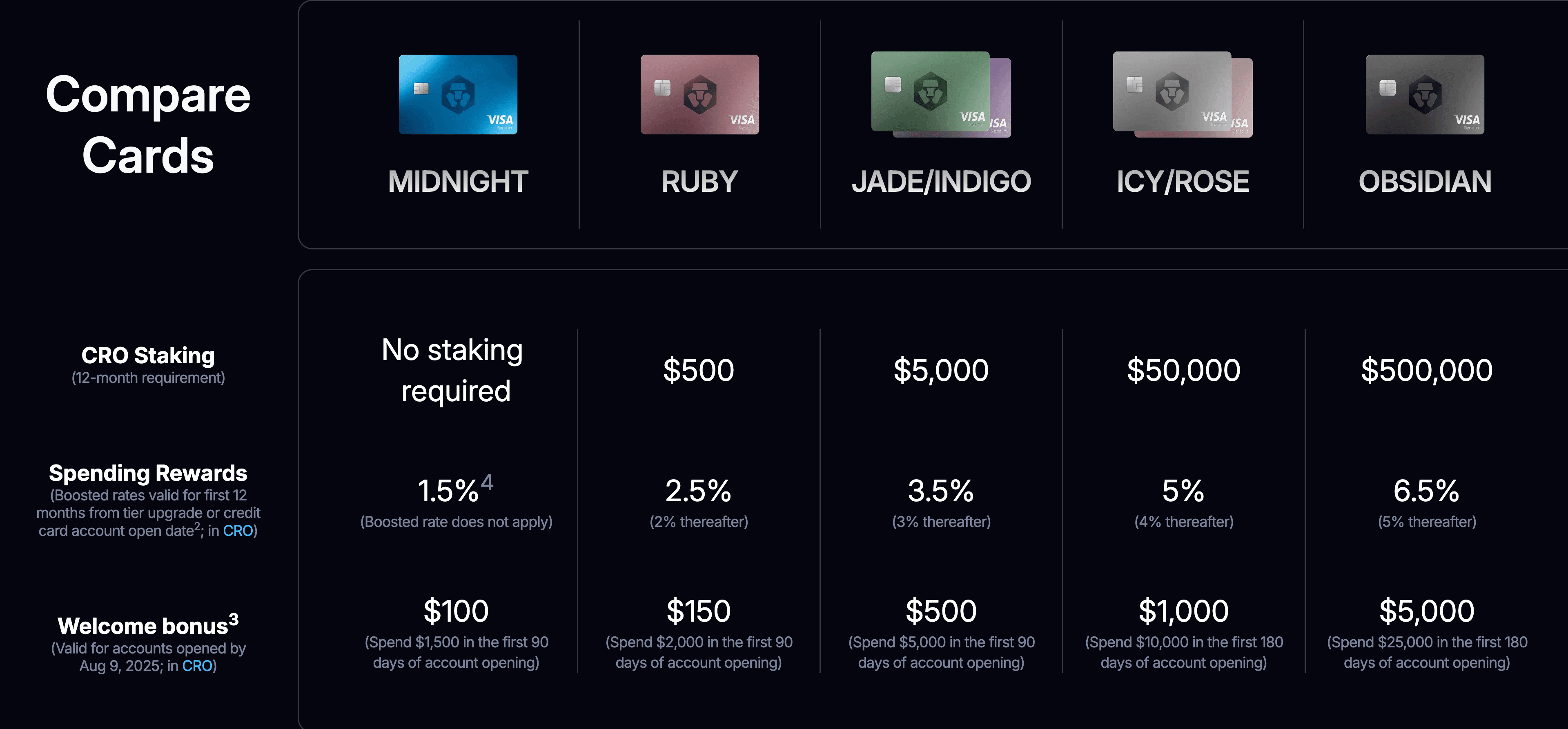
現有商品中,Crypto.com信用卡是最具代表性的例子之一。平台採分級設計,回饋率與用戶在平台質押CRO數量掛勾。高階卡片曾提供高達8%現金回饋,但2022年市況後大幅調降,現依級別介於1.5%至6%。
Crypto.com需用戶質押大量CRO六個月才能解鎖高階權益,從Ruby Steel(約400美元)到Obsidian(約40萬美元)不等。質押門檻可加強用戶財務承諾、減少代幣流通、並使用户與平台經濟利益高度一致。
Coinbase於2025年6月宣布與美國運通聯名推出Coinbase One Card,最高4%比特幣回饋,預計於2025年秋上市,僅限Coinbase One訂閱會員申請,回饋級距與平台資產總值掛鉤。
這與Gemini依區塊鏈主題發卡的策略不同,著重比特幣作為通用價值儲存而以會員制作為申請門檻。持卡人可直接用Coinbase持有的加密貨幣還款,比特幣回饋不會被列入1099稅表,但若日後賣出則觸發課稅。
Gemini本身也早有除Solana外的廣泛卡片產品,過去已推出比特幣及XRP專屬卡。核心架構始終一致:油資、電動車充電與共乘最高4%,餐飲3%,超市2%,其他消費1%。無年費、無外幣手續費。Solana版的最大差異,就是首次引入自動質押功能,讓回饋享有最高6.77%額外收益。
市場動態受多項因素影響。發卡商以商戶清算費、帳款利息收入及策略性補貼分擔回饋開銷。有別於現金回饋卡支付法幣,發行加密回饋卡者可持有代幣部位,若代幣升值,回饋制度就愈發穩健,縱使名目回饋率不變。
用戶採用模式呈現有趣觀察。據業界數據,約一半Gemini信用卡持有人在每月會轉為交易所活躍用戶,產生「飛輪效應」——信用卡為入口,帶動平台全面互動。這解釋了為何交易所即使獲利壓縮仍大膽給高額回饋:卡片是吸客利器,其長期價值遠大於單純刷卡手續費收入。
進入2025年,競爭愈加白熱化。各平台積極搶佔市場差異化,不論是與特定區塊鏈獨家合作、高回饋率、質押集成或頂級福利,都大幅利好消費者。但伴隨效益增加而來的是複雜性,用戶必須學習不同的代幣體系、回饋制度、質押門檻和稅務處理等細節。
Gemini Solana信用卡個案解析:運作機制與策略動機
想理解消費與質押的整合,深入剖析Gemini Solana信用卡的設計技術與產品策略至關重要。
這張卡是由猶他工業銀行WebBank發行的Mastercard World Elite產品,和許多加密信用卡一樣,採「金融科技交易所負責客戶與回饋,持牌銀行負責授信、風管與合規」雙軌合作。用戶於Gemini App申請,通過徵信後取得實體卡—卡面設計呼應Solana生態主題。
回饋制度則採用Gemini一貫分級架構,最高回饋集中於... categories that represent frequent, predictable spending. The 4% rate on gas, electric vehicle charging, and rideshare applies to up to $300 in monthly spend in these categories, after which the rate drops to 1%. This cap prevents gaming of the system while still delivering substantial rewards for typical users. The dining category earns 3% with no cap, recognizing that restaurant spending represents a sizable portion of discretionary budgets for many cardholders. Groceries earn 2%, and all other purchases earn 1%. Additionally, Gemini's Vault Rewards program offers up to 10% back at select merchants, subject to monthly limits and merchant-specific terms.
經常性且可預測消費的類別。加油、電動車充電和共乘服務可享有 4%的回饋,但僅限每月該類別消費達 300 美元為止,超過後回饋降為 1%。這項上限可防止用戶進行制度性套利,同時對一般用戶仍具實質吸引力。餐飲類回饋 3%,無上限,反映許多卡友在餐廳消費佔有可觀的可支配預算。超市雜貨消費回饋 2%,其他消費則為 1%。此外,Gemini Vault Rewards 計劃在特定商家可享最高 10% 回饋,但有每月上限及商家條款限制。
Rewards are distributed in real time, a significant advantage over traditional rewards programs that require waiting for statement cycles. When a transaction posts, the corresponding SOL reward appears in the user's Gemini account almost immediately. This immediacy serves several purposes: it creates instant gratification, encourages users to check their account balance frequently, and exposes users to real-time token price movements that can amplify the psychological impact of rewards as prices fluctuate.
回饋金獎勵會即時發放,這點遠勝於傳統須等對帳單週期的回饋計劃。只要交易入帳,對應的 SOL 獎勵幾乎立刻出現在用戶的 Gemini 帳戶中。這種即時性帶來多重效益:立即滿足感、鼓勵用戶常查看帳戶餘額,以及讓用戶即時體驗幣價變動帶來的心理效應,隨幣價波動而有不同的體感。
The automatic staking feature represents the core innovation. Users can opt into auto-staking either during card signup or by selecting Solana as their preferred reward currency in their account settings. Once enabled, SOL rewards are automatically delegated to Gemini's staking infrastructure, where they begin earning additional yield through participation in Solana network validation. Gemini advertises a staking rate of up to 6.77%, though this rate varies based on network conditions, validator performance, and Gemini's commission structure.
自動質押功能則為核心創新。用戶可在申辦信用卡時選擇自動質押,或於帳戶設定內選擇將獎勵貨幣設為 Solana。一旦啟用,SOL 獎勵會自動委託到 Gemini 的質押基礎設施,透過參與 Solana 網路驗證來賺取額外收益。Gemini 宣稱最高質押年化回報率達 6.77%,實際數據則受鏈上狀態、驗證者表現和 Gemini 抽成比例影響。
The staking mechanism operates through Gemini's institutional-grade custody and staking infrastructure. Rather than requiring users to manage their own wallet addresses, validator selections, and epoch timing, Gemini handles these technical complexities behind the scenes. SOL rewards are pooled with other user stakes and delegated to validators that Gemini has vetted for performance, reliability, and security. This abstraction makes staking accessible to users who lack the technical knowledge or desire to manage these details themselves, though it also creates a centralized point of control and counterparty risk.
質押機制透過 Gemini 的機構級託管與質押基礎設施操作。用戶無需自行管理錢包地址、選擇驗證者、或計算 epoch 時序,Gemini 會在幕後替用戶處理所有技術細節。所有用戶的 SOL 獎勵會與其他用戶的質押合併,委託給經 Gemini 嚴選、具備績效、穩定性與安全性的驗證者。這種抽象化讓不懂技術或懶得處理細節的用戶也能輕鬆參與質押,但同時也帶來集中管理與對手方風險。
Users can unstake their rewards at any time through the Gemini app, though withdrawal times may vary from several hours to a few days due to Solana's epoch-based activation and deactivation mechanisms. This liquidity feature distinguishes the product from traditional staking arrangements that often impose longer lock-up periods, though users must still plan ahead if they need immediate access to their staked SOL.
用戶可隨時於 Gemini App 解除質押並領出獎勵,但因 Solana 採用 epoch 啟用與停用機制,提領時間可能從數小時到數天不等。這種彈性流動性有別於傳統質押常見的長期鎖倉限制,不過如需即時動用質押 SOL,仍須預做規劃。
From Gemini's strategic perspective, the Solana card serves multiple objectives. First, it deepens the exchange's relationship with the Solana ecosystem following earlier initiatives including support for USDC and USDT transfers on Solana, institutional staking services for Solana, and partnerships with Solana ecosystem projects. By aligning with one of crypto's fastest-growing networks, Gemini positions itself to benefit from Solana's momentum in decentralized finance, payments, and developer activity.
就 Gemini 的策略來說,Solana 卡片有多重意義。首先,它加深了與 Solana 生態圈的關係,延續過去如支援 USDC、USDT 在 Solana 上轉帳、提供 Solana 機構質押服務,以及和 Solana 生態項目合作等行動。靠攏成長最快的主流區塊鏈之一,有助於 Gemini 搶進去中心化金融、支付和開發人員等領域的增長紅利。
Second, the card creates a natural on-ramp for users to accumulate SOL through regular spending rather than explicit purchases. This approach can be psychologically powerful, as users may view rewards as "free money" even though they are effectively converting spending into SOL accumulation. According to Gemini's data, cardholders who held Solana rewards for at least one year saw gains of nearly 300%, though this figure reflects SOL's price performance during a bull market period and should not be interpreted as guaranteed future returns.
其次,這張卡讓用戶可經由日常消費自然累積 SOL,毋須主動購買。這樣的途徑心理誘因極強,讓用戶視回饋為「天上掉下來的錢」,即使本質是把消費轉化為 SOL 累積。根據 Gemini 內部數據,持有 SOL 資產一年以上的卡友,報酬一度接近 3 倍,但這僅反映牛市時 SOL 幣價漲幅,無法保證未來表現。
Third, the automatic staking feature increases the stickiness of the product by creating a yield-generating position that users may be reluctant to abandon. The compounding nature of staking rewards means that users who maintain their card and allow rewards to accumulate over time can build substantial positions without the friction of regular purchases or deposits. This reduces churn and increases the likelihood that users remain engaged with the Gemini platform over the long term.
第三,自動質押設計提升用戶黏著度,因為只要持有該卡便能源源不斷累積收益,用戶多半不會輕易放棄。質押報酬複利效果強勁,持續持有卡片、獎勵滾存累計,可逐步養大倉位,無需頻繁購買或額外入金。這降低了用戶流失率,增強與 Gemini 平台長期互動的可能性。
Fourth, the card generates valuable data about user spending patterns, category preferences, and price sensitivity that can inform Gemini's product development, marketing strategies, and partnership opportunities. This data advantage is particularly valuable as the crypto industry matures and platforms seek to build more personalized, targeted user experiences.
第四,卡片能收集用戶消費模式、類別偏好及價格敏感度等珍貴數據,為 Gemini 產品開發、行銷策略及合作帶來洞見。隨著產業成熟,數據優勢將成為打造個人化、精準用戶體驗的關鍵資源。
The Solana network also benefits from the card's existence. Each card user who opts into staking contributes additional stake to the network, increasing its security and decentralization. While individual card rewards represent relatively small stakes, at scale across thousands of users the aggregate impact can be meaningful. Additionally, the card serves as marketing for Solana, exposing mainstream consumers to the network's capabilities and ecosystem. The alignment between Gemini's commercial interests and Solana's network growth creates a symbiotic relationship that both parties are motivated to nurture.
Solana 網路本身也因這張卡得利。每位選擇質押的卡友都會為網路增添額外權益,提高安全與去中心化程度。單一用戶的獎勵也許有限,但若萬人響應,總體質押規模影響深遠。此外,該卡亦發揮了 Solana 品牌推廣效果,把主流消費者帶入生態圈。Gemini 商業利益與 Solana 網路成長目標一致,雙方可望共同維繫雙贏關係。
The Mechanics of Rewards and Staking: How Value Flows Through the System
回饋與質押的機制:價值如何在系統中流轉

Understanding how crypto credit cards with staking actually work requires tracing value flows from the point of purchase through reward distribution to staking yield and eventual liquidity. The mechanics involve multiple parties, several technical systems, and economic relationships that differ fundamentally from traditional rewards programs.
要理解帶有質押功能的加密信用卡實際運作模式,必須從消費刷卡、獎勵分配、質押產生收益直到最終變現流動等多個環節,梳理其價值流向。這套機制涵蓋多個參與方、複雜技術系統,以及與傳統回饋計畫截然不同的經濟關係。
When a cardholder makes a purchase, the transaction follows the standard credit card payment flow. The merchant's payment processor communicates with the card network, which routes the transaction to the issuing bank for authorization. The bank checks the available credit, applies fraud detection algorithms, and either approves or declines the transaction. If approved, the merchant receives payment minus the interchange fee, a percentage that varies by merchant category and transaction type but typically ranges from 1.5% to 3.5% for credit card transactions. This interchange fee is what ultimately funds most credit card rewards programs.
當持卡人消費時,這筆交易會經標準信用卡流程處理。商家的收單機構與卡片網路溝通,將交易請求送至發卡銀行授權。銀行會檢查可用額度、執行防詐演算法,最後決定核准或拒絕交易。一旦核准,商家會收到扣除手續費後的款項-該手續費由商家類別及交易類型決定,通常在 1.5% 至 3.5% 之間,而這筆手續費就是絕大多數刷卡回饋計畫的資金來源。
For crypto rewards cards, the reward calculation happens in parallel with or immediately after transaction posting. The card issuer's system determines the reward rate based on the transaction category and multiplies it by the transaction amount. For example, a $100 restaurant charge on the Gemini Solana card would trigger a 3% reward calculation, resulting in $3 worth of SOL being allocated to the cardholder's account. The actual number of SOL tokens distributed depends on the prevailing market price at the moment of calculation, introducing the first point of cryptocurrency price volatility into the equation.
若為加密回饋卡,發卡系統會同步或在交易入帳後立刻計算回饋比例。系統根據交易分類確定回饋率,並將刷卡金額乘回饋百分比。例如持 Gemini Solana 卡於餐廳消費 100 美元,會產生 3% 回饋,相當於 3 美元的 SOL 配發至持卡人帳戶。實際配發多少 SOL,則依計算當下市價換算,這也是第一個涉及幣價波動的節點。
The reward tokens must come from somewhere. In most cases, the card issuer maintains an inventory of the reward cryptocurrency, purchasing it either on the open market or through partnerships with the token's foundation or ecosystem development funds. The issuer may buy tokens in advance to lock in predictable costs, purchase them in real time as rewards are distributed, or use a combination of both strategies. In some cases, particularly with native tokens like CRO for Crypto.com or when working directly with blockchain foundations, issuers may receive tokens at subsidized rates or through ecosystem development agreements that provide marketing value in exchange for discounted token prices.
這些獎勵代幣必須有來源。多數情況下,發卡行會在自家庫存持有獎勵幣,來源可能是公開市場採購、或是與代幣基金會及生態基金合作。發卡方可以預先大批買進鎖定成本,或逐筆分批隨用隨買,甚至混合以上策略。某些平台如 Crypto.com 的 CRO,或發行方直接與區塊鏈基金會洽談,也可能以優惠價購入,用於生態建設和品牌推廣。
Once the reward tokens are allocated to a user's account, the staking mechanism can engage if the user has opted in. For the Gemini Solana card, this happens automatically. The SOL tokens are transferred from the user's main account balance to a staking account, where they are delegated to validators on the Solana network.
獎勵分派至用戶帳戶後,若已選擇參加質押,質押機制會啟動。以 Gemini Solana 卡為例,這個流程是自動完成的:SOL 會從用戶主帳戶劃撥到質押帳戶,隨即委託給 Solana 網路上的驗證者。
Solana staking operates through a delegated proof-of-stake mechanism. Token holders delegate their SOL to validators, who use this stake to participate in network consensus. Validators propose blocks, vote on which blocks should be added to the blockchain, and collectively secure the network against attacks. The more stake a validator controls through delegation, the more voting weight they have in consensus and the more frequently they are selected to propose blocks.
Solana 質押運作採委託權益證明機制(DPoS)。持幣人將 SOL 授權委託給驗證者,後者則代表用戶參與共識運作。驗證者負責產出區塊、對區塊投票並合力維護網路安全。被委託質押數量越多的驗證者,擁有越高投票權重,也更容易經常被選擇出塊。
Validators earn rewards for their participation through two primary mechanisms. First, they receive a portion of newly minted SOL tokens that are created through the network's inflation schedule. Solana's inflation rate started at 8% and decreases by 15% annually, targeting a long-term rate of 1.5%. As of 2024, inflation had reached approximately 4.8%.
驗證者的收入來源主要有兩種:一是收取網路通膨鑄造的新 SOL 币。Solana 的年通膨率最初為 8%,此後每年下降 15%,目標長期通膨降至 1.5%。截至 2024 年,通膨率已降至約 4.8%。
These newly minted tokens are distributed to validators and their delegators in proportion to their stake. Second, validators earn a portion of transaction fees paid by users who interact with the network. While currently small compared to inflation rewards, transaction fees will become increasingly important as inflation declines over time.
新生成的代幣會按質押比例分給驗證者及其委託人。第二收入則是來自用戶支付的網路手續費-目前這部分遠低於通膨獎勵,但隨通膨率逐年下調,未來交易手續費會越來越關鍵。
Validators charge commission fees for their services, typically ranging from 0% to 10% but commonly around 5-8%. This commission is deducted from rewards before they are distributed to delegators. Gemini's advertised staking rate of up to 6.77% 代表扣除驗證者佣金後的淨收益率。實際利率會根據網路通膨率變化、SOL總質押量、驗證者表現,以及Gemini的佣金結構而波動。
獎勵發放的時間點遵循Solana的epoch結構。一個epoch大約持續兩到三天,期間驗證者處理交易並維護網路運作。在每個epoch結束時,系統會依據各驗證者的表現(如正常運作時間、投票準確率與提出區塊數量等)計算獎勵。這些獎勵再依照代表各自質押金額的比例分配給委託人。
當用戶決定解質押他們的SOL時,他們會啟動一個同樣遵循epoch邊界的解除過程。新解質押的代幣會進入「待解除」狀態,並在下一epoch開始時完全變得可流通。這通常需要等候數小時到數天不等。此外,Solana有一個速率限制,單一epoch最多只能有全網總質押SOL的25%被解除,目的是避免網路安全性突然受到不穩定影響。
質押獎勵的複利特性,意味著收益會在原始質押金額及過往累計獎勵之上持續增長。在質押量不變且獎勵持續自動複投的情況下,這會產生長期的指數型成長。隨著時間拉長,單利與複利的差異就會變得相當明顯,也因此像Gemini Solana卡這類產品特別強調自動複投的功能。
與其他獎勵結構比較,可以看到不同模式的權衡。傳統類加密現金回饋卡(如Coinbase Card)提供不含質押機制作為回饋,讓用戶獲得即時流動性,可以自由賣出、兌換或轉移代幣。這樣的設計強調靈活性,避免質押機制的複雜,但也犧牲了質押可獲得的額外收益。有些卡片提供原生代幣獎勵,但要求質押才能解鎖較高回饋率(如Crypto.com模式),進一步強化平台黏著度,效地把用戶的財務利益與平台代幣綁定在一起。
Gemini Solana的作法屬於中間路線:用戶收到的是可自由流通的非Gemini原生資產,但這些獎勵可自動參與產生收益的質押,不需額外操作或金錢承諾。這種設計降低了流程摩擦,同時加入收益元素,有助於鼓勵更長的持有期與用戶對Gemini及Solana生態系的參與。
對用戶、發卡機構與網路的三贏價值主張
整合消費、回饋與質押,替生態系中的每位參與者創造獨特利益,當然這些利益也伴隨相對等的風險與權衡,下一節會再詳述。
對用戶而言,最直觀的好處是能在日常消費中獲取加密貨幣獎勵,無需自行做出投資決策。相比直接在交易所買幣(需要主動操作、資金規劃,甚至在市場震盪時要有情緒控管),這樣的回饋累積屬於被動進帳,僅因正常消費即可獲得。這種心理優勢讓用戶能較容易長期持有加密貨幣,因為這些獎勵比較像是「額外紅利」,而非冒險承擔本金損失。
自動質押功能則讓用戶在無需技術知識(如驗證者選擇、錢包管理、epoch時序等)的情況下,主動獲得額外被動收益。對許多人來說,直接質押的技術門檻很高,是一大進入障礙。Gemini Solana卡可完全排除這層阻力,讓用戶即使不清楚epoch、驗證者或權益證明(PoS)共識運作機制,也能無痛賺取質押收益。這種易用性,有機會讓更多普羅大眾參與質押、共享原本屬於加密原生族群的收益空間。
複利報酬的潛力,讓長期持有者有更可觀的回報。以每月消費美金3,000元、平均2%回饋率的用戶為例,一個月可累積價值60美元的SOL獎勵。假設這些獎勵自動以年化6.77%質押,持續一年後,僅消費回饋就能累計約741美元的SOL,單靠質押獎勵又可再多賺25美元。
若拉長到五年,假設消費與利率不變,用戶可累積超過3,800美元SOL,當中近200美元來自質押收益。這些試算並未納入SOL幣價升跌的影響,多頭時有機會顯著提高報酬,熊市則可能下滑。
對於多數資產以法幣或傳統投資為主的用戶,自動轉換一小部分消費為加密獎勵,也創造了額外的分散效益。加密資產過去與傳統市場的相關度普遍較低,這類回饋能讓用戶以小額、長期、無壓力的「定期定額」方式培養部位,建立自己在新資產類別的敞口。對於看好加密長遠發展卻苦於難以擇時進場者,這種「消費即買幣」的做法就是一種間接的成本平均策略,反正消費本來就要。
對發卡機構如Gemini而言,最大好處在於用戶獲取、黏著度提升及客戶長期價值。信用卡每一次交易都帶來手續費收入,而且收入和總用戶消費同步成長。更重要的是,信用卡是強效的客戶開發工具。Mizuho分析師指出,發卡可創造「飛輪效應」,大約一半發卡用戶會逐漸成為月活交易所用戶。這轉換率代表卡片本身就是一個自帶篩選效果的市場推廣管道,有消費力的族群很可能也是交易服務的潛力客戶。
刷卡產生的用戶行為數據,比傳統交易資料(多半反映行情波動下的偶發操作)更能理解用戶偏好、消費習慣、品項偏好等,有助於產品設計、市場行銷策略與異業合作洽談。這些資料可用來製作更個人化的使用體驗、精準推播,以及用以預測用戶終身價值。
質押機制的整合,則透過「產生收益」的留存部位提升用戶黏性。當回饋被質押的時間越長,累積的價值越高,這會提高用戶跳槽至其他競爭者的機會成本。這種降低流失率的設計,將客戶終身價值最大化,使發卡機構有能力在利潤受壓時,仍然提供具吸引力的回饋率。
在公鏈生態中的策略定位,對發卡機構也是極大加分。發行比特幣、XRP與Solana等公鏈專屬卡片,Gemini不只扮演單純服務商身分,更與這些網路建立合作夥伴關係。這能進一步帶來啟動資金、市場支持、原生應用整合,以及新產品/功能的先行權。隨著越來越多公鏈重視零售端用戶參與,能夠串接傳統支付與鏈上原生體驗的發卡方,將能取得重要的生態入口。
對於像Solana這類網路,益處主要集中在質押參與度提升、用戶新增及生態品牌擴散。每一位選擇自動質押回饋的卡友,都為網路增加一筆質押資產,有助於強化網路安全、去中心化程度與抗攻擊能力。單一用戶的回饋雖然金額不多,但當千千萬萬人累積起來,總量非常可觀。更關鍵的是,這種質押來源分散在零售用戶手中,有助於避免大戶或機構持有過度集中,確保去中心化。
卡片本身也是Solana的推廣工具,能讓更多主流消費者認識該網路與其創新技術。許多卡友原本對Solana或區塊鏈技術接觸有限,透過流暢無縫的賺取與質押SOL體驗,能有效降低新手門檻,也可能激發對更深度生態的興趣。隨著卡友因回饋累積有感的SOL,自然會好奇這些代幣除了質押以外還能怎麼運用,進而探索更豐富的Solana生態服務,包括去中心化應用、NFT交易市場或DeFi協議等。
當用戶消費、發卡方收益、網路增長三方利益被有效對齊,就會產生一個正向循環,讓每一方都因卡片使用量增加而獲益——usage. 這個三方價值主張說明了為什麼特定生態系統的信用卡在2025年間激增,多家交易所競相推出與主要區塊鏈網路的合作夥伴計畫。
關鍵風險與權衡:將消費變成收益的隱藏成本
雖然整合質押功能的加密信用卡帶來顯著好處,但其潛在風險與權衡同樣重要且不可忽視。用戶在參與這類產品時,應該明確意識到他們為了獎勵與收益所要承擔的對價。
加密貨幣價格波動是持卡人面臨的最大風險。與傳統現金回饋的穩定美元價值不同,加密貨幣獎勵的價值會不斷變動。同一用戶一個月賺取價值100美元的SOL獎勵,隔週根據市場狀況可能只剩80美元,也可能漲到120美元。若以更長期來看,這種波動程度甚至可能更強烈。在牛市條件下累積的獎勵,於後續的修正或熊市階段可能會發生大幅帳面損失。
Gemini的數據指出,持有SOL獎勵一年可獲得299%收益,這說明波動性帶來的上行潛力,但同時也掩蓋了下行風險。在加密市場週期性的熊市中,SOL曾出現超過90%的高峰到低谷跌幅。若使用者在高點累積獎勵,於隨後下跌時,其持有的價值也可能跌幅類似。即使質押收益在這段期間持續累積,通常也遠不足以彌補極大的幣價損失。當資產價格驟跌50%,即便有6.77%的質押收益,也難以帶來安慰。
獎勵累積與價格波動間的交互作用,可能在消費行為上產生扭曲激勵。在牛市時過於專注於最大化獎勵,可能導致消費超出能力範圍,本質上是在賭博價格會繼續上漲。相反地,遭遇重大損失的用戶,可能對該卡產生負面聯想而減少使用,這違反了該產品促使用戶參與的初衷。
流動性風險來自於質押機制本身。雖然Gemini允許隨時解除質押,但過程中需等待epoch結束,導致從數小時至數天的延遲,直到質押代幣完全恢復流動性。對於急需即時套現獎勵價值的用戶,這種等待會成為一大問題,尤其是在價格劇烈波動時,解質押與實際賣出的時間差,可能代表不小的價值損失。
全網解質押的速率限制,在壓力場景下又增添流動性風險。若大量用戶同時在危機時刻發起解質押請求,每個epoch僅能最多解除總質押SOL的25%,這將產生排隊現象,並大幅拉長等待時間。雖然在正常情況下這不太影響單一持卡人,但在極端市場動盪或網路故障下,這就是一種尾端風險。
對手方風險在此系統中多層存在。選擇Gemini自動質押服務等於信任交易所保管質押代幣、選擇適當驗證人、如實派發收益並履行提領請求。儘管Gemini為受規範的美國交易所並採取嚴格安全措施,歷來卻不乏交易所失敗、遭駭或資金誤用的例子。用戶其實是以Gemini的對手方風險,換取自動質押和託管方便。
驗證人風險則構成另一重對手方風險。Solana雖未對大部分驗證人不當行為進行傳統slash處罰,但驗證人效能問題仍會降低回報。稼動率不佳、漏投票或技術問題都可能減損委託人受分收益。依績效數據選擇驗證人對於優化回報至關重要,但Gemini的驗證人選擇機制較不透明,用戶難以得知自己的質押實際由哪個驗證人管理,或這些驗證人是否最優。
網路層級的風險包含協定漏洞、共識失效或安全弱點,皆可能影響Solana區塊鏈。雖然Solana自上線以來展現出強勁效能和安全性,但也數度發生網路中斷與效能下降,曾暫時中止交易處理。這些事件雖不一定影響質押本身,但生態的廣泛壟斷會影響信心與幣價。若用戶的資產大多集中於信用卡獎勵獲得的質押SOL,將直接承擔這類風險。
法規與稅務考量則大幅增加複雜性。在美國,加密貨幣獎勵通常被歸類為一般所得,必須以取得當下的市價申報收入稅。也就是說,無論用戶是否賣出,當年度只要獲得該獎勵都需繳稅。對於長期累積大量獎勵的用戶,可能因此產生稅負需要賣出部分獎勵來繳稅,減弱質押的複利效應。
質押收益又帶來額外的稅務複雜。美國國稅局尚未明文規範質押獎勵的稅收處理,導致無法確知到手時應認列一般收入、出售時以資本利得或以其他分類計算。不同稅務專業人士見解不同,而大量質押的用戶也可能因解釋變化或新規定而面臨未預期的稅單。這種不明確性衍生遵從風險以及潛在重大不可預見成本。
信用卡債與加密貨幣累積間的關係是一項較隱蔽卻相當嚴重的風險。若用戶持有加密獎勵卡並繳利息,本質上等於借錢買加密貨幣。若以年利率20%維持5,000美元卡債,年利息為1,000美元,可能只換來100-200美元的獎勵與質押收益。這種明顯不利的交換,容易在牛市時因加密上漲而被掩蓋,但價格一旦持平甚至下跌,數字就會非常不理想。唯有維持財務紀律、按時全額還款,否則獎勵累積會淪為高成本的槓桿加密投機。
心理風險則源自加密獎勵消費遊戲化的設計。將獎勵視為「免費錢」的心理框架,可能刺激過度消費與非理性決策。用戶可能用預期獎勵來正當化非必要消費,忽略完全不消費比為了3%回饋而消費實際更有利於財務健康。質押的複利效果會進一步加強這類辯解,誤以為獎勵將隨時間增長,進一步合理化超出自身能力的支出。
與傳統獎勵計畫相比,上述風險突顯加密獎勵及質押的獨特性。傳統現金回饋卡除了潛在的信用卡債風險外風險極低,回饋金額不會波動,領回無流動性延遲,稅務處理亦僅涉及簡單的收入申報。用戶以這份簡單與穩定,交換加密回報的上行潛力及質押收益,承擔波動性、複雜性及更多附加風險,換取潛在的高報酬。
競爭格局與未來創新:這波趨勢將走向何方
2024至2025年間加密信用卡快速普及,反映了傳統金融與加密原生基礎設施融合的更廣泛趨勢。理解競爭動態及未來發展,有助於在快速演進的市場中,為Gemini Solana卡片找到定位。
Crypto.com長期以來一直是此領域的主要玩家,信用產品問世前就已推出預付卡計畫。其近期與Bread Financial合作在美國推信用卡,透過訂閱等級提供分級CRO代幣獎勵,最高可達5-6%。這與Gemini模式不同之處,在於必須質押平台原生幣才能解鎖高額獎勵,雖增加了用戶黏著度但同時令用戶曝露於CRO價格風險,而非分散化的加密資產。該計畫也遇過困難,包括2022年曾顯著削減獎勵並引發大規模用戶反彈,但憑藉全球化布局及品牌知名度,仍是主要競爭對手之一。
Coinbase宣布與美國運通合作推出Coinbase One Card another significant competitive development. Expected to launch in fall 2025, the card offers up to 4% back in Bitcoin with tiered rates based on total assets held on the platform. By focusing on Bitcoin rather than alternative tokens, Coinbase is targeting a different segment of users who view Bitcoin as the primary or only cryptocurrency worth holding.
另一項重要的競爭性發展。該卡預計將於 2025 年秋季推出,並根據用戶於平台持有的總資產提供高達 4% 的比特幣回饋,採用分級回饋制度。Coinbase 聚焦於比特幣而非替代型代幣,鎖定視比特幣為主要或唯一有價值加密貨幣的用戶族群。
The subscription requirement ties the card to broader platform engagement, and the American Express partnership brings premium perks and strong merchant acceptance. The ability to repay balances with crypto held on Coinbase adds another dimension of integration between credit products and platform assets.
訂閱要求將此卡與平台的更廣泛互動連結,而與 American Express 的合作則帶來高級優惠及強大的商家接受度。用戶可利用 Coinbase 上持有的加密貨幣還款,為信用卡產品與平台資產的整合再添一層。
Beyond these major players, several smaller platforms and specialized products are testing alternative approaches. Some cards offer multi-token rewards where users can select from rotating options, allowing for diversification or speculation on specific assets. Others provide higher rates in exchange for annual fees or required platform activity thresholds. Still others focus on specific niches like international travelers, gamers, or DeFi power users, creating differentiated value propositions for targeted segments.
除了這些主要業者之外,還有許多較小的平臺與專門產品正在嘗試不同的做法。有些信用卡提供多種代幣回饋,讓用戶可選擇輪換的回饋標的,以協助資產多元化或針對特定資產投機。有些則以收取年費或要求平台活動門檻,來換取更高回饋率。另有一些則專注於特定利基市場,如國際旅客、玩家或 DeFi 重度用戶,為目標族群創造差異化的價值主張。
The next frontier of innovation likely involves several directions. Programmable debit and credit cards could allow users to set custom rules for reward allocation, automatically splitting rewards across multiple tokens, adjusting exposure based on portfolio targets, or routing rewards to different yield strategies based on market conditions. Smart contract integration could enable rewards to flow directly to DeFi protocols, where they could participate in lending, liquidity provision, or more complex yield strategies without ever touching a centralized exchange. This would create truly decentralized spending-to-yield pipelines where every purchase triggers on-chain financial activity.
未來創新可能朝多個方向發展。可程式化的金融卡與信用卡可讓用戶自訂回饋配置規則,自動將回饋分散於多種代幣,根據投資組合目標調整曝險,或依市場狀況導向不同的收益策略。與智能合約的整合則可讓回饋直接流向 DeFi 協議,參與借貸、流動性提供,或更複雜的收益策略,完全不需經過中心化交易所。如斯一來,真正去中心化的「消費即產生收益」管道得以實現,每一次消費皆可觸發鏈上金融活動。
Tokenized credit lines represent another potential evolution. Rather than traditional bank-issued credit backed by fiat reserves and user creditworthiness, future products might offer credit lines collateralized by on-chain assets or governed by decentralized protocols. Users could borrow against their crypto holdings to fund spending, with rewards flowing back to reduce debt or increase collateral positions. This would blur the lines between credit cards, DeFi lending, and asset management in ways that could unlock new forms of financial utility.
代幣化信用額度則是另一種潛在的發展方向。未來的新產品可能不像傳統由銀行發行、以法幣儲備和用戶信用作擔保的信用額度,而是以鏈上資產作為抵押,或由去中心化協議治理。用戶可抵押其加密資產進行借貸消費,且所獲得的回饋可用於減少債務或增加抵押,進一步模糊信用卡、DeFi 借貸與資產管理的界線,並發掘嶄新的金融運用方式。
Spending-collateralized staking could enable users to earn even higher yields by allowing their staked positions to serve as collateral for credit lines. A user might stake SOL earned through card rewards, use those staked tokens as collateral to obtain additional credit, spend using that credit to earn more rewards, and repeat the process in a leveraged cycle. While potentially powerful for sophisticated users, this approach would significantly amplify risks and likely require robust safeguards to prevent excessive leverage and liquidation cascades.
以消費抵押設質參與質押,讓用戶可以將已質押的部位擔保信用額度,以賺取更高收益。例如,使用者可把透過信用卡獲得的 SOL 進行質押,將質押代幣作抵押取得額外信用,利用該信用繼續消費、再賺回饋、再質押,如此槓桿循環往復。此策略雖能為進階用戶帶來巨大效益,但也極度放大風險,必須具備完善防護,以避免過度槓桿和連鎖清算風險。
Co-branded ecosystem cards could deepen partnerships between issuers and blockchain networks. Rather than generic cards that offer rewards in a network's token, future products might be developed in direct partnership with network foundations, featuring exclusive benefits like priority access to new token launches, governance voting rights, or special yields on ecosystem-specific staking mechanisms. These partnerships could include revenue sharing arrangements where network foundations subsidize rewards in exchange for user acquisition and ecosystem growth.
聯名生態系信用卡能進一步深化發卡機構與區塊鏈網絡之間的夥伴關係。未來產品將不只是提供網絡原生代幣回饋的通用卡,而可能與網絡基金會直接共同開發,推出如新代幣發行優先參與、治理投票權、或生態系專屬質押機制的特殊收益等專屬權益。此類合作亦可納入營收分潤,由網絡基金會補貼回饋,以換取用戶擴增與生態發展。
The Gemini Solana card can be viewed as a lead indicator of these trends. Its automatic staking feature represents the first step toward deeper integration between spending and on-chain yield generation. The ecosystem-specific branding demonstrates the strategic value of network partnerships. The custodial simplicity makes advanced crypto mechanics accessible to mainstream users. Future iterations will likely build on this foundation, adding programmability, expanding integration points, and creating more sophisticated ways to turn everyday spending into portfolio construction.
Gemini Solana 信用卡可視為這些趨勢的先行指標。它的自動質押功能是消費與鏈上收益整合的第一步。其生態專屬品牌展現網絡夥伴關係的戰略價值,而託管式簡易設計則讓主流用戶也能輕鬆運用進階的加密資產功能。未來版本預計將以此為基礎,增添可編程性、擴展整合點,並發掘日常消費轉化為投組建構的更多進階手法。
Competition will likely intensify around several dimensions. Reward rates will continue to be a primary battlefield, with platforms racing to offer higher percentages even as underlying economics become challenging. Staking yields and integration depth will differentiate products as users become more sophisticated and demand access to more advanced yield strategies. Network ecosystem partnerships will create exclusive moats as blockchain foundations recognize the user acquisition value of co-branded cards. User experience and simplicity will remain crucial as mainstream adoption depends on making complex crypto mechanics feel effortless and secure.
競爭有望在多個面向持續加劇。回饋率將依然是主戰場,各平台將爭相提高百分比,雖然回饋經濟性日益艱難。質押收益與整合深度將成為產品差異化要素,因為用戶逐漸成熟並渴望參與更進階的收益機制。網絡生態系合作將成為護城河,區塊鏈基金會將愈發重視聯名卡帶來的用戶發展價值。用戶體驗與簡易性仍是關鍵,主流採用仰賴複雜加密機制的輕鬆、安全運作。
The long-term trajectory points toward a future where the boundary between spending, saving, and investing becomes increasingly blurred. Crypto credit cards with staking represent an early example of products that make this blurring tangible, allowing users to simultaneously consume, accumulate, and earn yields through a single instrument. As the technology matures, regulatory frameworks stabilize, and user sophistication increases, these integrated financial products may become the norm rather than the exception.
長遠來看,消費、儲蓄與投資的界線將日益模糊。結合質押功能的加密信用卡正是這種趨勢的早期實例,用戶能以單一工具同時消費、累積資產並賺取收益。隨技術成熟、法規完善與使用者素養提升,這類整合型金融產品或將成常態,而非例外。
Regulatory, Compliance, and Consumer Protection Considerations: Navigating a Complex Landscape
監管、合規與消費者保護考量:穿梭於複雜局勢
The intersection of credit cards, cryptocurrency rewards, and staking mechanisms creates a regulatory environment of unusual complexity, involving multiple agencies, overlapping jurisdictions, and evolving interpretations of existing law.
信用卡、加密貨幣回饋與質押機制的結合,帶來極其複雜的監管環境,牽涉多個機關、重疊的管轄權,以及現有法規的不斷新詮。
Credit cards themselves are heavily regulated financial products subject to consumer protection laws, disclosure requirements, and oversight by banking regulators. In the United States, the issuing bank – WebBank in the case of Gemini's cards – must comply with banking regulations administered by the Federal Deposit Insurance Corporation, the Office of the Comptroller of the Currency, and state banking authorities. The Truth in Lending Act requires clear disclosure of interest rates, fees, and terms. The Credit Card Accountability Responsibility and Disclosure Act imposes additional restrictions on rate increases, overlimit fees, and billing practices.
信用卡本身即為受到嚴密監管的金融產品,需遵守消費者保護法、揭露規定及銀行監管機構之監督。在美國,發卡銀行(如 Gemini 卡的 WebBank)須遵循 FDIC、通貨監理署 (OCC)、及各州銀行主管機關的規範。「誠實信貸法」要求明確揭露利率、費用、條款,而「信用卡責任與揭露法」則對調息、超限費及帳單流程施加進一步限制。
Cryptocurrency exchanges face their own regulatory requirements, including anti-money laundering programs, know-your-customer verification, suspicious activity reporting, and in some jurisdictions, money transmitter licensing or securities registration. The SEC and CFTC have increasingly asserted jurisdiction over crypto markets, with ongoing debates about whether specific tokens should be classified as securities subject to SEC oversight or commodities under CFTC authority. The regulatory landscape shifted substantially in 2025 with the Trump administration's more crypto-friendly approach, including the creation of a crypto task force and efforts to provide clearer regulatory frameworks.
加密貨幣交易所則有其自身的監管要求,包括反洗錢機制、客戶身分驗證、可疑活動回報,以及在某些法域下須獲得金流或證券經營執照。美國 SEC 及 CFTC 越來越積極主張對加密市場的管轄權,持續爭論特定代幣應歸類為證券(由 SEC 管轄)或商品(由 CFTC 管轄)。2025 年,隨著川普政府較友善加密的政策方針(例如設立加密特別工作小組及提供更明確監管架構),監管格局大幅轉變。
Staking introduces additional regulatory questions. Are staking rewards investment income, ordinary income, or something else? Do staking arrangements constitute investment contracts subject to securities laws? Can staking services be offered without registration under various financial services regulations? The Consumer Financial Protection Bureau has proposed extending consumer protections to digital payment mechanisms, potentially capturing certain cryptocurrency transactions.
質押又帶來進一步監管疑問。質押回饋屬投資所得、一般所得,還是其他?質押安排是否構成需受證券法規範的投資契約?質押服務可否不經特定金融服務註冊便予提供?美國消費者金融保護局已建議將消費者保護擴及數位支付機制,或將涵蓋特定加密交易。
For crypto credit card issuers, navigating this regulatory maze requires coordination between the issuing bank, the exchange platform, and legal counsel specialized in both traditional banking and digital assets. Products must be structured to comply with payment card regulations while also satisfying crypto-specific requirements. Rewards programs must be disclosed clearly, including explanations of how token values fluctuate, what risks users face, and what happens to rewards during market volatility or platform issues.
對於加密信用卡發卡機構而言,穿梭這個監管迷宮需仰賴發卡銀行、交易平台以及同時精通傳統銀行與數位資產的法律顧問密切合作。產品結構必須同時符合同支付卡法規和加密領域規定,回饋計畫更需明確揭露,包括代幣價值波動說明、用戶風險提示,以及遇市場劇烈波動或平台狀況時回饋處理方式。
Consumer protection implications are substantial. Traditional credit card rewards programs are straightforward: users earn a fixed percentage back, receive that value in stable currency or points with known redemption rates, and face minimal complexity. Crypto rewards introduce volatility, counterparty risk, tax complexity, and technical barriers that many users may not fully understand when signing up. Regulators are increasingly focused on ensuring that platforms provide adequate disclosures and do not mislead users about the risks they are accepting.
消費者保護意涵極為重大。傳統信用卡回饋方案簡單明瞭:固定比例回饋、以穩定貨幣或等值積分給付、兌換方式清楚、複雜度極低。加密回饋則帶來價值波動、對手風險、稅務複雜性及技術門檻,許多用戶在註冊時不一定能充分理解。監管機構也越來越著重確保平台適當揭露資訊,不誤導用戶其實際風險。
The automatic staking feature raises specific regulatory questions. Does automatically staking user rewards constitute investment advice requiring registration with the SEC? Are users providing informed consent to have their rewards staked, or are they accepting this feature without understanding its implications? What happens if staking yields decline or turn negative after accounting for validator fees and opportunity costs? Platforms must carefully structure these features to avoid crossing lines that would trigger additional regulatory requirements or create liability.
自動質押功能則帶來特定監管疑慮:自動將用戶回饋質押,是否構成需經 SEC 註冊的投資建議?用戶是否有明確知情同意讓獎勵自動質押,或其實是在不知情下接受此功能?若扣完驗證者費用及機會成本後質押利潤降低乃至為負又如何?平台必須謹慎設計此類功能,以免觸及額外監管或產生法律責任。
Tax reporting obligations add another layer of complexity. Exchanges must issue Form 1099 to users who receive cryptocurrency rewards exceeding certain thresholds, reporting the fair market value of rewards as income. Coinbase has stated that Bitcoin rewards from its upcoming credit card will not appear on 1099 forms, though the legal basis for this treatment remains unclear and may be subject to
稅務申報義務為此機制再添一層複雜化。交易所需對獲得加密貨幣回饋超過門檻的用戶開立 1099 表單,將回饋之公允市值作為所得申報。Coinbase 表示,其即將推出信用卡的比特幣回饋將不列入 1099 表單,但其法律依據尚不明確,亦可能……change. 用戶依然有責任如實申報收入與資本利得,無論是否從平台收到稅務表單。
國際法規的差異為全球經營的平台帶來額外挑戰。歐盟的《加密資產市場法規》對加密服務提供者設立了全面要求,涵蓋執照申請、揭露義務與營運標準。英國監管機構則採取較為謹慎的態度,要求加密平台必須登記並遵守反洗錢規則,同時評估是否需要進一步監管。亞洲各司法管轄區差異甚大,有些積極擁抱加密創新,有些則採取嚴格限制甚至全面禁止。
針對評估具有質押功能的加密信用卡的用戶,以下幾項監管與合規考量應納入決策過程。首先,確認發卡銀行已取得合法執照,且該卡產品本身符合相關信用卡規範。在卡友條款中尋找清楚的收費、利率與條件揭露。其次,了解交易所現況,並確認其於當地是否已合法註冊或取得許可。若平台沒合法取得執照,將面臨查緝風險,可能導致服務中斷或資金受限。
第三,仔細審閱加密貨幣回饋與質押的相關條款。了解誰負責保管質押代幣、你有何權利解押提領、平台如遇技術或安全問題時如何處理,以及如何解決爭議。第四,評估稅務影響,確保你能符合法規申報。若預計獲得大量獎勵,建議諮詢熟悉加密貨幣稅務的專業人士,以避免日後補稅或罰金。第五,分辨信用卡與簽帳卡的差異:信用卡涉及借貸,未繳清會產生利息,簽帳卡則僅能用現有資金,無借貸空間。請理解您所持的是哪種類型產品,並據此管理消費行為。
隨著加密資產日趨主流,監管環境也會持續演變並趨於完善。用戶應持續關注政策可能對信用卡、稅收、或功能使用權的影響。注重法規遵循、資訊充分揭露並以合法合規態度與監管單位合作的平台,更有機會長遠存續並抵抗法規審查。
策略性考量:在你的財務生活中評估加密信用卡
考慮使用具質押功能加密信用卡的用戶,可透過以下幾項策略性問題來審視自身決策,確保這類產品與更大財務目標及風險承受度相符。
首先是淨收益對比風險。請依自己消費型態與分類,計算預期回饋率。若每月消費2,000美元,平均回饋率2%,一年共可獲480美元。疊加6.77%質押收益,首年可額外產生約32美元(假設持續累積且立刻質押)。總效益約512美元,占年度消費2.13%,尚未計入代幣價格可能漲跌。
請與你最強的替代方案相比:傳統現金回饋卡可能穩定給2%現金回饋,無波動風險;頂級旅遊卡若用得精妙,點數價值可能達2-3%。只有當加密卡「質押收益+代幣漲幅潛力>價格風險與波動管理成本」時,加密信用卡才真正有優勢。對於本來就想長期持有加密資產的用戶,這類卡片能視為一種自動定期定額且帶有獎勵的方式。若你對加密冷感或不敢冒險,傳統方案的風險調整後報酬會更好。
獎勵代幣選擇相當關鍵。選擇比特幣回饋的是接觸歷史最悠久、流動性最佳的資產;選擇平台幣如CRO,則會與平台榮枯共進退,但若平台經營不善,集中風險很高;生態系代幣如SOL則連結新興區塊鏈網路,具高成長同時波動與技術風險皆高。請選擇最契合自己投資理念與風險承擔的代幣,或是同時持有多張不同回饋卡以分散曝險。
解押靈活性值得仔細評估。若產品要求長期鎖定質押或提前提領懲罰高,資金流動會受限,無法彈性應對市場變化或個人財務需求。Gemini Solana 卡可隨時解押(僅需等待區塊時段結束),靈活性尚可,但仍須了解解押安排,方便需要資金時做提前規劃。條件更嚴格的方案則應以更高收益補償流動性降低。
費用結構將直接影響實際淨收益。免年費、免境外手續費且領回饋免手續費的卡片經濟性最佳。若有年費,只有確定額外收益能抵過費用時才合理。特別要小心隱藏成本:不利的匯差、回饋領取手續費或過高的驗證者佣金,這些都會降低質押報酬。
信用卡與簽帳卡的差異,會影響風險及使用行為。信用卡允許循環利息,若因追求加密回饋累積債務,反會大幅傷害財務狀況。不過信用卡也通常有較強爭議處理與防詐機制。簽帳卡只能動用帳上餘額,雖避免欠款,但無免息付款期。請選擇最合乎自己財務習慣與自制力的卡片。
卡片是否改變你的消費行為,也需誠實檢視。若得到加密回饋會促使過度消費,則縱使回饋再高,對財務亦弊大於利。數學很殘酷:為得3美元回饋卻多花100美元,反倒損失97美元。應僅將加密回饋卡用於本來就需要的正常支出,嚴守現有預算紀律。
稅務規劃不可忽略。若累積回饋金額大,收到時即視為應稅收入,可能導致需要定期預繳或年底補稅。請將稅務成本納入評估,並思考是否要賣出台積分來繳稅,或用其他收入支付。
加密在你整體財務規劃中占什麼角色也很重要。如果你已經有明確的資產配置目標,卡片可以作為定期小額加碼、保持持倉平衡的便捷工具。反之,若只是因新奇而堆積加密資產,這類消費可能讓你偏離目標且忽略風險控制。應將加密卡納入既有財務架構,而非各自為政地操作。
隨著產品成熟,「錢包與生態整合」將更加重要。未來可能自動將回饋入自管錢包、直接參與DeFi協議或根據預設規則轉換多種代幣。想要更多自訂與彈性的用戶,應優先考慮API完善、生態整合廣、重視互通性的方案。若偏好託管簡單便利,則以介面友善、客服完整的平台為主。
回饋累積的行為層面也不容忽視。對許多用戶來說,看到加密回饋透過質押逐步增長,是正向激勵、促進長持的來源。若能因此養成紀律投資與財富累積習慣是好事;但若因此過度消費、對未來回報有不切實際期待或情感綁定導致操作僵化,則反而有害。請隨時檢視卡片對你心理與決策的影響,必要時調整策略。
結語
Gemini Solana 信用卡展現了消費支付、加密資產累積和鏈上收益生成模式的嶄新融合。系統自動將日常消費轉為可質押且能再生利息的加密資產,消弭了過去消費與投資間多重隔閡,讓超市採買與外食消費也能成為複利收益機器的投入來源。
這種將原本獨立的金融行為融合的趨勢,正預示著銀行、支付與資產管理界線將日益模糊——dissolving. 傳統的區分 —— 信用與借記、消費與儲蓄、消費與投資 —— 當一張卡片交易同時提供便利性、回饋以及收益時,這些分界就變得不再那麼有意義了。這對心理層面與實際行為的影響都極為深遠:使用者現在只需透過簡單的動作,比如支付停車費或購買咖啡,就能參與複雜的金融策略。
然而,這當中的權衡也相當重大,不容輕忽。用戶為了獲取回饋和收益,必須接受加密貨幣價格的波動性、對手方風險、稅務複雜性以及流動性限制,而這些回報與收益未必足以彌補潛在的成本。質押收益和代幣增值的潛力被大肆宣傳,卻可能掩蓋了在加密熊市期間本金損失的現實風險 —— 當代幣價格下跌幅度遠超溫和的質押回報時,這種損失尤為明顯。
過去績效(包括 Gemini 關於 長期持有 SOL 可獲得 299% 報酬 的數據),只是反映特定市場情境,未必能重演。
目前的監管環境仍在變動中,各機構正致力於釐清現行法規如何運用於這些混合產品,以及是否需要推出新的規定。對於用戶而言,關於回饋如何課稅、平台必須揭露哪些資訊,以及有哪些消費者保護措施等議題,預料都會持續演變。與監管單位合作、積極揭露資訊的平台,通常會比那些挑戰法律界線或在行銷上淡化風險的平台,更有機會取得優勢。
對於正在評估是否採用這類產品的用戶,有幾個指標值得持續關注。首先,將標榜的回饋率與實際入帳的收益做比較,並納入所有手續費、佣金和價格波動等因素。平台往往強調理論上的最高回饋,但由於消費分類限制、消費上限、驗證者手續費以及代幣價格波動等原因,用戶實際獲得的回報往往低很多。第二,追蹤質押的解鎖期與流動性條件。
當平台面臨財務壓力時,可能自動對提現進行限制或延長處理時間,使原本具有流動性的資金變成被鎖住的狀態。第三,留意商戶採用狀況與支付網絡關係。失去主要商戶或遭遇處理限制的卡片,就算有再高的回饋率也變得不實用。
第四,觀察回饋代幣對其他選擇的表現。如果你累積的代幣持續落後於其他加密貨幣或傳統投資工具,持有這些回饋的機會成本可能早已大於你表面賺取的收益。第五,密切關注監管執法和相關指引。新規定、針對類似平台的執法行動或不利的稅務指引,都可能徹底改變這類產品的經濟結構與風險屬性。拿到監管核准或積極配合主管機關的平台,其潛在意外損失風險往往低於那些受到查緝或遊走在灰色地帶的平台。
往前看,問題不在於日常消費是否會成為使用者投資組合的一部分 —— 這種整合早已在各種產品中實現 —— 而在於未來的整合會有多細緻、多先進。未來會不會用戶能自訂回饋分配規則,讓不同消費項目自動導向不同收益策略?會不會回饋直接流入 DeFi 協議,而不經過中心化交易所?信用額度會不會由鏈上的質押資產擔保,使借貸與投資之間的界線日益模糊?
支持這些可能性的基礎建設正在搭建。智慧合約功能、互通性標準、監管架構和使用者介面,都不斷演進,讓消費與收益之間可以實現更深度的整合。Gemini Solana 卡的自動質押功能,可以視為朝向完全整合金融體驗邁出的初步嘗試 —— 在那樣的世界裡,每一筆交易都同時實現多重目的。
對於站在超市收銀台前、刷著 Gemini Solana 卡拿 2% SOL 回饋並自動以 6.77% 報酬質押的、對加密領域感興趣的消費者來說,答案其實已經很清楚:日常消費早已變成質押投資組合的一環。這究竟是審慎的金融創新,還是投機的過度,只有時間和完整市場週期過後 —— 經歷過極度亢奮與低潮 —— 才能看得明白。
消費即質押的時代已經來臨,未來發展仍待書寫。