




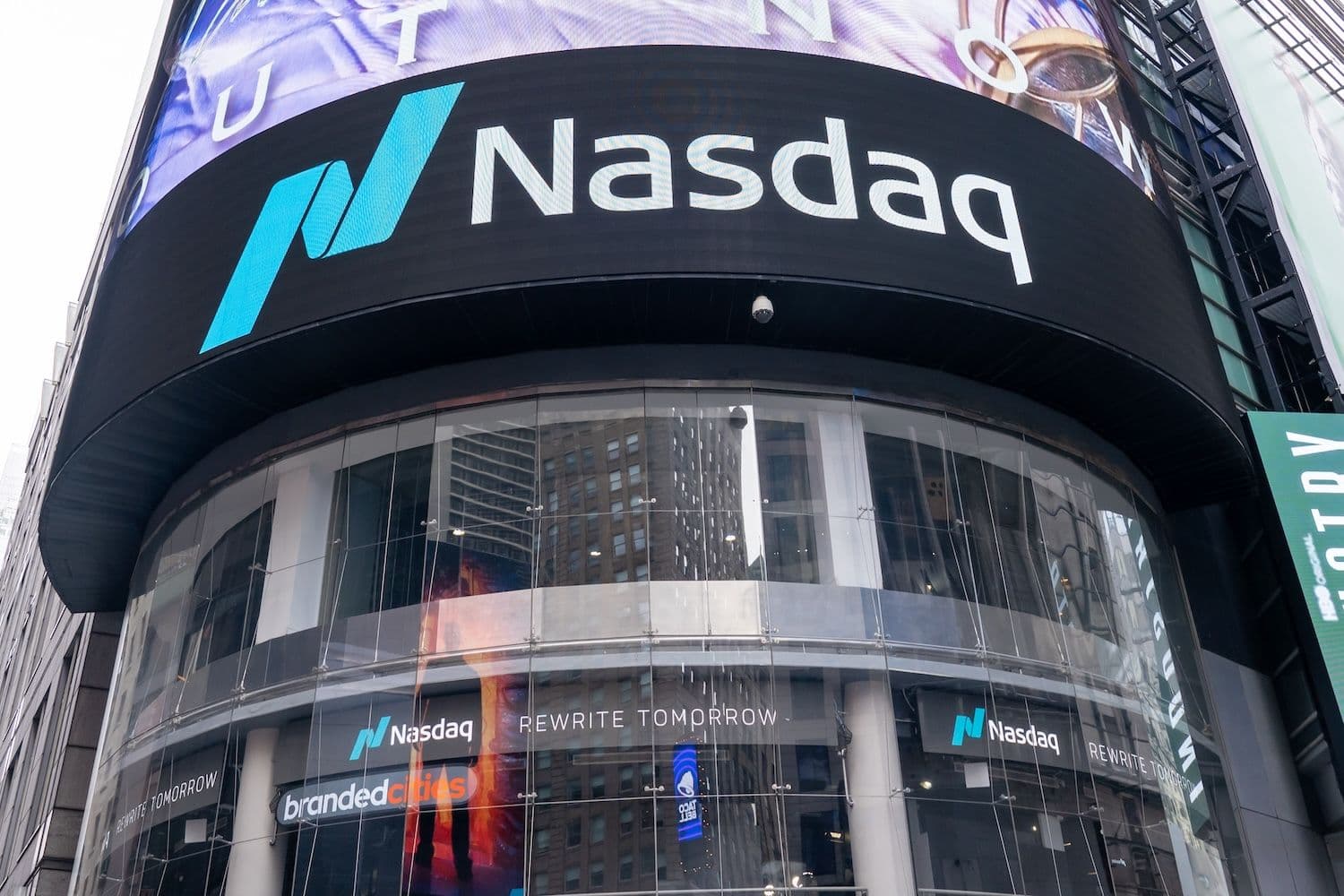
Nasdaq plans to add overnight trading in December, extending its market to 23 hours a day as industry figures compare the shift with crypto’s always-on model.
Key Points:
- Nasdaq wants to add a 9 p.m. to 4 a.m. ET overnight session and move to 23-hour trading five days a week.
- The exchange is targeting Dec. 6, 2026, but the plan still depends on SEC approval and industry infrastructure readiness.
- Crypto executives say the proposal reflects a broader migration of always-on trading, perpetual futures and tokenization into traditional finance.
Nasdaq Trading Plan
Nasdaq said in its global trading hours FAQ that it is seeking regulatory approval for an overnight session from 9 p.m. to 4 a.m. ET, supplementing its existing premarket, regular and after-hours sessions. The core session will remain unchanged.
The proposed schedule would run from 9 p.m. Sunday through 8 p.m. Friday, with a one-hour daily processing break, while opening and closing crosses would continue setting official prices. Nasdaq is targeting Dec. 6, 2026, subject to SEC approval and readiness of the Securities Information Processor.
Some order types, including unpriced market orders and opening or closing auction orders, would not be available overnight, and any order still open at 4 a.m. would be canceled automatically.
Also Read: Bitcoin Wallet Moves 8.54 BTC After 15 Years, Showing A 461,981% Gain
Crypto Trading Shift
Nate Geraci said traditional exchanges are now “playing by crypto’s rules” and predicted major venues could eventually adopt 24/7 trading. The comparison is gaining weight.
BitGo CEO Mike Belshe cited longer stock-market hours, perpetual futures, stablecoins and tokenized loans as crypto ideas entering traditional finance. “Even if you are skeptical about crypto, you can’t deny our industry’s innovations have already made real change in traditional markets,” he wrote.
Crypto platforms are already moving in the opposite direction by offering traditional assets around the clock. Equity perpetual futures reached $250 billion in monthly volume in Jul., up from about $15 billion in Apr., according to CryptoQuant, with Binance accounting for roughly 76% of activity.
Tokenization is part of the same convergence. Nasdaq has also worked with Kraken on tokenized stocks, using Kraken’s xStocks infrastructure to support issuer-sponsored equity tokens.
The broader shift has been building for months. Crypto venues have expanded continuous equity derivatives and tokenized stocks during 2026, while Nasdaq’s proposed overnight session would bring a major U.S. exchange closer to that model without making stock trading fully 24/7.
Read Next: Crypto Leverage Falls To 2020 Levels As Market Sheds Debt Without 2022-Style Crisis