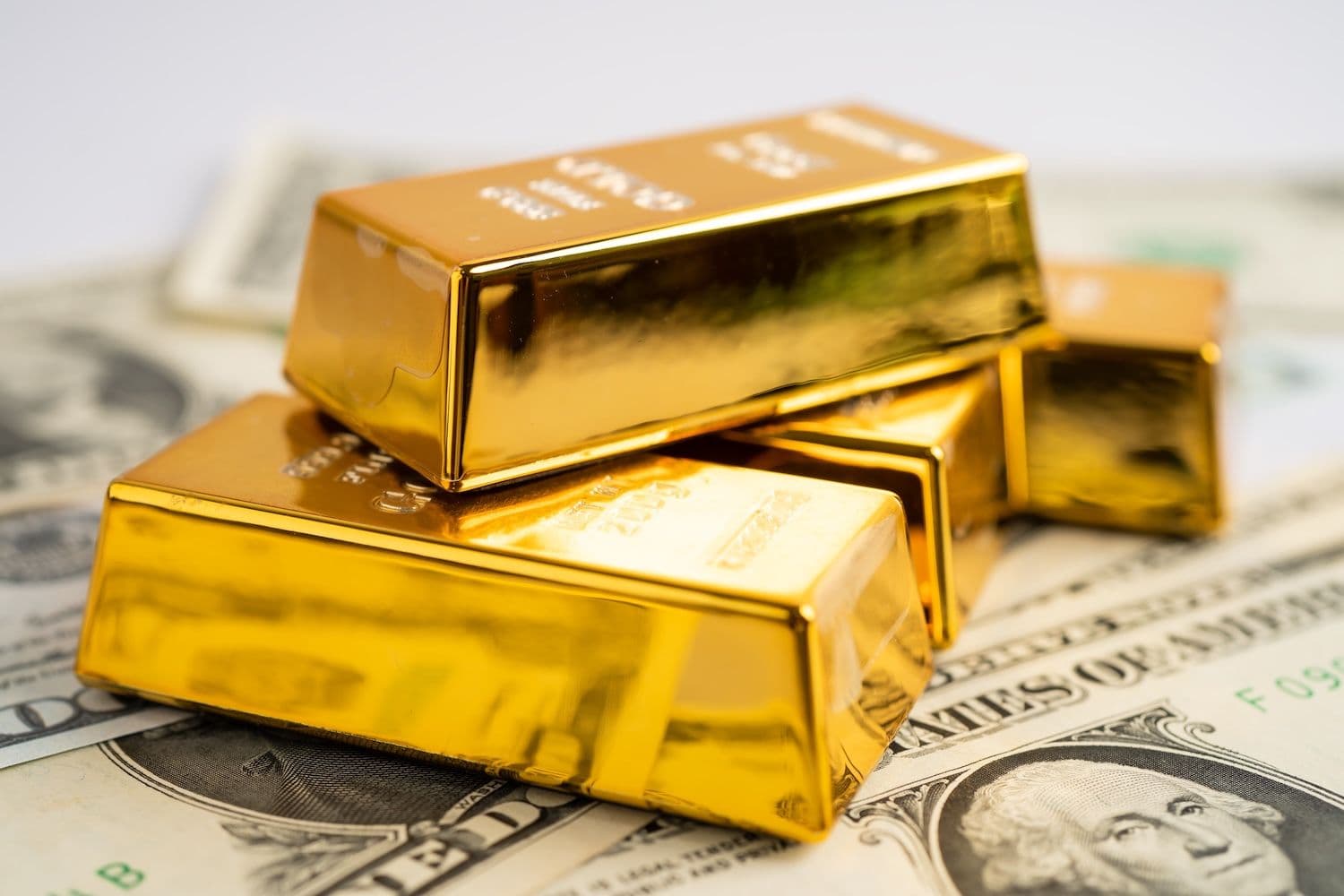
全球經濟不明朗與金市升溫,帶起加密世界對「數碼黃金」——即與實體黃金掛鈎的加密貨幣——的新興興趣。
2025年黃金價格在通脹升溫、貿易緊張和避險需求下攀至歷史新高(約每安士3,400美元)。以五月為例,路透社指出美國再度祭出關稅威脅及美元轉弱,金價單週升超過2%,顯示其危機避險地位。
世界黃金協會數據顯示各地央行瘋狂增持黃金(2024年買入逾1,000公噸),同時黃金支持ETF於2025年初錄得歷史新高資金流入。受此氛圍鼓舞,市場出現如Tether Gold(XAUT)和Pax Gold(PAXG)等能兌換實金的加密代幣,作為美元穩定幣外的新選擇。支持者認為這些代幣結合區塊鏈流動性和黃金長線價值,而質疑者則指出規模細小及需依賴託管人。
本文將探討黃金支持穩定幣能否提供比傳統美元穩定幣更穩定及流通的避險功能。我們將比較XAUT、PAXG等幣的市場規模、用途與監管情況,評估其作為危機避險工具的可信性,亦分析若美元出現動盪,黃金穩定幣會否繼續「小眾」還是有望成為主流。
什麼是黃金支持穩定幣?
黃金支持穩定幣是指其價值與託管保管庫中的實體黃金,以1:1比例掛鉤的加密貨幣。每枚代幣代表特定黃金重量(如一安士或一克),並由發行方或託管人存放。簡單而言,「黃金支持穩定幣就是以實體黃金1:1做後盾,並儲存於安全保管庫的數碼代幣」。用戶購買代幣時,發行方會根據存放黃金鑄造新代幣;兌回時則燒毀代幣並交付相應黃金。值得信賴的發行人會定期接受審計或第三方證明,確保儲備充足。實際上,如XAUT或PAXG的代幣,就像數碼版黃金證書:可以全天候在區塊鏈持有或交易,但其價格主要隨現貨金價波動,而非與美元掛鈎。
因為這類代幣掛鉤的是真正商品而並非法幣,長遠來說,黃金代幣在美元計價下理應較穩定。黃金幣「結合黃金的穩定性與區塊鏈的便利性」,賦予抗通脹和危機避險特點,同時具備可攜帶、可細分、可編程等優勢。例如,它們可用來作為去中心化金融(DeFi)協議的抵押品,或可儲值於加密卡,大大擴展黃金的應用場景。
就有分析指出,黃金代幣為「數碼貨幣提供硬資產後盾」,可作抗通脹避險而無需承擔持有實金的不便。它們旨在於波動加密世界中,帶來「穩定資產」 —— 將黃金的信譽與區塊鏈的靈活結合。
但這種模式同時帶來新權衡。例如純法幣穩定幣(如USDT、USDC)靠現金或國債做儲備,而黃金幣則需依賴私人託管及物流。其穩定性很大程度依託館方誠信及儲備透明度。因實體黃金流動性較低、轉移成本高,黃金幣一般牽涉更高費用及兌換門檻(下文詳述)。即便如此,黃金幣在加密世界仍建立獨有的小眾定位:即一種原生於加密的、可追溯至數百年信賴儲值的數碼資產。問題在於,這定位會否隨經濟壓力加劇而擴大,還是繼續只屬細分市場。
黃金市場背景
黃金支持代幣的吸引力來自於2024至2025年間金價強勁表現及避險功能。2025年上半年,金價按年上升約30%,連續創下新高(約每安士3,400–3,500美元)。導致此現象的因素包括全球貨幣政策極端寬鬆、通脹升溫、地緣政治緊張(如美國貿易爭拗及戰爭風險重燃)、以及央行需求飆升。以世界黃金協會報告為例,2024年全球央行買入超過1,000公噸黃金(創近幾十年新高),而95%受訪央行表示2025年將繼續增持。
黃金ETF亦見大量資金流入——2025年上半年增長達383億美元。市場普遍將黃金視為「經典危機避險」、「反美元」資產,在法幣失去信任時仍能保值。以2025年5月為例,路透指受新一輪關稅擔憂及美元走弱影響,金價單週衝高5%,投資者轉投避險。
這股強勁勢頭推動多家發行方積極鑄造更多數碼黃金。近期新聞報道,2025年8月金價飆升時,僅XAUT新發行接近4.37億美元。即使如此,黃金代幣總市場規模依然細小。根據CoinGecko數據,至2025年9月,所有黃金代幣項目總市值僅約25.7億美元。而2025年較早時這數字為15–17億(例如3月約15億,年中約17億美元)。相比之下,法幣美元穩定幣的市場仍以千億美元計。
高盛和業內統計指2025年年中穩定幣總市值超過2,500–2,700億美元,單是USDT和USDC已超過2,300億美元。換句話說,即使處於歷史高位,數碼黃金代幣市值仍不足穩定幣市值的1%。
在黃金代幣圈子,以Tether Gold(XAUT)及Pax Gold(PAXG)兩者最具代表性。CoinGecko 2025年報告指,XAUT和PAXG佔「貴金屬代幣」市值約84%。截至2025年中,XAUT市值約8–8.2億美元,PAXG約7.8–7.9億美元。至於規模較小的項目(如AurusGOLD、Kinesis KAU、CACHE Gold等)僅佔市值小數點。即使所有商品支持代幣加總,市值亦遠低於法幣穩定幣(不足1%)。整體而言,黃金支持幣發展快,但仍處於美元穩定幣主導市場的利基地位。
主要黃金代幣(XAU₮與PAXG)
Tether Gold(XAU₮)— 2020年由發行USDT的Tether公司推出,XAU₮為一種ERC-20代幣,每枚等同倫敦Good Delivery金條一安士黃金。2025年第二季,Tether託管約7.66公噸黃金(逾25.9萬安士),作為約246,500枚XAU₮的儲備。以當時金價3,400美元計,流通價值約8億美元(與CoinGecko數字相若)。XAU₮接受BDO等第三方審計,Tether亦定期公開所持金條證明。其黃金儲於瑞士金庫。法律上,XAU₮由Tether關聯企業TG Commodities Ltd根據薩爾瓦多數碼資產法發行,而非受美國監管。由於1:1支持特定金條,每枚XAU₮均可透過Tether透明平台核實所配對實體資產。
XAU₮可在多個加密交易所交易(Bitfinex、Bybit、KuCoin、BingX等),最初於Ethereum及Tron網絡發行。2025年中,Tether推出跨鏈版本「XAUt0」,以LayerZero技術支援於Telegram的TON區塊鏈等平台流通,進一步拓展DeFi生態。以美元計,XAU₮走勢緊貼黃金現貨價。2024年至2025年中,XAU₮以美元計錄得約+40%升幅,接近黃金升勢。一般一安士XAU₮價格在3,300–3,400美元區間。交易量有所增長,但仍不算龐大:平日交易約1,000–2,000萬美元,金價波動時曾一度突破1.5億,遠低於USDT每日數十億成交,但於黃金代幣範疇屬流通性高。
按設計,XAU₮持有人理論上可將代幣兌換為實體金條。實際上,兌金最低門檻極高。根據Tether條款,需持有至少430枚XAU₮(約430安士,即12.4公斤,逾140萬美元)方可提取一條標準400安士倫敦金條。散戶可在交易所買入細至0.01 XAU₮,但僅「授權參與者」(多為機構)可提取實金。一般個人只能於市場換回美元或其他加密貨幣。2025年Tether規定的最小直接購買量為50 XAU₮(約16.5萬美元),明顯以機構流動性為主。監管上,XAU₮不受美國機構監督,Tether自2023年初遷冊至薩爾瓦多,以方便遵守當地加密法。有投資者指出,XAU₮不如PAXG受美國信託監管(後者有紐約信託保障),但每枚XAU₮仍保證1:1實金支持,禁止重複質押。
Pax Gold(PAXG)— 由Paxos Trust Company(受紐約金融服務局監管的信託公司)營運,PAXG結構與XAU₮相似:每枚代幣對應一安士倫敦Good Delivery金條,由信託託管。Paxos於2019年獲得法律意見確認PAXG屬大宗商品數碼代幣(非證券),並經NYDFS批准發行。Paxos聯同知名金庫營運商(如Brink's)保管黃金,持幣人通過信託擁有黃金產權。Paxos亦在新加坡(MAS牌照)及阿布扎比(FSRA監管)獲得合規審批,展現國際合規能力。
到2025年中,PAXG市值約等同XAU₮(近7.8–8億美元)——見CoinGecko及Paxos資產證明。Paxos按月公開黃金儲備證明,並收取微額鏈上交易費(約0.02PAXG)作為運營成本... minting/redeeming. There is no custody fee beyond that built-in charge. Like XAU₮, PAXG trades on major exchanges (Binance, Coinbase, Crypto.com, Kraken, etc.) giving it broad access and relatively higher daily volume. Market observers note that PAXG benefits from Paxos’s regulated trust status, its liquidity on popular venues, and use in DeFi. For instance, MakerDAO added PAXG as an acceptable collateral for DAI loans (at a conservative loan‑to‑value ratio) in 2021, and it appears on various decentralized exchanges and lending platforms. Overall liquidity for PAXG tends to exceed that of XAU₮: as one analysis notes, PAXG averages $50–80 million in daily trading volume vs. $30–50 million for XAU₮, reflecting its listings on Coinbase/Binance and active use in DeFi pools.
鑄造及贖回。除內置收費外,沒有額外的託管費。正如XAU₮,PAXG亦在主要交易所(Binance、Coinbase、Crypto.com、Kraken等)交易,使其獲得廣泛渠道及相對較高每日成交量。市場觀察者指出,PAXG受惠於Paxos所持監管信託地位、其於主流平台的流動性,以及在DeFi中的用途。例如,MakerDAO於2021年將PAXG納為合資格DAI貸款抵押品(按保守借貸比率),同時PAXG亦出現於多個去中心化交易所及借貸平台。整體而言,PAXG的流動性普遍高於XAU₮:例如,有分析指出,PAXG的日均成交約為5,000萬至8,000萬美元,而XAU₮為3,000萬至5,000萬美元,反映其於Coinbase/Binance上市及DeFi池活躍利用。
Other Gold Tokens: A number of smaller projects exist, though none approach the scale of XAU₮/PAXG. Examples include AurusGold (AWG, each token = 1 gram gold), Kinesis (KAU, 0.25g units), CACHE Gold (CGT), and others. These have very limited circulation and on-chain liquidity (often just thousands or millions in market cap). Newer schemes (like hybrid tokens combining gold with other assets) are emerging but likewise small. In practice, investors concentrate on the two market leaders. As one analysis put it, “PAXG and XAU₮ together constitute the vast bulk of trading volume and market cap in this sector, whereas the rest have negligible volume or market presence”. Some early gold tokens (e.g. Perth Mint Gold Token, VNXAU) have seen little adoption or even exit (the former winding down by 2025). This fragmentation underscores that the industry remains dominated by a few trusted issuers.
其他黃金代幣:市面亦有其他較小型項目,但都未及XAU₮/PAXG的規模。例如AurusGold(AWG,每枚代幣 = 1克黃金)、Kinesis(KAU,0.25克單位)、CACHE Gold(CGT)等。這些代幣流通與鏈上流動性非常有限(市值僅以千或百萬美元計)。另有一些新興方案(如結合黃金與其他資產的混合代幣),但規模一樣甚微。實際上,投資者主要集中於這兩大龍頭。有分析直言:「PAXG及XAU₮合共佔據本市場大部分成交量及市值,其他代幣成交或市佔都微不足道。」某些早期黃金代幣(如Perth Mint Gold Token、VNXAU)受落程度極低,甚至已或將退出市場(如前者將於2025年前結束營運)。這種分散情況正好反映行業實際上依然由少數具信譽發行商主導。
Liquidity and Trading
Liquidity for gold-backed coins is rising but still modest. Trading typically happens on crypto exchanges rather than over-the-counter bullion markets. Both XAU₮ and PAXG are listed on multiple centralized exchanges. XAU₮ is heavily traded on Bitfinex (Tether’s sister exchange) and Asia‑focused platforms like KuCoin and Bybit. PAXG is available on global giants such as Binance and Coinbase, as well as exchanges like Crypto.com and Kraken.
黃金掛鈎穩定幣的流動性雖有所提升,但整體仍屬溫和。此類代幣一般於加密貨幣交易所買賣,而非傳統場外貴金屬市場。XAU₮及PAXG均於多間中心化交易所上市。XAU₮在Bitfinex(Tether之姊妹交易所)及偏向亞洲市場的KuCoin、Bybit等平台交易活躍;PAXG則於如Binance、Coinbase等全球大型交易所,以及Crypto.com、Kraken等交易平台有提供。
These listings give PAXG broader reach, and indeed trading data suggest PAXG enjoys higher average volumes than XAU₮. In mid-2025 PAXG daily volume was often in the $50–80 million range, compared to $30–50 million for XAU₮. Both pale beside major fiat coins: by comparison, USDT sees tens of billions per day. Nevertheless, within the niche of gold tokens they are the clear liquidity leaders, while smaller tokens often see only thousands or low millions in 24-hour volume.
這些上市安排使PAXG接觸面更廣,交易數據亦顯示PAXG平均成交量高於XAU₮。2025年中期,PAXG日均成交額多介乎5,000萬至8,000萬美元,XAU₮則為3,000萬至5,000萬美元。當然,這與主流法幣穩定幣相差甚遠──USDT每日成交額達數百億美元。但在黃金代幣這個細分市場中,二者明顯領先,其他細小項目24小時成交額常僅得數千至數百萬美元。
On decentralized platforms, both coins appear in liquidity pools, though typically in specialized pairs (often against stablecoins or wrapped BTC/ETH). For instance, PAXG has significant pools on Curve and Uniswap (several tens of millions of TVL), whereas XAU₮’s DeFi presence has historically been smaller. The recent introduction of XAUt0 (the cross-chain version) aims to boost its on-chain liquidity by enabling multi-chain swaps (e.g. on Telegram’s TON, Ethereum, etc.). In lending markets, Aave’s Ethereum pool accepts PAXG (and in some forks now XAU₮), allowing token holders to borrow against their gold tokens.
在去中心化平台方面,兩種代幣均出現於流動性池,但大多數為特定交易對(常為穩定幣或包裹BTC/ETH交易對)。以PAXG為例,其於Curve及Uniswap設有大型池(總鎖倉價值達數千萬美元);而XAU₮於DeFi表現歷來相對有限。最近,跨鏈版本XAUt0推出,旨在通過多鏈互換(如支援Telegram TON、以太坊等)提升鏈上流動性。在借貸市場方面,Aave的以太坊池允許PAXG(以及某些分叉現時也支援XAU₮)作為抵押品,讓持有人可按黃金代幣貸款。
This growing DeFi integration may improve liquidity slightly, but there are still few dedicated pools outside the CEX orderbooks.
這日益增長的DeFi整合有望略為提升流動性,但CEX訂單簿之外的專屬池依然不多。
Use in DeFi and Crypto Markets
Gold tokens are beginning to feature in crypto financial services. In lending protocols like Aave or MakerDAO, they serve as a form of high-quality collateral. MakerDAO, for example, authorizes PAXG collateral to mint DAI (though at a conservative collateralization ratio). Users can thus lock gold tokens and borrow stablecoins without liquidating their gold exposure.
黃金代幣開始在加密金融服務中出現。於Aave、MakerDAO等借貸協議,它們可作為高質量抵押品。例如,MakerDAO允許PAXG作為鋳幣抵押,鑄造DAI(但會設定保守抵押率)。用戶可鎖定黃金代幣,借出穩定幣,而無需沽出黃金部位。
Similarly, Aave’s pools (on Ethereum and other chains) accept tokenized gold in exchange for loanable assets. These options create on-chain “gold-backed loans” – effectively giving holders liquidity while retaining a gold position. As one review notes, “Platforms such as Aave and MakerDAO accept tokenized gold as collateral, enabling users to borrow against their gold holdings without selling them.”
同樣,Aave於以太坊及其他鏈的借貸池,亦接受黃金代幣作為可借資產。如此便於鏈上實現「黃金抵押貸款」──讓持有人可保持黃金頭寸同時獲取流動現金。有評論指出:「Aave、MakerDAO等平台接受黃金代幣作抵押,令用戶可以黃金資產作按揭,毋須拋售亦可套現。」
Gold tokens also appear as stable trading pairs. On decentralized exchanges (Uniswap, Curve, etc.) one can swap XAU₮ or PAXG for USDC, ETH or other assets. These pools tend to be less deep than fiat stablecoin pools, but they offer a way for DeFi users to park value in gold. Tokenized gold’s on-chain traceability can, in principle, introduce more transparency to the opaque gold market.
黃金代幣同時亦以穩定交易對形式出現。於Uniswap、Curve 等去中心化交易所,用戶可利用XAU₮或PAXG兌換USDC、ETH等其他資產。相關流動性池一般不及法幣穩定幣池深厚,但為DeFi用戶提供了「泊價於黃金」的選擇。黃金代幣在鏈上的可追蹤性,理論上亦能為傳統不透明的黃金市場帶來更多透明度。
For example, PAXG holders can verify the serial numbers of the backing bars on-chain, a feature that some see as an improvement over traditional gold ETFs. That said, the real-world constraint remains: these tokens circulate like stablecoins, but ultimately large redemptions still require off-chain processes. In normal market conditions, however, they allow crypto users a digital outlet for gold – a “liquidity anchor” in turbulent markets.
例如,PAXG持有人可於區塊鏈查核其所持黃金條之序號,有評論認為此比傳統黃金ETF更具透明度。雖然如此,實體限制依然存在:這些代幣雖可像穩定幣一樣流通,但大規模贖回始終需依賴鏈下實體操作。在一般市況下,它們為加密用戶提供數碼化黃金出入口 ── 動盪市況下的「流動性錨」。
Overall, gold-backed stablecoins have carved out limited niches in crypto finance so far. They are not widely used for payments or everyday transactions. Rather, they act as financial instruments: a crypto-bridge to gold for investors, traders and institutions. In times of crypto volatility, they can hedge a portfolio without exiting the blockchain. Some gold tokens are even integrated into yield platforms (enabling strategies like staking gold or tokenizing it in real-world asset (RWA) yields). But adoption remains low compared to fiat stablecoins. Most DeFi users remain focused on the top dollar coins (USDT, USDC) which dominate protocol liquidity and collateral composition.
總括而言,黃金掛鈎穩定幣於加密金融範疇僅佔一席之地,尚未普及於支付或日常用途。它們主要屬於金融工具──為投資者、交易員及機構提供加密與黃金之橋樑。加密市況波動時,可用作不離鏈下套保部位。部分黃金代幣亦納入收益平台(例如可質押黃金或轉化為RWA收益產品)。但與法幣穩定幣相比,普及度仍然低。大部分DeFi用戶依然集中使用龍頭美元穩定幣(USDT、USDC),這些資產主導協議流動性和抵押品構成。
Regulatory and Custody Considerations
Gold-backed coins inhabit a complex regulatory zone at the intersection of commodities and digital assets. In the U.S., there is no dedicated “stablecoin” law covering commodity-pegged tokens. Instead, issuers must navigate SEC and CFTC rules. To date, regulators have largely treated PAXG and similar tokens as commodities (since they represent physical gold) rather than securities.
黃金掛鈎代幣所屬監管範疇相當複雜,橫跨大宗商品與數碼資產領域。在美國,並無針對商品掛鈎穩定幣的專屬法例。發行商需同時應對SEC及CFTC有關規管。現時監管部門多將PAXG及類似代幣列作商品(因其代表實物黃金),而非證券。
The New York Department of Financial Services (NYDFS) explicitly approved Paxos’s issuance of PAXG in 2019, finding it to be a commodity-like digital gold token. Similarly, Tether’s XAUT is structured under foreign law (El Salvador) and would likely fall under CFTC oversight in practice, as with any token backed by a commodity. U.S. law tends to require money-transmission licensing and AML/KYC compliance, but XAUT and PAXG have not been classified as investment contracts so far.
紐約金融服務部(NYDFS)於2019年明確核准Paxos發行PAXG,認為該代幣屬性上接近大宗商品的數碼黃金。同樣,Tether的XAUT根據外地法例(薩爾瓦多)架構,現實操作上應屬CFTC監管範疇,與其他大宗商品支援的幣種無異。美國法例一般要求辦理資金轉移許可證及反洗錢/KYC措施,但XAUT及PAXG暫未被視作投資合約。
The situation may evolve under broader crypto legislation. The U.S. GENIUS Act (2025) and subsequent federal stablecoin laws focus on “payment stablecoins” pegged to sovereign currencies, and do not directly address commodity-backed coins. It’s possible that gold tokens could be left outside some regulatory regimes. On the other hand, stablecoin rules in the EU explicitly cover “asset-referenced tokens,” which would include any coin pegged to gold or commodities.
未來立法或會有變。美國GENIUS法案(2025年)及其後聯邦穩定幣法,主要針對與主權貨幣掛鈎的「支付型穩定幣」,並未正面觸及商品掛鈎幣。故黃金代幣或有可能被部份監管範疇排除在外。相反,歐盟穩定幣法則明確涵蓋「資產參照型代幣」,即涵蓋所有與黃金或商品掛鈎的幣種。
Under Europe’s MiCA framework, token issuers must be licensed and meet strict reserve, transparency and capital requirements. In fact, Paxos publicly notes that PAXG would fall under MiCA’s artificial token rules (as a commodity-based token requiring disclosures). This means that in Europe, gold token projects must publish whitepapers, undergo prudential checks, and satisfy the same consumer protections as other stablecoin projects.
按照歐盟MiCA框架,代幣發行商必須取得牌照,並符合嚴格的儲備、透明度及資本要求。事實上,Paxos已公開表示PAXG將符合MiCA針對「人為代幣」的規定(作為商品支援代幣需作額外披露)。也就是說,黃金代幣項目須於歐洲發佈白皮書、接受審慎性檢查,並與其他穩定幣項目一樣受消費者保障規定約束。
Elsewhere, rules vary. Some Asian and Middle Eastern financial hubs (e.g. Singapore, Hong Kong, Dubai) have been relatively open to innovative tokens, provided issuers comply with licensing, KYC/AML and auditing. Paxos obtained approval to offer PAXG in Singapore through its Major Payments Institution license, for example. Regulatory experts note that “regulatory maturity is now a competitive advantage” for gold-token issuers. In practice, top projects emphasize robust audits, insurance and legal structures to reassure users. Nonetheless, the decentralized trading of tokens means any user can buy XAUT or PAXG anywhere; enforcement primarily targets issuers and large traders. The key point is that, for now, gold tokens are largely a “gray area” asset under evolving crypto rules.
在其他地區,規管標準不一。一些亞洲及中東金融中心(如新加坡、香港、杜拜)對創新代幣相對開放,只要發行商遵守牌照、KYC/AML及審計要求。例如Paxos已取得新加坡大型支付機構牌照,允許當地發售PAXG。有規管專家指出,「監管成熟正成為黃金代幣發行商的競爭優勢」。實務上,主流項目都強調嚴格審計、保險及法律架構以增強信心。不過,鑑於代幣可去中心化交易,任何用戶都能購買XAUT或PAXG,執法主要針對發行商及大戶。重點是:在現階段,黃金代幣在不斷變化的加密規則下仍屬「灰色地帶」資產。
Custodially, token issuers pledge allocated (segregated) storage of metal. Paxos’s trust charter legally separates the gold backing PAXG from the company’s own assets. Tether similarly claims each XAUT is matched by a numbered gold bar. This model is analogous to gold ETFs (GLD, etc.), where sponsors hold bars in vaults and each share represents allocated metal. From a legal standpoint, token holders have a claim to the physical bullion. However, trust in tokens still ultimately depends on the issuer and auditor. Audit firms have attested to Paxos’s and Tether’s reserves, but scrutiny varies by jurisdiction. Counterparty risk remains: if an issuer became insolvent, delivering the metal could involve lengthy legal processes despite pledged segregation.
託管方面,發行商承諾用隔離(分帳)存倉方式託管實物黃金。Paxos的信託章程上,明文規定支撐PAXG的黃金歸屬獨立於公司資產。Tether亦聲稱每枚XAUT均有獨立編號的金條相對應。這種結構與黃金ETF(如GLD等)頗為近似,即發起人在金庫實物存金,每一份額代表劃帳黃金。從法律層面看,代幣持有人享有對應實物黃金權益。然而,對代幣的最終信心始終取決於發行商及審計機構。審計公司會對Paxos及Tether的儲備作出鑒證,但各司法區監管力度有異。對手風險仍然存在:若發行商破產,即使金條分帳,實際交付可能需經過漫長法律程序。
On the user side, redemption terms differ. As noted, both XAUT and PAXG impose high minimums for physical delivery (430 tokens per London bar). That makes them impractical for individuals to convert back to metal; effectively, only large institutions redeem bars, while ordinary holders rely on market liquidity to cash out. This aspect highlights one weakness of gold coins: unlike USDC/USDT, which can be redeemed for dollars in any bank account, gold tokens require complex logistics. In a word, “[r]edeeming XAU₮ for gold involves a Brinks truck if you actually take delivery in Switzerland,” making it far less convenient than a bank transfer of dollars. As a result, most users treat these coins as tradable assets rather than redemption instruments – similar to how GLD and other ETFs are held by most investors.
至於用戶,贖回條款有差異。如前述,XAUT及PAXG均設有高額度的實金交付下限(每條倫敦金需430枚代幣換取)。這令一般小戶難以轉回實體黃金,實際上只有大型機構才會贖出金條,而普通用戶則靠二級市場流動性沽售代幣。這正顯現出黃金代幣一大弱點:不同於USDC/USDT可於任何銀行兌換美元,黃金代幣兌回實物必須經複雜物流──「XAU₮兌換黃金,若真正在瑞士交付,要動用武裝押運車」,這遠不及美元電匯便利。因此,大部份用戶均只當此等代幣為可交易資產,而非贖回工具,正如GLD及各類ETF獲一般投資者持有的情況。
In summary, the regulatory treatment of gold tokens is still emerging. No major
總結而言,黃金代幣的監管地位仍在發展中。暫無主要...government has banned them outright, but they operate under multiple frameworks (trust laws, commodities laws, digital asset laws) that enforce transparency, reserve backing and KYC. The leading issuers’ compliance track records (audits, trust charters) provide some confidence. Yet it’s worth noting that oversight can change. For example, Paxos’s BUSD stablecoin ran into enforcement action over US dollars backing; by contrast, PAXG – as a pure asset-backed token – has so far avoided such issues. Still, the legal complexity means gold token projects need to stay agile as rules evolve.
政府雖然全面禁止過,但這類穩定幣其實係根據多種法規架構(信託法、商品法、數字資產法等)運作,呢啲法規強制要求透明度、儲備支持同KYC(認識你的客戶)。主要發行商過往嘅合規記錄(審計、信託章程)都帶嚟一定信心。不過,都要留意監管隨時可以改。例如Paxos嘅BUSD穩定幣因為美元儲備問題遇到執法行動;相反,作為純資產支持嘅PAXG目前就冇出現同類問題。不過,由於法規複雜,黃金代幣項目必須靈活應對法例變動。
Strengths: Trust in Gold, Crisis Hedge
優勢:黃金信心、危機對沖
The chief appeal of gold-backed stablecoins is rooted in gold’s time-tested reputation. Gold is a finite, universal store of value immune to monetary policy. It has historically held purchasing power through wars, inflationary episodes and currency crises. As one analyst put it, gold is “finite… immune to the whims of central banks” and “the anti-dollar – a store of value that holds steady when fiat loses footing”. By tokenizing gold, investors can access this stability on-chain without physically buying bars. In a sense, gold tokens offer “the stability of gold with the convenience of blockchain,” providing a hedge against fiat debasement and crypto volatility simultaneously.
黃金支持穩定幣最大吸引力在於黃金經得起時代考驗嘅聲譽。黃金作為有限、全球公認嘅價值儲存,唔受貨幣政策影響。歷史上,無論戰爭、通脹定貨幣危機,黃金都能保持購買力。有分析員形容,黃金「有限⋯⋯唔會受央行擺佈」,仲係「反美元-當法定貨幣失守時依然穩定的價值存放」。通過代幣化,投資者可以喺鏈上直接擁有呢種穩定性,無需實體買金條。某程度上,黃金代幣帶來「黃金穩定加區塊鏈方便」,同時為資產提供對沖法幣貶值同加密波動嘅手段。
This perceived stability has practical implications in turbulent times. During flight-to-safety episodes, gold bullion and ETFs typically rise. Tokenized gold has shown similar behavior. For example, when gold broke through $3,000 in early 2025, crypto investors “rushed into tokenized gold,” buying XAU₮ and PAXG. Sales of gold ETFs hit three-year highs in mid-2025, and some observers believe that growing RWA (real-world asset) demand is boosting XAU₮ issuance. In August 2025, a surge in U.S. tariffs on precious metals reportedly triggered a record $439 million minting of gold tokens that month (reflecting geopolitical drivers). These moves illustrate that gold tokens can act as a portable inflation hedge: if currency debases, tokens still represent a fixed quantity of gold, whose USD value should rise accordingly.
呢種穩定性喺動盪時代尤其有實際作用。當市場搵避險時,黃金現貨同ETF通常都會升,代幣化黃金都有類似表現。例如,2025年初黃金突破$3,000美元時,大量加密投資者「蜂擁買入黃金代幣」例如XAU₮同PAXG。2025年中,黃金ETF銷售創三年新高,有人認為RWA(現實資產)需求增長亦令XAU₮發行量擴大。2025年8月,美國上調貴金屬關稅,據報引發當月黃金代幣鑄造量創歷史新高達4.39億美元(反映地緣政治因素)。呢啲動作證明黃金代幣可以係「隨身」通脹對沖-就算法定貨幣貶值,代幣依然等於固定數量黃金,而黃金美元價值理應亦因而上升。
Another strength is trust via transparency. Unlike many crypto assets, gold coins have tangible backing. Leading projects allow holders to verify reserves: for instance, PAXG allows tracking of individual bar serial numbers on-chain. Issuers publish audit reports, and top coins disallow rehypothecation (i.e. they don’t lend out the backing gold). This auditability is seen as a benefit relative to traditional gold markets (which can be opaque) or even some fiat stablecoins (where reserve compositions have been questioned). In theory, users who trust that the gold exists and is not double-pledged can feel more secure in these coins than in wholly unbacked or under-backed digital assets.
另一強項係透明度帶嚟信任。同好多加密資產唔同,黃金幣真係有實物支持。領先項目容許持幣人驗證儲備,例如PAXG可以喺鏈上查核每條金條編號。發行商會公開審計報告,頂級黃金幣亦唔允許重複質押(即唔會將黃金借出)。呢種可審計性比傳統黃金市場(可能較不透明)甚至部分法幣穩定幣(儲備組合被質疑)都更有優勢。理論上,用戶只要信得過黃金真係存在、無被重複抵押,就比無實質支持或資不抵債嘅數字資產更有保障。
Finally, gold coins broaden crypto’s “composability.” By tokenizing the oldest store of value, developers can experiment with new products. Proposals include gold‑backed derivatives, synthetic assets denominated in gold, or gold-indexed savings accounts. This innovation angle is a draw: it promises to fuse traditional asset stability into the fast-moving crypto ecosystem. For example, multi-asset tokens that mix gold with short-term treasuries have been proposed, aiming to combine gold’s hedge with yield generation. In regions with unstable local currencies (e.g. high-inflation countries), tokenized gold can provide an on-chain anchor for savings without needing a local banking system. In sum, gold-backed stablecoins occupy a unique niche of “crypto‑native commodity,” and their strengths lie in appealing to believers in hard‑asset money.
最後,黃金代幣令加密「可組合性」更闊。將最古老嘅價值儲存代幣化,開放咗創新產品空間,包括以黃金背書衍生品、以黃金計價嘅合成資產,或者黃金指數儲蓄戶口。呢個創新本身對用戶有吸引力,因為傳統資產穩定性可以結合到瞬息萬變嘅加密生態。例如曾有人提出多資產代幣,將黃金同短債結合,希望融合黃金避險同孳息。對本地貨幣唔穩(如高通脹國家),黃金代幣有機會作為儲蓄鏈上錨點,無需靠傳統銀行。總括嚟講,金本位穩定幣成為「加密原住商品」獨有定位,優勢就係針對重視硬資產貨幣理念用戶。
Weaknesses: Centralization, Liquidity and Redemption
弱點:集中化、流動性同贖回限制
Despite their advantages, gold-backed tokens have significant drawbacks. The most obvious is centralization of custody and trust. Every ounce of backing gold is held by an issuer or custodian (Tether, Paxos, Brink’s, etc.), so token holders must trust these entities. If a custodian were found holding insufficient gold, or if reserves were frozen, the token’s backing could be in doubt.
雖然有以上優勢,金本位代幣都有幾個明顯弱點。第一就係托管同信任高度集中。所有黃金儲備都係由發行商或託管商(如Tether、Paxos、Brink’s等)持有,代幣持有人必須信任呢啲機構。如果託管方黃金唔夠,或者儲備被凍結,代幣資產支持就成疑問。
Although reserves are audited, historically there have been controversies (e.g. Tether’s USD₮ reserves). Critics warn that gold tokens introduce counterparty layers: while on-chain transfers are decentralized, the actual collateral is not. A failure at any step (mismanagement of vaults, custody fraud, legal seizure) could undermine a token’s peg. An analysis of risks emphasizes that top projects mitigate this by working with trusted vault operators and insurers, but notes that “if the gold reserves are mismanaged, inaccessible or misrepresented, the token’s credibility collapses”. In practice, no major custodial incident has been reported for XAUT/PAXG, but the potential remains.
雖然發行商都有做審計,歷史上都無少爭議(如Tether美元儲備事件)。有人認為黃金代幣實際上等於多咗層對手方風險:鏈上轉賬可以去中心化,但資產抵押其實唔係。無論保險箱管理失誤、託管詐騙、法律查封邊一環出事,代幣與黃金掛鈎都可能失效。有風險報告指出,頂尖項目會合作信得過嘅金庫同保險商減低風險,但都提到「一旦黃金儲備管理失當、無法提取或喺帳面做假,代幣信譽即時崩潰」。現實例子暫時未見XAUT或PAXG出過大問題,但風險仍在。
Another weakness is liquidity. As noted, daily trading in XAU₮/PAXG is tiny relative to dollar coins. This low liquidity can lead to wider bid-ask spreads and more price slippage for large trades. It also means fewer market makers and higher volatility in token price (in USD terms) when flows surge. In stressed markets, gold tokens might not be as easy to dump as USDT (which trades in billions daily). For example, during a crash, if everyone tried to switch 100% of their stablecoin portfolio from USD coins to gold coins, there simply isn’t enough depth. In technical terms, gold tokens remain “niche” and not part of most crypto builders’ default stacks. Consequently, adoption among decentralized protocols has been limited: only a handful of
第二係流動性較弱。如前述,XAU₮/PAXG每日成交遠低於美元穩定幣。流動性低會導致買賣差價闊,單大交易會有明顯滑點。再者,做市商數量少,大單流入流出時代幣(以美元計)價格波動會更加明顯。市場壓力大時,黃金代幣未必好似USDT(每日成交幾十億)咁易兌換。假如撞到大跌市,所有人將穩定幣全部由美元幣轉黃金幣,市場根本應付唔到。技術上,黃金代幣仍屬「小眾」,唔係大多數加密應用預設資產。所以,目前只有少數
DeFi apps accept gold tokens, and no major wallet or payment network offers gold token payments widely. Redemption friction is another drawback. As discussed, neither XAUT nor PAXG is readily redeemable for small amounts of gold or cash without going through a market exchange. XAUT requires 430 tokens to claim one LBMA bar, and PAXG likewise imposes a 430-token minimum for a bar (about 27 kilograms). For an average user, these sizes (worth well over a million dollars) make physical redemption impractical. Even if someone manages to gather 430 tokens, the issuer still requires extensive KYC/AML checks and coordination to deliver bullion.
DeFi應用支援黃金幣,亦無有大錢包或支付網絡廣泛支援黃金幣支付。 贖回唔方便亦係一個弱點。就算XAUT或者PAXG,用戶都唔可以直接換細額黃金或法幣,除非先經市場交易。XAUT要收集430個才可以換一條LBMA標準金條,PAXG都一樣需要430個先兌一條(金條大約27公斤)。以現時市價,普通人根本負擔唔到咁大量現金贖回。即管聚夠430個代幣,發行商仲要實名(KYC)同審查,仲有物流安排。
The only realistic way for most holders to exit is selling tokens for USD (or USDC/USDT) on an exchange, which introduces reliance on third-party markets and takers. This contrasts sharply with fiat stablecoins: redeeming USDC for USD is as simple as wiring a bank transfer in any amount (subject to KYC). In other words, gold tokens cannot fully replicate the seamless electronic redemption of USD coins. The difference was pithily summarized by one report: “Redeeming XAU₮ for gold involves a Brinks truck if you actually take delivery… while redeeming USDC for USD is as simple as a bank transfer”.
大多數持有人唯一實際方法都係喺交易所將黃金代幣賣出換美金(或USDC/USDT),即係依賴第三方市場同承接對手方。相比之下,法幣穩定幣(USDC)贖回美金就簡單得多,幾多都可以直接銀行過數(當然要KYC)。即係話,金本位代幣始終無法複製美元穩定幣無縫贖回功能。有份報告精簡咁講:「XAU₮贖回金條要運Brinks保安車,USDC換現金就一個銀行轉賬咁簡單。」
The cost of storage and operations is also higher for gold tokens. Issuers must pay for secure vaulting, insurance, and audit compliance. These costs are usually built into token fees or spreads. For example, Paxos charges a small but nonzero fee on redemptions (around 0.02 PAXG, plus network gas). Tether similarly includes a sizeable spread when minting or redeeming XAUT. In effect, the “expense ratio” of holding digital gold is higher than for many fiat stablecoins (which often pay interest or have sponsors that subsidize costs). This makes gold coins a more expensive store-of-value product than their fiat peers.
金本位代幣儲存同營運成本亦較貴。發行商要付金庫保安、保險、審計等費用,通常會加到代幣手續費或者買賣差價。例如Paxos贖回要收小額但唔係零嘅手續費(大約0.02 PAXG及網絡GAS),Tether發行或贖回XAUT都會收高差價。即係持有數碼黃金嘅「開支比率」高過大多數法幣穩定幣(後者好多時有息,或者由贊助商補助成本)。黃金幣本質屬較昂貴嘅價值儲存產品。
Finally, a practical limitation is user experience and education. Crypto users are accustomed to dollars, and stablecoins are deeply integrated into exchanges, lending, trading bots, etc. Gold tokens, by contrast, require awareness and special wallets. Until very recently, most wallets and exchanges did not list XAUT or PAXG by default. Users often must manually add contract addresses or navigate new interfaces. This friction keeps adoption low. It also means that for most market participants, dollar coins remain the simpler choice for everyday transactions.
最後一點現實限制,係用戶體驗同教育問題。加密用家一向慣用美元,穩定幣早已深度融入交易所、借貸、機械人等生態。黃金代幣反而要特別知識和專屬錢包。直至近年,多數錢包和交易所都無預設列出XAUT或PAXG,用戶要自己加合約或學新操作介面。呢種摩擦令普及度低,市場參與者自然多數日常仲係揀美元幣較方便。
In summary, while gold-backed stablecoins offer the unique property of hard-asset backing, they carry trade-offs: increased counterparty complexity, lighter liquidity, cumbersome redemption, and higher costs. As one analysis observed, “[r]edemption of XAU₮ or PAXG for physical gold is not user-friendly for most holders; they effectively function like tradable collateral rather than instantly convertible cash.” These weaknesses explain why, despite gold’s attractions, these coins have not (so far) overtaken USD stablecoins in prominence.
總括而言,雖然金本位穩定幣有硬資產支持這個獨有優點,但同時都有代價:對手方(信任)層面複雜、流動性低、贖回麻煩和成本偏高。有分析講得好:「XAU₮或PAXG實體黃金贖回對大部分人唔友善,本質上係可交易抵押品多過即時可用現金。」以上缺點都解釋咗點解黃金幣未能(暫時)超越美元穩定幣主流地位。
Outlook: Niche, Alternative or Rival?
前瞻:小眾?另類?抑或競爭者?
Looking ahead, several scenarios could unfold for gold tokens. In a base-case scenario, they remain a niche asset class. Their total market size (a few billion) may grow modestly but stay under the radar of mainstream crypto. In this view, XAUT and PAXG continue to serve specialized use cases – treasury diversification by conservative traders, collateral for vaults, and means for crypto-friendly citizens to access gold. Fiat-backed stablecoins and Bitcoin retain the lion’s share of attention.
展望未來,黃金代幣可能出現幾個不同發展路徑。如果睇基本情境,佢哋會繼續屬於小眾資產。總市值可能有少量增長(幾十億美金),但都唔會成為加密主流討論焦點。喺咁睇法之下,XAUT同PAXG主要用嚟做特定用途-例如保守型投資人分散資產、金庫抵押品、或者加密用戶接觸黃金途徑。法幣穩定幣及比特幣繼續搶盡風頭。
The gold coins’ limitations keep them on the sidelines of most crypto flows. Indeed, as the CoinGecko report notes, at present “commodity-backed tokens represent just 0.8% of the market cap of fiat-backed stablecoins”. If dollar stablecoins remain stable and liquid, and if global finance avoids a major shock, there may be little impetus for mass migration to gold tokens. In this outcome, XAUT and PAXG survive mainly as corner-case instruments rather than mainstream money.
黃金代幣種種局限令其長期只係市場邊緣。據CoinGecko統計,依家「商品支持代幣」只佔法幣穩定幣總市值0.8%。假如美元穩定幣依然穩定有流動性,全球金融又無大震盪,根本無誘因大規模轉向黃金代幣。即係講,XAUT、PAXG會繼續留喺邊緣,定位只係「特別場景工具」。
A more optimistic alternative scenario is that gold tokens grow as demand for real assets escalates. This could happen if inflation worries, currency devaluation, or geopolitical conflicts intensify. For example, if confidence in the U.S. dollar falters, investors might seek assets that preserve value. Gold has traditionally done so – and tokenized gold would be the crypto-era way to hold it. Some pundits
比較樂觀情境就係,黃金代幣因為實物資產需求升溫而急速增長。呢種情況可能出現於通脹憂慮、美金貶值或者地緣衝突惡化。舉例,美金信心動搖,投資者就自然搵可以保值資產-而歷史上黃金都係咁,而代幣化就緊貼加密時代。部分專家認為...argue that even if a small fraction of the multi-trillion-dollar gold market shifts on-chain, the token market could skyrocket.
即使世界黃金市場僅有一小部分轉移到區塊鏈上,代幣市場都有可能大幅爆升。
As one research note quipped: “if even a small fraction of ETF or physical gold flows into tokens, it could multiply token market size”. In this scenario, partnerships between crypto platforms and gold miners or refiners could expand issuance. Tether’s move to create an “Alloy” token (50% gold, 50% dollars) hints at such hybrid strategies. Moreover, institutional interest in stablecoins (now legitimized by regulations like the GENIUS Act) could spill over to commodity tokens if allowed. Goldman Sachs and others have predicted a “stablecoin gold rush” in 2025. If regulators become more permissive of tokenized real assets, traditional investors might use gold coins as a bridge to digital finance.
有份分析報告就戲言:「就算只有一小部份ETF或實金黃金流向代幣市場,都可以令代幣市場規模倍增。」喺呢個情景下,加密平台同黃金礦商或者精煉商合作,有機會推動更多新代幣發行。Tether最新搞嘅“Alloy” 代幣(50%黃金、50%美元組合)就正好反映混合型策略。再者,機構對穩定幣嘅興趣(近年GENIUS法案等監管都已經賦予合法地位)一旦允許,有可能延伸到商品類代幣。高盛等機構更預測2025年會出現「穩定幣淘金熱」。假若監管再對真實資產上鏈放寬,傳統投資者可能會將黃金代幣當做連接數字金融嘅橋樑。
On the other hand, a pessimistic or competitive scenario is that gold tokens remain stuck in a niche, with crypto’s own “digital gold” (Bitcoin) and mainstream stablecoins limiting their rise. Many crypto advocates already view Bitcoin as the ultimate non-fiat hedge. As noted by analysts, Bitcoin is “often touted as digital gold” and has institutional momentum of its own. If BTC fulfills the store-of-value role for most, fewer users might bother with these newer coins.
但悲觀或者競爭激烈嘅情景,就係黃金代幣可能長期困於小圈子之中,受制於加密界本身嘅“數碼黃金”(即比特幣)同主流穩定幣。好多加密社群已視比特幣為非法定貨幣資產嘅終極避險工具。有分析更指出,比特幣「經常被形容為數碼黃金」,而且獲得不少機構支持。如果BTC大多數情況下都承擔起價值存儲角色,新一代黃金代幣吸引到嘅用戶只會更加有限。
Similarly, major firms might focus on minting more dollar or euro stablecoins (as MiCA now allows) rather than gold tokens. We could even see regulatory obstacles: if authorities restrict asset-backed tokens (fearing fraud or market fragmentation), growth could be curbed. The recent crackdown on Terra’s algorithmic stablecoin might make regulators wary of any new stablecoin issuance, regardless of collateral. In such a case, the gold coins would continue quietly among enthusiasts, never challenging the USD standard.
同樣,大型機構可能選擇重點發行更多美元或歐元穩定幣(而家MiCA已容許),而唔係黃金代幣。仲有機會出現額外監管壁壘:一旦當局擔心資產支持型代幣帶來欺詐、或市場分割問題,就有可能設限打壓增長。最近Terra算法穩定幣遭嚴管事件,更令監管機構對所有新穩定幣發行(無論有無抵押品)都提高警覺。喺呢種情況下,黃金代幣只會低調地留喺小圈子,完全挑戰唔到美元標準地位。
There are early signs of real-world interest. Asian markets with fiat uncertainty (e.g. markets with weak currencies or capital controls) could adopt tokenized gold more readily. For example, if crypto exchanges list XAUT or PAXG paired with local currencies, people might buy them as gold proxies. In fact, Yellow’s research points out that in markets like Nigeria or Argentina, “residents are increasingly turning to tokenized gold as a stable store of value”. However, uptake has so far been very limited; most global adoption remains hypothetical. Technological factors (like the success of multi-chain bridges for XAUt0) and ecosystem support (like DeFi apps integrating gold) could tip the balance. Another wildcard is tokenization infrastructure: if compliant stablecoin rails expand to include commodity backing, gold tokens might piggyback on that.
市場已出現初步跡象,現實世界開始留意黃金代幣。亞洲等法幣不穩地區(例如匯率波動大或者有資本管制)對黃金代幣接受度會更高。例如加密交易所如果開放XAUT或PAXG兌本地貨幣交易,居民可能會視其為黃金的數碼替代品。Yellow研究甚至指出,喺尼日利亞同阿根廷等地,「愈來愈多市民會買黃金代幣做穩定資產避險」。不過,至今採納情況仍然相當有限,整體國際普及度多屬假設階段。未來技術發展(例如XAUt0多鏈橋樑成功與否)、生態體系支持(如DeFi應用納入黃金資產)都會左右局面。另一個未知數係代幣化基礎建設:如果合規穩定幣基建開始支援商品作抵押,黃金代幣或可搭順風車。
In a crisis scenario, gold tokens could in theory enjoy a surge. Imagine a sharp dollar collapse or a global banking crisis: dollar‑pegged coins might de-peg or freeze, as happened briefly in March 2023 with USDC. Meanwhile, gold (and thus gold tokens) would likely spike in USD terms. In that environment, holders of XAU₮ or PAXG would see their token value soar relative to failing fiat assets – effectively preserving wealth. Because they are crypto assets, tokenized gold would still be accessible globally, unlike bricks-and-mortar vaults.
一旦市場出現危機,黃金代幣理論上勢必大熱。想像下如果美元突崩或全球性銀行危機——美元掛鈎穩定幣有可能脫鈎甚至結冰(如2023年3月USDC短暫失守),而黃金(同黃金代幣)按美元計價就會急升。喺呢種環境下,XAU₮或PAXG持有者手上資產相對於失效法定貨幣來講會大幅升值,起到真正保值作用。由於黃金代幣屬於加密資產,全球用戶無論地理都能交易,唔似現實實體金庫受限制。
Even if formal redemption became impossible during a crash, the tokens could trade peer-to-peer at high prices. This “digital gold” use case is exactly what proponents envision when they say these tokens provide stability outside the traditional financial system. Of course, this is speculative. It assumes trust in the issuers remains through the crisis, and that enough people accept tokens as payment or trade. But it remains a potential counterfactual: if the dollar truly implodes, gold tokens would not collapse in USD value (they would gain), whereas USDT/USDC would be as good as worthless. In that light, gold-backed stablecoins could emerge as one of the few surviving crypto currencies.
就算危機中正式兌換變得不可能,呢啲代幣都可以以高價喺用戶之間自由交易。呢種「數字黃金」場景正正係支持者所描繪嘅穩定功能:即使傳統金融體系崩潰,佢哋都能提供價值儲存。當然,呢啲係假設推論,需要發行人信心維持,並且有足夠人願意以代幣作支付或換貨。但依然提供咗一個反事實假設:如果美金真係崩潰,黃金代幣以美元計價唔但唔會跌,還有得升,相反USDT/USDC就會變成廢紙。喺呢個角度下,黃金穩定幣真有可能成為為數不多嘅「生還者」。
At this point, however, hard data on future adoption is scarce. Most industry reports describe gold tokens as a “corner” of the crypto market with strong niche interest but big hurdles. Even gold’s recent rallies have only modestly moved token markets (the ~$2.6B token cap is just a fraction of gold’s $13 trillion world market). The next few years will tell if institutional capital or retail investors push these coins beyond novelty. For now, the safest bet is that they coexist alongside fiat stablecoins: a small “diversifier” rather than a replacement.
但去到呢刻,未來普及率屬於難以量化。業界大部分報告都話,黃金代幣暫時係加密市場嘅「小圈子」,雖然有忠實用戶,但要廣泛流行仍面對大難關。即使近年現貨金價升勢凌厲,都只係輕微帶動黃金代幣(現時全市場總市值大約26億美元,只佔全球黃金市值13萬億一小撮)。未來幾年,要睇機構資金或散戶會唔會將呢類代幣推上主流。依家最安全嘅假設係:黃金代幣會與法定貨幣穩定幣共存,屬於小型「分散化投資工具」,並非穩定幣嘅替代品。
Final thoughts
金本位穩定幣喺2025年位居舊新金融中間帶。佢地能喚起黃金長期作為避風港嘅吸引力,尤其係面對通脹、地緣政治緊張或美元貶值時。不過理論上,XAU₮ 或 PAXG 這類代幣可以提供抵抗法幣動盪嘅數字黃金,但實際上市場還很有限。目前,黃金穩定幣總市值只有幾十億美金,相比動輒數千億法幣穩定幣仍然微不足道。成交流動性、兌換運作、以及繁複合規問題,都令佢哋暫時只能留喺邊陲。
不過黃金代幣持續進步:流動性逐步提升,越來越多交易所接受,甚至DeFi協議都肯納入,使用體驗隨著多鏈接入、託管升級也在改善。如果全球亂局惡化,黃金代幣有機會在市況不穩時,突圍搶眼。但如果穩定幣生態最終集中落法定貨幣掛鈎,加上比特幣維持主宰地位,黃金代幣就只會作為一小部分用戶嘅特色資產一直存在。
最終,黃金穩定幣能否變成美元幣重大競爭對手,還是繼續只是利基避險產品,將取決於圈外因素:美元及銀行體系健康、各國對加密政策、以及投資者對黃金信念持續與否。現時大部分加密用戶都係當XAU₮、PAXG做黃金掛鈎嘅交易同儲蓄工具,尚未成為日常支出貨幣。佢哋提供一個可編程方式持有黃金,但仍未達到法幣穩定幣咁無縫嘅流通性。正如有分析講,「黃金帶來信任與歷久常新」,而法幣帶來「規模與速度」——取捨之間,黃金代幣既有獨特吸引力,亦有明顯局限。
總結而言,黃金穩定幣或許真喺極端情境下發揮避險功效——但即使去到2025年,最佳定位都仍然係作為傳統金市與現代加密市場之間嘅一條試驗橋樑。投資者宜審慎衡量長遠可靠性及監管未來。目前佢哋暫非USDT/USDC主流替代,亦唔係註定失敗嘅小丑產品——而係一個細規模、不斷發展的補充工具,真正命運系於金價走勢同加密世界更迭之間。