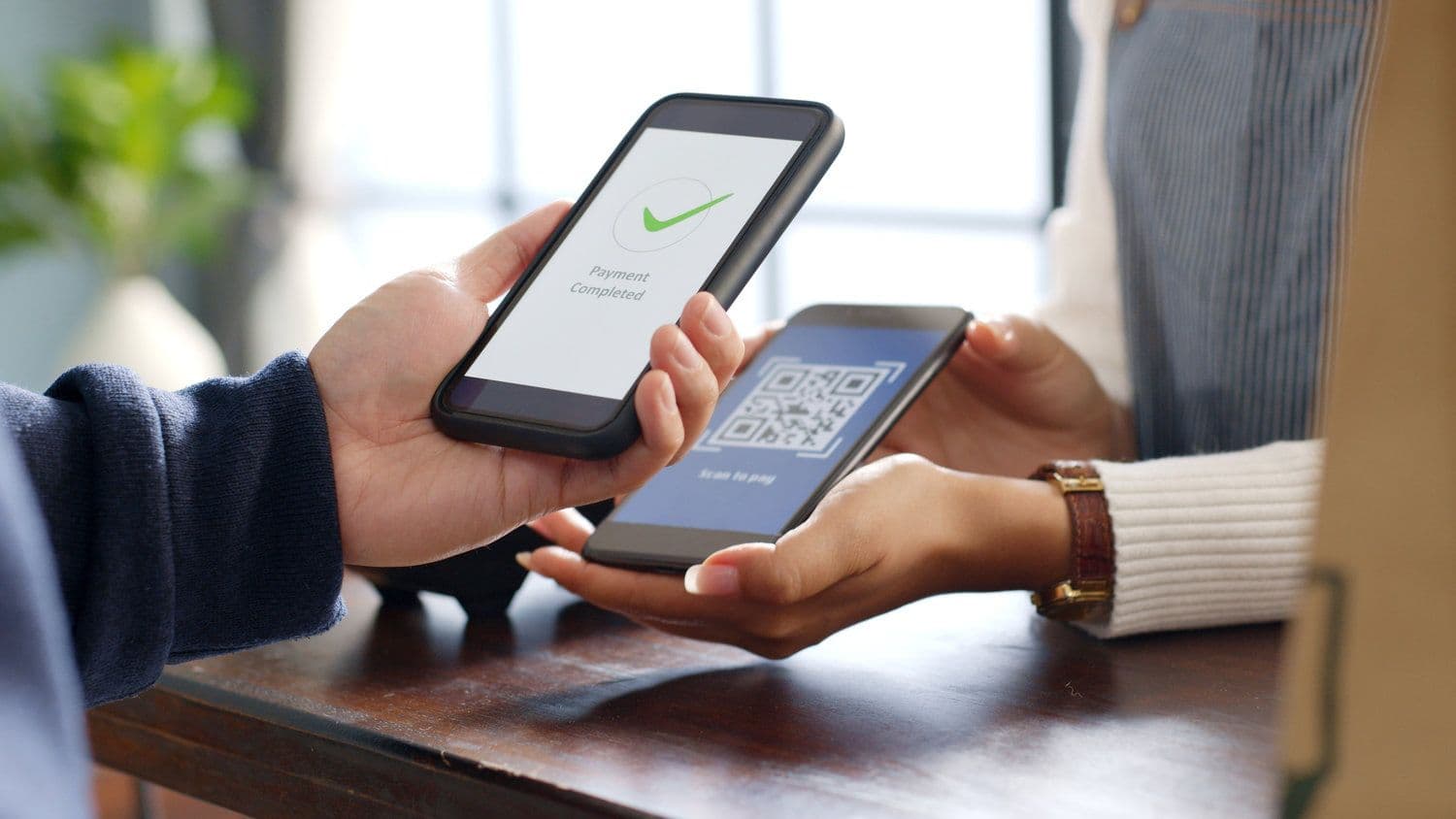
Revolut 正在英國及歐洲經濟區於其平台導入比特幣閃電網路 技術。此整合旨在減少比特幣支付的交易時間及網路手續費,使加密貨幣於日常生活中更實用。 Revolut 的決策象徵比特幣第二層(層2)應用正在大規模推進,未來可能徹底改變加密貨幣版圖。
必須知道的重點
- 閃電網路是基於比特幣的第二層協議,主打高速、低手續費,突破比特幣主網路的可擴展性限制。
- 2025 年五大重點應用包括跨國匯款、金融科技 App(如 Revolut 加密貨幣轉帳)、日常零售與商家支付、數位內容微支付,以及物聯網支付。
- 閃電的設計採用鏈外支付通道與多跳路由,全部用比特幣本身(無新代幣);對比如 Stacks( BTC 智能合約)、Liquid(聯盟側鏈)、Fedimint(隱私型聯盟鑄幣)則在信任、功能與應用場景上做出不同取捨。
- 包括美國聯準會(等分析師)指出,閃電已減少主鏈壅塞與手續費,讓比特幣更靠近「點對點現金系統」理想。儘管第二層競爭帶來創新,但閃電依然是比特幣支付的骨幹。
什麼是閃電網路
閃電網路是建立在比特幣區塊鏈上的突破性支付協議,讓極小額、近即時的交易能進行而不會阻塞主鏈。透過雙方間的點對點通道,閃電網路用戶可以鏈外交易,只在最終結算時才上比特幣主鏈。事實上,閃電構築了中本聰構想下的「支付軌道」——快速、便宜且去中心化。正如 Reuters 觀察指,閃電採用讓比特幣邁向「點對點電子現金」原初目標,閃電通道內比特幣總量屢創新高。
2024 年底,閃電網路承載能力超過 5,300 BTC(約 2 億美元),較前一年成長近一成。主流加密交易所紛紛支援閃電,科技公司也主打子秒級結算和幾乎零手續費。這些基礎建設顯示比特幣正跨越成為日常支付工具的鴻溝。
閃電最大吸引力在於解決比特幣主鏈的可擴展性挑戰。比特幣主網每秒僅處理約 7 筆交易且每區塊需等待 10 分鐘,故鏈上支付在壅堵時昂貴又緩慢。閃電藉鏈外分組交易來規避這限制:雙方先在 2-2 多簽地址鎖定資金,然後彼此間不受限次數更新鏈外餘額。
只有開啟與關閉通道會寫入主鏈。這種鏈外帳本由比特幣保障:任何一方都能在任何時刻單方面關閉通道並廣播最新狀態。實際上,就像和朋友記酒吧帳一樣:你們私下先結算,最後才一起付清比特幣。這大幅降低支付的時間與成本。 例如 Santander 分析指出,閃電理論上能支持每秒數百萬筆即時微支付,可消除等待確認的延遲——用來現場買 5 美元咖啡就很實用。
除了一對一通道外,閃電也能透過多跳路由形成全球網絡。任何用戶都可透過中間節點,把付款「跳」給非直接對手方,每個跳點都以 hash 時間鎖合約保障全額成交(不中斷即不成立)。現實中,閃電錢包會自動分配路徑,將款項拆分或透過多通道送達收款方。
路由遇到流動性不足時可能失敗,但隨網路承載力與路由演算法(如 AMP)升級,成功率大增。重要的是,閃電只用比特幣本身作為貨幣,沒有新代幣。中繼路由能收取微手續費(通常只是分幾分錢,熱門節點甚至免費)。因此,閃電就像一個微利支付網路:任何人都能靠協助別人路由賺取小費,卻不用放棄資金主控權。最終形成以比特幣安全性為基礎、自組織的支付網絡,大幅提升效率並降低成本。
對用戶而言,閃電實現即時點對點交易:毫秒結算、手續費近乎零。唯一主鏈「成本」是每次開關通道,且能分攤到多筆交易。
閃電的安全依託於過期通道狀態會被處罰,同時「守望者服務」可防止作弊風險。協議本身可隨主鏈安全性自然擴展,因通道隨時可鏈上關閉。整體而言,閃電是第二層「狀態通道」網路,將絕大多數小額支付移出比特幣主鏈,解決吞吐問題。雖仍有流動性需求及多為雙向通道等侷限,但相關科研和軟體持續進步。
即使比特幣價格下跌,閃電鏈上承載力過去一年近乎倍增,反映真實需求。

閃電網路五大全球應用
讓我們來看看加密貨幣現今最具代表性的閃電網路實際應用案例。
1. 跨境匯款:低成本全球轉帳
閃電網路最出色的用途之一是即時跨國匯款。傳統國際匯款速度慢、成本高,每筆費用往往 5–10%。閃電能幾乎零手續費、即刻匯款。
例如新創 Strike 拓展“Send Globally”服務至菲律賓和墨西哥,兩者皆為全球最大匯款走廊之一。
美國的用戶經 Strike 發送美元,在閃電網路層轉為 BTC,數秒內橫跨海外,最終以披索貨幣或穩定幣形式進入對方手機錢包(手續費僅傳統模式的零頭)。
Strike 利用閃電網路與傳統模式競爭:用戶享受近即時入帳和總成本低於 1%,而銀行或現金代理則要付 3–5%。閃電低延遲亦有助於對沖幣價波動:資金在價格變化前即入帳。
這類企業匯款用途已規模化。
截至 2025 年,Strike 的 Send Globally 年送金額已達數百萬美元,並由在地合作夥伴協助法幣上下車。
其他公司也陸續跟進——例如菲律賓交易所 Coins.ph 已接入閃電轉帳。更重要的是,閃電本質就是微支付,發送方可用小到一聰的 BTC,輕鬆填補匯款路線。因閃電是點對點,全球隨時都能開通新轉帳路徑,不受銀行營業時間與許可束縛。最終實現秒級低費到帳。監管機構與非營利組織也看好:閃電橋樑有助於推動全球普惠金融,消減對現金和傳統匯款商依賴。
2. 金融科技與數位錢包:閃電進入日常 App
主流金融科技 App 已開始內建閃電網路以強化用戶支付體驗。2025 年 5 月,歐洲數位銀行 Revolut(透過 Lightspark)宣布開放英國與歐盟閃電業務。該行 CEO 強調,閃電整合讓客戶可「一秒內、一分錢」發送或消費 BTC,比以往加密支付通道更快更省。
接入 Lightspark 節點網路後,Revolut 用戶可即時用比特幣支付商家或朋友。這類案例愈來愈多:如 Kraken、Bitfinex 等交易所紛紛上線閃電存提,讓帳戶及錢包間轉帳秒速完成。
用戶端,閃電同時推動多款新型支付 App。
例如 Satoshi 錢包、Breez 等手機錢包已可用閃電“掃碼支付”買咖啡、付計程車費、分帳款。
部分領先的商家(尤以加密友善地區)已安裝閃電 POS 機。
有基層案例例如薩爾瓦多連鎖咖啡店攜手 Bitcoin Beach(公民計畫),透過閃電接受比特幣,並以微支付通道分賬小費。這類落地採用雖尚屬少數,但正迅速成長:近期分析顯示,閃電於中美洲與部分歐洲地區活躍擴大,每日消費型商家認可流暢無障礙的支付體驗。
甚至慈善機構、臨時工受益無窮——閃電讓訂閱費用、分期小額贊助輕鬆收付。 at a time, which was prohibitively expensive on‑chain.
當時,在鏈上進行這類操作的成本高得難以負擔。
Lightning’s advantage in fintech is clear: payments that in traditional crypto would take minutes and dollars in fees now clear almost instantly with no middleman. Peer‑to‑peer transfers (like Cash App’s Lightning feature) go at the speed of apps, enabling Bitcoin to function as “digital cash” in wallets. This improves the everyday utility of Bitcoin.
Lightning 在金融科技領域的優勢非常明顯:原本在傳統加密支付須花數分鐘且需支付高額手續費的交易,現在能夠幾乎即時完成,且完全不需中介。點對點的轉帳(如 Cash App 的 Lightning 功能)達到應用程式般的速度,讓比特幣真的能成為錢包裡的「數位現金」,大大提升了比特幣在日常生活中的實用性。
Fintech platforms also capitalize on Lightning’s non‑custodial nature: users send from their own wallets over Lightning rather than trusting a centralized ledger. The net effect is an embedded Lightning network beneath apps – a trend analysts see as critical for broader Bitcoin adoption.
金融科技平台也善用 Lightning 的非託管特性:用戶透過 Lightning 從自己錢包發送資金,而不必信任中心化帳本。其結果就是在應用程式背後內嵌了一層 Lightning 網路——分析師認為,這對比特幣廣泛普及具有關鍵性意義。
3. Retail and Point‑of‑Sale Payments
3. 零售與實體店面支付
As Lightning matures, larger retailers have begun to experiment with it for checkout. During Bitcoin’s 2024 bull run a few forward‑looking merchants ran Lightning payment pilots: reports noted household names like Starbucks and Walmart (in press rumors) exploring Lightning options for customer payments.
隨著 Lightning 趨於成熟,越來越多大型零售商開始試驗使用 Lightning 進行結帳。在 2024 年比特幣牛市期間,一些具有前瞻性的商家展開了 Lightning 支付試點:據報導,像星巴克和沃爾瑪這樣的知名品牌(媒體傳聞)也在評估透過 Lightning 提供顧客付款選項。
More concretely, crypto specialist BitPay saw record volumes of Lightning transactions, indicating merchants’ interest in Bitcoin at the point of sale. For micro‑merchants and e‑commerce, Lightning is particularly compelling: an online retailer can accept thousands of $5 payments with negligible fees, unlike on‑chain where fees would exceed ticket price.
更具體來說,加密貨幣業者 BitPay 觀察到 Lightning 交易量創新高,這反映出商家對比特幣實體消費的興趣。對微型商家與電商來說,Lightning 特別具吸引力:線上零售商可以收取數千筆 5 美元的小額付款,幾乎不需支付手續費,與鏈上交易不同,鏈上手續費甚至可能高於商品價格。
One high-profile retail use is digital gift cards. Companies like Bitrefill and CoinCards let customers buy vouchers or phone top‑ups with Bitcoin, and these services now preferentially use Lightning rails for micropayments.
一個備受關注的零售範例就是數位禮物卡。像 Bitrefill 和 CoinCards 這樣的公司,讓用戶能用比特幣購買禮品卡或儲值電話,且這些平台現在已優先採用 Lightning 作為小額支付通道。
The Lightning‐based payment settles almost instantly with the merchant’s own channels, then the merchant (Bitrefill) delivers the product.
>利用 Lightning 進行的支付可於商家自身通道幾乎即時結算,然後商家(如 Bitrefill)再交付商品。
Another example is event ticketing: some conferences and festivals issue Lightning‑ready payment links or IDs so attendees can pay for merchandise and food with Bitcoin at kiosks. These use cases exploit Lightning’s offline payment extensions (users can prepare pre‑signed payment requests) and its sub‑cent fees on tiny purchases.
另一例是活動票務:有些研討會或嘉年華會提供支援 Lightning 的付款連結或 ID,讓參加者可以用比特幣在現場攤位購買商品與餐飲。這些場景運用了 Lightning 的離線支付擴充(用戶可事先準備好簽名付款請求),以及低於一分錢的手續費,非常適合極小額消費。
At a broader level, Lightning can turn local street vendors into micro‑Bitcoin merchants. Crypto advocacy groups in Latin America have been training merchants in mobile Lightning wallets. For instance, in Bolivia a cevichería owner began accepting Lightning through a smartphone POS; neighboring kiosks followed suit after seeing quick settlement. Although individual retailers’ volumes are small, together they form a grassroots network of Lightning lanes – a catalyst for community adoption.
在更廣泛的層面,Lightning 能讓地方小販也變身為比特幣微型商家。拉美的加密推廣組織已開始培訓店家使用 Lightning 行動錢包。例如,玻利維亞一家賣酸橘汁醃魚的小店主透過手機 POS 開始接受 Lightning,附近攤商見到迅速結帳體驗後也陸續仿效。儘管單一店家的交易量不大,但這些微型商家的匯集,正好形成了草根性的 Lightning 通道網絡——成為社區採用比特幣的重要催化劑。
Economically, this lowers barriers: shoppers no longer need to open big exchanges or pay high KYC fees to spend Bitcoin; they just use a Lightning QR code. While still niche, retail Lightning is growing quietly, especially in regions with currency instability where Bitcoin is seen as a reliable payments layer.
就經濟面而言,這降低了門檻:消費者不需再開設大型交易所帳戶或負擔高昂 KYC 費用,只需掃描 Lightning QR 碼即可用比特幣消費。雖然目前仍屬小眾使用,但零售 Lightning 也在悄然成長,尤以貨幣不穩的地區最受青睞,他們將比特幣視為更可靠的支付層。
4. Micropayments for Content and Services
4. 內容與服務的小額支付
Perhaps the most natural use of Lightning is microtransactions on the internet.
Lightning 在網路上的最自然應用,莫過於實現超小額支付。
Lightning makes it feasible to pay fractions of a cent per view, per article, or per API call. By 2025 a host of content platforms and social apps have built Lightning wallets into their products. For example, decentralized social networks and blogging sites (using protocols like Nostr or Lightning TipBots) allow users to tip each other instant satoshis for posts or comments. Listeners can “pour a bit of sats” into podcast feeds (Podcasts 2.0) each time they play a song or episode, funding creators directly.
Lightning 讓使用者能夠以每觀看一次、每閱讀一篇或每次 API 請求支付不到一分錢的金額。到了 2025 年,許多內容平台與社交應用程式已將 Lightning 錢包納入產品之中。例如,去中心化社群與部落格平台(如採用 Nostr 或 Lightning TipBots 協議)允許用戶即時互相打賞 sats,無論是貼文還是留言。聽眾每次播放 Podcast(Podcast 2.0)歌曲或集數時,都能「灑點 sats」贊助創作者,直達對方口袋。
This emerging ecosystem of Lightning micropayments is cited as a key growth driver for LN’s user base.
>這個新興的 Lightning 小額支付生態,被視為推動 LN 用戶數增長的關鍵驅動力。
Another area is gaming and streaming services. Game developers have integrated Lightning to let players pay tiny amounts during play or bet on outcomes. For instance, certain mobile games allow in‑game assets to be bought in increments of 0.01 mBTC via Lightning, something impractical on‑chain.
另一熱點是遊戲及串流服務。遊戲開發者已將 Lightning 整合進遊戲內,讓玩家可以在遊戲過程中即時支付小金額,或下注預測比賽結果。例如某些手機遊戲允許玩家利用 Lightning,每筆0.01 mBTC 的極小金額購買遊戲資產,這在鏈上幾乎辦不到。
Likewise, some video streaming platforms experiment with Lightning‑based pay‑per-second streaming – pausing playback when balance runs out, resuming as more sats flow. These use cases take direct advantage of Lightning’s few‐ms settlement, no mediation, and extremely low incremental fees. While still nascent, they show the peer‑to‑peer ethos of Bitcoin extending into digital services: content is monetized by countless small payments rather than subscriptions, and Lightning makes each transaction efficient.
同樣的,也有串流影音平台試驗以 Lightning 計時計費——餘額用完就暫停播放,有新 sats 到帳就繼續。這些應用直接利用 Lightning 的毫秒級結算、無須中介、極低增量手續費等優勢。雖依然處於初期,但已展現出比特幣 P2P 精神延伸到數位服務領域:不靠訂閱,而是靠無數小額付款實現內容貨幣化,Lightning 則確保每一筆交易都高效完成。
5. IoT and Machine‑to‑Machine Payments
5. 物聯網與機器對機器的支付
The Lightning Network also opens the door to autonomous machine payments in 2025. Any device with a Lightning wallet can settle payments in real time, enabling scenarios like paying for Wi‑Fi by the minute, or a smart appliance ordering supplies with micro‑purchases.
Lightning 網路同時也為 2025 年自動化機器支付大開方便之門。任何內建 Lightning 錢包的裝置都能即時結算付款,實現如按分鐘付費 Wi‑Fi、智慧電器自動小額採購補給等場景。
For example, telecom providers in some regions have trialed pay‑per-use data plans where customers top up a Lightning balance and the network meter deducts satoshis live. Another emerging sector is e‑mobility: certain EV charging stations accept Lightning, billing cars down to the last kilowatt-minute through tiny Bitcoin payments.
例如,某些地區的電信業者已試行即用即付流量方案,用戶先儲值 Lightning 餘額,系統則即時扣除相應 sats。另一新興場景則是智慧交通:有些電動車充電站已能接受 Lightning,用極小的比特幣金額按每分鐘、每度電精算車輛充電費。
The general trend is toward enabling devices and sensors to transact without human intervention, thanks to Lightning’s programmability and speed.
>總體而言,Lightning 的可編程性與高速度,正推動裝置與感測器之間在無需人工介入下自動進行交易。
From a grassroots perspective, Lightning machine payments are still early: pilot projects by startups (like Meshnet and IoTeX) suggest this future. But even non‑IoT examples count: Lightning-powered tipping jars and donation devices (physical pay‑to‑pour bitcoin water coolers!) have popped up at tech conferences. These hardware implementations showcase Lightning as a bridge between physical commerce and Bitcoin. In sum, Lightning allows Bitcoin to flow not just between people, but between machines – tapping into the next wave of the “Internet of Value.”
從基層應用來看,Lightning 機器支付仍處於初階:新創團隊如 Meshnet、IoTeX 的試驗計畫已勾勒其未來。但即便不是 IoT 場景,也已有 Lightning 推動的小費箱和捐款裝置(甚至出現在科技會議的比特幣「灌水機」!)。這些硬體應用都凸顯 Lightning 可作為連結實體商業與比特幣世界的橋樑。總之,Lightning 讓比特幣不再只是在人與人之間流通,也能實現機器之間的價值往來,開啟「價值網際網路」的新時代。

Other Bitcoin Layer‑2 Solutions in 2025
2025 年其他比特幣 Layer-2 解決方案
As Lightning climbs, other second‑layer schemes have matured alongside it. Each alternative has its own design trade‑offs. For example, Stacks (formerly Blockstack) is a smart‑contract platform built on Bitcoin. Unlike Lightning, Stacks is its own blockchain with a native token (STX) that uses Bitcoin only for settlement security via a “Proof of Transfer” consensus. Stacks adds Ethereum‑style programmability to the BTC ecosystem, enabling DeFi and NFT applications. It doesn’t scale Bitcoin’s payment throughput (Stacks transactions still take time), but it vastly broadens Bitcoin’s functionality. In effect, Stacks is complementary: Bitcoin users can pay on Lightning or, if they need a smart contract, route through Stacks (e.g. sending BTC into a Stacks contract).
隨著 Lightning 興起,其他第二層方案也同步成熟。每種替代方案各有設計權衡。例如 Stacks(前 Blockstack)是在比特幣之上建構的智慧合約平台。與 Lightning 不同,Stacks 是一條擁有自家代幣(STX)的獨立區塊鏈,它僅以比特幣作為交易結算安全的「轉移證明」共識。Stacks 為 BTC 生態帶來類似以太坊的可程式化功能,支援 DeFi 與 NFT 應用。它無法提升比特幣本身交易吞吐量(Stacks 交易仍需一定時間處理),但極大擴展了比特幣的功能性。實務上,Stacks 與 Lightning 互補:用戶可選擇在 Lightning 上支付,或是有智慧合約需求時透過 Stacks 執行(例如將 BTC 傳入 Stacks 智慧合約)。
A key difference is trust and liquidity: Lightning requires no new token and uses user‑funded channels, whereas Stacks requires STX and 60‑second microblocks to secure transactions.
兩者的核心差異在於信任與流動性: Lightning 不需要新代幣,用戶自建通道即可,而 Stacks 則需 STX 代幣,並透過 60 秒一個的小區塊驗證交易。
The Liquid Network is another Layer‑2, but with a very different approach.
Liquid Network 則是另一種 Layer-2,但採用非常不同的方式。
Developed by Blockstream, Liquid is a federated sidechain – meaning a consortium of known functionaries secures it. Liquid issues a Bitcoin‑pegged asset (L‑BTC) which users mint by locking real BTC.
由 Blockstream 開發,Liquid 是一條聯邦側鏈——即由已知法人組成的聯盟共同維護安全。Liquid 發行錨定比特幣的資產(L-BTC),用戶可把真實的 BTC 鎖倉後兌換獲取。
Transactions confirm in about two minutes with fast finality, making it much faster than Bitcoin’s 10‑minute blocks. Liquid’s federation trades decentralization for performance: only ~15 nodes validate Liquid blocks, so it’s highly centralized compared to Lightning’s global mesh. In practice, Liquid is popular with exchanges and traders for quick transfers and asset issuance (eg. tokenized securities), rather than everyday payments.
交易約兩分鐘就能確認且最終定案,比比特幣本身 10 分鐘一個區塊要快得多。Liquid 的聯盟設計,用中心化換取效能:僅有約 15 個節點參與區塊驗證,相比 Lightning 的全球去中心化網路來說,Liquid 集中度非常高。實務上 Liquid 主要被交易所和專業交易員用於快速轉帳與發行資產(如證券通證化),並非日常付款使用。
Lightning vs Liquid is thus partly a matter of venue: Lightning excels at decentralized, user‑to‑user micropayments, while Liquid offers secure, fast settlement between institutions (fewer participants but higher throughput). They also compete for “off-chain” capacity: a trader might move funds on Liquid when speed is critical or use Lightning for retail payments. But mostly they complement each other in the Bitcoin ecosystem.
因此 Lightning 與 Liquid 的差異部分體現在應用場景:Lightning 擅長去中心化、用戶對用戶的小額支付,Liquid 則以安全且快速的機構間結算為強項(參與者較少但吞吐量高)。兩者也共同爭取「鏈外」容量:交易者在需要極速時會用 Liquid,零售支付則可能選擇 Lightning。但兩者在比特幣生態中多為互補關係。
A newer entrant is Fedimint, a federated Bitcoin mint that emphasizes privacy.
另一新興方案則是 Fedimint,這是一個著重隱私的比特幣聯盟鑄幣系統。重點介紹其設計思路。
A Fedimint federation acts as a collective custodian: users deposit BTC into the federation and receive private “tokens” via Chaumian e‑cash protocols. Lightning integrates with Fedimint through special gateways: a user can send sats to a Lightning address connected to the federation, instantly converting them into Fedimint tokens for spending.
Fedimint 是一種集體託管:用戶將比特幣存入聯盟,由 Chaumian 電子現金協議鑄出隱私代幣。Lightning 透過特殊閘道與 Fedimint 整合:用戶可以將 sats 轉到連接聯盟的 Lightning 地址,即時兌換成 Fedimint 代幣消費。
This lets Bitcoiners ‘hop’ between Lightning and federations for added anonymity – Lightning’s payment speeds combine with Fedimint’s privacy model. The trade‑off is trust: unlike Lightning’s trustless channels, Fedimint requires trusting a quorum of nodes not to collude. But for many, giving up minimal trust in a large federation is worth the privacy gains. In 2025 some wallets let users switch on Fedimint spending to blur trail between transactions. Lightning and Fedimint thus coexist as layers: one speeds up payments, the other mixes them.
這讓比特幣用戶能在 Lightning 與聯盟間「跳轉」以提升匿名性——結合 Lightning 的高速支付與 Fedimint 的隱私防護。其代價在於信任:Fedimint 不像 Lightning 採取「零信任」通道,而是需信任一組節點不會共謀。但對許多用戶而言,願意為高度匿名而接受部分聯盟信任。到了 2025,有些錢包還允許開啟 Fedimint 模式以混淆交易足跡。Lightning 與 Fedimint 就此成為兩層共存:一個提升支付速度,另一個強化隱私混合。
Other Layer‑2s include RSK (Rootstock), a 2017 Ethereum‑like sidechain, and experimental Bitcoin rollups.
其他 Layer‑2 還包括 RSK(Rootstock,一種 2017 年推出的以太坊風格側鏈),以及比特幣實驗性 rollup(彙總協議)。
Rollups (already huge on Ethereum) are being studied for Bitcoin too.
>Rollup(在以太坊上已經非常重要)目前也正被研究引入比特幣。
Researchers estimate that validity‑rollups on Bitcoin could eventually boost throughput ~100× by bundling transactions off‑chain and posting summaries on Bitcoin. Such rollups would operate in tandem with Lightning, further offloading the base layer. Meanwhile, platforms like ARK and new UTXO‑sharing protocols promise yet more scalability.
研究人員估計,若比特幣能引入 validity-rollups,可將交易離鏈打包,多達 100 倍提升處理量,再將摘要回寫到比特幣主鏈。這類 Rollup 將會與 Lightning 協同運作,進一步減輕主鏈負擔。同時,像 ARK 這樣的平台及新型 UTXO 分享協議,更帶來未來可期的擴容潛能。
Each of these solutions offers a different mix of security, decentralization and features. Lightning is unique in being non‑custodial and purely Bitcoin‑native, whereas Stacks and RSK rely on external tokens and Liquid/Fedimint rely on
這些方案各自權衡安全性、去中心化程度和功能特色。Lightning 特點在於非託管、純比特幣原生;而 Stacks 與 RSK 則需倚賴外部代幣,Liquid/Fedimint 則要依賴...federations. 2025 年,分析師們認為這些方案具有互補性:Lightning 依然是支付的主幹網路,而 Stacks、liquid 等則專注於智慧合約、資產發行或隱私等利基市場。
整體而言,眾多 Layer‑2 專案通常被稱為「模組化比特幣」堆疊。沒有任何單一層能夠滿足所有需求,但每一層都在擴展比特幣的觸及範圍。正如 Galaxy Digital 所指出,這些 L2 網路正在吸引流動性和開發者,每個團隊都圍繞比特幣打造全新應用。
對最終用戶而言,這意味著比特幣生態系將能像網際網路一樣演進——現金、合約和隱私等各種分層互相協作。到了 2025 年,這種對比更加明顯:Lightning 支援日常場景下的快速、低手續費支付;Stacks 推動 DeFi/DApp;Liquid 加快三方交易所級結算;Fedimint 則提供隱私錢包。這些協議有時會競爭(例如在手續費市場),但更多時候則相互補足,共同推動比特幣的整體採用。
Final Thoughts
五年過去,Lightning Network 終於實踐了比特幣作為「電子現金」的最初願景——而金融分析師也開始注意到這一點。
美聯儲的一份報告發現,Lightning 的普及大幅緩解了區塊鏈的壅塞與手續費,估算若 2017 年已有 Lightning,鏈上壅塞可能會減少高達 93%。
實際上,使用者獲利不少:他們的比特幣交易如今能更快速、更低廉地完成結算。Lightning 層已吸引了數十萬活躍用戶,並正成為比特幣基礎設施中的關鍵組件。
像 X 打賞和主要交易所等主流平台現已支援 Lightning 支付,這顯示市場非常重視這個快速網路層。
展望未來,Lightning 的發展可望讓比特幣在現實世界的應用加速落地。它能處理極小額支付、支援離線模式,讓比特幣適用於從內容串流到物聯網充電等過去無法想像的情境。
另一方面,其他 Layer‑2 協議的競爭確保了創新的持續發生。Stacks、Liquid 和 Fedimint 等協議各自定位,帶動可程式化和隱私等面向的技術突破。但它們都藉由引入新用戶和新場景,強化了比特幣的生態系統。2025 年,比特幣之所以能屹立不搖,靠的已不僅僅是投機需求——而是在於它作為一個強健支付網路的潛力正逐步落實。