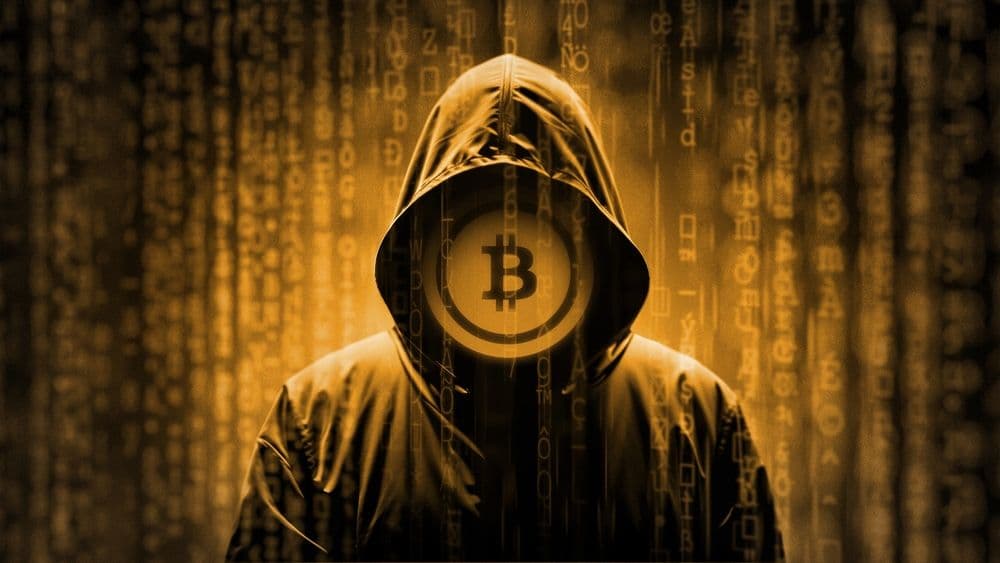
South Korean prosecutors discovered that approximately $47 million worth of Bitcoin (BTC) they had seized and stored as part of a criminal investigation is no longer accessible, with authorities suspecting a phishing attack may have compromised the digital assets after an agency worker visited a fraudulent website.
What Happened: Seized Crypto Vanishes
The Gwangju District Prosecutors' Office uncovered the loss during a routine internal inspection of seized financial assets, which includes verifying passwords and access credentials stored on removable devices such as USB drives.
A prosecution official told local media that the BTC may have been compromised after someone accidentally accessed a fake website while conducting the inspection.
The Chosun Daily reported that roughly 70 billion won in Bitcoin was missing.
The report stated that wallet passwords or access credentials may have been exposed externally, allowing attackers to drain the seized holdings. Authorities are working to trace the whereabouts of the assets but declined to disclose specifics.
Also Read: XRP Pattern Hints To Potential $4 Price Target, Analyst Claims
Why It Matters: Phishing Threat Persists
Phishing remains among the most common tactics used to steal cryptocurrency, relying on spoofed websites or messages designed to trick victims into entering sensitive information such as private keys or login credentials.
Earlier this year, users of Ledger, the France-based hardware wallet company, were targeted in a phishing scam following a data breach at its e-commerce partner.
Scammers sent personalized emails claiming a fake merger between Ledger and Trezor, instructing users to enter 24-word recovery phrases on a spoofed site.
In Dec 2024 Trust Wallet confirmed that approximately $7 million in cryptocurrency was stolen through a compromised browser extension update. The breach affected only version 2.68 of the Chrome extension, which was released on Dec. 24.
Mobile wallet users remained unaffected, according to the company. Changpeng Zhao, founder of Binance, which owns Trust Wallet, said the wallet would compensate all affected users.
Read Next: What's Behind LayerZero's 40% Surge Amid Quiet Markets?