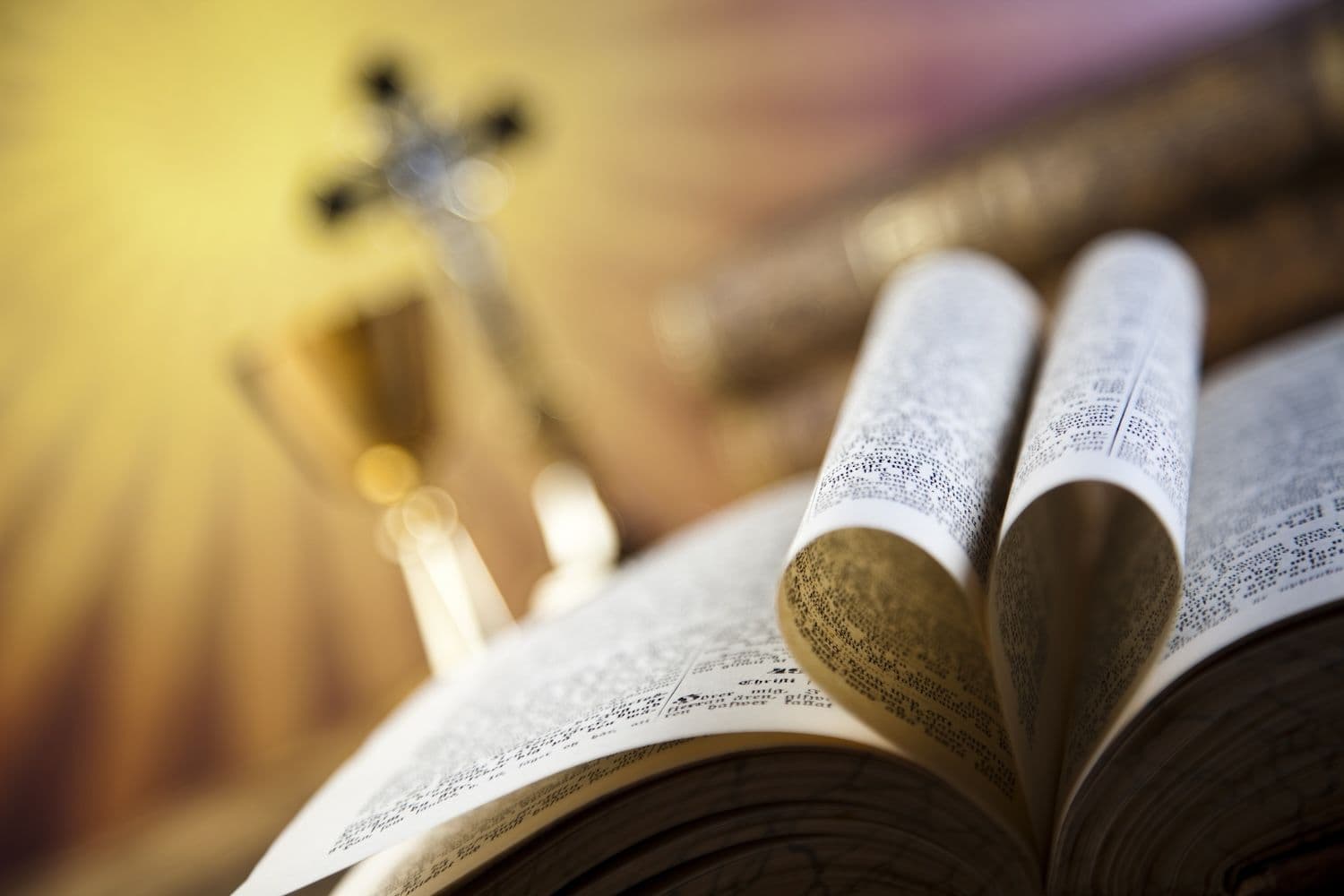
Anthropic has been consulting theologians and ethicists to shape how its chatbot Claude behaves, as Pope Leo XIV warns that artificial intelligence threatens human dignity.
Key Points:
- Anthropic invited about 15 religious thinkers to its San Francisco headquarters in late March to discuss Claude's moral framework.
- The sessions aim to refine Claude's constitution, the written principles that steer how the model responds to users.
- Pope Leo XIV's first encyclical, released May 25, urges that AI be disarmed and kept subordinate to human dignity.
Anthropic Recruits Religious Scholars
About 15 religious thinkers met with the company at its San Francisco office in late March. They came to weigh a question now dividing the AI industry: how to teach a chatbot to be good when simple rules no longer cover every case.
The invitations arrived in scattered ways, some by email and others through a friend of a friend. Each guest joined a series of talks about Claude and the moral framework meant to guide how it answers. The goal was not to make the model pious, but to draw on centuries of religious reasoning about right and wrong.
That reasoning feeds what Anthropic calls Claude's constitution, a written set of principles the firm uses to shape the model's responses on everything from grief to end-of-life care. The company trains Claude to critique and revise its own answers against those rules rather than follow a fixed list of prohibitions.
Also Read: Traders Now Give Fable 5 74% Shot At Returning By Mid-July
Experts Question Claude's Moral Framework
Brian Patrick Green, a technology ethicist at Santa Clara University, said the lab's growing power had begun to outstrip its in-house wisdom. Greg Cootsona, who runs the advisory group AI and Faith, recalled staff conceding the questions had grown too big to answer alone. A late April session broadened the circle to include Jewish, Hindu, Sikh, Mormon and Greek Orthodox voices.
Not every scholar is convinced the approach fixes the deeper problem of who holds these companies accountable. Carissa Véliz, an ethicist at the University of Oxford, questioned whether stated intentions matter more than the incentives a commercial model creates.
She warned that religious language around technology can breed a tribal loyalty that resists plain reason. Critics dismiss the outreach as ethics washing, a bid to borrow moral credibility. Green countered that any pretense would be spotted quickly and prove hard to repair.
Pope Leo XIV published his first encyclical May 25, a roughly 40,000-word text that calls for AI to be disarmed and kept subordinate to human dignity. Anthropic co-founder Christopher Olah attended the Vatican presentation, the latest step in months of outreach to religious leaders.
Read Next: SpaceX Hits $2.94T Valuation After Passing Amazon And Microsoft