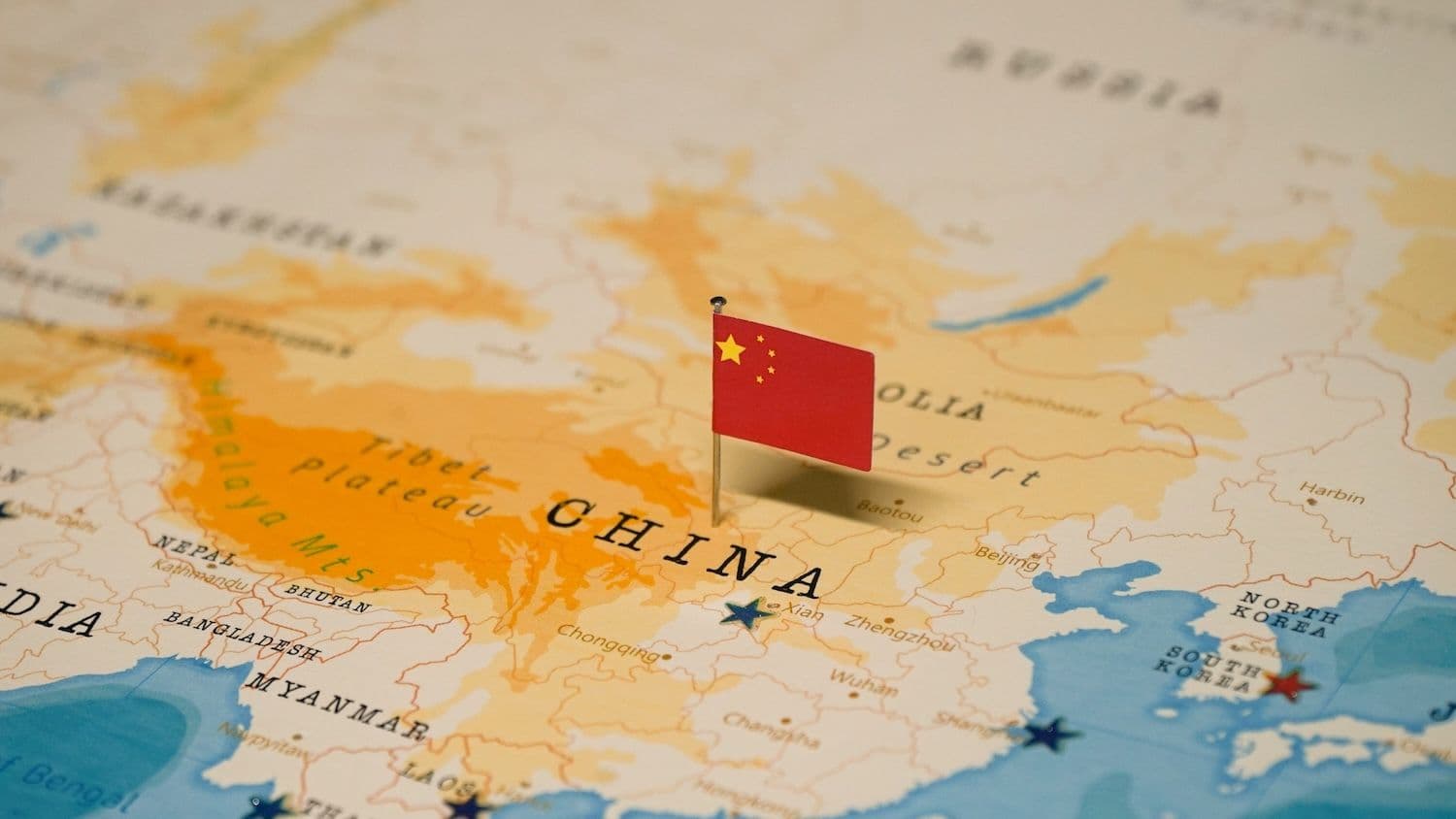
Beijing is weighing new limits on overseas access to China’s strongest AI models as national security concerns reshape the global AI race.
Key Points:
- Chinese officials have discussed limits on advanced AI models, including unreleased systems.
- Reuters said Alibaba, ByteDance and Z.ai joined meetings with Chinese authorities.
- The talks mirror U.S. efforts to restrict frontier AI access on national security grounds.
China AI Controls
Reuters reported Jul. 7 that Chinese authorities held meetings over the past month with leading technology firms about possible restrictions on foreign access to the country’s most advanced AI models.
The talks included Alibaba, ByteDance and Z.ai, according to three people familiar with the discussions. Two sources said officials discussed both closed-source models and more open systems, including unreleased models.
The discussions follow the global rise of DeepSeek’s R1 model, which helped Chinese AI products gain users through lower costs and stronger performance. Any overseas limits could raise costs for businesses that depend on those tools.
Officials from China’s Ministry of Commerce led the meetings, while the National Development and Reform Commission also attended. One source said leaks or theft of proprietary AI technology could become punishable under national security law.
The same source said authorities also raised possible limits on who can fund domestic AI startups.
Also Read: Dell Stock Jumps 4.4% After Donald Trump Tells Americans To Buy
Anthropic Mythos Concerns
Alibaba’s Qwen and ByteDance’s Doubao are among China’s most widely used AI models. Z.ai drew attention in Silicon Valley after its GLM-5.2 model approached leading U.S. systems at much lower cost, Reuters said.
The U.S. has moved in a similar direction under Donald Trump, whose administration has restricted access to some American AI models. In June, officials ordered foreign nationals blocked from Anthropic’s Fable and Mythos models, citing national security concerns.
Fable later regained broader access after new safeguards were added, while Mythos remains limited to some trusted U.S. organizations. Chinese authorities worry Mythos could exploit software vulnerabilities or be deployed against Chinese interests, two Reuters sources said.
Those concerns echo warnings from Zhou Hongyi, founder of cybersecurity firm 360, who has said China needs its own Mythos.
China’s tougher posture predates the latest meetings. In April, the state planner ordered Meta to unwind its $2 billion acquisition of Chinese-founded AI startup Manus, and June rules tightened scrutiny of overseas deals involving Chinese investors, technology, data and national security.
Authorities have also investigated Manus and other local AI startups that moved abroad, Reuters reported. A May roundtable in an official Supreme People’s Court journal proposed tiered open-source rules, with frontier models restricted to domestic use or barred from public release.
Read Next: TeraWulf Stock Jumps As Anthropic Deal Recasts Bitcoin Miner In $19B AI Pivot