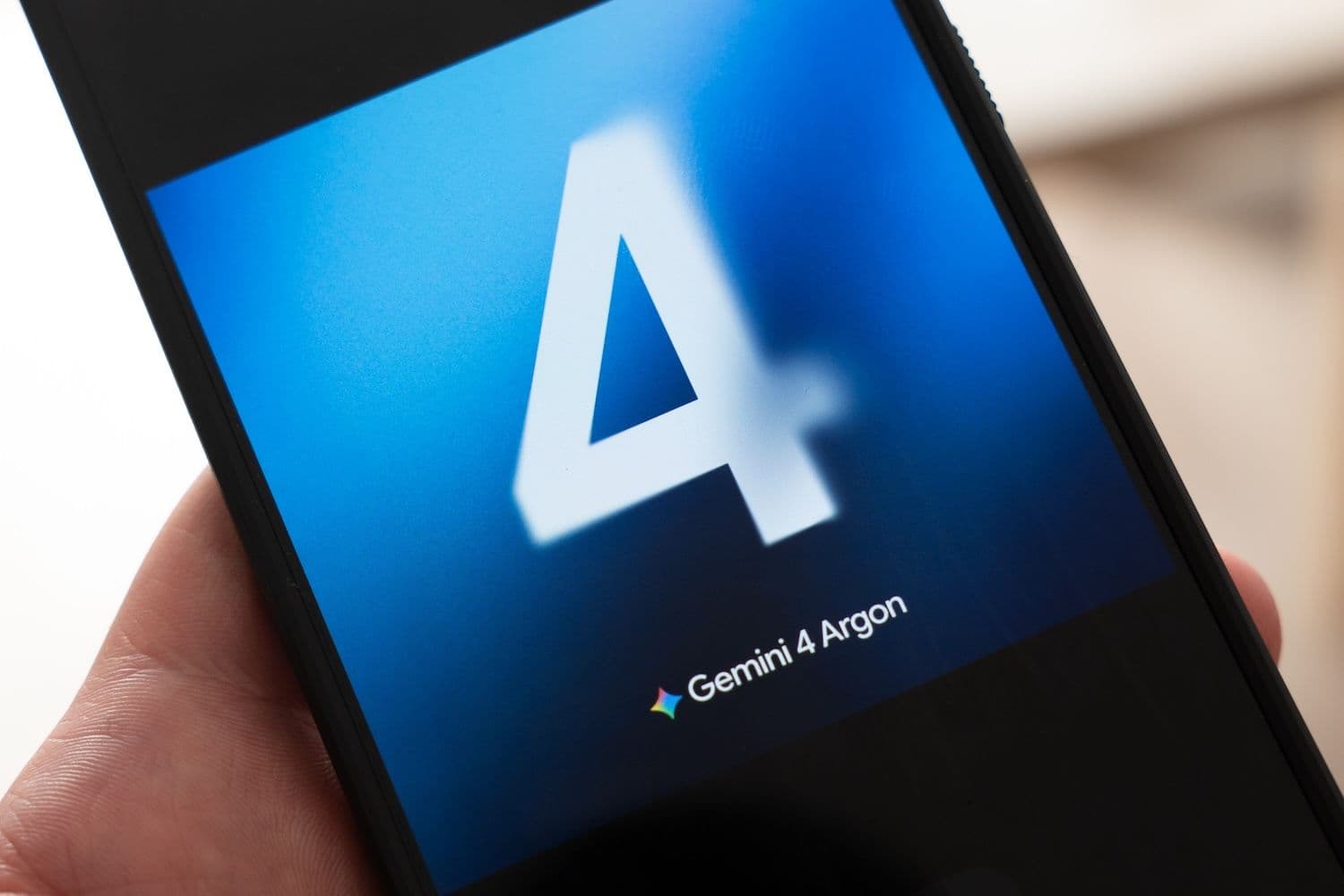
Google opened its flagship Gemini 4 Argon model to paying developers and subscribers worldwide on Tuesday, 13 days after restricting it to vetted cybersecurity defenders.
Key Points:
- Google released Gemini 4 Argon to paid API customers and its Pro and Ultra subscribers on Oct. 13.
- Introductory pricing of $2 per million input tokens runs through Nov. 30, then doubles.
- Independent tests show Argon leading one professional benchmark while tying rivals on another.
Google Argon Rollout
Developers and enterprises can now reach Argon through the paid Gemini API, Google AI Studio and the company's enterprise platform, Koray Kavukcuoglu, Google's chief AI architect, wrote. Pro and Ultra subscribers get the model in the Gemini app and AI Mode in Search, though the Antigravity coding environment stays reserved for Ultra users. More than 100,000 Google employees already use Argon monthly, the company said.
Argon costs $2 per million input tokens and $10 per million output tokens until Nov. 30, with cached input billed at a 95% discount. From Dec. 1, those rates double.
Through the API, the model offers a combined limit of 1 million input and output tokens, handled by a new continuation protocol for unusually demanding jobs.
The Sept. 30 announcement had described that figure as an output ceiling, up from 64,000 tokens, and Google has not spelled out how the two limits relate. Internally, Google says Argon helped untangle a roughly 6 million-line legacy folder inside Chromium's 40 million-line codebase, finishing months of work in weeks.
Also Read: XRP Ledger Hid A Coin-Minting Flaw Since 2015, Developers Now Reveal
Witteveen's Argon Verdict
Outside testers paint a mixed picture. Vals AI ranks Argon first on its GDP-weighted index of finance, coding, legal and tax work, scoring 68.90% against 67.04% for Anthropic's Claude Sonnet 5.5 as of Oct. 12.
Artificial Analysis gives Argon 53 on its Intelligence Index, a tie with OpenAI's GPT-6 Astra and Anthropic's Claude Fable 5.1, but five points behind Claude Opus 5.5. Sam Witteveen, chief executive of Red Dragon AI, who tested Argon early, praised the model yet doubted it leads the field: "is it the best model out there? I actually don't think it is." He also rated Antigravity well behind Claude Code and Codex.
Google's Gemini Setbacks
The launch caps a rocky year for Google's frontier models. Its Gemini 3 family arrived in November 2025, rivals soon overtook it on key evaluations, and investors fretted in July over delays to Gemini 3.5 Pro, heavy infrastructure spending and staff departures.
In August, longtime DeepMind chief Demis Hassabis moved into a chairman and chief scientist role at Alphabet, and Kavukcuoglu took over the lab. When Argon debuted on Sept. 30, Google held it back for extra safety testing and a voluntary U.S. government pre-release review, promising wider access as soon as possible without naming a date. Employees are reportedly already testing newer Gemini 4 versions codenamed Barium and Carbon.
Read Next: New York Times Sides With Publishers Demanding AI Firms Pay For News