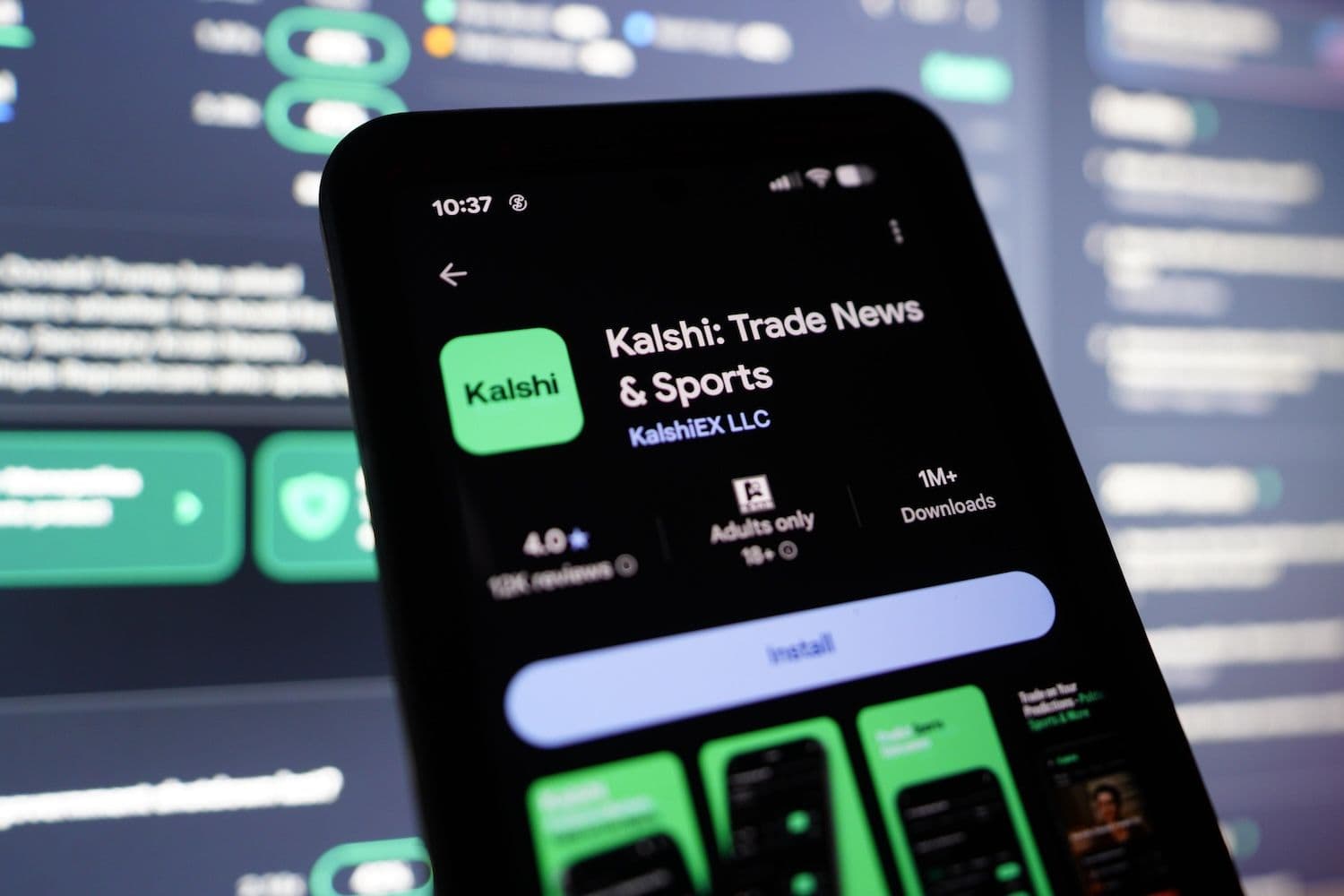
Kalshi's newly launched perpetual futures crossed $1 billion in trading volume within a week, a milestone the platform's original event contracts needed 40 months to reach.
Key Points:
- Kalshi's crypto perpetual futures topped $1 billion in notional volume less than a week after their Jun. 3 debut.
- The CFTC cleared Kalshi and Coinbase on May 29 as the first US companies allowed to offer perps.
- The waitlist for the product exceeded 1 million users before launch.
Kalshi Bitcoin Perps Hit $1 Billion
Chief executive Tarek Mansour confirmed the milestone this week, saying "the demand is there." The flagship Bitcoin (BTC) perpetual, trading under the ticker BTCPERP, went live on Jun. 3 and produced more than $100 million in volume during its first 24 hours. The totals are notional, which means leverage taken by traders is included in the figure.
For context, Kalshi's event contracts, the prediction market business it built its name on, needed more than three years to reach the same number. A company spokesperson said the waitlist for the product topped 1 million users before launch, making it the fastest-growing offering in the firm's history.
Also Read: OpenAI Joins $852B IPO Race As Anthropic And SpaceX Charge Ahead
CFTC Approval Unlocks Perps Trading
The Commodity Futures Trading Commission approved the BTCPERP listing on May 29, making Kalshi the first US company cleared to offer the contracts. Coinbase received a parallel sign-off the same day through an affiliate connected to Deribit, the derivatives exchange it acquired for $2.9 billion. Thirteen Kalshi contracts are live so far, and the company plans perpetuals on more than a dozen currencies pending further regulatory review.
Perpetual futures carry no expiration date, letting traders speculate on an asset's price without owning it, while periodic funding payments between long and short positions keep contracts aligned with the spot market. Funding rates on Kalshi's contracts update every eight hours, and the asset class generates more than $90 trillion in annual global volume, according to Bank of America estimates.
Until late May, no regulated US venue offered the product, leaving American traders to choose between sitting out or using offshore exchanges such as Binance and Bybit. Those platforms carry counterparty and legal risk for US customers. A regulated alternative also matters to institutions, since most funds and registered investment advisers operate under compliance rules that bar trading on unlicensed venues.
The bottleneck, in other words, was regulation rather than appetite.
Kalshi Expansion Gathers Pace
The launch caps a rapid stretch for Kalshi, which was founded in 2018 and became the first federally licensed US prediction market exchange two years later. The company closed a $1 billion Series F round in May 2026 that valued it at $22 billion. Annualized trading volume across all of its products has climbed to $178 billion.
Read Next: Bitcoin Drawdown Reveals Why Big Buyers Still Want More BTC