Researchers confirmed organic molecules and ancient briny chemistry inside a meteorite weighing more than two pounds that crashed through a New Jersey home in 2024.
Key Points:
- The Hillsborough meteorite holds amino acids, carbon compounds and clear traces of salty water.
- It ranks among the most water-altered samples of its meteorite class ever examined.
- The result revives interest in blockchain-funded science and AI tools built to tell life from non-life.
Meteorite Organics Confirmed
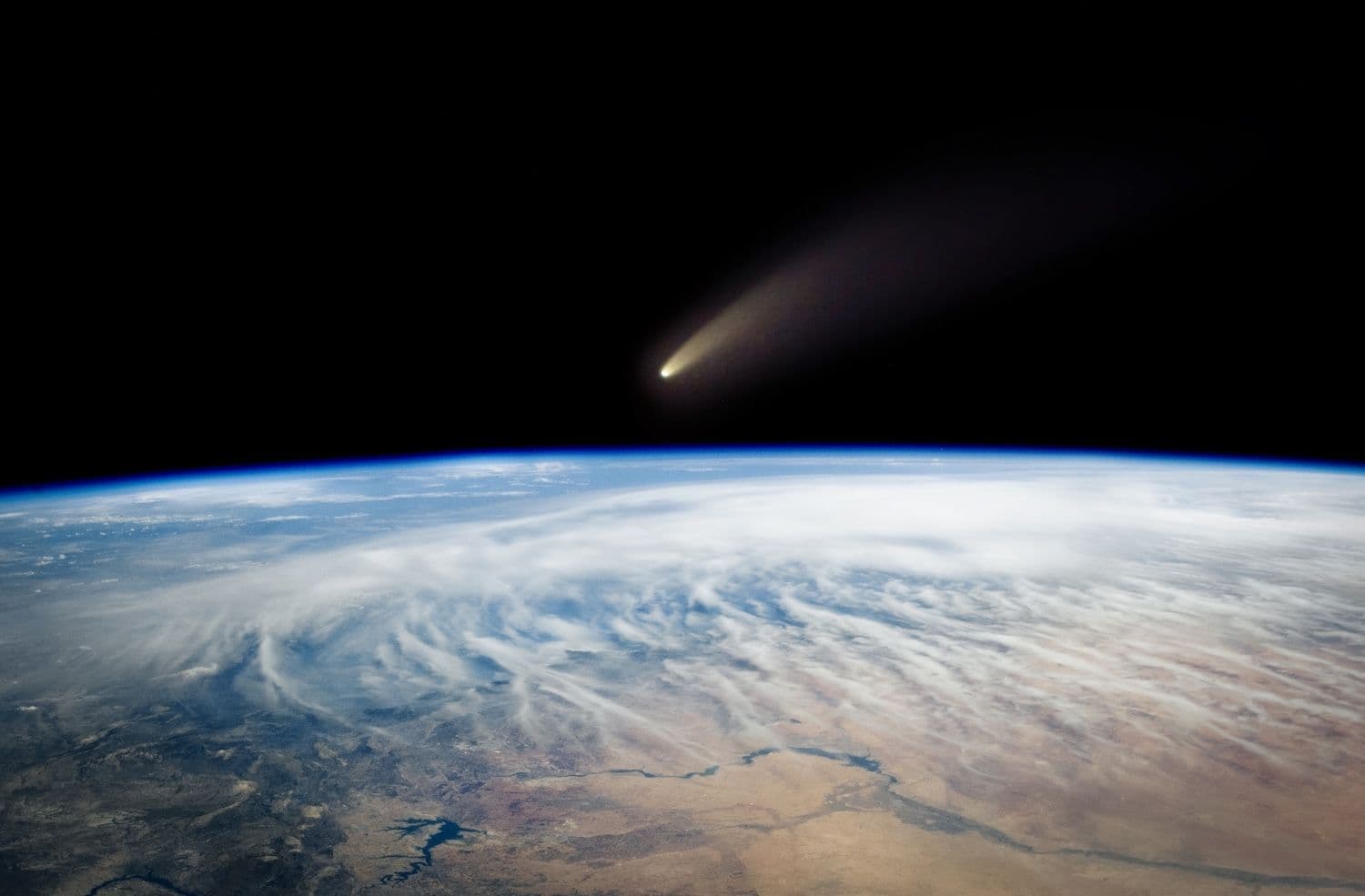
An international team reported on Jul. 15 that the space rock carries amino acids, carboxylic acids and other carbon-bearing compounds. The daytime meteor had streaked over New York City on Jul. 16, 2024, booming past the Statue of Liberty before a fragment punched through a bedroom ceiling in Hillsborough.
Lead author Peter Jenniskens of the SETI Institute said the pieces preserved material from near the surface of a primitive asteroid once soaked in concentrated salty fluids.
Tests showed the rock held 1.8% carbon by weight, with chemistry far more altered by water than most meteorites of its class.
Scientists recovered roughly three pounds of debris and stored the fragments in sterile glass to keep contamination out.
Also Read: Detroit Lions Rule ESPN's Talent Survey — What Do Prediction Markets Know That ESPN Doesn't?
DeSci And AI Astrobiology
The salt matters. Briny fluids can hold phosphate in solution and spark reactions between minerals and organic material, the sort of chemistry that many researchers think set the stage for life.
Astrobiologist Danny Glavin of NASA concluded that such deliveries of amino acids and related compounds may have seeded the raw material for life on early Earth. The complexity of the mix, he said, caught his lab off guard.
Findings like this feed a wider drive to bankroll frontier research outside slow grant systems. Backers of decentralized science, or DeSci, lean on blockchain and community DAOs to route money straight to researchers, bypassing committees that can take months to decide.
One recent tally counts more than 50 active projects and over $60 million pledged across the field.
The same samples now draw machine-learning teams.
A Carnegie group leads a NASA-funded effort building a 1,000-sample library, from meteorites to living cells, to train models that split biotic chemistry from abiotic noise. Early versions of the method have reached accuracy near 90%.
Water And The Origins Of Life
Meteorite researcher Mike Zolensky of NASA noted that tracing water across the solar system effectively traces the path of life itself. Primitive rocks like this one, alongside returned samples from asteroids Bennu and Ryugu, keep pointing to the same idea. Biology's ingredients were scattered widely long before Earth cooled.
Read Next: Bitcoin Price Prediction — Bulls Eye $79K, Bears Bet $56K, And July Sits In Between