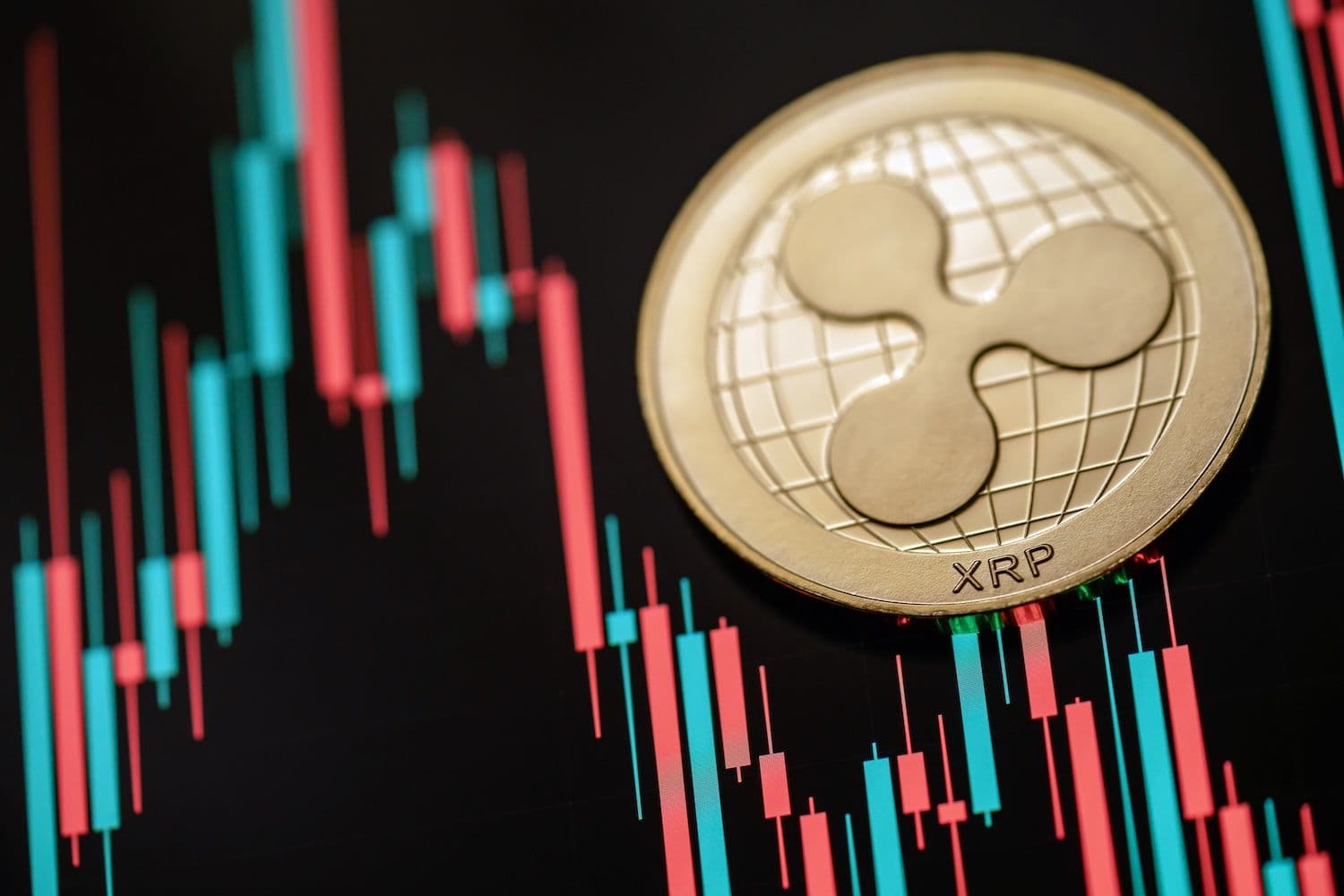
XRP (XRP) exchange deposit and withdrawal activity has dropped to the lowest level ever recorded, according to on-chain data from CryptoQuant, even as the token posted a 4% recovery on Tuesday amid broader market optimism tied to a potential ceasefire in the Iran conflict.
What Happened: Exchange Activity Hits Record Low
The decline was tracked through CryptoQuant's Multi Exchanges Daily Depositing/Withdrawing Transactions Delta, a metric that monitors the net number of XRP transfer transactions across 15 major crypto exchanges. Rather than measuring the volume of tokens moved, the indicator counts individual transactions — offering a view into how many users are actively engaging with exchanges.
The drop followed a steep correction in XRP's price, which has fallen more than 60% from highs set last summer.
The metric's current reading marks the lowest point since the indicator was first introduced.
Rising values in this metric typically suggest more users are sending XRP to exchanges, a pattern associated with potential selling pressure. Declining values point to increased withdrawals to private wallets, behavior often linked to accumulation or long-term holding.
Historical data shows that the last major spike in exchange deposits came in Jan. 2025, when XRP approached $3. That was followed by heavy withdrawal activity between May and Jun. 2025, reflecting accumulation after the sell-off.
Also Read: Bitcoin Exchange Reserves Hit 2019 Lows — What Comes Next?
Why It Matters: Ripple's Growing Payment Network
The exchange activity decline coincides with fresh disclosures from Ripple about the scale of its payments infrastructure. The company said on X that Ripple Payments has processed more than $100 billion in total transaction volume and now operates across more than 60 markets.
Ripple said the system is connected to 51 real-time payment rails. The company also noted that RLUSD reached a $1 billion market capitalization in under a year after launch, with the platform integrating fiat currencies and stablecoins under more than 75 regulatory licenses across multiple jurisdictions.