Murtuza is a seasoned finance journalist with extensive experience covering cryptocurrencies and blockchain technology.
Disclosure: Murtuza holds ATOM, AKT, TIA, INJ, and OSMO.
Real Vision founder Raoul Pal says Bitcoin and high-growth tech are falling due to U.S. liquidity constraints, not a broken crypto cycle, pointing to Treasury operations and shutdown effects.
Predic founder Gianluca P. says prediction markets are evolving beyond retail speculation into programmable infrastructure, with liquidity design, automation, and resolution standards shaping their future.
Bitcoin fell below $76,000 as liquidation waves swept derivatives markets. Strategy reported 712,647 BTC at an average $76,037 cost, putting its treasury into an unrealized loss as forced selling accelerated.
Prediction market pricing shows a 45 % chance an autonomous Moltbook AI agent will sue a human by Feb. 28. This reflects uncertainty over agent autonomy and legal standing as AI-only social networks grow.
Rising sovereign debt concerns are pushing investors and nations to hedge between gold and digital assets. Here’s why markets are debating what replaces dollar dominance in the next monetary era.
Jamie Dimon confronted Coinbase CEO Brian Armstrong in Davos over crypto regulation claims, highlighting growing tensions between banks and digital asset firms as U.S. legislation reshapes finance.
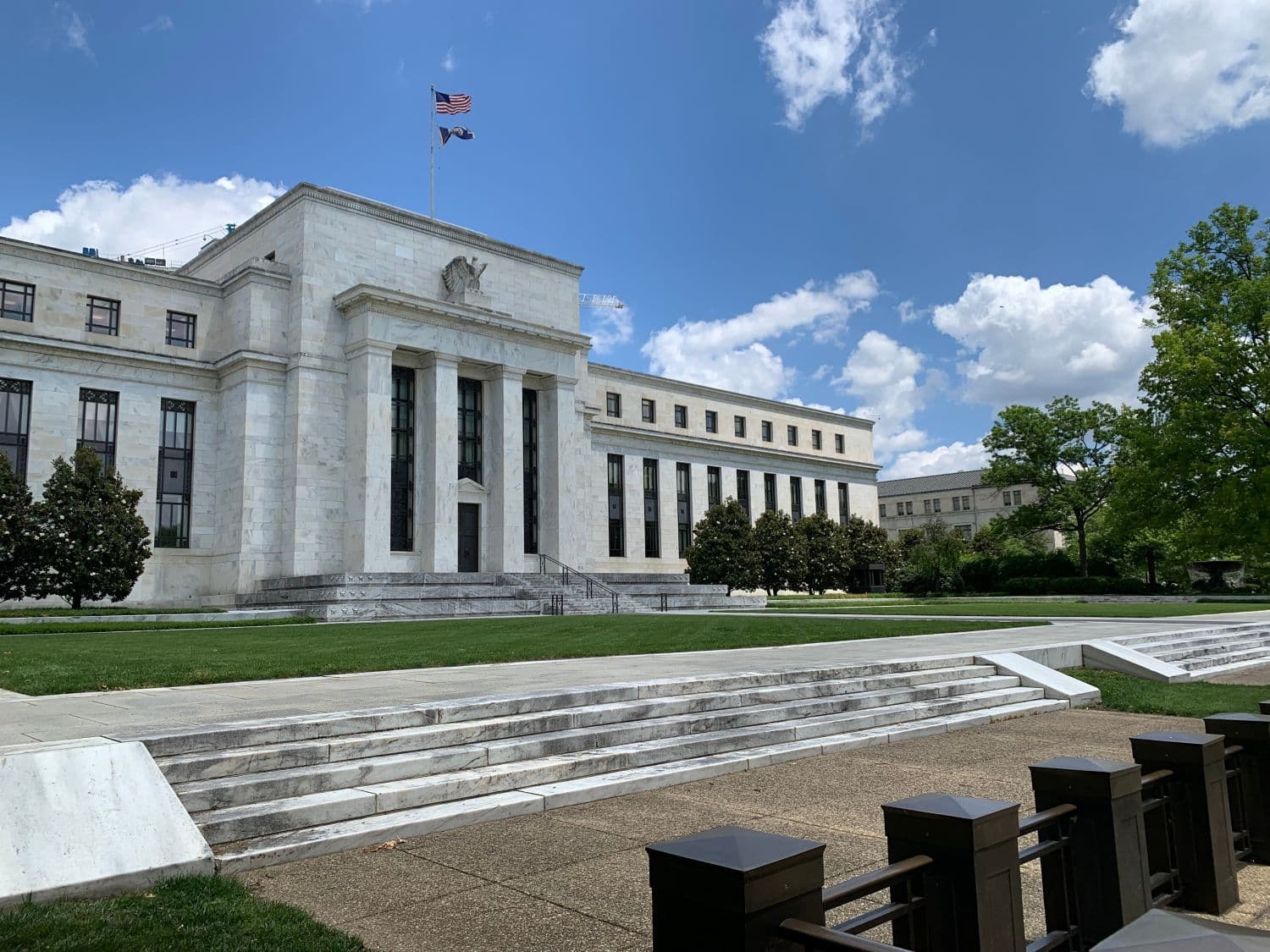
Former Fed governor Kevin Warsh has been nominated as the new U.S. Federal Reserve Chair. This report explains Warsh’s policy stance, market reaction, and what his leadership could mean for Bitcoin and cryptocurrency assets.
Central bank gold holdings surpass US Treasury reserves as nations diversify away from dollar assets, signaling a major shift in global reserve strategy.
The SEC and CFTC announced a joint initiative, Project Crypto, aimed at harmonizing U.S. oversight of digital asset markets as regulators move to bring crypto trading and derivatives onshore.
Experts say the Federal Reserve’s latest FOMC decision to hold interest rates steady signals prolonged tight policy, leaving markets focused on inflation and labor data for clues on future rate cuts.