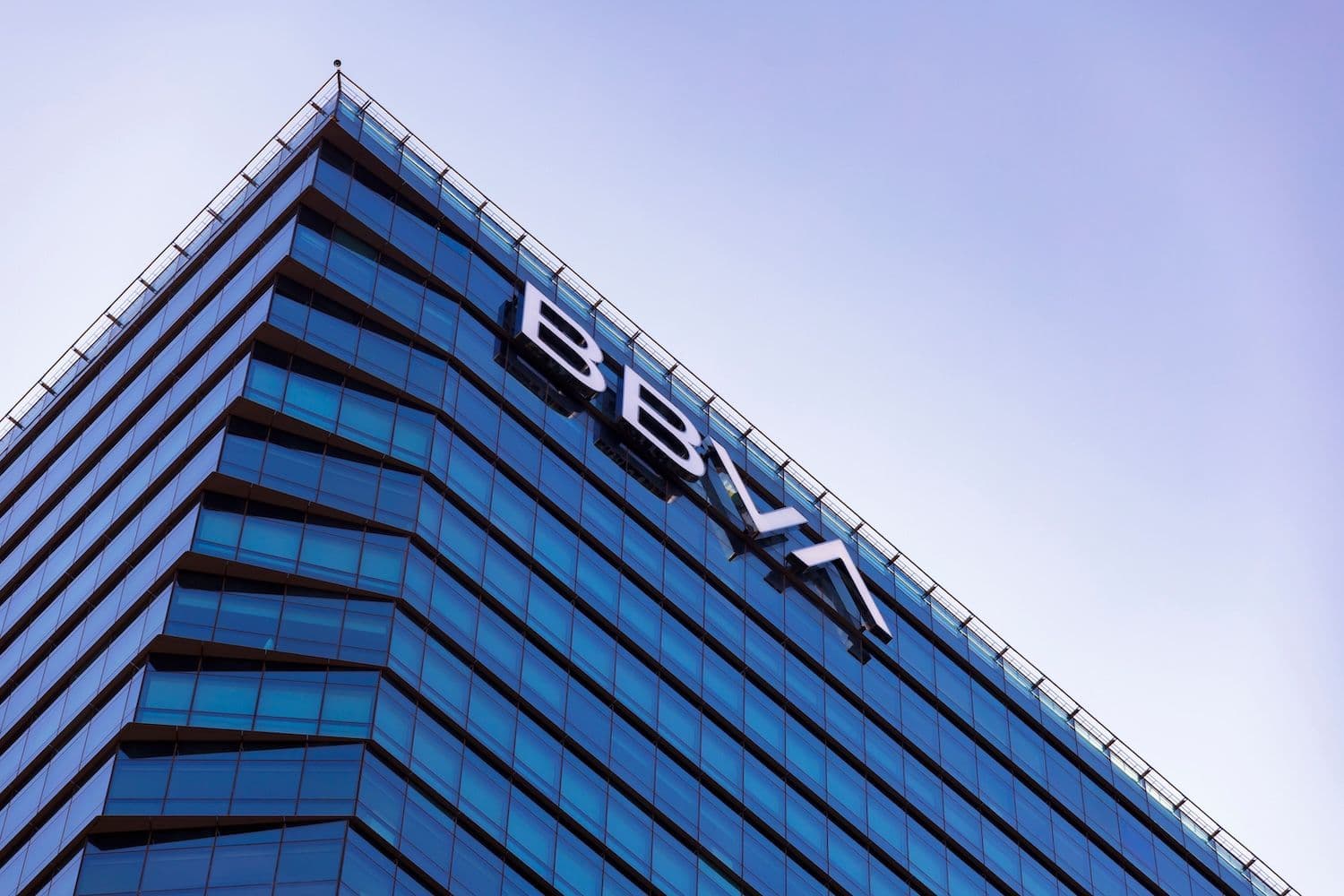
BBVA, Spain's second-largest bank by assets, joined Qivalis on Tuesday, bringing the Amsterdam-based euro stablecoin consortium to 12 major European lenders.
The $800 billion-asset bank became the second Spanish institution in the group after CaixaBank.
Dollar-denominated tokens control 99% of the $300 billion stablecoin market. Euro-pegged stablecoins remain under $1 billion in total market capitalization.
Qivalis is seeking Electronic Money Institution authorization from the Dutch central bank under the EU's Markets in Crypto-Assets framework. The consortium plans to launch its token in the second half of 2026.
What Happened
The consortium now includes Banca Sella, BNP Paribas, CaixaBank, Danske Bank, DekaBank, DZ BANK, ING, KBC, Raiffeisen Bank International, SEB and UniCredit. BNP Paribas and DZ Bank joined in recent months.
Jan-Oliver Sell, former Coinbase Germany executive who leads Qivalis as CEO, said BBVA brings extensive digital asset experience. The consortium established the joint venture in Amsterdam in December 2025.
The project must obtain Dutch central bank approval to operate as an electronic money institution before issuing tokens. Regulatory engagement and technical implementation continue ahead of the targeted second-half 2026 commercial launch.
Read also: Anti-Strategy ETF Hits Record $114 As MSTR Stock Collapses 65% In Six Months
Why It Matters
Tether's USDT dominates the stablecoin market with approximately $185 billion in circulation. Circle's USDC accounts for roughly $70 billion. Both are dollar-pegged and issued by companies outside the European Union.
Euro stablecoins face limited adoption despite the currency's global role. The largest euro stablecoin, Circle's EURC, has approximately $330 million in supply according to December 2025 data.
European banks aim to reduce dependence on dollar-based payment rails while maintaining regulatory oversight under MiCA. The framework requires stablecoin issuers to meet solvency, governance and customer protection standards.
The consortium faces execution challenges including building technical infrastructure, completing regulatory approval and attracting users away from established dollar stablecoins. Qivalis plans to hire 45-50 employees over the next 18-24 months.
Read next: Iran IRGC Moved $1 Billion Through Crypto Exchange Before U.S. Sanctions Hit