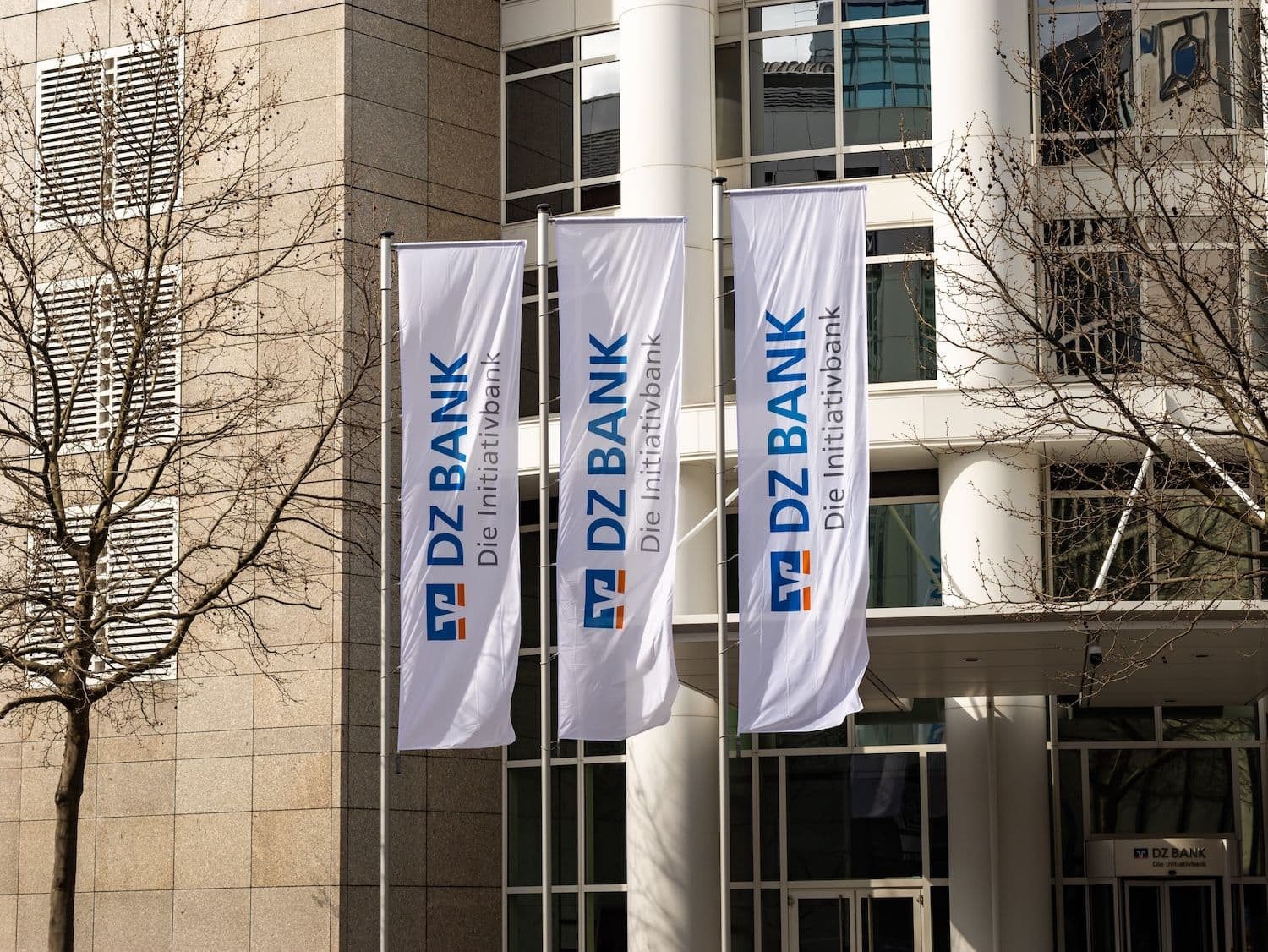
DZ Bank, Germany's second-largest lender, has secured authorization under the European Union's Markets in Crypto-Assets Regulation from the German Federal Financial Supervisory Authority (BaFin) and simultaneously joined an 11-bank consortium working to launch a regulated euro stablecoin, marking a significant expansion of traditional banking into digital assets.
What Happened: MiCAR License and Stablecoin Push
BaFin granted MiCAR approval to DZ Bank in late December, clearing the way for the institution to launch its crypto trading platform called "meinKrypto."
The platform will enable cooperative banks Volksbanken and Raiffeisenbanken to offer retail customers access to digital asset trading once those institutions file their own regulatory notifications.
At launch, meinKrypto will support trading in Bitcoin, Ethereum, Litecoin, and Cardano.
The platform was built by Atruvia, the IT provider for the cooperative banking group, with Stuttgart Stock Exchange Digital handling custody services. Each cooperative bank will decide independently whether to adopt the service.
In a separate announcement Tuesday, DZ Bank said it has joined Qivalis, a European banking consortium of 11 institutions planning to introduce a euro stablecoin next year through a newly formed Dutch entity.
Also Read: CFTC Takes Control As Senate Committee Fast-Tracks Landmark Bitcoin Regulation Framework
Why It Matters: Growing Demand Among Co-Op Banks
A September 2025 survey from the German Cooperative Banking Association found that 71% of the country's 670 Volksbanken and Raiffeisenbanken banks are considering cryptocurrency services, up from 54% the previous year.
A third of those interested aim to launch within five months.
Qivalis is seeking approval from the Dutch National Bank to establish as an e-money institution, with market entry targeted for the second half of 2026.
Read Next: Will The Supreme Court Spark Bitcoin's Breakout? $150B Tariff Case Has Traders On Edge