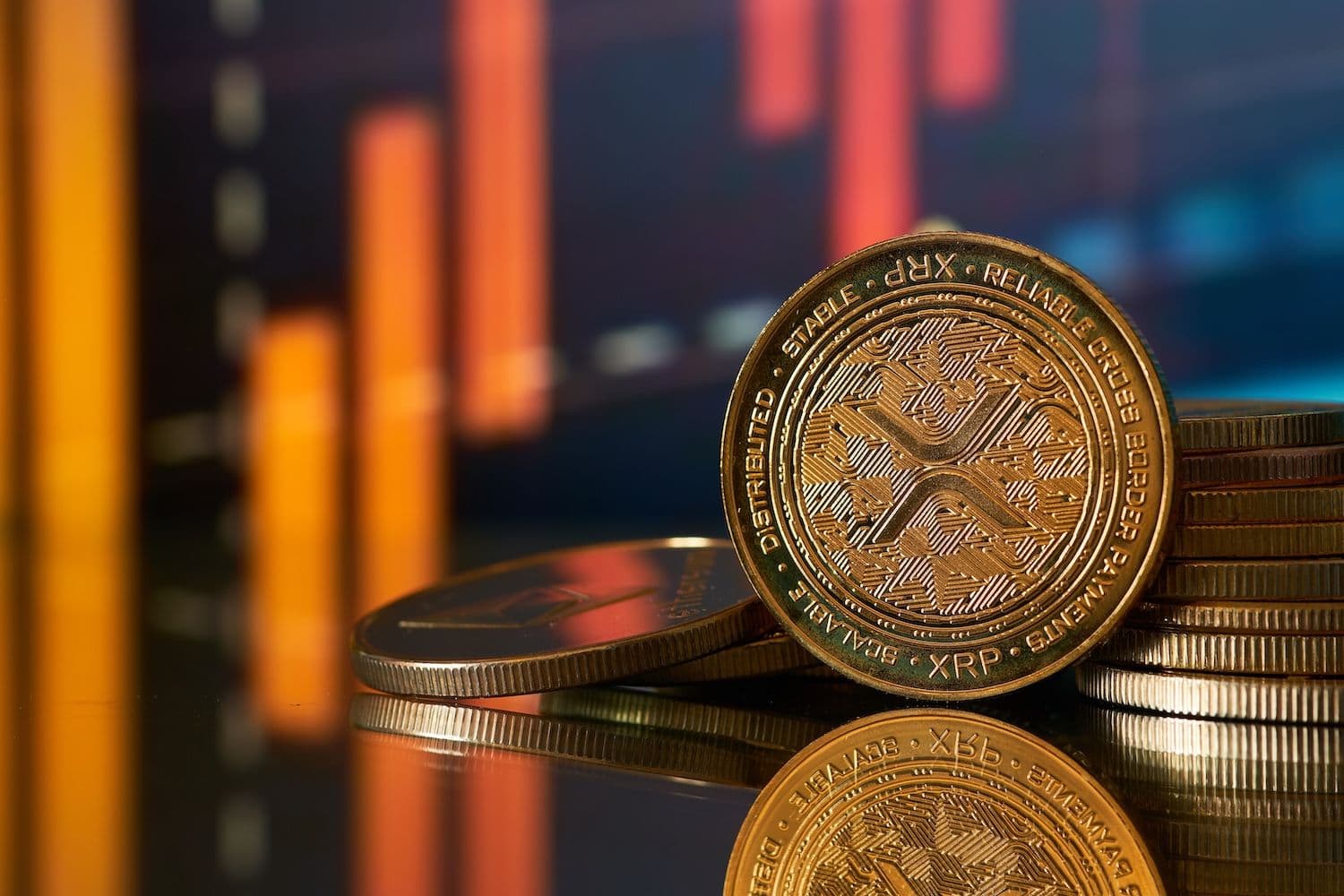
Despite launching key infrastructure upgrades in 2025, including Ethereum Virtual Machine compatibility and a native stablecoin, XRP faces a 2026 defined more by proving its technology works than by dramatic price gains.
What Happened: EVM Sidechain Struggles
XRP is facing a number of significant challenges, according to analysis from The Motley Fool
The XRP Ledger's new EVM sidechain, which launched in mid-2025, allows developers to build using familiar Ethereum tools. The upgrade was meant to lower barriers for programmers building on other networks.
Activity has been minimal so far.
On Jan. 7, the sidechain generated just $38 in chain revenue, according to the report. No meaningful growth trend has emerged.
Ripple, the company that issues XRP, made several acquisitions in 2025, including prime broker Hidden Road, a crypto custody firm, and a payments company. It also launched Ripple USD, a stablecoin designed to provide liquidity for institutional clients.
Also Read: Cardano Long-Term Holders Sell While Short-Term Traders Buy The Dip — What's Next For ADA?
Why It Matters: Institutional Adoption Takes Time
The analysis suggests XRP's 2026 trajectory will likely be "a slow grind forward rather than an upward explosion."
Financial institutions and institutional investors that Ripple targets are by nature slow-moving and conservative. After a year of major acquisitions and XRPL improvements, maintaining the same expansion pace appears difficult.
The report concludes that while 2026 probably won't be a massive year for XRP, conditions remain favorable for the token to end the year higher than current levels.
Read Next: What Does Bitcoin's Move From Power Law To S-Curve Mean For Investors?