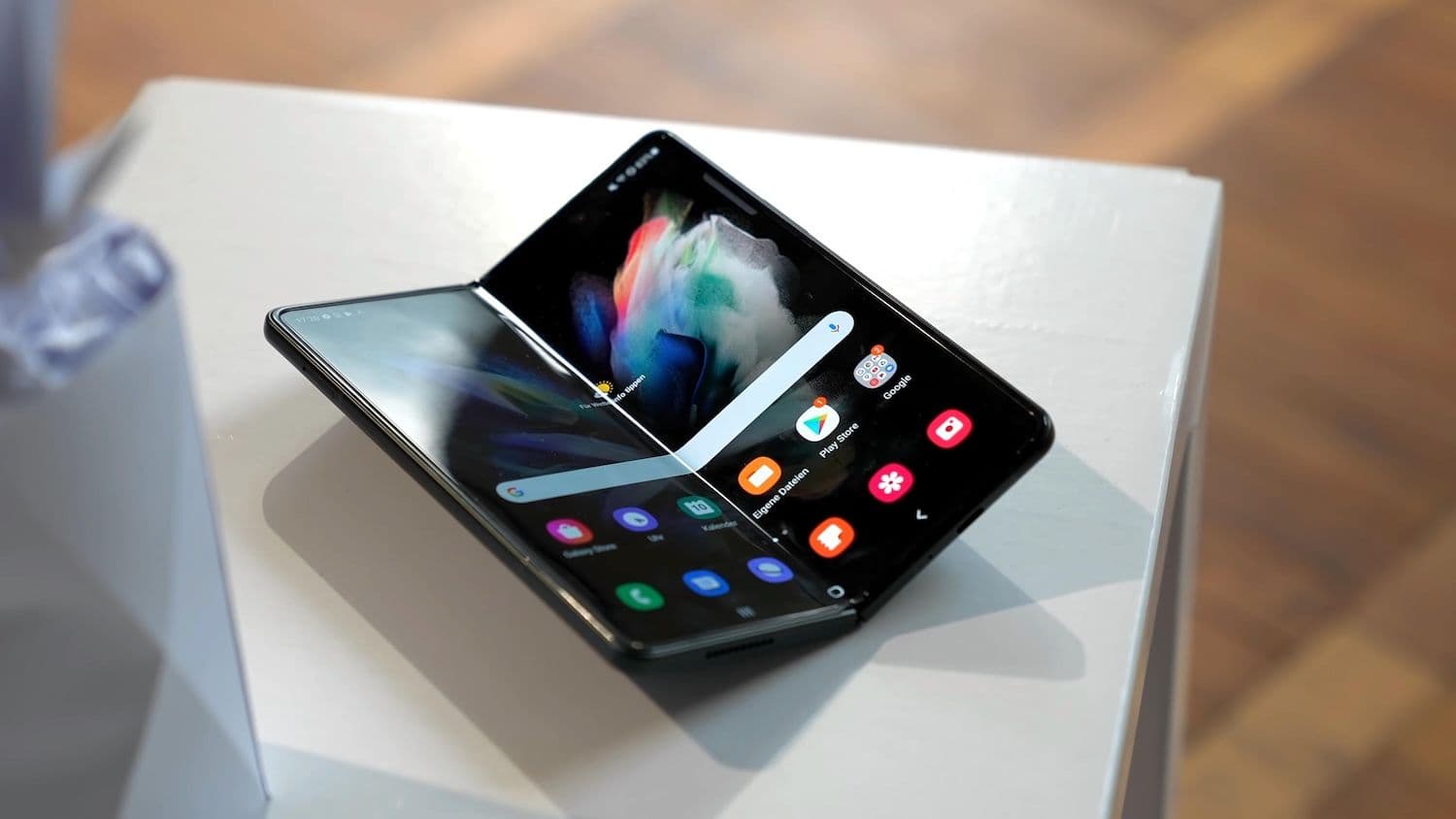
Samsung has unveiled a foldable display designed to resist creasing and everyday damage, and the technology debuts on the main AI smartphone of the year, Galaxy Z Fold 8 at a Jul. 22 launch.
Key Points:
- Samsung's Flex Titanium display stacks two titanium layers to cut crease visibility and add strength.
- The technology reaches buyers first on the Galaxy Z Fold 8, a phone that runs its AI on the handset.
- A tougher screen gives owners a reason to trust a pricier, AI-heavy foldable across several years.
Flex Titanium Structure Revealed
The company detailed the new display this week, presenting it as the payoff from seven generations of foldable engineering and close attention to what buyers say they want. Two titanium components now sit beneath the screen and share the strain that repeated folding places on the panel with each open and close.
A titanium-alloy film supports the panel from within, offering about 20 times the stiffness of the polymer it replaces while measuring a third the thickness of a human hair.
Below it, a titanium plate closes the air gaps that once separated the layers, and micro-patterned holes along the fold let the plate flex without loosening its grip. The reworked stack draws less power and sharpens the picture, the company explained.
Titanium already turns up in demanding gear, from satellite antennas to the wheels of a Mars rover, but its stiffness long made it hard to bend into a slim phone screen.
Also Read: US CPI Falls 0.4% As AI Boom Keeps Fed Wary And Bitcoin Climbs
Durability Bolsters AI Value
The durability push matters because the foldable leans harder than ever on artificial intelligence that runs on the handset instead of the cloud. That shift keeps sensitive work on the device itself, where translations and edits stay out of reach of remote servers.
The phone pairs Qualcomm's Snapdragon 8 Elite Gen 5, the same flagship silicon in Samsung's latest Ultra, built to process local requests at up to 220 tokens per second. That speed lets translation, summaries and photo edits work on the phone alone, without a trip to a distant server.
Google's Gemini assistant is expected to lead the software, handling multi-step jobs across apps and the browser on a single command.
A sturdier screen strengthens that pitch. Buyers staring at another price increase want a phone that will hold up across years of updates, and a panel that survives daily folding gives them reason to trust a costlier, AI-heavy device.
Crease Problem Long Persistent
The visible crease has trailed foldable phones since the first models arrived in 2019, and it still marks nearly every device of the kind on sale today. Samsung's display arm showed a creaseless prototype earlier this year, though it called the panel a research concept with no firm launch date.
Because that arm also supplies Apple, the reworked screen could surface on the rumored foldable iPhone that reports place later this year.
Read Next: Ethereum Whales Pull 87,083 ETH From Exchanges As Price Stalls