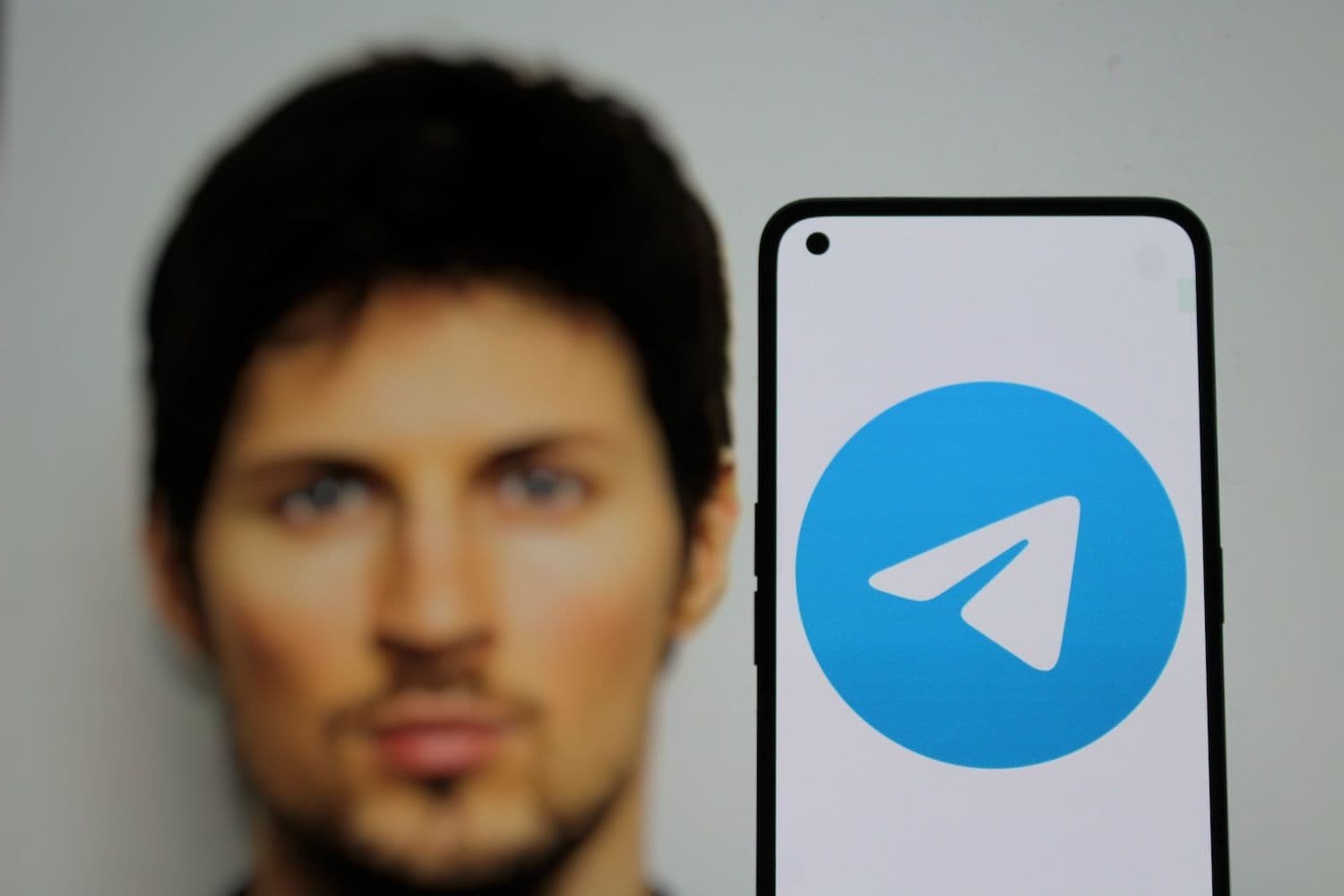
Russia's Federal Security Service charged Telegram founder Pavel Durov with aiding terrorism Wednesday and placed the head of the 1 billion user app on an international wanted list.
Key Points:
- The FSB charged Durov under a Russian Criminal Code provision covering assistance to terrorist activity and issued an international arrest warrant.
- Investigators say Telegram left up channels and bots used to plan sabotage, mass killings and cyber fraud inside Russia.
- The charge lands weeks after Durov unveiled a native non-custodial Gram wallet for the messenger.
FSB Terrorism Charge Against Durov
The service charged Durov under Part 1.1 of Article 205.1 of the Russian Criminal Code, a provision covering assistance to terrorist activity, and issued an international arrest warrant for him. A conviction under that provision can bring a sentence of up to life in prison in Russia.
Investigators accuse Telegram's administration of leaving up channels, chats and bots that Ukrainian intelligence services, terrorist groups and extremist organizations used to plan sabotage, mass killings and cyber fraud inside Russia.
The agency said that activity produced numerous casualties, including women and children, plus material damage running into the billions. Officers have detained 46 users of one dating bot, aged 12 to 22, across Russia since July 2025.
Also Read: Crypto Wrench Attacks Reach 52 Cases In Six Months, Most Of Them In France
Telegram Restrictions And Durov's Denial
Durov disclosed the criminal case himself in late February, accusing Moscow of inventing pretexts to cut Russians off from the app and to suppress the right to privacy and free speech. The platform carries government statements, front-line reporting and propaganda from both sides of the war in Ukraine.
Courts have repeatedly fined Telegram over content the government orders removed, and the penalties reportedly topped 100 million rubles, roughly $1.3 million, in the first half of 2026. Communications regulator Roskomnadzor began throttling the platform in February and has kept tightening those limits, citing fraud and unremoved content. Durov says the squeeze is meant to push Russians onto MAX, the state-backed messenger built by VK, which critics describe as a surveillance and censorship tool.
French police arrested Durov in August 2024 over Telegram's handling of crime on the platform, and authorities there lifted his travel ban in November 2025 while that investigation stayed open.
Gram Wallet And Telegram's Crypto Push
The charge lands as Telegram deepens its own crypto plans, and Durov announced on Jul. 21 a native non-custodial wallet for Gram (GRAM) inside every version of the app. He promised instant, zero-fee transfers to that same audience, a scale no self-custody wallet has reached.
Gram traded as Toncoin until Jun. 15, when a governance vote of about 81% restored the name Durov's team used for a 2018 token sale that U.S. regulators blocked. Telegram has since taken stewardship of the network from the TON Foundation and become its largest validator, tightening the company's grip on the chain it created. The token changed hands near $1.41 on Wednesday, down about 3% over the previous 24 hours.
Read Next: XRP Near-Term Forecasts Top Out At $1.25 Before The Fed Decision