
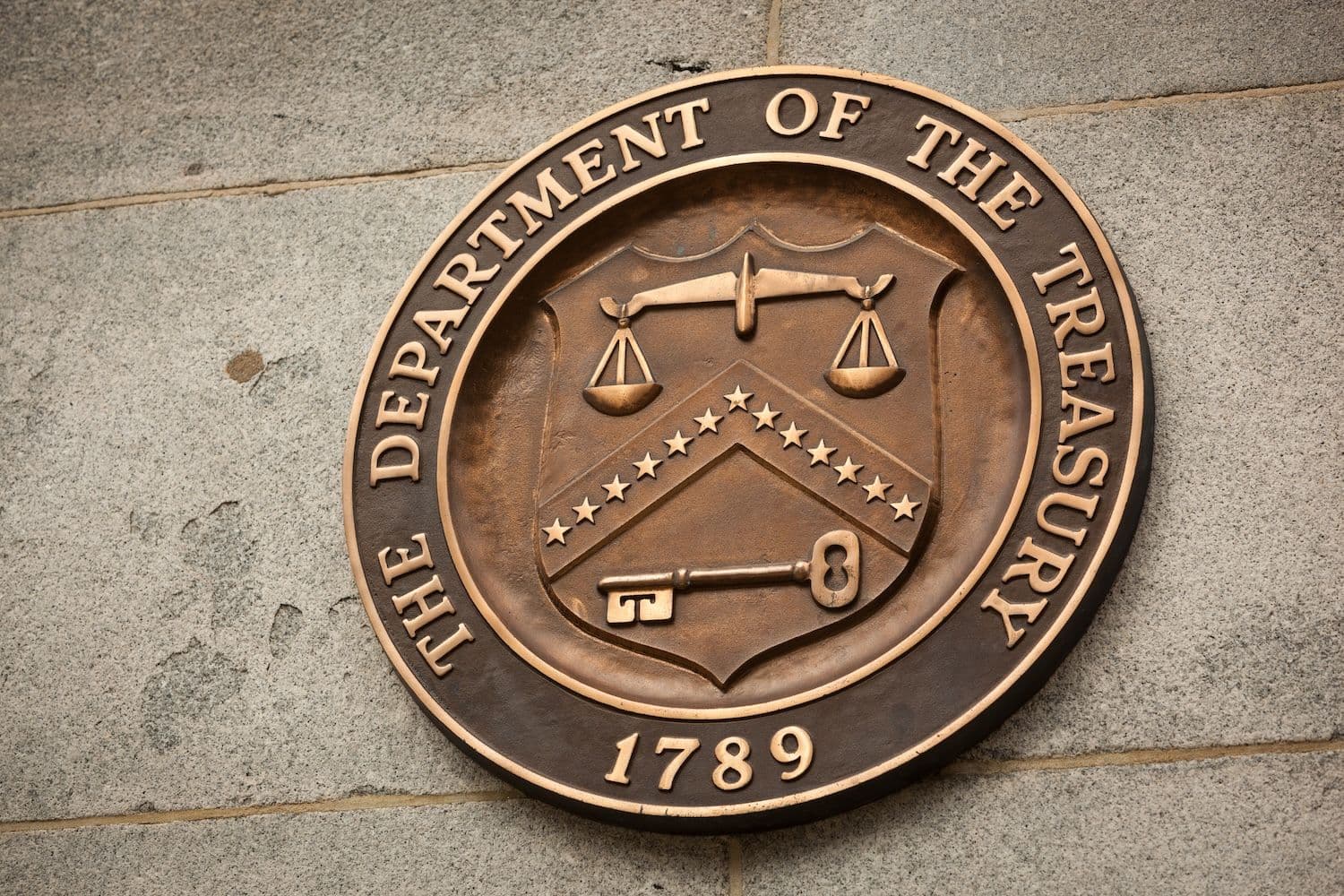
U.S. Treasury's Financial Crimes Enforcement Network withdrew two proposed crypto rules Monday, including a 2020 plan to require reports on self-hosted wallet transfers above $10,000.
Key Points:
- FinCEN withdrew a 2020 proposal that would have required reports on self-hosted wallet transfers above $10,000.
- The agency also dropped a 2023 plan to label international crypto mixing a primary money laundering concern.
- Neither proposal ever took effect, so current obligations for banks and exchanges stay the same.
FinCEN Withdrawal Details
The agency, known as FinCEN, announced the withdrawals in a brief statement and said it had reviewed the public comments submitted on both proposals. It tied the decision to the deregulatory agenda of President Donald Trump's administration and an effort to keep digital asset rules "fit-for-purpose." Neither proposal ever took effect, so nothing changes for banks or crypto exchanges today.
The wallet proposal dates to December 2020, the final weeks of Trump's first term, and sat unresolved for nearly six years. It would have required banks and money services businesses to keep records on self-hosted wallet transfers above $3,000 and to report those above $10,000, including smaller transfers that crossed that mark within 24 hours.
A second notice ended an October 2023 proposal that would have designated international crypto mixing a primary money laundering concern, with banks reporting wallet addresses, transaction hashes and IP addresses. Deputy Director Jimmy L. Kirby signed that notice, which said commenters warned the broad definition could chill legitimate activity and burden financial institutions. FinCEN said it will keep monitoring mixers for illicit finance and may act later.
Also Read: Binance AI Agent Builds Strategies From Plain Words, Charges 19.99 USDC To Trade
Coin Center Reaction
Coin Center, a Washington policy group that fought both proposals for years, said the mixing definition was "extraordinarily broad" and swept in privacy techniques that ordinary crypto users rely on. The group argued the wallet rule would have held crypto transactions to a double standard and pushed institutions to collect data on people who were not their customers.
Its executive director, Peter Van Valkenburgh, wrote on X that the withdrawals were a bright spot after a hard month for crypto privacy. He also cautioned that Treasury keeps the power to try again. "The underlying statutory authority to create new, similar bad rules remains," he wrote.
The Crypto Council for Innovation called the move "positive for the digital asset ecosystem."
Tornado Cash Precedent
Treasury had already shifted its stance on mixers before Monday. It removed Tornado Cash, a mixer built on Ethereum (ETH), from its sanctions list in March 2025 after an appeals court ruled its sanctions office had exceeded its authority. A White House report from July 2025, cited in both notices, said lawful users may turn to mixers for privacy, and a Treasury report to Congress this March asked lawmakers to let institutions temporarily freeze suspicious assets.
Read Next: Giorgia Meloni Wants A Trademark On Her Voice, Will It Stop AI Deepfakes?
