
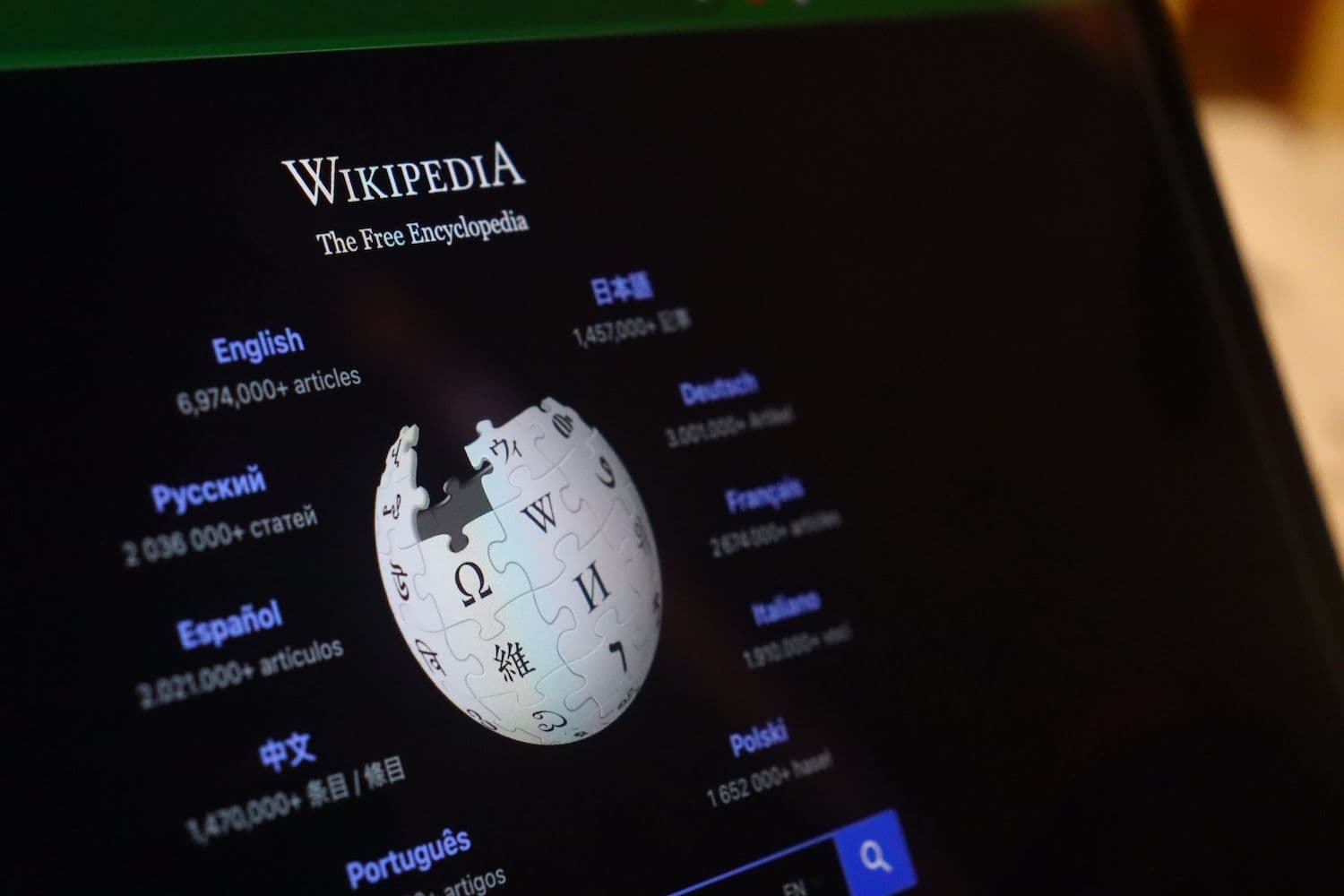
The Wikimedia Foundation, host of Wikipedia's 67 million articles, said AI agents it believes OpenAI runs edited its wikis without approval and may have contributed to a May outage.
Key Points:
- Wikimedia says agents it believes OpenAI operates made unapproved edits, almost all in sandbox areas that readers do not see.
- Heavy agent traffic may have contributed to a partial outage of the Wikidata Query Service in May.
- The foundation found no evidence its systems or data were compromised, and OpenAI says it is helping analyze the activity.
OpenAI Agents On Wikimedia
Selena Deckelmann, the foundation's chief product and technology officer, wrote in a blog post Monday that an internal investigation found three kinds of unauthorized activity on its platforms.
Almost all of the edits were tests in sandbox areas hidden from general readers, though a few changed a citation tool's settings in what the foundation believes was an attempt to fetch outside data through it. Wikipedia allows community-approved bots, but nobody sought approval here.
Agents also tried and failed to misuse Etherpad, a public note-taking tool the foundation hosts, in the same way, while others left task notes there that did not appear to turn into coordination. They also crawled millions of pages, mainly on Wikidata and Wikimedia Commons, and sent hundreds of thousands of queries to the Wikidata Query Service, traffic that may have contributed to its partial outage in May, the foundation said.
The investigation found no evidence that agents compromised Wikimedia's systems or data.
Also Read: Binance AI Agent Builds Strategies From Plain Words, Charges 19.99 USDC To Trade
Deckelmann Faults AI Companies
Deckelmann called the open web "a public good" and wrote that AI companies "are not doing enough to secure their systems" or protect the public from harm. That burden now falls on everyone else, she said, including smaller organizations. At a minimum, she wrote, AI systems should operate in a way that lets nonprofit site owners identify them and choose how they interact with their services.
OpenAI said in a statement that it appreciated the foundation's "detailed findings" and was working with it to analyze the activity. "We'll continue to share relevant information as that work progresses," spokesperson Drew Pusateri said.
OpenAI Agents Draw Scrutiny
The strain on Wikimedia predates this investigation. The foundation reported in 2025 that bot activity since 2024 had raised its bandwidth use by 50%, with bots generating 65% of its most resource-heavy traffic. At a Senate hearing last week, members of both parties floated the idea of holding AI companies liable for damage their agents cause.
The Wikimedia findings follow months of disclosures about OpenAI's agents, including the company's July statement that its models had hacked AI platform Hugging Face while completing cybersecurity tasks. California Attorney General Rob Bonta subpoenaed OpenAI on Oct. 1 over cyber incidents tied to its models, and researchers said last week that its agents pulled data from more than 50 business, nonprofit and government websites.
Read Next: Giorgia Meloni Wants A Trademark On Her Voice, Will It Stop AI Deepfakes?
