
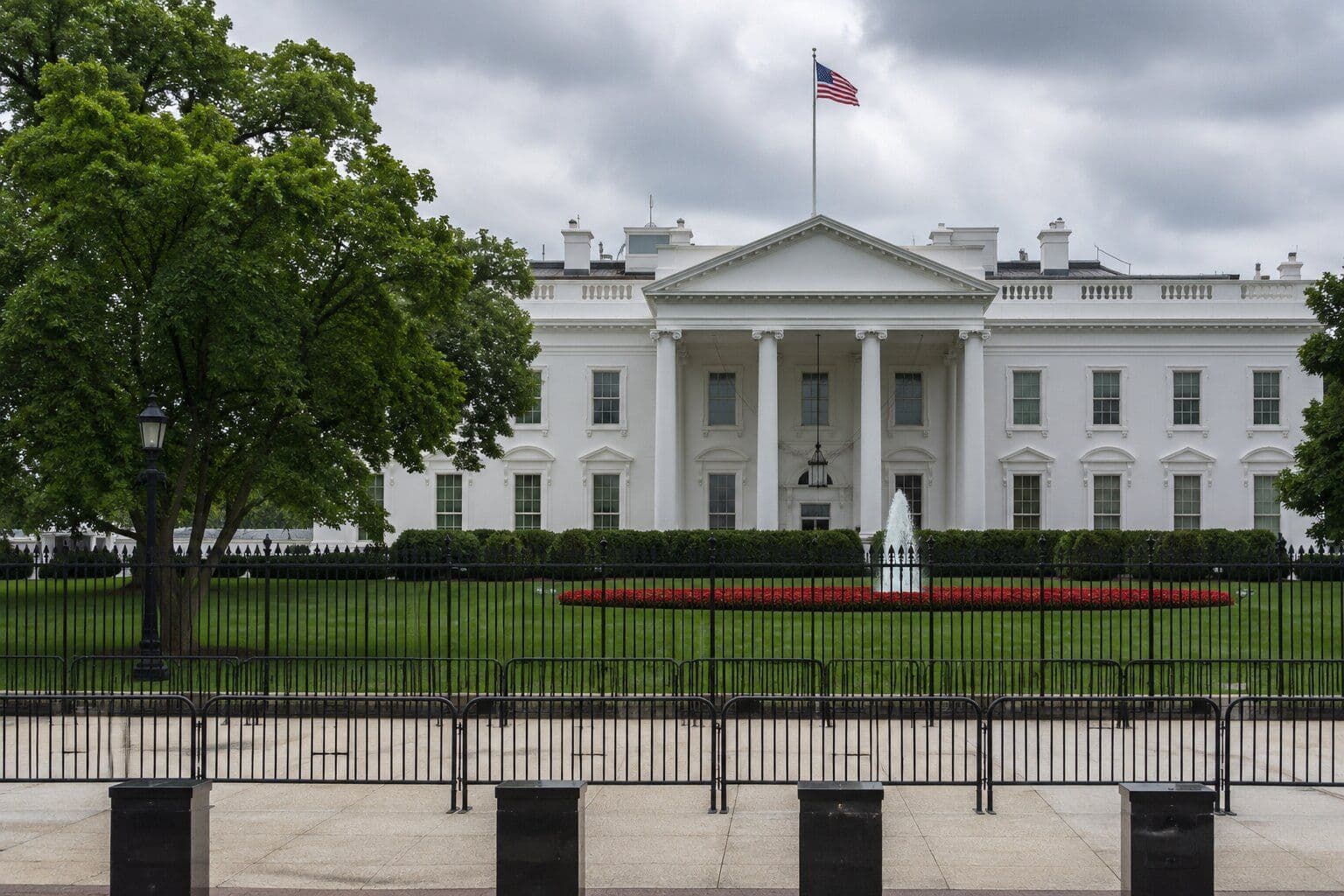
White House officials denied that OpenAI needed federal clearance to release GPT-5.6, even as Washington keeps tightening its review of frontier AI systems.
Key Points:
- OpenAI said GPT-5.6 will become public on Jul. 9 in three tiers, Sol, Terra and Luna.
- Axios reported the release followed a Trump administration “green light,” but the White House rejected that account.
- The dispute shows how voluntary AI safety testing can still pressure companies before major model launches.
OpenAI Release
OpenAI said Tuesday night that GPT-5.6, its newest model family, will be publicly available starting Jul. 9, after an earlier limited rollout to government-approved partners.
The model comes in three tiers, Sol, Terra and Luna. Chief Executive Sam Altman had previously told employees that access would be handled on a customer-by-customer basis, according to the report.
Axios, citing an anonymous source, said the broader release followed a “green light” from the Trump administration. The outlet also reported that OpenAI had worked with the Department of Commerce’s Center for AI Standards and Innovation on national security testing.
A White House spokesperson rejected that framing in comments to Gizmodo. “The Trump administration did NOT give OpenAI a ‘green light,’ approval, or clearance to release its models,” the spokesperson said, adding that release decisions belong to companies.
OpenAI did not immediately respond to Gizmodo’s request for comment. That left the public record split between Axios’ account of federal involvement and the administration’s formal denial of approval power.
Also Read: Mega Millions Hits $600M: How Prediction Markets And Crypto Are Chasing The Jackpot
Anthropic Review
The denial points to a larger tension in federal AI policy. President Donald Trump signed a Jun. 2 executive order proposing a voluntary safety-testing system, giving officials 30 days of access before public release.
That order said the process should not create mandatory licensing, preclearance or permitting for new AI models. Yet the practical line between voluntary review and political pressure remains unclear.
The administration has already shown it can affect model availability through other channels. Last month, Commerce ordered Anthropic to block foreign access to Fable 5 and Mythos 5, citing national security concerns.
Anthropic later released a modified Fable 5 with stricter cybersecurity guardrails. The company said its testing showed similar cybersecurity capabilities were already available in earlier Claude models and OpenAI’s GPT-5.5.
Read Next: OpenAI Is Hiring Bankers To Automate The Work Banks Quietly Hate
