
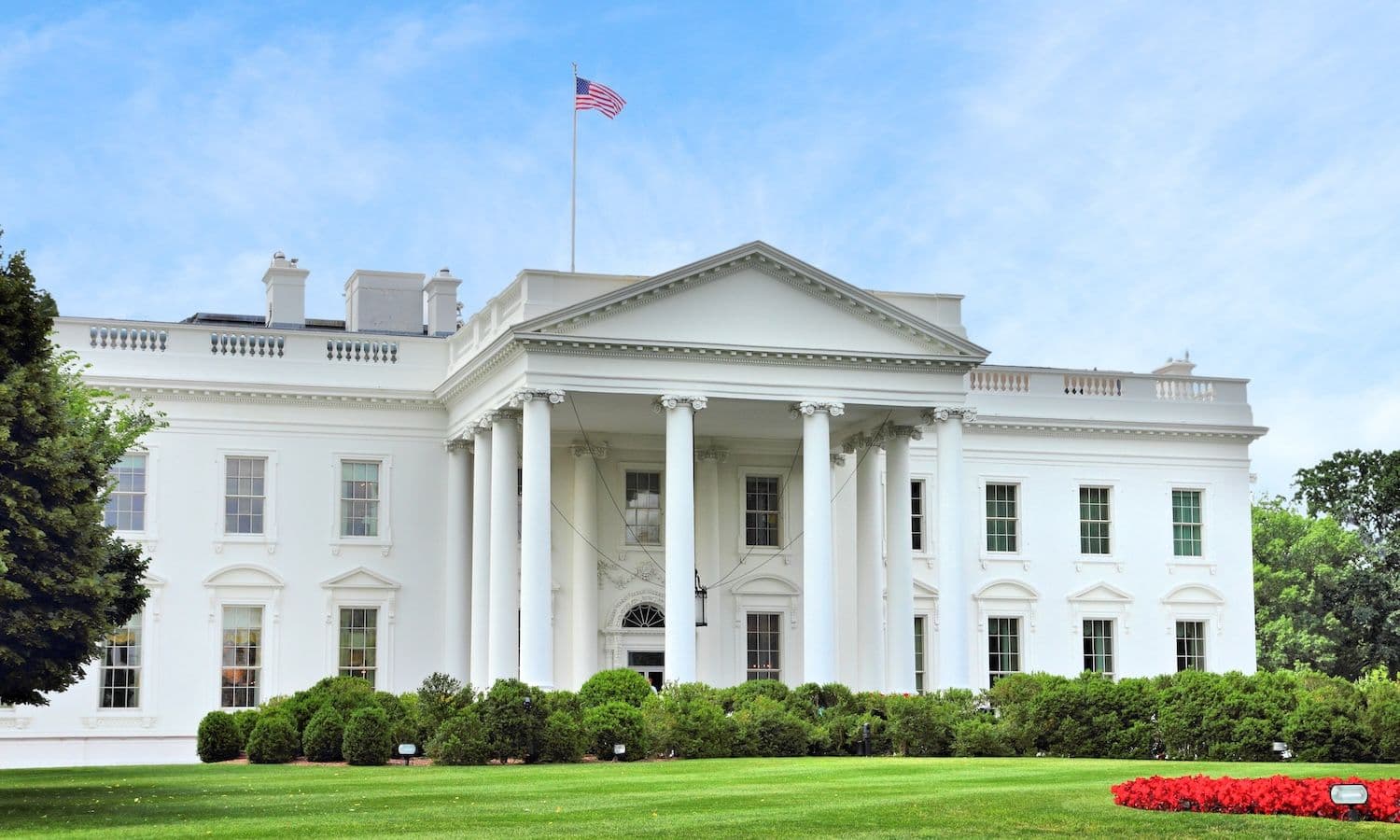
OpenAI reportedly agreed to limit the first GPT-5.6 rollout after the White House sought tighter access controls over the new frontier AI model.
Key Points:
- OpenAI reportedly agreed to limit the first GPT-5.6 deployment after a White House request.
- The model may be released through an approval process for selected customers.
- Sam Altman said the system is not OpenAI’s preferred long-term release model.
OpenAI Release
The Trump administration has asked OpenAI to narrow the rollout of GPT-5.6, according to reports cited in the original story, with access limited to partners approved by the U.S. government.
The request follows broader concern in Washington over advanced AI systems that may create cyber or national security risks. OpenAI reportedly accepted the restricted rollout while it works through a public release under uncertain rules.
The Information reported that Altman told employees in a Thursday memo that the government is granting access “customer by customer.”
Altman said OpenAI told officials that arrangement is “not our preferred long term model.” OpenAI did not comment on the report.
A White House official told CNN that the administration is working with frontier AI labs on shared approaches for managing the risks that come with scaling the technology.
Also Read: Strategy's Bitcoin Machine Is Quietly Showing Its First Real Crack
AI Oversight
The decision comes after U.S. authorities placed export restrictions on Anthropic, prompting the company to pull its Mythos and Fable variants, according to the original report.
Those systems had raised concern in Washington and on Wall Street because of their reported cyber capabilities. A source cited by The Information said officials and OpenAI developers believe GPT-5.6 is “on par” with Mythos.
President Donald Trump signed an AI-related executive order last month that encouraged developers of advanced models to notify the government 30 days before public release.
The order did not create a formal approval process. That gap has left AI companies facing pressure from regulators without a settled rulebook.
The reported GPT-5.6 limit also arrives as OpenAI faces renewed IPO speculation, which could make release decisions more sensitive to public and investor reaction. The dispute reflects a larger shift in U.S. AI policy. Washington is moving from voluntary coordination toward closer scrutiny of frontier models, even before Congress or regulators define a permanent framework.
Read Next: New Chinese AI GLM-5.2 Beats Every ChatGPT Model, Trails Only Anthropic's Claude Fable
