Key Points
- President Trump signed an AI executive order on June 2, 2026.
- The order requires government access to powerful AI models.
- It reduces the voluntary review period from a previously shelved version.
- The signing ends weeks of internal White House delays and reversals.
- The order is the first binding federal AI oversight measure under Trump.
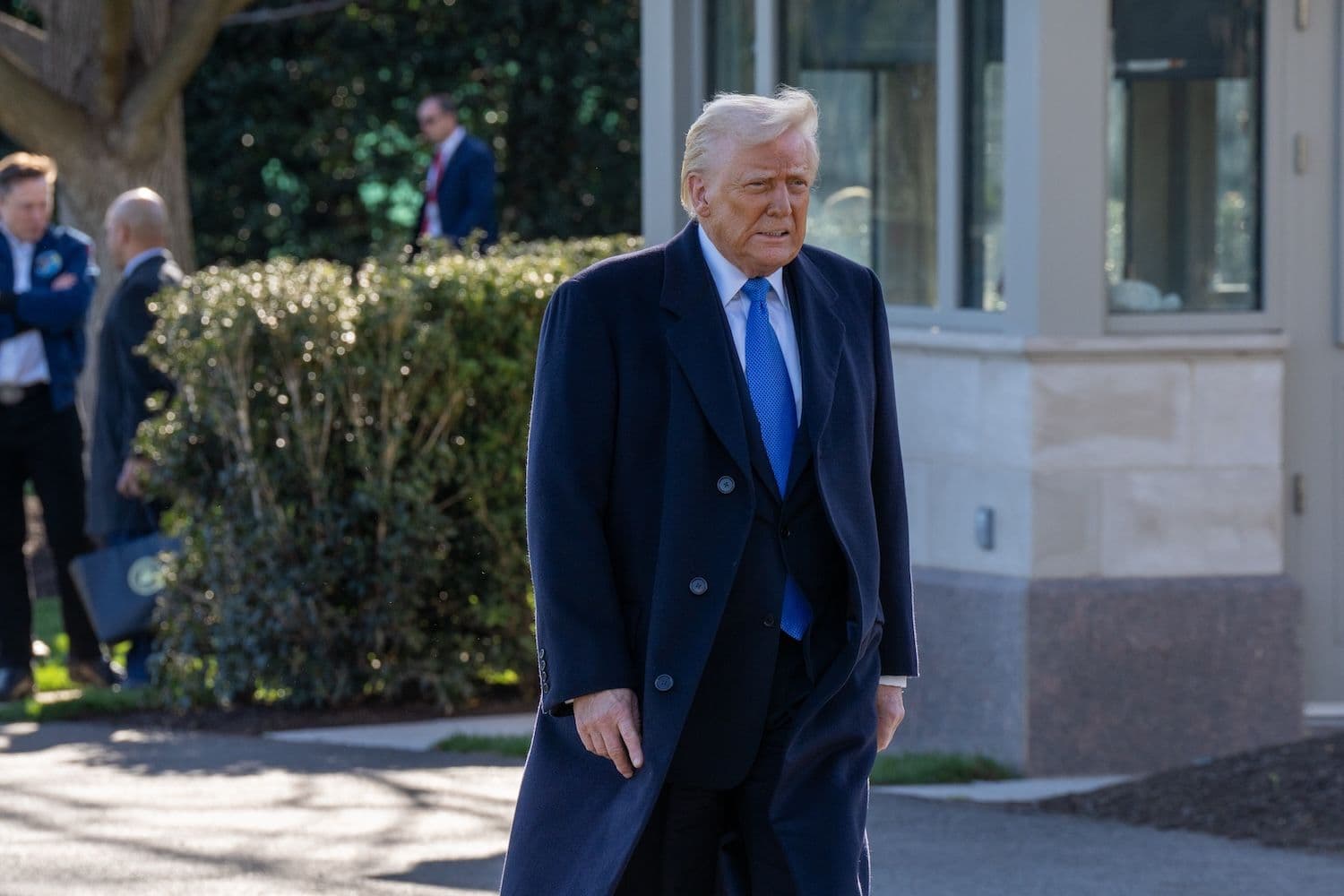
President Trump signed an executive order on June 2, 2026, requiring the federal government to have access to powerful AI models. The order reduces the voluntary review period that appeared in an earlier version of the measure, which the White House had pulled back before signing.
According to the Wall Street Journal, the signing comes after a turbulent several weeks in which the White House appeared close to unveiling the measure, only to withdraw abruptly. The WSJ reported the order increases government oversight of frontier AI systems.
What the Order Does
The order gives federal agencies access to advanced AI models developed by leading labs. It replaces a voluntary review structure with a more direct government access requirement. The prior version had proposed a voluntary window for developers to submit powerful models for review. That provision drew criticism from both industry groups and some administration officials.
The current order shortens that window. Developers of frontier models will be required to provide access to government reviewers. The specific agencies involved and the technical threshold defining a "powerful model" were not immediately detailed in available reporting.
Also Read: NEAR Jumps 11.5% But One Weekly Warning Still Haunts The Rally
Background
The Trump administration's approach to AI regulation has shifted repeatedly in 2026. In May, reporting described internal disagreements between AI-friendly officials and those pushing for oversight requirements. The White House delayed the order at least once after appearing ready to sign. Florida legislators and state attorneys general have also pushed for AI accountability measures in parallel, adding pressure on the federal government to act. The administration's earlier stance had been to roll back Biden-era AI rules, including an executive order Biden signed in 2023.
Also Read: Anthropic Submits Secret S-1, Eyes October IPO At Near-Trillion Valuation
What Comes Next
The order's implementation timeline and enforcement mechanism will determine its practical impact on labs including OpenAI, Anthropic, and Google DeepMind. Industry groups are expected to respond in the coming days. Congress has its own AI legislation proposals pending, which may align with or conflict with the new order's requirements. Analysts will watch whether the measure applies retroactively to models already deployed or only to future releases.
Read Next: Bitcoin Eyes A Fresh $60K Drop Before Any Run To Six Figures