
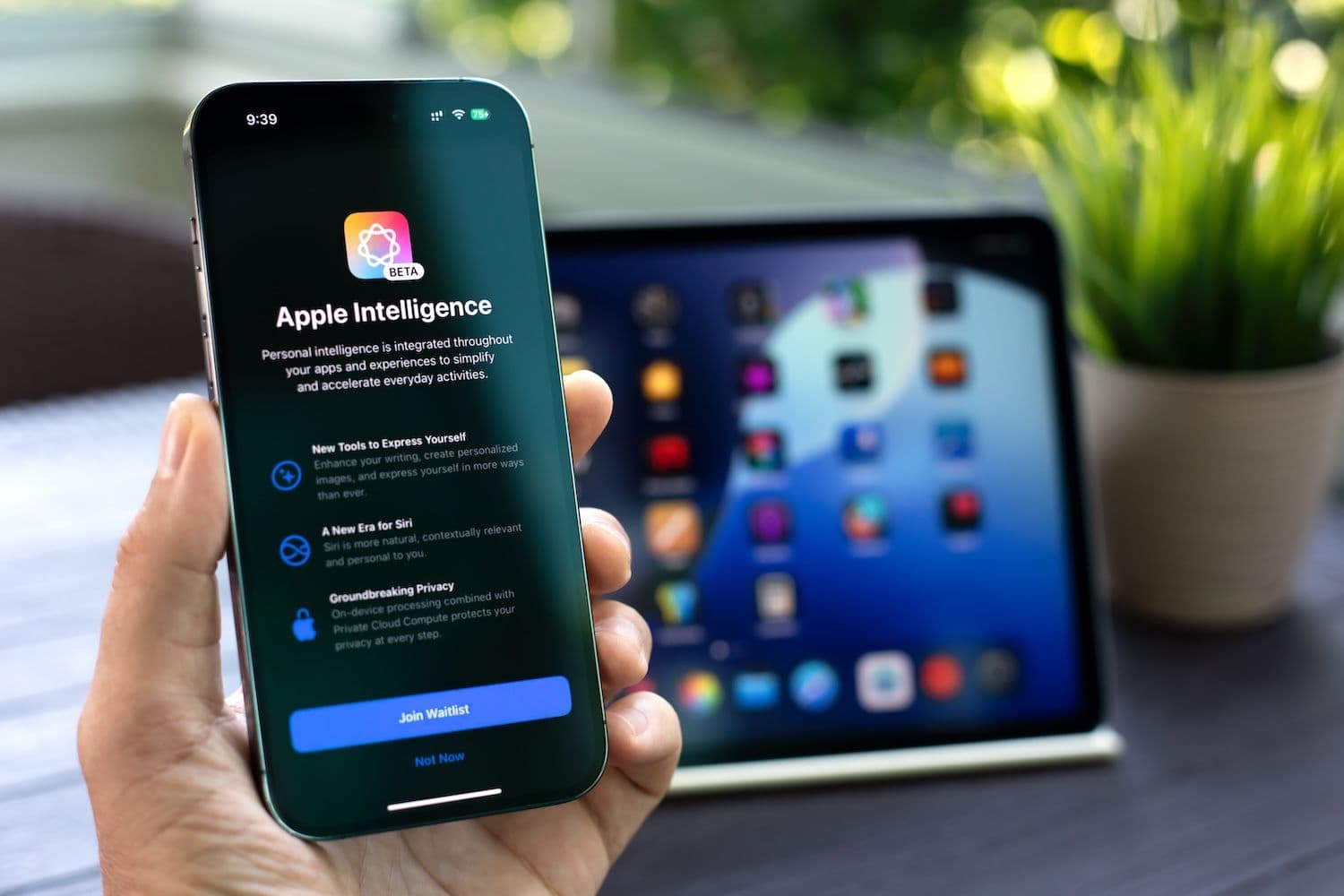
Apple released iOS 27 with its rebuilt Siri AI on Sept. 14, but analysts and reviewers say the company still trails Google, OpenAI and Anthropic in artificial intelligence.
Key Points:
- Apple released iOS 27 with a beta of its rebuilt Siri AI on Sept. 14.
- Access comes through a waitlist, in English only, with daily usage caps.
- Analysts and reviewers say Apple still trails frontier AI labs despite the upgrade.
Siri AI Rollout
Apple began rolling out iOS 27 and matching updates for iPad, Mac, Apple Watch and Vision Pro on Monday, with the redesigned assistant as the main draw. Siri AI still carries a beta label.
Users must opt in through Settings, and some may have to join a waitlist before they get access.
For now, the assistant works only in English, with French, Japanese, Korean, Portuguese and Spanish due in October. Apple is holding it back in mainland China, and European Union users won't get it on iPhones, iPads or Apple Watches, though Mac and Vision Pro owners there will.
Cloud-based features, Siri AI among them, come with daily usage limits, and Apple said higher limits will "be available for a fee in the future," without naming a price or a start date.
Also Read: XRP Futures Reach 6-Month High As Utility Growth Outpaces Price
Apple AI Gap
Part of the gap comes from how Apple builds its AI. Instead of frontier-scale systems, the company leans on smaller in-house models that often run on its own chips, sending harder requests to Private Cloud Compute servers on Google Cloud with Nvidia and Intel hardware. Longtime Apple reviewer Federico Viticci said Apple's foundation models, trained with help from Gemini, still fall short of OpenAI's GPT-5.5 Instant.
Reviewers who tested the beta found that Siri finally understands personal context and taps broad world knowledge, just as Apple promised in 2024. Still, the launch felt flat, because by the time it arrived, the wider AI field had already moved on to agents that write code, use computers and finish multistep tasks.
Brian Mulberry of Zacks Investment Management called AI "the single biggest challenge" for John Ternus, who replaced Tim Cook as CEO on Sept. 1. Apple, he noted, must prove AI can be more than Siri.
Other analysts said last week that a successful revamp by year-end could help Apple pull even with Google's Gemini assistant.
Apple first previewed a more personal Siri at its 2024 developer conference and even ran ads for it, then pushed the features back in 2025 and again this year. The company reportedly agreed in May to pay $250 million to settle a lawsuit over the delay, months after it turned to Google in January and signed a multiyear deal to build its next models with Gemini technology.
Read Next: Iran Sold Oil, Chinese Firms Took The Crypto, Now The DOJ Wants $61M
