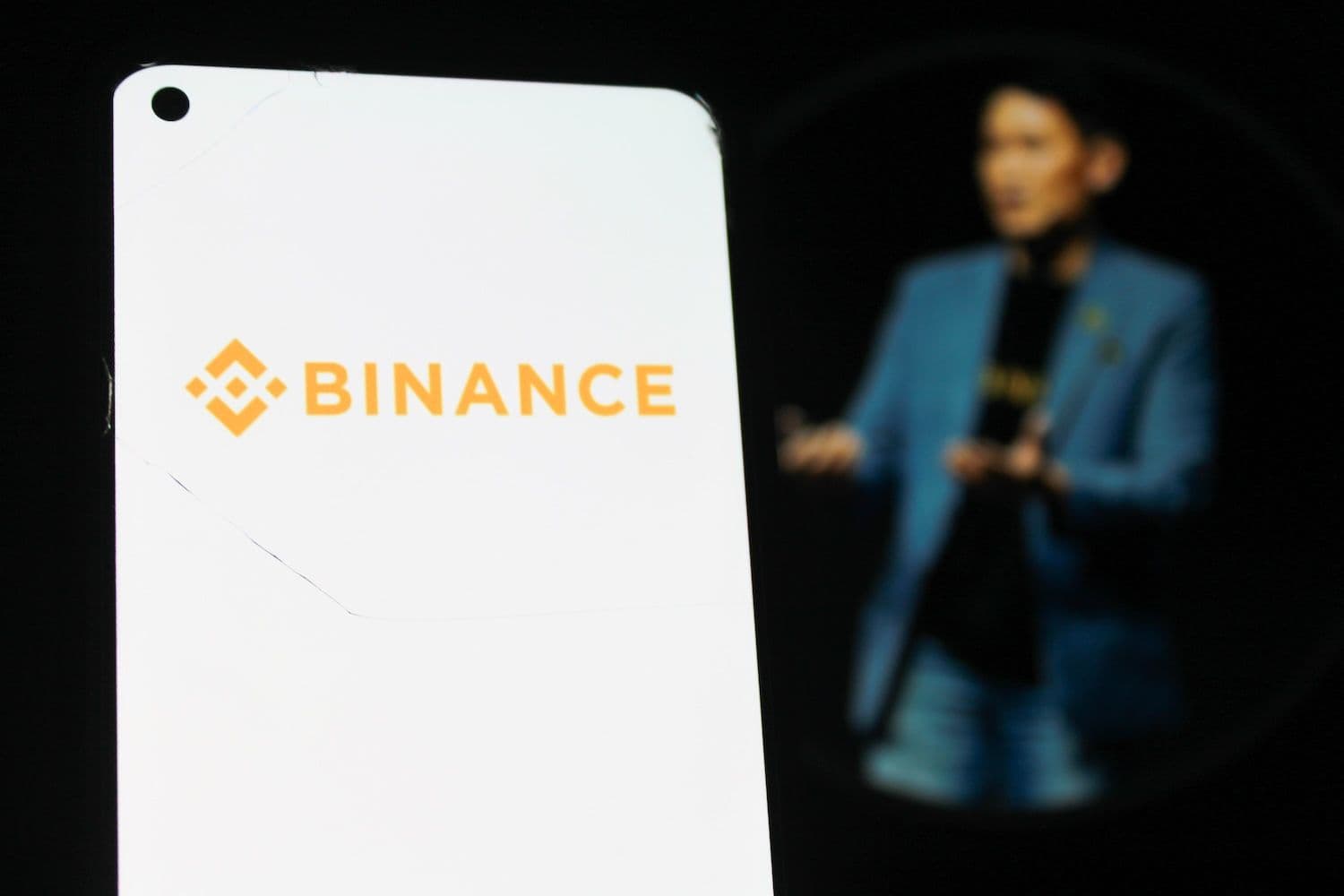
Binance (BNB) co-CEO Richard Teng rejected a fresh Wall Street Journal report on May 22 alleging that an Iran-linked network moved roughly $850 million through the exchange.
Binance CEO Disputes Iran Funding Claim
The Wall Street Journal published the report on May 22, citing an internal Binance compliance document. It said a covert payments network run by Iranian businessman Babak Zanjani processed about $850 million in transactions over roughly two years through a single account.
The activity allegedly continued through December 2025, a stretch when tensions between the United States and Iran were rising sharply.
The Journal said the system helped maintain funding flows tied to Iranian military organizations.
Teng pushed back hours later. He said the transactions cited by the newspaper all took place before the individuals involved were formally designated under sanctions, and that Binance never permitted sanctioned individuals to trade on its platform.
He also said Binance had run its own internal review before the Journal made contact, and that the company shared those findings but they did not appear in the article.
Also Read: Goldman Sachs Walks Away From XRP, Solana In Sharp Q1 Crypto Reset
Why The WSJ Dispute Matters
Teng described the report as containing fundamental inaccuracies, and he reiterated that Binance applies a zero-tolerance policy toward illicit activity. He said the exchange continues to work with US and global law enforcement to combat financial crime.
The clash carries weight because Binance is still rebuilding institutional trust after its 2023 guilty plea to US anti-money laundering and sanctions violations, which produced a $4.3 billion settlement and an independent compliance monitor.
Binance has pointed to internal metrics showing sanctions-related exposure fell 96.8% between January 2024 and July 2025.
Analysts note the dispute could renew scrutiny of anti-money laundering controls at major exchanges and invite tighter monitoring from US regulators.
A Feud That Reached Court
This is not the first clash between the two sides.
In February 2026, the Journal reported on alleged Iran-linked transfers exceeding $1 billion, which Teng called false and defamatory at the time.
Binance then filed a lawsuit against Dow Jones, the Journal's publisher, in March, turning a public spat into formal litigation.
The US Senate's Permanent Subcommittee on Investigations also sent Teng a letter that month seeking records on Binance's alleged role in Iranian money laundering.
Read Next: Bitcoin Demand Crashes To 4-Month Low, Risks Deep Consolidation Phase