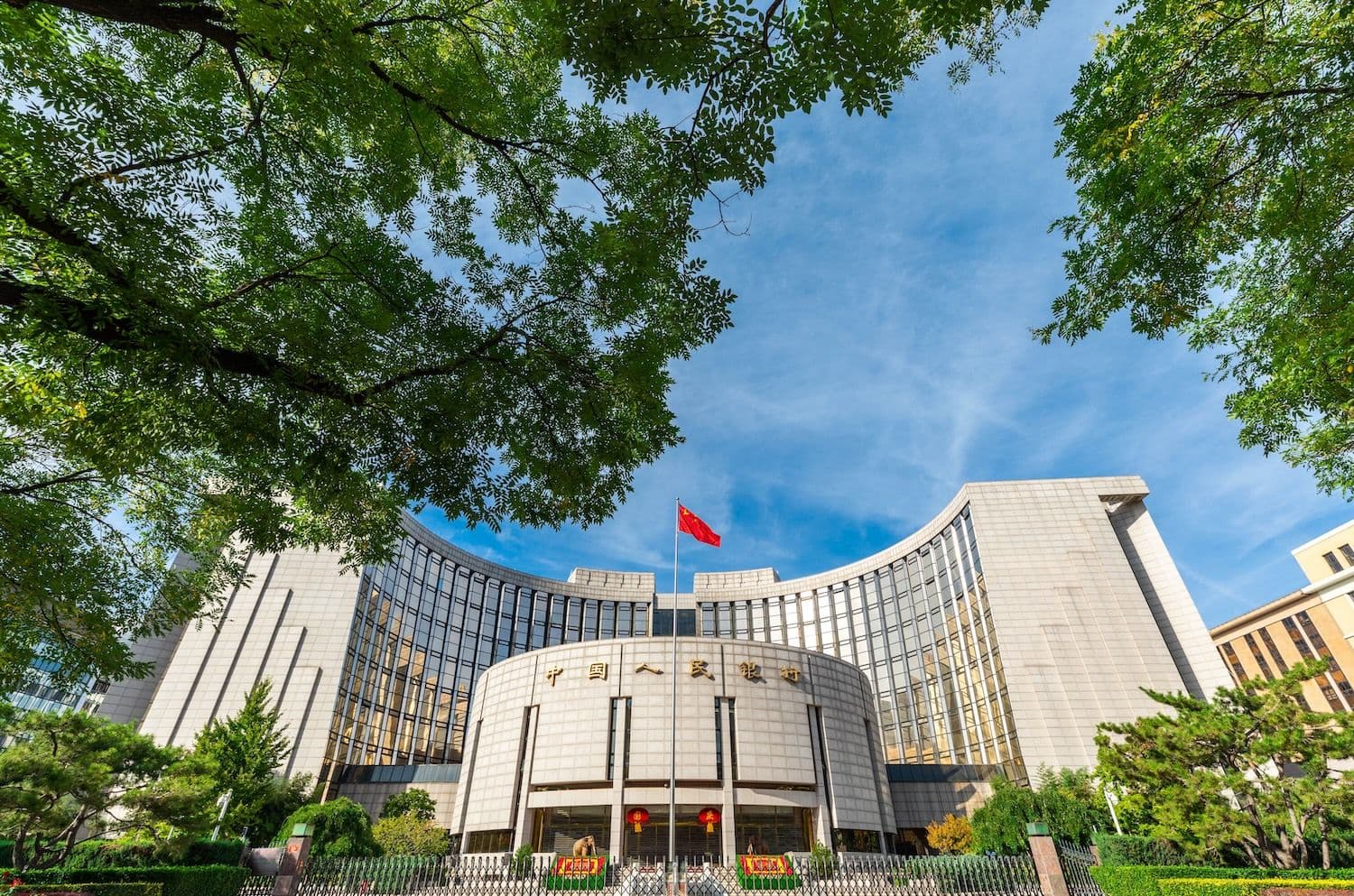
The People's Bank of China reinforced the nation's cryptocurrency prohibition over the weekend, warning that digital asset trading has reemerged despite a ban implemented three years ago. The central bank singled out stablecoins as a primary concern, pledging intensified enforcement against what it termed illegal financial activities.
What Happened: Trading Resurfaces
The People's Bank of China announced Saturday following a meeting with 12 other government agencies that "virtual currency speculation has resurfaced" due to various factors, creating new challenges for risk management.
The bank stated that virtual currencies lack legal tender status and cannot function as currency in the market, according to a translation of its official statement.
"Virtual currency-related business activities constitute illegal financial activities," the bank said.
China banned cryptocurrency trading and mining in September 2021, citing concerns about criminal activity and threats to financial system stability.
The central bank emphasized particular concerns about stablecoins, stating the tokens fail to meet legal requirements and facilitate criminal operations.
"Stablecoins are a form of virtual currency, and currently cannot effectively meet requirements for customer identification and Anti-Money Laundering, posing a risk of being used for illegal activities such as money laundering, fundraising fraud, and illegal cross-border fund transfers," the bank said.
Also Read: XRP Falls Below $2.15 Support As Technical Indicators Turn Bearish
Why It Matters: Enforcement Expansion
The 13 agencies pledged to "deepen coordination and cooperation" in tracking cryptocurrency users through enhanced information sharing and monitoring capabilities.
The announcement signals renewed enforcement despite China maintaining the world's third-largest Bitcoin mining share at 14% as of October, according to data reported by Reuters.
China's financial regulators instructed brokers in August to cancel seminars and halt research promotion on stablecoins over fraud concerns. The mainland crackdown has affected Hong Kong, which opened stablecoin issuer licensing in July but saw some technology companies suspend launch plans after Chinese regulators reportedly intervened to pause offerings.
The renewed warnings indicate Beijing views cryptocurrency activity as persistent despite the 2021 prohibition, with authorities focusing enforcement resources on cross-border financial flows and stablecoin usage.
Read Next: Infinite-Mint Vulnerability Behind Yearn Finance's $2.8M yETH Exploit, Nansen Confirms