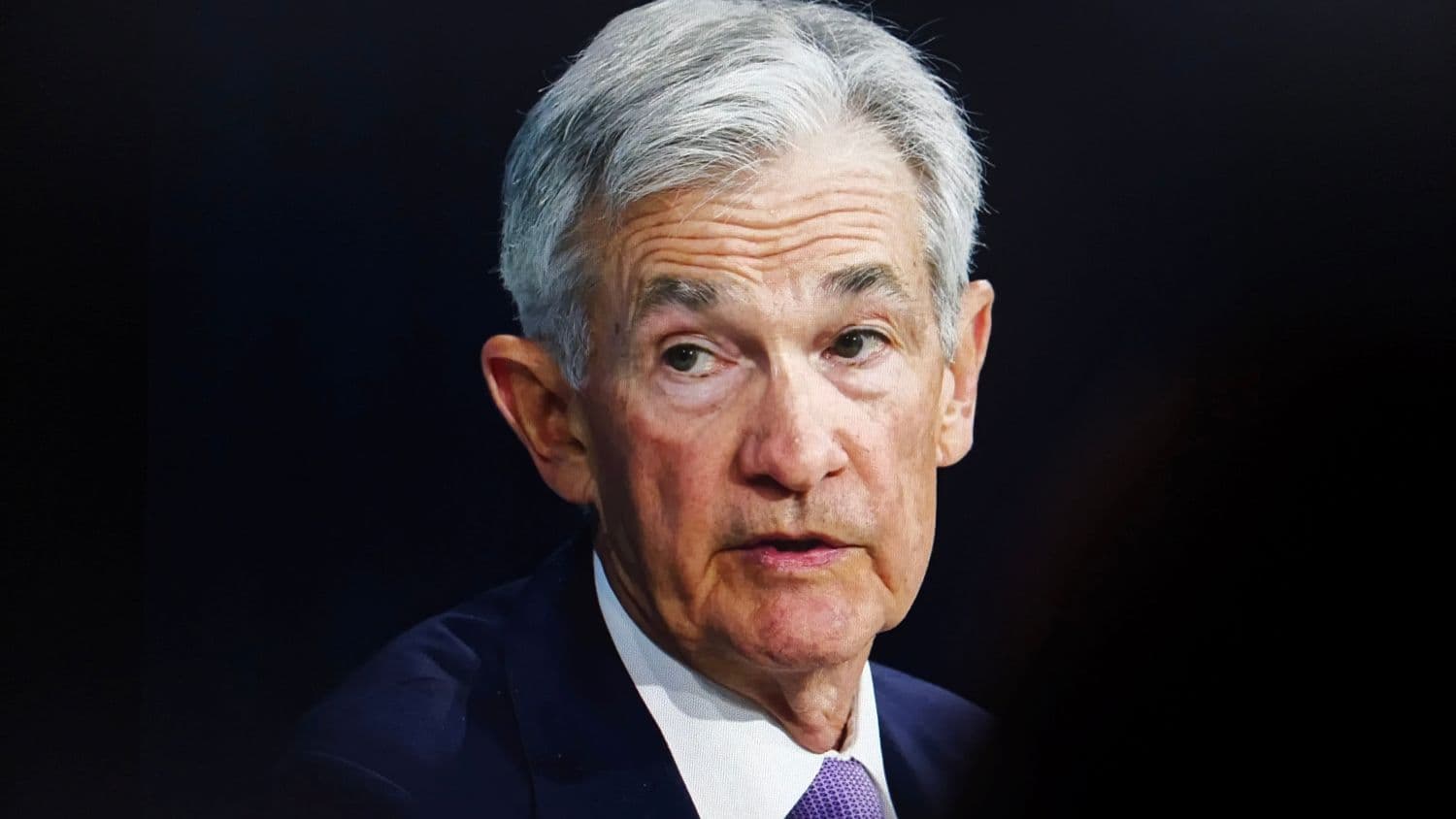
Jerome Powell on Wednesday said the Federal Reserve no longer views its current policy stance as clearly restrictive, arguing that recent economic data make it difficult to justify that characterization as the central bank holds interest rates steady.
Speaking at a press conference following the Federal Open Market Committee’s decision to leave rates unchanged, Powell said, “it’s hard to look at the incoming data and say that policy is significantly restrictive at this time,” adding that policy may now be closer to neutral after an extended easing cycle.
Fed Sees Policy Near Neutral After Rate Cuts
The Fed held the target range for the federal funds rate at 3.50% to 3.75%, after cutting rates by a total of 175 basis points since September 2024.
Powell said those moves have brought policy into a range consistent with estimates of neutral, reducing the need for further immediate adjustments.
“I think, and many of my colleagues think, it’s hard to look at the incoming data and say that policy is significantly restrictive at this time,” Powell said. “It may be sort of loosely neutral or it may be somewhat restrictive.”
He added that while some committee members still see room for additional normalization, the Fed has already completed “a good piece of” that process and is now positioned to assess how the economy evolves.
Labor Market Stabilizes As Inflation Remains Elevated
Powell said the U.S. economy is entering 2026 on a solid footing, with growth holding up and signs that labor market conditions are stabilizing after a period of cooling.
The unemployment rate stood at 4.4% in December, with job gains remaining subdued but showing fewer signs of deterioration.
On inflation, Powell said progress has been made since mid-2022, though price pressures remain above the Fed’s 2% target.
Also Read: White House Moves To Break Banking–Crypto Deadlock Over Stablecoin Rules
“Inflation has eased significantly from its highs in mid-2022, but remains somewhat elevated,” he said, citing core PCE inflation of 3.0% over the past year.
He attributed much of the remaining inflation overshoot to goods prices affected by tariffs, while noting continued disinflation in services.
Powell said the committee expects tariff-related price increases to be temporary, cautioning against declaring victory too early.
Decisions To Be Made Meeting By Meeting
Powell emphasized that monetary policy is not on a preset path and that future rate decisions will depend on incoming data and the balance of risks between inflation and employment.
“We’re well positioned here to watch how the economy performs, look at the data,” Powell said. “We’re not making decisions about future meetings, but we do think we’re well positioned after those three cuts to let the data speak to us.”
He added that while a rate hike is not the Fed’s base case, the committee continues to monitor risks on both sides of its mandate as economic conditions evolve.
Read Next: Vitalik Warns AI Could Replace Crypto If Industry Keeps Prioritizing Speculation Over Utility