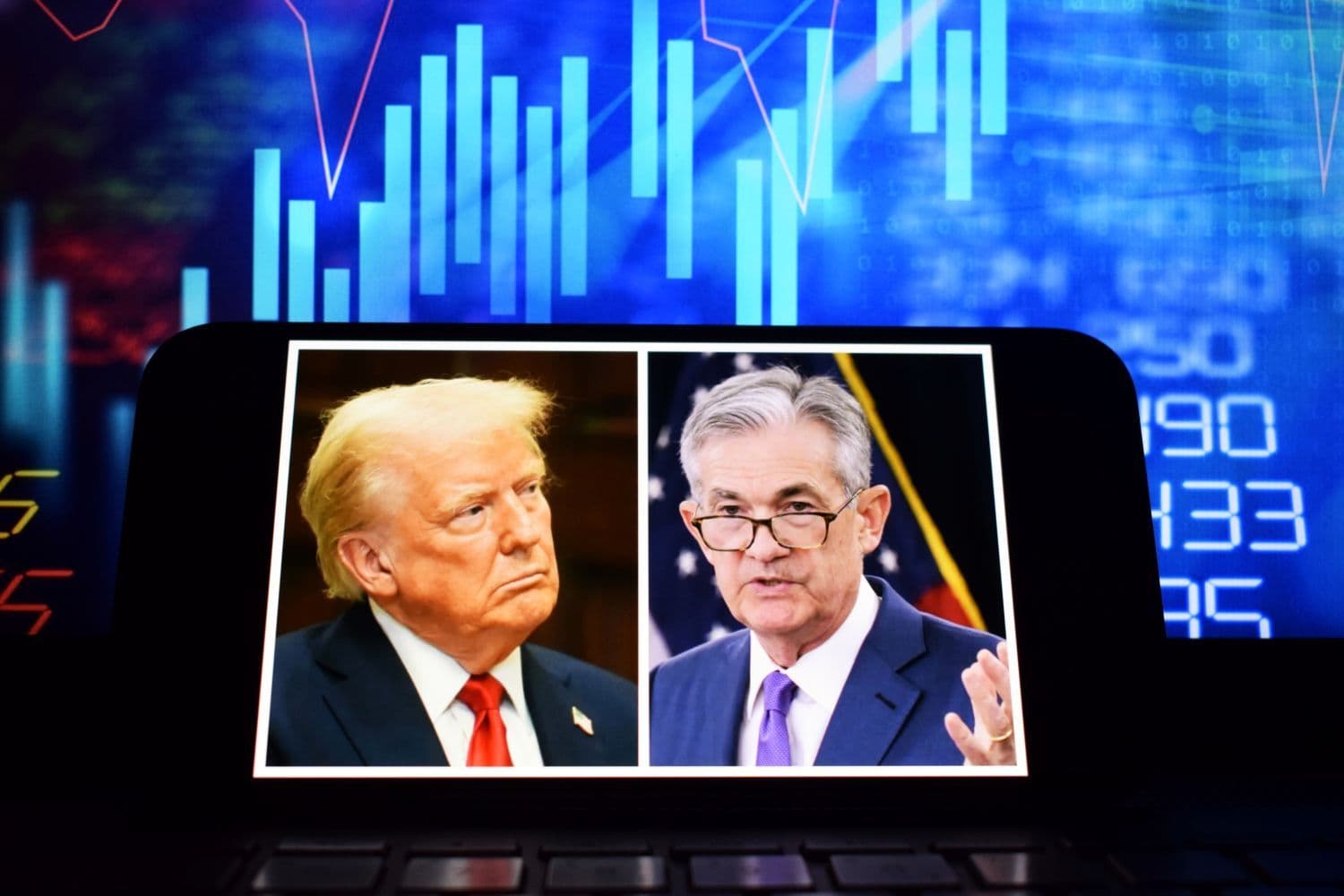
US Fed Chair Jerome Powell has said the threat of criminal charges against him should be understood as part of a broader campaign of political pressure from the Donald Trump administration, warning that the Federal Reserve’s independence is being challenged for refusing to align monetary policy with presidential preferences.
What Happened
In a rare public statement on Sunday evening, Powell disclosed that the Department of Justice had served the Federal Reserve with grand jury subpoenas tied to his testimony before the Senate Banking Committee last year regarding a multiyear renovation of historic Fed buildings.
While emphasizing his respect for the rule of law, Powell said the legal action was not genuinely about congressional oversight or his prior testimony.
“This is not about the renovation project,” Powell said. “Those are pretexts.” Instead, he argued, the threat of indictment is a consequence of the Fed setting interest rates based on economic evidence rather than political demands.
Powell said the episode raises a fundamental question about whether U.S. monetary policy will continue to be guided by data and statutory mandates, or whether it will be shaped by intimidation from the executive branch.
A Long-Running Clash Over Monetary Policy
Powell’s remarks revive a years-long conflict with Donald Trump, who repeatedly criticized the Fed during his presidency for keeping interest rates higher than he preferred.
Trump publicly accused Powell of undermining economic growth, considered removing him from office, and routinely pressured the central bank to cut rates more aggressively.
Despite being appointed by Trump in 2018, Powell resisted those demands, emphasizing the Fed’s independence and its dual mandate of price stability and maximum employment.
Trump’s attacks marked one of the most sustained efforts by a modern U.S. president to influence central bank policy, drawing concern from economists and lawmakers across party lines.
Also Read: The Silent Fiscal Crisis Consuming Nearly 5% Of Americas Entire Economy Right Now
Powell noted that he has served under four administrations, Republican and Democratic, and said he has consistently carried out his duties “without political fear or favor.”
Implications For Markets And Monetary Credibility
The legal escalation comes at a sensitive moment for markets, as investors closely watch the interaction between fiscal policy, rising government debt, and central bank decision-making.
In a note sent to Yellow.com, Jimmy Xue, chief operating officer and co-founder of Axis, said the proceedings introduce a new layer of uncertainty around the Fed’s autonomy at a time of growing fiscal dominance.
Xue said challenges to central bank independence reinforce Bitcoin’s appeal as a neutral asset that operates outside political and legal influence.
As concerns grow that monetary policy could be shaped by executive pressure, he said institutional investors are increasingly viewing Bitcoin’s fixed supply as a hedge against currency debasement.
A Broader Test Of Institutional Independence
Powell framed the moment as larger than his own position, describing it as a test of whether independent institutions can function without political coercion.
He said public service sometimes requires standing firm in the face of threats, and pledged to continue executing the role the Senate confirmed him to perform.
The episode marks one of the most direct confrontations in recent history between the White House and the Federal Reserve, with implications not only for U.S. monetary policy but also for broader confidence in institutional guardrails that underpin global financial markets. Read Next: Vitalik Reveals Ethereum Is Now Positioned Against What Crypto VCs Actually Want To Fund