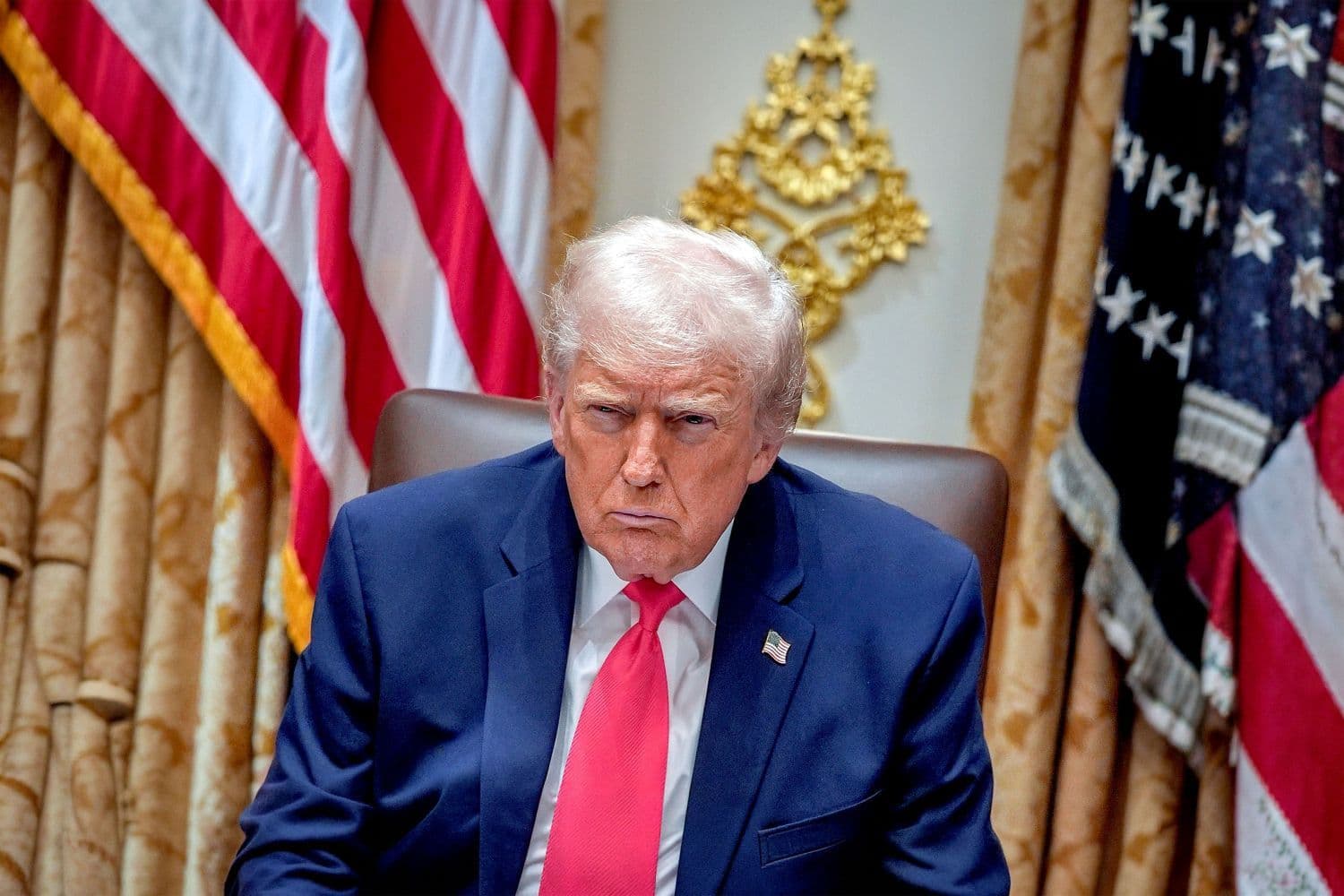
President Donald Trump on Saturday said the United States “stands ready to help” Iranians seeking freedom, remarks that come as senior U.S. officials have conducted early internal discussions about how a military strike on Iran might be carried out if directed.
Trump’s post on Truth Social described Iran as “looking at FREEDOM, perhaps like never before,” and said the United States is prepared to assist in that trajectory.
The comment coincided with a Wall Street Journal report that administration officials privately weighed potential attack options, including possible targets for an aerial strike on Iranian military facilities, a scenario discussed but not finalized.
U.S. officials familiar with the matter told the WSJ that discussions are in preliminary stages and do not reflect a decision to attack.
No military forces have been repositioned in anticipation of hostilities, and the talks remain conceptual rather than operational at this point.
Context Of Protests And U.S. Statements
Iran has seen some of its most widespread protests in years, with demonstrations spreading across major cities in recent weeks over economic conditions and political repression.
Security forces have responded with force, leading to hundreds of arrests and a rising death toll amid internet blackouts that have limited independent reporting from within the country.
Trump’s message of support follows similar statements from U.S. lawmakers urging backing for Iranian protestors.
Republican Senator Ted Cruz said American public opinion broadly supports Iranian demonstrators and credited Trump with reinforcing that stance.
Inside U.S. Strike Planning
According to reporting on the discussions, one scenario under consideration would involve large-scale aerial strikes against Iranian military targets.
Officials said that there is no consensus on such an approach, and emphasized that preliminary strike talks are part of standard planning for geopolitical hotspots rather than a sign of imminent military action.
Strategic planners often maintain contingency options for potential conflicts, but shaping and approving a military plan involves multiple layers of review, including assessments of repercussions on regional stability, diplomatic fallout, and legal justification.
Market Risk And Geopolitical Spillovers
Heightened geopolitical risk historically affects financial markets, including commodities, equities and, increasingly, digital assets.
During past Middle East tensions, risk-sensitive assets like Bitcoin have shown heightened volatility, moving in correlation with traditional markets when investor sentiment tilts toward risk-off positioning.
Analysts note that crypto markets may behave differently from traditional assets during geopolitical events, with some episodes showing initial sell-offs followed by periods of recovery as macro conditions evolve.
This complexity reflects Bitcoin and other digital assets’ dual identity as both risk assets and potential hedges, depending on broader financial dynamics.
Broader Geopolitical Backdrop
Tensions between the U.S. and Iran have historical roots in nuclear proliferation concerns, regional influence struggles, and proxy conflicts.
Previous actions, including strikes on Iranian nuclear and military facilities, drew retaliation and sustained regional instability.
Iran’s leadership has repeatedly stated that it does not seek a war with the United States or its allies, even as it asserts readiness to defend itself.
Diplomatic efforts, including negotiations in 2025 that explored potential limits on Iran’s nuclear program and related sanctions measures, reflect another track of engagement.
Those talks proposed stepped initiatives involving enrichment caps, inspections and sanctions relief but have not produced a lasting agreement.
Uncertain Path Ahead
For now, discussions about potential strike logistics remain in early stages, and Trump’s public comments stop short of operational commitments.
The administration continues to frame its role as supportive of Iranian protestors while navigating the complexities of regional security and global diplomatic alliances.
As geopolitical risk fluctuates, markets, including the cryptocurrency market, are likely to continue factoring in the possibility of escalation or diplomatic resolution, emulating how political developments far from trading floors can influence financial conditions worldwide.