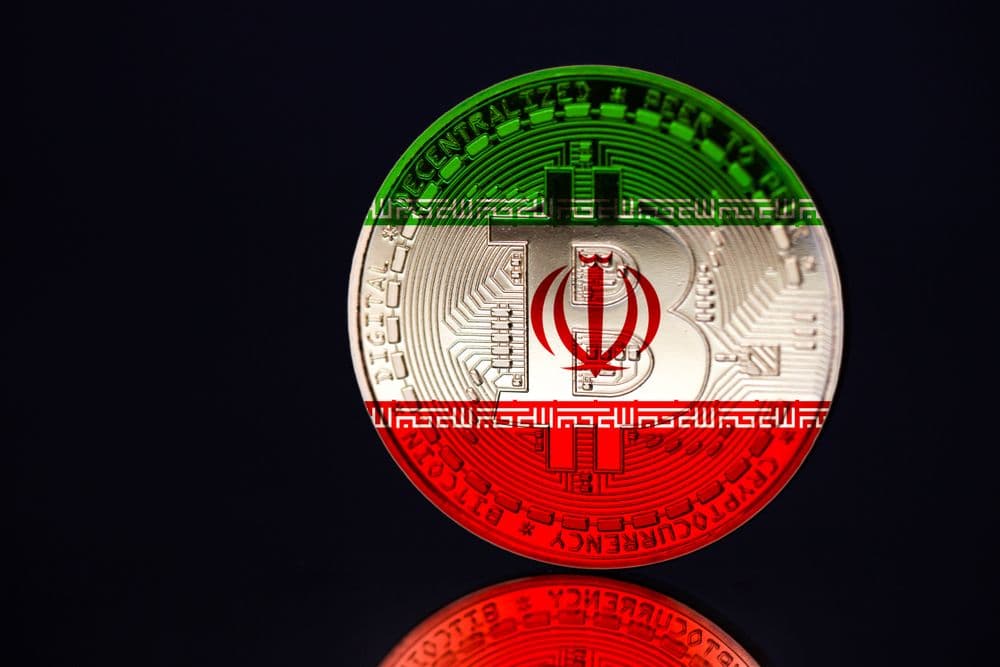
The US-Israeli strikes on Iran's nuclear infrastructure Saturday have drawn attention to a parallel financial system Tehran has built over six years using state-sponsored Bitcoin (BTC) mining and stablecoins to move value outside dollar-controlled banking rails.
Blockchain analytics firm Chainalysis found that Iran's total cryptocurrency ecosystem reached $7.78 billion in 2025 - a figure that grew faster than the prior year and rivals the GDP of small sovereign states.
The Islamic Revolutionary Guard Corps accounted for more than half of that activity.
Iran legalized cryptocurrency mining in 2019, allowing licensed operators to use subsidized electricity in exchange for selling mined Bitcoin to the central bank.
The model effectively converts cheap domestic energy into a cross-border asset: a miner generates Bitcoin (BTC), transfers it to the central bank, and the bank sends it to overseas counterparties to pay for imports - bypassing SWIFT and US-controlled settlement infrastructure.
Iran is estimated to account for 2% to 5% of global Bitcoin mining hashrate, though much of the activity is unlicensed and opaque.
The IRGC's Growing On-Chain Footprint
Chainalysis estimates IRGC-linked addresses received more than $3 billion in 2025, up from $2 billion in 2024, and accounted for over 50% of total Iranian cryptocurrency inflows in the fourth quarter.
The firm notes those figures are a lower bound - the analysis covers only wallets already publicly designated by US Treasury and Israeli authorities, excluding shell companies and unidentified intermediaries.
Separately, Elliptic found Iran's central bank accumulated at least $507 million in USDT in 2025, likely to stabilize trade and partially offset rial depreciation.
That effort has not halted the currency's collapse - the rial has lost more than 96% of its value against the dollar.
Read also: Kalshi Refused To Let Traders Profit From Khamenei's Death - Then Refunded Everyone On A $36M Market
Civilian Use and Infrastructure Risk
Ordinary Iranians are also using the network. During mass protests that began December 28, 2025, and a subsequent internet blackout, Bitcoin withdrawals from Iranian exchanges to personal wallets surged sharply, according to Chainalysis.
The pattern reflects a documented trend in other countries experiencing hyperinflation or political instability: citizens move assets to self-custody as traditional banking access becomes unreliable. The current conflict introduces infrastructure risk to the state side of the equation.
Mining operations are energy-intensive, and Iran has previously imposed seasonal mining bans during grid stress.
Sustained strikes on power infrastructure could temporarily reduce the country's hashrate contribution, though the global Bitcoin network rebalances difficulty automatically as other miners absorb the capacity.